Showing posts with label VLDL. Show all posts

Friday, February 19, 2016

High Dose Stevia Turns Weight Gain into Loss, Lowers Lipid and Glucose Levels not Only When Used to Replace Sugar - Effects are Mediated by Reduced Energy Intake & Utilization

There's very little "natural" about the natural sweetener stevia when it ends up in your food in form of purified and decolorized steviosids.
As a SuppVersity reader you'll know that "natural" does not equate "healthy". This, the proven anti-microbial effects stevia exerts in your gut and the fact that the currently available steviosid-based stevia products undergo more processing steps than than the dreaded aspartame warrant the question whether (a) stevia is safe and (b) as effective as other sweeteners when it comes to weight loss promotion.

Since the optimal dosage of stevia to achieve meaningful effects is also not known, yet, scientists from the Alexandria University in Egypt investigated the safety ad efficacy of different amounts of stevia sweeteners (25, 250, 500 and 1000 mg/kg body weight per day) as a substitute for sucrose on weight gain or the weight loss and weight management of female rats on an ad-libitum diet.
You can learn more about sweeteners at the SuppVersity

Aspartame & Your Microbiome - Not a Problem?

Will Artificial Sweeteners Spike Insulin?

Sweeteners & the Gut Microbiome Each is Diff.

Chronic Sweeten-er Intake Won't Effect Microbiome

Stevia, the Healthy Sweetener?

Sweeteners In- crease Sweet- ness Threshold
Sixty adult female Wistar strain rats (average weight 203 ± 6 g) were used in the present experiment. Animals were obtained from Faculty of Medicine, Alexandria University, Egypt. Animals were caged in groups of 6 and given distilled water and a standard diet that meets their requirements for growing ad libitum. The diet consisted of  44% soybean cake; 12% berseem clover hay, 13.5% fat, 9.8% yellow maize, 13.2% starch, 5% minerals; 2% lime stone and 0.5% vitamins mixture. After two weks of acclimatization, animals were divided into six equal groups:
  • The first group was drank distilled water (Negative control), and positive control was given a dose of sucrose dissolved in drinking water at 500 mg/kg/day. This dose of sucrose used in this experiment was predicted to dose of stevia sweeteners equivalent concentration estimated by JECFA as control. 
  • "On the other hand, groups 3, 4, 5 and 6 were given a different doses of stevia sweeteners which were dissolved in drinking water at a dose level of 25 mg/kg/day (human equivalent dosage, HED = 4 mg/kg/day) according to JECFA (G1), 250 mg/kg/day (G2: HED = 41 mg//kg/day), 500 mg/kg/day (G3: HED = 81 mg/kg/day) and 1000 mg/kg/day (G4: HED = 162 mg/kg/day ), respectively" (Elnaga. 2016)
To assess how much stevia the animals actually consumed, the scientists recorded the animals fluid intake daily. To ensure constant intakes in all groups, they adjusted the solution concentrations weekly based on the average weight of the animals and their current fluid consumption.
At the end of the experimental period (12 weeks), body weights of animals were recorded and calculated of body weights gain (%) and feed efficiency ratio (FER) according to the method of Chapman et al. (1959).
Figure 1: Body weight of rats treated with administration of sucrose (S) and stevia sweetener different dosages (25, 250, 500 and 1000 mg/kg) for 12 weeks compared with control (Elnaga. 2016).
You probably expected that the replacement of sugar with stevia would lead to significant reductions in body weight gain, right? Well, if you scrutinize the data in Figure 1, you will notice that the effect went far beyond a reduction in weight gain. In fact, all stevia supplemented animals lost weight - dose-dependently 40.29%-48.29%.
Figure 2: Organ weights relative to body weight of female rats treated with stevia sweetener at doses of 25, 250, 500 and 1000 mg/kg b. wt and sucrose compared with control (Elnaga. 2016).
This certainly sounds like bad news, but the data in Figure 2 tells you that the weight of all important organs (liver, heart, brain, kidney, lung, pancreas and spleen) remained stable. Unfortunately, the scientists did not measure muscle and fatpad weight.
Figure 3: Final body weight, feed intake and body weight gain % in rats treated with administration of stevia sweetener in different dosages (25, 250, 500 and 1000 mg/kg) after 12 weeks on ad-libitum diet (Elnaga. 2016).
In view of the significantly reduced feed intake (>50%) and the even more reduced feed efficiency ratio (FER), of which the scientists say that it was the lowest at a dose 1000 mg/kg b.wt stevia ( -6.14) and increased with decreasing stevia intakes (-5.21, -3.22 FER and -2.91 FER), it would yet be unreasonable to assume that the weight difference was a results of fat loss, alone.
What about human studies? And what's the mechanism? Comparable human studies haven't been done and the fact that a 2005 study by Chang et al. suggests that the body weight loss of rats receiving 5.0 mg/kg stevioside was due to the poor palatability of the food because of the high amount of stevioside. It is thus questionable if stevia would work the same magic in humans. Ok, in the study at hand, the sweetener was gavaged in the drinking water, but the food intake still decreased significantly. Significantly enough to trigger profound weight loss even in the absence of the reduced feed efficacy (see Figure 3); and even the reductions in blood lipids and glucose could eventually be a function of weight loss - even though, studies appear to suggest that stevia has insulinotropic, glucagonostatic, antihyperglycemic, and blood-pressure-lowering effects all of which would suggest that it could be more than a sugar replacement (Gregersen. 2004; Hony. 2006).
Aside from the questionable weight loss, the three groups of rats treated with stevia sweetener showed improvement in lipid profile levels comparing with negative or positive control group. More specifically,
  • ... the total lipid levels of the rodents decreased by 11.96%, 19.89%, 25.03% and 37.07% when rats were given stevia sweetener at doses of 25, 250, 500 and 1000 mg/kg/b. wt, respectively compared to negative control,
  • ... the LDL values in rat serum lipids decreased with increasing the doses of stevia sweetener; rats given stevia sweetener at dose 1000 mg/kg b. wt showed the highest decrease in the LDL (26.50%) followed by those given dose 500 mg/kg (24.36%), dose 250 mg/kg (19.90%) and finally dose 25 mg/kg (15.01%), and 
  • ... the VLDL levels were decreased 3.13%, 11.18%, 19.87% and 26.08% in rats given stevia sweetener at doses of 25, 250, 500 and 1000 mg/kg.
The decreases in total, LDL and VLDL cholesterol stand in contrast to significant increase in HDL and corresponding decreases of the LDL/HDL ratio from 3.43 and 3.76 in the negative and positive control group to 2.90, 2.49, 2.30 and 2.18 in the 25mg/kg, 250mg/kg, 500mg/kg and 1000mg/kg groups, respectively.
Figure 4: Blood lipids and glucose levels after 12 weeks on high sucrose water with different amounts of stevia replacing the sucrose in the water; data expressed relative to negative (=water) control (Elnaga. 2016).
Ill effects on markers of liver health or general blood parameters were not observed and the significant decrease in blood glucose levels, I added to the relative changes in lipid levels in Figure 4, is certainly nothing to be concerned about.
Bottom line: Just as the scientists put it, "the stevia sweetener treated groups showed significantly improvement and ameliorated reduction in bodyweight, BWG % and lesser intake of feed" (Elnaga. 2016). In conjunction with the "decreasing [...] levels of blood glucose, total lipids, total cholesterol, triglycerides and low-density lipoprotein concentrations, and increasing [...] high-density lipoprotein" (ibid.) concentrations the study at hand appears to suggest that stevia was a wonder-drug.

Study indicates stevia kills healthy gut bacteria. So, how bad is it? Are the effects significant, will they have an impact on your overall health and does this mean you must not use stevia any longer? Learn more in this SV Classic
Two things you must not forget, though, are that (a) the health benefits were most pronounced in comparison to the "positive control", i.e. the sucrose guzzling rats that represent the average sugar-sweetened beverage junkie and that (b) the >40% of weight the rodents lost certainly didn't come from body fat, exclusively.

In view of the contemporary lack of data that would confirm the beneficial effects of several grams of stevia (the dose equivalents for an adult are  ~0.2, ~1.6, ~3.2, ~6.5g per day, respectively) on the body composition and lipid levels of human beings, I must caution against being too euphoric about the results of this study, anyways. | Comment!
References:
  • Chang, J. C., et al. "Increase of insulin sensitivity by stevioside in fructose-rich chow-fed rats." Hormone and metabolic research= Hormon-und Stoffwechselforschung= Hormones et metabolisme 37.10 (2005): 610-616.
  • Elnaga, NIE Abo, et al. "Effect of stevia sweetener consumption as non-caloric sweetening on body weight gain and biochemical’s parameters in overweight female rats." Annals of Agricultural Sciences (2016).
  • Gregersen, Søren, et al. "Antihyperglycemic effects of stevioside in type 2 diabetic subjects." Metabolism 53.1 (2004): 73-76.
  • Hong, Jing, et al. "Stevioside counteracts the α-cell hypersecretion caused by long-term palmitate exposure." American Journal of Physiology-Endocrinology and Metabolism 290.3 (2006): E416-E422.

Friday, October 23, 2015

Silicon-Powered Anti-Heart Disease Sausages / High Protein Breakfast, High Satiety, No Change in Food Intake / 49% Higher Chance of Healthy Aging Depends on Moderation

Can you pump them up w/ silicon and to negate their atherosclerotic effects!? 
In today's installment of the Nutrition Research Update in the Short News, I am going to tackle three studies that deal with the surprisingly pronounced, yet practically potentially irrelevant benefits of eating a high protein breakfast, silicon... not in breasts, but sausages as a means to protect you from heart disease and the fact that calories count so much that even on a "healthy diet" only those who eat in moderation will age healthily.

That sounds interesting? Fine! I am not going to waste any more time and will fast forward to the first study...
Read more short news on various topics here at the SuppVersity

Exercise Research Uptake Nov '14 1/2

Exercise Research Uptake Nov '14 2/2

Nutrition and (Anti-)Aging News Special

Exercise Supplementation Quickie

Exercise Research Uptake Jan 12, 2015

Read the Latest Ex. Science Update
  • Breakfasts Higher in Protein Increase Postprandial Energy Expenditure, Increase Fat Oxidation, and Reduce Hunger in Overweight Children from 8 to 12 Years of Age - In the eponymous study, Baum et al. determined whether consumption of a protein-based breakfast (PRO) increases postprandial energy metabolism and substrate oxidation, reduces hunger, and reduces food intake at lunch compared with a carbohydrate-based breakfast (CHO) in normal weight (NW) vs. overweight/obese (OW) children. Both, the normal and over-weight children participated in the same randomized, crossover protocol that arranged for all participants to be served a
    • high PRO [344 kcal, 21% protein (18 g), 52% carbohydrate, and 27% fat] or 
    • high CHO [327 kcal, 4% protein (3 g), 67% carbohydrate, and 29% fat]
    breakfast, after which the energy expenditure (EE), substrate oxidation, appetite, and blood glucose were measured over a 4 h period. To access whether the high protein intake would also affect the participants appetite, the subjects had free access to a lunch buffet and food intake was recorded.
    Figure 1: Energy expenditure, fat and carbohydrate oxidation in the 4h post breakfast (Blum. 2015).
    The results were unambiguous: After breakfast, OW children in the PRO group had higher (P < 0.0001) EEs and fat oxidation over the 4 h period than did the NW children in the CHO and PRO groups. Of these, the increase in energy expenditure was transient and didn't last for the full 4h period. The increase in fat oxidation in response to the high protein intake, on the other hand, lasted for the full 4 h period (+16%; P < 0.05) and went hand in hand with a surprisingly pronounced 32% increase in carbohydrate oxidation in the PRO vs. CHO (P < 0.01) trial.
    Table 1: Despite decreased hunger and increased fullness, the protein breakfast did not reduce the total energy intake or modify the macronutrient ratio of the foods the kids selected at the lunch buffet (Baum. 2015).
    Now, all this sounds great, but even though the subjects experienced decreased feelings of hunger (−14%; P < 0.01) and increased fullness (+32%; P < 0.05) after the PRO than the CHO breakfast, the lack of effect on the intake at the subsequent ad-libitum lunch is disappointing to say the least. This and the lack of long-term data make it very difficult to predict if a similar increase in protein during breakfast only would actually help the subjects lose weight.  
  • Silicon ... not breasts, but enhanced meat may protect older individuals against atherosclerosis - That's at least what a recent rodent study by Garcimartin et al. (2015) suggests.
    "Research has shown that silicon can play an important role in protecting against degenerative diseases. Restructuring pork by partially disassembling meat would permit the incorporation of active components with potential functional effects. However, there has been no research to date on the impact that silicon, as a functional ingredient in restructured pork (RP), has on lipoprotein composition, metabolism, and oxidation" (Garcimartin. 2015).
    In order to find out whether the addition of silicon would actually have a meaningful effect, the scientists added 1.3g/kg silicon to sausages that were then fed to one group of old rodents while the rest received regular, non-enriched sausages as part of regular and pro-atherogenic cholesterol-enriched diets.

    The results were quite astonishing, as is partially normalized the changes induced by the high cholesterol diet. Compared with the rodents who received the regular sausages, those on the silicon sausages had lower VLDL compound concentrations (P < 0.001; e.g., 75% less VLDL cholesterol) and a significantly reduced VLDL oxidation (65% less conjugated dienes and 85% less TBARS) that went hand in hand with an increase in LDL-receptor expression (200% more).
    Figure 1: The silicon in the sausages increased the LDL receptor density to (almost) normal, the amount of cholesterol protecting AE in the blood and liver, as well as its ratio to the amount of cholesterol. The result is obvious: With as little oxidized VLDL in the blood as the control, we can safely assume that the rodents that consumed the silicon enriched sausages have a sign. lower atherosclerosis risk (Garcimartin. 2015).
    In spite of the fact that there are differences in the susceptibility of mouse and man to the pro-atherogenic diets of the results do - just as the authors point out - still suggest that silicon added to restructure pork can strongly counterbalanced the negative effect of high-cholesterol-ingestion and, as I would like to add, the negative effects of endogenous cholestrol (by increasing its uptake by LDL receptors and decreasing its susceptibility to oxidation) thus "functioning as an active hypocholesterolemic, hypolipemic, and antioxidant dietary ingredient" (Garcimartin. 2015).
  • Healthy eating requires a controlled (not restricting) energy intake to increase one's chance of "aging healthily" by almost 50% - If you question if eating "healthy" and not eating everything in sight is even worth it, you will like the results of a recent study from the Sorbonne in Paris (Essmann. 2015).

    In her latest study Karen E Essmann and her colleagues analyzed the diets of a subgroup of 2769 participants of the SU.VI.MAX (SUpplémentation en Vitamines et Minéraux AntioXydants) trial. They identified subjects consuming "healthy" and those on the "standard Western diet", adjusted the data for a large number of potential confounders and the influence of high(er) and low(er) energy intakes.
    Table 2: Overview of the criteria the scientists applied to identify "healthy eating" - CES-D, Center for Epidemiologic Studies–Depression Scale; DKTMT, Delis-Kaplan version of the Trail Making Test; IADL, instrumental activities of daily living; MMSE, Mini-Mental State Examination; RI-48, 48-item cued recall test; SF-36, Medical Outcome Study Short Form 36; SPPB, Short Physical Performance Battery.
    In that, the scientists found that the association between "healthy eating" and "healthy aging" was mediated by low(er) energy intakes. Only in subjects with median or lower energy intakes, the association between "healthy eating" and "healthy aging" reached statistical significance, so that the non-gluttonous "healthy eaters" were 49% more likely to age healthily.

    Since we are already talking "healthy eating", let's briefly mention that scientists from the University of Eastern Finland just confirmed the obvious (Haapala. 2015): A poorer diet quality is associated with worse cognition in children. What is a bit surprising, though, is that the relationship was stronger in boys than in girls.
In contrast to Blum's study, a previous study with high fat breakfasts showed sign. reduced 24h food intakes | more
Bottom Line: So what did we learn today? I guess if you want to find a general bottom line it is as simple as "when it comes to nutrition, things are never as straight forward as it is often portrayed in the mainstream media". High protein breakfasts, for example will help you to control your energy intake (by increasing satiety and fullness) and increase your energy expenditure, but they (certainly) won't make you lose weight in a scenario where you simply eat whatever is in sight. The same goes for the link between "eating healthy" and "aging healthy" which is significant (+49%) only in those who don't overeat on their healthy diets (note: a median intake is enough, you don't have to fast!).

And if that was not complex enough, take a look at the silicon sausage study. With the right additives even something as junk-foody as sausages can have almost "medical" effects. Whether silicon supplements have the same effects in men and women, though, would require future (long-term) studies | Comment on Facebook!
References:
  • Assmann, et al. "A Healthy Dietary Pattern at Midlife, Combined with a Regulated Energy Intake, Is Related to Increased Odds for Healthy Aging." J. Nutr. first published on 5 August 2015 doi:10.3945/jn.115.210740
  • Baum, et al. "Breakfasts Higher in Protein Increase Postprandial Energy Expenditure, Increase Fat Oxidation, and Reduce Hunger in Overweight Children from 8 to 12 Years of Age." J. Nutr. first published on 12 August 2015 doi:10.3945/jn.115.214551
  • Garcimartín, et al. "Silicon-Enriched Restructured Pork Affects the Lipoprotein Profile, VLDL Oxidation, and LDL Receptor Gene Expression in Aged Rats Fed an Atherogenic Diet." J. Nutr. first published on 5 August 2015 doi:10.3945/jn.115.213934
  • Haapala, et al. "Associations of diet quality with cognition in children – the Physical Activity and Nutrition in Children Study." British Journal of Nutrition (2015): FirstView Article.

Monday, June 29, 2015

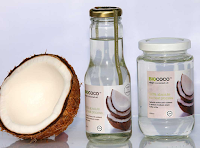
Virgin Coconut Oil Minimizes Weight Gain and Improves Blood Lipids (HDL⇈, LDL + VLDL ↘) to Reduce Atherogenic Index by 84% Even in Rats on Non-Atherogenic Diets

There are more than a dozen of options for virgin coconut oil on the market and there's no way the normal custumer can tell which one is actually "virgin" and which is a fraud and maybe even adulterated with palm oil - the technology to identify adulterations is there (Manaf. 2007), but I haven't heard of a label that would prove that the products were tested.
You are probably as fed-up with the hype around coconut oil as I am, right? Coconut oil here, coconut oil there. For this, for that and "did you know that coconut oil will also ..." Yes, you can even argue that a new branch of broscientists and snake oil vendors is dealing with little else than coconut oil.

In spite of that, I consider it at least remotely possible that the data from a recent rodent study that was published in the UK Journal of Pharmaceutical and Biosciences (Sharig. 2015) will catch your attention. I am sure you won't catch fire, though, but maybe at least some sparks, when you read that a relatively low dose of virgin coconut oil slowed down the weight gain, even if the oil was added to a non-obesogenic diet. Not excited? Well what about its triglyceride and total cholesterol lowering prowess and it's ability to keep LDL and VLDL in check while increasing HDL significantly - that's at least news-worthy isn't it?
Lean more about frying & co at the SuppVersity

VCO May not be the Optimal Oil for Frying

MUFA Modulates Gut Bacteria → Weight Loss

Taste of Olive Oil Heals - Flavor's Enough!

GMO Soybean Oil Proven to Be Pro-Inflammatory

"Pimp My Olive Oil" - W/ Extra Antioxidants

Frying Does not Just Oxidize Oils, It Does Fat More!
But first things first - here's what the scientists did: The scientists bought a bunch of 2 months old rats. After 2 weeks of acclimatization, they randomly assigned them to one of the following diets:
  • Group 1 was fed the normal pellet diet (control),
  • Group 2 was administered normal diet with VCO (1 ml/day),
  • Group 3 named as HCD received bread with pellet,
  • Group 4  animals received HCD bread and pellet with VCO (1 ml/day),
  • Group 5 called as HLD animals received cheese with pellet,
  • Group 6 named HLD animals received cheese and pellet with VCO (1 ml/day)
All groups had free access to diets and water ad libitum for 10 weeks. To make sure the virgin coconut oil was actually consumed, the VCO was administered by oral gavage at a dose of 1.42 ml/kg. That's the rodent equivalent of ~3 tablespoons of coconut oil which is what Fife recommends in "Coconut Cures" (2005) you should take everyday to - as the title of the book says - prevent and treat common health problems with coconut (not all of the claims made in the book can be considered scientifically proven, btw).
How much virgin coconut oil is that? And does it have to be virgin? For most people the approximate equivalent dose you'd have to consume are 3 tablespoons or equal to 45 ml/day. That was the easy part. Whether it has to be virgin coconut oil is a bit harder to explain, but in view of the significant correlation Marina et al. found between the total phenolic content of virgin coconut oil and its scavenging activity (r=0.91), and between the total phenolic content and its reducing power (r=0.96), I would be surprised if the phenol-depleted regular coconut oil would have the same beneficial effects on your atherosclerosis risk.
The rodents remained on their respective diets for 8 weeks before... no, not before they were sacrificed, but before the scientists from the Managemant and Science University in Malaysia used a spectrophotometer and commercial enzymatic kits to determine the lipid parameters by enzymatic endpoint method, as well as the plasma total cholesterol (TC), triglyceride (TG) and high-density lipoprotein (HDL) levels were measured using commercial enzymatic kits.
Figure 1: Effect of Virgin coconut oil on plasma lipid profile of albino Wistar rats after 8 weeks (Shariq. 2015).
A brief glimpse at the data in Figure 1 shows that the addition of virgin coconut oil did in fact have a not exactly life-saving, but still health-relevant effect on the lipid metabolism of the rodents. What I personally consider most intriguing is that this was the case for all diets, including the normal one.
he effect of virgin coconut oil on weight (WT), Atherogenic index (AI) and % of protection in diet-induced atheroscle-rosis after 8 weeks (Shariq. 2015).
So what's the bottom line? If we assume that the effects translate to human beings (this can be assumed, since the use of coconut oil predicts a beneficial lipid profile in pre-menopausal women in the Philippines | Feranil. 2011), virgin coconut oil could in fact exert health-relevant lipid modulating effects of which the data in Table 1 shows that it has a significant anti-atherosclerotic effect even if you consume a normal (=rel. healthy diet). But even though that's impressive, it does not warrant the claim that virgin coconut oil was a "cure-it-all" that would battle cancer, Parkinson's, multiple-sclerosis and what-not. So, if you hear about any of these miracle cures, please remain skeptical: VCO is not the cure for everything.

Now that we are already speaking about healthy skepticism, it may be worth mentioning that it is certainly no coincidence that all the beneficial "coconut research" comes from Malaysia or the Philippines, where people have a vested interest in selling the locally produced VCO at the highest possible prices. For the study at hand, though, no sponsoring or conflict of interest was declared, since there's no funding information that does yet mean very little. Furthermore, in spite of preliminary human studies showing similar effects (e.g. Liau. 2011 | discussed previously), there's no tightly controlled human trial out there that would confirm similar or even identical effects occur in humans | Comment on Facebook!
References:
  • Feranil, Alan B., et al. "Coconut oil predicts a beneficial lipid profile in pre-menopausal women in the Philippines." Asia Pacific journal of clinical nutrition 20.2 (2011): 190.
  • Liau, Kai Ming, et al. "An open-label pilot study to assess the efficacy and safety of virgin coconut oil in reducing visceral adiposity." ISRN pharmacology 2011 (2011).
  • Manaf, Marina Abdul, et al. "Analysis of adulteration of virgin coconut oil by palm kernel olein using Fourier transform infrared spectroscopy." Journal of Food Lipids 14.2 (2007): 111-121.
  • Shariq, B., et al. "Evaluation of Anti-Atherosclerotic Activity of Virgin Coconut Oil in Male Wistar Rats Against High Lipid and High Carbohydrate Diet Induced Atherosclerosis."

Sunday, January 11, 2015

Working Out 45 Min After Dinner Improves Post-Meal Blood Glucose & Trigs More Effectively Than Working Out Before

Resistance training alone won't make up for a sloppy diet - no matter if you do it before or after meals.
I am not sure how feasible this is going to be for you, but if you are a type II diabetic or anyone concerned about the potential detrimental health effects of the rise in glucose and triglycerides after a meal, working out 45 minutes after dinner is the way to go.

Abnormally elevated postprandial glucose and triacylglycerol (TAG) concentrations are strong risk factors for cardiovascular disease (CVD) in patients with type-2 diabetes. Therefore, scientists expect that interventions that reduce postprandial glucose and TAG concentrations should lower the risk of CVD (Krook. 2003; O'Gorman. 2008).
Learn more about the effects of your diet on your health at the SuppVersity

Only Whey, Not Soy Works for Wheytloss

Taste Matters - Role of the Taste Receptors
Dairy Protein Satiety Shoot-Out: Casein vs. Whey

How Much Carbs Before Fat is Unhealthy?

5 Tips to Improve & Maintain Insulin Sensitivity

Carbohydrate Shortage in Paleo Land
Previous studies have shown that acute exercise typically lowers postprandial glucose and TAG concentrations (Tobin. 2008) in patients with type-2 diabetes, but as Timothy D. Heden et al. point out, there is considerable heterogeneity in the responses with some individuals not experiencing beneficial changes in these risk factors (Gill. 2007; van Dijk. 2012).
"One potential explanation why some patients with type-2 diabetes do not have beneficial changes in postprandial glucose and TAG with acute exercise is because of the timing of the acute exercise session relative to meal consumption. Limited evidence suggests that the timing of aerobic exercise around a meal may be important and might explain why some individuals are exercise “insensitive” or “non responders”." (Heden. 2014) 
The only study to directly compare the effect of pre-meal and post-meal aerobic exercise on postprandial glucose concentrations in patients with type-2 diabetes showed that post-dinner, but not pre-dinner walking, lowered postprandial glucose concentrations (Colberg. 2009).
Figure 1: Previous studies indicate that aerobic workouts after meals have more beneficial effects on the potentially unhealthy increases in glucose or triglycerides (Collberg. 2009)
Although no study has directly examined the effect of exercise timing on postprandial TAG in patients with type-2 diabetes, there is evidence that exercise performed the day prior to a high fat meal has no effect on postprandial TAG responses (Dalgaard. 2004; Gill. 2007), while post-breakfast aerobic exercise reduced the postprandial TAG response (Tobin. 2008). Taken together, it appears that aerobic exercise may have its most powerful effect to lower postprandial glucose and TAG responses when performed after a meal, possibly because of slowed gastric emptying and/or greater skeletal muscle glucose and TAG uptake and utilization at this time.

The question that remained was: Is the same true for resistance training?

Since resistance exercise (RE) has a more pronounced long(er)-lasting effect on ones metabolism than aerobic training, the researchers from the University of Missouri tested the hypothesis that post-dinner RE, compared to pre-dinner RE, would in fact be more effective at improving two clinically important postprandial risk factors (glucose and 109 TAG) for CVD at a time of day when they are typically highest in obese patients with type-2 diabetes.

The standardized test workout consisted of the following exercises (in this order): leg press, seated calf raises, seated chest flyes, seated back flyes, back extensions, shoulder raises, leg curls, and abdominal crunches. All exercises were performed for three sets (1-2 min rest between sets) of 10-repetitions for each RE. During this session, the first set for each exercise was a warm-up set and the weight used was 50% of the participants 10-RM. After the warm-up set, the weight for the next two sets was the participants previously determined 10-RM.
Figure 2: Postrandial lipid response in the obese type II diabetics (Heden. 2014)
As you can see in Figure 2 the scientists suspicion was right, the postprandial workout (M-RE) had significantly more pronounced beneficial effects on the lipid metabolism of the type II diabetic subjects who consumed a standardized breakfasts (English muffin, cheddar cheese, one large egg, ham, hash brown, ketchup, and apple or orange juice) lunch (white bread, ham, mayonnaise, cheddar cheese, a granola bar, and apple or orange juice) and dinner meals (spaghetti noodles, spaghetti sauce with beef added, garlic bread, a lemon lime flavored soda, and 1.5 g of acetaminophen (to assess gastric emptying)) containing ~50% carbohydrate, 35% fat, and 15% protein.

Similar effects were observed for the insulin and glucose responses (see Figure 3) which were significantly improved and should thus complement the beneficial effects of the reduced triglyceride and very low density lipoprotein (VLDL) levels.
Figure 3: Changes in postprandial insulin and glucose levels (Heden. 2014)
Bottom line: Before we get to the actual interpretation of the result let me briefly point out that it would probably have been at least as effective if the subject had not been fed bull**** like ketchup, mayonnaise, granola bars, and purportedly healthy, but de facto obesogenic fruit juices. The unfortunate truth, however, is that 99% of the type II diabetics still eat like this. For them, the use of resistance training after each meal may be a possible, but unquestionably not practical way to ameliorate the unwanted cardiovascular side effects.

In view of the fact that most diabetics don't work at all, I am 100% convinced that the results of the study at hand have zero practical significance - even I wouldn't go work out after dinner only to lie in bed hungrily, thereafter, And if I did, I would raid the fridge later at night - certainly not a practice that's heart healthier than working out before dinner.

Speaking of which: Working out before dinner would also mean working out after lunch and could thus effectively help the increase in triglycerides and glucose after lunch. Not too bad either, right? | Comment on Facebook!
References:
  • Colberg, Sheri R., et al. "Postprandial walking is better for lowering the glycemic effect of dinner than pre-dinner exercise in type 2 diabetic individuals." Journal of the American Medical Directors Association 10.6 (2009): 394-397. 
  • Dalgaard, Marian, Claus Thomsen, and Kjeld Hermansen. "Effects of one single bout of low-intensity exercise on postprandial lipaemia in type 2 diabetic men." British Journal of Nutrition 92.03 (2004): 469-476.
  • Gill, Jason MR, et al. "Effect of prior moderate exercise on postprandial metabolism in men with type 2 diabetes: heterogeneity of responses." Atherosclerosis 194.1 (2007): 134-143.
  • Heden, Timothy D., et al. "Post-dinner resistance exercise improves postprandial risk factors more effectively than pre-dinner resistance exercise in patients with type 2 diabetes."
    Journal of Applied Physiology (2014). Ahead of print.
  • Krook, Anna, et al. "Reduction of risk factors following lifestyle modification programme in subjects with type 2 (non‐insulin dependent) diabetes mellitus." Clinical physiology and functional imaging 23.1 (2003): 21-30.
  • O'Gorman, Donal J., and Anna Krook. "Exercise and the treatment of diabetes and obesity." Endocrinology and metabolism clinics of North America 37.4 (2008): 887-903.
  • Tobin, L. W. L., Bente Kiens, and Henrik Galbo. "The effect of exercise on postprandial lipidemia in type 2 diabetic patients." European journal of applied physiology 102.3 (2008): 361-370.
  • van Dijk, Jan-Willem, et al. "Exercise and 24-h glycemic control: equal effects for all type 2 diabetic patients?." Medicine and science in sports and exercise (2012).

Thursday, November 7, 2013

Gene-ial or Dan-Gene-rous? Better Make Sure You Are Made For Every Other Day Fasting, If You Don't Want to Ruin Your Glucose + Lipid Metabolism and Become Viscerally Obese

Yes! I freely admit that I do have a problem with the subliminal "binge and starve" of the popular every other day fast, because it paves the not so royal road to binge eating disorders.
Only 2 years ago, there was hardly anyone but the followers of Martin Berkhan's "Lean Gains" regimen who knew what intermittent fasting would be. Ironically, now that mainstream is catching on, the hype within the fitness community is slowly abating  - maybe part of the reason is that it's no longer "cool" enough now that your fat neighbor does it ;-).

It goes without saying that the mainstream version comes without an obligatory exercise component and - what's probably even worse - in the absence of macronutrient, let alone food prescriptions that would make sure that the every other day fasts that are becoming increasingly popular these days become "binge and starve" protocols.

The every other day fast, a gateway to eating disorders?

I could probably write a whole article about the potential of feast and fast strategies to function as a gateway to binge-eating disorders, but I know that most of you will discard that by stating: "Pah, that's happening only to the psychologically labile person who can't control his-/herself"... I will argue against that in another article, but I want to let you know here and now, that you could hardly be more off.
Did you know that eggs can improve the lipid profile of most of us?
Stay calm! In view of the fact that rodents in the wild-type control group, who had fully functional LDL receptors did not show a similar negative response to the well-meant dietary intervention, the results of the study at hand are hopefully irrelevant for most of you. If you do have friends and relatives with inexplicably high cholesterol levels, you would however be ill-advised to encourage them to battle their problems with every other day fasting.
Anyway... What this article is actually about is a paper from the British Journal of Nutrition. It was written by Dorighello et al. and has been published online ahead of print. The corresponding study was designed to test the hypothesis that alternate day fasting, which has previously been shown ... 
  • to decrease established metabolic risk factors of CVD and diabetes in human subjects and rodents (Varady. 2007),
  • to reduce the production of liver mitochondrial reactive oxygen in mice (Caro. 2008), and 
  • to increases the lifespan of rodents (Martin. 2006)
would ameliorate tissue mitochondrial oxidative stress and glucose intolerancr in LDL-receptor knockout mice. The LDL-receptor negative mouse is a common, or rather the scientific model of familial high cholesterol (these are the people who are put on a statin the very moment, they enter their doctor's office).

What the scientists expected and what they found were two pair of shoes

I guess you don't have to be a rocket scientists to see what the data in Figure 1 is telling us: In spite of a 20% reduction in energy intake (over the whole week), the rodents in the Dorighello study did not benefit from their every other day fasting regimen (EODF)
Figure 1: Changes in lipid and blood glucose levels (relative to control on ad libitum diet; left) and carcass composition in % of total weight (right; data based on Dorighello. 2013)
Accordingly, the Brazilian scientists who had expected that the fasting induced energy restriction, (-20%), alone, should ameliorate the metabolic disturbances in LDL-receptor knockout mice, and reduce their susceptibility to atherosclerosis, had to acknowledge that their clever every other day fasting regimen can have unexpected and, in the last consequence, eventually fatal effects on the heart health of the laboratory mice:
  • Epididymal and carcass fat depots and adipocyte size were significantly enlarged by 15, 72 and 68 %, respectively.
  • Pasma levels of leptin were 50 % higher in the EODF mice than in the ad libitum-fed mice.
  • EODF mice showed increased plasma levels of cholesterol -  total cholesterol (37 %), VLDL-cholesterol (195 %) and LDL-cholesterol (50 %). 
  • The glucose homeostasis of the "EODF mice" also disturbed. The scientists observed a +40 % increase in glycemia and a +50% increase in insulinaemia. In short, the mice became glucose intolerant and insulin resistant.
  • The significant increases in systemic inflammatory markers, TNF-a and C-reactive protein, only topped the list of negative side effects of the every other day fast off.
Overall this lead to a 3-fold increase in spontaneous atherosclerosis development, an effect of which it cannot be said often enough that it was observed exclusively in the LDL-receptor negative mice.
Practically speaking... In spite of the fact that the main take home message of the study at hand may be relevant only for those who harbor a certain genetic disposition, I do not recommend a zero calorie every other day fast to anyone - irrespective of whether he or she does or doesn't have LDL receptors  ;-)
If you are not aware of cases of familiar hyper-cholesteraemia and want to improve your lipid metabolism by fasting and eating clean, I suggest you re-read my previous article about the "Two Day High-Protein, Low-Carb Fast" and try this, or a classic intermittent fasting routine with a 6-8h feeding window to shed some body fat and get in better metabolic shape.
So what does this mean? The results of the study at hand are exemplary of something regular SuppVersity readers have encountered a dozen of times, already. A fact that vindicates the often-heard, but rarely understood notion that "we are all different". As the study at  hand clearly shows, our gene's and their consequences on our physiology determine not just what we should eat, but also when we shoult eat it. 

You got to be wary, though! Contrary to what you may read in some shiny magazines and on banners on the Internet, the often advertized "gene type diet" is not even on the horizon, yet.

Yes, we can (theoretically) identify each and every gene in our bodies, but in contrast to a general LDL receptor dysfunction, many of the more subtle genetic differences are as of yet totally unknown. Any list of foods, or, as this study shows, suggest food frequency rules you may get are up to know about as accurate as the names of the man or woman of your dreams you will get if you follow the friendly advice the music television advertisement gives you and "send an SMS with the keyword 'love' and your name" to a random number. Even for the well-studied APO-E polymorphisms, scientists are time and again surprised to find that their results are not in line with data from previous studies. Contemporary accepted implications, such as "people whose apolipoproteins belong to the APO-E4 class will do more harm than good if they consume larg(er) amounts of fish oil" could thus be as flawed as the idea that only fat can make you fat - likewise the result of premature conclusions that seemed logical in view of the contemporarily available, highly insufficient data, by the way.

References:
  • Caro P, Gómez J, López-Torres M, Sánchez I, Naudi A, Portero-Otín M, Pamplona R, Barja G. Effect of every other day feeding on mitochondrial free radical production and oxidative stress in mouse liver. Rejuvenation Res. 2008 Jun;11(3):621-9.
  • Martin B, Mattson MP, Maudsley S. Caloric restriction and intermittent fasting: two potential diets for successful brain aging. Ageing Res Rev. 2006 Aug;5(3):332-53.
  • Varady KA, Hellerstein MK. Alternate-day fasting and chronic disease prevention: a review of human and animal trials. Am J Clin Nutr. 2007 Jul;86(1):7-13. Review.

Wednesday, May 9, 2012

High Dose Caffeine + Non-Alcoholic Fatty Liver Disease = 355% Increased Very Low Density Lipoprotein (VLDL)

Image 1: Already in "pill form" - Coffee beans
Caffeine, the world's #1 drug certainly is a remarkable substance. It does not only have myriads of well-established physiological effects, already, but it seems that - if you wanted to - you could identify another one everyday. It is thus not really surprising that a recently published study by Abd El-Ghany, M.A., Rasha, M. Nagib and Hagar, M. El-Saiyed from the Mansoura University in Egypt casts yet another, in this case, however, pretty scary light on the lifeblood of the average Starbucks junkie (El-Ghany. 2012).

Caffeine prevents weight gain - whohooo! Or not?

The scientists set out to investigate the differential effects the oral administration of 10mg/day of pure caffeine, or dose-equivalents from coffee, (black) tea, cacao and Nescafe (note: this is my understanding of the somewhat sloppy English translation of the methods) would have on the lipid levels of rats who had been pretreated with a lard-based high fat diet and CCl4 for three months. This treatment had elucidated the expected inflammatory response and fatty acid deposition in the livers of the animals that were then randomly assigned to either one of the 5 treatment or a non-treated control group.
Figure 1: Weight gain (relative to initial weight) and food intake in non-treated, caffeine, cacao, Nescafe, coffee, or black tea treated rodent model of NAFLD (data adapted from El-Ghany. 2012)
And when you peak at the study outcome in figure 1 I would bet that your first reaction is: "Hey, cool! I must ramp up my caffeine intake even more, then!" We are in fact so conditioned to believe that weight loss, or the absence of weight gain is a "good thing" that I made the same stupid mistake, when I first looked at the (in the study) tabular data of the El-Ghany study. Then, I began to wonder: "How come that coffee and cacoa, of which I have repeatedly read that they help with weight loss, did increase the weight gain to levels that were higher than those in the non-treated control group." Finally, it dawned on me: What we are dealing with, here, is not weight loss or ameliorated weight gain, what we are seeing in all the groups is more of a special form of "failure to thrive"! After all, the non-CCL4 treated 'real' control group (data not shown in figure 1) did gain 45% of their initial body weight and thus still 15% more than the coffee group, of which I was mislead to believe that they "performed" worst.

High dose caffeine is for NAFLD sufferers not!

Looking at the rest of the data it became increasingly clear, the whopping dose of 10mg of caffeine per rodent per day, a dose, by the way, which happens to translates into a human equivalent dose of 10mg/kg (i.e. 800mg for an 80kg adult), did a pretty decent job in liberating fatty acids from the adipose tissue. So "decent", in fact, that the already compromised weight gain in those sick creatures was further attenuated.
Figure 2. Lipid levels in the treatment groups expressed relative to non-treated NAFLD rodents (left); selected liver slices (right; based on El-Ghany. 2012)
But it gets even worse, the sudden influx of fatty acids from the adipose tissue was so overwhelming that the already damaged livers of the NAFLD rodents started to spill out copious amounts of very low density lipoprotein (VLDL) - those nasty little cholesterol molecules of which researchers believe that they are the cause of cardiovascular disease. And despite the fact that we do not have any tissue images of the heart, the congested vein in the liver slice from one of the caffeine guzzling rodents appears to confirm the causal relationship of VLDL and clogging of the blood vessels; an effect, by the way, which could neither be countered by the -71% reduction in triglyceride levels, nor the -44% reduction in total lipids (compared to non-treated NAFLD control). 
Figure 3: Total cholesterol (CHO) and LDLc to HDL-c ratios in the non-treated, as well as the treated groups expressed relative to non-NAFLD control (data calculated based on El-Ghany. 2012)
In a 1985 letter to the editor of the Journal of the American Medical Association (Jama) William and Simpson explain the sudden occurrence of enormous amounts of VDLD in response to the lipolytic (=fat liberating) effects of caffeine as follows:
Upon liberation from the adipocyte, fatty acids are transported to the liver, where they are reesterified and the resultant triglycerides packaged for release in very-low-density lipoprotein (VLDL), which also contains apolipoprotein B.
If we assume that this hypothesis is correct, coffee, cacao and even Nescafe must obviously contain substances which help the liver to cope with the additional influx of fatty acids, as the animals in the respective groups do not only have significantly lower VLDL levels than the poor critters in the caffeine group, but also exhibit the most beneficial total cholesterol-to-HDL and LDL-to-HDL ratios (cf. figure 3) of all groups.

Say no to stims, energy drinks and coke and chose natural caffeine sources

In view of the ameliorative effects all the caffeine containing preparations had on the pathological features of NAFLD (cf. figure 2, right), and based on the results from previous studies and the assumption that the VLDL increase in the tea group was similarly well-handled in the rest of the body as it was in the liver, which did not present any of the congested veins that were so characteristic of the livers of the animals in the caffeine only group, the take home message of this study is one every SuppVersity student should be familiar with, by now: Nature knows best!
Image 2: I don't have to tell you that the study at hand suggests that those sugary caffeine bombs people call "energy drink" could give many of their livers their quietus.
Note: If you live in Dallas County, it does take no more than three attempts to identify a neighbor, friend, someone from your family or simply a pedestrian being in the early stages of NAFLD. And given the fact that the 33.6% NAFD rate in Dallas County was measure in 2005 already (Szczepaniak. 2005), it is almost certain that your neighbors' liver, which may still have been comparably healthy in 2005 has caught meanwhile. The results of this study could thus have greater implications on public health than you may initially have thought and it clearly suggest that the use of high dose "fat burners" and / or pre-workout supplements, as well the regular consumption of caffeine and sugar laden "energy drinks" or even coke is absolutely contra-indicated; and that not just in the obese, but also in the insulin resistant normal weight, whose liver is often similarly clogged with fat as the one of his 200lbs heavier comrade in crime.
If the caffeine is ingested in the absence of its natural adjuvants bad things happen. If they remain where they belong, however, the same whopping dose of caffeine that makes things worse could actually turn into a decent "liver fat burner".

While Coffee, tea and cacao drinkers can thus breathe a sigh of relieve, the average stim junkie who is already squirreling caffeine laden, geranium (DMAA) intoxicated pre-workout supplements and fat burners for the days after the DMAA ban, should better watch his liver health. Otherwise it may well be that he or she will end as a "case study" in the library of the FDA - filed under "death by fulminant liver failure induced by geranium + caffeine containing pre-workout supplement" - btw. isn't it strange that the FEDs don't have such a case study for one of the commercially available energy drinks, or even plain Coke, already?