Showing posts with label alpha-tocopherol. Show all posts

Friday, September 23, 2016

Whole Eggs Can Boost Your Beta-Carotene and Vitamin E Uptake from Veggie Salad W/ Oil Dressing by 400%-700%
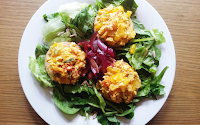
Believe it or not raw food vegans, it takes scrambled (whole) eggs to turn your veggie salads into a "superfood", or rather, to have the "super effects" of all its "super vitamins" on your health . The photo shows an egg-recipe from The Organic Dish, take a look; and don't worry if you're afraid of healthy oats, you can leave out the out cakes under the eggs ;-)
I still see people throwing the good yolk of their eggs away. Shame on you! You're not just throwing the most nutrient dense (also in terms of nutrients per energy content) away, you also sacrifice the beneficial effects of the co-ingestion of eggs with other nutrient dense foods - benefits which have only recently been recognized by the scientific community when people finally starting looking beyond individual foods and nutrients and started to investigate the actual and practically more relevant effects of food matrices.

This trend that began with the negative effects of pesticides and/or heavy metals in "real meals" (which are always food matrices | Wilkowska. 2011) is something I have written about in the Facebook News and individual articles before and I plan to re-address, whenever scientists like Kim, Ferruzzi & Campbell (2016) give them the deserved attention.
You aren't interested in vitamns? Maybe in fasting for health and fatloss, then?

Breakfast and Circadian Rhythm

Does Meal Timing Matter?

Habits Determine Effects of Fasting

Fasting Works for Obese, Too!?

Alternative Day Fasting "Rulez"!

Intermittent Fast-ing + Weights!?
Why's that? Well, as it turns out and has just been confirmed for beta-carotene and vitamin E (Kim. 2015 & 16) by the aforementioned authors from the Purdue University (Kim. 2016) the way you combine your foods is as important for your nutrient sufficiency as the micronutrient content of the individual foods.

Let's do some math, together: For the fat-soluble vitamins E, which are obviously relevant in the context of Kim et al.'s latest studies (2015 & 16), the RDA is 14 mg/day. That's the amount of vitamin E you'd get from a relatively small quantity of each of the randomly chosen high vitamin E foods in Figure 1.
Figure 1: Yes, you can get your vitamin E from a single food, but that's not wise - for several reasons (Kim. 2016).
The bad news is that for all for of them it is not clear whether you will actually absorb all the vitamin E, so that it can do its anti-oxidant magic in your bloodstream. Yes, for wheat germ oil, sunflower seeds, and almonds, the relatively high fat content is one out of many potentially relevant cofactors (including cooking methods, the type of dietary lipids, and interactions with digestive enzymes or other dietary | Eitenmiller. 2004) compounds for the optimal uptake of fat-soluble vitamins such as vitamin E (learn more).

The paprika powder from Figure 1, no matter how nutrient dense it may be, will probably get only small amounts of its vital (=vitamin and other beneficial micronutrients) carriage (including, but not restricted to beta-carotene and vitamin E) delivered into your blood... unless, obviously, you combine it with the right foods and thus form a nutrient absorption optimizing food matrix.
Figure 2: Kim's 2015 study showed a similarly pronounced increases of the accumulated area under the curve (AUC), i.e. the total uptake of various carotenes when 3 eggs were added to vegetable salad (made with 3g of canola oil).
A food matrix consisting of three scrambled eggs and vitamin-(A)-rich vegetable salad of which Kim's previous study showed that it increased the bioavailability of beta-carotene 8-fold (see Figure 2). In the current study (Kim. 2016), the authors did thus speculate that...
"[b]ecause carotenoids and vitamin E are both fat-soluble nutrients, we expected cooked whole eggs to also increase the absorption of vitamin E contained in the same salad" (Kim. 2016).
to evaluate the accuracy of their hypothesis, the scientists recruited 16 healthy male participants for a randomized, single-blind, crossover-design experiment:
"[All] participants completed 3 trials that each included consuming a controlled diet for 7 d followed by a testing day. In addition, 1-wk dietary washout periods were scheduled between each of the trials. [...] The investigators were fully blinded to the participants test-day meals until after all testing and sample analyses were completed, but the participants and dietitians were not blinded to the meals" (Kim. 2016)
Obviously, I am not giving away any secrets, when I tell you that the experiment confirmed the authors' hypothesis. Interestingly enough, with practically relevant increases in vitamin E absorption being achieved with both, the "low egg" (LE - 1.5 cooked scrambled eggs) and the "high egg" (HE - 3 cooked scrambled eggs) vegetable salads, which contained, just as in the previous study, 100 g tomatoes, 62 g shredded carrots, 70 g baby spinach, 25 g romaine lettuce, and 5 g Chinese wolfberries, and was served with 3 g of canola oil (note: all vegetables and eggs were purchased from the same local market and brand throughout the study period, thus we can assume that the contents of alpha-tocopherol and gamma-tocopherol in the test salad were 2.1 and 2.0 mg/serving, respectively, for all three trials).
Figure 3: Relative increase (per vitamin E intake in mg) in TRL levels of alpha- and gamma-tocepherol in response to the ingestion of the vegetable salad alone, the salad with 1.5 or 3 cooked scrambled whole eggs (Kim. 2016)
In fact, the increase in the levels of alpha- and gamma-tocopherol in the subjects' triacylglycerol-rich lipoprotein fractions (TRLs) was even more pronounced than that of the carotenes in Kim et al.'s 2015 study. Since eggs contain sign. amounts of vitamin E, themselves (they don't contain, alpha-, beta-carotene and lycopene), we do yet have to look at the relative (i.e. relative uptake of amount of vitamin E that was ingested) uptake levels I have plotted for you in Figure 3. For these, the increases for alpha- and gamma-tocopherol were 'only' 107%, 144%, 441% and 358% in the 1.5 egg LE and the 3 egg HE group, respectively.

That the former, i.e. the increase in the LE = 1.5 egg trial didn't reach statistical significance is, as the authors rightly point out, most likely "due to the small sample size and low statistical power" (Kim. 2016) - a phenomenon that has been observed previously in small-scale studies that compared the nutrient availability of vitamin E with different doses of fat (Mah. 2015 | this study also used a less preferable marker of vitamin E absorption, namely plasmo not triacylglycerol-rich lipoprotein fractions (TRLs) levels, which mainly represent newly absorbed dietary vitamin E, as the studies by Kim et al.).
Highly Suggested Read: "Egg-Ology Today: The Underappreciated Health Benefits of Egg Phospholipids, Prote-ins & Antioxidants in the Yolk" | more.
Bottom line: Whole eggs are good for you! If you want to know what, i.e. which substance or nutrient (many of which I've discussed in the article you can read by clicking on the three eggs to the right) it is that gives eggs this ability, you will yet have to continue getting your EOD dose of SuppVersiy articles and Facebook News, because Kim's latest study was not designed to "assess the specific impact of [different] components of egg yolk on vitamin E absorption" (Kim. 2016)... after two studies showing significant benefits, however, we can be almost sure that a follow up study will be conducted; and if so, I can guarantuee that I will address it here or in the SV Facebook News, where you can also comment on this article!
References:
  • Eitenmiller, Ronald R., and Junsoo Lee. Vitamin E: food chemistry, composition, and analysis. CRC Press, 2004.
  • Kim, Jung Eun, et al. "Effects of egg consumption on carotenoid absorption from co-consumed, raw vegetables." The American journal of clinical nutrition 102.1 (2015): 75-83.
  • Kim, Jung Eun, Mario G. Ferruzzi, and Wayne W. Campbell. "Egg Consumption Increases Vitamin E Absorption from Co-Consumed Raw Mixed Vegetables in Healthy Young Men." The Journal of Nutrition (2016): First published ahead of print September 21, 2016 as doi: 10.3945/jn.116.236307
  • Mah, Eunice, et al. "a-Tocopherol bioavailability is lower in adults with metabolic syndrome regardless of dairy fat co-ingestion: a randomized, double-blind, crossover trial." (2015).
  • Wilkowska, Angelika, and Marek Biziuk. "Determination of pesticide residues in food matrices using the QuEChERS methodology." Food Chemistry 125.3 (2011): 803-812.

Saturday, August 29, 2015

Your MUFA + PUFA Intakes Determine Your True Vitamin E Requirements - N-3s are the Worst Offenders + Even MUFAs Need Buffering | Tool to Calculate Your Individual Needs

Nature knows best: Oils and other high PUFA foods come with a naturally high amount of vitamin E (see Fig 1).
As a SuppVersity reader you shouldn't be surprised to hear that there's a link between the amount of highly oxidizeable polyunsaturated fatty acids (omega-3 and omega-6) you consume and the amount of vitamin E you "need" to protect them from being oxidized by free radicals.

The reason we usually speak about vitamin E in this context is that vitamin E (mostly alpha-tocopherol) is recognized as a if not the key essential lipophilic antioxidant in humans. It protects lipoproteins (cholesterol), PUFA, cellular and intra-cellular membranes from damage.
Learn more about hormesis and potential neg. effects of antioxidants at the SuppVersity

Is Vitamin E Good for the Sedentary Slob, Only?

NAC Impairs Anabolic Effects of Exercise

If Vitamin C is Low, Taking More is Good

C+E Useless or Detrimental for Healthy People

Vitamin C and Glucose Management?

Antiox. & Health Benefits Don't Correlate
For a recent review, scientists from DSM Nutraceuticals in Brussels and the Human Development and Health Academic Unit at the Faculty of Medicine of the University of Southampton partnered up in order to "evaluate the relevant published data about vitamin E requirements in relation to dietary PUFA intake" (Raederstorff. 2015).
Table 1: Overview of the currently recommended daily intakes for vitamin E (Monsen. 2000).
For their 10-page review, which does not take into account the interactions between tocopherols, the 'classic' vitamin E, and tocotrienols (this is not really negligent, because only the tocopherols are essential and the interactions between the different forms of vitamin E are not fully elucidated, yet), the scientists considered both evidence from animal and human studies; evidence that indicates that our basal requirement of vitamin E, namely 4–5 mg/d of RRR-α-tocopherol when the diet is very low in PUFA, are way below the RDA of 15mg/day. Now obviously, most Westerners do not fall into the category of people with a "minimal intake of PUFA". Accordingly, their vitamin E requirements are higher, and thus probably in the range of the recommended daily allowance.
You don't even have to consume exuberant amounts of anti-oxidants like vitamin E to ruin your gains. A recent study shows: Icebaths will do the same. By soothing the inflammatory response to exercise, they will also shut down the adaptational processes | learn more
I am healthy, I don't have to care! If you really believe that, you may be healthy but stupid. Even the healthiest person on earth will produce free radical specimen. In fact, ROS are essential for the adaptational processes that occur in response to exercise and involved in normal glucose regulation. On the other hand, very recent scientific evidence highlights that adequate cellular vitamin E levels are necesssary for muscle membrane repair and the rescue of myocytes from necrosis (Howard. 2011; Labazi. 2015). Scientists believe that these benefits are the result of an increased speed and efficacy of membrane repair mechanisms like membrane fusion events. It should thus be obvious that managing, not worshipping or annihilating ROS with adequate amounts of vitamin E and other anti-oxidants should be your primary goal (one you can achieve w/out supps).
Still, the fact that our basal vitamin E requirements, i.e. the amount of vitamin E we would need if we didn't stuff ourselves with tons of PUFAs, amounts to only ~30% of today's RDA (see Table 1) for adult men and women should make us reconsider the necessity and usefulness of vitamin E supplements. I mean, who of you is actually consuming 30g of MUFA, and 22g of PUFA from sources that do not come with adequate amounts of vitamin E?
Figure 1: All suggested oils from the "Quest for the Optimal Cooking Oil"-Article from December 2014 contain way more vitamin E than they'd need to buffer their own PUFA / MUFA content (learn more about the best cooking oils).
If you look at the data in Figure 1, which is a comparison of the actual content of vitamin E in mg and the amount of vitamin E that would be necessary to buffer the "unstable" fats in the three oils you will remember from the "Quest for the Optimal Cooking Oil", the answer to the previously raised question is probably going to be "very few". After all, most of the largely unprocessed we consume contain way more than 100% of the amount of vitamin E they would have to provide to protect the inherent MUFAs and PUFAs from oxidation.

Each unsaturated fatty acid has its specific effect on your vitamin E requirements

Against that background it is no wonder that vitamin E deficiency is a more of less unheard of thing in the Western world. No one here consumes less than the absolute minimum of 4-5mg/day (Harris. 1963; Valk. 2000) for months or longer. The only way to still develop relative vitamin E deficiency is thus to consume processed foods or supplements that do not contain enough vitamin E to satisfy the increase in vitamin E demands due to the specific unsaturation of their fat content.
Table 2: Vitamin E requirements - in mg of vitamin E per gram intake of the respective fatty acid - for different unsaturated fatty acids found in human diets (Raederstorff. 2015)
Since the latter increases almost linearly with the degree of unsaturation of the PUFA in the relative ratios of 0·3, 2, 3, 4, 5 and 6 for mono-, di-, tri-, tetra-, penta- and hexaenoic fatty acids, respectively, Harris' & Norris' (1963), as well as Horwitt's (1986) equations, which do not take into account that omega-3 fatty acids, for example, have a much more pronounced impact on your vitamin E requirements than omega-6s or MUFAs, are now obsolete.
Equation 1: Use this equation or the SV Calculator to determine your personal requirements based on your intakes of  different forms of mono- (M1 and polyunsaturated (M2-6) fatty acids (Equ. from Raederstorff. 2015).
Today, Equation 1 has taken their place. In Equ. 1 Mn is the amount of dietary MUFA/PUFA with n double bonds in grams (see Table 2). If you know how much of the individual unsaturated fats you consume you can thus easily calculate your personal vitamin E requirements - requirement, of which I bet that you will cover them with the vitamin E from cooking and salad oils, alone (compare Figure 1).
Chicken legs, old man? Must have been too much antioxidants - Learn how too much vitamin C + E can blunt the increases in total lean body mass, and leg mass in elderly men after 12 weeks of highly standardized, intense strength training: No wonder, the vitamins virtually suffocated the necessary stressors | read more.
Bottom line: I guess you are already waiting for the link to the calculator I promised, right? Let's just briefly put the result that even the average westerner needs "only" 12-20 mg of natural vitamin E per day into perspective. On the one hand, that's more than you'd find in a few really trashy foods people like to eat. On the other hand, that's only 17-30IU/day and thus 13-24x the amount of vitamin E you will find in many multi-vitamin, and vitamin E pills (many contain 400IU or 269mg), which appaers hilarious considering the fact that whole foods that are high in unsaturated fats will always come with the required amount of vitamin E.

If that does not sooth your mind and you want to know exactly how much your need, here's the spreadsheet I promised. I am sure it's significantly less than the >120mg/day that impaired the size gains of the elderly subjects in the recently discussed study by Bjornsson. It's much less, right? Comment on Facebook!
References:
  • Monsen, Elaine R. "Dietary reference intakes for the antioxidant nutrients: vitamin C, vitamin E, selenium, and carotenoids." Journal of the American Dietetic Association 100.6 (2000): 637-640.
  • Harris, Philip L., and Norris D. Embree. "Quantitative consideration of the effect of polyunsaturated fatty acid content of the diet upon the requirements for vitamin E." The American journal of clinical nutrition 13.6 (1963): 385-392.
  • Howard, Amber C., Anna K. McNeil, and Paul L. McNeil. "Promotion of plasma membrane repair by vitamin E." Nature communications 2 (2011): 597.
  • Horwitt, M. K. "Interpretations of requirements for thiamin, riboflavin, niacin-tryptophan, and vitamin E plus comments on balance studies and vitamin B-6." The American journal of clinical nutrition 44.6 (1986): 973-985.
  • Labazi, Mohamed, et al. "The antioxidant requirement for plasma membrane repair in skeletal muscle." Free Radical Biology and Medicine 84 (2015): 246-253.
  • Raederstorff, Daniel, et al. "Vitamin E function and requirements in relation to PUFA." British Journal of Nutrition (2015): 1-10.
  • Valk, and Gerard Hornstra. "Relationship between vitamin E requirement and polyunsaturated fatty acid intake in man: a review." International Journal for Vitamin and Nutrition Research 70.2 (2000): 31-42.

Thursday, June 5, 2014

Sun-Burn Free Tanning Bed Tan, But 4x Increased Cancer Risk Even W/Out A Single Sunburn! Plus: Carotene + X Cocktail Protects and Tans You From the Inside Out!

Even if you don't get burned tanning beds pose a risk factor!
I am not aware who invented the myth, but I am quite sure it's the tanning bed industry that propagates it: Tanning in what Germans call the "Asi-Toaster" (literal translation "a toaster for nackers") is safe!

If we put some faith into the results of a recent study from the Department of Dermatology at the University of Minnesota this is a fatal error. "Toasting" yourselves on a tanning bed increases your risk of developing skin cancer by 287%! Or, if you like that better, it almost quadruples (4x) it!

The results Rachel Isaksson Vogel and her colleagues from the University of New Mexico Cancer Center and the Brown University present in their latest paper in the Journal of the National Cancer Institute (JNCI) will probably be quite shocking for some of you who relied on the ability of the UV-filters in tanning beds to reduce the increase in cancer risk (Vogel. 2014).
There are better ways to get your vitamin D than tanning beds, learn more the SuppVersity

How Much To Take?

Leucine, Insulin & Vitamin D

Vit. D Speeds Up Recovery

Overlooked D-Sources

Vitamin D For Athletes!

Vitamin D Helps Store Fat
If you look at the data that's based on an analysis of the tanning practices of 1852 subjects, it becomes pretty obvious: The protection the filters appear to offer against sunburns does not translate into cancer protection! On the contrary!
Figure 1: Risk of melanoma by ever use of indoor tanning among individuals who tanned indoors without burning and never users stratified by lifetime burns from sun as estimated using logistic regression (n = 1852; cf. Vogel 2014).
If you scrutinize the data in Figure 1 you will have to admit that it is obvious that those of the subjects who were cautious enough not to expose themselves to "real sun" to avoid getting burned, were the ones with the highest melanoma risk due to tanning bed radiation! Those who avoid the sun like a plague have a 4x higher risk even after adjustment for
  • What else can protect you? Peer reviewed evidence for skin cancer protective effects exist from:
    • milk thistle (Katiyar. 2005)
    • melatonin (Janjetovic, 2014)
    • calcium (1g) + 400IU vitamin D3  (-37% in women with increased risk; Tang. 2011)
    • retinol (25,000IU/day; cf. Moon. 1997)
    • retinol and zinc + riboflavin and niacin + vitamin C and molybdenum (at 1-2x the RDA; cf. Blot. 1993)
    Too much antioxidants, on the other hand have been shown to increase cancer risk in women (#68%; cf. Hercberg. 2007). Against that background, a reasonable amount of controlled sun exposure and a coretene rich diet offer  probably the best protection.
    sex, age at reference date (in years), 
  • eye color (gray/blue, green, hazel, or brown), 
  • hair color (red, blond, light brown, or dark brown/black), 
  • skin color (very fair, fair, light olive, vs dark olive, brown, very dark brown, or black), 
  • freckles (none, very few, few, some/many), 
  • moles (none, very few, few, some/many), 
  • income (≤$60,000, >$60,000, missing), 
  • education (completed college, did not complete college), 
  • family history of melanoma (yes, no, missing), 
  • lifetime routine sun exposure (continuous), 
  • lifetime sun exposure from outdoor activities (continuous), 
  • lifetime sun exposure from outdoor jobs (continuous), and 
  • lifetime sunscreen use (continuous) 
using propensity score methods in two-sided statistical tests. In other words, while the raw data on the left hand side is confounded by being at high risk and avoiding the real sun, the data on the right hand side (orange bars) is not!

Now you want a supplemental alternative / adjunct, right?

Against that background the promised "supplemental tanning formula" which consists of pretty ordinary supplements, you can find on the shelves of every larger Internet-retailer will probably become even more interesting, right?
Table 1: Tanning of different body regions before and after treatment with the supplement combo ()
I have to admit, the results scientists from the Laboratoire OENOBIOL in Paris recorded are not very impressive (see Table 1), but the difference was significant and - and this may be even more important - the ingredients, i.e. 3mg beta carotene, 3mg lycopene. 5mg vitamin E (alpha tocopherol), and 30mg vitamin C (ascorbic acid) were ingested in a no-tanning scenario.
You want to kill two birds with one stone? Try "Tomatorade(R)" and get your daily tanning (Postaire. 1997) and cancer protective (Aust. 2005) dose of lycopene right from nature.
Bottom line: The fact that the "supplemental tanner" worked even in a no-sun-exposure scenario is interesting, because lycopene, in particular has been shown to be preferentially destroyed by UV radiation, in the course of the tanning process. The slight tan the subjects developed upon it's supplement restoration is thus only the cosmetic side of the benefits one can derive from this combo. What makes it really interesting, though, is that it will simultaneously build the skins defenses against UV-radiation and could thus be used in conjunction with reasonable (=partial shade) sun exposure to develop a beautiful and healthy tan without havin' to resort to the aforementioned "Asitoaster" and/or drugs like melanotan.
Reference: 
  • Aust, Olivier, et al. "Supplementation with tomato-based products increases lycopene, phytofluene, and phytoene levels in human serum and protects against UV-light-induced erythema." International journal for vitamin and nutrition research 75.1 (2005): 54-60. 
  • Blot, William J., et al. "Nutrition intervention trials in Linxian, China: supplementation with specific vitamin/mineral combinations, cancer incidence, and disease-specific mortality in the general population." Journal of the National Cancer Institute 85.18 (1993): 1483-1491.
  • Green, Adèle, et al. "Daily sunscreen application and betacarotene supplementation in prevention of basal-cell and squamous-cell carcinomas of the skin: a randomised controlled trial." The Lancet 354.9180 (1999): 723-729. 
  • Hercberg, Serge, et al. "Antioxidant supplementation increases the risk of skin cancers in women but not in men." The Journal of nutrition 137.9 (2007): 2098-2105.
  • Janjetovic et al. "Melatonin and its metabolites ameliorate UVB-induced damages in human epidermal keratinocytes." Journal of pineal research (2014). Ahead of print.
  • Katiyar, Santosh K. "Silymarin and skin cancer prevention: anti-inflammatory, antioxidant and immunomodulatory effects (Review)." International journal of oncology 26.1 (2005): 169-176.
  • Lappe, Joan M., et al. "Vitamin D and calcium supplementation reduces cancer risk: results of a randomized trial." The American journal of clinical nutrition 85.6 (2007): 1586-1591.
  • Moon, Thomas E., et al. "Effect of retinol in preventing squamous cell skin cancer in moderate-risk subjects: a randomized, double-blind, controlled trial. Southwest Skin Cancer Prevention Study Group." Cancer Epidemiology Biomarkers & Prevention 6.11 (1997): 949-956.
  • Postaire, Eric, et al. "Evidence for antioxidant nutrients‐induced pigmentation in skin: Results of a clinical trial." IUBMB Life 42.5 (1997): 1023-1033.
  • Tang, Jean Y., et al. "Calcium plus vitamin D supplementation and the risk of nonmelanoma and melanoma skin cancer: post hoc analyses of the women's health initiative randomized controlled trial." Journal of Clinical Oncology 29.22 (2011): 3078-3084.
  • Vogel, et al. "Exposure to Indoor Tanning Without Burning and Melanoma Risk by Sunburn History." JNCI J Natl Cancer Inst (2014) 106(7): dju112 doi:10.1093/jnci/dju112

Friday, May 2, 2014

Vitamin A, D, E & K - How Much and What Type of Fat Do You Need to Absorb These Fat Soluble Vitamins?

Some butter on top of the broccoli would allow for the assimilation of the absorption of the 101.6μg vitamin K
623IU vitamin A (various).
There are a handful of very basic questions in nutrition science, no one appears to have an answer to. One of these questions, which is directly related to the  well-known fact that the vitamins A, D, E & K are "lipid soluble". This means that they are "solved" and thus made absorbable by fats and oils. The general assumption is thus that the vitamins A, i.e. the retinol and carotenoids, all forms of vitamin D, the tocopherols and -trienols (vitamins E) and the two major forms of vitamin K, i.e. phylloquinone (K1) and menaquinone (K2) will only be absorbed, if you consume them with a sufficient amount of dietary fat. Now, the questions obviously are (a) is this correct and (b) how much is sufficient.
Is there a rule of thumb? Well, I guess if there was one, it would be to consume 5-10g of low PUFA fats with every meal to maximize the absorption of fat-soluble vitamins. Needless to say, that this does not imply that you'd have to start adding olive oil to your post-workout shake ;-)
In view of the fact that the answers to (a) and be are not necessarily identical for all four vitamins of interest, it appears sensible to tackle them one after the other.


A
Starting with vitamin A and the various forms of carotenoids, we can already confirm that (a), i.e. the assumption that we need dietary fats to optimally absorb vitamin A is correct. As Karin van het Hof and her colleagues point out, the "amount of dietary fat required to ensure carotenoid absorption [does yet] seem low (∼3–5 g per meal), although it depends on the physicochemical characteristics of the carotenoids ingested." (van het Hof. 2000) In spite of the fact that 5g of fat are not exactly much, the classic uncooked vegetarian orthorexic salad often comes with a total of only 5g of fat of which 95% remain at the bottom of the salad bowl. If that sounds like your favorite dish, you should be aware that you are risking that all the good  beta- and other carotenoids in the salad will pass right through.
Red Palm Oil is an excellent carotene source that comes with tons of fat for optimal absorption | learn more
With carotenes you should keep in mind that they have individual and "vitamin A"-related effects that occur after their conversion to retinol and the uptake of the latter through the lymphatic system in the gut. For this to take place the presence of a couple of ~5g of fat  (Jayarajan. 2013) in the intestinal lumen is paramount importance. Even more than preformed vitamin A, carotenes do thus rely on the presence of dietary fat in your meals to be optimally converted (Goodman. 1966) and absorbed.
Figure 1: Changes in hepatic vitamin A (retinol) and carotenoid stores in gerbils after 14 days on high fat (30%) vs. low fat (10%) diet (Deming. 2000)
In that, the concomitant presence of both dietary fat and carotenoids in a meal is a necessary prerequisite for the absorption of vitamin A, also because the fatty acids will trigger the conversion of of beta-carotene into vitamin A and its subsequent absorption via the lymphatic system (Ribaya‐Mercado. 2002). It is thus not surprising that animal studies by Lakshman et al. (1996) and Deming et al. (2000; see Figure 1) suggest that low fat diet can lead to a depletion of the vitamin A tissue stores even if the serum levels remain constant. The amount of fiber in the diet, on the other, has no influence the absorption of vitamin A (Mills. 2009).

Interestingly enough, the provision of the fat blocker Orlistat reduces the absorption of vitamin A only insignificantly, as a 1996 paper by Angela T. Melia, Susan G. Koss‐Twardy, and Jianguo Zhi would suggest (Melia. 1996).

E
Which takes us right to vitamin E, the absoprtion which is - in spite of being "blocked" by the fat blocker orlistat (Melia. 1996) - less susceptible to the absence of dietary fat than you may think. Annet JC Roodenburg, Rianne Leenen, Karin H van het Hof,  Jan A Weststrate, and Lilian BM Tijburg do in fact argue that the optimal intake of vitamin E requires only "a limited amount" of dietary fat (Roodenburg. 2000).
Figure 2: Vitamin E serum levels after 7 days on control (low fat, 3g) or high(er) fat (36g) diet with and without supplemental vitamin E (Roodenburg. 2000)
As you can see in Figure 2. A minimum intake of only 3g per day was sufficient to keep the vitamin E levels stable. The short study period of 7-days (each) and the absence of measures of tissue concentration of vitamin E do yet reduce the practical relevance of the data, Roodenburg et al. present in their Y2k paper in the American Journal of Clinical Nutrition.
The PUFA advantage: Aside from the issue of serum vs. tissue levels, there is yet another experimentally verified fat vitamin E and fat carotenoid interactions we should take into consideration, when we are talking about "optimizing" our dietary vitamin E supply; and that's the type of fat we consume: Dietary fats with increased ratio of unsaturated to saturated fatty acids enhance absorption of carotenoid and vitamin E by increasing both efficiency of micellarization and lipoprotein secretion (Chitchumroonchokchai. 2010).
If you take a look at the high prevalence of vitamin E dieficiency among the fat (and PUFA) "loving", or at least eating, majority of Americans, it does yet become obvious that a lack of dietary fat is not just theoretically, but also practically not exactly the #1 reason you may become deficient in tocopherols and -trienols. That the latter is an increased demand due to chronic inflammation and the (over-)consumption of exactly those PUFAs that come with a shitload of vitamin E in nature, for a reason would yet be a topic for another SuppVersity article and thus something we will skip to fast forward to ...

K
...Vitamin K, obviously. Vitamin K is a relative newcomer to the public's understanding of the alphabet soup. Aside from being it a good tool to rip customers vitamin K, or rather K1 (plant sources) and K2 (animal sources) are thus also the only fat soluble vitamins not everyone knows. The fact that the amount of phylloquinone (K1) that makes it into your blood stream is ~70% reduced if you eat your spinach without fat (Gijsbers. 1996).

And if we take the results researchers from the Gifu University School of Medicine present in a 1996 paper in the Journal of Pharmacological Sciences, as a reference, the amount of fat you need to optimally absorb your K2 (menaquinones), is not exactly low.
Figure 3: For optimal absorption of K2, there has got to be a huge amount of fat in the meal - but who wonders. K2 comes with a high amount of fat (Uematsu. 1996)
Uematsu et al. had to supply their subjects, who consumed otherwise identical test meals with 8.8, 20.0 and 34.9g of fat in them with the maximal (i.e. 35g) of fat before the K2 absorption maxed out. In that the total area under the curve did not really differ between those subjects who consumed the K2 before and those who took it immediately after the test meal.

That's a pity, 'cause a high intake of vitamin K (menaquinone from animal sources) has been associated with a 27% reduced risk of developing heart disease (Geleijnse. 2004), an ailment of which many still believe that it was brought about by the fat they need to optimally absorb their vitamin K.

D
For vitamin D, our last "V" on the list, things look differently. For one, everybody knows about this miracle vitamin and for two, it may be "fat soluble", but the amount of fat that's required to optimally absorb it turned out to be much lower than previously thought (see "A Fat D-Ficiency! Do You Really Need More Vitamin D or Simply More Fatty Foods? Study Shows, Even 50.000 IU of Vitamin D3 Useless, When You Ingest It Without Fat. " | read more).
Actually you could argue that it's not fat, but cholesterol that should be essential for optimal D levels. It's not necessary to absorb supplements you should not be taking, but rather as a raw material that's used to produce vitamin D in the skin, once the latter is exposed to the sun. The allegedly logical assumption that statins which lower the production of endogenous (=your body's own) cholesterol would lower vitamin D levels, however, has been refuted in study investigating the effects of fluvastatin and rosuvastatin, of which the latter actually increased the 25-OHD levels (probably due to anti-inflammatory effects and a reduced use of vitamin D as an acute phase reactant | learn more)
In fact, Niramitmahapanya et al. found in 2011 that it's not necessarily a high amount, but rather the right type of fat that determines if and how much of the vitamin D you take in capsule form or find in comparably low amounts in your foods that determines how much of the vitamin D actually makes it into your bloodstream:
"The change in plasma 25OHD (nanograms per milliliter) during vitamin D supplementation was positively associated with MUFA, (β = 0.94; P = 0.016), negatively associated with PUFA, (β = −0.93; P = 0.038), and positively associated with the MUFA/PUFA ratio (β = 6.46; P = 0.014)."
In plain English this means, that the "good" seed and vegetable oils with their high PUFA content will effectively inhibit the absorption of vitamin D - an observation that adds to the many reasons the modern sedentary, sun-avoiding, sun-screen using, soybean oil (MUFA:PUFA = 0.4) guzzling American is low in or  quasi devoid of vitamin D.

Figure 4: 25(OH)D levels of 30 healthy men and women after ingestion of 50.000IU vitamin D3 supplement in conjunction with a normal or low fat breakfast (Raimundo. 2011)
Against that background it's not surprising that you will not find a conclusive answer to the question how much fat you actually need. In a study that used a fatty meal with soybean oil in it, the effect would be totally different from one in which the subjects consumed meals that were made with sunflower oil, an oil with a MUFA:PUFA ratio >1. In view of the results Gnadinger et al present in a recent appear it does still seem appropriate to consume at least some fat alongside your vitamin D supplements. As far as the food-borne vitamin D is concerned, you don't have to worry, anyways. Foods that are high in D3 usually come with all the fat you need to absorb it.

How much fat, exactly you would need to make the most of dietary and supplemental vitamin D, on the other hand, is still not known. The previously mentioned data from the study by Raimondo et al. (see Figure 4, to the right) I wrote about in "A Fat D-Ficiency" is obviously still valid. The extremely high amount of vitamin D (50,000IU!) could yet require a correspondingly high amount of fat to be optimally absorbed and the fact that the fat in the study came from a "vegetable margarine" with an undisclosed ratio of MUFA:PUFA does not make the real-world effects any more predictable.
So what do I need to optimally absorb my "fat soluble" vitamins?
Vitamin A & carotenes require relatively high amounts of fat for optimal absorption.
Vitamin D absorption benefits from additional fat in the diet. While we don't know the optimal amount, we do know the optimal type: A high MUFA, low PUFA fat (the effects of saturated fat are unknown, but I gather they will be positive, as well).
Vitamin E requires only minimal amounts of fat (~3g) for optima absorption.
Vitamin K appears to be most fat hungry. The more fat you have in a meal, the better it is absorbed. If you supplement, always take the pills with your highest fat meal in the day.
Bottom line: If you take a look at the natural sources, it should be obvious. The fat soluble vitamins are meant to be consumed with fat... well, not really. Carotenes (pre-vitamin A), one of those vitamins for which the presence of dietary fat in a meal is most important do not necessarily come with their own "absorb me better"-portion of fat. Your carrots, pepper, and other high carotene veggies and fruits do thus require a butter, olive oil or cream topic not just to be absorbed, but - more importantly - to get converted to retinol aka "active vitamin A".

Vitamin E, on the other hand, requires much lower amounts of fat to be absorbed than many of you may have thought. In fact, you could argue that good vitamin E sources are not high in fat to facilitate the absorption of vitamin A, but rather the other way around: Soybean oil (my absolute favorite poison ;-) is high in vitamin E to make sure that whoever consumes it does not die immediately from the pro-inflammatory omega-6 load it contains.

Which takes us right to the 18-20g and 12-15g of PUFAs the average US man and woman consume on a daily basis (Kris-Etherton. 2000) and their negative impact on the absorption of the already low amounts of dietary vitamin D in a diet that rarely contains the optimal amount of 35g of fat in meal that actually has a significant amount of vitamin K the absorption of which would be improved by the presence of this allegedly unhealthy and fattening macronutrient.
References:
  • Chitchumroonchokchai, Chureeporn, et al. "Dietary fats with increased ratio of unsaturated to saturated fatty acids enhance absorption of carotenoid and vitamin E by increasing both efficiency of micellarization and lipoprotein secretion." FASEB J 24 (2010): 539-3.
  • Deming, Denise M., et al. "Amount of dietary fat and type of soluble fiber independently modulate postabsorptive conversion of β-carotene to vitamin A in Mongolian gerbils." The Journal of nutrition 130.11 (2000): 2789-2796. 
  • Geleijnse, Johanna M., et al. "Dietary intake of menaquinone is associated with a reduced risk of coronary heart disease: the Rotterdam Study." The Journal of nutrition 134.11 (2004): 3100-3105.
  • Gijsbers, Birgit LMG, Kon-Siong G. Jie, and Cees Vermeer. "Effect of food composition on vitamin K absorption in human volunteers." British Journal of Nutrition 76.02 (1996): 223-229.
  • Goodman, Dew S., et al. "The intestinal absorption and metabolism of vitamin A and beta-carotene in man." Journal of Clinical Investigation 45.10 (1966): 1615.
  • Jayarajan, P., Vinodini Reddy, and M. Mohanram. "Effect of dietary fat on absorption of β carotene from green leafy vegetables in children." Indian journal of medical research 137.5 (2013).
  • Kris-Etherton, P. M., et al. "Polyunsaturated fatty acids in the food chain in the United States." The American journal of clinical nutrition 71.1 (2000): 179S-188S.
  • Lakshman, M. R., et al. "The effects of dietary taurocholate, fat, protein, and carbohydrate on the distribution and fate of dietary β‐carotene in ferrets." (1996): 49-61.
  • Melia, Angela T., Susan G. Koss‐Twardy, and Jianguo Zhi. "The effect of orlistat, an inhibitor of dietary fat absorption, on the absorption of vitamins A and E in healthy volunteers." The Journal of Clinical Pharmacology 36.7 (1996): 647-653.
  • van het Hof, Karin H., et al. "Dietary factors that affect the bioavailability of carotenoids." The Journal of nutrition 130.3 (2000): 503-506.
  • Raimundo, Fabiana Viegas, et al. "Effect of high-versus low-fat meal on serum 25-hydroxyvitamin D levels after a single oral dose of vitamin D: a single-blind, parallel, randomized trial." International journal of endocrinology 2011 (2011).
  • Ribaya‐Mercado, Judy D. "Influence of Dietary Fat on β‐Carotene Absorption and Bioconversion into Vitamin A." Nutrition reviews 60.4 (2002): 104-110.
  • Roodenburg, Annet JC, et al. "Amount of fat in the diet affects bioavailability of lutein esters but not of α-carotene, β-carotene, and vitamin E in humans." The American journal of clinical nutrition 71.5 (2000): 1187-1193. 
  • Uematsu, Toshihiko, et al. "Effect of dietary fat content on oral bioavailability of menatetrenone in humans." Journal of pharmaceutical sciences 85.9 (1996): 1012-1016.

Saturday, October 15, 2011

Ask Dr. Andro: Are Vitamin Supplements Bad For Me (1/2)? The "wrong" Vitamin E Supplements Increase Cancer Risk.

Figure 1: This is where you, my American friends (and most Europeans), should and would get your "E's" from - it's called "food" (Eitenmiller. 2004)
With the recent publication of two studies on increased all-cause mortality in older women (Bjelacovic. 2011; Mursu. 2011) who took multivitamins (+2.4%), vitamin B6 (+4.1%), folic acid (+5.9%), iron (+3.4%), magnsium (+3.6%), zinc (+3.0%), and the "killer" copper (+18%) and increased risk of prostate cancer due to selenium and/or vitamin E supplements (Klein. 2011) on a regular basis and the huge media attention these studies,
have received, I got interested in taking a closer look at what I would usually have discarded as epidemiological guesswork and scare tactics, anyway.

How can a vitamin be bad for you? It's supposed to be a vital nutrient, goddammit!  

In that, I want to start with the 2nd of the two studies, i.e. the one on Vitamin E, which also happens to be a "true" Ask Dr. Andro question. After all, Steven Acerra posted a whole bunch of related questions on my Facebook page (remember you can always send in questions you want to have answered in this column!)
Image 1: Conflicts of interest, as declared in the paper by Klein et al.
Are medical studies "objective"? Being a scientist (in a whole different area of research, though), myself, I am well aware that financing expensive cutting edge science with the meager support from national agencies is impossible, these days. Therefore, I refuse any rash prejudgements based on the openly stated potential conflicts of interest (cf. image 1), as Steven put them forward in a follow-up comment on my facebook page. If you want to blame someone, blame the influential editors of the large journals, including the JAMA, where Klein's paper was published. Their acceptance of a paper determines whether a study appears on the SuppVersity, "only", or is taken up by a journalist from a major popular scientific magazine or, as in this case, even the Health Podcast of Time Magazine.
Other than Steven suspected, the study by Klein et al. that was published in the latest issue of JAMA (the Journal of the American Medical Association which is not particularly well know for being independent of the pharma lobby, cf. red box ;-) - despite its size - actually is a "controlled" trial... Well, as controlled as a study with 34 887 men who were randomly assigned to receive selenium (n= 8752), vitamin E (n=8737), vitamin E + selenium (n=8702) or placebo (n=8696), can be. It is part of, or  I should say, the final outcome of the so called SELECT trial, a large scale intervention that was conducted in the United States, Canada, and Puerto Rico. Data acquisition started on August 22, 2001 and ended three months ago, on July 5, 2011. The fact that the study is over is good news for all participants, because, as the bold headlines would have it, all treatments increased the participants' risk to develop cancer. Yet, what mainstream media didn't tell you is that (I quote directly from the detailed results in the paper; Klein. 2011):
The rate of prostate cancer detection was greater in all treatment groups when compared with placebo* but was statistically significant only in the vitamin E alone group. After adjustment for the marginal effects of vitamin E and selenium, the interaction between vitamin E and selenium was statistically significant (P=.02), indicating no increased risk of prostate cancer when vitamin E and selenium were taken together. The risk of Gleason 7 or greater disease was higher for all 3 interventions [vitamin E + 16%; selenium +21%; combination: +23%] but did not reach statistical significance for any group.
    * I suspect this is probably about as far as most journalists read - if they even had the fulltext of the study, when they wrote their sensational and fearmongerish articles
If you compare the real findings to what you may have read in the course of the last week, it is quite obvious that half of the media reports got the results completely wrong. A quarter of the reporters obviously did not know the meaning and importance of "statistical significance" and the lousy rest does not care about information, anyway, as long as a headline could potentially increase sales or pageviews, it makes it into the magazine or onto the website.

No matter what the press says: You better know your vitamins E before taking the wrong one

Figure 2: Natural RRR alpha-tocopherol and synthetic SRR alpha tocopherol which is one of the isomers in the -50% less potent all-rac-alpha tocopherol, which is the "vitamin E" the 34,887 men in the large scale trial conducted by Klein et al. have received at a dose of 400IU per day  (figure from Traber. 2011)
This leaves us with just one "unexpected" result to be explained, i.e. a statistically significant increase in cancer risk with 400IU of supplemental "vitamin E" per day. In case you've noticed the quotation-marks before and after vitamin E, in the previous sentence, you already know where this is heading. After all, you would assume that the scientists would use the most potent weapons from their arsenal in their battle against prostate cancer - wouldn't you? Trial "S0000 Selenium and Vitamin E in Preventing Prostate Cancer" (clinical trials identifier: NCT00006392) sponsored by the Southwest Oncology Group, however, relied on the cheap all-rac-alpha-tocopheryl acetate of which Max K. Horwitt had shown back in 1980, already, that "all-rac-alpha-tocopheryl acetate may have no more than half the biological potency of d-alpha-tocopheryl acetate" (Horwitt. 1980). About, 19 years later Horwitt, then over 90 years old (!), was still fighting a fight against the medical establishment who maintained that the cheap synthetic form of vitamin E would have at least a 73.5% the activity of the naturally occurring form. In a letter to the editors of the American Journal of Clinical Nutrition he writes (Horwitt. 1999):
Now in my 90th y, I doubt whether I will ever see the proper correction made in the official values of the tocopherols. Having introduced the term equivalent as used by committees of dietary allowance, I prefer that this designation be used to describe the potency of the tocopherols. In the recommended dietary allowances, l mg RRR-a-tocopherol has a biological value of 1.0 a-tocopherol equivalents. Accordingly, in modified US Pharmacopoeia vitamin E units, RRR-a-tocopherol should have a value of 1.0, all-rac-a-tocopherol a value of 0.5, RRR-a-tocopheryl acetate a value of 0.91, and all-rac-a-tocopheryl acetate a value of 0.455.
Meanwhile, the USDA has changed their calculations in the USDA National Nutrient Database for Standard Reference, according to release #20 (USDA. 2008), the all-rac-alpha-tocopheryl acetate 
is now officially classified as -55% less potent than natural tocopherol. Now, the chance to pick the worst of the four vitamin E's was 25% and *bang* Klein et al. nailed it. Can this be coincidence - I guess if it was you could call it "bad luck".

Supplementation may offset the natural balance by exchanging natural gamma tocopherols for cheap synthetic alpha-tocopherols

"Bad luck", also because supplementation with high doses of alpha-tocopherol has been shown to hinder "normal" incorporation of gamma-tocopherols into VLDL particles, to increase hepatic clearance of gamma-tocopherols and, in the end, to deplete plasma gamma-tocopherol levels, as well (Jiang. 2011). Now, if you have a less potent type of vitamin E, you obviously have to supplement more (to achieve a potency equivalent to 400IU you obviously need +55% more all-rac than natural tocopherol!)... but does that really matter? Oh yes it does! As gamma tocopherol and not alpha-tocopherol is "the vitamin E" which inhibits cyclooxygenase activity and, thus, possess heart-healthy anti-inflammatory properties. No wonder that Jiang et al. report in a 2001 review that...
  1. plasma gamma-tocopherol concentrations are inversely associated with increased morbidity and mortality due to CVD. 
  2. serum concentrations of  gamma-tocopherol, but not of alpha-tocopherol, were lower in CVD patients than in healthy control subjects. 
  3. in a concomitant cross-sectional study of Swedish and Lithuanian middle-aged men,  plasma gamma-tocopherol concentrations were twice as high in the Swedish men, but that the Swedish men had a 25% lower incidence of CVD-related mortality. In contrast, this inverse correlation was not observed with alpha-toco-pherol. 
... and the list goes on. Now, you will probably say "But Dr. Andro, those men got cancer from vitamin E, not cardiovascular disease!" and, as always, you are right, BUT the evidence that gamma- not alpha-tocopherol (or at least a "natural" mix of both) is cancer protective is even more conclusive than the one on the CVD-protective effect of the former.
What are normal ratios of alpha- to gamma-tocopherol? While we hardly can say which ratios are optimal, we know that the "normal" ratio of serum alpha- to gamma-tocopherol levels for Americans who do not take any supplements is 5:1 (alpha:gamma). According to Chopra and Baghavan his ratio further increases to greater than 20-fold in people taking vitamin E supplements (Chopra. 1999).

High gamma-tocopherol levels reduce risk of prostate cancer by -500% [no typo!]

In 2000 Helzlsouer et al. analyzed the blood of 10 456 male residents of Washington County and found that (Helzlsouer. 2000)...
For gamma-tocopherol, men in the highest fifth of the distribution had a fivefold reduction in the risk of devel-oping prostate cancer than men in the lowest fifth (Ptrend = .002).
With p = 0.002 the chance that this was "coincidence" is exactly  125x smaller (0.2%) than Klein et al.'s chance (25%) to pick the worst alpha-tocopherol variety there is for their large scale intervention. And while this is only an epidemiological study, we have more than enough in-vitro and animal data to confirm the anti-cancer effect of gamma-tocopherol:
    Prostate cancer:
  • Jiang. 2004:  "... gammaT and mixed vitamin E forms induce cell death by interrupting the de novo sphingolipid pathway in a prostate cancer cell line"
  • Campbell. 2009: Growth arrest (40%) in PC-3 prostate cancer cells through the regulation of fatty acid metabolism and PPAR gamma mRNA and protein upregulation was achieved with gamma-tocopherol within 6 h.
  • Jiang. 2011: Sphingolipid promoting effects of gamma-tocopherol induces apoptosis and autophagy in prostate cancer cells

  • Colon cancer:
  • Campbell 2006: In-vitro study on human colon-cancer cell lines; "treatment with RRR-gamma-tocopherol resulted in significant cell death for all cancer cell lines tested, while RRR-alpha-tocopherol did not [...] RRR-gamma-tocopherol may aid chemotherapy without toxic effects to normal cells demonstrated by most chemotherapeutic agents"

  • Other cancers:
  • Yu. 2009: Mouse model (human breast cancer) + in-vitro studies > "α-tocopherol not only failed to exhibit anticancer properties but it reduced anticancer actions of γ-tocopherol in vivo and γ-tocopherol and α-TEA in vitro."; what is important to note, though is that the all-trans-variety used in the Klein study did at least inhibit proliferation and increase apoptosis (programmed cell death) in vivo.
  • Yang. 2010: "[I]nhibition of inflammation as well as of cancer formation and growth in the lung and colon in animal models" by tocopherol supplement with  57% gamma-T
  • Ju. 2010a: "In cell culture, the growth of H1299 cells [lung cancer] was inhibited by tocopherols with their effectiveness following the order of delta-T > gamma-TmT > gamma-T, whereas alpha-T was not effective."
  • Ju. 2010b: "... recent results have demonstrated that a gamma-tocopherol-rich mixture of tocopherols inhibits colon, prostate, mammary and lung tumorigenesis in animal models, suggesting that this mixture may have a high potential for applications in the prevention of human cancer"
And directly referring to the "partly negative" outcomes of studies into the potentially beneficial effects of "vitamin E" supplements (which were almost exclusively conducted with alpha-tocepherol-only products), Reiter el al. wrote in a 2009 review (Reiter. 2009):
As pointed out in this review, more and more evidence indicates that γT and other vitamin E forms than αT have unique bioactivities that may be important for maintaining and improving human health (Dietrich et al. 2006; Jiang et al. 2001). For example, γT is a stronger inhibitor of cyclooxygenase and possibly lipoxygenase than αT. Furthermore, γT traps reactive nitrogen species more efficiently than αT. Some of these in vitro effects are slowly being confirmed in vivo, but more studies are needed here. In addition, γT but not αT exhibits anti-proliferative and pro-apoptotic effects on cancer but not normal epithelial cells (Jiang et al, 2004). [...] Thus, despite the undisputed anti-inflammatory effects of α- and γT, the recent large-scale interventional studies aimed at reducing diseases associated with chronic inflammation have been disappointing, but may be explained by the complex interaction of the different vitamin E forms with inflammatory signaling, xenobiotic transformation, and as yet undefined pathways.
I think I do not have to point out that with what we know today about the necessary synergy of the vitamins E (including the tocotrienols, which I deliberately left out, in order not to overcomplicate things) and the results of a 2003 study by Huang (Huang. 2003), which showed that supplementation with 400IU of RRR-alpha-tocopheryl acetate (remember due to the fact that this is the more potent variety, the actual dose in µg was -50% lower than in the Klein study)
reduced serum gamma-tocopherol concentrations by a median change of -58% [95% CI = (51%, 66%), P < 0.0001], and reduced the number of individuals with detectable delta-tocopherol concentrations (P < 0.0001),
initiating a similar study as Klein et al. did 10 years ago, would border physical injury resulting from negligence, today. And although the use of isolated forms of vitamin E, which you will find in most of the cheap multivitamin tablets you can buy at the supermarket, could also be involved in the negative effect "certain dietary supplements" (including multivitamins) were reported to have on the health of "older women" in the 2nd study, I mentioned in the introduction, I will address this issue in an individual installment in a follow up to this post in the course of the next week. So stay tuned for more.