Showing posts with label antioxidant capacity. Show all posts

Sunday, March 26, 2017

Grind, Blend, Microwave - How Does the Way You Process Them Affect the Health-Benefits of Veggies and Fruits
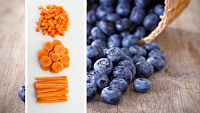
Carrots and blueberries - superfoods you cannot ruin by grinding, blending and even the falsely depreciated use of the microwave oven.
Cooking / Food-Processing Done Right: 5 Things to Remember to Make the Most of the Antioxidant Prowess of Your Foods Cooking or the preparation of food (food processing at home) is something I would love to address more often. Unfortunately, studies such as Boyan­ Gao's recently published paper in "Food Science & Nutrition" are truly rare. In said paper, the Chinese scientists followed up on recent studies that indicate that different food preparation methods could significantly change the chemical profiles and bioactivities including the antioxidant and real-world anti-inflammatory activity of (super-)foods.
Learn more about the effects of your diet on your health at the SuppVersity

All About Almonds and Their Health Effects

Taste Matters - Role of the Taste Receptors
Egg-Ology, Today: Why Eggs are Awesome

Walnuts Boost Exercise Performance

You May Roast & Salt Nuts! They're Still Healthy

All About Cheese, Your Health, Per-formance & More
I've discussed some of these studies in the SuppVersity Facebook News (subscribe by liking if you haven't done so), before. Zaiter, et al., for example, found that the particle size of your green tea powder will affect its antioxidant activity - with the best grinding conditions and particle size being rather rough, i.e. 6000 rpm and 100–180 μm (Zaiter 2016). Likewise, I've addressed the issue of microwaving both in the Facebook News and here on suppversity.com. What I haven't discussed in detail, though, is "whether and how different home-based food preparation methods, including blending, chopping with/without microwaving, might release different levels of beneficial bioactives from carrot and blueberry food models" (Gao 2017) - simply because the study at hand is the first to do that.
The scientists didn't just assess the content of vitamins and phenols, but also tested the free radical scavenging and absorbing capacity, as well as the biological, anti-inflammatory effects of the processed blueberries and carrots.
Aside from the fact that it addresses a commonly overlooked, yet practically relevant question, I like about the study that the scientists bought samples of regular carrots and blueberries at a local supermarket and used five home-use blenders, including Nutribullet 600, Nutribullet Pro 900, Nutribullet RX, Vitamix 5200 and Oster Versa 1400 that you could buy over at Amazon (or elsewhere), too. To investigate the antioxidant prowess of differently prepared samples, the authors proceeded as follows:
"Carrots were cut into one-inch length, accurately weighted and blended with pure water (1:2, w/v) for 20 s using the highest speed in a blender. The blended samples were separated into two parts, one part was microwaved for 10 s to inactivate the enzymes in the carrots or blueberries, while another part was not microwaved to examine whether and how their inherent enzymes might alter the releasable level of bioactive components. The blended carrot samples were centrifuged at 10,000 g for 5 min, and the supernatant was collected and the calculated volume of acetone was added to make a final concentration of 50% acetone (v/v) for further assays. Blueberries were extracted following the same procedure without cutting. The extracts were kept at 4°C until testing" (Gao 2017).
Afterward, the samples were analyzed for their free radical scavenging ability using DPPH, ORAC, hydroxyl radical (HOSC) and - most importantly - macrophage cell assays (the latter mirror the biological effects of the extracts much better than the aforementioned chemical assays) - and here's what they found:
  • The β-carotene availability in carrots concentration extracted from the chopped carrot was below the limit of detection (LOD). All tested commercial blenders were able to enhance the release of β-carotene at a level of 0.2–0.94 μg/g fresh carrot, which was significantly greater than the chopped counterpart.
    Figure 1: HPLC analysis of β-carotene in carrot extracts. The results are reported in μg β-carotene per gram of fresh carrot. The vertical bars represent the standard deviation (n = 3) of each data point. Bar with different letter represents significant different at p < .05. HPLC (Gao 2017)
    There was no significant difference in extractable concentration of β-carotene among the blended/ground carrots using different commercial blenders, regardless of microwaving immediately after grinding.

    In addition, no difference in extractable β-carotene was observed between the ground carrots using the same blender with and without microwaving. 
  • The anthocyanin content of the blueberry samples was not affected by any of the preparation methods. If you scrutinize the data in Figure 2 you will see that the differences in anthocyanin content for all samples were well within the statistical margin or error for the HPLC analysis for all commercial blenders/grinders.

    Microwaving, on the other hand, did change the content of these powerful antioxidants [(a) malvidin-3-O-glucoside and (b) cyanidin- 3-O-glucoside were measured representative for the total anthocyanin content] - and significantly that is. The scientists argue that this difference may be explained by a decrease in the activity of inherent enzymes such as glucosidases and other carbohydrases. Unfortunately, these enzymes have previously been shown to increase the bioactive availability from fruits and other botanicals including vegetables (Otieno 2007; Alrahmany 2012).
    Figure 2: HPLC analysis of (a) malvidin-3-O-glucoside and (b) cyanidin-3-O-glucoside in blueberry extracts. The results are reported in μg anthocyanins per gram of fresh carrot. The vertical bars represent the standard deviation (n = 3) of each data point. Bar with different letter represents significant different at p < .05 (Gao 2017).
    As Gao et al. explain, microwaving your blueberries may thus be a bad idea, even though it increases the extractable level of malvidin-3-O-glucoside and cyanidin-3-O-glucoside, because a reduction of these compounds at the expense of their degradation products could eventually imply a reduced bioavailability, because some of their "degradation products such as malvidin and cyaniding might have greater absorption in GI track" (Gao 2017).
  • The total phenolic content (TPC) of carrots ranged from 0.19 to 0.34 mg gallic acid equivalents per gram of fresh carrot, which was equivalent to 593.6–1062.2 mg chlorogenic acid per kilogram of fresh carrot.

    It's not just about food processing, it's also about food combining: Whole Eggs Can Boost Your Beta-Carotene and Vitamin E Uptake from Veggie Salad W/ Oil Dressing by 400%-700% | more
    While no difference in extractable TPC was detected in carrot samples processed with different blenders, and the chopped carrots, the total antioxidant prowess (measured by TPC) was increased with blending under the experimental conditions, "suggesting the potential effect of particle size in bioactive release from vegetables" (Gao 2017). In addition, microwaving had no significant effect on the extractable amount of phenolics from ground carrots. In a similar vein, the total phenolic content of the blueberries was observed to increase with grinding, which is obviously similar to chewing (blending had no significant effect).

    In contrast to carrots, however, the availability of total phenolic contents in the blueberries did, however, increase significantly with microwaving, "indicating that inactivation of blueberry enzymes might reduce the loss of phenolics during grinding and storage of the blended blueberries" (Gao 2017), so that the TPC results clearly indicate that "microwaving immediately after blending may be recommended for blended blueberry to retain a desirable availability of total phenolics" (Gao 2017). 
  • Foods in the Limelight: Blueberry Smoothies, Egg Protein & 'Healthy Eating' | Plus: How to Diagnose Gluten Sensitivity? Find out in this SV Classic!
    The TROLOX radical scavenging, ORAC radical absorbance, and hydroxyl radical scavenging capacity (HOSC) While the DPPH (TROLOX) assay was more or less randomly affected by blending and/or microwaving, the ORAC and HOSC assays showed a statistically significant increase in radical absorbance capacity with blending or grounding. Microwaving, on the other hand, increased only the ORAC, not the HOSC capacity - "a possible effect from the inherent carrot enzymes" (Gao 2017) and thus the release of bioactives.

    For blueberries, all three assays, i.e. the DPPH assay (TROLOX), the ORAC assay and the HOSC assay produced more or less random effects - a clear trend for increased or decreased values with either blending, grinding or microwaving was not observed.
  • The biological anti-inflammatory activity that was measured in macrophages that were exposed to an LPS challenge, no differences were observed for both, the carrot and blueberry samples prepared using different commercial blenders/grinders in releasable levels of potential anti-inflammatory components in the LPS-induced IL-6 mRNA expression in macrophage cells (Figure 7). The inhibitory effects of blueberry extracts on LPS-induced COX-2 and TNF-α mRNA expressions could be dose-dependent.
Frozen blueberries are 'better' than 'fresh' ones unless you gather them yourself (Gustafson 2012).
Remember: Food processing ain't always bad(!) - if you could remember one take-home message, only, it should be just that: "Food processing ain't always bad!" While the study found no difference among the commercial blenders/grinders on the extractable levels of health-beneficial components including carotenoids, anthocyanins, free radical scavenging compounds and potential anti-inflammatory components, there is a general trend that favors the increase, not decrease, of such components in carrots (veggies) and blueberries (fruit) with blending and no effect in the probably most important anti-inflammatory effects (measured in the macrophage experiment the scientists did) with either blending/grinding or microwaving.

So, if you buy frozen blueberries, defrost them in the microwave oven and blend them that's not worse than eating the 'fresh' blueberries from the farmers' market (you cannot tell me that the 'farmer' gathered them in the morning before he sells them). In fact, doing the former may have two important advantages: (a) the frozen blueberries may actually be "fresher" and more nutritious than the ones from the farmers' market (see Figure) so that the small drop in their health promoting effects matters only if supermarket stored the blueberries for years (Skupień. 2006) | Comment!
References:
  • Alrahmany, Roaaya, and Apollinaire Tsopmo. "Role of carbohydrases on the release of reducing sugar, total phenolics and on antioxidant properties of oat bran." Food chemistry 132.1 (2012): 413-418.
  • Gao, Boyan, et al. "Home‐based preparation approaches altered the availability of health beneficial components from carrot and blueberry." Food Science & Nutrition (2017).
  • Gustafson, Sally J., et al. "Effect of postharvest handling practices on phytochemical concentrations and bioactive potential in wild blueberry fruit." Journal of Berry Research 2.4 (2012): 215-227.
  • Otieno, D. O., J. F. Ashton, and N. P. Shah. "Isoflavone phytoestrogen degradation in fermented soymilk with selected β-glucosidase producing L. acidophilus strains during storage at different temperatures." International journal of food microbiology 115.1 (2007): 79-88.
  • Zaiter, Ali, et al. "Effect of particle size on antioxidant activity and catechin content of green tea powders." Journal of food science and technology 53.4 (2016): 2025-2032.

Friday, June 26, 2015

To Boil or Not to Boil? What's Going to Make Your Tea the Healthiest? Recent Study: It Depends on the Type of Tea

Hot or not? That could be a matter of health or ah... well almost death ;-)
Usually a "tea" is a hot beverage, right? No? Well, ok there's ice-tea, but even the coolest of all teas is initially brewed with hot, sometimes almost boiling water. A practice of which a recent study from the  Universidade Tecnológica Federal do Paraná in Brazil suggests that it may actually impair some of the beneficial effects of Baldo, White, Black and Mate tea.

How come? Well, in the study Vanessa de Carvalho Rodrigue, et al. conducted, it made a huge difference in terms of the total phenol and flavenoid content of the extracts (=the aformentioned teas) when the scientists used cold water instead of water that was 80°C "hot".
You can learn more about tea at the SuppVersity

Use Roiboos for Stress & Virus Control

Tired? Theacrine Will Get You Goin' in Minutes

Milk, Tea & Honey Don't Mix?!

Theacrine or Caffeine for Brain Power?

Aluminum, Lead & Arsenic & MORE in Your Tea

Will Drinking Tea Solve Your Sugar Problem?
During the hot extraction procedure, a total of 2.0 g of the sample was extracted with 100 mL of water distilled at 80 °C. In contrast to how you would do it at home, though, the extraction process was propelled by stirring the glass for 450s (7:30 min). A similar procedure was used for the cold extract. The only differences were that (a) the extraction was done with 20 ml cold water and only 0.5 g of tea and (b) took 120 minutes during which the infusion was kept still, at room temperature (20–25 °C), and was stirred manually every 30 min (Damiani et al., 2014).

All extracts were filtered, transferred to Falcon tubes and immediately frozen at −20 °C (dark) for later analysis in order to prevent oxidation by light and oxygen.
Figure 1: Total phenol & flavenoid content tea after extraction with hot or cold water (de Carvalho Rodrigues. 2015).
The analysis yielded interesting results, because in contrast to what you may have expected not all hot water or extracts were inferior to their cold water counterparts. In the teas with generally lower phenol and flavenol intake, using the hot water to extract the active ingredients lead to significant (lemon grass and carqueja) increases of the total phenol and flavenoid content of the extracts.
What matters more than phenol and flavenol numbers, though, are (a - primarily) the antioxidant activity of the their sum (see Figure 2) and (b - secondarily) the presence of specific bioactive compounds like theobromine, chlorogenic acid or even caffeine (see Table 1).
Too much tea (way more than 2 cups) may mess w/ your thyroid | more
"What now? May I drink tea or not? Recently you wrote it's bad for the thyroid!" What I wrote is that large amounts of green tea are bad for the thyroid and I stick to that. This does not mean, though that drinking 1-2 small cups of tea everyday cannot have any of the often-hailed beneficial effects on your metabolic and cardiovascular health. I thought we were beyond this type of black-and-white thinking. Things are rarely only "good" or "bad" and what's healthy and beneficial in small doses may just as well be bad for you in large ones.
Interestingly, significant differences were seen for the the often-tested DPPH+ (diphenylpicrylhydrazyl) radical scavenging activity only for Carqueja, Lemongrass and Mate (see Figure 2, left), and no significant effects were observed for the content of any of the bioactive agents. With the latter, the content varied, albeit not systematically and not with statistical significance.
Figure 2: Total antioxidant activity of the hot and cold extracts from various teas according to DPPH+ and TROLOX assays; sign. effects were observed only in the TROLOX assay (de Carvalho Rodrigues. 2015).
That's in contrast to the antioxidant activity in the ABTS˙+ or TROLOX test (Figure 2, right) where significant differences were observed for all teas. What is surprising, though is that these were not necessary in line with the total anti-oxidant activity which was increased in the cold extract of the Bodo tea, for example (it's anti-oxidant activity still was more than 50% lower).
60%+ Reduced Absorption of EGCG if You Consume GTE W/ Food | more
Hot or not? This cannot be answered conclusively based on the study at hand. Not just because the DPPH+ and TROLOX values differed, but also in view of the fact that there was a disconnect between the phenol and flavenol content of the tea extracts and their anti-oxidant activity.

Let's still look at the most popular teas: Green tea may be more potent if you avoid using hot water, the same goes for white tea. Black, Chamomille and Mate Tea, on the other hand, appear to benefit from the use of hot (80°C) water.

There's yet one last thing I have to say before I ask you to "Comment on Facebook": Without a study of the immediate anti-oxidant effects in living beings (at least mice) we can never tell for sure if the above suggestions stand the test of future trials ;-)  | Comment on Facebook!
References:
  • de Carvalho Rodrigues, V., da Silva, M. V., dos Santos, A. R., Zielinski, A. A. F. and Haminiuk, C. W. I. (2015), Evaluation of hot and cold extraction of bioactive compounds in teas. International Journal of Food Science & Technology. doi: 10.1111/ijfs.12858

Wednesday, August 20, 2014

Green Tea Extracts, Athletes and a Preliminary Answer to the Question: "Are Anti-Oxidants For Athletes Not?" No True Benefits or Negative Effects of 1g GTE in Sprinters

The supplement that was used in the study at hand was a commercially available product from Olimp Labs, a Polish producer of bodybuilding and fitness supplements.
Before I even go into more detail, I would like to point out that the study today's SuppVersity article will talk about is not able to answer the question whether anti-oxidants are for athletes once and for all. Why? Well, the subjects in the recently conducted experiment by Ewa Jówko, Barbara Długołecka, Beata Makaruk and Igor Cieslinski were sprinters from a University Sports Club, and they received a green tea supplement - so who can guarantee that a bodybuilder taking vitamin C would not have a totally different reaction to a totally different anti-oxidant?

No one can and that's why I'd like to ask you to go back to some of the previous articles on that matter and remind yourself that there is evidence that the provision of significant amounts of supplemental antioxidant can blunt the beneficial adaptive response to exercise (learn more and even more).
Learn more about hormesis and potential neg. effects of antioxidants at the SuppVersity

Is Vitamin E Good for the Sedentary Slob, Only?

NAC Impairs Anabolic Effects of Exercise

Vitamin C + E Hamper Gains in the Elderly

C+E Useless or Detrimental for Healthy People

Vitamin C and Glucose Management?

Antiox. & Health Benefits Don't Correlate
Apropos "significant amounts"! If we take a look at the amount of green tea extract, the 16 male sprinters (21.6 y; 76.9kg; 11.8% body fat) received, a question arises: Are 2x250 mg of standardized GTE (245 mg polyphenols, including 200 mg catechins, among them 137 mg epigallocatechin-3-galate) a "significant amount" of green tea extract (GTE) if they are consumed twice daily?

I guess there may be supplement junkies out there who consume way more than this 1g of green tea extract everyday. Based on the dosages in studies that report beneficial effects of GTE, 1g is yet already on the high(er) side of the dosing continuum and thus unquestionably a "significant amount" of green tea extract, which was administered in a randomized controlled crossover study that was conducted during preparatory phase of yearly training cycle (after transition period) of the sprinters all of whom had more than 4 years of training experience.
What do the latest reviews say about exercise + antioxidant supplementation? In spite of the fact that you will find reviews with different undertones, the vast majority of reviewers concludes that convincing evidence of the long-assumed benefits of anti-oxidant supplementation does not exist.Whether this warrants conclusions as the one Mari Carmen Gomez-Cabrera, Michael Ristow and Jose Viña formulate in their 2012 paper(s) and "the vast majority of experimental evidence clearly advises against this supplementation" (Gomez-Cabrera. 2014), however is still a matter of open debate (Holloszy. 2012).
The two 4-week treatment periods (during which half of the subjects received GTE and the other half PL, and vice versa) were separated by a 4-week washout period. The duration of the washout period was selected based on the results of one previous study (Brown. 2011), in which 6-week supplementation with higher amounts of catechins (800 mg/day) was used on obese subjects. In view of the fact that the plasma catechin concentration in this study returned to its baseline level after at least 2 weeks of washout period, we can safely assume that a 6-week washout in highly active non-obese individuals should be enough to get rid of all the effects of only 250mg of catechins.
Both GTE and PL were administered in the form of dark gelatin capsules (Olimp Labs, De˛bica, Poland), identical in appearance (i.e., size, shape, and color); the same dosage regimen was used (two capsules twice a day). One GTP capsule contained 250 mg of standardized GTE (245 mg polyphenols, including 200 mg catechins, among them 137 mg epigallocatechin-3-galate) and additional substances (maltodextrin, microcrystalline cellulose, and magnesium stearate). Therefore, each participant was administered 980 mg polyphenols daily. PL capsules contained microcrystalline cellulose, magnesium stearate, and maltodextrin instead of GTP."
Compliance was measured by counting the capsules the subjects returned. Participants who returned no more than 15 % of their capsule dose were classified as "compliant". At the end of each of the two 4-week treatment periods, the sprinters performed a repeated cycle sprint test (RST) on a cycle ergometer (Ergomedic 839E, Monark, Sweden).
Based on the food logs, the scientists decided that there were no significant nutritional differences between the two phases of the study (Jówko. 2014)
Dietary standardization: The participants were asked to not modify their diet for the duration of the study, except for refraining from consuming any products containing green tea and limiting the intake of caffeine-containing drinks to one cup per day. Moreover, they were asked to maintain a similar
diet for both treatment periods. During both the first and the second treatment periods (during 7 days preceding each RST), the participants filled out a 3-day dietary record (covering 2 week days and 1 day of the week end).
The test consisted of four consecutive 15-s bouts (4 x 15 s), each of them with base set according to the Wingate procedure and separated by 1-min rest intervals. The subjects were asked to cycle for 15 s, as fast as possible, against a constant load (75 g/kg body weight).

The performance tests were performed in the morning following 12-hovernight fast, at air temperature between 19 and 21°C and with 40–60 % relative humidity. The subjects were instructed to not perform hard physical training for 48 h and avoid drinking tea and caffeinated beverages within
24 h prior to each of the RSTs.
Figure 1: Changes in blood indices of acid–base balance & lactate concentration induced by the repeated sprint test (49 x15 s) in sprinters (n=16) after 4-week supplementation with placebo (PL) or green tea extract (GTE; Jówko. 2014)
As you can see in Figure 1, there were no treatment (only time) effects as far as the acute changes in blood indices of acid–base balance and plasma lactate concentration are concerned. Against that background it's not surprising that there were no changes in the performance results of the repeated sprint test, either. Peak power, mean power, total work output, and fatigue index during the Wingate protocol were identical.
Table 1: Changes in blood parameters of oxidative stress and muscle damage induced by the repeated sprint test (49 x15 s) in sprinters (n=16) after 4-week supplementation with placebo (PL) or green tea extract (GTE; Jówko. 2014)
An observation that certainly raises the question, whether the treatment effects that were observed for the total antioxidant capacity and Superoxide Dismutase (SOD) levels (see Table 2) are even physiologically significant. Personally, I'd say no, because higher TAC and SOD levels have no health or performance value on their own.
Previous studies suggest that NAC impairs the adaptive response to exercise | learn more
Bottom line: In spite of the fact that the study at hand does not provide evidence that the commonly assumed beneficial ergogenic effects of green tea supplements exists, the results are still good news for green tea supplement users. They do after all suggest that the provision of significant amounts of anti-oxidant catechins does not appear to hamper the adaptive response to exercise.

In that, it's important to mention that the study at hand acquits only green tea, yet not vitamin C, NAC & co which act via different mechanisms of the charge of having potentially detrimental effects on the adaptive response of athletes, average joes and/or obese type II diabetics... and just to remind you: Theoretically the response of all three of them could be totally different | comment on Facebook!
Reference:
  • Brown, A. L., et al. "Health effects of green tea catechins in overweight and obese men: a randomised controlled cross-over trial." British Journal of Nutrition 106.12 (2011): 1880-1889.
  • Gomez-Cabrera, Mari Carmen, Michael Ristow, and Jose Viña. "Antioxidant supplements in exercise: worse than useless?." American Journal of Physiology-Endocrinology and Metabolism 302.4 (2012): E476-E477. 
  • Holloszy, J. O., et al. "Response to letter to the editor by Gomez-Cabrera et al." American Journal of Physiology Endocrinology and Metabolism 302 (2012): E478-E479.
  • Jówko, Ewa, et al. "The effect of green tea extract supplementation on exercise-induced oxidative stress parameters in male sprinters." European Journal of Nutrition (2014): 1-9.

Sunday, May 11, 2014

Study Puts "?" Behind Beneficial Health Effects of Veggies! Is There No Correlation Between Antioxidant Content & Beneficial Health Effects of Cucumber, Lotus & Rape!?

Don't obsess about "optimal" antioxidant contents, just eat your veggies!
Over the past couple of weeks, ... no actually over the past years I have repeatedly written about the concept of (mito-)hormesis and its consequences for the well-established, but not necessarily accurate free radical theory of aging (and for some people everything else). ROS, i.e. reactive oxygen species, have been established as an important signalling molecule that is - among other things - heavily involved in the insulin sensitizing effects of exercise. "Inflammation" makes muscles grow and burns body fat and the "what doesn't kill me makes me strong" principle appears to reign everywhere you look.
You can learn more about the secrets of longevity at the SuppVersity

Are You Stressed Enough to Live Forever?

Suffocated Mitochondria Live Longer

Get Lean & Live Longer With I. Fasting

Can You add 9 Years to your Life W/ Glucosamine?

5+ Tips To Live To See Your Great Grand Children

Is a Latent Acidosis Killing You Softly?
That being said, the latest study from the Institute of Health and Environmental Medicine in Tianjin, China, opens another "anti-antioxidant" Box of Pandora. One that puts a huge questionmark behind the implications of hundreds of thousands of scientific studies, when it says in it's title, already: "No correlation is found for vegetables between antioxidant capacity and potential benefits in improving antioxidant function in aged rats"

"Skin of Grape Tomatoes Contains Max. Amount of Antioxidants" - You can find this and dozens of other daily updated SuppVersity Science News on www.facebook.com/SuppVersity
This is a title that may in fact change the way we look at study results like those of a recent study by Valdez-Morales, et al. (2014) investigating the "best" = highest antioxidant tomato, the results of which you are about to find among the ~20/day SuppVersity Facebook News @ www.facebook.com/SuppVersity - don't forget to like it, or you'll miss out on the latest science news!

If the results of the study can be confirmed by an independent team for vegetables other than lotus root, rape or cucumber and if there is an identical mismatch between the in-vivo anti-oxidant capacity and the potential benefits in improving antioxidant function in (aged) humans.

This would be big and highly consequential news for nutrition experts, scientists and average Joes and Janes like you and me. Why? Well,...
  • any ranking of "superfoods" that was based even partly on in vitro data derived with the good old ferric reducing antioxidant power (FRAP) assay would be invalid, ...
  • every scientist who has been following up on "promising" data from FRAP assays would have been wasting his time, ...
  • and you may have been eating all the wrong foods for years...
... hell no, as long as you ate your veggies over the past years, I wouldn't worry if you may have made a "suboptimal" selection (which would be different based on whatever new criteria you select).
Figure 1: FRAP value, vitamin C and vitamin E content and total amount phenolics in the powdered vegetables that were added to the rodent diets in the study at hand (Ji. 2014)
Honestly, I'd hope that you didn't select your foods only based on the orthorexic principle of maximal antioxidant content, anyways. 

Never forget the three principles of veggie eating: Variety, seasonality, colorfulness

Against that background I'd recommend you keep eating your lotus roots, if you like them, although, they have a significantly lower beneficial effect on SuperOxide Dismutase (SOD, a group of antioxidant enzymes) than rape and cucumber.
Figure 2: Serum markers of anti-oxidant status / oxidative damage after 6 weeks on the three experimental diets (Ji. 2014)
Moreover, if you look closely at the data in Figure 1+2, you will realize that lotus may suck at SOD and its ability to reduce hemolysis (the destruction of red blood cells), but will have the most profound beneficial effects on the levels of malondealdehyde (MDA), a marker of lipid oxidation, and the amount of plasma carbonyls, which have - just as in cellular regulation, aging, and disease (Levine. 2002). Just like their similarly radical cousins, carbonyls will thus play a dual role so that in the end, their reduction may not be beneficial in each and every case.
Figure 3: Blood mononuclear cell DNA damage expressed as total injury rate (%) and total tails low (% of all) in male Wistar rats on control and experimental diets (Ji. 2014)
The Take Away: Whatever the role of carbonyls, MDA & co may be and no matter what you believe which of the three tested vegetables may be the "best" one, if there is one definite message you can take home from today's SuppVersity article, it's not to overly rely on the abstract data from chemical tests the reliability of which appears to be inversely proportional to their accuracy.

Trust your instincts and go for a broad variety of vegetables. Eat seasonal! Eat colorful! And most importantly eat plenty. Optimal or not, none of the vegetables in the study at hand would harm you - all of them would help you defy diabesity and slow the aging process as best mother nature allows.
Reference: 
  • Ji, Linlin, et al. "No correlation is found for vegetables between antioxidant capacity and potential benefits in improving antioxidant function in aged rats." Journal of Clinical Biochemistry and Nutrition 54.3 (2014): 198-203.
  • Levine, Rodney L. "Carbonyl modified proteins in cellular regulation, aging, and disease2, 3." Free Radical Biology and Medicine 32.9 (2002): 790-796.
  • Valdez-Morales, Maribel, et al. "Phenolic content, and antioxidant and antimutagenic activities in tomato peel and seeds, and tomato by-products." Journal of Agricultural and Food Chemistry (2014). Accepted Manuscript.

Saturday, December 28, 2013

True or False: Mycotoxins in Coffee Are a Serious Threat to Our Health and the Only Way to Avoid Them is Abstinence

As we are about to see coffee is by far not the worst aflotoxin offender in the human diet. Still, that does not mean that the coffee related exposure to this form of mold that can befall all sorts of grains, nuts and seeds is harmless.
You will probably remember that I casually touched on the possibility of being exposed to aflotoxins and more importantly ochratoxins as a result of the consumption of mold-infected coffee in previous coffee articles. When the issue of the « coffee ➲ aflotoxin / ochratoxin exposure ➲ serious health » triage resurfaced in a brief facebook conversation, recently, I realized that I was not 100% sure if these mycotoxins that are produced by Aspergillus flavus, Aspergillus ochraceus, Aspergillus niger, and Aspergillus carbonarius do or don't pose a serious health risk.

Well, you know how much I hate unanswered questions, so I kept digging until I'd found what I consider to be a half-way satisfying answer to this life-or-death question ;-)
You can learn more about coffee at the SuppVersity

Remember: With Coffee More Won't Help More

Coffee - The Good, Bad & Interesting

Three Cups of Coffee Keep Insulin At Bay

Caffeine's Effect on Testosterone, Estrogen & SHBG

Coffee + Cacao for Breast Cancer Prevention

"Decaf" Won't Help With Weight, ... Ahh, Fat Loss
"The amount of aflotoxin in the average cup of coffee is a serious threat to our health!"

In 90% of the cases the above statement is FALSE! Despite the fact that it is difficult to tell how much mycotoxins you've been flushing down with your morning coffee today, the exact amount of the more common aflotoxins and their similarly kidney-toxic, pro-carcinogenic and coffee-loving cousins, the ochratoxin, in the average cup of (roasted) coffee is probably way too low to be worried about.
Figure 1: Mycotoxin exposure from coffee; calculated based on data from Europe (Vd Stegen. 1997)
Based on the studies I have reviewed for this article, it appears almost certain to say that the relatively low amount of coffee beans per cup (4-8g) reduces your average mycotoxin exposure from 1-4 cups of coffee per day to levels that are almost certainly within one of the various (multi-)national reference ranges (Van Egmond. 2007):
  • Europe: 5µg/kg
  • Africa: 10µg/kg
  • North America: 20µg/kg
  • Asia: 15µg/kg
  • Latin America: 20µg/kg
Using a selection of commercially available regular and soluble coffee brands, van der Stegen et al. have actually calculated the average daily mycotoxin intake of Europeans with an average coffee consumption of 1-4  to be in the nanogram range - 19ng and 10ng, specifically, for regular and instant coffee drinkers, respectively.
Please remember: We don't know if / what happens or doesn't happen if you stay within or break the arbitrary intake limits. If you take a look at the available evidence from rodent studies, the results Epstein et al. presented in their 1969 paper (see Table 1) later in this article, would suggest that a sensible intake limit would have to be below the 1µg range if we assume a similar toxicity for the average mycotoxin mixture as for the aflotoxin B Epstein et al. used. This assumption is obviously not realistic, but it should remind you of the arbitrariness of the "intake limits".
Just to make sure, we understand each other, here: That's 1000x less than you'd get from only 20g of some of the Brazilian peanuts Freitas and Brigido analyzed in a 1998 study for their mean and maximal mycotoxin content. With 1099µg/kg the worst offenders in this study would easily have you breach the already lax American (North & Latin America) max. tolerable intake limit of 20µg/kg per day - and that despite the fact that this limit is more than 1000x higher than the amount of mycotoxins you'll have in your average cup of coffee.

Green vs. roasted coffee: Do we have to chose between anti-oxidants and mycotoxins?

It goes without saying that the mere fact that the dangers of being exposed to high amounts of mycotoxins from adequately processed and stored coffee appears negligible, does not warrant ignoring the problem completely. The effects of processing and storage are and will thus always be an important issue.

Given the fact that humid and cool (but not cold) is what mold needs to thrive, you will probably already have suspected that the hot and arid environment of a coffee roastery is not exactly the favorite growth environment for the Aspergillus family.
Figure 2: Ochratoxin content (µg/kg) in green, roasted & soluble coffee, left; total antioxidant activity in TROLOX essay of green (=unroasted), lightly, medium and dark roast coffee (Blanc. 1998; del Castillo. 2002)
A lower mycotoxin content is yet not the only beneficial effect of roasting. Contrary to what 99% of the people will tell you, when you ask them, the roasting process increases not decreases the total antioxidant capacity of coffee (TAC).

What does the latest review say about regular coffee consumption and cancer? "The epidemiological evidence consis-tently indicates that coffee protects against liver cancer, and also point toward protective effects for risk of colorectal cancers (with relative risks of 0.50 (95% CI: 0.42–0.59) and 0.83 (95% CI: 0.75–0.92), respectively, in the most recent meta-analyses)" (Bøhn. 2013). The evidence for protective effects against breast and prostate cancer on the other hand is inconclusive - irrespective of the established chemo-preventive effects of coffee phytochemicals Bøhn et al. list in their soon to be published paper in Molecular Nutrition & Food Research early in 2014.
Due to the formation of a whole host of new antioxidant molecules during the roasting process, light or mildly roasted coffee beans have a higher total antioxidant capacity than green ones - irrespective of the reduced chlorogenic acid content, for which the green beans are currently (over-)hyped. If you look at the data in Figure 2 you will see that even the heavily roasted, tar-black coffee beans still have a minimally higher anti-oxidant activity than the "natural" green coffee beans (del Castillo. 2002) - an observation that has been made both in the Petri dish, as well as ex vivo rodent studies (Daglia. 2002).

You've been drinking tons green coffee, lately?

Don't worry! Your past green coffee consumption probably isn't a real problem either. It does after all look as if those beans were yet another example for the infamous "nature kows best" principle. I mean, can it really be "coincidence" that the beans come with "anti-mycotoxin agents" in form of cafestol and kahweol. These coffee-specific diterpenes have been shown to ameliorate the aflotoxin B induced genotoxicity (Cavin. 1998) and the subsequent pro-carcinogenic effects (Cavin. 2001) and can be expected to exert protective effects against ochratoxin toxicity, as well.

In view of the fact that similar evidence exists for chlorogenic acids (CGA), dodecyl chlorogenates (DCGA) and a high(er) coffee consumption, in general (Suárez‐Quiroz. 2013; Ferk. 2013), it is actually not surprising that studies like Shank et al. (1972)  or Bulatoa-Jaym et al. (1982) found links between aflotoxin contaminated corn, grains, potato, peanuts & co., but could not identify an increased risk in liver cancer for coffee aficionados. Consequently, it's (imho) relatively unlikely that your health has already taken a beating - irrespective of the amount of the number of cups of green coffee you've been consuming over the past weeks.
Coffee is not the worst mycotoxin offender in the human diet: In a case-control dietary study of primary liver cancer in humans Bulatoa-Jaym et al. found that 51.2% of their subjects daily aflotoxin exposure came from cassava, 20.3% from corn, 6.8% frompeanuts and 5.8% from sweet potato (Bulatao-Jaim. 1982). On the other hand, many scientists argue that the ochratoxin content of coffee is the real danger, anyway (Bayman. 2006)
I would still like to remind you that even the sum of the previous remarks must not be misunderstood as an incentive to willy nilly forget all previously harbored concerns about "moldy coffee beans"... and I say this in spite of the existing epidemiological evidence that a high coffee consumption decreases the risk of developing and dying from liver cancer (Kurozawa. 2005; El–Serag. 2007). The liver is after all not the only organ that may be affected by the pro-carcinogenic toxins. The kidneys are at least as susceptible to the toxic assault from the mycotoxin filtrate that passes through them.

The liver is not the only organ that's taking a beating

It may thus be hypothetical, but not impossible that a 2x / 2.6x increased risk to develop renal cell carcinoma Mimi et al. report in a 1986 paper on the associations between coffee consumption and kidney cancer may at least be partially related to the higher mycotoxin exposure in those 61 study participants who consumed 1-4 cups of coffee per day (Mimi. 1986).

That mycotoxins can promote the development of kindey cancer had been demonstrated 17 years before the publication of Mimi's paper by Epstein, Bartus & Farber (1969) whose Wistar rats developed renal epithelial neoplasms after being exposed to food-borne aflatoxin B1.
Table 1: Incidence of renal epithelial and malignant hepatic tumors in male Wistar rats ingesting aflatoxin B1 for 147 days; the indces a, b, c provide irrelevant (in this context) extra information (Epstein. 1969)
In that, it's quite remarkable that even the lowest aflotoxin dosage the researchers used in their study (0.25µg/kg chow; HED  ~1.2ng/kg body weight, ; see Table 1) lead to significant rates of cancerous growth in both kidney (28%, if we count both developing and full-blown renal neoplasms) and liver  within the 21 week study period.

There is just one no-go: Storing unroasted beans for years in your humid basement

In view of the large regional difference in aflotoxin infection rates, the different susceptibility of the various coffee cultivars and the influences of weather, storage conditions, blending, processing, and all the other factors that increase or decrease the amount of mold and mycotoxins on coffee (see Figure 3), I would still be hesitant to exclude the possibility that stocking up on highly aflotoxin contaminated unroasted coffee you possibly even stock in a very humid basement of yours to consume the coffee over the course of months if not years could have negative effects on the health of your organs, in general, and the function of your kidney and liver, in particular.
Figure 3: Percent infection of coffee cherries and beans byAspergillusspecies potentially capable of producing ochratoxin A in four Brazilian coffee growing regions from the 1999 and 2000 harvests (Taniwaki. 2003)
I mean, look at the data in Figure 3. It's probably no coincidence that the otherwise virtually uninfected beans of coffee from the 1999 and 2000 harvests in the Cerrado Miniero exhibits a 4% infection rate after being stored intermediately before it is either roasted, shredded or both or simply forwarded "raw" to the mailbox of an "unroasted coffee enthusiast". Similar effects can be expected when the huge coffee manufacturers mix harvests from various regions. If only one is infected, all it takes to have Aspergillus flavus literally "all over the place" is enough time in one of the huge storage silos or the hold of one of the container ships that transport coffee from the "New" back into the "Old World".
Figure 4: The amino acid make up of coffee changes upon roasting (data from Cirilo. 2003).
Life kills, anyway! Let's be honest. In the end, living is a pretty deadly undertaking, anyway. Against that background the uncertainty with respect to the tolerable intake of mycotoxins should not bother you so much to ignore the existing evidence of the beneficial effects of regular coffee consumption (see "Coffee - The Good, the Bad & The Interesting" | read more).

One thing you may keep in mind, though, is that this evidence is based on data from average coffee drinkers, people who drink coffee that's made of roasted beans. Beans that are virtually mycotoxin-free (see Figure 2, left) and have a higher, not lower antioxidant capacity than green coffee beans.

What roasted beans lack, though, are chlorogenic acid and trace amounts of amino acids (see Figure 4), including serotonin. If you are looking for one of these molecules specifically, you are yet probably better of with a hopefully aflotoxin and mycotoxin free green coffee extract and a bottle of pills with the serotonin precursor 5-HTP, anyways.
References:
  • Bayman, P., & Baker, J. L. (2006). Ochratoxins: a global perspective. Mycopathologia, 162(3), 215-223. 
  • Blanc, M., Pittet, A., Muñoz-Box, R., & Viani, R. (1998). Behavior of ochratoxin A during green coffee roasting and soluble coffee manufacture. Journal of agricultural and food chemistry, 46(2), 673-675.
  • Bøhn et al. (2013) Coffee and cancer risk, epidemiological evidence, and molecular mechanisms. Molecular Nutrition & Food Research [early view article]
  • Bulatoa-Jaym J, et al. (1982). A Case-Control Dietary Study of Primary Liver Cancer Risk from Aflatoxin Exposure*. International journal of epidemiology, 11(2), 112-119.
  • Cavin, C., Holzhäuser, D., Constable, A., Huggett, A. C., & Schilter, B. (1998). The coffee-specific diterpenes cafestol and kahweol protect against aflatoxin B1-induced genotoxicity through a dual mechanism. Carcinogenesis, 19(8), 1369-1375.
  • Cavin, C., Mace, K., Offord, E. A., & Schilter, B. (2001). Protective effects of coffee diterpenes against aflatoxin B< sub> 1</sub>-induced genotoxicity: mechanisms in rat and human cells. Food and Chemical toxicology, 39(6), 549-556.
  • del Castillo, M. D., Ames, J. M., & Gordon, M. H. (2002). Effect of roasting on the antioxidant activity of coffee brews. Journal of Agricultural and Food Chemistry, 50(13), 3698-3703. 
  • Cirilo, M. P., Coelho, A. F. S., Araújo, C. M., Gonçalves, F. R., Nogueira, F. D., & Glória, M. B. A. (2003). Profile and levels of bioactive amines in green and roasted coffee. Food Chemistry, 82(3), 397-402.
  • Daglia, M., Papetti, A., Gregotti, C., Bertè, F., & Gazzani, G. (2000). In vitro antioxidant and ex vivo protective activities of green and roasted coffee. Journal of Agricultural and Food Chemistry, 48(5), 1449-1454.
  • Epstein, S. M., Bartus, B., & Farber, E. (1969). Renal epithelial neoplasms induced in male Wistar rats by oral aflatoxin B1. Cancer Research, 29(5), 1045-1050.
  • El–Serag, H. B., & Rudolph, K. L. (2007). Hepatocellular carcinoma: epidemiology and molecular carcinogenesis. Gastroenterology, 132(7), 2557-2576. 
  • Ferk, F., Huber, W. W., Grasl‐Kraupp, B., Speer, K., Buchmann, S., Bohacek, R., ... & Knasmüller, S. (2013). Protective effects of coffee against induction of DNA damage and pre‐neoplastic foci by aflatoxin B1. Molecular nutrition & food research. 
  • Freitas, V. P., & Brigido, B. M. (1998). Occurrence of aflatoxins B1, B2, G1, and G2 in peanuts and their products marketed in the region of Campinas, Brazil in 1995 and 1996. Food Additives & Contaminants, 15(7), 807-811.
  • Kurozawa, Y., Ogimoto, I., Shibata, A., Nose, T., Yoshimura, T., Suzuki, H., ... & Tamakoshi, A. (2005). Coffee and risk of death from hepatocellular carcinoma in a large cohort study in Japan. British journal of cancer, 93(5), 607-610. 
  • Mimi, C. Y., Mack, T. M., Hanisch, R., Cicioni, C., & Henderson, B. E. (1986). Cigarette smoking, obesity, diuretic use, and coffee consumption as risk factors for renal cell carcinoma. Journal of the National Cancer Institute, 77(2), 351-356.
  • Shank, R. C., Wogan, G. N., & Gibson, J. B. (1972). Dietary aflatoxins and human liver cancer. I. Toxigenic moulds in foods and foodstuffs of tropical South-East Asia. Food and Cosmetics Toxicology, 10(1), 51-60.
  • Taniwaki, M. H., Pitt, J. I., Teixeira, A. A., & Iamanaka, B. T. (2003). The source of ochratoxin A in Brazilian coffee and its formation in relation to processing methods. International Journal of Food Microbiology, 82(2), 173-179. 
  • Van Egmond, H. P., Schothorst, R. C., & Jonker, M. A. (2007). Regulations relating to mycotoxins in food. Analytical and bioanalytical chemistry, 389(1), 147-157. 
  • Vd Stegen, G., Jörissen, U., Pittet, A., Saccon, M., Steiner, W., Vincenzi, M., ... & Schlatter, C. (1997). Screening of European coffee final products for occurrence of ochratoxin A (OTA). Food Additives & Contaminants, 14(3), 211-216. 
  • Yamato, T., Yamasaki, S., Misumi, Y., Kino, M., Obata, T., & Aomine, M. (2002). Modulation of the stress response by coffee: an in vivo microdialysis study of hippocampal serotonin and dopamine levels in rat. Neuroscience letters, 332(2), 87-90.