Showing posts with label sweets. Show all posts

Tuesday, July 19, 2016

Sucralose: Sweet Taste / Energy Content Mismatch Offsets Our Nutrient Gauge and May Make us Overeat, but...

Beware: Splenda(R) is not sucralose, but 95% dextrose (D-glucose) and + maltodextrin combined with an undisclosed small amount of mostly indigestible sucralose.
"These findings further reinforce the idea that 'sugar-free' varieties of processed food and drink may not be as inert as we anticipated. Artificial sweeteners can actually change how animals perceive the sweetness of their food, with a discrepancy between sweetness and energy levels prompting an increase in caloric consumption," Professor Herzog said according to the press release the University of Sydney published last week alongside the publication of a study that was co-authored by Herzog in CELL Metabolism - a study with the telling title "Sucralose Promotes Food Intake through NPY and a Neuronal Fasting Response" (Wang. 2016).
You can learn more about sweeteners at the SuppVersity

Aspartame & Your Microbiome - Not a Problem?

Will Artificial Sweeteners Spike Insulin?

Sweetened Drinks Beat Water as Dieting Aid

Chronic Sweeten-er Intake Won't Effect Microbiome

Stevia, the Healthy Sweetener?

Sweeteners In- crease Sweet- ness Threshold
The mainstream interpretation of Wang's results says that the researchers show (for the first time] that chronic consumption of the synthetic sweetener sucralose causes increased food intake... what the study doesn't highlight and corresponding media articles try to mention at best in parts the average reader will often skip is the fact that the "subjects" were not humans, not pigs, not even mices, but our close relative *ahm*, the fruit flies.
Figure 1: Food intake in fruit flies that are chronically exposed to high dose sucralose (Wang. 2016).
Only in an extra-experiment in mice the scientists are able to provide at least initial evidence that mammals, in this case wild-type mice that orally consumed sucralose jelly once per day will increase their food intake, as well.
Figure 2: Food intake in rodents who received a jelly with the human equivalent of 3.2g sucralose - that's up to 3.2x sweeter than a full kilogram of sugar (Wang. 2016).
About how much sucralose are we talking? 7.5 mg per day - in mice! With 10-week old female C57BL/6 mice weighing only 15-18g those 7.5mg the rodents received in a jelly on a daily basis would qualify as hardly palatable for human beings for whom the ~500mg/kg (in rodent terms) sucralose would amount to the whopping amount of ca. 3.2 grams of sucralose and should thus have the sweetness of up to 3.2 kg sugar!
This is not only significantly more than the only existing government recommendation of the Canadian Diabetes Association considers safe (namely 9 mg/kg BW/day).
It is also the amount of sucralose in 80 splenda-sweetened diet cokes at 40mg sucralose per can (Franz. 2010), hilarious amounts of SPLENDA®, which contains only relatively small amount of sucralose and is mostly made from dextrose or highly fluffed maltodextrin, "bulking agents" that give SPLENDA® its volume. Even if we combine all sources of sucralose in our diet and assume an "aggressive replacement of sugar" (Grotz. 2009), the predicted daily intake of 1.3 mg/kg body weight/day for the average adult is significantly lower than the 40mg/kg human equivalent of the amount of this sweetener that was used in the rodent experiment of the study at hand.
As the lack of efficacy in NPY-knockout mice shows, probably as a consequence of the same "neuronal starvation pathway" Wang et al. observed in fruit flies. An effect they explain as the re-adjustment of our energy-intake gauge. More specifically, Associate Professor Greg Neely from the University of Sydney's Faculty of Science is quoted in the press release:
"Through systematic investigation of this effect, we found that inside the brain's reward centres, sweet sensation is integrated with energy content. When sweetness versus energy is out of balance for a period of time, the brain recalibrates and increases total calories consumed. In the study, fruit flies that were exposed to a diet laced with artificial sweetener for prolonged periods (more than five days) were found to consume 30 percent more calories when they were then given naturally sweetened food. When we investigated why animals were eating more even though they had enough calories, we found that chronic consumption of this artificial sweetener actually increases the sweet intensity of real nutritive sugar, and this then increases the animal's overall motivation to eat more food" (University of Sidney. 2016)
Eventually, it is thus the mismatch between the sweetness of an ingested substance and its nutritional value, which is at the heart of the problem. Food that contains synthetic sweeteners such as sucralose obviously don't show a correlation between their sweetness and their energy contemt... and that's not news: neither in science, nor here on the SuppVersity where I've previously pointed out that the use of artificial sweeteners may make your sweet tongue even sweeter and thus worsen your ability to stay away from or at leat control the intake of sweets efficiently.

What the press release don't tell you about the practical (in)significance of the results

What is news, however, is that Wang et al. appear to have finally identified the mechanism behind the appetite-stimulating effect of consuming synthetic sweeteners: a conserved neural fasting response, which response integrates pathways that govern feeding, gustatory reward, and energy sensing that together modify how sweet food is perceived. Accordingly, the downstream effects are similar to that of fasting: a compensatory response is activated that alters taste sensitivity and feeding behavior accordingly and we start to eat more. Now this wouldn't be a problem if we stuck to the same artificially sweetened products. Unfortunately, the anti-satiety effects extend whey beyond certain foods and into the realms of everything sweet (probably including starches, as well).
Figure 3: If you compensate the lack of (expected) energy in an artifically sweetened meal with sugar or sugar alcohols, the effect of sucralose on food intake is lost (Wang. 2016). In the real world it should thus only occur in those who use sucralose to starve themselves, not people who drink diet instead of regular coke with their fries ;-)
The consumption of calorie-containing foods however, and that's something I bet you have not read about the study, elsewhere, has been shown to negate the effects. Where? Well, the answer is simple: in Wang's own study, where both, adding sucrose and the sugar-alcohol sorbitol, blunted the hyperphagic (=overeating) effects of sucralose. Unless you're using sucralose to actually starve yourself, the appetite increasing effects of which Wang et al. openly admit that they are induced by fasting should not occur.
Stevia, a proven anti-diabetic, should have similar effects.
How bad is it? Eventually, the study at hand which clearly refutes an involvement of the microbiome or other non-energy-intake-related obesity mechanisms of artificial sweeteners is - as hilarious as this may sound - good news and perfectly in line with both experimental and anecdotal evidence confirming the efficacy of artificially sweetened foods as fat loss aids when they are used in conjunction with an energy-controlled diet, where the increase in AMPK many people seek to induce by taking supplements like curcumin or alpha lipoic acid may have more ad- than disadvantages.

Speaking of fasting, in case you are reading only the head- and bottomline, you may have to be reminded of what I've discussed at the this article: Fasting is necessary for sucralose to have an appetite-increasing effect. Simply adding sugar or the sugar alcohol sorbitol to the fruit flies' food abolished the effects on their food intake completely (see Figure 3).

Moreover, it still needs to be determined (a) if the effect exists in humans, (b) how pronounced its effects (if they exist) are, (c) whether other implications, such as the lack of significance of the microbiome, could be species-specific and thus potentially irrelevant for humans, as well, and, obviously, (d) whether the same effects occur with lower doses of sucralose and/or other sweeteners. So what do you think? Let everyone know!
References:
  • Franz, Mary. "Diabetes Self-Management, Diet Soft Drinks". 2010
  • Grotz, V. Lee, and Ian C. Munro. "An overview of the safety of sucralose." Regulatory toxicology and pharmacology 55.1 (2009): 1-5.
  • University of Sidney. "Why artificial sweeteners can increase appetite." 13 July 2016 < http://sydney.edu.au/news-opinion/news/2016/07/13/why-artificial-sweeteners-can-increase-appetite.html > 
  • Wang, Qiao-Ping, et al. "Sucralose Promotes Food Intake through NPY and a Neuronal Fasting Response." Cell Metabolism 24.1 (2016): 75-90.

Monday, May 12, 2014

Artificial Sweetened Foods Promote, Not Hinder Fat(!) Loss. 1.2kg Body Fat in 70 Days By Eating Artificially Sweetened Products. Lower Hunger, Higher Fat Oxidation vs. Sucrose

Artificial sweeteners - Could they really be less toxic and obesogenic than half of the blogosphere has it? The study at hand suggests so, but its significance is limited..
The recently posted SuppVersity Classic "Sweet, But Not Innocent!? The Fattening Effects of the Non - Nutritive Sweeteners Erythritol & Aspartame Are On Par With Equally Sweet Sugar Water" (read more) has gotten quite some attention on Facebook, against that background I suppose that today's SuppVersity article will, once more inflame passions. The use of artificial sweeteners as dieting aids is after all highly controversial within the health and fitness community.

If you've read my previous reviews of the corresponding papers, you will yet be aware that there is not a single human study to confirm that any of the "classic" artificial sweeteners (sucralose, aspartame & co) would have negative effects on the loss of body and fat mass during dietary restriction - an still you hear and read corresponding claims on almost every virtual corner of the blogosphere.
You can learn more about sweeteners at the SuppVersity

Unsatiating Truth About Sweeteners?

Will Artificial Sweeteners Spike Insulin?

Sweeteners & the Gut Microbiome Each is Diff.

Sweeter Than Your Tongue Allows!

Stevia, Much More Than Sweet?

Sucralose Raises Cholesterol in Diabetics!?
In this respect, the latest paper by Lone B Sørensen, Tatjana H Vasilaras, Arne Astrup, and Anne Raben is no exception. What is extraordinary, though, is that it describes a relatively tightly controlled single-blind 10-week parallel design study that provides convincing evidence that the association between artificial sweetener consumption and obesity that has been observed in epidemiological studies would be a good example to explain the term "reverse causation" [fat people buy diet products vs. diet products make lean people fat].

In the said study, 24 healthy, overweight subjects had to consume a specific minimum amount of either sucrose-sweetened or artificially sweetened foods and drinks daily.
"The subjects were assigned to 3 different levels of supplements according to their initial body weight: level 1, 2, or 3 corresponding to 60–75, 75–90, and.90 kg, respectively. The minimum intake of the experimental diet was regulated by the sucrose intake and corresponded to a sucrose intake of 125 g/d (level 1), 150 g/d (level 2), and 175 g/d (level 3). This corresponded to a total EI from sucrose supplements of 2.74, 3.29, and 3.83 MJ/d, respectively."
The sweetener group received an equivalent amount (by weight) of foods and drinks, which resulted in an average EI of 694, 832, or 971 kJ/d at levels 1, 2, and 3, respectively. The artificial sweetener content of the intervention diet was 54% aspartame, 23% cyclamate, 22% acesulfame K, and 1% saccharin.
No low fat allowed: Some of the artificially sweetened products were low fat, so the subjects in the sweetener group were given additional butter or corn oil to keep the fat intake in the 2 intervention diets as similar as possible.
In the sucrose group, ~70% of the sucrose came from drinks (average: ~1.3 L/d), and ~30% came from solids foods. About 80% by weight of the supplements were beverages, and ~20% by weight were solid foods. The beverages consisted of several soft drinks and fruit juices, and the solid foods consisted of yogurt, marmalade, ice cream, and stewed fruit.

The products were handed to all participants at the University without informing them about the specific content of sucrose and artificial sweeteners in the supplemented products was unknown to the subjects - all thought, they were consuming products with artificial sweeteners. Otherwise, they were advised to to consume their habitual diet ad libitum. And guess what happened!?

Figure 1: Changes in body weight and fat mass (kg) and energy intake (in MJ) during breakfast, lunch and dinner measured on the one day all subjects had to spend in a metabolic ward (Sorensen.2014).
Yep, you already saw it, the sugar victims (sucrose sweetened products) got fat, while the subjects who had been supplied with artificially sweetened products saw small, bus significant improvements in their body composition without deliberately restricting their energy intake (Remember: all subjects thought that they were consuming zero calorie products).

The reason? Well, take a look at the left hand side of Figure 1. The subjects in the sucrose group did what some people claim would happen, if you consume artificially sweetened products: They ate more! Why? Well, because they were hungrier. Significantly hungrier; and that in spite of their 22% higher energy intake.
Figure 2: The satiety response at lunch was (non significantly) less sustained in the sucrose group (full circles) compared to the artificial sweetener group (open circles) during the subjects visit at the metabolic ward (Sorensen. 2014).
Especially after lunch, the satiety effects were significantly less sustained than in the artificial sweetener group (see Figure 2). What is interesting, though, is the fact that unlike its consequences and the perceived fullness and prospective food consumption (not shown in Figure 2), the satiety difference did not reach statistical significance.

Figure 3: 24h fatty acid oxidation after 10 weeks on diets with sucrose or artificially sweetened add-ons (Sorensen. 2014)
The data in Figure 1 did already tell you: The net effect of the satiety differences was a significantly higher energy intake (+22%) that was not fully compensated by the ca. 6% higher total 24h energy expenditure of the subjects in the sucrose group.

In concert with the reduced fatty acid oxidation rates (see Figure 3) the remaining energy surplus of approx. 1,000kcal (that's the mere mathematical difference of total 24h energy expenditure during the stay at the metabolic ward and the corresponding energy intake) was obviously more than enough to fatten the subjects up.
There is one impor- tant reason why I still recommend to be careful with any kind of sweetener (inclu- ding stevia) and that's the fact that they won't help people get rid of their extra-sweet tooth. A "tooth" which is in many cases the reason they ran into weight problems in the first place. And a tooth that is rather going to get more, not less sugar hungry if you are adding stevia, sucralose or aspartame to whatever foods you eat.
Putting the results into perspective: What this study does confirm is that artificially sweetened products can help average healthy non-dieting, non-overweight individuals lose weight. What it does not confirm is that artificially sweetened products will help obese people lose weight or ward off further weight gain in an ad libitum diet scenario such as the one at hand.

If we go one step further and extend our skepticism from a potential subject- to a potential duration-specific effect, we still don't know if the chronic consumption of artificially sweetened products wouldn't have negative effects on what some people call the "energy intake gauge". Or, put differently, whether the constant exposure to no-calorie foods with an extreme sweetness would not - in the long term - reduce the satiety the subjects in the artificial sweetener group obviously felt after consuming their diet products. If that was the case, the "energy deficit" would disappear and the short term benefits would eventually turn against you.
References: 
  • Sørensen, Lone B., et al. "Sucrose compared with artificial sweeteners: a clinical intervention study of effects on energy intake, appetite, and energy expenditure after 10 wk of supplementation in overweight subjects." The American journal of clinical nutrition (2014): ajcn-081554.

Thursday, September 26, 2013

No-Carb Foods, Artificial Sweeteners & The Cravings: In The End, It's The Glucose, Not The Taste Our Brains Crave

Despite the fact that candy is per definition (literally) made of sugar, you can buy "no carb candy" at every corner. The results of this study tell you why these aren't worth the money.
I have written extensively about artificial sweeteners in the past and would thus hope that it's not necessary to recount all the information about how they interact with insulin, potential toxicity risks, their (non-existent) effects on satiety... ah, well actually I do want to talk about the last point, because it is highly relevant to understand the implications of the results of recent Yale study (Tellez. 2013).

I know, it's just a rodent study, but I guess you will feel reminded of yourselves during your diet, when I tell you about the observations Luis A Tellez, Xueying Ren, Wenfei Han, Sara Medina, Jozelia Ferreira, Catherine Yeckel and Ivan E de Araujo made an experiment that is the first to demonstrate that the lack of glucose utilization in the brain makes artificial sweetener totally unattractive to mice.

Did you ever realize that sweeteners just won't cut it, when you're hungry?

Many of you may know that: You are dieting and you are craving - food in general, but pasta, candy and all the other carbohydrate-laden foods even more so. You've been training hard and feel that your blood glucose levels are right in the no-man's land between "just high enough to keep standing" and "already so low that you have to sit down". This is the time when you will begin to feel cold. You are sweating or getting shaky (these symptoms vary from person to person), get moody or feel like you had to run even more just to abstain from doing the one thing of which you know that it would solve all your problems (temporarily): Heading over to the kiosk next door and buying the next best Snickers or Mars bar.

Yes, Adelfo Cerame is a professed, but reformed carbophobic. Learn more about how reintroducing carbs into his diet finally got him his pro-card in this and his other guest posts
The poor critters in the study Tellez et al. conducted did not have a kiosk available. What they did have, though, was glucose and artificially sweetened water. Now, the scientists conducted the same experiment in two conditions.
  • During condition one, the rodents were fed, satiated and happy (fed). 
  • During condition two, however, they had been glucose deprived and were in a similar state as you may have been after the previously described workout. 
What's quite telling (and by the way new) is that the glucose availability had a major impact on their sweetener preferences. When fed and happy, the mice went for the super-sweet sugar- and calorie-free artificially sweetened water.

The disgustingly sweet but glucose-free water did however lose all its appeal once the mouse brains realized that the glucose supply was becoming tight:
"Consistently, hungry mice shifted their preferences away from artificial sweeteners and in favour of glucose after experiencing glucose in a hungry state." (Tellez. 2013)
And what's more, this deliberate(?), or probably instinctive, decision to turn their back on the fake sugars and avail themselves of the "real sweet deal" of which they new it would deliver what the mice needed was immediately rewarded. Rewarded in the most physiological sense of the word: with a whopping dose of dopamine, the very hormone that entrains stimulus < > response relationships like these.

Sugar will increase dopamine, sweeteners won't

You can tell how real this "conditioning" effect was from another observation the researchers made, when they analyzed the brain activity of their lab animals and found that a big gulp from the sugar water did not just bring the blood glucose of the sugar-deprived animals back up, it
"was [also] found to produce significantly greater levels of dopamine efflux compared to artificial sweetener in dorsal striatum" (Tellez. 2013)
When the scientists artificially disrupted the oxidation of glucose directly at the level of the dorsal striatum, which is also known as the neostriatum or striate nucleus that is activated by stimuli associated with reward and aversive, novel, unexpected, or intense stimuli, the sweetness preferences of the mice remained the same. This observation directly supports the conclusion that we are in fact dealing with a fundamental food-reward effect here; and effect, of which you can be certain that is is also involves in "past addiction" ;-)

So what does this tell you about fake foods?

Suppversity highly suggested read: "Science Round-Up Seconds: The Pro-Insulinogenic Effect of Artificial Sweeteners + Mechanisms & Consequences" | read more
As the researchers themselves point out, their results demonstrate that glucose oxidation controls the intake levels of "sweet tastants"  (=umbrella term for everything that stimulates the sweet taste receptors) by modulating the extracellular dopamine levels in dorsal striatum.

For you, this means that you know better than believe that you could get away with that low carb, sugar free candy bar, chewing gum or whatever else it may be that you are using to soothe your sweet tooth you are effectively cheating yourself. It works only in conjunction with your free will to avoid the carbs and usually only for so long as you allow yourself planned and controlled refeeds.
Note: When you are in full ketosis, things may be different; although the effects of ketones on dopamine levels are - afaik - not well researched, yet.
Let's finally try to draw some more general conclusions about carbohydrate intake in general - I mean beside the real sweet stuff, like candy, etc. Let's take the no-carb noodles you or hopefully not you, but your obese neighbor just bought, for example. They may taste just like the real deal. In the absences of the (expected) subsequent influx of glucose and its oxidation in the brain, they will yet never provide the hedonic response you are looking for. They are fake, a good one that may fool the first line of nutrient sensors, but a fake that's not good enough to reproduce the expected downstream effects on neurotransmitters.

Now, the good news is: No-carb noodles are probably non-addictive. The bad news, however, is: No-carb noodles are also highly, or I should say utterly unsatisfying replacement for real pasta, because the lack of carbohydrates, or rather the glucose that would get oxidized right in your brain, when you consume a bowl of real pasta is the critical physiological signal that makes pasta what it is: A highly addictive comfort food. For the average pasta junky, a "no-carb noodle" is thus never going to cut it, unless he or she is willing to cure him- or herself of her sugar addiction first.

SuppVersity suggested read: "Coke vs. Diet Coke vs. Milk - The "Unhealthy Beverage Shoot-Out": Milk Reduces, Coke Increases Visceral Fat. Dreaded Diet Coke on Par With Plain Water" | read the complete article
Bottom line: Unlike "zero carb candy" or "no-carb noodles" an effective "diet aid", or let's rather say, one of the foods you should select, whenever you are trying to rid yourself of body fat (low GI starches, fruits and even vegetables (*I write "even" because the amount of carbs in some veggies borders zero)) can offer this "second line" effects in your brain; effects, none of the fake foods you buy at the supplement store, the super market and as of late even some kiosks will ever be able to produce. These real foods are the ones that will have you feel satisfied and they are the ones that should make up more than just the figurative lion's share of your diet - not the calorie, carbohydrate and nutrient free no-carb noodles and their low-carb brethren that will just have you crave the "real deal" even more.

Saturday, February 16, 2013

Fiber Up Your Foods, Omega-3 For Female Fat Loss, 50+ Ways to Treat Constipation, Serotonergic Peptides in Milk, Weight Cycling & Reduced Metabolic Rates, Exercise & 102% Weight Loss From Fat - Plus: More Short News

Inulin enriched foods are good for your gut, your waistline and your pancreas (anti-diabesity effect) and what's more inulin is also on the list of anti-constipation agents,
100g that's this week's SuppVersity figure of the week and that despite the fact that it is the amount of fat you are going to gain within one year when your metabolic rate is 100kcal below where it should be (Piaggi. 2013)... Where it should be? Yeah, ok I know that's idiotic, but if you read today's news-item about the down-regulation of the metabolic rate due to YoYo-dieting the picture that emerges is that of yet another vicious cycle that leads directly into a weight spiral that knows but one direction: upwards!

Another one of today's news-items does however hint at a solution: Just lose 102% fat! What? I see I got you interested. So what are you waiting for? Lot's of good stuff today. So much in fact that let's spend no time and get right to the news-business ;-)

"Fiber up" you foods with prebiotics (inulin in particular)

Pretty obvious that these Spanish Christmas confections take a toll on your HbA1c ;-)
(Capriles. 2012; Garcia-Garcia. 2013) -- You've read about the benefits of "feeding the good guys" a couple of days ago. Now, aside from being a substrate for the purportedly beneficial gut bacteria fiber also changes the feel, taste and most importantly digestive properties of foods. A couple of recently published studies confirm that this can have pretty profound and in most cases highly desirable consequences.

Garcia-Garcia, for example, added some inulin (5%) to Turon, a traditional Spanish sweet treat that's made of toasted almonds, honey and sugar and fed 30g of the Christmas nougat-type confection to 32 healthy, normal-weight volunteers.

While the subjects in the "regular" Turon group had a slight but significant increase in HbA1c (long-term measure of blood glucose management) the blood glucose management of the 17 subjects in the active group did not budge. And while most subjects (64%, specifically those who conumed Turon as a Christmas snack on a regular basis) preferred the "classic" variety, at least 24% did actually like the inulin Turon better (Garcia-Garcia. 2013)

Gluten will interact with PPARs & gut bacteria and can thus precipitate insulin resistance (read more).
In a similar study, scientists were able to show that the addition of prebiotic inulin-type fructans to gluten-free bread (4 g of fructans per 50 g bread serving size) did
"[...] provide structure and gas retention during baking, thus improving GFB quality by yielding better specific volume, softer crumb, improved crust and crumb browning with enhanced sensory acceptance" (Capriles. 2012)
 and decreased the glycemic index and glycemic load of the gluten-free bread by 34% (from 71 to 48) and 33% (from 12 to 8), respectively.

Omega-3 loading improves weight loss in obese women

(Munro. 2013) -- According to a recently published study, a 4-week preload with 6 × 1 g capsules per day LC ω-3PUFA (fish oil) each comprising 70 mg EPA and 270 mg DHA, increased the amount of weight the female (and only the female!) participants of a very low calorie weight loss intervention lost in the subsequent 8-weeks.

Despite being statistically significant, the 1.4% increase in bod weight loss is yet not so pronounced that anyone whose been dieint with LC-PUFA preload in the past should now be fretting about having missed out on this great chance of getting ripped. If you are a man, the protocol would have been useless, anyways.

Constipated? Review offers three types of "solutions" - in some cases a literal sense

(Gelinas. 2013) -- If you are one out of five, chances are you belong to the 20% of the world's population who suffer from constipation on a regular base. If that's the case, you may want to consider one of the following "treatment" strategies, Pierre Galinas mentions in his latest review of the literature:
  • Table 1: Relative laxative potential of 50 food ingredients for the prevention of constipation
    Bulking agents  - They soften the stool by binding water; examples are psyllium seed husk, wheat bran, methylcellulose, calcium polycarbophil; are considered "mild" and are not habit forming, but may cause abdominal pain and bloating because of gas formation
  • Osmotic agents - They also soften the stool but ba a dfferent mechanism than the bulk fiber, they create an osmotic gradient, which will distend the intestines and stimulates a contractile response; examples are lactulose, sorbitol, mannitol, polyethylene glycol (PEG), magnesium hydroxide (milk of magnesia), sodium phosphate; side effects are gas, and the offensive taste (of some)
  • Softeners and lubricants  - They  lubricate (oil) and soften (detergent) the stool; examples are sodium docusate and various mineral oils; pretty milk
  • Stimulants - Just like the stims in a fat burner get you going, these get your colon going; examples are epson salts (magnesium sulphate heptahydrate), bisacodyl, sodium picosulphate, sodium sulphate, magnesium oxide, phenolphthalein; they taste offensive, but don't produce gas
  • Herbal teas - Provide water and can increase bowel frequency; examples are anthracenes derivatives (senna; aloe; cascara, Frangula bark); unfortunately they taste offensive and work almost immediately; moreover tolerance builds up pretty fast
As you can see there are different ways to get going with the bulk agent aka an increase in fiber intake being the only healthy long-term solution.

Even unhappy cows produce "Happy Milk"

"Mutant Milk" is homogenized milk a potential threat to your health (learn more)?
(Nongonierma. 2013) -- Three days ago a paper by Alice Nongonierma and her colleagues was published ahead of print on the website of the Journal of Food & Function. In the said paper, the researchers describe an experiment, in the course of which they were able to proof that hydrolyzed milk proteins contain a peptides that "behave as serotonin 2C (5-HT2c) receptor agonists" (Nongenierma. 2013). According to the scientists, the bioactive peptides have a relatively low molecular mass (< 1 kDa) and are hydrophobic in nature. With the 5-HT2c receptor being more than just a pharmacological target for the treatment of depression and anxiety, but also a trigger of neurogenesis (growth of new neurons) in the hippocampus (Millan. 2005), this certainly is good news for all the milk junkies out there - or could the serotonine-like effects make you fat?

Magic anti-diabetic mushrooms


(Su. 2013) -- Not what you are thinking now, folks! That's Traditional Chinese Medicine. After all, mushrooms such as Coriolus versicolor and Grifola frondosa have been used in TCM for centuries now. As a recent study by Scientsts from Kang Jien BioTech confirms rightly, so. Extracts from both mushroom had potent inhibitory effects on the carbohydrate digesting enzymes α-amylase and α-glucosidase. With Coriolus being a better inhibitor of the former and Grifola a more potent inhibitor of the latter enzymes.

How this relates to glucose control? Easy: If you don't disentangle the complex carbs your body cannot access their sugar content and if you do it only very slowly even "high" GI starches suddenly turn into low GI foods.

Weight cycling does not forestall future weight loss, but it makes it harder

Geoffrey Cannon's "Dieting Makes You Fat" was first published in 1983 but is that true? Does dieting always make you fatter and would it be better so simply surrender   (learn more)?
(Bosy-Westphal. 2013) -- While the ups and downs in body weight so many dieters are experiencing on a regular basis do not, as it was long suspected, ruin your body composition. A paper that has been published roughly a week ago in the International Journal of Obesitysuggests that another often touted downside, namely the long-term creeping down-regulation of the basal energy expenditure is unfortunately very real.

According to the analysis of the researchers from the Christian-Albrecht University in Kiel, Germany, the 27 "weight regainers" (after ~30% of loss) showed a reduced REE adjusted for changes in organ and tissue masses after weight loss that was not present in the 20 previously weight stable, yet likewise overweight / obese subjects in the control group of the researchers' 13-week dietary intervention study.

It is however not sure, whether this actually is a result of previous weight cycling or vice versa; meaning that the people with the ups and downs in body weight are the ones whose metabolism shuts down the easiest. The study at hand was obviously not able to exclude this possibility.

More than 100% weight loss from fat? How is that supposed to work?


(Hall. 2012) -- Actually this study was published late in the year 2012, that it still made it to On Short Notice has two reasons. Reason #1 is that it was an Epub way ahead of print. Reason #2 is that the figures the author reports appear to be pretty nonsensical. I mean how on earth can the projection K.. Hall from the National Institute of Health in Bethesda made based on data from the Biggest Loser camp yield a net weight loss of 24kg of which more than 100% (102% to be precise) came from the exuberant body fat stores of the (>70kg for the average participant) of the "big losers"?

For the researchers who worked with the Biggest Losers the highly successful TV show was a fluke. Having a TV station pay for their "research" certainly is something extraordinary and against and the study at hand is only the latest publication based on data from the Biggest Loser camp (read up on a previous news item)
The answer is actually pretty straight forward and underlines the efficacy of exercise as a weight loss tool that won't leave you skinny fat, but lean and more muscular. After all, the initially counter-intuitive +2% extra came from the increase in lean mass the Big Losers experienced despite being on a 1,300kcal-1,600kcal diet and working out at a "vigorous intensity" for 3.1h and 1.1h per day in phase 1 and phase 2 of the boot-camp intervention (the simulation of a diet only intervention yielded a slightly larger total weight loss yet with only 65% of the weight coming from the fat stores).

The one thing I am a bit skeptical about is whether Hall's prediction that the weight loss will be sustainable with no more than 20min/day of, once again, "vigorous" exercise per day. I mean that probably would be true in the sheltered environment of the weight loss camp. In a real life scenario, on the other hand, the super size menus, family pizzas and cosy TV couches are probably too much of a temptation for the many of the Big Losers.


Wine was yesterday! Chocolate liqueur is the future of healthy alcohol consumption (learn more)
That's all for today, at least as far as On Short Notice is concerned. By now the majority of you should yet be aware that there's always more... correct, the Facebook News - not sure if you notices, but you can actually see the latest items in the side-bar of the SuppVersity. To make sure you don't miss any of them it would yet be wise to simply "like" the SuppVersity on Facebook and/or register as a follower to my Twitter Account. It's hard-wired to the Facebook page, so if you are into tweeting.. maybe you prefer being notified this way.

Whatever your social media service provide of choice may be, I am pretty sure that you don't want to miss news such as the one on the total phenols, flavonoids, flavan-3-ols and proanthocyanidins of chocolate liqueur and how this may make it a better choice for your daily dose of "healthy" alcohol than wine ;-)

References:
  • Carpiles VD, Aréas JADG. Effects of prebiotic inulin-type fructans on structure, quality, sensory acceptance and glycemic response of gluten-free breads. Food & Function. 03 Oct 2012 [Epub] 
  • Garcia-Garcia E., Narbona E, Carbonell-Barrachina AA, Sanchez-Soriano J, Roche E. The effect of consumption of inulin-enriched Turrón upon blood serum lipids over a 5-week period. International Journal of Food Science & Technology. 2013; 48(2):405–411.
  • Gelinas P. Preventing constipation: a review of the laxative potential of food ingredients. International Journal of Food Science & Technology. 2013; 48(3):445–467. 
  • Hall KD. Diet versus exercise in "The Biggest Loser" weight loss competition. Obesity (Silver Spring). 2012 Oct 3. doi: 10.1002/oby.20065. [Epub ahead of print]
  • Lai MN, Ng LT. Inhibitory effects of medicinal mushrooms on α-amylase and α-glucosidase – enzymes related to hyperglycemia. Food & Function. 2013 [Epub ahead of print].
  • Millan MJ. Serotonin 5-HT2C receptors as a target for the treatment of depressive and anxious states: focus on novel therapeutic strategies. Therapie. 2005 Sep-Oct;60(5):441-60.
  • Munro IA, Garg ML. Prior supplementation with long chain omega-3 polyunsaturated fatty acids promotes weight loss in obese adults: a double-blinded randomised controlled trial. Food & Function. February 2013 [Epub ahead of print].
  • Nongonierma A,  Schellekens H, Dinan T,  Cryan JF, Fitzgerald D. Milk protein hydrolysates activate 5-HT2c serotonin receptors: influence of the starting substrate and isolation of bioactive fractions. Food & Function. 2013 [Epub ahead of print]
  • Piaggi P, Thearle MS, Bogardus C, Krakoff J. Lower Energy Expenditure Predicts Long-Term Increases in Weight and Fat Mass. JCEM. 2013; jc.2012-3529;

Saturday, September 1, 2012

On Short Notice: 250% More Testosterone From Oleuropein in Olive Oil? Obese Kids, TV, Twinkies & Tortilla Chips, Vitamin D Supplementation That Works, Coffee, Green or Gomchui Tea as Fat Blocking Orlistat Alternative and More!

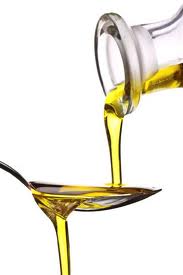
Image 1: A tablespoon of olive oil is probably not enough to boost your testosterone levels, right? Probably not, at least not by 250%, I should say.
Another Saturday, time is flying by and we have no time to waste, because YOU will have to dig trough a whole host of pretty long and (hopefully) interesting "On Short Notice" news, today! So let's get to business and start out with the surprising testosterone boosting corticosteroid normalizing effects of a bitter phenol in extra virgin olive oil most of you will probably be consuming on a daily basis without even knowing its name - Oleuropein. When we are through with the human equivalent dosage calculations the scientists obviously forgot to do, we will make a detour to one of those problems that are particularly dear to my heart, childhood obesity and how watching TV and eating fatty and sugary foods make a dynamic duo that can increase your (grand-)son's, (grand-)daughter's, nephew's and niece's risk to become obese by up to 30%. We will then use our flux-compensator (edit: I used the term that's used in the German version, i.e. "flux compensator" before, but edited it after Gary pointed out that the DeLorian in the original US version had a "flux capacitor" and a brief "research" made it obvious that this is a mistake of whoever translated the term for the original Back to the Future movies) and jump forward in time and see that your hopefully by the non-obese daughters and nieces can reduce their risk of visceral obesity and thus increased mortality even if the just wash the dishes, take the dog for a walk and use the stairs instead of the elevator.

Before we are eventually going to have a cup of gomchui tea, to evaluate if we can stand the taste so that we could ingest the 2-3 servings it would probably take to negate the negative effects of an occasional fatty slip on our diet, I will yet invite you to take yet a look at two studies from Saudi-Arabia, in which the researchers showed quite convincingly that vitamin D can actually have all those magical anti-obesity effects that it is hailed for, if... yeah, if you put the active calcitriol instead of its precursor cholicalciferol into the fatty chow of rodents. Sounds good? Well let's go, then!
  • Figure 1: While the results of the study, as well as the implications are impressive, the statement that one would get the respective human equivalent dose from "normal dietary intakes" is questionable, to say the least (see text for details) - and still the results of the study at hand only add to the nutritional value of the "liquid gold of the Mediterranean" with its proven antioxidant, antiinflammatory, antiageing, anti-viral, anti-microbial, anti-cancer, anti-aetherogenic and skin protectant effects (cf. Omar. 2010)
    Olive oil contains natural anabolic... well, sort of; at least according to research from the Laboratory of Nutrition Chemistry at Kobe Women's University in Japan, oleuropein, a phenolic compound in extra virgin olive oil did calm down the potentially catabolic corticosteroid overactivity in male rats fed a high protein (40%; from casein) diet (Oi-Kano. 2012). Allegedly, this alone does not yet make it an "anabolic", but with it's concomitant, but highly protein-dependent effect on the testosterone production in the testes of the male Sprague Dawley rats (see figure 1 - top, right), the ameliorative effect on the high corticosteroid expression on the high protein diet (+100% serum corticosteroids in the 40% vs.10% casein group w/out supplementation) and the consequently increased nitrogen balance (=higher net retention of protein) oleuropein aglycone does have much more of a natural anabolic than 99.9% of the expensive testosterone boosters out there.
    The increased secretion of noradrenaline and adrenaline (see figure 1 - top, right), as well as the downstream effect on the expression of uncoupling protein UCP-1 in BAT and the subsequent increase on thermogenesis should contribute to the "body recompositioning" effect of oleuropein, of which Oi-Kano et al. state that they will be particularly pronounced on a "high-fat diet, i.e., 30% fat diet" (Oi-Kano. 2012).
    The fact that humans have hardly any BAT is yet not the only problem, when it comes to the real-world significance of these results. With 10.3mg per rodent per day, i.e. 41mg/kg per day (human equivalent dose 6.68mg/kg), the "effective dose" of regular extra virgin olive oil would be unrealistically high, even if we base our estimate on the same (unpublished) data Oi-Kano et al. use in the discussion of their results and assume that there are 104 mg/kg oleuropein aglycone in extra virgin olive oil. The scientists do yet obviously believe that 5L of olive oil (80kg x 6.67mg/kg body weight divided by 104mg/L olive oil) would be a "normal dietary intake of extra virgin olive oil" - a statement that sounds even more laughable, when we use data from a study by Owen et al. which found that the oleuropein content of extra virgin olive oil ranges from 2.3 to 9.0mg/L (Owen. 2000), with higher levels of oleuropein in bitterer EVOOs (Gutiérrez-Rosales. 2003), or base our estimates on another study from Oi-Kano et al. in which they measured an oleuropein aglycone content of ~19mg/kg extra virgin olive oil (actually we would even hate to make up for the lower density of olive oil and divide that by 0.91 to convert it mg/L). And let's be honest in view of the sheer amount of studies investigating the beneficial effects of extra virgin olive oil in animals and humans, I doubt that a +250% testosterone boosting effect of "normal dietary intakes of extra virgin olive oil" could actually have remained unnoticed...
    It also remains to be seen if olive leaf extracts provide a better alternative. In 2008, Jemai et al. report that the Chemlali olive leaves they used in their rodent study, yielded 4.32 g oleuropein and 3.82g oleuropein aglycone per 100g dried leaves (Jemai. 2008). In view of the fact that the yield will necessarily depend on both the cultivar an the extraction method, you should thus make sure that any extract you buy has a standardized content of oleuropein / oleuropein aglycone. Moreover, if you are mainly interested in the better-established antioxidant, antiinflammatory, antiageing, anti-viral, anti-microbial, anti-cancer, anti-atherogenic and skin protectant effects of olive oil (cf. Omar. 2010),  5L /day are not necessary, anyway ;-)
  • Figure 2: Vicious cycle of childhood obesity (top); childhood obesity trends - state rates (data according to Childhood Obesity Action Network. 2009)
    In children under the age of 10 television watching increases risk of obesity by +30% This is the alarming result of a subgroup analysis (N = 1,696 schoolchildren) from the IDEFICS study, a large scale epidemiological study that involved a total of 15,144 children aged 2-9y from Italy, Estonia, Cyprus, Belgium, Sweden, Germany, Hungary, and Spain. Contrary to comparable analyses, which tend to simply correlate obesity data with data from a questionnaires on the total daily or weekly TV consumption, the Lissner study had a more sophisticated approach towards "TV watching" which included (a) the kids habitual television exposure time, (b) television viewing during meals, and (c) whether or not the children had a televisions in their bedrooms.
    After correlating these data with additional information about taste preferences, Lissner et al. found that all three aforementioned parameters, i.e. total TV consumption, watching TV during meals and having a TV in their room, were associated with profound (21-30%) increases in obesity risk.
    The actual novelty of these results is yet that all these TV watching behavior correlated (in most cases monotonously) with the propensity to eat sugary and/or fatty foods - and that despite the fact that the same kids who were eating nothing but chips and dingdongs, when they were sitting in front of the boob tube did not show similar preferences for fatty and sweet in the contextual different testing sessions all 1,696 kids had undergone.
  • Figure 3: A few steps a day can go a long way (based on Ayabe. 2012)
    Frequent everyday activity prevents visceral fat gain This is the result of a study which investigated the relationship between the frequency of everyday physical activity and visceral adipose tissue mass in 42 Japanese women, aged between 40 to 60 years (Ayabe. 2012). A brief look at the figure on the right will suffice to see that the problem of our society (and the US society probably even more than the European or Japanese) is not necessarily too little exercise, but much more fundamentally no movement at all during our everyday lives. I mean, 2 of the women did not even have 1 bout of 1-min moderate physical activity, 9 did not move for 3 min a day - is it a wonder we are having serious problems, then?
    Tip: Take a WALK! The results of another recently conducted study, which found that 30 min of brisk walking at approximately 60% of maximum heart rate after a meal reduce post-prandial lipidemia in healthy normolipidemic men, only corroborates the importance of daily physical activity (standing for 45min did not make a difference, btw; cf. Miyashita. 2012). While we do have the stress right after launch, we don't have the "exercise" that would historically be associated with the latter - and as of late this is not just the case for white collar workers like me ;-)
  • Active vitamin D does what vitamin D3 doesn't do, ameliorate the oxidative damage due to high fat diets. While the few vitamin D3 supplementation trials in rodents and humans were real non-starters, when it came to the purported effects of "everyone's darling vitamin" against diet induced obesity, diabetes, inflammation, etc. a group of Saudi Arabian researchers has just published the second of two papers within the past two months which deal with the effects of active vitamin D, aka calcitriol, on the diet induced damage in muscle and liver tissue (Alkharfy. 2012).
    Figure 4 (Zhu. 2012): Vitamin D3 is converted to the active metabolite 1,25(OH)2D3 by sequential 25-hydroxylation and 1a-hydroxylation. If this conversion does not take place (for possible reasons see text) , though, it could be that you don't see any benefits even from exorbitantly high amounts of supplemental vitamin D3
    In the July issue of Molecules, the scientists had already presented data on the preventive effect calcitriol had on the myocyte damage (weak, pre-degenerate mitochondria, loss of connections among myofibrils) they observed in the muscle fibers of mice who had been fed a high fat diet for 12 weeks. Now, roughly a month later, the researchers from the King Saud University in Riyadh, Saudi Arabia, report similar beneficial effects on weight-related systemic inflammation and ultrastructural changes of the liver during a 16-week rodent study. Compared to the non-supplemented mice, the mice on the calcitriol enriched high fat diet had reduced concentrations of TNF-α, CRP and IL-6 (p < 0.05) and a way higher insulin sensitivity (C-peptide and insulin levels of 539.4 ng/ml versus 718.9 ng/ml and 0.77 ng/ml versus 1.7 ng/ml, respectively; p <0.05). Moreover, the potentially toxic calcitriol protected the liver of the mice from the marked accumulation of fat droplets Alkharfy et al. observed in 60-70% of the hepatocytes of the mice that were fed the non-supplemented high fat diet.
    The profound weight loss the animals in the HFD + calcitriol trials experienced in both trials (even the LFD control did gain some weight!), should yet remind you that there is a good reason that you can't buy calcitriol over-the-counter at your local GNC and better don't reach out to whatever other sources you may just have been thinking about!
    That said, it is still remarkable that in a mouse model of prostate and breast cancer, dietary vitamin D3 (cholecalciferol) and thrice weekly injections of calcitriol worked equally well (Swami. 2012), while the cholecalciferol from your average vitamin D supplement sucks, when it comes to the metabolic effects everyone is promising you, you would see if you just bumped your 25-OHD levels to whatever novel heights. At least in the case of the obese rodents, a possible reason could simply be that obesity prevents it's conversion. That this appears to be the case is something we have already discussed in the context of the defect in the enzymatic cascade in obese patients in a previous installment of "On Short Notice". And if it's not obesity that hinders vitamin D from doing its purported job, you still got my hypothetical rants about the exuberant phosphate intake from the average western diet and its negative impact on the conversion of cholecalciferol to calcitriol (see "Hypothesis: Does Vitamin D 'Deficiency' Protect Us From Phosphorus Overload?")
  • Figure 5: ECGC may be more potent in the in-vitro essay (left, background; anti-lipase effect rel. to Orlistat), its susceptibility to digestion (bottom, right) renders it yet ineffective as a "fat blocker" (left, foreground; FFA during simulated digestion). Appropr. dosed (1-3 serv./day), coffee and gomchui tea thus appear to be better suited to reduce fat digestion and absorption (Cha. 2012).
    With di-O-caffeoylquinic acid, Gomchui (Ligularia fischeri) Tea easily outperforms coffee and green tea as an inhibitor of fatty acid breakdown in the stomach - what could in fact turn against you on an already fat-deficient (yeah, there is such a thing!) diet, could be a useful tool for the transient phase from diet-induced obesity to natural leanness on a totally revamped diet + exercise regimen, as well as the occasional "binge", you may planning to have if you are already following a healthy whole foods diet.
    Published in the July issue of the Journal of Agriculture and Food Chemistry a recent the study by Cha, Song, Kim and Pan  shows quite conclusively that a tea that's brewed from Lingularia fischeri (gomchui) can decrease the activity of the fat-digesting enzymes in your gut and thus minimize the energy influx from free fatty acids.
    What's also intriguing about this research is that green tea, despite having the highest content of EGCG and thus theoretically the most potent lipase inhibitor of all the three beverages (green tea, coffee and gomchui tea) had - as soon as a certain dosage threshold of 2-3 servings was achieved, the least effect on on lipase activity in the digestion model the scientists used. If your goal is to ameliorate the potential weight gain right after a binge, gomchui or even a strong black coffee would probably be better choices than a cup of green tea.
    Figure 6: The effect green tea extracts have on the synthesis (FAS), transport (CPT II) and oxidation (ACO) of fatty acids in the liver, depend on both EGCG and caffeine (Suigiura. 2012)
    In this context, it is also worth mentioning that a related study by Sugiura et al. that has been published in the Journal of Obesity found that the inhibitory effects of EGCG on FAS (fatty acid synthase, i.e. the exact opposite of lipase) expression in the liver, reach statistical significance only in the presence of caffeine (Sugiura . 2012).
    This would render the use of decaffeinated green tea extracts for weight-loss purposes at least less effective than the consumption of real green tea. You could probably still grasp the beneficial downstream effects of the anti-inflammatory effects of EGCG, but would miss out on the "fat burning" and "anti-fat depositioning" effects (esp. in the liver), as those are obviously reliant on the simultaneous presence of caffeine. Needless to tell you that this is exactly the way nature has intended it, right? I guess it's about time to have a cup of good tea now... or maybe coffee - or Gomchui?
That's it already for today, but never mind, there will be more. In the next installmenta of "On Short Notice", my daily news-updates on the SuppVersity Facebook Wall (today with news on the muscle building effects of cortisol + IGF1 and more) and - from now on - every Thursday on Super Human Radio (click here to download the first installment of the thursdaily "Super Human Radio + SuppVersity Joint Research Update"). And aside from that there are of course your daily "regular" SuppVersity News!

References:
  • Alkharfy KM, Al-Daghri NM, Ahmed M, Yakout SM. Effects of vitamin d treatment on skeletal muscle histology and ultrastructural changes in a rodent model. Molecules. 2012 Jul 31;17(8):9081-9. 
  • Alkharfy KM, Al-Daghri NM, Yakout SM, Ahmed M. Calcitriol Attenuates Weight-Related Systemic Inflammation and Ultrastructural Changes of the Liver in  a Rodent Model. Basic Clin Pharmacol Toxicol. 2012 Aug 21. 
  • Ayabe M, Kumahara H, Morimura K, Sakane N, Ishii K, Tanaka H. Accumulation of Short Bouts of Non-Exercise Daily Physical Activity is Associated with Lower Visceral Fat in Japanese Female Adults. Int J Sports Med. 2012 Aug 17.  
  • Cha KH, Song DG, Kim SM, Pan CH. Inhibition of Gastrointestinal Lipolysis by Green Tea, Coffee, and Gomchui ( Ligularia fischeri ) Tea Polyphenols during Simulated Digestion. J Agric Food Chem. 2012 Jul 25;60(29):7152-7. 
  • Childhood Obesity Action Network. State Obesity Profiles, 2009. National Initiative for Children's Healthcare Quality, Child Policy Research Center, and Child and Adolescent Health Measurement Initiative. Retrieved 06/02/2010 from http://wwww.nschdata.org/content/07obesityreportcards.aspx.
  • Gutiérrez-Rosales F, Ríos JJ, Gómez-Rey ML. Main polyphenols in the bitter taste of virgin olive oil. Structural confirmation by on-line high-performance liquid chromatography electrospray ionization mass spectrometry. J Agric Food Chem. 2003 Sep 24;51(20):6021-5.
  • Jemai H, Bouaziz M, Fki I, El Feki A, Sayadi S. Hypolipidimic and antioxidant activities of oleuropein and its hydrolysis derivative-rich extracts from Chemlali olive leaves. Chem Biol Interact. 2008 Nov 25;176(2-3):88-98. Epub 2008 Sep 7.
  • Lissner L, Lanfer A, Gwozdz W, Olafsdottir S, Eiben G, Moreno LA, Santaliestra-Pasías AM, Kovács E, Barba G, Loit HM, Kourides Y, Pala V, Pohlabeln H, De Henauw S, Buchecker K, Ahrens W, Reisch L. Television habits in relation to overweight, diet and taste preferences in European children: the IDEFICS study. Eur J Epidemiol. 2012 Aug 22.
  • Oi-Kano Y, Kawada T,Watanabe T, Koyama F,Watanabe K, Senbongi R, et al. Extra virgin olive oil increases uncoupling protein 1 content in brown adipose tissue and enhances noradrenaline and adrenaline secretion in rats. J Nutr Biochem. 2007;18:685–92.
  • Oi-Kano Y, Kawada T, Watanabe T, Koyama F, Watanabe K, Senbongi R, Iwai K. Oleuropein supplementation increases urinary noradrenaline and testicular testosterone levels and decreases plasma corticosterone level in rats fed high-protein diet. J Nutr Biochem. 2012 Aug 15. 
  • Omar SH. Oleuropein in olive and its pharmacological effects. Sci Pharm. 2010;78(2):133-54. Epub 2010 Apr 23.
  • Owen RW, Giacosa A, Hull WE, Haubner R, Spiegelhalder B, Bartsh H. The antioxidant/anticancer potential of phenolic compounds  isolated from olive oil, Europ. J. Cancer. 2000; 36:1235–1247. 
  • Sugiura C, Nishimatsu S, Moriyama T, Ozasa S, Kawada T, Sayama K. Catechins and Caffeine Inhibit Fat Accumulation in Mice through the Improvement of Hepatic Lipid Metabolism. J Obes. 2012;2012:520510.
  • Zhu J, DeLuca HF. Vitamin D 25-hydroxylase - Four decades of searching, are we there yet? Arch Biochem Biophys. 2012 Jul 1;523(1):30-6

Sunday, March 4, 2012

The "Insulin Resistance Saga" - Part III: Where Has All the Sweetness Gone? Plus: Bullied to Eat Twinkies

Figure 1: Obese highschool students have a 111% (boys) and 76% (girls) increased risk of relational bullying. (Kukaswadia. 2011)
[Note: This is a direct sequel to the last installment] Delicious! "Milk and vanilla and not a single bacteria in it! How much better can it get?" You are sitting at your desk in the elementary school and dream yourself back to the Kindergarten, when Mrs. Youesdeay's attacks against your Snickers bars still was the only thing you had to fear. Mrs. Undarstant is nice. She likes you. You always do your homework, never complain or talk to others during the lessons. Unfortunately, the latter is in parts a consequence of the fact that the other kids don't like you. "Fatso!", "No, I don't want to hold his hand, Mrs. Undarstant. His hands are sweaty and gooey from the candy he is constantly scoffing down.", ... and these are only the friendlier abuses and rejections you are facing on a daily basis.

"Are they secretly removing all the sugar from my foods?"

You take a look a the ingredient milk of your vanilla milk. "E407? Hmm... as long as its fat-free, it won't hurt, but I wonder if they have changed the formula. I mean, this stuff used to be sweet like crazy and now? It tastes like water." You have gotten used to these kind of inner-monologues over the years. Since Jeany had moved away, when you were in first grade, you have become more and more isolated. School, homework, Playstation, TV, ... that's what your day usually looks like. You take another look at the now empty bottle of vanilla milk. "They must have changed something..."
Image 1: If you "supplement" normal weight "lightly active" subjects with a daily dose of Lucozade Sport for one month you will increase their sweet preference by +130% (Gondivkar. 2009)
Did you know that acquired hypogeusia and ageusia, i.e. the reduced ability and the inability to taste, in this case, sweets, is a common feature in type II diabetics? In a 2009 study by Gondivkar et al. 62.5% of the type II diabetics had an impaired sweet taste reception (vs. 12.5% in the control subjects) and 15% of the untreated type II diabetics had a complete loss of sweet taste perception (Gondivkar. 2009)! A more recent study shows that the reduction in the ability to taste sweet goes hand in hand with obesity and is not something that arises all of a sudden (just as type II diabetes isn't). Sartor et al. did not only find that obese subjects had a -23% reduced sweet taste perception (compared to normal weight controls), but also that normal weight, "lightly active" adults developed a similar reduction in sweet taste perception and a 2.3-fold increase in sweet preference after only one month of soft drink (~760 ml/day) "supplementation" (Sartor. 2011).
What you obviously don't know is that the thing "they" changed is not the product formula, let alone its sugar or sweetener content, but rather your perception of the formerly obtrousively sweet combination of saccharine, aspartame and the high fructose corn-syrup they use in your lactose free vanilla milk as a replacement for the milk sugar. Aside from the habituation effect, the years of chocolate coated healthy whole-grain cereals, Snickers bars, Vanilla milk and peanut butter sandwiches for breakfasts, have taken their toll on your baseline insulin sensitivity. What used to be a pleasant inrush of glucose into your cells, has already become more of a trickle. Your triglyceride levels are on a constant rise and if it were not for the constant delivery of glucose from the high carb, low fat foods, of which your mother hopes that they will help you lose at least some of the superfluous pounds, your brain would long have switched you over into fat burning mode.
Figure 1: With the constant influx of glucose and the overproduction of triglycerides your body can neither use glucose nor fat as a fuel effectively; the one thing both signals, i.e. glucose => insulin signaling, as well as the cortisol (stress) + high triglyceride signaling have in common - and this does in fact still work - is that they will induce the storage of energy in your ever-expanding adipose tissue.
With the divergent signals your body is receiving (cf. figure 1), neither your glucose, nor your fat metabolism is working properly. It is like you were telling your metablism to go to the left, while pushing him further to the right with every of the four peanut butter sandwiches that were waiting for you in your bag, before...well, before John decided that "You are already fat enough fatso, let me eat those sandwiches!".

John is always right and the fatso should not eat peanut butter sandwiches

Image 2: Dr. Haub did not do fat kids like yourself a favor, when he lost 27 pounds in two months on what was purportedly a diet consisting of nothing but chocolate bars, chips, biscuits, pizza, doughnuts and sugary cereals (in fact, he used protein shakes and multi-vitamins to make sure he does not do permanent damage).
John is the nightmare of your sleepless dreams and your stressful days. He is the "cool kid" everyone looks up to and when John says that "...the fatso should not eat those, right?" This is only a rhetorical questions. After all, John is always right. You have learned that the hard way - several times of the last years. Although John had never hurt you physically, all the fat you had accumulated of the years could hardly disguise all the wounds each of his countless comments and jokes had left in your soul.

The bell rang! "Will I make it to the candy vending machine and back during the 5-minute break?" Your thoughts were revolving around a pack of Twinkies. "They worked for this professor on TV, right? If I don't eat the sandwich and just the pack of Twinkies as a breakfast. I mean, they have less calories than those sandwiches." You were looking over to John, who was gobbling his peanut butter sandwiches. When he realized that you were staring at him he said: "What's up fatso, you could be a little more appreciative of what I am doing for you!" It was grotesque, John had been eating your sandwiches probably 4 out of 5 days in the last months and still looked leaner than ever. "How can that be?" The bell rang another time. The break was over and you decided that it would probably be best not to eat anything today....

[to be continued...]

Saturday, February 19, 2011

L-Arginine Biscuits Exhibit Ameliorated Insulin Response. A Viable Alternative for People with Metabolic Syndrome!?

"L-Arginine ameliorates insulin resistance and has beneficial effects on blood pressure", "Fat people love cookies and tend to develop insulin resistance!" - if these two thoughts get together in the head of an Italian scientists, a new product is born: the L-Arginine Biscuit!

In a recent study Emanuela Setola (Setola. 2011) investigated the effect of a biscuit with 6.6g arginine on selected metabolic parameters of 7 healthy subjects. The results are encouraging:
A significant increase of nitric oxide (NOx) and cGMP levels were significantly increased with Biscuit +L-ARG 6.6 g and Powdered L-ARG as compared to Biscuit. AUC NOx and cGMP were significantly increased (p<0.04vs Biscuit). Percentage incremental increase of post-ischemic blood flow significantly increased with Biscuit +L-ARG 6.6 g and Powdered L-ARG, suggesting a functional effect of L-ARG added to the food preparation. Further, at 240 minute mean arterial blood pressure and peripheral vascular resistances slightly declined with Biscuit +L-ARG 6.6 g without reaching a statistical significance. At metabolic levels, the addition of L-ARG to a biscuit decreased insulin levels in the presence of similar glycemic levels, in particular a significant decrease of AUCinsulin during the test with Biscuit +L-ARG 6.6 g in comparison to Biscuit alone was found (p<0.05).
The last result, i.e. the decreased insulin release is probably the most interesting finding of this study and was further investigated by the researcher:
From the results of glucose and insulin, two indices were derived: a Modified Matsuda, (index of whole-body insulin sensitivity) and the Disposition Index (index of the product of insulin sensitivity and first phase insulin secretion). We were able to define that both indices were significantly increased with 6 Biscuits having 6.6 g of L-Arginine while intermediate values were found when 3 Biscuits (3.3 g) were eaten as compared to Biscuits without L-Arginine addition.
After all, I think it would be better to avoid cookies and biscuits completely, but if you just cannot resist, you may well add some arginine to the dough for this years Christmas baking.

Thursday, November 25, 2010

Want to Lose Fat? Don't Reward Yourself with Food!

At my gym, I see it over and over again: people staring at the calorie counter of the stairmaster, dreaming of the pot of icecream which is already waiting for them in the fridge. Don't be so stupid or you will end up like the "non-responders" in a recent study on exercise-induced weight-loss done by scientists from the University of Leeds (Finlayson. 2010).

The scientists observed 34 sedentary obese males and females who participated in a 12-week supervised exercise intervention prescribed to expend 500 kcal/day, 5 d/week and classified them into responders (losing weight) and non-responders (maintaining or even increasing weight). By this means the scientists identified a certain pattern of increased appetite in high-fat sweet foods in the non-responders:

 Food reward (ratings of liking and wanting, and relative preference by forced choice pairs) for an array of food images was assessed before and after an acute exercise bout. Results. 20 responders and 14 non-responders were identified. R lost 5.2 kg ± 2.4 of total fat mass and NR lost 1.7 kg ± 1.4. After acute exercise, liking for all foods increased in NR compared to no change in R. Furthermore, NR showed an increase in wanting and relative preference for high-fat sweet foods.
While, obviously, many of you may suffer from those "symptoms" the way to get and stay lean is not to give in to those lustrous desires, but to make healthy food choices 24/7 no matter how many calories you think you have left in the gym hours before.