Showing posts with label EVOO. Show all posts

Tuesday, August 2, 2016

To Microwave or not to Microwave? Fish Thrives, While Extra Virgin Olive Oil Deteriorates in the Microwave Oven

The effect of microwave steaming, i.e. steaming with the microwave by the means of one of those microwave steaming bags has not been tested in the study at hand, but it should be relatively harmless... assuming your steaming bag is BPA free.
I know that people all around the world still argue that microwaving your foods would modify them in ways that render them at least less, if not simply downright unhealthy. In reality, however, the safety of microwaving is well established; and there's evidence suggesting that it is rather the way of heating you should prefer than the way to heat you should avoid.

With the latest study from the Unidad de Investigación y Desarrollo de Alimentos the previously discussed and often (falsely) ignored formation of oxysterols, i.e. oxidized cholesterol that's bad for your metabolic and cardiovascular health microwave (MW) foods or I should say fish just got even more attractive.
You can learn more about omega-3 & co at the SuppVersity

Fish Oil Makes You Rancid?

POPs in Fish Oils are Toxic!

N3/N6 Ratio Doesn't Matter

MUFA & Fish Oil Don't Match

Fish Oil Doesn't Help Lose Weight

Rancid Fish Bad 4 Health
As Leal-Castañeda et al. point out in the introduction to their paper, "cholesterol oxidation products (COPs) formation depends on the conditions of MW heating and the composition of the food matrix" (Leal-Castañeda. 2016).

It is thus only logical that the Mexican researchers compared different oils / foods, namely palm, extra virgin olive, soybean and fish oils. All oils were heated in a two different microwaves:
  • a Panasonic, Model NN-6653, 900 W, operating at in multimode
  • Thermo CEM DISCOVER series SP-D, operating in monomode
But wait, where's the cholesterol in palm, olive ad soybean oils? Obviously, there is none. Accordingly, the scientists added a standardized amount of 2.5 mg of cholesterol/g of oil to all four test oils before MW heating them.
Table 1: Temperature reached by in lipid systems made of oils and cholesterol during heating in multimode MW oven; the monomode MW was set to heat until the temperature was 180°C  (Leal-Castañeda. 2016).
Next to the temperature and oxysterol formation, the scientists also monitored the changes in peroxide value and fatty acid (FA) profiles.
"MW heating of edible oils may cause its degradation by oxidation, hydrolysis and polymerization. It has been suggested that the unsaturated components of the oils are usually the most susceptible to these degradation processes, altering their physicochemical properties and FA profile. However, it has been reported that heating time and temperature, and the presence of natural antioxidants (tocopherols, chlorophylls, carotenoids and phenolic compounds) have a significant influence on the extent of the oxidative processes. [In the study at hand, the] most relevant change was the decrease of PUFAs presen[t] in fish oil (Figure 1)" (Leal-Castañeda. 2016).).
As Leal-Castañeda, et al point out (2016), the significant decrease of PUFAs in fish oil heated in MW (both unimode and multimode) and conventional oven is in agreement with Weber et al. (2008) and Zhang, et al. (2013), who observed a slight decrease in the PUFA content in silver catfish fillets and grass carp (ctenopharynyodon idellus) fillet (this is important, because this is a whole food) baked in conventional oven, and a greater reduction when MW oven was employed.
  • Overall, the maximum total COPs contents "largely varied (46.4-250.4 μg/g lipids), depending on the type of heating system and oil matrix" (Leal-Castañeda. 2016).
  • In that, the multimode MW heating caused greater COPs formation than the unimode MW. 
  • On the other hand, the COP formation in the allegedly healthier was significantly higher - albeit only for fish oil - than during either of the two microwaving treatments.
If you scrutinize the data in Figure 1 you will see that another not exactly expected result of the study at hand was that that "soybean oil, compared with the other oils tested, did not promote cholesterol oxidation during MW heating" (Leal-Castañeda. 2016).
The contents of vitamin C and total carotenoids, aliphatic and indole glucosinolate in broccoli cooked by different methods Effects of  cooking methods (1. raw; 2. boiled; 3. steamed; 4. microwaved; 5. stir-fried; 6. stir-fried/boiled | Yuan. 2016).
Steaming and microwaving have been repeatedly shown to produce the least oxidative damage / detorioration of vitamins and other healthy molecules to cholesterol- and non-cholesterol containing food products, such potatoes (Tian. 2016), broccoli and cauliflower (Yuan. 2009; Mansour. 2016), other legumes and vegetables (Fabbri. 2016).

In that, the effects may differ not just based on the macronutrient composition of the food, it may also differ for individual micronutrients such as vitamins or indoles.
That's much in contrast to the allegedly healthier extra-virgin olive oil and palm oil, where the formation of oxysterols skyrocketed, in spite of the presence of natural antioxidants during MW heating.
Figure 1: Oxid. of cholesterol in lipid systems made of oils and cholesterol after 20 min of heating in unimode (UMO), multimode MW (MMO) oven and conventional (CO) oven (Leal-Castañeda. 2016) - 5,6α-CE, 5,6α-epoxycholesterol; 5,6β-CE, 5,6β-epoxycholesterol; 7α-HC, 7α hydroxycholesterol; 7β-HC, 7β-hydroxycholesterol; 7-KC, 7-ketocholesterol
In view of these important differences, it should be obvious that "the type and composition of the lipid medium should be considered for formulation of food products to be cooked in MW for long time periods (>10 min)" (Leal-Castañeda. 2016) - with high PUFA oils being more susceptible to oxidative damage than low PUFA oils and a suspicious lack of effect of natural anti-oxidants on the extents of oxidative degradation, and thus the overall nutritional quality and safety of food products.
After being absorbed in the gut, exogenous oxysterols are incorporated into cyclomicrons and will subsequently have the same ill (heart-)health effects as their endogenously produced (by inflammation) cousins (Otaegui-Arrazola. 2010)
It's not just about fish... If you revisit the data in Figure 1 you will realize that the likewise relatively PUFA rich extra-virgin olive oil showed a highly significant increase in oxysterols, especially 7α hydroxycholesterol, when it was heated in a classic (older technology) multimode microwave with its characteristically random temperature differences in different part of whatever it is you are cooking.

Whether and why the local temperature distribution is highly relevant for olive oil, but neither palm, soy or fish oil is something future studies will have to determine... in fact, we'd even have to confirm that it is the temperature difference, nothing else that explains the significant differences.

But do you even care? Well, it depends. Oftentimes you may not even have cholesterol in your EVOO. "Often", however, is "not always" and whenever you microwave animal products in EVOO, you will end up having sign. amounts of oxidizable cholesterol around - cholesterol that has been shown to be absorbed and "could represent a significant health risk" (Leal-Castañeda. 2016 | cf. Sottero, 2009 & Staprans, 2003). Comment on Facebook!
References:
  • Fabbri, Adriana DT, and Guy A. Crosby. "A Review of the Impact of Preparation and Cooking on the Nutritional Quality of Vegetables and Legumes." International Journal of Gastronomy and Food Science 3 (2016): 2-11.
  • Mansour, Abd Allah, et al. "Effect of Domestic Processing Methods on the Chemical Composition and Organoleptic Properties of Broccoli and Cauliflower." American Journal of Food and Nutrition 3.5 (2016): 125-130.
  • Otaegui-Arrazola, Ana, et al. "Oxysterols: a world to explore." Food and Chemical Toxicology 48.12 (2010): 3289-3303.
  • Sottero, Barbara, et al. "Cholesterol oxidation products and disease: an emerging topic of interest in medicinal chemistry." Current medicinal chemistry 16.6 (2009): 685-705.
  • Staprans, Ilona, et al. "Oxidized cholesterol in the diet is a source of oxidized lipoproteins in human serum." Journal of lipid research 44.4 (2003): 705-715.
  • Tian, Jinhu, et al. "Domestic cooking methods affect the phytochemical composition and antioxidant activity of purple-fleshed potatoes." Food chemistry 197 (2016): 1264-1270.
  • Yuan, Gao-feng, et al. "Effects of different cooking methods on health-promoting compounds of broccoli." Journal of Zhejiang University Science B 10.8 (2009): 580-588.
  • Zhang, Jinjie, et al. "Effect of cooking styles on the lipid oxidation and fatty acid composition of grass carp (ctenopharynyodon idellus) fillet." Journal of Food Biochemistry 37.2 (2013): 212-219.

Wednesday, July 29, 2015

Olive Oil, a Health & Longevity Food | Plus: Frying With the Right Oils, Quickly + Discontinuously not Half as Hazardous for Your Heart, Pancreas & Waist as Previously Thought

If the frying time is short (2-5 min) and the heat not extreme, it's no problem to fry with virgin olive oil. If that's not the case there are better options.
You will probably remember my Facebook post about olive oil having recently become the first food that may officially call itself heart healthy in the European union. As María-Isabel Covas et al. point out in their latest paper, this leave a key question for the consumer unanswered: Which olive oil is the for you and your health? And how strong is the evidence it's actually going to make a sign. health difference (Buckland. 2015)?

In today's SuppVersity article I am going to answer these question and then turn to another, related issue: The alleged health-hazards of cooking and frying with vegetable oils as they were reviewed by Carmen Sayon-Orea (2015) and Carmen Dobarganes (2015):
Lean more about frying & co at the SuppVersity

The Quest for the Optimal Frying Oil

MUFA Modulates Gut Bacteria → Weight Loss

Taste of Olive Oil Heals - Flavor's Enough!

GMO Soybean Oil Proven to Be Pro-Inflammatory

"Pimp My Olive Oil" - W/ Extra Antioxidants

Frying Does not Just Oxidize Oils, It Does Fat More!
  • Does it have to be virgin olive oil and how significant are the health benefits? The data from the EUROLIVE longterm study (Cicero. 2005) is unquestionably one of the more convincing arguments in favor extra virgin vs. regular olive oil (VOO). In said study 200 individuals from five European countries were randomly assigned to receive 25 ml/d of three similar olive oils, but with differences in their phenolic content (from 2.7 to 366 mg/kg of olive oil). The oil was administered in intervention periods of 3 weeks preceded by 2-week washout periods and the differential effects on important health markers were compared.

    What the authors found was that all olive oils increased HDL-cholesterol and the ratio between the reduced and oxidised forms of glutathione, but only the consumption of medium- and high-phenolic content olive oil (as you would buy it as "virgin olive oil" and "extra virgin olive oil" on the market) decreased lipid oxidative damage biomarkers such as plasma oxidised LDL, un-induced conjugated dienes and hydroxy fatty acids, without changes in F2-isoprostanes.
    Figure 1: Reduction in oxidized LDL in the PREDIMED study on Traditional Mediterranean Diet (TMD) with either virgin olive oil or nuts as one of the dietary sources of fat vs. recommended low fat diet (Fito. 2014).
    As Covas et al. (2015) point out, the scientists who conducted this larg-scale trial also found that the increases in HDL-cholesterol and the decrease in the lipid oxidative damage were linearly linked to the phenolic content of the olive oil the subjects consumed" (Covas. 2015)
    Table 1: Randomised, controlled studies on the effect of VOO on inflammatory markers (Covas. 2015)
    Even if we didn't have all the "Mediterranean diet studies" and the host of studies confirming the potent anti-inflammatory effects of virgin olive oil (see Table 1), the result of this well-controlled large-scale intervention alone would be quite convincing. In conjunction with the more recent PREDIMED study (Martínez-González. 2014; Fitó. 2014), however, the argument in favor of "virginity" (for olive oils ;-) becomes even stronger. An analysis of the PREDIMED study revealed that the beneficial effects of a Mediterranean style diet on LDL oxidation are most pronounced if extra virgin olive oil (with a high phenolic content of 316 mg/kg). With the EVOO version neither the "nutty" Mediterranean diet nor the still recommend low fat diet could compete (see Figure 1).
    Figure 2: The association between olive oil consumption (quartiles (Q) and per 10 g/d) and (a) overall mortality and cause-specific mortality ((b) CVD mortality, (c) cancer mortality and (d) other causes of mortality) in the European Prospective Investigation into Cancer and Nutrition Spanish cohort study (Buckland. 2015).
    The question you may still want to ask, though, is probably: "Are these markers actually relevant for my health?" Well, I guess we can hardly tell for sure what it is that mechanistically reduces the risk that you will die before your time, but the existing epidemiological data in Figure 2 leaves little doubt that the health benefits of consuming virgin olive oil can make the difference between life and death.

    So again, which oil do you use? The "extra virgin" among the olive oils, obviously. After all, EVOO has shown to promote additional benefits to those provided by regular olive oil and the few alternative vegetable oils. Effects of which Covas et al. point out that they are mediated by EVOO induced increases in the antioxidant content of LDL, nutrigenomic effects, and the modulation of atherosclerosis-related genes towards a protective mode.
  • Does cooking and frying with vegetable oils kill? I have been addressing this issue shortly in my articles on the problems that arise with cooking with lard and tallow (read it) and my article about the "best" cooking oils (read it), but since we are already talking "oils" - in this case "olive oils" - it may be worth taking a look at two recent papers by Dobarganes et al. (2015) and Sayon-Orea et al. (2015).
    Table 2: Overview of the various substrates of vegetable oil and their effects in different experimental models as summarized by Dobarganes and Márquez-Ruiz (2015).
    In their latest review Dobarganes and Márquez-Ruiz list a whole host of processes and scientific evidence that (a) proves that there can be health hazardous compounds that form when you cook thermally unstable vegetable, that (b) these compounds are readily absorbed by mouse and man and that (c) even the relatively "small" amount that is found in industrially produced fried foods can be a threat to our health if we consume them in excell (see Table 2).

    Figure 3: Odds and hazar ratios and 95 % CI for the fully adjusted model in the studies included in Sayon-Orea's 2015 systematic review. * Fried food consumption as exposure. † Olive oil consumption as exposure. ‡ Sunflower oil consumption as exposure. § Palm oil consumption as exposure.
    This does not mean, though, that you will drop dead from the occasional serving of French fries - and that despite the existing evidence that some compounds that form during frying can impair the nutritional value of food or be potentially harmful. If you look closely at the time and heat it takes for the bad byproducts of cooking and frying to arise, it is evident that it's not you, but rather the food industry and restaurants with their high temperatures and cooking times that are to blame for the problems. They are the ones using the "discontinuous frying process" of which Dobarganes and Márquez-Ruiz say that only they allow frying oils to reach "degradation levels much higher than that established for human consumption" (Dobarganes. 2015).

    It is thus hardly surprising that Sayon-Orea et al.'s systematic review disproves the myth "that frying foods is generally associated with a higher risk of CVD" (Sayon-Orea. 2015 | my emphasis). Furthermore the authors analysis of the existing evidence indicates that cooking and frying with the previously praised virgin olive oil, in particular, is actually with a significantly reduced risk of CVD clinical events (see Figure 3).

    At this point it may be worth pointing out that this review has a small selection bias. If you look at the correlates in studies that are not as specifically interested in fried foods as the one reviewed by Sayon-Orea, but rather at food choices in CVD patients or diabetics there are positive correlations, correlations with "junk food", if you will. Therefore we can assume that any association between fried food consumption and cardiovascular disease (CVD) risk is probably mediated by the potentially obesogenic effect of certain types fried foods. Foods that are usually of overall low nutritive, but high caloric value - specifically if they are produced industrially or by fast food restaurants.

    If you are frying your foods at home, use oils with high amounts of unsaturated fast like virgin olive oil (or alternatives for longer frying durations and higher temperatures) and don't start frying snickers or ice-cream (as seen on TV ;-), frying your foods may actually be way less hazardous than many of you probably thought.
So what did you learn today? The health benefits of olive oil are not only, but largely dependent on its polyphenol content. From previous SuppVersity articles, you will know that those can be damaged by cooking and frying, but low cooking temperatures and short frying times minimize the risk of (a) missing out on all the polyphenol action in virgin olive oil and (b) allowing too many of the health hazardous metabolites of high PUFA oils - don't forget that olive oil still contains relatively high amounts of omega-6s - to rise.

The Quest for the Optimal Cooking Oil: Heat Stable, Low PUFA & Cholesterol Free - High MUFA Sunflower / Canola, Olive, Coconut & Avocado Oil Qualify for the TOP5 | more
Thus, unless you're a weak-willed victim of the food industry, your risk of dying from frying induced... ah, I mean from fried-food related heart disease is minimal. The same goes for your risk of obesity and diabetes... and let's be honest: Can you imagine a "Mediterranean Diet" (MeD) without tons (and I mean "tons") of fried foods? I can't. What I can imagine, though, is that the use of heat stable (virgin olive) oils, discontinuous frying to ensure overall short frying times, as well as frying healthy not junk food (mostly unbreaded meats and veggies) make the health-relevant difference between the effect of fried foods in the MeD and those from the Standard American Diet, which are usually fried discontinuously in less heat stable oils  | Comment
References:
  • Buckland, Genevieve and Carlos A. Gonzalez. "The role of olive oil in disease prevention: a focus on the recent epidemiological evidence from cohort studies and dietary intervention trials." British Journal of Nutrition 113 (2015): pp S94-S101. 
  • Cicero, Arrigo FG, et al. "Changes in LDL fatty acid composition as a response to olive oil treatment are inversely related to lipid oxidative damage: The EUROLIVE study." Journal of the American College of Nutrition 27.2 (2008): 314-320.
  • Covas, María-Isabel, Rafael de la Torre and Montserrat Fitó "Virgin olive oil: a key food for cardiovascular risk protection." British Journal of Nutrition 113 (2015): pp S19-S28. 
  • Dobarganes, Carmen and Gloria Márquez-Ruiz "Possible adverse effects of frying with vegetable oils." British Journal of Nutrition 113 (2015): pp S49-S57. 
  • Fitó, Montserrat, et al. "Effect of the Mediterranean diet on heart failure biomarkers: a randomized sample from the PREDIMED trial." European journal of heart failure 16.5 (2014): 543-550.
  • Martínez-González, Miguel Á., et al. "Extra-virgin olive oil consumption reduces risk of atrial fibrillation: the PREDIMED trial." Circulation (2014): CIRCULATIONAHA-113.
  • Sayon-Orea, Carmen, Silvia Carlos and Miguel A. Martínez-Gonzalez "Does cooking with vegetable oils increase the risk of chronic diseases?: a systematic review." British Journal of Nutrition 113 (2015): pp S36-S48.

Saturday, September 1, 2012

On Short Notice: 250% More Testosterone From Oleuropein in Olive Oil? Obese Kids, TV, Twinkies & Tortilla Chips, Vitamin D Supplementation That Works, Coffee, Green or Gomchui Tea as Fat Blocking Orlistat Alternative and More!

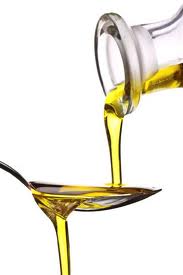
Image 1: A tablespoon of olive oil is probably not enough to boost your testosterone levels, right? Probably not, at least not by 250%, I should say.
Another Saturday, time is flying by and we have no time to waste, because YOU will have to dig trough a whole host of pretty long and (hopefully) interesting "On Short Notice" news, today! So let's get to business and start out with the surprising testosterone boosting corticosteroid normalizing effects of a bitter phenol in extra virgin olive oil most of you will probably be consuming on a daily basis without even knowing its name - Oleuropein. When we are through with the human equivalent dosage calculations the scientists obviously forgot to do, we will make a detour to one of those problems that are particularly dear to my heart, childhood obesity and how watching TV and eating fatty and sugary foods make a dynamic duo that can increase your (grand-)son's, (grand-)daughter's, nephew's and niece's risk to become obese by up to 30%. We will then use our flux-compensator (edit: I used the term that's used in the German version, i.e. "flux compensator" before, but edited it after Gary pointed out that the DeLorian in the original US version had a "flux capacitor" and a brief "research" made it obvious that this is a mistake of whoever translated the term for the original Back to the Future movies) and jump forward in time and see that your hopefully by the non-obese daughters and nieces can reduce their risk of visceral obesity and thus increased mortality even if the just wash the dishes, take the dog for a walk and use the stairs instead of the elevator.

Before we are eventually going to have a cup of gomchui tea, to evaluate if we can stand the taste so that we could ingest the 2-3 servings it would probably take to negate the negative effects of an occasional fatty slip on our diet, I will yet invite you to take yet a look at two studies from Saudi-Arabia, in which the researchers showed quite convincingly that vitamin D can actually have all those magical anti-obesity effects that it is hailed for, if... yeah, if you put the active calcitriol instead of its precursor cholicalciferol into the fatty chow of rodents. Sounds good? Well let's go, then!
  • Figure 1: While the results of the study, as well as the implications are impressive, the statement that one would get the respective human equivalent dose from "normal dietary intakes" is questionable, to say the least (see text for details) - and still the results of the study at hand only add to the nutritional value of the "liquid gold of the Mediterranean" with its proven antioxidant, antiinflammatory, antiageing, anti-viral, anti-microbial, anti-cancer, anti-aetherogenic and skin protectant effects (cf. Omar. 2010)
    Olive oil contains natural anabolic... well, sort of; at least according to research from the Laboratory of Nutrition Chemistry at Kobe Women's University in Japan, oleuropein, a phenolic compound in extra virgin olive oil did calm down the potentially catabolic corticosteroid overactivity in male rats fed a high protein (40%; from casein) diet (Oi-Kano. 2012). Allegedly, this alone does not yet make it an "anabolic", but with it's concomitant, but highly protein-dependent effect on the testosterone production in the testes of the male Sprague Dawley rats (see figure 1 - top, right), the ameliorative effect on the high corticosteroid expression on the high protein diet (+100% serum corticosteroids in the 40% vs.10% casein group w/out supplementation) and the consequently increased nitrogen balance (=higher net retention of protein) oleuropein aglycone does have much more of a natural anabolic than 99.9% of the expensive testosterone boosters out there.
    The increased secretion of noradrenaline and adrenaline (see figure 1 - top, right), as well as the downstream effect on the expression of uncoupling protein UCP-1 in BAT and the subsequent increase on thermogenesis should contribute to the "body recompositioning" effect of oleuropein, of which Oi-Kano et al. state that they will be particularly pronounced on a "high-fat diet, i.e., 30% fat diet" (Oi-Kano. 2012).
    The fact that humans have hardly any BAT is yet not the only problem, when it comes to the real-world significance of these results. With 10.3mg per rodent per day, i.e. 41mg/kg per day (human equivalent dose 6.68mg/kg), the "effective dose" of regular extra virgin olive oil would be unrealistically high, even if we base our estimate on the same (unpublished) data Oi-Kano et al. use in the discussion of their results and assume that there are 104 mg/kg oleuropein aglycone in extra virgin olive oil. The scientists do yet obviously believe that 5L of olive oil (80kg x 6.67mg/kg body weight divided by 104mg/L olive oil) would be a "normal dietary intake of extra virgin olive oil" - a statement that sounds even more laughable, when we use data from a study by Owen et al. which found that the oleuropein content of extra virgin olive oil ranges from 2.3 to 9.0mg/L (Owen. 2000), with higher levels of oleuropein in bitterer EVOOs (Gutiérrez-Rosales. 2003), or base our estimates on another study from Oi-Kano et al. in which they measured an oleuropein aglycone content of ~19mg/kg extra virgin olive oil (actually we would even hate to make up for the lower density of olive oil and divide that by 0.91 to convert it mg/L). And let's be honest in view of the sheer amount of studies investigating the beneficial effects of extra virgin olive oil in animals and humans, I doubt that a +250% testosterone boosting effect of "normal dietary intakes of extra virgin olive oil" could actually have remained unnoticed...
    It also remains to be seen if olive leaf extracts provide a better alternative. In 2008, Jemai et al. report that the Chemlali olive leaves they used in their rodent study, yielded 4.32 g oleuropein and 3.82g oleuropein aglycone per 100g dried leaves (Jemai. 2008). In view of the fact that the yield will necessarily depend on both the cultivar an the extraction method, you should thus make sure that any extract you buy has a standardized content of oleuropein / oleuropein aglycone. Moreover, if you are mainly interested in the better-established antioxidant, antiinflammatory, antiageing, anti-viral, anti-microbial, anti-cancer, anti-atherogenic and skin protectant effects of olive oil (cf. Omar. 2010),  5L /day are not necessary, anyway ;-)
  • Figure 2: Vicious cycle of childhood obesity (top); childhood obesity trends - state rates (data according to Childhood Obesity Action Network. 2009)
    In children under the age of 10 television watching increases risk of obesity by +30% This is the alarming result of a subgroup analysis (N = 1,696 schoolchildren) from the IDEFICS study, a large scale epidemiological study that involved a total of 15,144 children aged 2-9y from Italy, Estonia, Cyprus, Belgium, Sweden, Germany, Hungary, and Spain. Contrary to comparable analyses, which tend to simply correlate obesity data with data from a questionnaires on the total daily or weekly TV consumption, the Lissner study had a more sophisticated approach towards "TV watching" which included (a) the kids habitual television exposure time, (b) television viewing during meals, and (c) whether or not the children had a televisions in their bedrooms.
    After correlating these data with additional information about taste preferences, Lissner et al. found that all three aforementioned parameters, i.e. total TV consumption, watching TV during meals and having a TV in their room, were associated with profound (21-30%) increases in obesity risk.
    The actual novelty of these results is yet that all these TV watching behavior correlated (in most cases monotonously) with the propensity to eat sugary and/or fatty foods - and that despite the fact that the same kids who were eating nothing but chips and dingdongs, when they were sitting in front of the boob tube did not show similar preferences for fatty and sweet in the contextual different testing sessions all 1,696 kids had undergone.
  • Figure 3: A few steps a day can go a long way (based on Ayabe. 2012)
    Frequent everyday activity prevents visceral fat gain This is the result of a study which investigated the relationship between the frequency of everyday physical activity and visceral adipose tissue mass in 42 Japanese women, aged between 40 to 60 years (Ayabe. 2012). A brief look at the figure on the right will suffice to see that the problem of our society (and the US society probably even more than the European or Japanese) is not necessarily too little exercise, but much more fundamentally no movement at all during our everyday lives. I mean, 2 of the women did not even have 1 bout of 1-min moderate physical activity, 9 did not move for 3 min a day - is it a wonder we are having serious problems, then?
    Tip: Take a WALK! The results of another recently conducted study, which found that 30 min of brisk walking at approximately 60% of maximum heart rate after a meal reduce post-prandial lipidemia in healthy normolipidemic men, only corroborates the importance of daily physical activity (standing for 45min did not make a difference, btw; cf. Miyashita. 2012). While we do have the stress right after launch, we don't have the "exercise" that would historically be associated with the latter - and as of late this is not just the case for white collar workers like me ;-)
  • Active vitamin D does what vitamin D3 doesn't do, ameliorate the oxidative damage due to high fat diets. While the few vitamin D3 supplementation trials in rodents and humans were real non-starters, when it came to the purported effects of "everyone's darling vitamin" against diet induced obesity, diabetes, inflammation, etc. a group of Saudi Arabian researchers has just published the second of two papers within the past two months which deal with the effects of active vitamin D, aka calcitriol, on the diet induced damage in muscle and liver tissue (Alkharfy. 2012).
    Figure 4 (Zhu. 2012): Vitamin D3 is converted to the active metabolite 1,25(OH)2D3 by sequential 25-hydroxylation and 1a-hydroxylation. If this conversion does not take place (for possible reasons see text) , though, it could be that you don't see any benefits even from exorbitantly high amounts of supplemental vitamin D3
    In the July issue of Molecules, the scientists had already presented data on the preventive effect calcitriol had on the myocyte damage (weak, pre-degenerate mitochondria, loss of connections among myofibrils) they observed in the muscle fibers of mice who had been fed a high fat diet for 12 weeks. Now, roughly a month later, the researchers from the King Saud University in Riyadh, Saudi Arabia, report similar beneficial effects on weight-related systemic inflammation and ultrastructural changes of the liver during a 16-week rodent study. Compared to the non-supplemented mice, the mice on the calcitriol enriched high fat diet had reduced concentrations of TNF-α, CRP and IL-6 (p < 0.05) and a way higher insulin sensitivity (C-peptide and insulin levels of 539.4 ng/ml versus 718.9 ng/ml and 0.77 ng/ml versus 1.7 ng/ml, respectively; p <0.05). Moreover, the potentially toxic calcitriol protected the liver of the mice from the marked accumulation of fat droplets Alkharfy et al. observed in 60-70% of the hepatocytes of the mice that were fed the non-supplemented high fat diet.
    The profound weight loss the animals in the HFD + calcitriol trials experienced in both trials (even the LFD control did gain some weight!), should yet remind you that there is a good reason that you can't buy calcitriol over-the-counter at your local GNC and better don't reach out to whatever other sources you may just have been thinking about!
    That said, it is still remarkable that in a mouse model of prostate and breast cancer, dietary vitamin D3 (cholecalciferol) and thrice weekly injections of calcitriol worked equally well (Swami. 2012), while the cholecalciferol from your average vitamin D supplement sucks, when it comes to the metabolic effects everyone is promising you, you would see if you just bumped your 25-OHD levels to whatever novel heights. At least in the case of the obese rodents, a possible reason could simply be that obesity prevents it's conversion. That this appears to be the case is something we have already discussed in the context of the defect in the enzymatic cascade in obese patients in a previous installment of "On Short Notice". And if it's not obesity that hinders vitamin D from doing its purported job, you still got my hypothetical rants about the exuberant phosphate intake from the average western diet and its negative impact on the conversion of cholecalciferol to calcitriol (see "Hypothesis: Does Vitamin D 'Deficiency' Protect Us From Phosphorus Overload?")
  • Figure 5: ECGC may be more potent in the in-vitro essay (left, background; anti-lipase effect rel. to Orlistat), its susceptibility to digestion (bottom, right) renders it yet ineffective as a "fat blocker" (left, foreground; FFA during simulated digestion). Appropr. dosed (1-3 serv./day), coffee and gomchui tea thus appear to be better suited to reduce fat digestion and absorption (Cha. 2012).
    With di-O-caffeoylquinic acid, Gomchui (Ligularia fischeri) Tea easily outperforms coffee and green tea as an inhibitor of fatty acid breakdown in the stomach - what could in fact turn against you on an already fat-deficient (yeah, there is such a thing!) diet, could be a useful tool for the transient phase from diet-induced obesity to natural leanness on a totally revamped diet + exercise regimen, as well as the occasional "binge", you may planning to have if you are already following a healthy whole foods diet.
    Published in the July issue of the Journal of Agriculture and Food Chemistry a recent the study by Cha, Song, Kim and Pan  shows quite conclusively that a tea that's brewed from Lingularia fischeri (gomchui) can decrease the activity of the fat-digesting enzymes in your gut and thus minimize the energy influx from free fatty acids.
    What's also intriguing about this research is that green tea, despite having the highest content of EGCG and thus theoretically the most potent lipase inhibitor of all the three beverages (green tea, coffee and gomchui tea) had - as soon as a certain dosage threshold of 2-3 servings was achieved, the least effect on on lipase activity in the digestion model the scientists used. If your goal is to ameliorate the potential weight gain right after a binge, gomchui or even a strong black coffee would probably be better choices than a cup of green tea.
    Figure 6: The effect green tea extracts have on the synthesis (FAS), transport (CPT II) and oxidation (ACO) of fatty acids in the liver, depend on both EGCG and caffeine (Suigiura. 2012)
    In this context, it is also worth mentioning that a related study by Sugiura et al. that has been published in the Journal of Obesity found that the inhibitory effects of EGCG on FAS (fatty acid synthase, i.e. the exact opposite of lipase) expression in the liver, reach statistical significance only in the presence of caffeine (Sugiura . 2012).
    This would render the use of decaffeinated green tea extracts for weight-loss purposes at least less effective than the consumption of real green tea. You could probably still grasp the beneficial downstream effects of the anti-inflammatory effects of EGCG, but would miss out on the "fat burning" and "anti-fat depositioning" effects (esp. in the liver), as those are obviously reliant on the simultaneous presence of caffeine. Needless to tell you that this is exactly the way nature has intended it, right? I guess it's about time to have a cup of good tea now... or maybe coffee - or Gomchui?
That's it already for today, but never mind, there will be more. In the next installmenta of "On Short Notice", my daily news-updates on the SuppVersity Facebook Wall (today with news on the muscle building effects of cortisol + IGF1 and more) and - from now on - every Thursday on Super Human Radio (click here to download the first installment of the thursdaily "Super Human Radio + SuppVersity Joint Research Update"). And aside from that there are of course your daily "regular" SuppVersity News!

References:
  • Alkharfy KM, Al-Daghri NM, Ahmed M, Yakout SM. Effects of vitamin d treatment on skeletal muscle histology and ultrastructural changes in a rodent model. Molecules. 2012 Jul 31;17(8):9081-9. 
  • Alkharfy KM, Al-Daghri NM, Yakout SM, Ahmed M. Calcitriol Attenuates Weight-Related Systemic Inflammation and Ultrastructural Changes of the Liver in  a Rodent Model. Basic Clin Pharmacol Toxicol. 2012 Aug 21. 
  • Ayabe M, Kumahara H, Morimura K, Sakane N, Ishii K, Tanaka H. Accumulation of Short Bouts of Non-Exercise Daily Physical Activity is Associated with Lower Visceral Fat in Japanese Female Adults. Int J Sports Med. 2012 Aug 17.  
  • Cha KH, Song DG, Kim SM, Pan CH. Inhibition of Gastrointestinal Lipolysis by Green Tea, Coffee, and Gomchui ( Ligularia fischeri ) Tea Polyphenols during Simulated Digestion. J Agric Food Chem. 2012 Jul 25;60(29):7152-7. 
  • Childhood Obesity Action Network. State Obesity Profiles, 2009. National Initiative for Children's Healthcare Quality, Child Policy Research Center, and Child and Adolescent Health Measurement Initiative. Retrieved 06/02/2010 from http://wwww.nschdata.org/content/07obesityreportcards.aspx.
  • Gutiérrez-Rosales F, Ríos JJ, Gómez-Rey ML. Main polyphenols in the bitter taste of virgin olive oil. Structural confirmation by on-line high-performance liquid chromatography electrospray ionization mass spectrometry. J Agric Food Chem. 2003 Sep 24;51(20):6021-5.
  • Jemai H, Bouaziz M, Fki I, El Feki A, Sayadi S. Hypolipidimic and antioxidant activities of oleuropein and its hydrolysis derivative-rich extracts from Chemlali olive leaves. Chem Biol Interact. 2008 Nov 25;176(2-3):88-98. Epub 2008 Sep 7.
  • Lissner L, Lanfer A, Gwozdz W, Olafsdottir S, Eiben G, Moreno LA, Santaliestra-Pasías AM, Kovács E, Barba G, Loit HM, Kourides Y, Pala V, Pohlabeln H, De Henauw S, Buchecker K, Ahrens W, Reisch L. Television habits in relation to overweight, diet and taste preferences in European children: the IDEFICS study. Eur J Epidemiol. 2012 Aug 22.
  • Oi-Kano Y, Kawada T,Watanabe T, Koyama F,Watanabe K, Senbongi R, et al. Extra virgin olive oil increases uncoupling protein 1 content in brown adipose tissue and enhances noradrenaline and adrenaline secretion in rats. J Nutr Biochem. 2007;18:685–92.
  • Oi-Kano Y, Kawada T, Watanabe T, Koyama F, Watanabe K, Senbongi R, Iwai K. Oleuropein supplementation increases urinary noradrenaline and testicular testosterone levels and decreases plasma corticosterone level in rats fed high-protein diet. J Nutr Biochem. 2012 Aug 15. 
  • Omar SH. Oleuropein in olive and its pharmacological effects. Sci Pharm. 2010;78(2):133-54. Epub 2010 Apr 23.
  • Owen RW, Giacosa A, Hull WE, Haubner R, Spiegelhalder B, Bartsh H. The antioxidant/anticancer potential of phenolic compounds  isolated from olive oil, Europ. J. Cancer. 2000; 36:1235–1247. 
  • Sugiura C, Nishimatsu S, Moriyama T, Ozasa S, Kawada T, Sayama K. Catechins and Caffeine Inhibit Fat Accumulation in Mice through the Improvement of Hepatic Lipid Metabolism. J Obes. 2012;2012:520510.
  • Zhu J, DeLuca HF. Vitamin D 25-hydroxylase - Four decades of searching, are we there yet? Arch Biochem Biophys. 2012 Jul 1;523(1):30-6