Showing posts with label blood lipids. Show all posts

Saturday, May 5, 2018

Eat Your Fish Oil and Digest it, Too (Unoxidized!) | DHA:EPA Ratio of 1:1 Minimizes Oxidation, Maximizes Uptake | Plus: Fishes that Come Close are Sardines, Rainbow Trout, ...

The often-heard "the more DHA, the better"-rule is - like so much you'll read about fish oil online - not the evidence-based truth it seems to be. Some extra EPA may keep the oil from getting oxidized before you even absorb it.
No, I am not a fish oil fanboy, that's for sure. But how can you be if your chances to get already oxidized fish oil are 100% if you buy any of the US TOP-sellers (and assume that it's not different in Europe). Speaking of which: There's new research allowing us to add two new and potentially important criteria to the inofficial SuppVersity-"How to buy and use your fish oil" guide.

The corresponding research comes from an international team of researchers and was first published in 2017. It is thus not exactly revolutionarily new but in view of the fact that I haven't seen the results being addressed anywhere before still SuppVersity newsworthy (Dasilva 2017).
You can learn more about omega-3 & co. at the SuppVersity

Fish Oil Makes You Rancid?

POPs in Fish Oils are Toxic!

N3/N6 Ratio Doesn't Matter

MUFA & Fish Oil Don't Match

Fish Oil Doesn't Help Lose Weight

Rancid Fish Bad 4 Health
In the paper, the authors followed up on their own research showing that increasing the proportion of DHA in marine lipid supplements significantly reduces associated health benefits (in terms of lipidomic biomarkers of oxidative stress and inflammation) compared with balanced EPA:DHA supplementation (Dasilva 2015). In conjunction with evidence suggesting that these difference may be brought about during the digestive process, where the rate of oxidation and subsequently impaired uptake may be a function of the ratio of DHA:EPA.

The scientists starting hypothesis was thus that EPA and DHA molecules "might have differential resistance to oxidation during gastric digestion, and the oxidation level achieved could be inversely correlated with intestinal absorption and, hence, with the resultant health benefits" (Dasilva 2017).
Figure 1: TIM system, simulating the upper gastrointestinal tract for fat digestion studies (Domoto 2013). In the study I grabbed this illustration from, it was used to demonstrate and quantify the improved absorption of phospholipid- vs. triglyceride bound omega-3s I wrote about as early as in 2012 (read the #SVClassic)
To really get to the bottom of the underlying mechanisms, the scientists decided to test their hypothesis by investigating the degree of oxidation in the stomach, and the levels of bioaccessible lipids, of varying molar proportions of DHA and EPA (2:1, 1:1, and 1:2) using the well-established dynamic gastrointestinal tract model TIM-1.
Tumor-free status according to age. Description of the results in the text.
Less surprising but noteworthy: Fish oil is more potent than plant sources of omega-3s when it comes to the prevention of breast cancer, a recent study from the University of Guelph and the McGill University shows. While we are dealing with rodent data, it is newsworthy that the scientists were able to assess the potency of ALA (plant omega-3) vs. DHA+EPA (as in fish oil) for the first time. Their estimates show "that ALA was 1/8 as potent as EPA+DHA" (Liu 2018).

As usual, though, it makes sense to look beyond the abstract and at the data in the Figure on the left!

The mice receiving 7% safflower + 3% fish oil (FO) developed the virally programmed tumor significantly later than those on either 7% safflower + 3% flax (3%FS) or the control diet with 10% safflower, but the higher dosed (more omega-3, but in form of ALA vs. DHA/EPA) 10% flaxseed diet (10%FS) outperformed them all. That doesn't change the overall conclusion that - gram by gram - fish oil is more important, but it highlights that ALA, the plant form of omega-3s, is a pretty potent anti-tumor agent, as well.
TIM-1 (see Figure 1) was particularly designed to simulate the upper gastrointestinal tract for fat digestion studies (Guerra 2012; Verwei 2016).
Figure 2: Graphical abstract of the study design (Dasilva 2017).
Figure 2 illustrates the methodology at the most basic level. With TIM-1 being designed to adequately simulate the human digestion process, the scientists obviously had to prepare "test meals"... what? Yeah, the artificial digestive tract is meant to test the absorption of fats from real-world(-ish) food matrices. Accordingly, the scientists mixed a commercial rodent chow (caloric composition: 22% from protein, 66% from carbohydrate, and 12% from fat) with either soybean oil as a control (source of ω-6 LA), or with different proportions of the two main ω-3 FA from fish oils (1:1, 2:1, or 1:2 EPA:DHA) - and surprise, unlike the products in the previously mentioned study, the commercial fish oils had a peroxide value of below the 5 meq O2/Kg of oil cut-off, the 2.84 mg tocopherol/g oil (see "How much vitamin E do you need to consume with PUFAs" | read it) added an extra protective effect.
DHA/EPA and total fatty acid composition of the test diets.
The study used the regular triglyceride-bound versions of EPA & DHA: It is not irrelevant to say that the scientists used the cheap(er) triglyceride-bound forms of DHA and EPA you will find in almost every regular fish oil capsule/bottle. Why's that relevant? As previously hinted at, the phospholipid (PL) versions are better absorbed - the results could thus have been different and, since few people actually use krill oil and other sources of PL-bound DHA & EPA, less practically relevant.

Moreover, the scientists blended regularly available commercially fish oils from AFAMPES 121 EPA (AFAMSA, Vigo-Spain), EnerZona Omega 3 RX (ENERZONA, Milano-Italy) and Oligen liquid DHA 80% (IFIGEN-EQUIP 98, Barcelona-Spain) - another factor that adds to the real-world relevance of the study at hand... speaking of "real-world" the natural ratio of DHA/EPA ratio in Atlantic salmon is 2:1,... you can find better choices like rainbow trout & others in the bottom line.
As a control, the authors used plain cold pressing unrefined organic soybean oil from Biolasi S.L. (Ordizia, Guipuzcoa-Spain). All diets were high in PUFAs, and delivered approximately 42% of calories from fat (34% from PUFAs of the supplements and 8% from the chow), 43% from carbohydrates and 14% from proteins (the figure in the red box has some details about the individual fatty acid composition if you're interested in that).
Figure 3: Concentrations of conjugate dienes (CD) and conjugate trienes (CT) evolution during the in vitro stomach digestion in TIM-1 for supplements 1:1, 2:1, 1:2 DHA:EPA, and soybean oil (Dasilva 2017).
Again, the "diets" were not fed to rodents or human beings but digested in the artificial gut from Figure 1, in which the scientists observed a really significant increase in the formation of conjugate dienes and trienes (Figure 3), which signify increased peroxide levels only with the 2:1 oil - exactly those oils supplement companies are going to seel most expensively.
What about phospholipid bound (krill oil) and other funky forms of advanced fish oils? You will be laughing, but DIY fish oil gummies could be king... While for many the jury is still out there, krill oil, in which the N3s come mostly in form of phospholipid- instead of triglyceride-bound fatty acids, seems to have a slightly higher bioavailability but also differential effects I discussed in previous articles.

The previously alluded gummy bears were - in research terms - gelled emulsions in which the DHA and EPA are also available in triglyceride form but protected by a gelatin matrix (gelled emulsions) that is created by heating and mixing commercial gelatin powder with water at 68°C, letting it cool to 50°C and then mixing it with the fish oil by applying a homogeniser.

The easily prepared "fish oil gummies" from Haug et al's 2011 RCT will deliver more (~40-50%) DHA + EPA and it will do so faster (C_max and time to C_max not shown)
In the corresponding small scale RCT, the scientists observed an impressive 44.9 and 43.3% increase in cumulative absorption and a 100.4% and 105.6% increase in peak levels compared to the same 5g in soft gel capsules for DHA and EPA, respectively - not bad... if you want to make your own fish oil gummies, the authors mixed ~260mg of omega 3s with 56.7 mg of gelatin, added, 37.0 mg gum arabic, and flavored the 'gummies' with 103.6 mg sorbitol, 241.7 mg xylitol , as well as 5.9 mg citric acid, and 1.2 mg flavour ;-)
The difference between 1:2 and 1:1, i.e. the medium- vs. lowest-price fish oils you will see on the virtual and real shelves (obviously you also pay for brand names, but in general the high DHA fish oils are simply the most expensive ones), on the other hand, wasn't statistically significant, though.
Figure 4: Lipid metabolism of 1:1 EPA*:DHA and 1:1 EPA:DHA* (TOP). of 2:1 EPA*:DHA and 2:1 EPA:DHA* (middle) and 1:2 EPA*:DHA and 1:2 EPA:DHA* (bototm). Data are expressed as percentage of each lipid class by total lipids. | Please mind that I used the DHA:EPA ratio in previous graphs and throughout the article, i.e. 2:1 EPA:DHA = 1:2 DHA:EPA.
In view of the fact the researchers also found a tendency toward higher amounts of bioaccessible lipids at all-time points in jejunal dialysates for the soybean and 1:1 EPA:DHA diets, compared with the 2:2 and 1:2 diets (differences were significant at 1-2 h, when jejunal absorption principally occurs), it will not be a total surprise to hear that...
  • with 2:1 DHA:EPA, the uptake was maximally reduced, i.e. by 21-23% at 2-6h, 
  • with 1:2 DHA:EPA there was still a relatively high reduction of 18-14%, and 
  • with the 1:1 DHA:EPA the intestinal cells the scientists fed left only 8-5% of the N3s. 
In relative terms that means that you lose 3x more DHA + EPA from the 2:1 DHA:EPA mixture compared to the balanced one. Unfortunately, the study at hand cannot answer a far more important question for sure: How bad is the oxidation and potential incorporation into blood lipids and cell walls, really?
Speaking of needing more fish oil - Your genes may predispose you to lower absorption, too: A study that has been published only a few days ago shows that carriers of the T allele at FADS1 rs174546 may need higher doses of dietary EPA and DHA to achieve the same circulating proportions of EPA as carriers of the C allele (Juan 2018). Study doesn't say that if those people simply don't need such high EPA/DHA levels, however.
What the scientists were able to show is that the uptake of oxidized DHA and EPA is generally reduced by -19% and -15% over 6h. This, however, doesn't tell us anything about the biological/health effects of the slightly differential rates of incorporation/occurrence of oxidized DHA and EPA in trigs, phospholipids, fatty acids and diglycerides as depicted in Figure 4 and downstream effects on cell walls inflammation, etc..

Without the answer to these questions, it is not possible to tell if you just have to take more fish oil to make up for the increased loss, of the corresponding increase in the amount of oxidized PUFAs in your blood and cells will do more harm than good.

Current evidence seems to suggests: The less oxidized junk omega-3s you have in your blood and, even more importantly, your cell membranes, the better.

We can thus still not say how "bad" the non-balanced fish oils are - or, as the scientists have it "by which [mechanisms] the oxidative stability of the PUFAs may be correlated with their metabolic fate" and downstream effects on cell integrity and metabolic health, in general - but we can say for sure that "the balanced 1:1 diet showed the lower oxidation level and minor metabolite changes after oxidation" (Dasilva 2017).
Table 1: DHA, EPA and their ratio in fish products (USDA 2005).
Why haven't I heard about this before? I guess that's because the whole omega-3 hype is heavily pushed by the industry whose margins are maximized if they manage to con you into buying highly purified high DHA, low EPA products. If there's no financial interest involved, science news rarely make it to the mainstream media outlets... even if they deal with one of everybody's darlings like fish oil or vitamin D... well, whatever the reasons may be, unless you need DHA-only for whatever funky science- and not marketing based reason, you will hopefully buy the medium-priced fish oils with a ratio of DHA:EPA of roughly 1:1 to make yourself, not the fish oil manufacturers happy and, obviously, "to eat your fish oil and digest and absorb it, too" ;-)

Speaking of eating: The currently available research suggests that you are more likely to see significant health-benefits from consuming (fatty) fish vs. fish oils or other omega-3 supplements, anyway. Against that background you may be interested to hear that wild rainbow trout, sablefish, sardines, or flatfishes (ratio 1.1) come very close to the 'magic ratio' - according to USDA data (Table 1), the Atlantic wolffish is yet unique with it's 1.0 DHA/EPA (with natural variations of ±20% it's not necessarily 'the best' or significantly better than a whole host of fish in the tabular overview on the right, though) | Comment!
References:
  • Dasilva, Gabriel, et al. "Healthy effect of different proportions of marine ω-3 PUFAs EPA and DHA supplementation in Wistar rats: Lipidomic biomarkers of oxidative stress and inflammation." The Journal of nutritional biochemistry 26.11 (2015): 1385-1392.
  • Dasilva, G., et al. "Relative levels of dietary EPA and DHA impact gastric oxidation and essential fatty acid uptake." The Journal of Nutritional Biochemistry (2017).
  • Domoto, Nobuhiko, et al. "The bioaccessibility of eicosapentaenoic acid was higher from phospholipid food products than from mono‐and triacylglycerol food products in a dynamic gastrointestinal model." Food science & nutrition 1.6 (2013): 409-415.
  • Guerra, Aurélie, et al. "Relevance and challenges in modeling human gastric and small intestinal digestion." Trends in biotechnology 30.11 (2012): 591-600.
  • Haug, Ingvild J., et al. "Bioavailability of EPA and DHA delivered by gelled emulsions and soft gel capsules." European journal of lipid science and technology 113.2 (2011): 137-145.
  • Juan, et al. "Joint effects of fatty acid desaturase 1 polymorphisms and dietary polyunsaturated fatty acid intake on circulating fatty acid proportions." The American Journal of Clinical Nutrition 107.5 (2018): 826–833. 
  • Liu, et al. "Marine fish oil is more potent than plant-based n-3 polyunsaturated fatty acids in the prevention of mammary tumors." Journal of Nutritional Biochemistry 55 (2018) 41–52.
  • Verwei, Miriam, et al. "Evaluation of two dynamic in vitro models simulating fasted and fed state conditions in the upper gastrointestinal tract (TIM-1 and tiny-TIM) for investigating the bioaccessibility of pharmaceutical compounds from oral dosage forms." International journal of pharmaceutics 498.1-2 (2016): 178-186.
  • USDA. "The Report of the Dietary Guidelines Advisory Committee on Dietary Guidelines for Americans, 2005 > Appendix G2: Original Food Guide Pyramid Patterns and Description of USDA Analyses; Addendum A: EPA and DHA Content of Fish Species" (2005). 

Sunday, September 25, 2016

Garlic & Red Yeast Rice: Manage Your Blood Lipids W/Out Statins - 12+1 Natural Alternatives Reviewed (Part I)

Red yeast rice is the "+1" in this SuppVersity Mini-Series because it is actually a "statin". Similar effects, similar side effects and all that (probably) because of the similar structure of its lipid lowering active ingredient(s).
"Twelve + 1"? I know that sounds odd, but I have my reason to single one of the natural alternatives, two scientists from the Chulalongkorn University in Thailand list in their 2016 review "A Review of the Efficacy, Safety, and Clinical Implications of Naturally Derived Dietary Supplements for Dyslipidemia", right from the start: red yeast rice (RYR).

While garlic, which will also be discussed in today's first installment of what is going to become a mini-series, also has the ability to decrease your HMG-CoA reductase activity, only RYR does that at a similar potency as statins do; which is why its use entails the risk of similar side effects as they have been reported for regular statin drugs Whether RYR is thus your best "natural alternative" is highly questionable.
All about cholesterol & related stories in previous SuppVersity articles:

Cholesterol Boosts Immunity

Eggs Promote Heart Health

All About Eggs (Focus on Yolk)

Silicon-Powered Anti-CVD Foods

Paleo Works W/ High Cholesterol

Coconut Oil to Control Chol.
On the other hand, the fact that the monacolins, the main bioactive compounds in RYR, is not debatable. Only recently, a meta-analysis by Li et al. (2014) reported no serious side effects and concluded based on 13 RCTs that "red yeast rice is an effective and relatively safe approach for dyslipidemia" (Li. 2014). Li et al. do yet also know that "further long-term, rigorously designed randomized controlled trials are still warranted before red yeast rice could be recommended to patients with dyslipidemia, especially as an alternative to statins" (Li. 2014).
Figure 1: Effects of 1,200mg/d red yeast rice (RYR) on blood lipids in statin-intolerant subjects (left | Venro. 2010) and subject-dependent reductions in LDL in the latest meta-analysis of the effects of RYR (right | Li. 2014).
If you are statin intolerant, however, Venro et al's study in 25 statin-intolerant subjects who received 1,200 mg RYR at bedtime, however, would suggest that you in particular could benefit from RYR as it appears to have a rather good tolerability in those subjects who cannot take regular statins.
Don't be a fool! This article is no statin or anti-cholesterol add. Nobody says that taking statins without a good reason would be wise. In fact, even the relatively well-tolerated RYR which works by the same mechanism, produced (albeit tolerable) muscle weakness and muscle pain as adverse effects in most clinical studies; a downside that points to the 'demusculizing' effects of HMG-CoA reductase inhibitors - even if the difference to placebo reached statistical significance only in few (albeit short-term) studies (Liu. 2006 & Li. 2014).
Further evidence that, as so often, individuality is key comes from the differential effects in European, Asian and US subjects (see Figure 1 showing data from Li. 2014). The latter, however, may be explained by both, the genetic configuration of the subjects, and the high ingredient variability of commercially available RYR preparations of which a comparative analysis of 10 commercial red yeast rice products reports a >30-fold range in total monacolin content. The authors of said study also highlight:
"Furthermore, compared with the full spectrum of monacolins expected in a red yeast rice dietary supplement, with monacolin K representing 55% to 60%, 4 of the 10 products were >90% monacolin K, suggesting that they were actually food-grade red yeast rice “spiked” with lovastatin, the prescription statin that is chemically identical to monacolin K" (Mark. 2010).
And Mark et al. are not the only ones reporting an intolerable degree of cutting in the snake oil industry. Similar results have been presented by Gordon et al. who tested 12 products that are regularly sold and consumed in the US and found total monacolin contents ranging from 0.31 to 11.15 mg/capsule. Just like Mark et al. Gordon et al. also found monacolin K (lovastatin | 0.10-10.09 mg/capsule), which could occur naturally, albeit not at very high doses, in many and the kidney-damaging citrinin in four of the twelve tested products (33%).

Garlic is a HMG-CoA inhibitor that doesn't have the problems of statins & RYR ...

...or, we simply don't know about them yet, because the currently available garlic supplements all suffer from the pathetic bioavailability of allicin (which is broken down enzymatically before it reaches your bloodstream | Lawson. 2001), which could - in very high doses that have not been tested in studies yet - possibly have similar negative side effects as the monocalins in RYR.

More recently, however, studies have suggested that allicin may not even be necessary for some of the beneficial effects of garlic. In particular, its general anti-oxidant and anti-inflammatory effects appear to be mediated mainly by S-allyl cysteine. Furthermore, "various chemical constituents in garlic products, including nonsulfur compounds such as saponins, may contribute to the essential biological activities of garlic" (Amagase. 2006) - including their anti-lipidemic effect.
I want to try it - What's the optimal dosing for garlic and RYR? While the evidence for the more powerful RYR is relatively conclusive and says that effective dosage(s) range from 600 and 3600 mg (depending on product quality and how significant your 'cholesterol-problem' is), reliable dosage suggestions are hard to make for garlic. In the previously cited recent review from Thailand (Thaipitakwong & Aramwit. 2016), the suggestion is 2–5 g of fresh garlic, 0.4–1.2 g of dried powder, 2–5 mg of oil and 300–1000 mg - "any other preparations should correspond to 4–12 mg of alliin or 2–5 mg of allicin" (ibid.). As previously pointed out, however, there's probably one study to refute the efficacy of real-food or supplemental garlic at the given dosages for every two studies that support it. Eventually, you will thus have to self-experiment to find out if and at which dosages garlic can exert a significant effect on your blood lipids.
In contrast to their active ingredient, however, the efficacy of garlic and garlic supplements as anti-hyperlipidemic drugs is well-established. One of the most cited meta-analyses (39 RCTs with 2298 participants | Ried. 2013) found that, overall, garlic consumption caused significant changes in serum levels of total cholesterol (–15.25 mg/dl; p < 0.0001), LDL-C (–6.41 mg/dl; p = 0.02), and HDL-C (1.49 mg/dl; p = 0.02), whereas the triglyceride levels appeared to be unaffected (I will address this in a follow-up, but if you eat your garlic with fatty fish, this should address the triglyceride issue). In addition, a more recent meta-analysis revealed that it will also reduce the level of lipoprotein (a) in the blood of hyperlipidemic subjects (Sahebkar. 2016).
Figure 2: Effects of garlic supplements on LDL (left, red) and HDL (right, green) according to a 2013 meta-analysis of  39 RCTs with 2298 participants (Ried. 2013) - the results have generally been confirmed more recently (Ried. 2016). 
Needless to say that, for garlic, just like RYR and any other drug or supplement, conflicting evidence exists. Early studies, for example, didn't report consistent effects on LDL and HDL. Whether that's due to different types (raw, powder, oil, and aged extract), processing and doses of garlic products used, or the subjects' baseline lipid levels and the study duration is something neither Thaipitakwong & Aramwit (2016), in their review, nor I can tell you due to the lack of studies that directly investigate the individual effects of these parameters. studies. The latter is also true for the bioavailability of raw garlic vs. supplements and the various types of 'garlic products' on the market. As the previously cited study from Thailand rightly concludes: the individual bioavailability simply has not been studied, yet (Thaipitakwong & Aramwit. 2016).
It should never be your goal to eradicate cholesterol. What you want is to control your levels within a rationale range that is probably much higher (esp. for total cholesterol) than the US recommendations to reap the benefits this essential hormone precursor and building block of your cells will have on endocrine, immune, muscle and brain function.
To be continued: If you miss the promised 11 'true' alternatives that won't mess with your HMG-CoA enzyme activity, I can reassure you, there will be a follow-up in which you can learn more about phytosterols, sesame, green tea, probiotics, fiber, chitosan, soy, flaxseed, guggul, krill and fish oil.

Until then, I would like to leave you with the conclusion that garlic is both, the less effective, and less side-effect prone natural alternative to statins. In contrast to red yeast rice, which is practically a "natural statin", it is yet able to control only "slightly elevated" (Ried. 2016) cholesterol levels; and not those you will see irrespective of your diet due to an inheritable genetic disposition and/or known or unknown pathologies (oftentimes one or several of the other components of the metabolic syndrome) | Comment!
References:
  • Amagase, Harunobu. "Clarifying the real bioactive constituents of garlic." The Journal of nutrition 136.3 (2006): 716S-725S.
  • Gordon, et al. "Marked variability of monacolin levels in commercial red yeast rice products." Arch Intern Med 170.19 (2010): 1722-1727.
  • Lawson, Larry D., and Z. Jonathan Wang. "Low allicin release from garlic supplements: a major problem due to the sensitivities of alliinase activity." Journal of agricultural and food chemistry 49.5 (2001): 2592-2599.
  • Li, Yinhua, et al. "A meta-analysis of red yeast rice: an effective and relatively safe alternative approach for dyslipidemia." PloS one 9.6 (2014): e98611.
  • Liu, Jianping, et al. "Chinese red yeast rice (Monascus purpureus) for primary hyperlipidemia: a meta-analysis of randomized controlled trials." Chinese medicine 1.1 (2006): 1.
  • Mark, David A. "All red yeast rice products are not created equal—or legal." The American journal of cardiology 106.3 (2010): 448.
  • Venero, Carmelo V., et al. "Lipid-lowering efficacy of red yeast rice in a population intolerant to statins." The American journal of cardiology 105.5 (2010): 664-666.
  • Sahebkar, Amirhossein, et al. "Effect of garlic on plasma lipoprotein (a) concentrations: A systematic review and meta-analysis of randomized controlled clinical trials." Nutrition 32.1 (2016): 33-40.
  • Ried, Karin, Catherine Toben, and Peter Fakler. "Effect of garlic on serum lipids: an updated meta-analysis." Nutrition reviews 71.5 (2013): 282-299.
  • Ried, Karin. "Garlic lowers blood pressure in hypertensive individuals, regulates serum cholesterol, and stimulates immunity: an updated meta-analysis and review." The Journal of nutrition 146.2 (2016): 389S-396S.

Friday, February 19, 2016

High Dose Stevia Turns Weight Gain into Loss, Lowers Lipid and Glucose Levels not Only When Used to Replace Sugar - Effects are Mediated by Reduced Energy Intake & Utilization

There's very little "natural" about the natural sweetener stevia when it ends up in your food in form of purified and decolorized steviosids.
As a SuppVersity reader you'll know that "natural" does not equate "healthy". This, the proven anti-microbial effects stevia exerts in your gut and the fact that the currently available steviosid-based stevia products undergo more processing steps than than the dreaded aspartame warrant the question whether (a) stevia is safe and (b) as effective as other sweeteners when it comes to weight loss promotion.

Since the optimal dosage of stevia to achieve meaningful effects is also not known, yet, scientists from the Alexandria University in Egypt investigated the safety ad efficacy of different amounts of stevia sweeteners (25, 250, 500 and 1000 mg/kg body weight per day) as a substitute for sucrose on weight gain or the weight loss and weight management of female rats on an ad-libitum diet.
You can learn more about sweeteners at the SuppVersity

Aspartame & Your Microbiome - Not a Problem?

Will Artificial Sweeteners Spike Insulin?

Sweeteners & the Gut Microbiome Each is Diff.

Chronic Sweeten-er Intake Won't Effect Microbiome

Stevia, the Healthy Sweetener?

Sweeteners In- crease Sweet- ness Threshold
Sixty adult female Wistar strain rats (average weight 203 ± 6 g) were used in the present experiment. Animals were obtained from Faculty of Medicine, Alexandria University, Egypt. Animals were caged in groups of 6 and given distilled water and a standard diet that meets their requirements for growing ad libitum. The diet consisted of  44% soybean cake; 12% berseem clover hay, 13.5% fat, 9.8% yellow maize, 13.2% starch, 5% minerals; 2% lime stone and 0.5% vitamins mixture. After two weks of acclimatization, animals were divided into six equal groups:
  • The first group was drank distilled water (Negative control), and positive control was given a dose of sucrose dissolved in drinking water at 500 mg/kg/day. This dose of sucrose used in this experiment was predicted to dose of stevia sweeteners equivalent concentration estimated by JECFA as control. 
  • "On the other hand, groups 3, 4, 5 and 6 were given a different doses of stevia sweeteners which were dissolved in drinking water at a dose level of 25 mg/kg/day (human equivalent dosage, HED = 4 mg/kg/day) according to JECFA (G1), 250 mg/kg/day (G2: HED = 41 mg//kg/day), 500 mg/kg/day (G3: HED = 81 mg/kg/day) and 1000 mg/kg/day (G4: HED = 162 mg/kg/day ), respectively" (Elnaga. 2016)
To assess how much stevia the animals actually consumed, the scientists recorded the animals fluid intake daily. To ensure constant intakes in all groups, they adjusted the solution concentrations weekly based on the average weight of the animals and their current fluid consumption.
At the end of the experimental period (12 weeks), body weights of animals were recorded and calculated of body weights gain (%) and feed efficiency ratio (FER) according to the method of Chapman et al. (1959).
Figure 1: Body weight of rats treated with administration of sucrose (S) and stevia sweetener different dosages (25, 250, 500 and 1000 mg/kg) for 12 weeks compared with control (Elnaga. 2016).
You probably expected that the replacement of sugar with stevia would lead to significant reductions in body weight gain, right? Well, if you scrutinize the data in Figure 1, you will notice that the effect went far beyond a reduction in weight gain. In fact, all stevia supplemented animals lost weight - dose-dependently 40.29%-48.29%.
Figure 2: Organ weights relative to body weight of female rats treated with stevia sweetener at doses of 25, 250, 500 and 1000 mg/kg b. wt and sucrose compared with control (Elnaga. 2016).
This certainly sounds like bad news, but the data in Figure 2 tells you that the weight of all important organs (liver, heart, brain, kidney, lung, pancreas and spleen) remained stable. Unfortunately, the scientists did not measure muscle and fatpad weight.
Figure 3: Final body weight, feed intake and body weight gain % in rats treated with administration of stevia sweetener in different dosages (25, 250, 500 and 1000 mg/kg) after 12 weeks on ad-libitum diet (Elnaga. 2016).
In view of the significantly reduced feed intake (>50%) and the even more reduced feed efficiency ratio (FER), of which the scientists say that it was the lowest at a dose 1000 mg/kg b.wt stevia ( -6.14) and increased with decreasing stevia intakes (-5.21, -3.22 FER and -2.91 FER), it would yet be unreasonable to assume that the weight difference was a results of fat loss, alone.
What about human studies? And what's the mechanism? Comparable human studies haven't been done and the fact that a 2005 study by Chang et al. suggests that the body weight loss of rats receiving 5.0 mg/kg stevioside was due to the poor palatability of the food because of the high amount of stevioside. It is thus questionable if stevia would work the same magic in humans. Ok, in the study at hand, the sweetener was gavaged in the drinking water, but the food intake still decreased significantly. Significantly enough to trigger profound weight loss even in the absence of the reduced feed efficacy (see Figure 3); and even the reductions in blood lipids and glucose could eventually be a function of weight loss - even though, studies appear to suggest that stevia has insulinotropic, glucagonostatic, antihyperglycemic, and blood-pressure-lowering effects all of which would suggest that it could be more than a sugar replacement (Gregersen. 2004; Hony. 2006).
Aside from the questionable weight loss, the three groups of rats treated with stevia sweetener showed improvement in lipid profile levels comparing with negative or positive control group. More specifically,
  • ... the total lipid levels of the rodents decreased by 11.96%, 19.89%, 25.03% and 37.07% when rats were given stevia sweetener at doses of 25, 250, 500 and 1000 mg/kg/b. wt, respectively compared to negative control,
  • ... the LDL values in rat serum lipids decreased with increasing the doses of stevia sweetener; rats given stevia sweetener at dose 1000 mg/kg b. wt showed the highest decrease in the LDL (26.50%) followed by those given dose 500 mg/kg (24.36%), dose 250 mg/kg (19.90%) and finally dose 25 mg/kg (15.01%), and 
  • ... the VLDL levels were decreased 3.13%, 11.18%, 19.87% and 26.08% in rats given stevia sweetener at doses of 25, 250, 500 and 1000 mg/kg.
The decreases in total, LDL and VLDL cholesterol stand in contrast to significant increase in HDL and corresponding decreases of the LDL/HDL ratio from 3.43 and 3.76 in the negative and positive control group to 2.90, 2.49, 2.30 and 2.18 in the 25mg/kg, 250mg/kg, 500mg/kg and 1000mg/kg groups, respectively.
Figure 4: Blood lipids and glucose levels after 12 weeks on high sucrose water with different amounts of stevia replacing the sucrose in the water; data expressed relative to negative (=water) control (Elnaga. 2016).
Ill effects on markers of liver health or general blood parameters were not observed and the significant decrease in blood glucose levels, I added to the relative changes in lipid levels in Figure 4, is certainly nothing to be concerned about.
Bottom line: Just as the scientists put it, "the stevia sweetener treated groups showed significantly improvement and ameliorated reduction in bodyweight, BWG % and lesser intake of feed" (Elnaga. 2016). In conjunction with the "decreasing [...] levels of blood glucose, total lipids, total cholesterol, triglycerides and low-density lipoprotein concentrations, and increasing [...] high-density lipoprotein" (ibid.) concentrations the study at hand appears to suggest that stevia was a wonder-drug.

Study indicates stevia kills healthy gut bacteria. So, how bad is it? Are the effects significant, will they have an impact on your overall health and does this mean you must not use stevia any longer? Learn more in this SV Classic
Two things you must not forget, though, are that (a) the health benefits were most pronounced in comparison to the "positive control", i.e. the sucrose guzzling rats that represent the average sugar-sweetened beverage junkie and that (b) the >40% of weight the rodents lost certainly didn't come from body fat, exclusively.

In view of the contemporary lack of data that would confirm the beneficial effects of several grams of stevia (the dose equivalents for an adult are  ~0.2, ~1.6, ~3.2, ~6.5g per day, respectively) on the body composition and lipid levels of human beings, I must caution against being too euphoric about the results of this study, anyways. | Comment!
References:
  • Chang, J. C., et al. "Increase of insulin sensitivity by stevioside in fructose-rich chow-fed rats." Hormone and metabolic research= Hormon-und Stoffwechselforschung= Hormones et metabolisme 37.10 (2005): 610-616.
  • Elnaga, NIE Abo, et al. "Effect of stevia sweetener consumption as non-caloric sweetening on body weight gain and biochemical’s parameters in overweight female rats." Annals of Agricultural Sciences (2016).
  • Gregersen, Søren, et al. "Antihyperglycemic effects of stevioside in type 2 diabetic subjects." Metabolism 53.1 (2004): 73-76.
  • Hong, Jing, et al. "Stevioside counteracts the α-cell hypersecretion caused by long-term palmitate exposure." American Journal of Physiology-Endocrinology and Metabolism 290.3 (2006): E416-E422.

Sunday, July 14, 2013

Sucralose is for Diabetics Not, Scientists say. But How Significant is the Cholesterol Increase They Observed?

This way of consuming Splenda is quite certainly going to increase your cholesterol levels ;-)
I guess, all of you will still remember the show Carl and I did on the "Pro-Insulinogenic Effects of Artificial Sweeteners" (read more), right? The one where I tried to point out that even if there was a meager change in the insulin response, this would only be a problem if there was any truth to  narrow-minded condemnation of insulin as the deadly obesity hormone, so that, in the end, the whole hoopla turned out to be way less daunting than some scare-mongers would have it.

Yet while something deep inside of me is telling me that the latter is probably going to be the same with the recently published study that's at the focus of today's SuppVersity article, cannot refute that the data from that very rodent study that was published in the Journal of Nutrition Sciences does clearly suggest that...

...sucralose increases cholesterols!

That certainly doesn't sound so scary to you, as it does to someone who still adheres to the "cholesterol is the root cause of all evil" paradigm, yet still. The fact that the administration of  11 mg/kg body weight of SPLENDA® over the course of 6 weeks to "intensifie[d the already existing] hypercholesterolemia in STZ-induced diabetic rats" (Saada. 2013) does sound as if there must be something to the rumors about sucralose being one of the main ingredients of devil's excrements.

Would having your coffee with Splenda instead of sugar make this cookie even more hazardous to your glucose levels and what about your waistline? Read more about the effects of artificial sweeteners on glucose-management, insulin and obesity in a previous article.
Now 130-150mg of sucralose per day is unquestionably a whoppy dose of artificial sweeteners. After all, this stuff is approximately 600x sweeter than sugar. Sounds like a total overkill, but if you do the math, i.e. 150mg x 600 = 90,000 mg, you will realize that this is not more than the non-caloric sweetness equivalent of ~1.5 Snickers bars. And if the figures a Scivation rep mentions in a post on the most popular bodybuilding website on the planet are correct this would be exactly 10 servings of their highly popular BCAA formula. Considering the fact that for most people Xtend is probably not the only dietary source of sucralose in the diet it is thus not a totally unrealistic dose (especially for those diabetic or non-diabetic sugar addicts, who are using splenda as a means to sweeten their tea, coffee and whetever else, as well).

Good you've made it past the introduction

That being said the message that sucralose "intensifie[d the already existing] hypercholesterolemia in STZ-induced diabetic rats" (Saada. 2013) appears to be even more scary.

Fortunately (or unfortunately for the "sweeteners are devil's excrements"-faction out there), this is not your average "Pubmed-Warrior blog", where the authors read a headline copy and paste the conclusion of the abstract and try to sell it as "science news" and I do not leave you hanging with the inappropriately overgeneralizing conclusion of the author's that
"[...] diabetic people consuming high amount of sucralose must check their lipid profile to avoid diabetic complications" (Saada. 2013)
Now, it is obviously right that diabetics should "check their lipid profile" on a regular basis, but if you look at the actual study outcomes, it is hard to argue that this would be particularly important for those of them who use SPLENDA® on a regular basis.
Figure 1: Changes in blood glucose, insulin, triglyceride and total (TC), HDL, and LDL cholesterol, as well as the TC/HDL levels after 6 weeks on 150mg/day sucralose (Saada. 2013)
After all, the "dangerous" increase in cholesterol the scientists observed in their lab animals (remember: we are not even 100% sure the same is going to happen in human beings) is not just accompanied by highly desirable desirable reduction in glucose (-22%) and triglycerides (-22%), it also leaves the CVD-relevant ratio of total to HDL cholesterol literally unchanged (+2%, n.s.).

Moreover, if you look at the way statins help managing cholesterol, but increase diabetes risk, you could even speculate that there is a yin and yang connecting the two metabolic pathways, where a lower strain on the one side will precipitate a higher strain on the other. Within this paradigm, the increase in cholesterol, which is by the way something many people who are "going paleo" will see, as well, could be a totally normal part of a "balancing" process that has nothing to do with the pathological overprodcution (always remember this is not about eating too much cholesterol) of highly oxidizable small and very small density lipoproteins people fear like the plague.

In addition to reductions in blood glucose and triglyceride compared to cornflakes & co, the regular consumption of whole eggs increases HDL's ability to carry lipids out of the macrophages. If these accumulate, they will turn the macrophage into pro-atherogenic foam cells (learn more).
Bottom line: At least in my humble opinion, the results of this study don't imply that diabetics should stay away from sucralose. In the end, the benefits of lower glucose & triglyceride levels will outweigh the "downsides". This is all the more true, in view of the fact that we (a) the total-cholesterol-to-HDL-ratio remained essentially the same and (b) don't have data on the changes in lipoprotein particle profile. After all, improved glycemia and reduced triglyceride levels often go hand in hand with heat-healthy changes in the particle size distribution that is still totally ignored by way too many researchers.

That being said, the reduction in 10% reduction in TBARs, a marker of oxidative damage, clearly indicates that the rats with "increased" cholesterol levels were less inflamed than their sugar guzzling peers.

Needless to say that the same applies for the healthy rodents, where the changes in blood glucose, triglycerides and total, HDL and LDL cholesterol were much less pronounced, but the tendencies identical.

References:
  • Saada H, Mekky N, Eldawy H, Abdelaal A. Biological Effect of Sucralose in Diabetic Rats. Food and Nutrition Sciences. 2013; 4(7a):82-89.

Tuesday, November 27, 2012

Asparagus Extract Tops Anti-Diabetes Drug Glibenclamide. Plus: Dozens of Add. Health Benefits - From Aphrodisiac to Anti-Hangover & from Neuroprotection to Anti-Aging

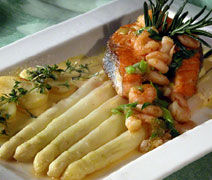
Coho salmon, shrimp and asparagus with melted butter - better than any diabetes drug ;-)
Within the last couple of weeks, I have been moving news-items like this one into the "On Short Notice"  category, or simply totally discarded the dozen or so "herb XYZ" or "extract ABC ameliorates hypoglycemia in rodent model of type II diabetes" papers that are published on a weekly basis. The mere number of studies on whatever exotic, herb, spice or isolated polyphenol from the most remote areas (usually in Asia) the names of which I often even have heard about before, is simply too large to cover them all... and let's be honest: In the end, it's also downright boring to read about stuff that decreases blood glucose in a rodent model to a miniscule extend, when you already know that chances that you ever get your hands on a significant amount of that are zero, right?

There are however, two good reasons, why Rahman Md. Hafizur, Nurul Kabir and Sidra Chishti most recent paper, which has been published on November 24 in the latest issue of the British Journal of Nutrition, has still made it not just into the short, but actually the 'official' SuppVersity news are twofold: Firstly, the effects of the Asparagus officinalis extract they administered at two different dosages to their rodents were just mediocre, but - as you are about to see - right on par with the diabetes drug glibenclamide, a sulfonylurea based medication that is often sold in combination with metformin (the respective drugs are called Glucovance and Glibomet). And secondly, briefly summarizing the main results of the study provided a nice incentive to dig somewhat deeper into the already established beneficial health effects of asparagus - and I can tell you, those are about as numerous as the aformentioned boring "herb XYZ"-studies ;-)

From the scientists' petri dishes to the rodent cage and... onto your dishes?

Asparagus officinalis L. is probably what the average Westerner would call "common asparagus". It's native to most European, African and Asian countries and its medicinal usage has been reported in the British and Indian Pharmacopoeias and in traditional systems of medicine such as Ayurveda, Unani and Siddha. Most of you will probably be aware of its mild diuretic effects and the distinct smell of your urine which will betray that you are someone who loves its delicate flavor in salads, vegetable dishes, soups and (if you are like me) poundwise with melted Kerrygold butter, some potatoes a decent amount of ham or some grilled meat during the asparagus season... but I am digressing here, let's get back to the facts.
To get to the bottom of previously reported beneficial effects of asparagus in various inflammatory (metabolic) diseases, the initially conducted an in-vitro study, to test the radical scavenging ability of their Asparagus extract and found that ...
"[...] A. officinalis at a concentration of 0·5 mg/ml exhibited 86·8 % radical-scavenging activity, as shown by a significant decrease in the absorbance of DPPH radicals. These results suggest that A. officinalis has potent antioxidant activity, as the positive control propyl gallate exhibited 91·4 % radical-scavenging activity. (Hafizur. 2012)
Afterwards they injected a group of male and female Wistar rats with streptozotocin to induce diabetes. Subsequently, the rodents received either 250 or 500mg/kg body weight of an Asparagus officinalis (AO) extract or 5mg/kg body weight of glibenclamide (GIB) once daily via an oral syringe - the dosage was adapted once weekly according to changes in body weight.
Figure 1: Fasting blood glucose and insulin levels, total antioxidant status (TAS was measured using the ABTS) and beta cell area / islet expressed relative to control at the end of the 29 day study period (based on Hafizur. 2012)
A cursory glance at the data in figure 1 reveals: The initially betrayed anti-hypoglycemic effects (hypo[...] = ability to lower [blood sugar]) the high dose of Asparagus officinalis extract (AO500, figure 1) had on the fasting glucose levels of the animals were as potent as those of the diabetes drug glibenclamide.  Moreover, the treatment with AO500 had a slightly, but statistically significanty higher impact on the total antioxidant capacity and the same benificial effect on the morphology and function of the pancreas. Nevertheless, neither the A. officinalis extract, nor the glibenclamide treatment were able to restore the compromised insulin producton to more than ~70% of the value the non-streptozotocin-intoxicated animals.

There is much more to asparagus than it's antidiabetic effects

As impressive as these results may be, if we simply rely on the findings Hafizur, Kabir and Chishtiit present in this recent paper, we will actually miss not just half, but rather 95% of the potential health benefits the different genus and parts of asparagus have to offer.

Figure 2: A. racemosis administered at a dose of 200mg/kg per day makes male rats about as horny (and able to perform) as bi-weekly injections of testosterone (Thakur. 2009) - not that you would need that, but it's nice to know anyways.
Despite the fact that asparagus is a highly nutritious source of vitamin B6, calcium, magnesium and zinc, and a very good source of dietary fiber, protein (in at least in view of the fact that it's an almost zero calorie veggie ;-), vitamin A, vitamin C, vitamin E, vitamin K, thiamin, riboflavin, rutin, niacin, folic acid, iron, phosphorus, potassium, copper, manganese, selenium, highly bioavailable chromium, and even small quantities omega-3 fatty acids (Morales. 2012), so that the regular incorporation of asparagus alone into your diet will supposedly be beneficial for you, some of the more intricate health effects may in fact require the extraction of and supplementation with specific phytonutrients from Asparagus officinalis, A. racemosus, A. cochinensis and its various cousins.

In order to give you an idea of what you can expect, I have compiled a comprehensive, yet by no means extensive list of benefits which have been ascribed to root, seed, and even leaf extracts of asparagus over the past decades
  • anti-cancer effects: Asparagus contains saponins that have in-vitro anti-(liver-)cancer effects (Ji. 2012); 
  • neuroprotective effects: Chinese asparagus contains pregnanes that sooth neuro-inflammation (Jian. 2012; compounds could be present in regular A. officinalis as well) and can protect your liver and brain from aging (Xiong. 2011); 
  • antiaging effects: A. contains enzymes that help with protein digestion (Ha. 2012); 
  • hypolipidemic effects: n-butanol extracts from A. officinalis exert anti-hyperlipidemic effects (Zhu. 2011); 
  • antimicrobial effects: A. has antibacterial activity against Escherichia coli, Shigella dysenteriae, Shigella sonnei, Shigella flexneri, Vibrio cholerae, Salmonella typhi, Salmonella typhimurium, Pseudomonas putida, Bacillus subtilis and Staphylococcus aureus (Mandal. 2000); 
  • allows for geno-typing at home ;-) A. allows you to do a personal gene analysis to find out whether you have a single nucleotide polymorphism at rs4481887, which would make it impossible for you to smell the distinct odor the urine acquires after eating asparagus (Pelchat. 2011); 
  • anti-hangover effects: A. helps your liver to metabolize alcohol and can even prevent a hangover (Kim. 2009); 
  • buttery taste: A. contains phytochemicals which generate the sensation of having butter in the mouth (Dawid. 2012); 
  • anti-stress effects: Ethanolic extracts from Asparagus racemosus have anti-stress activity and help your adrenals take a time out (Joshi. 2012)
  • carbblocking effects: Asparagus racemosus inhibits the digestion of carbohydrates and enhances insulin action (Hannan. 2011); in this context it is interesting to remark that the in-vitro essay of the the study at hand suggested that A. officinalis, or rather the specific extract the scientists used in their study "has a very little effect on delaying glucose absorption" (Hafizur. 2012)
  • immune promoting effects: A. racemosus ramps up natural killer cell activity (Thakur. 2012); AR also enhances memory and prevents amnesia (Ojha. 2012), 
  • profound aphrodisiac effects: A dried root extract likewise from A. racemosus more than doubled the 'desire' of male rodents within 29 days (Thakur. 2009; cf. figure 2)
  • MAO and acetylcholine breakdown inhibition: A. racemosus competitively inhibits acetylcholine and monoamine metabolizing enzymes (Meena. 2011)
As this highly incomplete list goes to show you, the health benefits are numerous. Unfortunately, this does also apply to the different phytochemicals which trigger all these effects. The probability that the next best extract you may find on the shelves or virtual outlets of a supplement store is actually going to to yield the health benefits you may be looking for are therefore pretty slim.

Although parts of it are edible as well, A. racemosus, is actually better known for its multitude of beneficial health effects that range from Antibacterial activity (some) antisecretory and antiulcer activity over mood enhancing and anti-depressive properties, and immunomodulatory effects to such profane things as libido enhancement or getting rid of superfluous water before a show or photo shoot.
Bottom line: In view of the practical problems associated with spotting appropriate extracts, I guess it would be best you take the fact that a 2003 paper in scientific journal Nutrition (Pellegrini. 2003) ranked asparagus 7th among 34 fruits and vegetables with respect to its free radical scavenging abilities, as an incentive to simply incorporate asparagus into your diets more frequently.

If, on the other hand, you are dealing with any specific health condition, it would certainly make sense to look for an extract that contains the proper genus of asparagus, is made from the right parts of the plant and - if possible - is even standardized for a specific compound: If you were interested in upping your estrogen levels, you would for example have to pick a whole plant extract of A. dumosus that would at best contain a standardized amount of 20-hydroxecysterone (Kaur. 1998). If it's rather the anti-ulcer effects you are after, your 'asparagus product of choice' should be made of the roots of A. racemosus ideally standardized for its Shatavairin content (Bhatnagar. 2005)... 

And now, you tell me eating healthy was complicated and taking supplements was easy ;-)

References
  • Bhatnagar M, Sisodia SS, Bhatnagar R. Antiulcer and antioxidant activity of Asparagus racemosus Willd and Withania somnifera Dunal in rats. Ann N Y Acad Sci. 2005 Nov;1056:261-78.
  • Dawid C, Hofmann T. Identification of Sensory-Active Phytochemicals in Asparagus (Asparagus officinalis L.). J Agric Food Chem. 2012 Nov 8.
  • Ha M, Bekhit Ael-D, Carne A, Hopkins DL. Characterisation of kiwifruit and asparagus enzyme extracts, and their activities toward meat proteins. Food Chem. 2013 Jan 15;136(2):989-98. 
  •  Hafizur RM, Kabir N, Chishti S. Asparagus officinalis extract controls blood glucose by improving insulin secretion and β-cell function in streptozotocin-induced type 2 diabetic rats. Br J Nutr. 2012 Nov;108(9):1586-95.
  • Hannan JM, Ali L, Khaleque J, Akhter M, Flatt PR, Abdel-Wahab YH. Antihyperglycaemic activity of Asparagus racemosus roots is partly mediated by inhibition of carbohydrate digestion and absorption, and enhancement of cellular insulin action. Br J Nutr. 2011 Sep 8:1-8.
  • Ji Y, Ji C, Yue L, Xu H. Saponins isolated from Asparagus induce apoptosis in human hepatoma cell line HepG2 through a mitochondrial-mediated pathway. Curr Oncol. 2012 Jul;19(Suppl 2):eS1-9.
  • Jian R, Zeng KW, Li J, Li N, Jiang Y, Tu P. Anti-neuroinflammatory constituents from Asparagus cochinchinensis. Fitoterapia. 2012 Oct 24.
  • Joshi T, Sah SP, Singh A. Antistress activity of ethanolic extract of Asparagus racemosus Willd roots in mice. Indian J Exp Biol. 2012 Jun;50(6):419-24. 
  • Kaur H. Estrogenic activity of some herbal galactogogue constituents. Ind J Anim Nutr. 1998;5:232–4.
  • Kim BY, Cui ZG, Lee SR, Kim SJ, Kang HK, Lee YK, Park DB. Effects of Asparagus officinalis extracts on liver cell toxicity and ethanol metabolism. J Food Sci. 2009 Sep;74(7):H204-8. 
  • Meena J, Ojha R, Muruganandam AV, Krishnamurthy S. Asparagus racemosus competitively inhibits in vitro the acetylcholine and monoamine metabolizing enzymes. Neurosci Lett. 2011 Sep 26;503(1):6-9.
  • Morales P, Ferreira IC, Carvalho AM, Sánchez-Mata MC, Cámara M, Tardío J. Fatty acids profiles of some Spanish wild vegetables. Food Sci Technol Int. 2012 Jun;18(3):281-90.
  • Ojha R, Sahu AN, Muruganandam AV, Singh GK, Krishnamurthy S. Asparagus recemosus enhances memory and protects against amnesia in rodent models. Brain Cogn. 2010 Oct;74(1):1-9.
  • Pelchat ML, Bykowski C, Duke FF, Reed DR. Excretion and perception of a characteristic odor in urine after asparagus ingestion: a psychophysical and genetic study. Chem Senses. 2011 Jan;36(1):9-17.
  • Pellegrini N, Serafini M, Colombi B, Del Rio D, Salvatore S, Bianchi M, Brighenti F. Total antioxidant capacity of plant foods, beverages and oils consumed in Italy assessed by three different in vitro assays. J Nutr. 2003 Sep;133(9):2812-9. 
  • Thakur M, Chauhan NS, Bhargava S, Dixit VK. A comparative study on aphrodisiac activity of some ayurvedic herbs in male albino rats. Arch Sex Behav. 2009 Dec;38(6):1009-15. Epub 2009 Jan 13.
  • Thakur M, Connellan P, Deseo MA, Morris C, Praznik W, Loeppert R, Dixit VK. Characterization and in vitro immunomodulatory screening of fructo-oligosaccharides of Asparagus racemosus Willd. Int J Biol Macromol. 2012 Jan 1;50(1):77-81.
  • Zhu X, Zhang W, Pang X, Wang J, Zhao J, Qu W. Hypolipidemic effect of n-butanol Extract from Asparagus officinalis L. in mice fed a high-fat diet. Phytother Res. 2011 Aug;25(8):1119-24.

Wednesday, May 9, 2012

High Dose Caffeine + Non-Alcoholic Fatty Liver Disease = 355% Increased Very Low Density Lipoprotein (VLDL)

Image 1: Already in "pill form" - Coffee beans
Caffeine, the world's #1 drug certainly is a remarkable substance. It does not only have myriads of well-established physiological effects, already, but it seems that - if you wanted to - you could identify another one everyday. It is thus not really surprising that a recently published study by Abd El-Ghany, M.A., Rasha, M. Nagib and Hagar, M. El-Saiyed from the Mansoura University in Egypt casts yet another, in this case, however, pretty scary light on the lifeblood of the average Starbucks junkie (El-Ghany. 2012).

Caffeine prevents weight gain - whohooo! Or not?

The scientists set out to investigate the differential effects the oral administration of 10mg/day of pure caffeine, or dose-equivalents from coffee, (black) tea, cacao and Nescafe (note: this is my understanding of the somewhat sloppy English translation of the methods) would have on the lipid levels of rats who had been pretreated with a lard-based high fat diet and CCl4 for three months. This treatment had elucidated the expected inflammatory response and fatty acid deposition in the livers of the animals that were then randomly assigned to either one of the 5 treatment or a non-treated control group.
Figure 1: Weight gain (relative to initial weight) and food intake in non-treated, caffeine, cacao, Nescafe, coffee, or black tea treated rodent model of NAFLD (data adapted from El-Ghany. 2012)
And when you peak at the study outcome in figure 1 I would bet that your first reaction is: "Hey, cool! I must ramp up my caffeine intake even more, then!" We are in fact so conditioned to believe that weight loss, or the absence of weight gain is a "good thing" that I made the same stupid mistake, when I first looked at the (in the study) tabular data of the El-Ghany study. Then, I began to wonder: "How come that coffee and cacoa, of which I have repeatedly read that they help with weight loss, did increase the weight gain to levels that were higher than those in the non-treated control group." Finally, it dawned on me: What we are dealing with, here, is not weight loss or ameliorated weight gain, what we are seeing in all the groups is more of a special form of "failure to thrive"! After all, the non-CCL4 treated 'real' control group (data not shown in figure 1) did gain 45% of their initial body weight and thus still 15% more than the coffee group, of which I was mislead to believe that they "performed" worst.

High dose caffeine is for NAFLD sufferers not!

Looking at the rest of the data it became increasingly clear, the whopping dose of 10mg of caffeine per rodent per day, a dose, by the way, which happens to translates into a human equivalent dose of 10mg/kg (i.e. 800mg for an 80kg adult), did a pretty decent job in liberating fatty acids from the adipose tissue. So "decent", in fact, that the already compromised weight gain in those sick creatures was further attenuated.
Figure 2. Lipid levels in the treatment groups expressed relative to non-treated NAFLD rodents (left); selected liver slices (right; based on El-Ghany. 2012)
But it gets even worse, the sudden influx of fatty acids from the adipose tissue was so overwhelming that the already damaged livers of the NAFLD rodents started to spill out copious amounts of very low density lipoprotein (VLDL) - those nasty little cholesterol molecules of which researchers believe that they are the cause of cardiovascular disease. And despite the fact that we do not have any tissue images of the heart, the congested vein in the liver slice from one of the caffeine guzzling rodents appears to confirm the causal relationship of VLDL and clogging of the blood vessels; an effect, by the way, which could neither be countered by the -71% reduction in triglyceride levels, nor the -44% reduction in total lipids (compared to non-treated NAFLD control). 
Figure 3: Total cholesterol (CHO) and LDLc to HDL-c ratios in the non-treated, as well as the treated groups expressed relative to non-NAFLD control (data calculated based on El-Ghany. 2012)
In a 1985 letter to the editor of the Journal of the American Medical Association (Jama) William and Simpson explain the sudden occurrence of enormous amounts of VDLD in response to the lipolytic (=fat liberating) effects of caffeine as follows:
Upon liberation from the adipocyte, fatty acids are transported to the liver, where they are reesterified and the resultant triglycerides packaged for release in very-low-density lipoprotein (VLDL), which also contains apolipoprotein B.
If we assume that this hypothesis is correct, coffee, cacao and even Nescafe must obviously contain substances which help the liver to cope with the additional influx of fatty acids, as the animals in the respective groups do not only have significantly lower VLDL levels than the poor critters in the caffeine group, but also exhibit the most beneficial total cholesterol-to-HDL and LDL-to-HDL ratios (cf. figure 3) of all groups.

Say no to stims, energy drinks and coke and chose natural caffeine sources

In view of the ameliorative effects all the caffeine containing preparations had on the pathological features of NAFLD (cf. figure 2, right), and based on the results from previous studies and the assumption that the VLDL increase in the tea group was similarly well-handled in the rest of the body as it was in the liver, which did not present any of the congested veins that were so characteristic of the livers of the animals in the caffeine only group, the take home message of this study is one every SuppVersity student should be familiar with, by now: Nature knows best!
Image 2: I don't have to tell you that the study at hand suggests that those sugary caffeine bombs people call "energy drink" could give many of their livers their quietus.
Note: If you live in Dallas County, it does take no more than three attempts to identify a neighbor, friend, someone from your family or simply a pedestrian being in the early stages of NAFLD. And given the fact that the 33.6% NAFD rate in Dallas County was measure in 2005 already (Szczepaniak. 2005), it is almost certain that your neighbors' liver, which may still have been comparably healthy in 2005 has caught meanwhile. The results of this study could thus have greater implications on public health than you may initially have thought and it clearly suggest that the use of high dose "fat burners" and / or pre-workout supplements, as well the regular consumption of caffeine and sugar laden "energy drinks" or even coke is absolutely contra-indicated; and that not just in the obese, but also in the insulin resistant normal weight, whose liver is often similarly clogged with fat as the one of his 200lbs heavier comrade in crime.
If the caffeine is ingested in the absence of its natural adjuvants bad things happen. If they remain where they belong, however, the same whopping dose of caffeine that makes things worse could actually turn into a decent "liver fat burner".

While Coffee, tea and cacao drinkers can thus breathe a sigh of relieve, the average stim junkie who is already squirreling caffeine laden, geranium (DMAA) intoxicated pre-workout supplements and fat burners for the days after the DMAA ban, should better watch his liver health. Otherwise it may well be that he or she will end as a "case study" in the library of the FDA - filed under "death by fulminant liver failure induced by geranium + caffeine containing pre-workout supplement" - btw. isn't it strange that the FEDs don't have such a case study for one of the commercially available energy drinks, or even plain Coke, already?