Showing posts with label nuts. Show all posts

Saturday, March 18, 2017

May I Salt & Roast My Nuts? Plus: If Catechins Boost One's Energy Expenditure by 400% Why Don't They Work for Me?

One article, two questions, two science-based answers.
If you're like me I bet that you've been asking yourself previously, whether the cheap roasted nuts at the supermarket have the same health benefits as the expensive "raw" nuts from the health-food store... guess what: a recent study by scientists from the Singapore Institute for Clinical Sciences and the University of Otago confirms: "Dry roasting and lightly salting nuts do[es] not appear to negate the cardioprotective effects observed with raw nut consumption, and both forms of nuts are resistant to [dietary] monotony" and thus similarly recommendable health-foods.

Along with the latest "green tea for thermogenesis"-study, which finally answers the important question "If Catechins Boost One's Energy Expenditure by 400% Why Don't They Work for Me?", the Chinese-New-Zealand co-production is one of the two studies in today's SuppVersity article.
Learn more about the effects of your diet on your health at the SuppVersity

All About Almonds and Their Health Effects

Taste Matters - Role of the Taste Receptors
Egg-Ology, Today: Why Eggs are Awesome

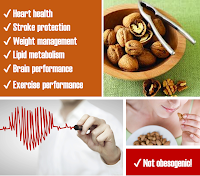
Walnuts Boost Exercise Performance

Lose 26% Body Fat W/ Workout + GTE Combined

All About Cheese, Your Health, Per-formance & More
  • You can roast and salt your nuts (all puns intended) and still see health benefits (Tey 2016): Unless you're like the average seventh-grader and misunderstand the previous statement, roasted and salted nuts display no health risk whatsoever.

    In fact, Siew Ling Tey and colleagues were recently able to show in a randomized crossover study with 72 perfectly healthy participants, who were asked to consume 30 g/day of either raw or dry roasted, lightly salted hazelnuts for 28 days, each that the CVD risk factors the scientists assessed still improved significantly (sign. changes in body composition were not recorded - just for the record: body fat declined by 100-200g, muscle mass increased by ca. 100g).
    Figure 1: Changes in biochemical parameters in the two groups; only the change in triglycerides (trigs) showed a probably random, yet statistically significant inter-group difference (in favor of the roasted nuts | Tey 2016)
    Furthermore, neither the "raw" nor the "roasted nut"-group saw a decline in their "desire to consume" and "overall liking" of the hazelnuts, which constitute, due to their relatively high omega-6 and extremely high PUFA content, an excellent study object for the potentially negative effects of roasting (one would expect a potential oxidation of PUFAs and downstream ill health effects). Moreover, studies "examining the health effects of consuming hazelnuts are", as the authors point out "relatively sparse despite the fact that hazelnuts are the second most common nut produced worldwide" (Tey 2016).

    One downside of roasted nuts I do not want to withhold, though, is the slight decrease in alpha-tocopherol during the roasting process, of which the results of the study do, however, indicate that it had no health-relevant consequences.
  • Human study confirms: Green tea + caffeine set your brown fat on fire... assuming that you do have functional brown fat (Yoneshiro 2017) -- In rodents, it's not news that the combination of catechins and caffeine will promote brown adipose tissue thermogenesis. In humans, however, the effect has rarely been observed directly and is, as Yoneshiro et al. point out, "poorly understood".

    Reason enough for the Japanese scientists to recruit 15 healthy male volunteers, subject them to fluorodeoxyglucosepositron emission tomography and thus assess their BAT activity before and after a single oral ingestion of a beverage containing 615 mg catechin and 77 mg caffeine, as well as after the chronic ingestion of the same beverage 2 times/d for 5 wk in 10 of the subjects.
    Figure 2: (A) Study protocol of the acute trial. (B) Study protocol chronic trial. Both of the trials were single-blinded, randomized, placebo-controlled, season-matched crossover studies (Yoneshiro 2017).
    To complicate, ah... I mean to make the study more comprehensive the scientists also evaluated the cold-induced thermogenesis (CIT) after 2 h of "cold" exposure at cozy 19°C. Both the acute and chronic trials were single-blinded, randomized, placebo-controlled, season-matched crossover studies.
    Figure 3: Change in energy expenditure (adj. for FFM) after the ingestion of the test beverages (left). Thermogenic effects of the catechin or placebo beverage expressed as iAUC of EE (right | Yoneshiro 2017).
    What the authors found was in line with the observations in rodent studies - the effect size, however, was, as it was to be expected, magnitudes smaller; and, more importantly, occurred only in those subjects who were blessed with highly active brown fat depots:
    • A single ingestion of the catechin beverage increased EE in 9 subjects who had metabolically active BAT (mean ± SEM: +15.24 6 1.48 kcal, P < 0.01) but not in 6 subjects who had negligible activities (mean ± SEM: +3.42 6 2.68 kcal).
    • The ingestion of a placebo beverage containing 82 mg caffeine produced a smaller and comparative EE response in the 2 subject groups.
    The scientists multivariate regression analysis revealed a significant interaction between BAT and catechin on EE (b = 0.496, P = 0.003). In other words: The acute effects on your energy expenditure depend on the presence and activity of brown fat cells (see Figure 4).
    Figure 4: (A) Representative FDG-PET/CT images of the high- and low-BAT subjects. (B) Quantitative BAT activity as the SUV of the high- (n = 9) and low-BAT (n = 6) subjects (Yoneshiro 2017).
    Unfortunately, these fat cells which are already scarce in normal-weight human beings are quasi-non-existent (or dysfunctional, that's not 100% clear) in those people who'd need the fat-burning effects of green tea the most: the obese.

    Accordingly, it is important to point out that the beneficial effects of chronic GTE + caffeine intake on the thermogenic response to "cold" (19°C) exposure in the 10 normal-weight Japanese subjects may (and I would dare say that it "will") turn out poorly in the average obese individual.
This FDG-PET image shows where the average (lean) human has active BAT stores (van der Lans 2014).
So what's the verdict? While it is nice to know that roasting and (lightly) salting doesn't turn a health-food like nuts to poisonous trash, I guess that Yoneshiro's study sends the more important message to the fitness community. After all, they finally demonstrated that the answer to the question why green tea extracts don't work for you could be as simple as this: "That's because you don't have the brown fat that's responsive to the effects of the catechins."

That's huge because it shows that (a) the usefulness of green tea catechin supplements depends on the individuals and that (b) those who need "fat burners" the most, i.e. those who are still obese or struggling with their weight, are least likely to benefit from it.

After all, previous studies clearly indicate that the majority of morbidly obese (and older | Sacks 2013) subjects have virtually no brown fat/adipose tissue (Vijgen 2011 | or if they have it, it doesn't respond even to treatment w/ cold, insulin or ephedrine | Orava 2013; Carey 2013). In conjunction with the observation that there's a clear correlation between having active brown fat and having no weight problems (ibid.), as well as the realization that the activity of brown fat in the obese only increases after weight loss (Vijgen 2012), it is thus not surprising that many catechin users are disappointed | Comment on Facebook!
References:
  • Carey, Andrew L., et al. "Ephedrine activates brown adipose tissue in lean but not obese humans." Diabetologia 56.1 (2013): 147-155.
  • van der Lans, Anouk AJJ, et al. "Cold-activated brown adipose tissue in human adults: methodological issues." American Journal of Physiology-Regulatory, Integrative and Comparative Physiology 307.2 (2014): R103-R113.
  • Orava, Janne, et al. "Blunted metabolic responses to cold and insulin stimulation in brown adipose tissue of obese humans." Obesity 21.11 (2013): 2279-2287.
  • Sacks, Harold, and Michael E. Symonds. "Anatomical Locations of Human Brown Adipose Tissue." Diabetes 62.6 (2013): 1783-1790.
  • Tey, Siew Ling, et al. "Do dry roasting, lightly salting nuts affect their cardioprotective properties and acceptability?." European journal of nutrition (2016): 1-12.
  • Vijgen, Guy HEJ, et al. "Brown adipose tissue in morbidly obese subjects." PloS one 6.2 (2011): e17247.
  • Vosselman, Maarten J., Wouter D. van Marken Lichtenbelt, and Patrick Schrauwen. "Energy dissipation in brown adipose tissue: from mice to men." Molecular and cellular endocrinology 379.1 (2013): 43-50.
  • Yoneshiro, Takeshi, et al. "Tea catechin and caffeine activate brown adipose tissue and increase cold-induced thermogenic capacity in humans." The American Journal of Clinical Nutrition (2017): ajcn144972.

Wednesday, August 24, 2016

All About Almonds: Effect of Processing on Energy, Macro-, Micro- & Phytonutrient Content, Quality + (Bio-)Availability

I guess you won't be surprised to hear about advantages of raw almonds, but what about the skin...?
In view of the repeatedly resurfacing hype around almonds, I probably don't have to tell you that the oval nutlike seed (kernel) of the almond tree, which grows in a woody shell is another of the infamous superfoods. Now, this alone wouldn't be reason enough for almonds to make it into the SuppVersity News, again (!); rather than hype, it's their phytochemicals and nutrient content of which several lines of experimental and epidemiological research suggest that they have positive health benefits in relation to heart disease, diabetes and obesity.

What should be obvious, though, is that these benefits will be observed only if these precious phyto- and micronutrients are (a) retained upon processing / mastication and (b) digested and absorbed during the digestion process.
Learn more about the effects of your diet on your health at the SuppVersity

Only Whey, Not Soy Works for Wheytloss

Taste Matters - Role of the Taste Receptors
Egg-Ology, Today: Why Eggs are Awesome

How Much Carbs Before Fat is Unhealthy?

5 Tips to Improve & Maintain Insulin Sensitivity

All About Cheese, Your Health, Per-formance & More
As Myriam Marie-Louise Grundy and colleagues from the King’s College London and the almond pimp organization in California, i.e. the "Almond Board of California" (this doesn't make the paper worthless, but, as usual, we have to review the conclusions critically) point out in a recently published review, "[r]ecent studies have demonstrated the importance of food structure during the digestion of plant foods" (Grundy. 2016).

The food structure? Yeah. What the scientists refer to are differences as you will observe them between raw whole, roasted, skinned or deskinned almonds or almonds vs. almond butter. In other words we are not talking about food combining, the far reaching effects of which I have discussed in previous articles, but rather about the way/s and degree/s of processing and how this may affect the previously hinted at health benefits of almonds.
Figure 1: Multiscale structure of almond fruit with kernel. Note that the size of the almond cell is about 35 lm and the oil body between 1 and 5 µm (Grundy. 2016).
Structure-wise almonds have a certain similarity to plums, cherrie, or olives. All of them belong to the genus of stone foods which have a thin skin and a central stone that contains the seed (Gradziel. 2011), which, is where - at least in the case of almonds - the actual, or I should say alleged (?) nutritional magic (Figure 1).
For those interested in nutritional detail: With a leucine content of "only" 1488mg/100g leucine almonds are not exactly the ideal post-workout food to maximize your mTOR response. In spite of the fact that they also contain significant amounts of glutamine / glutamic acid, aspartatic acid, arginine and glycine - all of which have been shown to be linked to exercise / exercise performance in one way or another (immune health & muscle preservation; liver health and blood glucose management / gluconeogenesis; blood flow and glucose control; creatine precursor and individual ergogenic effects | purported benefits in the same order as the compounds before).
Table 1: Nutrient and total phenolic composition of almonds (Grundy. 2016)
What paleo fanatics will know is that almonds' major storage protein (70%) found in almonds is amandin or 'almond major protein', a protein that belongs to the class of legumins - albeit one of which you will have a hard time to find convincing scientific evidence that its purported anti-nutrient effects are worth worrying about.

Apropos, the overview of macro- and micronutrients in 100g of almonds in Table 1 on the right tells you that they are an excellent source of magnesium and phosphorus, a good source of calcium and a decent source of copper and zinc (the ratio is yet a bit off towards the copper side of things) and almost enough manganese (RDA 2.2 mg for men, 1.8 mg for women) - an often-overlooked micromineral that plays a vitally important role in our carbohydrate, amino acid, and cholesterol metabolism and the control & maintenance of our antioxidant defenses (Finley. 1999).
Beware of bitter almonds: Unlike sweet almond which contain only trace amounts (~0.2 to 16 mg/100 g of almond) of amygdalin, a poisonous cyanogenic glycoside, bitter almond contain glycoside (3300 to 5400 mg/100 g | Lee. 2013) and are thus - at least in high amounts - high enough to pose a potential risk of cyanide poisoning.
Ah, and of course, there are the polyphenols, mainly proanthocyanidins, flavonoids and phenolic acids, which are held responsible for much of their anti-oxidant and corresponding downstream effects, and phytosterols (mostly  b-sitosterol), which have been linked to their anti-cholesterol (LDL) and pro heart health effect. In that, it is interesting to note that the former, i.e. polyphenols, can mostly be found in the skin, while the latter, i.e. phytosterols that come in dosages of ~270mg (cf. Table 1) can be found in highest concentrations in the kernels. One effect of processing should thus be clear: removing the skin is going to significantly (almost completely) reduce the amount of polyphenols you can derive from almonds. So, let's take a look at the other effects that occur upon almond processing and during the production of marzipan as well as almond butter, milk and oil:
  • Roasting - With hot air and oil roasting, with variations in heating times and duration to obtain light, medium or dark roasts, roasting is one of the most frequently used processing techniques in almonds. That this puts the relatively high concentration of PUFAs in harms way should be obvious.

    The good news, however, is that an extensive oxidation of PUFAs would increase off-flavours and are thus relatively high on the manufacturers "need to be prevented" list. That's in contrast to the maillard reactions which are reactions between reducing sugars and amino acids and eventually the reason why roasted almonds brown and taste differently.
    Table 2: Effect of roasting on almond structure and composition (Grundy. 2016).
    The first non-visible change to almonds is a significant increase in energy content with roasting that is a mere result of the 40-60% loss of non-caloric water-weight from the nuts.

    As Grundy et al. point out, this is unfortunately, not the only potentially ill effect of roasting, which will affect the proteins (could be benficial for the legume haters) and also destroy the oil bodies and the endoplasmic network - a process that can "greatly affect thestructure of almond cells, the cell walls as well as the intra-cellular oil bodies" (ibid.). Ideally without significantly oxidizing the oil potion, but inevitable coalesce to form larger oil droplets than the ones observed in raw almond cells - an effect that could increase the uptake of the lipids by 7.2-10.3 % (Altan. 2011).
    Figure 2: Photographs of the almond samples fractured after compressing in the texture analyser,
    examples of (left) raw and (right) 6-min roasted (Varela. 2006).
    The benefits of roasting are mostly culinary ones. The formation of Maillard products, reduction of moisture and related effects give roasted almonds a slightly different taste and make them more brittle & crunchy and produced more loose particles postchewing than whole raw almonds (Varela. 2006).
  • Particle size reduction aka crushing the almonds - We often overlook how chewing (aka mastication) and other forms of "particle size reductions", including far-reaching interventions such as turning almonds into almond butter, can have on the energy, macro-, micro- and phytonutrient content, quality and (bio-)availability of our foods.

    Whole natural, blanched and roasted almond can be further processed to obtain almond particles of different shape and size (Fig. 3). The list of possible processing steps include slicing, dicing, chipping, grounding and slivering (Wareing. 2000)
    Figure 3: Change in  hunger (A) and fullness (B) after ingestion of 55 g almonds w/ every meal for 4 days. The almonds were chewed 10-, 25- and 40-times before swallowing (Cassaday. 2009) and photographs of ground almond particles with different size ranges (Grundy. 2016 | added ex-post to the graphs from Cassaday. 2009).
    As Grundy et al. (2016) point out with reference to previous studies (Grundy. 2015), the corresponding almond products differ in the proportion of intact and ruptured cells and thus the nutrient availability upon digestion, hunger and fullness and the energy and nutrient loss in the feces, which is sign. higher if the almonds were neither pre-processed nor properly (>10 times) chewed (see Figure 3 | lipid excretion: 10 chews 43.7% +/- 4.0%; 25 chews 32.7% +/- 2.7%; 40 chews 30.8% +/- 4.4% | maximal energy loss: ~910 kcal / 4 days in 10 chews; ~780 kcal / 4 days in the 25 chews group and ~740 kcal / 4 days in the 40 chews group).

    Table 3: Nutritional property of nut and seed butter (serving size: 1 Tbsp = 14.19 g | table from Gorrepati. 2015)
    In that, smaller particles have more fractured cells and thereby greater nutrient release (bioaccessibility) than larger particles. Practically speaking this means that almond paste, or marzipan are going to make the remaining nutrients more, while raw unprocessed almonts (worst of all badly chewed) will make them less available to our digestive tract. One thing you should not forget, though, is that many of these processed foods contain extra-ingredients. Almond butter, just like any other "nut butter", must >= 90% nut compounds as particles (chunk and/or flour), paste, oil or a combination (Wilkes. 2012; Gorrepati. 2015).

    An aspect that has gotten the scientists attention only more recently (Taylor. 2016) are the differential effects of whole raw (=pasteurized - that's necessary by law in the US) almonds, roasted almonds, chopped almonds, and almond butter of which Taylor et al. report that a "[c]omparisons between control and each of the four almond treatments revealed that chopped almonds increased the relative abundances of Oscillospira (p=0.02), Roseburia (p=0.02), and Lachnospira (p=0.04)," low levels of which have - among other pathologies - been linked to obesity, reduced butyrate production and the absence of the previously discussed benefits of SCFA on metabolism and immune health, asthma in children, respectively - if that's what you are aiming for dice / chop your almonds before eating them.
  • Blanching, homogenization (for milk) and oil extraction - Compared to roasting, blanching and oil extraction are almost "exotic" means of almond processing with far-reaching effects on the almond tissue / cellularity (see overview in Table 3).
    Table 4: Effect of blanching and oil extraction on almond structure and composition (Grundy. 2016)
    If you don't roast almonds and thus kill almost all potentially existing bacteria and fungi, you got to do something else to get rid of bacteria and mold. The easiest (and most obvious way) to do that is to remove the almonds' skin by either wet or dry methods.
    Table 5: No sign decrease in antigenicity (=allergy risk) w/ industrial blanching (Venkatachalam. 2002).
    During this process, both, the previously discussed removal of the majority of flavonoids and other phenolic compounds, which confer the skin’s antioxidant properties and are most concentrated in the skin, as well as the exposure to sterilizing heat (85-100°C) can induce sign. changes to the cytoplasmic organization without affecting the protein structure and thus the allergic potential of almonds, significantly (Venkatachalam. 2002).
    Table 6: Summary of processing effects on almonds  (Vanga. 2016).
    Interestingly, there's no good evidence on the efficacy of longterm soaking alone, which is applied often-times to produce he "skinned" control in studies. Whether the highly popular soaking alone actually works is thus, as Vanga et al. (2016) point out, uncertain even with sign. longer soaking times (12h+) and the use of lemon water (pH 3.2 - 3.2) and sodium chloride (1.6% w/v) to help solve the skin and maybe also to increase the amount of "allergens that [are being transferred] to water or solution during soaking" (Vanga. 2016).

    Another almond product that is commonly treated with pressure and heat is commercially available almond milk. A product that exposes, as a consequences, reduced lipid particles / droplet sizes, a modified rheology and protein structure and - you guessed it - a sign. reduce d allergenic potential of almond proteins (Dhakal. 2014). Since heating alone disrupts the monolayer of phospholipids and proteins is dis rupted during the subsequent heat treatment, it takes the homogenization process to affect the lipid structure (i.e. remove the large fluffy lipids - just as its done in cow's milk and probably with similar potential health risks). With almond oil gaining some popularity, you should lastly know that the cheaper oils are probably produced by chemical extraction techniques, because they produce a much higher yield - at the expense of the quality of the oil, obviously (a loss of purity and reduction of the micronutrient content) compared to cold-pressed oil, which has a light and pale amber colour and, who guessed (otherwise it wouldn't be an oil), a complete loss of integrity in the oil bodies completely lose their integrity. Oxidation, on the other hand, is less of an issue as "the vitamin E and phenolic compounds contained in the oil inhibit its oxidation" (Grundy. 2016).
Additional factors that should be taken into account include the effects of almond storage, which can trigger a significant and (in that case) often tastable oxidation of their high PUFA content (the warmer and the more light, the worse; if the storage medium contains more than ~3-4% moisture, this will further contribute to oxidation), increases in potentially toxic mold upon improper storage (<6% moisture content of the storage medium, e.g. air).
Exercise Performance - Another Reason to Go (Wal-)Nuts? Study Demonstrates Ergogenic Effects of Handful of Walnuts ☆ Heart, Brain, Prostate & Breast Benefit, Too | more
What are take home messages: There are dozens of potential messages you can derive from the text of today's SuppVersity article. Therefore, I would suggest you consider the following list as a list of examples: (1) Unless this causes allergic reactions, eat your sweet almonds with their antioxidant-laden skin (avoid bitter almonds completely); (2) prefer roasted, or even better UV treated almonds if you are concerned about the allergenicity of the legume proteins in almonds (see Table 6); (3) keep in mind that processing will also effect the nutrient digestibility and thus also the caloric content, satiety effects and gut microbial impact of almonds (review Figure 3) - this goes for chewing, too; (4) whenever you buy almond butter or almond oil, make sure you get true "nut butter" (>90% almonds) and cold-pressed, not chemically extracted oils.

Lastly, I would like to remind you that there's no conclusive evidence that adding almonds to your diet will make you healthier and certainly not that it will make you lose weight or even better body fat (things are different if you replace unhealthy junkfood, like your averag snack with almonds, obviously). In their 2007 review Natoli, et al. list several studies on almonds with almost all of them showing no effect of almonds on body weight or fat and only one study showing a decrease in body weight (Jenkins. 2002) and one study showing a slight increase (< 1kg | Lovejoy. 2002). Eventually, calories will thus count and I would not suggest you start snacking almonds between meals if you could / would otherwise go without snacks | Comment!
References:
  • Cassady, Bridget A., et al. "Mastication of almonds: effects of lipid bioaccessibility, appetite, and hormone response." The American journal of clinical nutrition 89.3 (2009): 794-800.
  • Dhakal, Santosh, et al. "Effect of high pressure processing on the immunoreactivity of almond milk." Food research international 62 (2014): 215-222.
  • Finley, John Weldon, and Cindy D. Davis. "Manganese deficiency and toxicity: are high or low dietary amounts of manganese cause for concern?." Biofactors 10.1 (1999): 15-24.
  • Gorrepati, Kalyani, S. Balasubramanian, and Pitam Chandra. "Plant based butters." Journal of food science and technology 52.7 (2015): 3965-3976.
  • Gradziel, Thomas M. "Origin and dissemination of almond." Horti Rev 38 (2011): 23-81.
  • Grundy, Myriam ML, et al. "Impact of cell wall encapsulation of almonds on in vitro duodenal lipolysis." Food chemistry 185 (2015): 405-412.
  • Grundy, Myriam Marie‐Louise, Karen Lapsley, and Peter Rory Ellis. "A review of the impact of processing on nutrient bioaccessibility and digestion of almonds." International Journal of Food Science & Technology (2016).
  • Lee, Jihyun, et al. "Quantification of amygdalin in nonbitter, semibitter, and bitter almonds (Prunus dulcis) by UHPLC-(ESI) QqQ MS/MS." Journal of agricultural and food chemistry 61.32 (2013): 7754-7759.
  • Natoli, Sharon, and Penelope McCoy. "A review of the evidence: nuts and body weight." Asia Pacific journal of clinical nutrition 16.4 (2007): 588-597.
  • Taylor, Andrew M., et al. "Impact of Almond Consumption on the Composition of the Gastrointestinal Microbiota of Healthy Adult Men and Women." The FASEB Journal 30.1 Supplement (2016): 406-5.
  • Vanga, Sai Kranthi, and Vijaya Raghavan. "Processing Efects On Tree Nut Allergens: A Review." Critical reviews in food science and nutrition just-accepted (2016): 00-00.
  • Varela, P., et al. "Crispness assessment of roasted almonds by an integrated approach to texture description: Texture, acoustics, sensory and structure." Journal of chemometrics 20.6‐7 (2006): 311-320.
  • Venkatachalam, M., et al. "Effects of roasting, blanching, autoclaving, and microwave heating on antigenicity of almond (Prunus dulcis L.) proteins." Journal of agricultural and food chemistry 50.12 (2002): 3544-3548.
  • Wareing, P. W., L. Nicolaides, and D. R. Twiddy. "Nuts and nut products." The microbiological safety and quality of food 1 (2000): 919-940.
  • Wilkes, Richard S. "Nut butter and related products enriched with omega-3." U.S. Patent Application No. 13/380,279.

Saturday, January 25, 2014

Exercise Performance - Another Reason to Go (Wal-)Nuts? Study Demonstrates Ergogenic Effects of the Literal Handful of Walnuts ☆ Heart, Brain, Prostate & Breast Benefit, Too!

The ergogenic effects are just the latest addition to the list of proven benefits of regular walnut consumption.
I don't have to tell you that I am real "nut nut". Despite the fact that I had to realize years ago that almonds, aren't, but strawberries are nuts and irrespective of the constant turmoil about their high energy content, nuts have and probably will always be on my meal plan (on a daily basis, by the way).

It goes without saying that the publication of Dae-Ik Kim's and Kil-Soo Kim' recent paper in the Journal of Laboratory Animal Research won't change this. Who would after all complain about the following possible side effects of regular walnut consumption?

Increased endurance & glutamine, glycogen, decreased lactate & ammonia levels

No one, would complain about theses - correct! What I do yet expect is that you will complain about this being a rodent study.... but honestly, we have hashed and rehashed time and again, so let's just content ourselves with what we have: A 4 week study in the course of which twenty-eight male ICR mice were randomly divided into four groups, a
  • Walnut extract preparation - 1kg Walnuts were soaked in 10L of 70% ethanol for 24h, filtered, lyophilized and powdered. The results were 56 g of walnut extract - "the dosage (600 mg/kg/day) was based on the daily recommended intake as raw walnut (adult standard: 42 g/day)" (Kim. 2013)
    vehicle (control)
  • walnut extract (WE300) at 300mg/kg per day
  • walnut extract (WE600) at 600mg/kg per day
  • walnut extract (WE900) at 900mg/kg per day
The extract (preparation see box) was administered to the mice once a day for 4 weeks. As the scientists point out, the mice were thus consuming the human equivalent of the recommended intake in raw walnuts, of which at least Kim et al. believe that it was 42g/day.

Forced swimming = endurance performance + stress test

Over the whole four week study period the mice were subjected to a weekly forced swimming test. Basically, that's like dropping you in a water tank where you can't stand or hold onto something and waiting. Needless to say that this is both, an endurance, as well as a stress test with which therodents "on" walnuts coped much better, than their peers in the vehicle control group.
Figure 1: Changes in in Lactate, Glucose, Glutamine, Ammonia and Triglyceride as well as the corresponding increases in time to exhaustion during forced swim test (Kim. 2013)
As Table 1 of Kim & Kim's paper tells us (not shown here), the changes in Lactate, Glucose, Glutamine, Ammonia and Triglyceride as well as the corresponding rapid (effects were visible after only 1 week) performance increases (see Figure 1) occurred in the absence of any differences in food or water intake. Moreover, "walnut intake did not cause weight gain, despite an increased energy intake".

I am honestly not sure about the energy content of the walnut extract, but in view of the fact that the mice consumed ~140g/kg of their chow (remember mice weigh only ~46g, so this leaves them at a total food intake of ~6.5g/day), it does not seem reasonable to assume that the walnut extract (~5.85mg at the highest dosage) would influence their body weight.

Apropos body weight

The questionable supposition that the mice in the walnut extract group should weigh significantly more than their peers because of a laughable 5.85mg of walnut extract in their diets, segues nicely into the promised brief review of the walnut studies that were published in 2013 - studies with pretty outstanding results:
  • Improved lipid profiles, even in healthy individuals (Wu. 2013) -- Significant reductions in non-HDL cholesterol and Apo-B (reduction in heart disease risk, Alzheimer's etc.) levels of 40 subjects (mean ± SEM: age 60 ± 1 years, BMI 24.9 ± 0.6 kg/m2; 30 females) after consumption of 43g of walnuts per day for 8 weeks (Figure 2, left)
    Figure 2: Changes in serum lipids (left) and serum fatty acid composition (right) in Wu (2013)
    The improvements occurred despite / because higher total fat, polyunsaturated fat, omega-6 and omega-3 content, and lower protein, carbohydrate and saturated fat content of the diet and were accompanied by signifcant changes in the serum fatty acid compositoin (Figure 2, top) of the subjects.
  • Acute beneficial effect on endothelial health and cholesterol efflux (Berryman.2013) -- Both changes, the walnut oil (51g) induced improvements in endothelial function and the increase in cholesterol efflux in response to the ingestion of 85g of walnuts contribute to increases in heart health. Interesting side note, separated nut skins (5.6 g), and de-fatted nutmeat (34 g) did not work the same magic.
  • Impressive figures: According to Lloyd-Williams et al. (2009) replacing the "average snack" with walnuts (or other healthy snacks) could result in approximately 2400 fewer CHD deaths and 425 fewer stroke deaths per year.
    Reduced prostate cancer risk (Reiter. 2013) -- It's only a rodent study, but it confirms epidemiological evidence from human studies (Spaccarotella. 2008, Carvalho. 2010) and the effect size of -25% is quite impressive.
  • Improved flow-mediated dilatation + improved systolic BP (Katz. 2013) -- Despite the additional 56g of walnuts in their diet the forty-six overweight adults (average age, 57.4 years; 28 women, 18 men) experienced no weight gain. What they did experience, though was a significant increase in FMD (1.4% ± 2.4% versus 0.3% ± 1.5%; p = 0.019) and beneficial effects on systolic blood pressure.
  • Healthy brain aging and improved cognitive performance (Willis. 2009; Pribis. 2011) -- Willis et al. observed a significant and dose-dependent improvement in cognitive abilities in old rats on diets with 2%+ walnuts. Pribis et al. found that the inferential verbal reasoning of their young subjects increased significantly (11.2 %); and that inspite of the fact that the subjects ingested only minimal amounts of walnuts in banabreads.
I guess I could extend this list with at least 10 additional studies. What I could not find, by the way, was more than one study reporting weight gain in response to the addition of 35g walnuts to the diet (the researchers expected a weight gain of 5.3 kg, de facto the participants gained 0.4kg and saw improvements in body composition, see Figure 3) and the overall effect was an improvement in body composition (see Figure 3). Studies such as the one by Bes-Rastrollo et al. (2012), which showed that a frequent nut consumption is associated with a reduced risk of weight gain (5 kg or more) in 8865 adult men and women who participated in te Seguimiento Universidad de Navarra project. A brief look at Joan Sabaté's 2003 review of the literature confirms that this is not just an outlier, but in line with previous research on the effects of walnuts on body weight:
"In well-controlled nut-feeding trials, no changes in body weight were observed. Some studies on free-living subjects in which no constraints on body weight are imposed show a nonsignificant tendency to lower weight while subjects are on the nut diets. In another line of evidence, preliminary data indicate that subjects on nut-rich diets excrete more fat in stools. Further research is needed to study the effects of nut consumption on energy balance and body weight. In the meantime, the available cumulative data do not indicate that free-living people on self-selected diets including nuts frequently have a higher body mass index or a tendency to gain weight." (my emphases in Sabaté. 2003) 
For someone as active as yourself (*lol*) even the extra 277kcal from a the suggested 43g of walnuts shouldn't be a problem. If you look back at the Kim study, it would furthermore appear that significant ergogenic effects can be achieved with half of that, as well.
Figure 3: Changes in body comp. during 6 months of consuming addi- tional 35g (~12 % energy intake) of walnuts (Sabate. 2005)
Bottom line: Walnuts are more than ergogenics, but in view of the fact that people are still afraid they may make them fat (often people who add an extra spoon of virgin olive or coconut oil to their protein shakes *rofl*), the ergogenic effects Kim & Kim observed in the study at hand could actually be the incentive they needed to eventually go nuts. And you know what? Their hearts (reduced CVD risk; Banel. 2009; Li. 2009), their prostate / breasts (reduced cancer risk; cf. Hardman. 2008; Carvalho. 2010; Reiter. 2013) and even their brains (Willis. 2009; Pribis. 2011) will thank them. If that's not convincing enough, just take another look at the improvements in body composition in the Sabaté study from 20035 (Figure 3).
References:
  • Berryman, Claire E., et al. "Acute Consumption of Walnuts and Walnut Components Differentially Affect Postprandial Lipemia, Endothelial Function, Oxidative Stress, and Cholesterol Efflux in Humans with Mild Hypercholesterolemia." The Journal of nutrition 143.6 (2013): 788-794.
  • Carvalho, Márcia, et al. "Human cancer cell antiproliferative and antioxidant activities of Juglans regia L." Food and Chemical Toxicology 48.1 (2010): 441-447.
  • Katz, David L., et al. "Effects of Walnuts on Endothelial Function in Overweight Adults with Visceral Obesity: A Randomized, Controlled, Crossover Trial." Journal of the American College of Nutrition 31.6 (2012): 415-423.
  • Kim, Dae-Ik, and Kil-Soo Kim. "Walnut extract exhibits anti-fatigue action via improvement of exercise tolerance in mice." Laboratory Animal Research 29.4 (2013): 190-195.
  • Li, Tricia Y., et al. "Regular consumption of nuts is associated with a lower risk of cardiovascular disease in women with type 2 diabetes." The Journal of nutrition 139.7 (2009): 1333-1338.
  • Pribis, Peter, et al. "Effects of walnut consumption on cognitive performance in young adults." Br J Nutr 107 (2011): 1393-1401.
  • Reiter, Russel J., et al. "A Walnut-Enriched Diet Reduces the Growth of LNCaP Human Prostate Cancer Xenografts in Nude Mice." Cancer investigation (2013).
  • Sabaté, J. (2003). Nut consumption and body weight. The American journal of clinical nutrition, 78(3), 647S-650S.
  • Sabaté, J., Cordero-MacIntyre, Z., Siapco, G., Torabian, S., & Haddad, E. (2005). Does regular walnut consumption lead to weight gain?. British Journal of Nutrition, 94(5), 859-864.
  • Willis, Lauren M., et al. "Dose-dependent effects of walnuts on motor and cognitive function in aged rats." British journal of nutrition 101.08 (2009): 1140-1144.
  • Wu, Liya, et al. "Walnut-enriched diet reduces fasting non-HDL-cholesterol and apolipoprotein B in healthy Caucasian subjects: a randomized controlled cross-over clinical trial." Metabolism (2013).

Saturday, February 2, 2013

A Double Dose of HIIT vs. Aerobics. Hazelnuts, Mushrooms, Strawberries = Polyphenol Powered Superfoods W/ Anti-Cancer & -Diabesity Effects. Plus: Backdoor to DHT

Actually the first post in today's installment of On Short Notice is a direct continuation of the SuppVersity Exercise Science Week with an intriguing novel contribution to the never-ending steady state vs. HIIT debate by scientists from the University of Birmingham (UK)
Hypothyroidism kills and therefore the SuppVersity Figure of the Week comes from a study on the effect of hypothyroidism on all-cause mortality from Denmark (Thvilum. 2013). The respective data comes from an observational cohort study and spans the years between January 1, 1978 and December 31, 2008. With an increased risk of  +52% (after stratification for the figure dropped to "only" +21%)  in the 3587 singletons, +61% in dizygotic twin pairs, but only +7% in monogyzotic twins, it's yet not quite clear, whether it's the being hypothyroid or rather having the disposition of developing respective problems is actually associated with an increased mortality. After all, you would expect similarly high levels in monogyzotic twins as in the rest of the population, if it was "only" about having a high TSH, which still is the only "official" accepted marker of clinical hypothyroidism.

Day 4 of the Exercise Science Week - A Double Dose of HIIT vs. Steady State Aerobics

(Cocks. 2012 & Shephard. 2012) -- If you ignored the titles and just read the first part of the methodological section it seems as if the two studies that were subsequently published in The Journal of Physiology late in 2012 were identical. What's identical, though is just the data set the two papers by scientists from the University of Birmingham are based on. The latter was acquired during a six-week experiment in the course of which 16 previously sedentary young men (BMI ~23kg/m²; age 21.5y) were randomized to a
  • 34% increase in time to exhaustion, +91% increase in total work & exponentiated lean mass gains in response to HIIT + NAHCO3 (read more)
    classic steady state endurance training regimen - subjects cycled at workloads equivalent to ∼65% of their pre-established VO2peak for 40min in the first 2weeks, increasing to50min in the following 2 weeks, and 60min in the final 2 weeks; their obviously improved VO2peak was reassessed after 3weeks of training and workload adjusted accordingly
  • sprint interval training  - subjects performed 30s "all out" (Wingate test) on a cycle ergometer using a load equivalent to 0.075kg per kg of body weight; each of the Wingate tests was followed by a period of 4.5 min of recoery (at 30W; <50rpm); the number of sprints increased from 4 to 6 sprints with one additional sprint every 2 weeks
As the scientists point out, all participants trained three (SIT) respectively five (ET) times a week for 6 weeks, and were excluded from the study if they were absent from more than two (SIT), respectively three (ET) sessions.
Figure 1: Overview of the relative changes of selected outcome variables measured in the "two" studies
(Cocks. 2012; Shephard. 2012)
While Cocks et al. analyzed the microvascular density and eNOS content of the muscles, the Shephard study, which was published a couple of weeks later, took a closer look at markers of intramuscular triglyceride breakdown and the expression of the anti-lipolytic lipid droplet-associated proteins perilipin 2 and 5. In previous studies, the researchers had observed that these proteins which are believed to protect the lipid droplets in adipose tissue from the "fat dissolving" lipase enzymes, appear to have a very different effect in the musculature, where PLIN2 and especially PLIN5 seem to act as key regulators of intra-muscular lipolysis and triglyceride breakdown (Shephard. 2012).

More similarities than differences?!

Figure 2: Selected parameters of body composition and blood glucose metabolism expressed relative to pre-exercise levels. (Shephard. 2012)
If we take a look at the outcomes of the studies (see figure 1, figure 2), it's not difficult to see that despite minor differences, most of the measured parameters in the Shephard study the observed differences, such as an increase of 7% in VO2Peak in the SIT vs. 15% in the ET group did not reach statistical significance. The same is true for the effect on the mitochondrial density, the insulin sensitivity, the maximal power WMax and the changes in body composition (see figure 2). Only the respiratory exchange ratio (RER), i.e. the ratio of carbohydrates to fats that were used during a 60-min endurance regimen at 65% of the VO2Peak, changed only in response to endurance training.

Despite this difference, the usage of intramuscular triglycerides (IMTGs) during exercise was increased after both trials:
"In comparison to pre-training, net IMTG break- down in type I fibres was significantly greater following training (training×time interaction; P<0.05), with no difference in net IMTG breakdown between groups. Both pre- and post-training, the reduction in IMTG content in type I fibres was attributed to decreases in IMTG density after SIT (pre-training, 21±13%; post-training, 38±7%) and ET (pre-training, 20±17%; post-training, 32±8%)." (Shephard. 2012)
The greater increase in IMTG response to exercise in the SIT (HIIT) group appears to be in line with the previously mentioned role of perilipin 5 (PLIN5) as a driving force of intracellular muscle triglyceride mobilization. After all, the PLIN5 expression of the interval training group increased to a significantly greater degree than the one of the endurance training group. A subsequent correlation analysis confirmed strong associations of PLIN2 und PLIN5 with IMTG breakdown and modest associations with muscular insulin sensitivity.

Para- vs. sympathetic overtraining: I would venture the guess that most of you will think of performance decrements, fatigue, depression, increased sleeping needs, constant weight or even fat gain, and lowered heart rate, i.e. the characteristic symptoms of parasympathetic (=addisonoid) overtraining, whenever they hear or read the term "overtraining". Its evil sympathetic twin, which is also known as basedowoid overtraining (named after morbus basedow) and likewise associated with performance decrements and fatigue yet in combination with an almost stimulant like restlessness, disturbed sleeping patterns, weight loss, and accelerated heart rate, is yet way less know. So, if you wake up in the middle of the night sweating like a pig and with a heart rate similar to the one you had during your last HIIT session, you better cut back on the weight lifting and HIIT side of your regimen - w/out necessary increasing the aerobics, though.
Bottom line: If you combine these mechanistic insights, with the main outcomes of the Cocks paper, which found ET and SIT "equally effective at decreasing arterial stiffness and increasing skeletal muscle capillarisation and eNOS content", even HIIT (or SIT, as it's called here) haters will be hard pressed to argue with Shephard et al.'s conclusion that..
"[d]espite the large differences in duration and energy expenditure between SIT and ET, we provide novel evidence indicating that SIT induces similar improvements [in almost all measured parameters and] provides a time-efficient exercise alternative to achieve improvements in aerobic fitness and insulin sensitivity." (Shephard. 2012)
So, now it's up to you 3x per week HIIT or 5x per week SIT? The answer appears to be clear, however, for people who are also strength training on a higher volume / density regimen, the addition of only 2-3 low(er) intensity aerobic sessions may still be the "safer" alternative in order not to overtax the sympathetic nervous system and keep a balance between sympathetic and parasympathetic activation in your routine.

More, really short news

Put introduction here
  • Hazelnuts: A polyphenolic "superfood" that's prebiotic by nature (Montella. 2013) -- The skin of hazelnuts has only recently been identified as "one of the richest edible sources of polyphenolic compounds" - a polyphenol source that can compete with green tea and coffee, by the way (Clani. 2012).

    Hazelnut peel is laden with gut friendly prebiotics & antioxidant plyphenols
    In a paper that's soon going to be published in Food Chemistry researchers from the Italy and the United States report that the skin does also contain a whole host of potent pre-biotics:
    "Over thirty complex free oligosaccharides, composed mainly of galacturonic acid and N-acetylgalactosamine, were characterized for the first time in the present study. Their concentration ranged between 16 mg and 34 mg per g of extract." (Montella. 2013)
    And if you find that unfair, because you are allergic, you may be interested in a 2005 paper by Enrique et al. who found that their sublingual immunotherapy for hazelnut food allergy worked quite well in a first randomized, double-blind, placebo-controlled study with a standardized hazelnut extract (Enrique. 2005)
  • Inonotus obliquus (chaga mushroom) does actually looks like a tumor, but contains compounds that have the ability to kill prostate and breast cancer cells (photo by Tomas Čekanavičius)
    "Eat your mushrooms!" mothers are probably saying that not often enough (Kalogeropoulus. 2013; Ma. 2013) -- According to a recent study by Nick Kalogeropoulus et al. all five five wild edible mushrooms species (Lactarius deliciosus, Lactarius sanguifluus, Lactarius semisanguifluus, Russula delica, Suillus bellinii) from Lesvos Island, the researchers recently analyzed in their laboratory contained significant amounts of polyphenols, with the more abundant ones being p-OH-benzoic acid, p-OH-phenylacetic acid, o-coumaric acid, ferulic acid and chrysin. Moroever, the Greek scientists were also able to isolate the riterpenic acids oleanolic and ursolic acid (yeah, that stuff that's currently sold as test booster).

    If you add to that the not even published results of Ma, Chen, Dong and Lu, who fount that the ergosterol, ergosterol peroxide and trametenolic acid in Inonotus obliquus (chaga mushroom), another mushroom that has been used in TCM for centuries, do not only have potent anti-oxidant activity, but can also kill human prostate and breast cancer cells, the initially raised question, why your mother never told you to "eat your mushrooms" suddenly appears in a very different light, doesn't it?
  • Did you know that the aggregate-accessory fruit (with the green dots on its flesh being its "nuts") has the highest total antioxidant capacity, when it's still green (see facebook news), can contain up to 160mg/g of fisetin (Kimira. 1998) and that the latter has been shown to reduce thyroid peroxidase activity (Divi. 1996) and thus to protect against thyroid cancer? Fisetin is also supposed to have anti-allergic and anti-angiogenic (pro - cardiovascular health) effects.
    Strawberry polyphenol fisetin ameliorates hepatic steatosis and lowers circulating glucose concentrations (Cho. 2013) -- While it's still a couple of days until the Strawberry season will begin it's still good to know in time that the fisetin content in strawberries can ameliorate hepatic steatosis and decrease blood glucose levels by increasing GLUT-4 (glucose transporter 4) expression in a rodent model of diet induced obesity.

    Unfortunately, the changes the Korean scientists observed in response to a human equivalent dose of 130mg/day was statistically significant yet not uniquely impressive and "thanks" to the increase in PPAR-gamma and the non-selective increase in GLUT-4 receptor expression (measured only on adipocytes), the rodents in the supplemented group got exactly as obese as their unsupplemented pears. Nevertheless, better "weighty" and healthy than skinny fat and sick, right? 
  • Scientists find alternative androgen pathway - DHT synthesis from progestorone more effective than from testosterone (Kamrath. 2013) -- Usually it's my friend Carl Lanore who says that he, respectively Super Human Radio has the smartest listeners. I would hovewer argue that listening is easier than reading the stuff I produce (including sentences that are longer than the paragraphs of most other bloggers) and therefore it's no wonder that SuppVersity readers must be at least as smart ;-)

    The alternative pathway to androgen (DHT) synthesis as proposed by Kamrath et al.
    That being said, I just received a facebook message from Rob, who pointed me towards a very recent paper claiming that there was an "alternative androgen synthesis pathway" in human beings. "Alternative pathway?" Sounds like the adrenal gland and the DHEA => Testosterone => DHT pathway, right? That's what I thought, as well, but actually this one is different. As the pediatric scientists from the JLU Gießen (Germany) point out in their review of the literature, there is a hitherto largely overlooked "backdoor" by the means of which 17α-hydroxyprogesteron instead of it's 12,30 lyase product androstendione is 5α-reduced to 17α-hydroxy-dihydroprogesteron, which is then, in a 4-step process converted to 17α-hydroxyallopregnanolon (2α-HSD), Androsteron (12,20-Lyase), androstandiol (17b-HSD) and finally DHT (3α-HSD).
    "This so-called "backdoor" synthesis pathway appears to play an important role especially during the development of male fetuses, since respective defects will result in a suppressed virilization in boys." (Kamrath. 2013)
    Another context that's probably more important for most of you is the role of the "backdoor" in castrate (and probably also androgen suppression) resistant prostate cancer, where this alternative pathway jumps in, when the regulate substrate for DHT synthesis by a mere change in the specific 5α-reductase subtypes.
Now don't tell me you still haven't had enough for today? I mean, with the long article on the sprint vs. endurance study you've just gotten day 4 of the SuppVersity Exercise Science Week, and with the other short notice items, even those of you who have been missing nutrition and other news within the past couple of days should have gotten way more than your money's worth - after all, the SuppVersity is still free!

Since the same also goes for the facebook news, I'd suggest you head over to the SuppVersity Facebook Wall, where you will find roughly half a dozen of additional short news items every day. Examples? This is a selection of what you could already have known if you were already a friend, fan or whatever you call that on facebook, when you click on the "like button" at www.facebook.com/SuppVersity:
    Just out: Part II of my interview with Sean Casey. This time about the A-Z of supplements for strength, endurance and all other trainees who want to boost their health and performance (read more)
  • Skin protection from within - Orally ingested green tea or rather respective catechin metabolites end up in your skin and protects it from UV radiation (read more)
  • Iron deficiency starts in the gut - Epidemiological findings confirm: Even people with mild gastrointestinal inflammatory bowel disease need more iron and co-factors in their diet to prevent deficiency than healthy individuals (read more)
  • Hormonal contraception increases risk of HIV infection - Medroxyprogesterone acetate (MPA) suppresses both innate and adaptive arms of the immune system resulting in a reduction of host resistance to invading pathogens (read more)
  • Grape seed and peel extracts stop working, when they are "purified" - Another case where man shalt not isolate what nature put together, if he wants to have the active ingredients survive the digestive process (read more)
And when you are done with those and i have not yet posted another handful of news, head over to Part II of my interview on CasePerfomance.com. Afterwards, you hit the power button switch off this damn machine and have a nice weekend with family and/or friends. 


References:
  • Calani L, Dall'Asta M, Derlindati E, Scazzina F, Bruni R, Del Rio D. Colonic metabolism of polyphenols from coffee, green tea, and hazelnut skins. J Clin Gastroenterol. 2012 Oct;46 Suppl:S95-9.
  • Cocks M, Shaw CS, Shepherd SO, Fisher J, Ranasinghe AM, Barker TA, Tipton KD, Wagenmakers AJ. High intensity interval and endurance training are equally effective in increasing muscle microvascular density and eNOS content in sedentary males. J Physiol. 2012 Sep 3.
  • Divi RL, Doerge DR. Inhibition of thyroid peroxidase by dietary flavonoids. Chem Res Toxicol. 1996 Jan-Feb;9(1):16-23.
  • Enrique E, Pineda F, Malek T, Bartra J, Basagaña M, Tella R, Castelló JV, Alonso R, de Mateo JA, Cerdá-Trias T, San Miguel-Moncín Mdel M, Monzón S, García M, Palacios R, Cisteró-Bahíma A. Sublingual immunotherapy for hazelnut food allergy: a randomized, double-blind, placebo-controlled study with a standardized hazelnut extract. J Allergy Clin Immunol. 2005 Nov;116(5):1073-9.
  • Kalogeropoulos N, Yanni AE, Koutrotsios G, Aloupi M. Bioactive microconstituents and antioxidant properties of wild edible mushrooms from the island of Lesvos, Greece. Food Chem Toxicol. 2013 Jan 24. 
  • Kamrath C, Hartmann MF, Wudy S. The alternative androgen synthesis pathway in humans. Klin Padiatr. 2013 Jan;225(1):3-7. [Article in German]
  • Kimira M, Arai Y, Shimoi K, Watanabe S. Japanese Intake of flavonoids and isoflavonoids from foods Journal of Epidemiology. 1998; 8:168–175.
  • Ma L, Chen H, Dong P, Lu X. Anti-inflammatory and anticancer activities of extracts and compounds from the mushroom Inonotus obliquus Food Chemistry. Feb 2013 [in press]
  • Montella R, Coïsson JD, Travaglia F, Locatelli M, Bordiga M, Meyrand M, Barile D, Arlorio M.dentification and Characterization of Water and Alkali Soluble Oligosaccharides from Hazelnut Skin (Corylus avellana L.) Food Chemistry. Feb 2013 [in press]
  • Shepherd SO, Cocks M, Tipton KD, Ranasinghe AM, Barker TA, Burniston JG, Wagenmakers AJ, Shaw CS. Sprint interval and traditional endurance training increase net intramuscular triglyceride breakdown and expression of perilipin 2 and 5. J Physiol. 2012 Dec 17.
  • Thvilum M, Brandt F, Almind D, Christensen K, Hegedüs L, Brix TH. Excess Mortality in Patients Diagnosed With Hypothyroidism: A Nationwide Cohort Study of Singletons and Twins. J Clin Endocrinol Metab. 2013 Jan 30.

Saturday, May 5, 2012

Going Nuts On Berries: Ellagic Acid in Rasp- + Blueberries, Pecans, Walnut and Co Can Protect You From Belly Fat

Image 1: I hope you are not one of the guys who spits the tiny seeds of the raspberries out. That is not just disgusting, you would also spit away ~90% of their ellagic acid content.
Nuts and fruits, once hailed as healthy superfoods have been under serious scrutiny within the sometimes overtly "health-conscious" blogosphere. Yeah, consumed in excess both will make you fat; but I would venture the guess that it would be easier to kill yourself by drinking too much water, than by eating too many almonds and bananas... well, before I get derailed here, let's take a look at the data from a recently published study on the effects of ellagic acid, a dilactone of two gallic acid molecules that is found in a wide variety of - guess what? - nuts (pecans, walnuts, cashews, brazil nuts, etc.) and fruits (raspberries, pomegranates, grapes and blackcurrants, plums, grapes, cherries and the list goes on)!

Good for your heart, good for your gut, good for your metabolism, ... but bad for you belly fat

In previous studies ellagic acid has already been identified as a potential heart protectant (Kannan. 2011a, 2011b); it has been shown to ameliorate the progress of cancer (Losso. 2004), to protect from Staphylococcus aureus biofilm formation (Quave. 2012), to exert potent anti-inflammatory effects (Umesalma. 2010), to protect the gut (Gonzalez-Sariaz. 2010),... an open list of health benefits, on which the anti-visceral fat effect Panchal et al. observed in their 16-week rodent trial is probably not going to be the last health-benefit to be added.
Figure 1: Ingredient (g/kg) and macronutrient (% of total energy) composition of the control and the HCHF diet (diet according to Pudjal. 2010, which was used as a reference diet by Panchal. 2012).
In the study at hand Sunil K. Panchal, Leigh Ward and Lindsay Brown kept 8-9 week old male Wistar rats on regular (extreme high carbohydrate, cf. figure 1) or high carbohydrate + high fat (the scientists even state that explicitly and don't mislabel their diet as simply being "high fat"!) diets either with or without 0.8g ellagic acid per kg chow.
Figure 2: Ellagic acid (µg/g dry weight) content of methanol extract of selected nuts and fruits (based on Daniel. 1989)
In view of an average food intake of 30g and 22g in the control and HCHF diet groups and given an average weight of 400-450g per rodent, the animals thusly consumed roughly 40-60mg ellagic acid per kg body weight per day*:
  • control: 60mg/kg per day - human equivalent ~ 10mg/kg
  • HCHF: 40mg/kg per day - human equivalent ~ 6mg/kg

    *note: I calculated those myself, Panchal et al. provide an estimate of 50mg/kg, as a reference
If we take the data from a 1989 study by Daniel et al. as a reference (figure 2) and assume that you weigh ~80kg and that your stomach is about as effective in extracting the ellagic acid from the dry part of the fruit (it is interesting to note that in strawberries >90% of the ellagic acid is in the pulp, while in raspberries 87% is in the seeds) as the laboratory equipment of the scientists was, and if we further take into account that most fruit are ~90% water, you would have to eat ~3,200g of raspberries or blackberries to get your daily dose of 6mg of ellagic acid; or, due to the lower water content (most nuts have ~5% moisture; cf. Beuchat. 2006) 2,181g pecans or 1,220g walnuts.
Note: The above calculation is by no means scientifically valid. In addition to that, the ellagic acid content of fruits and nuts vary according to season, origin, storage, etc. So, don't blame me, if - despite adding a bag of walnuts and a huge basket full of raspberries to your pizza, cola, pasta, twinkies, hamburger, fries, etc - you still gain weight on your high fat high carbohydrate (=standard American diet), ok?
No matter how (in-)accurate the above calculations may be (as I noted, they are probably not very accurate), I am not as confident as Panchal et al. that the average diet with its ~1g of total polyphenols would more or less 'automatically' contain the required 480mg-800mg of ellagic acid, "if the majority of polyphenols in the diet are taken from the fruits and nuts containing ellagic acid".

A cup of blueberries and a handful of nuts a day keep the doctor away?

Although it would seem that Panchal et al. have not done their homework as far as the real-world implications are concerned (and as I will argue in the conclusion - mishaps like these are at the heart of the "superfood myths"), the results of their experiments suggest that ellagic acid could be one of the rare cases, where it may be worth helping nature along, by extracting and capping a polyphenol that is, at least in some cases - such as pomegranate, for example, where large amounts are contained in the leaves (Lei. 2003) - not even necessarily contained in the edible part of the fruit / plant.
Figure 3: Body weight gain, food intake, water intake and energy intake (left); body composition data (right) of rodents fed either a standard high carbohydrate (regular corn starch) or an energetically dense high carbohydrate high fat diet with or without 0.8mg/kg chow ellagic acid for 16-week (data adapted from Panchal. 2012).
If you take a look at the ameliorative effect the lower ellagic acid dosage ('lower' simply due to the lower intake of the energetically more dense high carbohydrate high fat chow) exerted you will see that its effects are surprisingly depot-specific: Contrary to the total body fat mass, which is (within the statistical margin) virtually identical in all groups, the allegedly dangerous abdominal fat was reduced by -33% and -36% by the treatment in both the control (remember >90% of the energy from cornstarch ;-) and the HCHF group, respectively (the reduction was similar in all visceral fat depots; data not shown).
Figure 4: Basal glucose, AUC glucose after 2 g/kg body weight glucose load, triglycerides, total cholesterol, non-esterified fatty acids, c-reactive protein, uric acid and urea levels in rodents fed the supplemented control and the unsupplemented and supplemented high carbohydrate high fat diets; data expressed relative to unsupplemented control diet (data calculated based on Panchal. 2012).
These profound reductions in the amount of inflammatory visceral body fat, stand in line with the statistically significant improvements in glucose and lipid metabolism (cf. figure 4). As you can see the diet-induced increases in glucose, NEFA, triglyceride, cholesterol, CRP and uric acid, as well as the reduction of its counterpart, urea were completely blunted in the high carbohydrate + high fat group that received the ellagic acid enriched chow, an effect, the researchers attribute to...
  • an increase in fatty acid oxidation, indicated by increased CPT1 activity and
  • reduced inflammation, indicated the reversal of diet-induced increases in Nrf2 and NF-kappaB 
... in heart and liver of the rodents. That the addition of ellagic acid to the diet also minimized the necrotic damage to the liver of the animals, is thusly not surprising.

"So, shall I embark on the fruit and nuts diet?"

Despite those scientifically 'proven' benefits I should yet not have to tell you that it would not be particularly wise to take this study as an opportunity to ransack Trader Joe's dried fruit and nuts warehouses... As unreasonable as the contemporary condemnation of real (not dried!) fruit and (non-rancid!) nuts may be, it did not come out of nowhere, but has its roots in the detrimental overconsumption of both, nuts and fruits in the media-driven believe that adding tons of those healthy "superfoods" to your diet would allow you to live into your late 90s without ever having to worry about any of the ailments of the Western society. Both, nuts and fruit are yet only two "superfoods" within a "superfood diet", ... ah pardon, a whole foods diet, where neither of them is a "treat" or "cheat", but simply nutrition!
On a side note: Can you imagine that your ancestors sprouted a handful of nuts after all the work they had to shell them? They must have been nuts, if they did - don't you think so?
 Contrary to the impression you may get, when you follow the discussion on certain bulletin boards, eating healthy does thus not imply that you have to restrict your dietary repertoire to meat, fish, butter, eggs and the occasional sweet potato; this is all the more true, since ellagic acid is only one example for the myriad of already known and still to be discovered micronutrients with beneficial health effects, of which you would be depriving yourself, if your list of "allowed foods" contains no more than 5-10 items.

Think about it: Just as the FDA-approved food additives are "harmless" if you consume only one of them and potential hazardous, when you eat the whole variety that is present in the fast-food laden SAD diet, it is the synergy of all those ellagic acids and whatever their names may be that makes a varied whole-foods diet so healthy - don't miss out on that!

Monday, May 30, 2011

Going Nuts! Brazil Nuts Improve HDL to LDL Count, Reduce Triglycerides and Increase Red Blood Cell Velocity

Have you ever wondered about the "pill-form" Brazil nuts naturally exhibit? Well, I guess nature wanted you to recognize Bertholletia excelsa as natural medicine. Brazil nuts which come from the Amazon have a "complex matrix, composed of bioactive substances, such as selenium, α- e γ-tocopherol, phenolic compounds, folate, magnesium, potassium, calcium, proteins and mono (MUFA) and polyunsaturated (PUFA) fatty acids" and can thus be far more than mere selenium suppliers in your diet.
Figure 1: Changes in blood parameters after 16 weeks (t1) of Brazil nut consumption @ 3-5 Brazil nuts a day.
(data adapted from Maranhao. 2011)

As a randomized placebo-controlled study published in Nutrition & Metabolism shows (Maranhao. 2011), the consumption of 3-5 Brazil nuts per day for 16 weeks led to significant improvements in
selenium levels (p=0.02), RBCV (p=0.03) and RBCVmax [Red Blood Cell maximal Velocity] (p=0.03) and reduced total (TC) (p=0.02) and LDL-cholesterol (p=0.02).
in 17 obese female adolescents. Even more importantly, it also decreased triglycerides and the amount of oxidized LDL in the blood of the subjects. The waist circumference of the participants, on the other hand did not benefit - in fact, it increased in both the placebo, as well as the treatment group by a few centimeters. In combination with a sound diet and exercise regimen, however, Brazil nuts would certainly be a candidate for the "natural anti-obesity supplement of the day"-award. And, what's more, they are really tasty (well, at least I like them ;-)