Showing posts with label soy oil. Show all posts

Monday, August 26, 2013

The Quest For the Best N6:N3 Ratio. Swine Study Suggests: 5:1 is Healthy, 1:1 Will Also Cut Fat and Build Muscle

 Yes, this study is about omega-3s, but it is not about the beneficial effects of fish oil.
Ok, I see you are totally excited, so I am not going to beat around the bush for long: According to a soon-to-be-published study from the Hunan Provincial Engineering Research Center of Healthy Livestock, Institute of Subtropical Agriculture at the Chinese Academy of Sciences  a 5:1 ratio of n-6:n3 (as in omega-6 to omega-3) is good enough to keep pigs healthy.

Kicking out another couple of grams of omega-6 fatty acids, on the other hand, had pretty intriguing effects on the body composition of the ninety-six male cross-bred (Large White£
Landrace) pigs who happened to weigh about as much as an average human being (another advangate, of swine - HED calculations are not necessary; learn more).
Did you know that pigs are opportunistic omnivores just like us and provide a better model of human metabolism than our little, furry remote cousins with the big round eyes and the long tails who are populating the laboratory cages of scientists all around the world (cf. Miller. 1987)?
Lineseed or soybean - that makes all the difference

I hope you did not already start popping fish oil, while you are reading this. After all, in this case the glorified residual waste from the fishery industry did not contribute to either the health or weight loss benefits Duan et al. observed in their pigs who were fed one of the four isoenergetic diets with n6:n-3 PUFA ratios of 1:1, 2·5:1, 5:1 and 10:1 for 2 months.

Table 1: Ingredients, nutrient and fatty acids composition of the diets the pigs received; † vitamin premix (Duan. 2013)
As the ingredient profiles of the different diets (table 1) tell you the major source of omega-3 fatty acids was lineseed oil. The latter is basically devoid of long-chain omega-3 fatty acids (EPA & DHA). Instead, it contains the short-chain variety aka alpha-linolenic acid that is often laughed at in the health and fitness community as being the useless precursor to the powerful "fish oils" EPA and DHA (note: the level of DHA was identical in all diets!).

So, no fish oil, just ALA

Although the allegedly more potent LC-PUFAs were missing, the changes in body composition and the overall improvement (=reduction) of the activity of the potentially pro-carcinogenic PI3K-alpha gene and the fat storage genes FATP-1 and PPAR-gamma (learn more about PPAR-gamma) were still impressive.

If you take a closer look at the data in figure 1, though, you will realize that the effects on body composition require a reduction to 2.5:1, better 1:1 to become significant.
Figure 1: Feed conversion rate, muscle mass, adipose tissue mass, lean to fat mass ratio expressed relative to the levels of the pigs in the 5:1 n6:n3 group after 2 months on the different diets (Duan. 2013)
At the same time there is a clear relationship between increased adiposity and the amount of soybean oil in the pig diets. Thank god that the USDA in their incredible wisdom lists it among the top dietary sources for fat *sarcasm*.

Ah, I'd better not get political here, but let me point out one thing: In view of the currently available scientific evidence it borders physical injury resulting from negligence that the "guidelines" do not put an emphasis on the reduction of the the crazily high n-6:n-3 ratio of the Standard American Diet (16-17:1).

Unlike this pig study, a previous rodent study suggests you should pick EPA over DHA over ALA for weight loss purposes (learn more)
Bottom line: This is one of the most convincing well-controlled animal studies we have that would support that the purportedly "paleolesque" 1:1 ratio of n-6:n-3 fatty acids entails highly significant health benefits,  even if those omega-3 fatty acids don't come from fish, but from lineseed oil.

One thing we must not forget, though, is the fact that the beneficial changes in health and body composition were brought about by the concomittant reduction in omega-6 and increase in omega-3 fatty acids. Simply drinking a bottle of lineseed or cod liver oil everyday could thus do more harm than good, because with ~3g of oil per 100g the diet was also low in total fat and almost devoid of saturated fats and whether the same results would occur in a high fat scenario is beyond what the study at hand can tell us.

References:
  • Duan Y, Li F, Li L, Fan J, Sun X, Yin Y. n-6:n-3 PUFA ratio is involved in regulating lipid metabolism and inflammation in pigs. Br J Nutr. 2013 Aug 15:1-7. [Epub ahead of print]
  • Miller ER, Ullrey DE. The pig as a model for human nutrition. Annu Rev Nutr. 1987;7:361-82. Review.

Saturday, March 30, 2013

No DHA & EPA in Non-Fish Fed Catfish. No Recovery From Ischemia W/ Low Carb. No Endocannabinoid Effects Without Medium Intensity Exercise. No Need to Tow Only Light Sleds

Sarah Reinertsen (click here to visit her webpage) was the first female leg amputee to participate and complete the Ironman (in 15h) and I bet she does not need the recent study by Galy et al. to be reminded of the benefits... no, the necessity of cycling your exercise intensity.
In 2005 Sarah Reinertsen (image on the right) was the first female leg amputee to participate and complete the Ironman and honestly this would probably suffice as a figure of the week, but since this is a historic event, it does not necessarily qualify as the SuppVersity Figure of the Week.

A figure that does qualify is the -15.7% decrease in post-exercise alveolar-capillary membrane diffusing capacity the highly trained triathletes in a soon-to-be-published paper by Galy et al. experienced after a 6-week "deload" (low training volume, intensity and frequency) period. What's interesting, though, is that the control group who remained on the same high training volume, intensity and frequency conditioning program all athletes had followed for the previous 30-weeks showed a similar, but less pronounced decrease in this measure of the diffusing capacity of oxygen and carbon dioxide between the lungs and the blood (-9.3%; Galy. 2013). This goes to show you that avoiding periods of lighter training in fear of the potential negative effects on your performance is no solution (learn more about detraining & co)

Only fillets from "fish-fed catfish" are worth your money

(Faukner. 2013) -- Feeding fish fish oil yields the highest concentration of omega-3 fatty acids in filets. That's the very unspectacular result of a recent study by scientists from the Department of Aquaculture and Fisheries at the University of Arkansas at Pine Bluff. The main reason I still mention it is that feeding the catfish a diet that was "enhanced" with soybean oil, as it is common practice to increase the weight gain of the fish, yielded fillets with exactly zero DHA & EPA and a 3x lower total omega-3 to omega-6 ratio. 
Total n-3 & n-6 PUFA content (in % of total fat in the filets) and long-chain PUFA content (in % of PUFA content) + tabular overview of the fatty acid composition of the fillets from catfish on standard diet or diets supplemented with 2% additional fat from soy oil (SO), soy oil enhanced with CLAs (CLA), an algal source of DHA
(Schizochytrium sp.) combined with soybean oil, and refined fish oil (FO; Faukner. 2013)
Now you got to bear in mind that the latter figure includes the short-chain omega-3s which do not display the same health benefits as their long-chain cousins DHA & EPA. If we look strictly at these long-chains, the comparison would yield an n3/n-6 ratio that is at least 120x higher for the fish oil enriched diet (this is based on the assumption that the test had an accuracy of .01% n-3-LC-PUFA / % total fat)... ah, and in case you want CLA in your fish, you better make sure that it is part of the feed, 'cause fish quite obviously don't produce any of these omega-6 trans-fats in their tiny guts (soy-fed or not ;-).

High fat + low carb not the way to go after ischemic heart disease

(Liu. 2013) -- Despite the fact that the scientists from the University of Alabama at Birmingham obviously could not find human volunteers to participate in a controlled study into the effects of low carbohydrate (<10%) + high fat (60%; equal parts from milk fat, lard and vegetable oils) on the recovery of cardiac function after ischemia and reperfusion. The data the scientists gathered in a rodent study clearly suggests: High fat low carb diets are more than sub-optimal right after heart ischemic events.

Diet dependent expression of selected antioxidant enzymes and determinants of mitochondrial biogenesis on day 3 after heart ischemic events in overweight Sprague Dawley rats (Liu. 2013)
Compared to the obese rats in the control groups those being fat a high fat low carbohydrate diet (10%) after an experimentally induced ischemic episode of the heart (low blood / oxygen supply) showed increased ischemic myocardial injury and impaired recovery of function after reperfusion. Moroever, the low carb diet was associated with an attenuation of mitochondrial biogenesis and enhanced oxidative stress in the obese lab animals. And while it will still have to be seen, whether the same negative effects would occur in non-obese rodents, the majority of patients who are treated for ischemic heart disease have at least a couple of pounds too much on their waistline, so that "these findings may [in fact] have important implications for diet selection" (Liu. 2013) for the majority of patients with ischemic heart disease.

Addendum: Just a note on the "must be the omega-6 hypothesis" you are just pondering (a) the ratio of "bad" vegetable oils was as mentioned before 1/3 (the rest was lard and milk fat), (b) there is no chance you blame the observed effects on the "bad" omega-6s, alone, simply because they, or rather the long-chain n-6 PUFA arachidonic acid is a ligand to the PPAR-delta receptor and the latter is responsible for the health of the mitochondria in your heart including the mitochondrial DNA copy number (Wang. 2010)

Endocannabinoid modulation is a prerogative of moderate intensity exercise

Effect of treadmill running at different heart rates on the level of anandamide one of the major and best studied endocannabinoids (Raichlen. 2013)
(Raichlen. 2013) -. Despite all the advantages of high intensity interval training over classic moderate steady state cardio, the latter still yields surprisingly beneficial results especially in those trainees who still carry large amounts of body fat, are insulin resistant, inflamed or suffer from other metabolic derangements. In addition to that there is overwhelming evidence for the beneficial effects this type of exercise has on the psyche and overall cognitive health. A recent study from the School of Anthropology at the University of Arizona in Tucson suggests that this could be result of their ability to restore normal endocannaboid function and thus yield both physiological and psychological benefits (e.g restoration of the reward system, learn more; Glass. 1997).

Now this certainly doesn't mean that you should all of a sudden give up on high intensity exercise completely, after all Rakobowchuk et al. have just demonstrated that HIIT training (learn how it works) will not just improve your aerobic capacity, it will also decrease arterial stiffness and optimize heart rate dynamics (Rakobowchuk. 2013).  The results of the Raichlen study should however remind you that working out is exactly like dieting. Training and eating too single-sided is at least sub-optimal in most cases even detrimental.

Huskies will prevail: Heavy sled towing is way more effective than light sled towing

(Kawamori. 2013) -- Huskies will prevail: Heavy sled towing is way more effective than the widely recommended light load sled towing, where the weight of the weight will slow you down by only 10%. That's the result of a recent study from the School of Exercise and Health Sciences at the Edith Cowan University in Joondalup, Western Australia.
Outline of the training protocol used in the study. The groups differed only in the weight that was used on the sled to elicit a slow down of 10% (light group) and 30% (heavy group), respectively. All subjects trained twice per week.
After training with a sled that decreased the velocity by 30% and would thus be three times to heavy (according to the prevalent notion that 10% was best) the 10 physically active men who had been allocated to the heavy (=30% slow down) group increased both their 5- and 10-m sprint time by 5.7 ± 5.7% and 5.0 ± 3.5%, respectively (P < 0.05). The 11 subjects in the light sled (=10% slow down) group, on the other had increased only their 10-m sprint time and this increase was 2% lower than the one observed after heavy sled towing.


That's it for today's installment of On Short Notice! I hope you are all enjoying the Easter weekend and that irrespective of whether this is or isn't a holiday in the the original sense for you, or not. And in case you ever feel the urgent desire to get up to speed with what's going on in the world of exercise, nutrition and supplementation science before the next SuppVersity post hits the Net, feel free to visit the SuppVersity Facebook wall.


References:
  • Faukner J, Rawles SD, Proctor A, Sink TD, Chen R, Philips H, Lochmann RT. The Effects of Diets Containing Standard Soybean Oil, Soybean Oil Enhanced with Conjugated Linoleic Acids, Menhaden Fish Oil, or an Algal Docosahexaenoic Acid Supplement on Channel Catfish Performance, Body Composition, Sensory Evaluation, and Storage Characteristics. North American Journal of Aquaculture. 2013; 75(2). 
  • Galy O, Maimoun L, Coste O, Manetta J, Boussana A, Préfaut C, Hue O. 6 Weeks of Low Volume, Low Intensity Training Aggravate Pulmonary Diffusing Capacity in Highly Trained Athletes. Int J Sports Physiol Perform. 2013 Mar 26.
  • Glass M, Dragunow M, Faull RLM. Cannabinoid receptors in the human brain: a detailed anatomical and quantitative autoradiographic study in the fetal, neonatal and adult human brain. Neuroscience. 1997; 10:1665–1669
  • Liu J, Lloyd SG. High-fat, low-carbohydrate diet alters myocardial oxidative stress and impairs recovery of cardiac function after ischemia and reperfusion in obese rats. Nutrition Research. March 26, 2013 [Epub ahead of print].
  • Kawamori N, Newton RU, Hori N, Nosaka K. Effects of weighted sled towing with heavy versus light load on sprint acceleration ability. J Strength Cond Res. 2013 Mar 27. 
  • Rakobowchuk M, Harris E, Taylor A, Cubbon RM, Birch KM. Moderate and heavy metabolic stress interval training improve arterial stiffness and heart rate dynamics in humans. Eur J Appl Physiol. 2013 Apr;113(4):839-49.
  • Raichlen DA, Foster AD, Seillier A, Giuffrida A, Gerdeman GL. Exercise-induced endocannabinoid signaling is modulated by intensity. Eur J Appl Physiol. 2013 Apr;113(4):869-75.
  • Wang P, Liu J, Li Y, Wu S, Luo J, Yang H, Subbiah R, Chatham J, Zhelyabovska O, Yang Q. Peroxisome proliferator-activated receptor {delta} is an essential transcriptional regulator for mitochondrial protection and biogenesis in adult heart. Circ Res. 2010 Mar 19;106(5):911-9.

Sunday, March 17, 2013

True or False? Caffeine is The Main Main Stroke Protectant in Tea & Coffee. High MCT Diets Are the Key to Longterm Fat Loss. Soybean Oil Makes You Fat not Heavy.

Adelfo Cerame Jr. after winning his weight class, the overall and the pro-card (leave him a message).
The first "True or False?" today, does not really pertain to diet and nutrition science, but it is still highly relevant for the SuppVersity:

Adelfo Cerame Jr. did eventually win his well deserved pro-card at the Wheelchair Nationals in Florida, yesterday. - True!

Ok, I have to admit that this may have been too easy with the picture of Adelfo holding the trophies for his weight class and the overall in his hands on the right, but it was the best way to include this important news "seamlessly" *rofl* into today's SuppVersity article.

You want some more difficult stuff? Well, let's see what you know about tea, coffee, MCTs and heated soy bean oil, then.

Caffeine (probably) is the main stroke protectant in coffee and tea

True. As a recent study from the Universidade Federal de Santa Maria in Brazil clearly indicates, the "bad" caffeine is at least one, if not the main anti-oxidants that's responsible for the neuroprotective effects of coffee, tea and co (Souza. 2013).

Caffeine is also part of the classic CCC fat loss stack (learn more)
According to the results of the paper MA Souza et al. are about to publish in one of the future issues of  Neurochemistry International, a 2-weeks front-load with 6mg/kg caffeine per day increases the glutathione (=master antioxidant of the mammalian body) levels in the brain and protects rats from the oxidative damage and subsequent seizures in response to the administration of pentylenetetrazol-induced seizures (pentylenetetrazol is a circulatory and respiratory stimulant that overtaxes the brain, when it is administered in high doses).

What you should keep in mind, though, is the fact that Souza et al. used a dosage that was way lower than the amount of caffeine the average stim-junkie is consuming. It is thus not unlikely (in fact it is quite the opposite ;-) that we are dealing with a hormetic effect that occurs at human equivalent doses of 0.97mg/kg (~1 small cup of coffee) and turn against you when you escalate the doses to four or five MonterBullDrinks(TM) per day... I mean, the mere willingness of spending money on products like this goes to show you that drinking them compromises people's brain function, doesn't it? No, well I guess you have to reread the "Fat Content Per Energy Drink 0g. Fat Gain Per Energy Drink Drink 18g Study", then (reread it).

Most recent epidemiological human data supports these findings

And in case you don't believe this was relevant, check out the latest study in Stroke, in which Kokubo et al. which does not only confirm the stroke protective effects of green tea and coffee (Kokubo. 2013), but also yields some insights into what may be the "optimal" intake. After all, it takes 2x more green tea to achieve the effect you get from >2x cups of coffee per day, which is another hint at caffeine as the major driving force behind the anti-stroke effects of tea and coffee. Why? Well a large cup of Starbucks' green tea has 80mg of caffeine, the same amount of their regular coffee has roughly 290mg of caffeine in it.
Figure 1: Age and multivariable-adjusted hazard ratios of cardiovascular disease and its subtypes according to coffee (left) and green tea consumption in 82 369 Japanese (aged 45-74 years; without cardiovascular disease [CVD] or cancer in 1995 and 1998 for Cohort I and II, respectively) who received 13 years of mean follow-up through the end of 2007 (Kokubo. 2013)
Yet despite the validity of the "more caffeine = more brain protection" eqation the catecholamine surge of high amounts of green tea, but even more so coffee is not what you would call "heart healthy" (see figure 1; I would love to tell you the caffeine equivalents, but the scientist don't disclose the serving size). Just another reason to take it easy on stims in pill and drink form and keep your daily caffeine intake in the < 400 mg range (suggested read especially for the smokers: "Putting an "N" as in "nicotine" into "EC" amplifies the negative effects of ephedrine and caffeine on your heart";  read more)

Eating tons of medium chain triglycerides (MCTs) will make you lean

Are we, or rather you, my American friend eating too much fat or simply the wrong type of fats? According to a study that was in the SuppVersity news in Nov. 2012, it's the latter the "SAD Diet Has the Optimal Ratio to Induce Diabesity" (learn more)
It depends. While it may be that you can derive certain benefits by kicking out junkfood from your diet and replacing it with MCTs the "fat-burning" effects of medium chain triglycerides (MCTs) wear off after one to two weeks (White. 1999). Unfortunately, this is way longer than the usually cited studies on the direct metabolic effects lasted, so that a cursory look at the research easily fools you to believe that you could effectively burn fat by simply using MCT oils instead of whatever "bad" fat you had been using before.

Moreover, in the aforementioned study that was published in the American Jorunal of Nutrition roughly 14 years ago the postprandial total energy expenditure was already only 3% higher after the MCT meal in the first week. And it's not only that this advantage disappeared within the next 7 days, the respiratory ratio, a measure of the ratio of carbohydrate to fat oxidation, total fatty acid oxidation and carbohydrate oxidation were also identical in the  32% MCT and 32% LCT diets (both diets contained additional 8% of fat from other sources).

But what about all the other research?

While the transient benefits of the MCT feeding on energy expenditure alone are unlikely to have practical relevance there are a good handful of trials, which show some real world benefits in various dieting scenarios. Unfortunately, they are usually too short (Alexandrou. 2007), compare MCTs to beef tallow & co only diets, observe increases in fatty oxidation, which don't translate into changes in body composition (St-Onge. 2003), or have the subjects in the control group use relatively fragile control oils, such as olive oil for frying and cooking (St-Onge. 2008).

Accordingly, you should not be too surprised that the latest review of the effects of dietary intake of medium chain triglycerides on body composition, energy expenditure and satiety concludes: "
Curried Carrot Soup w/ coconut oil certainly qualifies as a good food choice, also bc. it's made with coconut oil, not plain MCTs (more).
"In the present review it was possible to verify that data related to increased satiety after consumption of MCT are quite controversial. Most studies showed no significant difference as to increased satiety and/or satiation related to lipid consumption. [...] A relevant fact in the lack of consensus among the studies concerns the large variation in the amount of MCT provided in different studies due to lack of reference values for a minimum, ideal and maximum consumption in literature. Moreover, there isn’t enough to long-term studies to identify either beneficial effects or potential harmful effects." (Souza. 2013)
If you go through the list of studies included in the review there are a couple other interesting patterns emerging: (a) the effects - if there were any - originated from the gut (mostly greater satiety effects), (b) if there were effects on body composition those often reached statistical significance in the obese individuals, only, (c) the benefits were more pronounced the less the subjects ate (esp. on those 800kcal hunger diets), (d) when the control was not nasty corn oil, or saturated long chain triglycerides (Atkins diet style), the effects were non-existent.

So, if your are lean, your current diet is balanced and your main fat source is neither corn oil nor beef tallow, the chances that you will be better off with expensive MCT oils than with a couple of spoons of coconut oil in your diet probably border zero. You see, it's just as so often not so much about "adding something in", as it is about leaving something else out / replacing it with a better food choice.

Soy bean oil offers a shortcut to metabolic disease even in the absence of obesity

True. I guess that this "true or false" item was actually way too easy to answer, but the recently published study by Potu et al. is simply too intriguing not to add it to the huge heap of existing evidence that the overabundance of "healthy" polyunsaturated fats from purportedly healthy plant oils is a major contributer to the fat mess we are dealing with.
Figure 2: Effects of 16 weeks on non-heated and heated soybean oil diets rodent food intake, weight gain and body fat (EWAT & IWAT) levels (Penumetcha. 2013)
Now, pro-obesity and pro-diabetic effects of corn oil, soy oil & co are actually no news. Penumetcha et al. do yet emphasize that they are the first to observe that soybean oil which has been heated on a hot plate at 190°C for 3 hours (think of the huge pots, frying pans & co that are used to produce convenient and fast foods) before it was added to the rodent chow has the unique ability to increase its consumers body fat levels without increasing their total body weight. Excellent, right?


Thats it for today! Ok, I guess that was too easy, as well. Still, it's true and I hope you enjoyed the last week and are already looking forward to the next week of exercise and nutrition science news here at the SuppVersity.

In the mean time you can kill some time by surfing over to the Suppversity Facebook Wall, where you will find news such as
  • Even if you align them like that, it is at least debatable whether capped fish oil is much more natural than the structurally modified 16 -carbon saturated fatty acid tetradecylthioacetic acid (TTA). And the usefulness of the longterm use of both remains questionable (learn more). 
    Beware of omega-3s unless you have the right genes -- New Inuit study confirms: If n-3 fatty acids are good or bad for you is in your genes (read more)
  • Muscular imbalances commonly overlooked factor in lower extremity sports injuries -- Scientists observe significant relationship of the coordination between muscle strength (ankle plantar flexor/ dorsi flexor), (hip addactor/abdactor), (knee flexor/ extensor) with muscle injuries (read more)
  • Arteriosclerosis is not a "neolithic" disease that occurred with the advent of agriculture -- Lancet paper debunks the myth of the "agricultural origin" of atherosclerosis (read more)
and when you are at it, don't forget to congratulate the one and only Adelfo Cerame Jr for finally bringing home those two small muscular statues you see in the image on the top of the page.

References:
  • Alexandrou E, Herzberg GR, White MD. High-level medium-chain triglyceride feeding and energy expenditure in normal-weight women. Can J Physiol Pharmacol. 2007 May;85(5):507-13.
  • Kokubo Y, Iso H, Saito I, Yamagishi K, Yatsuya H, Ishihara J, Inoue M, Tsugane S. The Impact of Green Tea and Coffee Consumption on the Reduced Risk of Stroke Incidence in Japanese Population: The Japan Public Health Center-Based Study Cohort. Stroke. 2013 Mar 14.
  • Rego Costa AC, Rosado EL, Soares-Mota M. Influence of the dietary intake of medium chain triglycerides on body composition, energy expenditure and satiety: a systematic review. Nutr Hosp. 2012 Jan-Feb;27(1):103-8. 
  • Souza MA, Mota BC, Gerbatin RR, Rodrigues FS, Castro M, Fighera MR, Royes LF. Antioxidant activity elicited by low dose of caffeine attenuates pentylenetetrazol-induced seizures and oxidative damage in rats. Neurochem Int. 2013 Feb 26.
  • St-Onge MP, Bourque C, Jones PJ, Ross R, Parsons WE. Medium- versus long-chain triglycerides for 27 days increases fat oxidation and energy expenditure without resulting in changes in body composition in overweight women. Int J Obes Relat Metab Disord. 2003 Jan;27(1):95-102.
  • St-Onge MP, Bosarge A. Weight-loss diet that includes consumption of medium-chain triacylglycerol oil leads to a greater rate of weight and fat mass loss than does olive oil. Am J Clin Nutr. 2008 Mar;87(3):621-6.
  • White MD, Papamandjaris AA, Jones PJ. Enhanced postprandial energy expenditure with medium-chain fatty acid feeding is attenuated after 14 d in premenopausal women. Am J Clin Nutr. 1999 May;69(5):883-9.

Wednesday, November 14, 2012

Frying Does not Just Oxidize Oils, It will Also Decimate the Tocopherol & Tocotrienol Content of the Oils and Can Thus More Than Double the Oxidative Burden on Your Body

Fried butter on a stick - I bet there are more peroxides in the crust than in the butter beneath it.
Yesterday we have taken a look at the saturated fat content of the diet and its effects on body composition, insulin resistance and inflammatory markers (see "Study Shows Doubling Saturated Fats Would Yield More Benefits Than Halving Them"). Today, we are going to look at the effects of a way not just Americans, but more or less half of the globe likes to process their foods on the oils and subsequent health of someone who would consume these oils on a regular basis. By now, you will probably already know into which direction this post is heading. Right, we are talking about frying, about lipid oxidation and about the health effects of oxidized soy bean and palm oil the #1 "choices" in processed foods.

Oxidized frying oils and their effects on our health

The paper by Jaarin and Kamisah, two researchers from the Department of Pharmacology at the Universiti Kebangsaan Malaysi in Malaysia is certainly not the only, maybe not even the latest study dealing with this issue, what I like about it though, is the fact that they don't use some sort of standardized oxidized oil, but actually went through the following unquestionably not unrealistic procedure to obtain their frying oils:
"A kilogram of sweet potato slices were fried in a stainless steel wok containing two and half litres of palm oil or soy oil for 10 minutes at 180°C. Upon completion of the frying process, once heated oil was obtained. The process was repeated four times to obtain five times heated oil with a cooling interval of at least five hours. The food quantity was proportionately adjusted with the amount of vegetable oil left. No fresh oil was added between the frying processes to make up for the loss due to uptake by the frying materials." (Jaarin. 2012)
After the oils had been heated, a small quantity was extracted and the peroxide value, fatty acid composition and vitamin E content measurements (another strength of the study, most other studies discard the fatty acid composition and vitamin E content).
Figure 1: Peroxide levels (data expressed relative to fresh palm oil) of palm and soy oil after frying at 180°C for 10minutes once or five times (based on Jaarin. 2012)
If you take a look at the peroxide values in figure 1 you see that the peroxide values in both the palm and the soy oil increased significantly after only one heating process (10min at 180°) already and -- at least in the case of soy oil -- exceeded the established maximally allowed value (red line). The palm oil, on the other hand is slightly below the margin. Now that obviously does not mean that the palm oil was still 100% healthy, while the soy oil was toxic waste - it's rather an artifice due to the arbitrarily set 10meq/kg limit for lipid peroxides in oils that are meant for human consumption (the Japanese must by the way be 'peroxide proof' because their laws allow concentrations up to 30meq/kg!).
Figure 2: Relative fatty acid composition of the fresh, once or five times heated oils (based on Jaarin. 2012)
A mechanistic explanation for the fact that the soy oil presents a higher total peroxide level than the palm oil can easily be derived from the data in figure 2. As you can see,...
"[...t]he fresh soy oil contained about five times more polyunsaturated fatty acid compared to the palm oil. It seemed that five times heating had reduced about 10% of the polyunsaturated fatty acid content in the soy oil. The content of monounsaturated fatty acid in the fresh palm oil was higher than that of the fresh soy oil. Palm oil had a quite balanced ratio of saturated and unsaturated fatty acids, whereas more than 70% of soy oil fatty acid was unsaturated (polyunsaturated and monounsaturated). This unique fatty acid composition of palm oil renders its stability against oxidative insult." (Jaarin. 2012)
Now, both the oxidation process during heating as well as the in vivo oxidative effects of the consumption of those oils does not depend on their fatty acid makeup and oxidation status, only, but is also affected by the amount of antioxidants, in particular vitamin E, the respective oil brings to the table.
Figure 3: Relative amount of tocopherols and tocotrienols that remained in the oils after frying (left) and effects of the consumption of a diet containing 15% of the oils + 85% standard rodent chow for 4 months on male and ovariectomized rats that received additional +2% cholesterol in their diets on thiobarbituric acid reactive substances (TBARS), astandard marker of lipid oxidation (right;(based on Jaarin. 2012)
In that, the vitamin E content is not only important to protect you from the effects of the peroxides that are already in the oil, they are at least as important to protect the polyunsaturated fatty acids you consume from being oxidized in your body.

Against that background, is should be obvious that the profound reductions in both tocopherols and tocotrienols will augment the negative effects, so that it is actually not that surprising that the amount of thiobarbituric acid reactive substances (TBARS = standard marker of lipid oxidation) in the blood of the rodents which consumed the diets with 15% of the five times heated palm and soy oil more than doubled.

Figure 4: While olive oil is more stable than corn and soy, it's not 'oxidation proof either' what's also intriguing is the amount of oxidation that is induced just by exposing the oil to air or air and light for 30 days! (Naz. 2012)
Putting things into perspective: While I would hope that no one of you will use the same oil for frying twice or thrice, let alone five times, I am not so sure about the foods you would be served at the university canteen, let alone the fast food store around the corner. Against that background, it is however still at least unsettling to see that even when you are frying potatoes or meats in a pan at home, the T-BAR levels rise significantly.

I assume that no one of you will use soy oil and only few will be cooking with palm oil, but I know that many people still use olive oil in a hot pan for several minutes. And while I do not have data from the same study, the data in figure 5 would suggest that olive oil is probably as susceptible to heat as palm oil (if you go by the relations of palm:soy in the study at hand and olive:soy in the study by Naz et al.). If we go by this rule of thumb estimate, baking your potatoes in olive oil may not kill you, but clearly isn't the best way either.

Coconut oil!? No, unfortunately even the wonder oil does not come to a rescue. At least if we go by the data Matthäus obtained in 2007, it produces about as much peroxides as palm oil during the frying process (Matthäus. 2007). That's better than soy, and way below the critical margin, but still not without consequences on the overall oxidative burden you are exposing yourself to, when you consume significant amounts of fried foods on an everyday basis - and since I know that you do only have your occasional piece of fried grass fed butter on a stick, you won't have to be afraid anyway ;-)

Suggested reads:
  • Pimp my virgin olive oil - Discusses among other things how the polyphenols stabilize the vitamin E and render EVOO more heat stable than regular olive oil.
  • Vitamin(s)! E - A brief reminder that there is more than alpha-tocopherol + some evidence that delta tocopherol is king, when it comes to protect dietary oils

References:
  • Matthäus, B, Use of palm oil for frying in comparison with other high-stability oils. Eur. J. Lipid Sci. Technol. 2007;109: 400–409. 
  • Jaarin K, Kamisah Y. Repeatedly Heated Vegetable Oils and Lipid Peroxidation. Intech. 2012.
  • Naz S, Siddiqi R, Sheikh H, Sayeed SA. Deterioration of olive, corn and soybean oils due to air, light, heat and deep-frying  Food Research International, Volume 38, Issue 2, March 2005, Pages 127–134.

Saturday, June 2, 2012

Tocotrienols: What They Are, What They Do & How They Work + Why the RDA of Palm Olein is NOT 1xCup Per Day

Image 1: If you wanted to get the tocotrienol levels a producer of respective supplements says are  "required", you would have to eat at least 200g palm fruits a day. Alternatively, you can resort to 4kg of oats, if you like those better... What? you are wondering that you are not dead by now? After so many years of tocotrienol deficiency from not getting your 4kg of oats?
The long lists of pathologies related to vitamin E deficiency include, among others, all sorts of degenerative diseases from ataxia over general muscle degeneration to degeneration of sperm and subsequent infertility. But despite the fact that there is a pretty substantial amount of evidence that would suggest that a diet rich in vitamin E could not just prevent the aforementioned pathologies, but would also protect us from many of the currently prevalent ailments of western society such as obesity and coronary vascular disease (Mishra. 2003; Rimm. 1993), respective trials with dietary supplements usually show no, or even negative effects. I have already addressed a couple of  reasons why the benefits of dietary vitamin E intake often cannot be replicated with supplements in previous posts. The most significant one, probably is the absence of the "right" mixture and ratio of alpha-, beta-, gamma- and delta-tocopherols and, as an emerging contributer, the total absence of tocotrienols in the vast majority of vitamin E supplements and almost 99.9% of the pertinent trials.

What are tocotrienols? And what do they do?

I could now rant about the structural differences between the two, with the tocotrienols being an unsaturated variety of the tocopherols with a isoprenoid side chain, but I guess it is enough to know that due to  differences in their molecular structure, they also differ in their effects on the human body, of which you may already have apprehended that their cholesterol lowering effects were the first to attract the attention from researchers (Qureshi. 1986). Within the last 26 years researchers from all around the world have identified additional health benefits, the most prominent of which are...
  • Anti-cancer effects (Kato. 1985; Sundram. 1989; Weng. 2009),
  • General antioxidant effects (Newaz. 1999),
  • Brain specific antioxidant effects (Khanna. 2003),
  • Exercise-specific antioxidant effects (Lee. 2009),
  • Cardiovascular disease (Shibata 2009)
  • Diabetic neuropathy (Kuhad. 2009)
  • Bone health (Ahmad. 2005)
  • Metabolic syndrome (Weng. 2011)
  • Antithrombotic effects (Qureshi. 2011)
  • Endocrine health (Yu. 2005)
  • Liver health (Patel. 2012)
The purpose of today's SuppVersity article is yet not so much to compile the most extensive list of potential, purported or demonstrated benefits of tocotrienols, the major dietary sources of which are (Kobayashi. 1975; Tan. 2011)
  • rice bran oil (50:50 tocopherol:tocotrienol ratio), 
  • palm oil (25:75 tocopherol:tocotrienol ratio), and 
  • annatto (0.1:99.9 tocopherol:tocotrienol ratio) oil
  • human breast milk (!) [though this is probably no major source for you ;-]
but rather to take a look at an intriguing chart of the various molecular targets (Aggarwal. 2010) and discuss the implications:
Figure 1: Molecular targets (left) and proteins that directly interact with tocotrienols (right; adapted from Aggarwal. 2010)
As you can see  without even looking really close at the above graphic, the number of those targets is vast. Another thing you should see right away is that the effect of the tocotrienols is mostly inhibitory (red ovals in the left) and include a couple of old foes, such as:
  • the inflammatory cytokines & transcription factors: IL-1, IL-6, TNF-alpha, nf-kappabeta, IL-8 (probably involved in auto-immune reactions), PF-A4 (increases platelet aggregation and thus thrombosis risk)
  • factors involved in angiogenesis and cardiocascular disease: VEGF (vascular growth factor, involved in CVD) and its receptor VEGF-r, VCAM-1 (increases adhesion of immune cells to the endothelial wall)
  • kinases involved in the cell cycle and apoptotic regulators: CDK's, PKC, pERK, etc. & survivin, IAP-1 & 2 etc., but also telomerase, which are all involved in the proliferation of cancer
  • enzymes involved in inflammatory processes: eNOS, iNOS, COX-2, etc.
On the upregulatory side of things, we have
  • enzymes from the CYP cascade, which are among other involved in the clearance of estrogen, and other hormone like substances and the metabolism of drugs,
  • MAPK and JNK, which exert anti-catabolic effects on muscle tissue, or 
  • GPX and SOD, two of the major enzymes involved in the antioxidant defenses
Now, if we take a look at all these, you may remember that low COX-2 levels have only recently been identified with profound overtraining (cf. "Overtraining inflammation insufficient repair"), that AKT (not mentioned above, but in figure 1) is one of the driving forces of skeletal muscle anabolism and telomerase, extends cell life in general, not just in cancer cells. Which brings us back to the issue of ...

...how much anti-oxidants do we actually need?

Figure 2: Total tocopherol and tocotrienol content of high vitamin E foods / oils (top) and tocopherol ratios (bottom) , data based on Whittle. 1967 and Slover. 1971
Or, in this particular case, how much tocotrienols are still beneficial? Neither I, nor anybody else knows the exact answer to this question. And against this fact, the recommendations I came across on the website of a major producer of respective supplements, which state that you would need
  • 80g of palm oilen (cooking oil),
  • 160g of rice bran oil,
  • 3kg of barley,
  • 1.5kg of wheatgerm, or 
  • 4kg of oats
to (I quote) "achieve the required [my emphasis] level of tocotrienols" should tell any reasonable person that those "required" levels (~150mg) are probably required to generate the target revenue of the said company, yet probably not required for you or any other human being to thrive.

Do not stack one more, but take one out!

Instead of adding another overpriced (and probably overdosed) tocotrienol supplement to your regimen, it is thus probably wiser to simply drop any superflous and potentially harmful alpha-tocopherol only supplements which do would offset the alpha- to gamma- and delta- tocopherol ratio (this could potentially be ameliorated by taking a natural blend) and limit the total tocopherol intake to reasonable levels, as the latter has also been shown to hamper the absorption and retention of tocotrienols (Ikeda. 2003). In this context it is also noteworthy that Ping Tou Gee writes in a 2011 paper with the aptly chosen title "Unleashing the untold and misunderstood observations on vitamin E" that this fact alone would suggest that "there is a need to review critically on the dietary reference intakes recommendations" for alpha tocopherol (α-T). His bold statement that
[i]t is not known whether α-T is still essential to humans in long terms, α-T3 [alpha tocotrienol] diet appeared to produce healthy rats over five generations.
is yet probably an attribution to Palm Nutraceuticals Sdn. Bhd. (which is not the aforementioned company which wants to force-feed you either their supplements or 2 cups of rice bran oil), of which he states in the acknowledgments that he thanks them "for permission to publish this paper" and further evidence for how pathetic parts of the research in the medical field is - awful this science business, isn't it?

References:
  1. Aggarwal BB, Sundaram C, Prasad S, Kannappan R. Tocotrienols, the vitamin E of the 21st century: its potential against cancer and other chronic diseases. Biochem Pharmacol. 2010 Dec 1;80(11):1613-31. Epub 2010 Aug 7.
  2. Ahmad NS, Khalid BA, Luke DA, Ima Nirwana S. Tocotrienol offers better protection than tocopherol from free radical-induced damage of rat bone. Clin Exp Pharmacol Physiol 2005;32:761–770 
  3. Gee PT. Unleashing the untold and misunderstood observations on vitamin E. Genes Nutr. 2011 Feb;6(1):5-16. Epub 2010 Jul 20.
  4. Ikeda S, Tohyama T, Yoshimura H, Hamamura K, Abe K, Yamashita K. Dietary alpha-tocopherol decreases alpha-tocotrienol but not gamma-tocotrienol concentration in rats. J Nutr. 2003 Feb;133(2):428-34.
  5. Kato A, Yamaoka M, Tanaka A, Komiyama Ka, Umezawa I. Physiological effect of tocotrienol. J
    Japan Oil Chem Soc (Yukugaku) 1985;34:375–376.
  6. Khanna S, Roy S, Ryu H, Bahadduri P, Swaan PW, Ratan RR, et al. Molecular basis of vitamin E
    action: tocotrienol modulates 12-lipoxygenase, a key mediator of glutamate-induced
    neurodegeneration. J Biol Chem 2003;278:43508–43515.
  7. Kobayashi H, Kanno C, Yamauchi K, Tsugo T. Identification of alpha-, beta-, gamma-, and delta-
    tocopherols and their contents in human milk. Biochim Biophys Acta 1975;380:282–290.
  8. Kuhad A, Chopra K. Attenuation of diabetic nephropathy by tocotrienol: involvement of NFkB
    signaling pathway. Life Sci 2009;84:296–301.
  9. Lee SP, Mar GY, Ng LT. Effects of tocotrienol-rich fraction on exercise endurance capacity and
    oxidative stress in forced swimming rats. Eur J Appl Physiol 2009;107:587–595.
  10. Mishra GD, Malik NS, Paul AA, Wadsworth ME, Bolton-Smith C. Childhood and adult dietary vitamin E intake and cardiovascular risk factors in mid-life in the 1946 British Birth Cohort. Eur J Clin Nutr. 2003 Nov;57(11):1418-25.
  11. Newaz MA, Nawal NN. Effect of gamma-tocotrienol on blood pressure, lipid peroxidation and total antioxidant status in spontaneously hypertensive rats (SHR). Clin Exp Hypertens 1999;21:1297–1313.
  12. Patel V, Rink C, Gordillo GM, Khanna S, Gnyawali U, Roy S, Shneker B, Ganesh K, Phillips G, More JL, Sarkar A, Kirkpatrick R, Elkhammas EA, Klatte E, Miller M, Firstenberg MS, Chiocca EA, Nesaretnam K, Sen CK. Oral tocotrienols are transported to human tissues and delay the progression of the model for end-stage liver disease score in patients. J Nutr. 2012 Mar;142(3):513-9. Epub 2012 Feb 1. 
  13. Qureshi AA, Burger WC, Peterson DM, Elson CE. The structure of an inhibitor of cholesterol biosynthesis isolated from barley. J Biol Chem. 1986 Aug 15;261(23):10544-50.
  14. Qureshi AA, Karpen CW, Qureshi N, Papasian CJ, Morrison DC, Folts JD. Tocotrienols-induced inhibition of platelet thrombus formation and platelet aggregation in stenosed canine coronary arteries. Lipids Health Dis. 2011 Apr 14;10:58.
  15. Rimm EB, Stampfer MJ, Ascherio A, Giovannucci E, Colditz GA, Willett WC. Vitamin E consumption and the risk of coronary heart disease in men. N Engl J Med. 1993 May 20;328(20):1450-6.
  16. Slover HT. Tocopherols in foods and fats. Lipids. 1971 May;6(5):291-6.
  17. Sundram K, Khor HT, Ong AS, Pathmanathan R. Effect of dietary palm oils on mammary
    carcinogenesis in female rats induced by 7,12-dimethylbenz(a)anthracene. Cancer Res 1989;49:1447–1451
  18. Shibata A, Nakagawa K, Sookwong P, Tsuduki T, Oikawa S, Miyazawa T. delta-Tocotrienol
    suppresses VEGF induced angiogenesis whereas alpha-tocopherol does not. J Agric Food Chem
    2009;57:8696–8704.
  19. Tan B. Tocotrienols: The New Vitamin E. Spacedoc.net. http://www.spacedoc.com/tocotrienols
  20. Weng-Yew W, Selvaduray KR, Ming CH, Nesaretnam K. Suppression of tumor growth by palm
    tocotrienols via the attenuation of angiogenesis. Nutr Cancer 2009;61:367–373.
  21. Weng-Yew W, Brown L. Nutrapharmacology of tocotrienols for metabolic syndrome.
    Curr Pharm Des. 2011;17(21):2206-14. 
  22. Whittle KJ, Pennock JF. The examination of tocopherols by two-dimensional thin-layer chromatography and subsequent colorimetric determination. Analyst.1967 Jul;92(96):423-30.
  23. Yoshikawa S, Morinobu T, Hamamura K, Hirahara F, Iwamoto T, Tamai H. The effect of gamma-tocopherol administration on alpha-tocopherol levels and metabolism in humans. Eur J Clin Nutr. 2005 Aug;59(8):900-5.
  24. Yu FL, Gapor A, Bender W. Evidence for the preventive effect of the polyunsaturated phytolside chain in tocotrienols on 17beta-estradiol epoxidation. Cancer Detect Prev. 2005;29(4):383-8.

Friday, December 9, 2011

Some Things Fishy: Oxidized Fish Oil Totally Benign!?Plus: The Inflammatory Side of EPA and Peroxide & Alkenal Levels in Commercial Fish and Vegetable Oils.

Image 1: Surströmming, a Swedish delicates is essentially rancid fish and it stinks exactly like that. Now, the results of a recent study show that the rancidity does probably not compromise the health benefits of the fish... so if you like it, go for it!
You know that whenever something is so (over-)hyped like fish oil or vitamin D that rings an alarm with me and when I hear "experts" on popular podcast say things along the lines of "as long as you take your fish oil that can compensate for a whacky diet", this is totally burning me up. Yes, there is conclusive evidence that for someone who has damaged his/her body by years and years of omega-6 over-consumption the inclusion of even "high" dose (I consider 5-6g high!) fish oil supplements can make sense, but NO, it will neither allow you to keep eating the same crap that has brought you to where you are at now, nor (and I think this is even more important for most of the SuppVersity readers) is there conclusive evidence that a healthy, active and lean human being is not way better off by limiting his total PUFA intake instead of popping grams of highly oxidizable n-3 fatty acids from fish oil caps.

Highly oxidizable? Yes! Dangerous? Surprisingly not!

A pros pos "highly oxidizable", the argument that polyunsaturated fatty acids (PUFAs) are readily oxidized not only in your body, but even at the shelves of your nutrition store, is one of the few possible caveats of fish oils supplementation even fish oil enthusiasts will acknowledge. After all previous animal studies have shown that diets rich (5%) in rancid (=oxidized) fish oils lead to increases in thiobarbituric acid-reactive substances (TBARS) levels and elevate liver specific transaminases, as well as the alkaline phosphatase (ALP) levels in the plasma of rats (detrimental effects which can by the way be ameliorated by taurine supplementation, cf. Hwang. 2000). The results of a recent study by Inger Ottestad and colleagues from Norway may thusly surprise the "pro-fish oil"-faction about as much as they surprised me (Ottestad. 2011): The ingestion of 8g of oxidized (peroxide value: 18mEq/kg; ansidine value: 9) fish oil (1.6g EPA+DHA) did not have any unfavorable short term-effects in previously healthy individuals.
Figure 1: Serum (left, 8-iso on secondary axes was measured in urine) and erythrocyte (right, GPx on secondary axes) markers of oxidative stress in 68 healthy subjects who were randomly assigned to ingest 8g of "fresh" fish oil, oxidized fish oil or high oleic-acid sunflower oil per day for before (pre) and after (post) the 7 week intervention (data adapted from Ottestad. 2011)
If you take a closer look at the measured levels of serum (4-hydroxy-2-hexenal: 4-HHE, 4-hydroxy-2-nonenal: 4-HNE, alpha-tocopherol,  high-sensitive C-reactive protein: hsCRP and 8-iso-PFG2a, the latter in urine) as well as erythrocyte (total GSH, 4-hydroxy-2-nonena: GR, CAT and glutathione peroxidase: GPx) markers of oxidation before and after the 7-week intervention (cf. figure 1), it is quite obvious that there were no statistically significant oxidation-related changes in the concentrations of the measured markers of oxidative stress, of which the scientists state that they are the current, yet debatable, "gold standard" for in vivo studies.
Figure 2: Changes in n-3 and n-6 levels and the n-6/n-3 ratio (small graph) in the course of the study period (data calculated based on Ottestad. 2011)
It is thus not really surprising that both fish oil groups experienced virtually identical (and highly favorable) -50% reductions in the ratio of omega-6 (n-6) to omega-3 (n-3) fatty acids. Moreover, ...
[a]fter 3 and 7 weeks of intervention, the plasma level of EPA, docosapentaenoic acid and DHA were significantly increased in both fish oil groups compared to the HOSO group, but no significant difference in EPA, doc-osapentaenoic acid and DHA between the FO and oxFO groups was observed.
The scientists are thusly right to conclude that their results do not support the often-heard hypothesis that higher intakes n-3 long-chain fatty acids could increase in vivo lipid peroxidation and more importantly, that ...
[...] the content of hydroperoxides in fish oil supplements, even with a PV that exceeds the European Pharmacopeia for marine n-3 oils, does not apparently influence the plasma level of n-3 FA.
With regards to the obvious differences to previous animal studies, the scientists state that secondary oxidation of hydroperoxides, which are then absorbed in the intestine has until now been observed in animal and cell studies. In view of the relative short duration of the study and the reliance on healthy subjects, it is also questionable whether identical results would have been achieved, when sick patients (the usual customer group at least for the pharma-grade n-3 supplements) had been treated with the same product for years.

Oxidized fats in fish oil and beyond

It is also worth mentioning that Ottestad et al. are not sure, whether their "aritifically oxidized" fish oil (oxidation was achieved by sparkling pure oxygen through the oil for 20 min twice a day for 21 d) was an appropriate model for commercially available (oxidized) fish oils. After all, there could be major differences in the composition of the oxidation products, when the oils go rancid over months or get damaged by heat etc. While I obviously cannot answer this question without setting up my own lab, I can however tell you that another recent study by Halvorsen et al. who examined the peroxide and alkenal (one of the major products of secondary oxidation) content of fish and vegetable oils, found average peroxide levels in 33 commercially available fish oil products (mean PV: 3.61mEq/kg) that were ~500% below the ones of the oxidized fish oil (18mEq/kg) in the Ottestad study.
Figure 3: Mean peroxide and alkenal values of 33 commercially available fish and 35 vegetable oils (Halvorsen. 2011).
In this regards, fresh vegetable oils, obviously are way in front, as the data from a study by Bente Lise Halvorsen and Rune Blomhoff clearly shows, that they have lower peroxide and much lower alkenal levels than fish oils (cf. figure 3). Interestingly, vegetable oils are also less prone to being oxidized during storage, something Halvorsen and Blomhoff conclude based on the absence of the "negative correlation (r=−0.557, p<0.001) [...] between the number of days until expiry and the PV [peroxide value]" they observed in the marine omega-3 oils.
Figure 4: Peroxide (PV in mEq/kg) and alkenal (in nM/ml) levels in fresh vegetable oils and after being heated for 25 minutes at 225°C in an oven (data adapted from Halvorsen. 2011); solid red line - maximal peroxide value for olive oils, dotted red line - maximal peroxide values for fish oils as suggested by Turner et al. (Turner. 2006)
Contrary to fish oils, which are usually taken "fresh" and in a capped form, the main fate of vegetable is however to be (ab-)used as cooking / frying oils. During the heating process, the amount of secondary lipid oxidation products, the alkenals, doubles or quadruples depending on the type of oil (cf. figure 4). In that, it may at first seem counterintuitive that, when the scientists heated the samples for 25 minutes at 225°C in an oven, the amount of primary oxidation products was slightly reduced in most, but not all (e.g. soy bean oil) of the 11 vegetable oils. If you do yet take into consideration that the latter are the "raw material" for the secondary oxidation products, it becomes quite clear that this is not a desirable process ;-)
Image 3: Extra virgin olive oils (EVOOs) have generally higher peroxide values than the cheap refined stuff, and yet, EVOOs and not refined oils have been shown to exhibit numerous health benefits.
Putting peroxide values (PV) into perspective: All potential health hazards aside, it may be interesting to know that the general "rule of thumb" says that a fat is rancid when the PV is about 10 meq/kg (the fish oil in the study with PV=18 was thusly "rancid"). A fresh and refined product on the other hand should have PV below 1 meq/kg (Gunstone. 1996). That being said, it may surprise you that for high quality extra virgin olive oils, the PV limit is 20meq/kg, while for "regular" olive oil it is only 10 meq/kg. If you know look at studies related to the health benefits of refined vs. extra virgin olive oil, you will have to admit that - quite obviously - fish oil apparently is not the only oil, where increased peroxide levels do not negate the beneficial health effects of the oil.
So, if pure vegetable oils are generally "fresher" than fish oils does that mean that as long as you do not heat them, they are the better choice? No, they are not! I mean, look at the research that is out there... the abundance of n-6 fatty acids in the "healthy" vegetable oils that are getting pimped especially by the US government, is at the heart of an epidemic of which the authorities still claim that it was caused by high cholesterol levels. Instead banning all saturated fats from YourPlate (which should never look like the governments MyPlate ;-), you should rather incorporate more coconut oil and saturated fats from butter, beef etc. into your diet. Select (vegetable) oils that are relatively high in mono-unsaturated fatty acids, like extra virgin olive oil (don't care about its high peroxide value, cf. red box above) and try to reduce the amount of n-6 fats you ingest - you will get more than enough even from grass-fed meats, olive and other oils and any processed foods that may still be part of your diet, anyway.
Image 4: Not all Omega-3 are created equal. We know for some time that DHA (not EPA) is what your brain needs and a recent study from Norway suggest that eicosapentaenoic acid (EPA) is actually pro- not anti-inflammatory at a cellular level. It may yet well be that this in turn triggers a beneficial hormetic response which would support my "fish oil = exercise in a pill hypothesis"
Although this is not directly related to the topic of oxidation I still want to add that another study appears to confirms my long-cherished skepticism towards EPA (most fish oils have a 2:1 EPA to DHA ratio), which, as a recent study from Norwegian scientists shows (Myhrstad. 2011), is not really "beneficial super-antioxidant" people are led to believe. In their trial the scientists fed 14 healthy female volunteers test meals. The cakes the participants ate were enriched with either flaxseed, cod liver or coconut oil and the intention of the study was to elucidate differential effects of meal fatty acid composition on inflammatory markers. Not to my, but probably to the scientists surprise the "evil" saturated fat from the coconut oil turned out to be similarly benign as the flaxseed cake. Only the EPA-laden cod liver oil cake produced a statistically significant increase in IL-8 mRNA levels 6h post ingestion. Similarly, incubation of peripheral blood mononuclear cells with EPA, yet not ALA lead to >3x increase in IL-8 and >2x increases in IL-6 mRNA expression.

While I am not quite sure what to make of these observations, these results stand in line with previous studies reporting differential effects of EPA vs. DHA rich fish-oils, where across the board, the DHA appeared to be the major driving force of the beneficial health effects people hope to be getting from their fish oil caps (e.g. brain health, Engström. 2009).
Fish oil caps can be a good addition to this regimen specifically for those who are just about to start out on a low omega-6 diet to offset the skewed n-6 to n-3 ratio (something that takes its time). They are yet by no means obligatory for someone who eats fish on a regular basis and invests the extra bucks into grass-fed beef and eggs from pastured chicken. If you thusly satisfy your (anyway low) dietary DHA requirements... and most importantly, taking fish oil will not compensate for eating shitloads of processed foods and lack of exercise, even if the aforementioned pro-inflammatory effects of EPA support my previously uttered hypothesis that fish oil has some resemblance to "exercise in a pill".

Sunday, May 22, 2011

Too Much of a Good(?) Thing: When Fish Oil Starts Clogging Your Arteries and Fattening Up Your Liver.

If you are no regular visitor of the SuppVersity, I guess, you are religiously taking your (high dose?) fish oil, day in day out. So what? It probably lowers your total and low density cholesterol (LDL-C; it may reduce your triglycerides and thus improve your insulin sensitivity. Yet, in doing all those "great" things, the unmetabolized and peroxidized remainder of everyone's favorite wonder-supplement begin to clog your arteries and liver - at least, if you believe in the validity of that kind of rodent studies which suggested the usefulness of fish oil, in the first place.
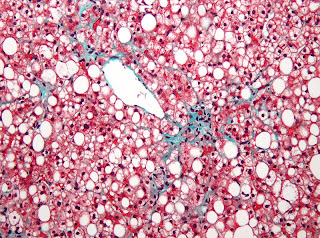
Image 1: Micrograph of non-alcoholic fatty liver disease, caused by the same kind of lipid accumulations
Shirazi et al. observed in the rats receiving fish oil treatment (image by Nephron)
Shirazi et al. (Shirazi. 2011) recently published a paper reporting exactly that: "Fish oil increases atherosclerosis and hepatic steatosis, although decreases serum cholesterol in Wistar rat" - The scientists had fed two groups of pregnant rats (and, after birth, their offspring) with either a fish oil containing or a standard, soy oil based diet. Both diets had the same overall fat content of 70 g/kg (according to standard AIN93-G recommended by American Institute of Nutrition). In terms of total calories, the diets thus contained 15.9% of the total energy in form of either fish or soy oil. The overall omega-3 to omega-6 ratios of the diets were 6:10 for the fish oil and 1.1:10 for the soy bean oil groups; where omega-3 in fish oil came from EPA and DHA, while the omega-3 content in the soy bean oil diet came from alpha-linoleic acid (ALA).
Image 2: In the aorta of rats on a diet rich in fish oil, fatty streaks like that
formed in the aortae (image source www.heartsite.com)
After 70 days the rats were killed and hepatic and aortic specimen were analyzed. The results are unsettling:
[...] fatty streak in fish oil fed pups were significantly more than that in the other group. [... liver] ductular cell hyperplasia in pups fed with fish oil was significantly more than that in animals fed with standard diet. There was a positive relationship between fatty streak in aorta and ductular hyperplasia in liver (r = 0.470 and p= 0.037)

Although the animals had free access to food (ad-libitum feeding) the pathological changes cannot be a consequence of differing calorie intakes. Both groups consumed roughly 16g of the respective diet. According to Shirazi et al., a feasible explanation for these observations and their inconsistency with previous studies by Saraswathi et al. (Saraswathi. 2009), Bringhenti et al. (Bringhenti. 2010), Zampolli et al. (Zampolli. 2006),and Casós et al. (Casos. 2008) would be the lower total amount of dietary fish oil, different (more varied) overall fat compositions of the diets and shorter study periods, respectively:
One possible explanation for this discrepancy is that in our study animals faced higher amounts of dietary fish oil; Saraswathi et al. used 209 g/kg of mixed oils (including coconut oil, olive oil, corn oil and soy bean oil) plus 60 g/kg fish oil, while we used 70 g/kg fish oil which was the only dietary fat source. The dosage of fish oil used in Zampolli et al. and Casós et al. studies were 1% and 5%, respectively, which was lower than 15.9% used in the present study. In the study performed by Bringhenti et al. animals were fed with fish oil containing diet from weaning till puberty which is a shorter period comparing to ours.
On the other hand, the results of this study stand in line with those of Ritskes-Hoitinga et al. (Ritskes-Hoitinga. 1998), Verschuren et al. (Verschuren. 1998) and Brenner et al. (Brenner. 1990), which, in parts (e.g. Ritskes-Hoitinga) observed even more severe  aortic atherosclerosis and hepatic steatosis than Shirazi and his colleagues. [ Something to think about: Isn't it telling that all those studies have been published before the fish oil craze? And before GlaxoSmithKline started making big bucks by selling is "pharmaceutical grade fish oil" Lovaza. Add to that the fact that Shirazi et al. obviously did not find an American publisher for their study and make up your own thoughts. ]

So what? In essence these results only confirm what I have been saying before. Supplementation with reasonable amounts of fish oil (~2g) may make sense, especially if your diet is naturally low in omega-3 fatty acids in general and DHA, in particular. Mega-dosing on the other hand, or trying to compensate for fatphobia by overconsumption of fish oil, i.e. consuming a low- to no-fat diet, while supplementing huge amounts of fish oil >5g), falsely believing that you would do your body a favor by providing him exclusively with the "good essential fatty acids", will do more harm than good. After all, the "best" (do we really think low total cholesterol is good) serum cholesterol and triglyceride levels are useless, if you die from clogged arteries and a liver defect.