Showing posts with label vitamin deficiency. Show all posts

Sunday, December 27, 2015

2909 IU of Vitamin D3 per Day - That's What Mr. Average Needs | What Do You Need? 3094, 4450, or 7248 IU/day?
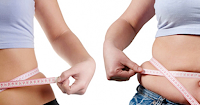
Your BMI or rather the associated level of inflammation and bodyfatness determines your D3 requirements.
I know that I have previously written about estimated vitamin D requirements, but in contrast to previous articles that were based only on 1-3 studies, today's article about the purported vitamin D requirements of the average Westerner, however, is based on the same previous 108 published estimates and new calculations based on the vitamin D status of 13,987 individuals in various studies Veugelers, Pham and Ekwaru used as the observational database for what is a of now probably the most tangible vitamin D recommendation in their recently published study in Nutrients (Veugelers. 2015).
There are many ways to get your vitamin D learn more the SuppVersity

How Much To Take?

Leucine, Insulin & Vitamin D

Vit. D Speeds Up Recovery

Overlooked D-Sources

Vitamin D For Athletes!

Vitamin D Helps Store Fat
Now, as the headline already tells you, their analysis of said data lead the researchers to conclude that "2909 IU of vitamin D per day is needed to achieve serum 25‐hydroxyvitamin D (25(OH)D) concentrations of 50 nmol/L or more in 97.5% of healthy individuals" (Veugelers. 2015). To get to this value, the researchers from the University of Alberta used quantile regressions to
"model the effect of vitamin D supplementation on the 2.5th percentile, the median and the 97.5% percentile of serum 25(OH)D concentrations [and an] exponential model [and] logistic regression [for the estimates and] to estimate the probability of having serum levels above a lower and below an upper serum 25(OH)D concentration, [respectively]" (Veugelers. 2015). 
In that it is important to know that in this model the limit of the 'normal' vitamin D concentrations (58-171 nmol 5(OH)D/L) was defined in accordance with the values Luxwolda et al observed in traditionally living populations in East Africa who have mean serum 25‐hydroxyvitamin D concentration of 115 nmol/l or more (Luxwolda. 2012). So, we are not talking about absolute minimum levels, but rather about levels many researchers would call "optimal".
Figure 1: Plot of the results of the model calculations (left) and my visualization (right) of the calculated vitamin D requirements in IU/day for normal-weight, overweight and obese individuals (Veugelers. 2015).
As a SuppVersity reader you will be aware that normal-, overweight and obese subjects will need different amounts of supplemental vitamin D3 to achieve these "optimal" levels. To accomdate for these differences and to provide adequate estimates for normal weight, overweight and obese participants, Veugelers et al conducted separate analysis and used suitable logistic regression models to identify the log term of supplementation that provides the best fit. Needless to say that this sub-analysis was conducted based only on those studies that either included exclusively normal-, overweight or obese subjects or distinguished between the three of them yielded. It is thus only logical that this analysis yielded different results of which the 3094 IU/day, which is the suggested daily amount of vitamin D3 to maintain optimal vitamin D levels for normal-weight individuals, is yet pretty much identical to the previously cited "optimum" for Mr. Average Joe.

Against that background, it is yet all the more important to note that the average overweight or obese Westerner will yet need significantly more vitamin D3, 4450 IU/day and 7248 IU/day, to be precise, to keep his / her labels stable. Based on what you should remember from the role of 25OHD as an anti-inflammatory acute phase reactant (Waldron. 2014), though, this is not really surprising.
So what's the verdict, then? While the study at hand certainly provides the hitherto best estimate of our individual vitamin D3 requirements, I still wouldn't put blind faith into the results of Veugelers' model calculation. To be sure you're not too extra-ordinary to be average, I would suggest you test your 25OHD levels after 6 months on the suggested dosage. If you're "in the zone", everything is fine. If not, adjust appropriately.

Fat loss will trigger decent increases in vitamin D, but vitamin D will not trigger significant fat loss | more
Apropos adjusting, as the authors point out, the previously discussed figures may not even be the most practically relevant result of the study. Rather than that, it is the "large extent of variability in 25(OH)D concentrations" of which the authors rightly say that it "makes a RDA for vitamin D neither desirable nor feasible" (Veugelers. 2015) that's the most relevant results of the study.

And yes, you've read that right. The 400, 600 and 1000 IU/day RDA you will find in different countries all over the world is total bogus, not just because it is too low, but because stating a recommended daily allowance based only on the age, not the weight, or rather inflammatory status of an individual, is absolute bogus | Comment on Facebook!
References:
  • Luxwolda, Martine F., et al. "Traditionally living populations in East Africa have a mean serum 25-hydroxyvitamin D concentration of 115 nmol/l." British Journal of Nutrition 108.09 (2012): 1557-1561.
  • Veugelers, Paul J., Truong-Minh Pham, and John Paul Ekwaru. "Optimal Vitamin D Supplementation Doses that Minimize the Risk for Both Low and High Serum 25-Hydroxyvitamin D Concentrations in the General Population." Nutrients 7.12 (2015): 10189-10208.
  • Waldron, Jenna Louise, et al. "Vitamin D: a negative acute phase reactant." Journal of clinical pathology (2013): jclinpath-2012.

Saturday, October 11, 2014

Vitamin B12 - A Nutrition Guide for Vegetarians & Vegans: From Nori to Mushrooms, Omnivores Can Benefit, Too!

With 77µg per 100g of the Nori leaves in the wrapping sushi makes an excellent B12 source, even if you stick to the vegan, no tuna version ;-)
If this is not your first visit to the SuppVersity you will be aware that I am not a exactly a proponent of vegetarianism let alone vegan dieting. Just like any other severely restrictive diet people who don't eat animal products are at an increased risk of nutrient deficiencies.

For vegetarians and even more so for vegans, it is not exactly easy to cover their daily requirements of vitamin A, vitamin D3, iron, cholesterol (yes, cholesterol is an essential nutrient!), n-3 polyunsaturated fatty acids and saturated fats. The most urgently needed nutrient for the average vegetarian / vegan dieter, however is vitamin B12, or cobalamin, as scientists say.
Actually dairy happens to be an excellent B12 source. Why not become lacto-vegetarian?

Dairy Has Branched-Chain Fatty Acids!

Is There Sth. Like a Dairy Weight Loss Miracle?

Foods, Not Ma- cronutrients Build Healthy Guts

Lactulose For Your Gut & Overall Health

Is There a "Fat Advantage" for Dairy Lovers

Want B12, But Hate Meat? Drink Milk!
Vitamin B12 is a water-soluble vitamin with a key role in the normal functioning of the brain and nervous system, and for the formation of blood. It is one of the eight B vitamins. It is normally involved in the metabolism of every cell of the human body, especially affecting DNA synthesis and regulation, but also fatty acid metabolism and amino acid metabolism. Neither fungi, plants, nor animals - including humans - are capable of producing vitamin B12. Therefore a sufficient intake of vitamin B12 is essential for optimal health.

Even in omnivorous humans, vitamin B12 deficiencies are frequent (Stabler. 2004). Among vegetarians and specifically vegans, it is yet rampant (Pawlak. 2013; Pawlak. 2014).
Figure 1: Reliable data on B12 levels is scarce. Based on surrogate markers and B12 deficiency symptoms scientists are still certain that "B12 deficiency as a worldwide problem." (Stabler. 2004) - one vegetarians are particularly susceptible to.
In the latest review by Pawlak et al. who included only studies that assessed serum vitamin B12 an reported actual percentages of vitamin B12 deficiency (40 studies total)...
  • the deficiency prevalence among infants reaches 45%,
  • the deficiency among the children and adolescents ranged from 0 to 33.3%, and 
  • the deficiency among pregnant women ranges from 17 to 39%, dependent on the trimester
Adults and elderly individuals who follow a vegetarian lifestyle had a deficiency range from 0–86.5%. In general, higher deficiency prevalence was reported in vegans than in other vegetarians.  Accordingly, Pawlak et al. conclude that...
"[...]with few exceptions, the reviewed studies documented relatively high deficiency prevalence among vegetarians. Vegans who do not ingest vitamin B12 supplements were found to be at especially high risk." (Pawlak. 2014)
For vegans, specifically, the scientists recommend the routine use of vitamin B12 supplements to ensure adequate vitamin B12 intake and point out that "[v]egetarians, regardless of the type of vegetarian diet they adhere to, should be screened for vitamin B12 deficiency." (Pawlak. 2014)

Why is it so difficult for vegetarians and vegans to meet their requirements?

The Institute of Medicine’s recommended dietary allowance (RDA) of B12 needed to meet an adult’s requirement as 2.4mg per day. B12 is synthesized only by microorganisms, and this is why natural food sources of B12 are limited to meats and foods of animal origin.
 "Clams and beef liver are the highest sources of B12, containing about 84 and 71mg of B12 in a 3 oz serving (USDA. 2011). The amount of B12 found in a chicken varies from about 3.3mg in the entire chicken liver to 0.03mg in achicken’s neck. Pork contains between 0.3mg of B12 in each sausage patty to about 11.4mg in pork liver. 6 The content of B12 in fish ranges from about 9mg in one half of a fillet of sockeye salmon to about 0.5mg in a 3 oz serving of yellow fin tuna." (Pawlak. 2013)
Needless to say that a vegetarian or vegan person mustn't eat any of the aforementioned "good" B12 sources. The question is thus: Where can a vegan or vegetarian get his B12 from?
Diagnosis of low B12 levels is tricky! The most commonly used cobalamin essay has a sensitivity of "only" 62.6% and produces 22%+ false positives. An often-used alternative, the holotranscobalamin essay is a tad better, but with a sensitivity of 64.7% and 18.4% false positives, not exactly accurate, either (Carmel. 2013). Until now no 100% reliable test is available and studies like Salomon (2005) show that patients with "normal" plasma cobalamin levels, but symptoms vitamin B12 deficiency improve after treatment with the vitamin.
In view of the fact that the name of this website contains the word "supplement", the most obvious and probably safest source are supplements. In that, it's important to point out that not all supplements that promise to solve the vegetarian B12 problems will actually deliver.

Fourteen years ago, Micheal S. Donson tested the efficacy of sublingual cobalamine tablets, nutritional yeast, and probiotic supplements in a group of Hallelujah dieters and other raw-food vegetarians and found that only the former two, i.e. the sublingual cobalamine tablets and the nutritional yeast that contained 5µg of cyanocobalamin per tablespoon brought his subjects' depleted B12 levels back into the normal range. The probiotic supplement, on the other hand, was useless (Donaldson. 2000).

For patients with insufficient intrinsic factor production oral supplements are not suitable, though. For them, only injectable vitamin B12 will reliably bring their levels back up (Katz. 1972). People with low stomach acid, which often occurs with aging, as well, and people with gastric bypass (Smith. 1993) have similar, but less pronounced problems to cover their B12 requirements from oral sources (dietary and supplemental).

Now, supplementation and injections are nice, but isn't is possible to get your B12 from foods without having to eat meat and animal products?

In general, it is possible, but there is one major problem: The total content and bioavailability of vitamin B12 in food sources vegetarians and vegans can eat is comparably low.

Table 1: Content and bioavailability of selected "good" dietary sources of vitamin B12 (Watanabe. 2007)
If you take a look at the data in Table 1 you will see that the only source that can keep up with fish and meat are algae. Chloeralla in particular is an excellent source of dietary B12 for both vegetarians and, if I didn't miss yet another stupid dogma, vegans, as well (Watanabe. 2007).

In a previous study, Watanabe et al. (2002) have found that chlorella tablets, but not spirulina, which contains mostly pseudy vitamin B12 is a suitable source of vitamin B12 for man (and woman ;-).

In a more recent overview of vegetarian and vegan B12 sources, the researchers from the United Graduate School of Agricultural Sciences at the Tottori University in Japan (Watanabe. 2014) compiled a comprehensive overview of suitable B12 sources which includes...
  • Are "organic" vegetables worth it? Find out in a previous article.
    Vitamin B12-Enriched Beans and Vegetables Produced Using Organic Fertilizers or Hydroponics -- Previous research has shown that you can significantly increase the B12 content of spinach by adding an organic fertilizer such as cow manure. Practically speaking this is an increase to to approximately 0.14 μg/100 g fresh weight - that's huge considering the fact that "regular" spinach contains < 0.01µg/100g vitamin B12.

    In view of the fact that the RDA for B12 is 2.4 μg/day that's still too little to be able to cover your B12 needs from spinach alone. Still, in the future we may be seeing other "high B12" vegetables on the market even non-vegetarian dieters may benefit from.
  • Fermented Beans and Vegetables -- The Vitamin B12 content of soybeans is low or undetectable. In the course of the fermentation process soybean products are yet loaded with B12, so that fermented soybeans (Tempe, a traditional Indonesian food that's made of fermented soybeans) can contain up to 8.0 μg B12 per 100g (Nout. 1990)

    Comparable increases in B12 content have been observed in vegetables that have been fermented with certain lactic acid or propionic bacteria (up to 10µg/100g; Gupta. 1998).

    "Pesticide pollution: Chinese tea may not be safe to drink," this is what you could read on the website of Greenpeace in 2012, already and obviously this has not changed over the last 2 years | read more
    Tea, of which most people forget that it is fermented (not green tea, though), as well can also contain significant amounts of vitamin B12. For black tea (Batabata-cha), scientists have shown that drinking 50 mL/day, equivalent to a daily dose of 1 ng Vitamin B12, for 6 weeks, compensated the B12 deficiency of B12 deficient rodents (Kittaka-Katsura. 2004). As Watanabe et al. point out, results like these "indicate that Vitamin B12 found in fermented black tea is bioavailable in rats." Unfortunately, the same cannot be said for human beings, where the consumption of 1–2 L of the fermented tea drink, which is equivalent to 20–40 ng of Vitamin B12, is not sufficient to meet the RDA of 2.4 μg/day for adult humans.
  • Edible Mushrooms --  Zero or trace levels (approximately 0.09 μg/100 g dry weight) of Vitamin B12 were measured in the dried fruiting bodies of porcini mushrooms (Boletussp.), parasol mushrooms (Macrolepiota procera), oyster mushrooms (Pleurotus ostreatus), and black morels (Morchella conica).

    Figure 2: The micronutrients in nori and dried shiitake mushrooms complement each other perfectly (see bottom line for explanation)
    In contrast, the fruiting bodies of black trumpet (Craterellus cornucopioides) and golden chanterelle (Cantharellus cibarius) contained higher levels of Vitamin B12 (1.09–2.65 μg/100 g dry weight) than the above mentioned mushrooms (Watanabe. 2012).

    In addition, high levels of Vitamin B12 were detected in the commercially available dried shiitake mushroom fruiting bodies (Lentinula edodes), which are used in various vegetarian dishes. The Vitamin B12 contents of dried shiitake mushroom fruiting bodies (100 g dry weight) significantly varied and the average Vitamin B12 value is approximately 5.61 μg (Bito. 2014). 
In conjunction with algae and algae supplements the aforementioned vegetarian sources of B12 may in fact be sufficient to cover the daily requirements of 2.4µg of vitamin B12.
Milk has a built-in B12 absorption enhancer (learn more). Now you tell me: Who would ever doubt that nature knows best?
Bottom line: Of all vegetarian B12 sources, nori is the one marine source of vitamin B12, Watanabe et al. highlight in particular. The consumption of only 4g of dried purple laver (Vitamin B12 content: 77.6 μg /100 g dry weight) supplies the RDA of 2.4 μg/day. Moreover, nori can be easily consumed as a wrapping for rice and fillings and retains most of its precious B12 content upon heating (Miyamoto. 2009).

In conjunction with dried shiitake mushroom fruiting bodies that contain 18.9 mg of Vitamin D2 (ergocalciferol) and 2.0 mg of iron, both likewise micronturients vegetarians usually don't get enough of in their diets, the dried purple lavers that are rich sources of n-3 polysaturated fatty acids and can be easily integrated in Italian, French, and other forms of Western cuisine, are thus probably the best non-supplemental source of B12 vegetarians can get | Comment on Facebook!
References:
  • Bito, Tomohiro, et al. "Characterization of vitamin B< sub> 12</sub> compounds in the fruiting bodies of shiitake mushroom (< i> Lentinula edodes</i>) and bed logs after fruiting of the mushroom." Mycoscience (2014). 
  • Carmel, Ralph. "Diagnosis and management of clinical and subclinical cobalamin deficiencies: Why controversies persist in the age of sensitive metabolic testing." Biochimie 95.5 (2013): 1047-1055.
  • Gupta, Uma, E. R. Rati, and R. Joseph. "Nutritional quality of lactic fermented bitter gourd and fenugreek leaves." International journal of food sciences and nutrition 49.2 (1998): 101-108. 
  • Katz, Max, Sook K. Lee, and Bernard A. Cooper. "Vitamin B12 malabsorption due to a biologically inert intrinsic factor." New England Journal of Medicine 287.9 (1972): 425-429.
  • Kittaka-Katsura, Hiromi, et al. "Characterization of corrinoid compounds from a Japanese black tea (Batabata-cha) fermented by bacteria." Journal of agricultural and food chemistry 52.4 (2004): 909-911.
  • Miyamoto, Emi, et al. "Characterization of vitamin B12 compounds from Korean purple laver (Porphyra sp.) products." Journal of agricultural and food chemistry 57.7 (2009): 2793-2796.
  • Nout, M. J. R., and F. M. Rombouts. "Recent developments in tempe research." Journal of Applied Bacteriology 69.5 (1990): 609-633.
  • Pawlak, Roman, et al. "How prevalent is vitamin B12 deficiency among vegetarians?." Nutrition reviews 71.2 (2013): 110-117.
  • Pawlak, R., S. E. Lester, and T. Babatunde. "The prevalence of cobalamin deficiency among vegetarians assessed by serum vitamin B12: a review of literature." European journal of clinical nutrition 68.5 (2014): 541-548. 
  • Smith, C. Daniel, et al. "Gastric acid secretion and vitamin B12 absorption after vertical Roux-en-Y gastric bypass for morbid obesity." Annals of surgery 218.1 (1993): 91.
  • Solomon, Lawrence R. "Cobalamin-responsive disorders in the ambulatory care setting: unreliability of cobalamin, methylmalonic acid, and homocysteine testing." Blood 105.3 (2005): 978-985.
  • Stabler, Sally P., and Robert H. Allen. "Vitamin B12 deficiency as a worldwide problem." Annu. Rev. Nutr. 24 (2004): 299-326.
  • USDA National Nutrient Database for Standard Reference, Release 18.Vitamin B12 (mg) Content of Selected Foods Per Common Vitamin B-12 Measure, Sorted by Nutrient Content. 2005; Available at: http://www.nal.usda.gov/fnic/foodcomp/Data/SR18/nutrlist/sr18w418.pdf. Accessed 27 November 2011. 
  • Watanabe, Fumio, et al. "Characterization and bioavailability of vitamin B12-compounds from edible algae." Journal of nutritional science and vitaminology 48.5 (2002): 325-331.
  • Watanabe, Fumio. "Vitamin B12 sources and bioavailability." Experimental Biology and Medicine 232.10 (2007): 1266-1274.
  • Watanabe, Fumio, et al. "Characterization of vitamin B 12 compounds in the wild edible mushrooms black trumpet (Craterellus cornucopioides) and golden chanterelle (Cantharellus cibarius)." Journal of nutritional science and vitaminology 58.6 (2012): 438-441.
  • Watanabe, Fumio, et al. "Vitamin B12-Containing Plant Food Sources for Vegetarians." Nutrients 6.5 (2014): 1861-1873.

Friday, January 11, 2013

Science Round-Up Seconds: "Tomatorade(R)" or Why Tomato Juice is the Better Intra- & Postworkout Beverage. Up to 90% B12 Deficiency in Vegetarians & Vegans. Aluminum in Your Testes? Not With Vitamin E & Zinc.

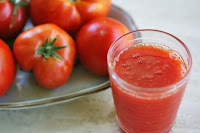
Can't find "Tomatorade(R)", at your local supplement store, yet (surprising, right ;-)? The guys over @ SimplyRecipes have an easy and tweakable recipe describing how you can make your own "Tomatorade" or however you want to call it (photo by SimplyRecipes).
If you listened live to yesterday's installment of the SuppVersity Science Round-Up on Super Human Radio, you will probably have noticed that due to the technical problems and my teacherly tendency to talk for hours, Carl Lanore and I did not cover all the topics (click here do download the podcast if you haven't already done so)... but hey, that leaves more stuff for today, doesn't it?

I guess I will best package the newsitems into three servings, starting out with the one I like best, namely my Tomatorade(R) aka plain tomato juice news... but before I do so, I must thank Maxim Okhrimenko who corrected the statement I made about vodka in Russian babies' tea or other beverages. Normal Russians don't this. I actually did not intend to make that sound like "common practice" - sorry if it got across like that.

My sincere apologies for promoting prejudices like that. From a science perspective you could even argue that the Brits came up with the idea. In the 1850s William Woodward "invented" a concoction of dill seed oil, sodium bicarbonate and alcohol, called it "gripe water" and sold it as a soothing remedy for gastrointestinal troubles (Agarwal. 2000).

Tomatorade(R) - Tomato Juice turns out to be the ideal periworkout carb drink

What's LDH and CPK? While the former stands for lactate dehydrogenase and the latter is identical to CK, which is creatine kinase, both are considered markers of muscular exertion (LDH) and damage (CK) due to exercise. Very high levels of LDH occur for example in hemolytic situations, i.e. at times your red blood cells disintergrate or after a major trauma to a muscle (incl. a myocardial infarction), the same is true for CK, for which most laboratories will analyses tissue specific isoforms with CK-MB being the one that's indicating muscle damage from the minor DOMS after a leg workout to full rhabdomyolysis.
I know many of you will probably be shuddering, right now. "Carbohydrate drinks? I don't care if it's Tomato- or Gatorade, I don't want any of them." Still, what would you say, if I told you that "Tomatorade(R)", which consists of nothing else but 100% tomato juice could not just replenish your muscle glycogen levels, but would also reduce and even normalize LDH and CPK levels? Allow you to regenerate faster, train more frequently and eventually increase your performance and muscle gains- specifically if you are into weight lifting or other anaerobic activities? I see, now, I got you interested.

According to a paper that is going to be published in the next issue of Food Chemistry and Toxicology, the administration of tomato juice instead of a commercial exercise beverage to 9 out of 15 anaerobically trained athletes (11 men, 4 women) with elevated LDH (>300mg/dl) and CPK(>210mg/dl) baseline levels (as the scientists have it a clearcut sign of "endothelial dysfunction through oxidative stress" (Tsitsimpikou . 2013)) returned the LHD ad CPK levels back into the normal range in the course of the two months study period.
Figure 1: Effects of two month on an isocaloric amount tomato juice (here jovially called "Tomatorade(R)" ;-) vs. the regular carbohydrate workout drink the subjects usually consumed during and after their workouts (Tsitsimpikou. 2013)
Moreover, the consumption of vitamin, mineral and polyphenol-laden superdrink, in place of the athletes regular carbohydrate drink (the scientists made sure that the energy content was identical) also reduced the highly health relevant markers of whole body inflammation, homocysteine and C-reactive protein (CRP; see figure 1) - whether the mainly lycopene induced reductions in homocystein is actually protecting against endothelial damage or not, is yet still (or I should say, again) a matter of scientific debate (cf. Xaplanteris. 2012).

Brief update:  Just got a question from Sofeen on facebook about simply eating tomatoes. Now, you would have to eat plenty of them to see the effect, but in essence it should work. Nevertheless, when I contemplated the question I came up with an even better alternative: Tomato paste! When Tomatorade(R) is the carb beverage, then the paste would be one of those fancy carb gels - a gel, by the way, which has a 2.5x higher bioavailability for lycopene than you would get from regular tomatoes (Gärtner. 1997).

Vitamin B12 defieciency is rampant among vegetarians and (even more) vegans

I have previously pointed out that unless you are at least lacto-ovo-vegetarian, which means that you eat dairy products and eggs, you are going to have a very hard time building and maintaining the physique of your dreams. As a recent meta-analysis and review study by Pawlak et al. suggests, not being the leanest and most muscular on stage should yet actually be your least concern.

Suggested Read: "Want B12 But Hate Meat? Drink Milk!" Even some of the more advanced supplements cannot compete.
According to the data the researchers from different US institutions collected, the deficiency rates for "normal" vegetarians are
  • 62% among  pregnant  women,
  • between  25% and almost 86% among children,
  • 21–41% among adolescents, and
  • 11–90% among the elderly
Even higher rates, bordering the 90%+ range, when they were measured by holo-transcobalamin II essays were reported for vegans (adults). On top of that the scientists did not find any confounding factors,:
"The main finding of this review is that vegetarians  develop  B12 depletion or deficiency  regardless  of demographic  characteristics,  place of residency,  age, or type of vegetarian  diet. Vegetarians should thus take preventive measures to ensure adequate intake of this vitamin, including regular consumption of supplements containing B12." (Pawlak. 2013)
As preferable dietary sources the researchers suggest, the aforementioned dairy products and eggs:
  • milk, which contains between 0.3 and 0.4 mg/100 g of B12, with an absorption rate of about 65%.
  • the B12 content of cheese or cottage cheese ranges from 20 to 60% that of milk.
  • the amount of B12 in a whole egg is between 0.9 and 1.4 mg/100g
Unfortunately, the amount of B12 is profoundly reduced during the heating process. For milk the B12 loss amounts to up to 30-50%, when you boil it and I bet you won't be much better off with hard boiled (yolks = hard) eggs.

If you avoid meat not for ethical reasons, but because you are afraid it's bad for you, read the "Meat-Ology" post
The scientists also point out that the vegan myth that your body a great ability to store B12 and it would take years if not decades for them to be depleted:
"Studies do not support the position that it takes up to 20 or 30 years to develop a deficiency.7 According to Donaldson, 47% of the sample developed a deficiency, and most of these individuals had adhered to a raw vegan diet for between 23 and 49 months or about 2–4 years. In a study conducted by Herrmann et al.66% of German participants who had adhered to a vegetarian diet for at least 2 years were found to be B12 deficient." (Pawlak. 2013)
Since the whole problem is further increased by the lack of hydrochloric acid (low-to-no intrinsic factor production, which is necessary for the absorption of B12), low iron induced damage to the gut mucosa and subsequent nutrient malabsorptions, I'd suggest that all of you who insist on following a vegetarian life-style go, have their levels checked and get some B12 injections if you are where Pawlak et al. believe you are: Rock bottom.

Protect your testes, rescue your sperm and testosterone production

A recently published paper has taken yet another look at ways to prevent testicular damage / toxicity subsequent to heavy metal exposure. Other than usual, the "suspect" is yet not lead, but rather aluminum, which was administered in toxic doses to male albino rodents.
Figure 2: Relative levels of testosterone, FSH, LH and prolactin in aluminum (50mg/kg) treated male albino rats after the administration of zinc, vitamin E or both; data expressed relative to healthy (non-Al intoxicated) control (Rawy. 2013)
As the data in figure 2 goes to show you, the Saudi-Arabian researchers were able to counter much of the detrimental effects on testicular morphology, spermatogenesis and hormone production by administering either zinc sulfate or vitamin E alone or in conjunction at human equivalent doses of 8mg/kg zinc sulfate (I may remind you that these were 8mg/kg of zinc sulfate, not of elemental zinc, so that we are talking about ~1.8mg/kg elemental zinc) and 2.4mg/kg vitamin E (~1,200-1,500IU), respectively.


Now while that's it as far as today's Seconds are concerned, tomorrow is Saturday and in case you are into those shorter news items, you better make sure to come back for another installment of On Short Notice. And just in case you have not done so already, I would also suggest that you take a peek at the following recent Facebook news:
    Older tomato news: The dehydrotomatine, α-tomatineand trigonelline from green tomatoes has fat burning effects (read more).
  • Galactooligosaccharides increase bifido bacteria content in obese patients and result in positive effects on the immune response, and insulin, total cholesterol and triglyceride concentrations (read more). 
  • Women with brittle bones cannot squat? False! They must squat, recent study says (read more)
  • The fries a mother eats during pregnancy predispose her kids to become obese and develop metabolic syndrome syndrome - at least if the oil was (as it almost always is) oxidized during the heating process (read more).
  • The Zinc equation: For every doubling in Zn intake, the difference in Zn serum or plasma concentration is 6% - this assumes zinc intakes in the normal range of <30mg/day (read more).
As usually there will be more for you to read in the course of the next 24 hours - so just "like" the SuppVersity Facebook page to make sure you are not missing out on anything important ;-)

References
  • Agarwal KN, Gupta A, Pushkarna R, Bhargava SK, Faridi MM, Prabhu MK. The gripe water story.J R Soc Med.2000;93:172-174.
  • Gärtner C, Stahl W, Sies H. Lycopene is more bioavailable from tomato paste than from fresh tomatoes. Am J Clin Nutr. 1997 Jul;66(1):116-22.
  • Pawlak R, Parrott SJ, Raj S, Cullum-Dugan, D Lucus, D. How prevalent is vitamin B12 deficiency among vegetarians? Nutrition Reviews. 2 JAN 2013 [epub ahead of print]
  • Rawy SM, Seif Al Nassr FM. Zinc sulphate and vitamin E alleviate reproductive toxicity caused by aluminium sulphate in male albino rats. Toxicol Ind Health. 2013 Jan 2.
  • Tsitsimpikou C, Kioukia-Fougia N, Tsarouhas K, Stamatopoulos P, Rentoukas E, Koudounakos A, Papalexis P, Liesivuori J, Jamurtas A. Administration of tomato juice ameliorates lactate dehydrogenase and creatinine kinase responses to anaerobic training. Food Chem Toxicol. 2013 Jan 3.
  • Xaplanteris P, Vlachopoulos C, Pietri P, Terentes-Printzios D, Kardara D, Alexopoulos N, Aznaouridis K, Miliou A, Stefanadis C. Tomato paste supplementation improves endothelial dynamics and reduces plasma total oxidative status in healthy subjects. Nutr Res. 2012 May;32(5):390-4.

Thursday, September 9, 2010

Vitamin D Deficiency Impairs Learning

They keep coming, and I keep repeating myself: vitamin D is the most interesting "novel" supplement out there. A recent study Mohsen et al. (Mohsen. 2010) found that vitamin D deficiency, apart from increasing risk of fractures and metabolic diseases, also impairs learning. Investigating the learning process of water maze the scientists found:
The C-D [vitamin D deficient] group needed a longer time to reach the platform than the control and C+D [vitamin D repleted] animals (P<0.0001), demonstrating that vitamin D deficiency negatively affected the maze learning. On the other hand, calcitriol supplementation did not significantly influence the spatial learning.
In view of these facts: If you do not notice that I posted the following only a few days ago,
 "So, do your heart, your pancreas and, not to forget, your bones a favor and grab some vitamin D supplements." (Vitamin D: 1 Billion People Worldwide Are Vitamin D Deficient or Insufficient)
you either did not read it or you are so deficient in vitamin D that you just cannot remember ;-)