Showing posts with label beta carotene. Show all posts

Friday, September 23, 2016

Whole Eggs Can Boost Your Beta-Carotene and Vitamin E Uptake from Veggie Salad W/ Oil Dressing by 400%-700%
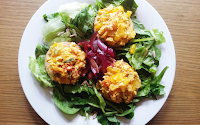
Believe it or not raw food vegans, it takes scrambled (whole) eggs to turn your veggie salads into a "superfood", or rather, to have the "super effects" of all its "super vitamins" on your health . The photo shows an egg-recipe from The Organic Dish, take a look; and don't worry if you're afraid of healthy oats, you can leave out the out cakes under the eggs ;-)
I still see people throwing the good yolk of their eggs away. Shame on you! You're not just throwing the most nutrient dense (also in terms of nutrients per energy content) away, you also sacrifice the beneficial effects of the co-ingestion of eggs with other nutrient dense foods - benefits which have only recently been recognized by the scientific community when people finally starting looking beyond individual foods and nutrients and started to investigate the actual and practically more relevant effects of food matrices.

This trend that began with the negative effects of pesticides and/or heavy metals in "real meals" (which are always food matrices | Wilkowska. 2011) is something I have written about in the Facebook News and individual articles before and I plan to re-address, whenever scientists like Kim, Ferruzzi & Campbell (2016) give them the deserved attention.
You aren't interested in vitamns? Maybe in fasting for health and fatloss, then?

Breakfast and Circadian Rhythm

Does Meal Timing Matter?

Habits Determine Effects of Fasting

Fasting Works for Obese, Too!?

Alternative Day Fasting "Rulez"!

Intermittent Fast-ing + Weights!?
Why's that? Well, as it turns out and has just been confirmed for beta-carotene and vitamin E (Kim. 2015 & 16) by the aforementioned authors from the Purdue University (Kim. 2016) the way you combine your foods is as important for your nutrient sufficiency as the micronutrient content of the individual foods.

Let's do some math, together: For the fat-soluble vitamins E, which are obviously relevant in the context of Kim et al.'s latest studies (2015 & 16), the RDA is 14 mg/day. That's the amount of vitamin E you'd get from a relatively small quantity of each of the randomly chosen high vitamin E foods in Figure 1.
Figure 1: Yes, you can get your vitamin E from a single food, but that's not wise - for several reasons (Kim. 2016).
The bad news is that for all for of them it is not clear whether you will actually absorb all the vitamin E, so that it can do its anti-oxidant magic in your bloodstream. Yes, for wheat germ oil, sunflower seeds, and almonds, the relatively high fat content is one out of many potentially relevant cofactors (including cooking methods, the type of dietary lipids, and interactions with digestive enzymes or other dietary | Eitenmiller. 2004) compounds for the optimal uptake of fat-soluble vitamins such as vitamin E (learn more).

The paprika powder from Figure 1, no matter how nutrient dense it may be, will probably get only small amounts of its vital (=vitamin and other beneficial micronutrients) carriage (including, but not restricted to beta-carotene and vitamin E) delivered into your blood... unless, obviously, you combine it with the right foods and thus form a nutrient absorption optimizing food matrix.
Figure 2: Kim's 2015 study showed a similarly pronounced increases of the accumulated area under the curve (AUC), i.e. the total uptake of various carotenes when 3 eggs were added to vegetable salad (made with 3g of canola oil).
A food matrix consisting of three scrambled eggs and vitamin-(A)-rich vegetable salad of which Kim's previous study showed that it increased the bioavailability of beta-carotene 8-fold (see Figure 2). In the current study (Kim. 2016), the authors did thus speculate that...
"[b]ecause carotenoids and vitamin E are both fat-soluble nutrients, we expected cooked whole eggs to also increase the absorption of vitamin E contained in the same salad" (Kim. 2016).
to evaluate the accuracy of their hypothesis, the scientists recruited 16 healthy male participants for a randomized, single-blind, crossover-design experiment:
"[All] participants completed 3 trials that each included consuming a controlled diet for 7 d followed by a testing day. In addition, 1-wk dietary washout periods were scheduled between each of the trials. [...] The investigators were fully blinded to the participants test-day meals until after all testing and sample analyses were completed, but the participants and dietitians were not blinded to the meals" (Kim. 2016)
Obviously, I am not giving away any secrets, when I tell you that the experiment confirmed the authors' hypothesis. Interestingly enough, with practically relevant increases in vitamin E absorption being achieved with both, the "low egg" (LE - 1.5 cooked scrambled eggs) and the "high egg" (HE - 3 cooked scrambled eggs) vegetable salads, which contained, just as in the previous study, 100 g tomatoes, 62 g shredded carrots, 70 g baby spinach, 25 g romaine lettuce, and 5 g Chinese wolfberries, and was served with 3 g of canola oil (note: all vegetables and eggs were purchased from the same local market and brand throughout the study period, thus we can assume that the contents of alpha-tocopherol and gamma-tocopherol in the test salad were 2.1 and 2.0 mg/serving, respectively, for all three trials).
Figure 3: Relative increase (per vitamin E intake in mg) in TRL levels of alpha- and gamma-tocepherol in response to the ingestion of the vegetable salad alone, the salad with 1.5 or 3 cooked scrambled whole eggs (Kim. 2016)
In fact, the increase in the levels of alpha- and gamma-tocopherol in the subjects' triacylglycerol-rich lipoprotein fractions (TRLs) was even more pronounced than that of the carotenes in Kim et al.'s 2015 study. Since eggs contain sign. amounts of vitamin E, themselves (they don't contain, alpha-, beta-carotene and lycopene), we do yet have to look at the relative (i.e. relative uptake of amount of vitamin E that was ingested) uptake levels I have plotted for you in Figure 3. For these, the increases for alpha- and gamma-tocopherol were 'only' 107%, 144%, 441% and 358% in the 1.5 egg LE and the 3 egg HE group, respectively.

That the former, i.e. the increase in the LE = 1.5 egg trial didn't reach statistical significance is, as the authors rightly point out, most likely "due to the small sample size and low statistical power" (Kim. 2016) - a phenomenon that has been observed previously in small-scale studies that compared the nutrient availability of vitamin E with different doses of fat (Mah. 2015 | this study also used a less preferable marker of vitamin E absorption, namely plasmo not triacylglycerol-rich lipoprotein fractions (TRLs) levels, which mainly represent newly absorbed dietary vitamin E, as the studies by Kim et al.).
Highly Suggested Read: "Egg-Ology Today: The Underappreciated Health Benefits of Egg Phospholipids, Prote-ins & Antioxidants in the Yolk" | more.
Bottom line: Whole eggs are good for you! If you want to know what, i.e. which substance or nutrient (many of which I've discussed in the article you can read by clicking on the three eggs to the right) it is that gives eggs this ability, you will yet have to continue getting your EOD dose of SuppVersiy articles and Facebook News, because Kim's latest study was not designed to "assess the specific impact of [different] components of egg yolk on vitamin E absorption" (Kim. 2016)... after two studies showing significant benefits, however, we can be almost sure that a follow up study will be conducted; and if so, I can guarantuee that I will address it here or in the SV Facebook News, where you can also comment on this article!
References:
  • Eitenmiller, Ronald R., and Junsoo Lee. Vitamin E: food chemistry, composition, and analysis. CRC Press, 2004.
  • Kim, Jung Eun, et al. "Effects of egg consumption on carotenoid absorption from co-consumed, raw vegetables." The American journal of clinical nutrition 102.1 (2015): 75-83.
  • Kim, Jung Eun, Mario G. Ferruzzi, and Wayne W. Campbell. "Egg Consumption Increases Vitamin E Absorption from Co-Consumed Raw Mixed Vegetables in Healthy Young Men." The Journal of Nutrition (2016): First published ahead of print September 21, 2016 as doi: 10.3945/jn.116.236307
  • Mah, Eunice, et al. "a-Tocopherol bioavailability is lower in adults with metabolic syndrome regardless of dairy fat co-ingestion: a randomized, double-blind, crossover trial." (2015).
  • Wilkowska, Angelika, and Marek Biziuk. "Determination of pesticide residues in food matrices using the QuEChERS methodology." Food Chemistry 125.3 (2011): 803-812.

Thursday, June 5, 2014

Sun-Burn Free Tanning Bed Tan, But 4x Increased Cancer Risk Even W/Out A Single Sunburn! Plus: Carotene + X Cocktail Protects and Tans You From the Inside Out!

Even if you don't get burned tanning beds pose a risk factor!
I am not aware who invented the myth, but I am quite sure it's the tanning bed industry that propagates it: Tanning in what Germans call the "Asi-Toaster" (literal translation "a toaster for nackers") is safe!

If we put some faith into the results of a recent study from the Department of Dermatology at the University of Minnesota this is a fatal error. "Toasting" yourselves on a tanning bed increases your risk of developing skin cancer by 287%! Or, if you like that better, it almost quadruples (4x) it!

The results Rachel Isaksson Vogel and her colleagues from the University of New Mexico Cancer Center and the Brown University present in their latest paper in the Journal of the National Cancer Institute (JNCI) will probably be quite shocking for some of you who relied on the ability of the UV-filters in tanning beds to reduce the increase in cancer risk (Vogel. 2014).
There are better ways to get your vitamin D than tanning beds, learn more the SuppVersity

How Much To Take?

Leucine, Insulin & Vitamin D

Vit. D Speeds Up Recovery

Overlooked D-Sources

Vitamin D For Athletes!

Vitamin D Helps Store Fat
If you look at the data that's based on an analysis of the tanning practices of 1852 subjects, it becomes pretty obvious: The protection the filters appear to offer against sunburns does not translate into cancer protection! On the contrary!
Figure 1: Risk of melanoma by ever use of indoor tanning among individuals who tanned indoors without burning and never users stratified by lifetime burns from sun as estimated using logistic regression (n = 1852; cf. Vogel 2014).
If you scrutinize the data in Figure 1 you will have to admit that it is obvious that those of the subjects who were cautious enough not to expose themselves to "real sun" to avoid getting burned, were the ones with the highest melanoma risk due to tanning bed radiation! Those who avoid the sun like a plague have a 4x higher risk even after adjustment for
  • What else can protect you? Peer reviewed evidence for skin cancer protective effects exist from:
    • milk thistle (Katiyar. 2005)
    • melatonin (Janjetovic, 2014)
    • calcium (1g) + 400IU vitamin D3  (-37% in women with increased risk; Tang. 2011)
    • retinol (25,000IU/day; cf. Moon. 1997)
    • retinol and zinc + riboflavin and niacin + vitamin C and molybdenum (at 1-2x the RDA; cf. Blot. 1993)
    Too much antioxidants, on the other hand have been shown to increase cancer risk in women (#68%; cf. Hercberg. 2007). Against that background, a reasonable amount of controlled sun exposure and a coretene rich diet offer  probably the best protection.
    sex, age at reference date (in years), 
  • eye color (gray/blue, green, hazel, or brown), 
  • hair color (red, blond, light brown, or dark brown/black), 
  • skin color (very fair, fair, light olive, vs dark olive, brown, very dark brown, or black), 
  • freckles (none, very few, few, some/many), 
  • moles (none, very few, few, some/many), 
  • income (≤$60,000, >$60,000, missing), 
  • education (completed college, did not complete college), 
  • family history of melanoma (yes, no, missing), 
  • lifetime routine sun exposure (continuous), 
  • lifetime sun exposure from outdoor activities (continuous), 
  • lifetime sun exposure from outdoor jobs (continuous), and 
  • lifetime sunscreen use (continuous) 
using propensity score methods in two-sided statistical tests. In other words, while the raw data on the left hand side is confounded by being at high risk and avoiding the real sun, the data on the right hand side (orange bars) is not!

Now you want a supplemental alternative / adjunct, right?

Against that background the promised "supplemental tanning formula" which consists of pretty ordinary supplements, you can find on the shelves of every larger Internet-retailer will probably become even more interesting, right?
Table 1: Tanning of different body regions before and after treatment with the supplement combo ()
I have to admit, the results scientists from the Laboratoire OENOBIOL in Paris recorded are not very impressive (see Table 1), but the difference was significant and - and this may be even more important - the ingredients, i.e. 3mg beta carotene, 3mg lycopene. 5mg vitamin E (alpha tocopherol), and 30mg vitamin C (ascorbic acid) were ingested in a no-tanning scenario.
You want to kill two birds with one stone? Try "Tomatorade(R)" and get your daily tanning (Postaire. 1997) and cancer protective (Aust. 2005) dose of lycopene right from nature.
Bottom line: The fact that the "supplemental tanner" worked even in a no-sun-exposure scenario is interesting, because lycopene, in particular has been shown to be preferentially destroyed by UV radiation, in the course of the tanning process. The slight tan the subjects developed upon it's supplement restoration is thus only the cosmetic side of the benefits one can derive from this combo. What makes it really interesting, though, is that it will simultaneously build the skins defenses against UV-radiation and could thus be used in conjunction with reasonable (=partial shade) sun exposure to develop a beautiful and healthy tan without havin' to resort to the aforementioned "Asitoaster" and/or drugs like melanotan.
Reference: 
  • Aust, Olivier, et al. "Supplementation with tomato-based products increases lycopene, phytofluene, and phytoene levels in human serum and protects against UV-light-induced erythema." International journal for vitamin and nutrition research 75.1 (2005): 54-60. 
  • Blot, William J., et al. "Nutrition intervention trials in Linxian, China: supplementation with specific vitamin/mineral combinations, cancer incidence, and disease-specific mortality in the general population." Journal of the National Cancer Institute 85.18 (1993): 1483-1491.
  • Green, Adèle, et al. "Daily sunscreen application and betacarotene supplementation in prevention of basal-cell and squamous-cell carcinomas of the skin: a randomised controlled trial." The Lancet 354.9180 (1999): 723-729. 
  • Hercberg, Serge, et al. "Antioxidant supplementation increases the risk of skin cancers in women but not in men." The Journal of nutrition 137.9 (2007): 2098-2105.
  • Janjetovic et al. "Melatonin and its metabolites ameliorate UVB-induced damages in human epidermal keratinocytes." Journal of pineal research (2014). Ahead of print.
  • Katiyar, Santosh K. "Silymarin and skin cancer prevention: anti-inflammatory, antioxidant and immunomodulatory effects (Review)." International journal of oncology 26.1 (2005): 169-176.
  • Lappe, Joan M., et al. "Vitamin D and calcium supplementation reduces cancer risk: results of a randomized trial." The American journal of clinical nutrition 85.6 (2007): 1586-1591.
  • Moon, Thomas E., et al. "Effect of retinol in preventing squamous cell skin cancer in moderate-risk subjects: a randomized, double-blind, controlled trial. Southwest Skin Cancer Prevention Study Group." Cancer Epidemiology Biomarkers & Prevention 6.11 (1997): 949-956.
  • Postaire, Eric, et al. "Evidence for antioxidant nutrients‐induced pigmentation in skin: Results of a clinical trial." IUBMB Life 42.5 (1997): 1023-1033.
  • Tang, Jean Y., et al. "Calcium plus vitamin D supplementation and the risk of nonmelanoma and melanoma skin cancer: post hoc analyses of the women's health initiative randomized controlled trial." Journal of Clinical Oncology 29.22 (2011): 3078-3084.
  • Vogel, et al. "Exposure to Indoor Tanning Without Burning and Melanoma Risk by Sunburn History." JNCI J Natl Cancer Inst (2014) 106(7): dju112 doi:10.1093/jnci/dju112

Saturday, January 26, 2013

Vitamin A Regrows Liver Tissue. Polydextrose Makes Dieting a Breeze. Exercise Blunts Negative Effects of High Fructose Diet. Diabetes Precipitates Female Sexual Dysfunction.

I did miss my own 1000-posts jubilee!
This week it's pretty easy to find the SuppVersity figure of the week. It's 1011 and that's the number of individual posts this "blog" currently holds. Actually, the very moment I hit the "publish" button on this one, it's going to be 1012 (see image on the right). I guess, I should have 'celebrated' that twelve posts before, but you know how I am, it's about the quality, not the quantity and though I am aware that the latter is unquestionably fluctuating, I would hope that each of you has found one or two 'pearls' - I mean, if you didn't why are you coming back regularly, then?

Apropos regularly, it's Saturday and thus about time for a couple of "On Short Notice" items. So let's not waste any time flattering and get to the science news business:

Vitamin A essential for liver regeneration. Plus: β-carotene and cancer even in non-smokers

So much for the vitamin A vs. D antagonism - in fact, one can't go without the other: Vitamin A & D synergize against liver cancer and increase survival rates by more then 75% (read more)
(Blaner 2013) -- Other than SuppVersity readers, the average slef-proclaimed health-conscious citizen probably thinks of (false) horror stories about vitamin A laden polar bear livers killing a handful of ravenous arctic explorers. The fact that the active form of vitamin A is actually one of the most important hormone-like substances in your body that's essential for the maturation process of stem cells, on the other had, got lost at least since vitamin D the supposed vitamin A antagonist became all the rage in the past decade. Scientists from the Coumbia University in New York and the Chernivtsi National University in Chernivtsi, Ukraine, are now going to publish a paper that should remind everyone (including the science community) that the contemporary black and white painting on D & A may well impair the progress we make in our understanding of our own physiology.

Missing half your liver? Not a problem if you got enough "liver building" vitamin A ;-)

In a mouse model which has been genetically modified so that the rodents weren't able to store adequate levels of retinoids  (yeah, there is a whole family of "vitamins A") in the liver, showed a delayed and incomplete regenerative response to partial hepatectomy (cutting away parts of the liver; PHE). As the scientists point out,
"[t]he requirement for proper retinoic acid signaling to allow for normal liver regeneration is underscored by studies of hepatocyte-specific RXRα-null mice [mice lacking the retinoid receptor]. When RXRα is ablated there is reduced hepatocyte lifespan, which is accompanied by premature hepatocyte death and the appearance of necrotic areas. RXRα ablation also results in delayed hepatocyte proliferation following PHE." (Blaner 2013)
At first sight this observation goes again the often cited liver-toxicity of vitamin A. In view of nature's favorite dose-response curve, which is bell-shaped and indicates that bad things (often similar or even identical ones) happen in both deficiency and toxicity states, it's only logical, though. Plus, similar effects have been observed for wound-healing decades ago (Gerber. 1982) and Ehrlich and Hunt report in a 1968 paper in the Annals of Surgery that the administration of vitamin A blunts the negative effects on cortisol on wound healing and appears to be necessary for optimal tissue regeneration (Ehrlich. 1968).

So, another good reason to pop vitamin A supplements?

Supplementation with very high doses of isolated beta-carotene could in fact induce a state of "vitamin A resistance" in response to the formation of a metabolite that blocks the RXR receptor just like a SERM like clomiphene citrate block the estrogen receptor (read more).
For a healthy person living on a paleo-esque diet supplements should not be necessary. The amount of vitamin A and its pre-cursor beta-carotene you get from a whole-foods diet is usually adequate, even if you don't consume liver or organ meat on a regular basis. The use of what you will generally get, when you go to a healthfood store and buy a "vitamin A" supplement, i.e. a high dose beta carotene, only, product is probably counter-indicated not just for smokers, where it appears to increase the risk of lung cancer development, but also in normal healthy individuals who usually get plenty of beta-carotene from the myriad of fortified foods your local supermarket has to offer - after all, one of the most recent meta-analyses showed that 20-30mg/day increase everyone's risk of lung cancer development by 16% and that of stomach cancer by 34% (Druesne-Pecollo. 2010).

Polydextrose has non-noticeable, but significant satiety effects

(Astbury. 2013) -- I know the headline sounds confusing, but basically that's the long and short of the results, Astbury, Taylor and MacDonald present in their most recent isse in the British Journal of Nutrition. The scientists fed 12 male and 9 female healthy university students (mean age 23.2y; BMI 22.3kg/m²) who had consumed identical breakfasts at 8:00am with isocaloric (210kcal) "preload" mid-morning snacks at 10:45am and 90min before they had a pasta-based test meal, of which they were supposed to eat as much as it would take to feel comfortably full.
Figure 1: Food intake (in kcal) after mid-morning snack with different amounts of polydextrose (left); caloric intake on the subsequent meals of the day (right; Astbury. 2013)
As the data in figure 1 indicates, the consumption of the liquid preload which contained either 0, 6.3, 12 or 21g of the sweet tasting polysaccharide that reaches the colon largely undigested, where 50% of the polydextrose molecules will be fermented to yield CO2 and volatile SCFA such as propionate and butyrate and the rest will be excreted intact in the feces lead to dose-dependent reductions in the amount of food that was consumed in the subsequent meal.

50% energy availability, a source of SCFA, tasty & easy to process - perfect diet 'food'?

With only 50% energy availability and 50% being fermented to short chain fatty acids (SFCA),  the 89% dextrose, 10% sorbitol & 1% percent citric acid molecule, polydextrose could actually be a better choice for dieters than WMHDP (learn more about the SCFA based fat burning effects of resistant starches and how to make fat burning pancakes)
Interestingly, the reduced energy intake was not brought about by a consciously noticeable reduction in either fullness, hunger or desire to eat in response to the test meal (the scientists assessed that by questionnaires). And despite the fact that the effect was only transient, it's actually good and important news that the men and women did not accommodate for the 12-23% (male participants) and 6-18% (female participants) reduction in energy intake on the subsequent meal.

If that worked with every meal and you could achieve a ~20% reduction in energy intake, this alone should help you shed some weight pretty effortlessly. And as if that was not enough, already the polydextrose drinks was even more palatable than the sugary original; with the highest polydextrose content being perceived as most "creamy" - bon appetit ;-)

Even shorter news - "On real short notice", so to say  ;-)

I am well aware that what began as short news has as of late turned into a bunch of regular news - well, almost. So I decided to try and cut the last two items in today's installment short, in order to have them fit into what you would actually expect from a "on short notice" ;-)
  • Exercise nullifies bad effects of high fructose diet (Moraes-Silva. 2013) -- A paper by scientists from the University of Sao Paulo puts the "lack of exercise / insuficient activity" hypothesis of obesity back on the radar. Even with an otherwise highly detrimental liquid fructose overload of 100g/l in their drinking water, the rodents in the study Moraes-Silva et al. conducted, did have normal (within statistical limits) glucose tolerance, blood pressure and heart disease risk as the rodents in the sedentary and the exercised control groups.
    Figure 2: Regular exercise maintains insulin sensitivity, cardiovascular disease risk and blood pressure even in the presence of pathologically high liquid fructose ingestion (Moraes-Silva. 2013)
    The regular treadmill running also blunted the autonomic dysfunction that was characterized by "an approximate 50% decrease in baroreflex sensitivity and 24% in HR variability", as well as increases in sympathovagal balance (140%) and renal sympathetic nerve activity (45%). Now you tell me "it's all about diet", only. Let alone: "Exercise just makes you hungry!"
  • Diabetes and female sexual dysfunction correlate (Pontiroli. 2013) -- We already know that diabetes is a, if not the #1 risk factor for male sexual dysfunction, these days. Now a recent meta-analysis that's going to be published in one of the future issues of The Journal of Sexual Medicine found a 150% increase in sexual dysfunction in type II diabetes. Whether or not this was related to the higher depression rates in diabetic women cannot be said. What is certain, though, is that the BMI was a positive predictor of the effect size. In other words, the negative impact on sexual function increased with the degree of adiposity.

    Additional read for those women who feel it's their husband's performance that's to blame for their anorgasmia: "Pedalium murex Linn. fruits more effective than sildenafil in the long run and increases testosterone by 125%" (read more)
     
Now that's it for today, but I am now going out on a limb and promise another serving of short news with a focus on exercise early next week - something like the previous "Health & Exercise"- or the "Get Lean & Stay Lean" quickies and for once I can even tell you about one news that's definitely going to be in there - something about working out with and without breakfast.


The obligatory reminder: In the mean time I'd suggest you devour the latest SuppVersity Facebook News @ www.facebook.com/SuppVersity. As usual they will receive a couple of updates way before the next official SuppVersity post is going to see the light of the day. Let's see, some of the most recent news are even remotely related to the On Short Notice items of today:
  • Penis pumps - Scientists believe they are going to make a revival as a means of penile rehabilitation after surgery for prostate cancer (read more)
  • Stress renders cancer immortal - What has just been observed in a rodent model of prostate cancer could have important implications for other cancers, as well (read more)
  • PDE5 inhibitor for him, PDE-4 inhibitor for her? Study suggests: PDE-4 inhibitors could improve female sexual function (read more)
  • Goose liver for the liver - When it's high in selenium goose liver could protect your liver from the assault of excessive alcohol consumption (read more)
As promised, there will be more. So in case you have not done so already,  you best like the SuppVersity right now so that the latest news will always appear in your news-feed.... ah, and about all that geeky science reading, don't forget that there is more to life than dieting and working out ;-)

References:
  • Astbury NM, Taylor MA, Macdonald IA. Polydextrose results in a dose-dependent reduction in ad libitum energy intake at a subsequent test meal. Br J Nutr. 2013 Jan 23:1-9.
  • Druesne-Pecollo N, Latino-Martel P, Norat T, Barrandon E, Bertrais S, Galan P, Hercberg S. Beta-carotene supplementation and cancer risk: a systematic review and metaanalysis of randomized controlled trials. Int J Cancer. 2010 Jul 1;127(1):172-84.
  • Ehrlich HP, Hunt TK. Effects of cortisone and vitamin A on wound healing. Ann Surg. 1968 Mar;167(3):324-8.
  • Gerber LE, Erdman JW Jr. Effect of dietary retinyl acetate, beta-carotene and retinoic acid on wound healing in rats. J Nutr. 1982 Aug;112(8):1555-64.
  • Moraes-Silva IC, Mostarda CT, Moreira ED, Silva KA, Dos Santos F, De Angelis K, Farah VD, Irigoyen MC. Preventive role of exercise training in autonomic, hemodynamic and metabolic parameters in rats under high risk of metabolic syndrome development. J Appl Physiol. 2013 Jan 17.
  • Pontiroli AE, Cortelazzi D, and Morabito A. Female Sexual Dysfunction and Diabetes: A Systematic Review and Meta-Analysis. J Sex Med. 2013 [e-pub ahead of print]

Sunday, July 29, 2012

On Short Notice: Retinoic Acid vs. Lung Cancer / Metabolic Effect of Fats in Cerebral Fluid / Nucleotid Supplements Instead of Icepacks // Ibuprofen & Leaky Gut / Fish Oil Enema & Colitis / Fructose, Glut-5 & Obesity + More!

Image 1 (Coloribus): Unquestionably a great add, but the (Ex-)Marlboro man would be better off with a piece of liver than a carrot ;-)
Just as I promised I am pumping out another set of "short notice" items. To make sure not to be confused with what I have once heard someone call a "pubmed warrior", I did however spike today's episode with three longer items and saved a couple of mini-items for the next week. I hope you enjoy the ride and don't forget to copy "Fatfree" who asked for more in-depth info on TUDCA after reading last Saturday's installment of this series (see "Testosterone - 12% Drop With 75g Glucose? Low T3 Syndrome - Can TUDCA Help?"). If there is more information that would make a longer post worthwhile and I find the topic interesting enough to spent the time on doing the research, I am always willing to comply with wishes like this :-)

Retinoic acid (not beta carotene!) can protect smokers from lung cancer

In a paper that has just been published in the Journal of Food Sciences, Xue et al. report that the epigenetic switches retinoic acid (active, real vitamin A) triggers in cancer cells of lung cells in cigarette-smoke exposed rodents does effectively counter the upregulation of the 120 mostly cell-differentiation and proliferation related genes scientists believe to be a causative factor in the etiology of lung cancer. This is particularly interesting, because supplementation with larger amounts of the vitamin A precursor beta-carotene has been found to pose a serious health risk for smokers. With a passive smoke exposure equivalent to 80 nonfiltered commercial cigarettes the per day it is almost marvelous how effective the 10mg/kg bodyweight of all-trans retinoic acid were.
Figure 1: While all-trans-retinoic acid (left, bottom) appears to have potent anti-lung-cancer effects the β1-apocarotenoids our bodies produce from beta carotene could potentially negate these beneficial effects (see "Anti-Vitamin A Effects of Beta Carotene"); this would also explain why previous research has shown that beta-carotene supplements are potentially hazardous for for smokers (cf. Druesne-Pecollo. 2010)
I guess, the most studious among you will probably already know how the differing effects of vitamin A (real ATRA) and beta carotene come about, right? In my recent blogpost on the "Anti-Vitamin A Effects of Beta Carotene", I did actually provide a mechanistic explanation as the metabolic byproduct that arises from high dose beta carotene supplementation will block the retinoic acid receptor (similar to the way a SERM blocks the estrogen receptor) and thus inhibit the inhibitory effects of real vitamin A on the occurrence and progression of cancerous growth.

Image 2: Helicobacter pylori, ain't the reason you get lung cancer, but smoking will help him to prepare the breeding ground for gastric cancer.
Apropos lung cancer, a study by Koshiol et al. has recently refuted the claim that Helicobacter pylori (H. pylori) infections would increase the risk of lung cancer (Koshiol. 2012). Previous research from the German Center for Research of Ageing, on the other hand, found conclusive evidence that the combination of h. plyori and smoke increases the risk of gastric cancer by more than 600% (Brenner. 2002)! But don't worry, all-trans-retinoic acid can take care of that, as well. At least in the Petri dish, incubation of human gastric cancer cells with ATRA lead to immediate growth arrest (Zhang. 2005)... and did I mention it does the very same thing to pancreatic cancer, breast cancer and leukemia cells?
Implications: Regardless of whether you live with a chainsmoker, work in a bar or are stranded on a lonely island, where your campfire is the only source of smoke in your life, try to get your real vitamin A (=retinol) from fatty animal products and forget about beta carotene supplements (even if you brought some to your lonely island ;-). With fatty fish, a piece of liver every now and then, butter, eggs, etc. and large amounts of green leafy vegetables and a reasonable amount of whole fruits (no juices!) you are guaranteed not to fall short of any of these "vitamins A" (retinol and beta carotene) and the multitude of other potent carotenes that would be missing from your supplements anyway.

Type of fatty acids in cerebral fluid determine metabolic rate

Image 3: Assuming that the fatty acids you eat also float around in your brain peanut oil (1-2.5% C:24) is the worst edible oil for anyone who is concerned about his overnight energy expenditure.
A study that has just been published on PLos ONE provides astonishing insights into how long chain fatty acids (saturated fats) in your cerebral fluid could (we are dealing with observational human data from a metabolic ward study, here) slow down your fat loss or even make you gain weight by decreasing overnight energy expenditure. With correlations in the range of -0.6, lignoceric acid (C24:0, as in peanut oil) and Cerotic acid (C26:0; as in beeswax) are by far the worst offenders, as far as overnight energy expenditure are concerned; and though the design of the study did not allow for any conclusions on the underlying mechanisms, the fatty acid induced suppression of the nocturnal surge in growth hormone could be one potential and at least in my humble opinion not very far-fetched cause for this effect. Interestingly, things look completely different for the plasma levels of these fatty acids, which showed the exact opposite +0.6 correlation with 24h energy expenditure. Other noteworthy results were
  • significant correlations of the mono-unsaturated fatty acids palmitoleic and oleic acid in the cerebrospinal fluid with higher rates of fatty acid oxidation (relative to carbs, not total) and 
  • significant correlations of the omega-6 fatty acids linoleic (18:2n6), dihomo-g-linolenic acid (20:3n6) and arachidonic acid (20:4n6), the omega-3 fatty acids linolic acid and docosapentaenoic acid (DPA, C22:5n3) and the omega-9 fatty acid mead acid (C20:3n9) with better glucose clearance.
And no, the much-lauded fish-oil, i.e. the EPA and/or DHA content of the cerebrospinal fluid, had no significant effect on glucose tolerance. A result, by the way, which reminds me of another study I came across recently:  In their four day supplementation trial Miller et al. observed vast differences between the incorporation of EPA and DPA (docosapentaenoic acid, the one that did correlate - weaker than the omega-6s, though - with improved glucose tolerance) into plasma and red blood cell lipids subsequent to the oral provision of 8g/day of each to ten healthy women. Their observations and the respective alterations in EPA and DHA in the DPA supplementation group Miller and his colleagues concluded that DPA could serve as a reservoir of the major long-chain n-3 fatty acids (LC n-3 PUFA) in humans - exciting stuff and probably something you will read more about, here at the SuppVersity in the future.
Image 4: The data would support the use of MUFA and omega-6 laden olive and high MUFA macadamia oils, if we know how their consumption effects the fatty acid flux in our brains.
Implications: Due to our lack of knowledge about the ultimate determinants of cerebrospinal fluid fatty acid composition it is hard to say if these results do imply that you better focus on MUFAs in view of their beneficial effect on both glucose clearance and respiratory quotient - and still the usefulness of MUFA and omega-6 laden olive oils, which have time and again been shown to produce all sorts of favorable changes in glucose, fat and overall energy metabolism would support the notion that there is a direct or indirect downstream effect of higher intakes of the respective fats, their occurrence in our cerebrospinal fluid and their downstream metabolic effects.

Cooling trained muscles appears do decrease regeneration

Soon to be published in the Journal of Strength and Conditioning Research are the results of a randomized cross-over study into the effects 15 minutes of icing applied 0h, 3h, 24h, 48h and 72h after an intense eccentric arm workout with 6 sets of elbow extension performed at 85% maximum of the voluntary maximal load had on the subjective as well as measurable (inflammatory cytokines, creatine kinase (CK-MB), hemoglobin and oxygenation were assessed) regeneration of 11 young male college baseball players (Tseng. 2012).
Figure 2: Inflammatory cytokines, creatine kinase and visual analgue scale data on subjective perception of fatigue at different timepoints before and after the eccentric arm workout (data adaptedm from Treng. 2012)
As you can see from the data in figure 2 the icing did have a somewhat bizarre effect on the inflammatory and subjective indexes of muscular regeneration. While...
[...] significant change in the levels of IL-1β, IL-8, and IL-1 were observed following the muscle-damaging eccentric exercise in either the control or topical cooling conditions and no differences in these cytokines were found between the control and cooling trials throughout the 72 h observation period (data not shown in figure 2, Tseng. 2012).
The levels of the pro-anabolic cytokine IL-12 (Argile. 2001), TNF-α, and IL-6 were significantly lower 24h after the workout (see figure 2, left; p < 0.05). There were yet no significant differences at other time-points ant both the CK-MB, as well as the fatique score (figure 2, right) suggest that the overall regenerative capacity was compromised by the repeated cooling of the strained musculature.
Image 4: If you use a 41°C hot bath 48h before a workout to "pre-generate", you don't even need to ask yourself whether or not the results of the study at hand conclusively imply that icepacks are detrimental and their use after workouts has to be avoided at all costs.
Although I must admit that this is not a settled case for me, until we understand the unexpected dip in IL-12, TNF-α, and IL-6 after 24h and its relation to the obvious increase in muscle damage (CK) and corresponding fatigue levels, it would appear prudent not to make use of an icepack as your regenerative means of choice.

Instead, I would suggest you follow the example of the young lady on the left and take "pregenerative" measures by taking a 41°C hot bath 48h before a strenuous workout. As you will probably remember from my previous article on the Touchberry study (read full story based on Touchberry. 2012) this will not just keep the damage at bay, but may also help you on your quest to a more muscular physique. And if you want to do your immune system a favor, check out the on very short notice item about RNA + DNA precursor supplementation further down...

On Very Short Notice

  • Image 5: Adding ibuprofen on top of exercise will make your gut look like a riddle screen.
    Ibuprofen makes an exercise-induced leaky gut even leakier - The use of NSAIDs such as aspirin and ibuprofen has long been implicated in the etiology of all sorts of gastrointestinal problems ranging from benign gastroinstestinal distress, over gastrointestinal bleading, ulcers etc. to all sorts of cancers. Researchers from the Top Institute Food and Nutrition at the University of Maastricht in the Netherlands have now found that the way by which ibuprofen aggravates the exercise-induced small intestinal injury and induces an even more pronounced gut barrier dysfunction in healthy individuals than exercise alone, may not just contribute to the occurrence of the aforementioned pathologies, but also precipitate to systemic diseases. After all, it opens up the doors to pathogens and toxins, which would otherwise be blocked by an intact intestinal barrier (van Wijck. 2012).
    N-acetyl-L-cystein (NAC) a potent natural anti-inflammatory which has also  been shown to reduce exercise induced inflammation (see "NAC Improves Markers of Oxidative Stress Induced by High Intensity Exercise") and glutamine (in the dos Santos study a HED of "only" 3-5g/day), on the other hand, exert protective effects on the integrity of the intestinal barrier (Sun. 2002; dos Santos. 2010).
  • Fish oil enema ameliorates colitis - When administered intra-rectally at a human equivalent dose of  ~13ml, fish oil effectively ameliorated the mucosal damage in experimentally induced ulcerative colitis in rat; flax oil and the corn oil control, on the other hand, did not prevent the increase in colonic weight / /length ratio and the associated histological changes 24h after Aisha Mohamed Dugani, Ahlam Elhelawi and Aisha Edrah had administered 1ml of 4% acetic acid to induce the colic (Mohamed Dugani. 2012). These results stand in line with general colon-protective effects of fish oil, observed in other studies and it's likely that they are a direct consequence of its non-negligible anti-inflammatory effect - which does not change my assessment that healthy physical culturists should not take more than max. 2g of supplemental fish oil per. The evidence supporting any beneficial effects on non-insulin-resistant, non-obese, non-hypertriglyceremic individuals is simply non-existent.
  • Image 6: No, this certainly does not look as if the conjugated linolic acid would work in horses as it does in mice ;-)
    Species specific effects of CLA: Horse don't lose weight, either - You will probably remember my recent post on the adipose tissue destroying effects of CLA (cf. "CLA Destroys Body Fat") in rodents, as well as my remarks that - if we discard potential underdosing as a contributing factor - it would appear that the beneficial effects of CLA we see in rodent studies is highly species specific. Now, Headley et al. have published the results of a study that investigated the effects of 0.05% CLA enriched chow on horses. Similar to what we see in humans, the conjugated linoleic acid had no effect on the body composition of the animals. Interestingly though, the mixture of three CLA isomers used in the study (cis-9, trans-11 + trans-10, cis-12 + and trans-9, trans-11; usually we have only the latter two in significant amounts) led to a statistically significant reduction of the potentially pro-inflammatory arachidonic acid in the blood of the horses. This spiked the interest of Headley et al. as it could turn out that this would render CLA (this specific isomer mix, I should say) as an agent that could have beneficial effects on the progression of joint disease, which is - in parts - driven by C20:4 (chemical name for arachidonic acid).
  • Towards a better understanding of why fructose is making us fat - Using in-vitro studies and a genetically engineered Glut5 -/- mouse model (these mice lack the glut-5 receptor which is responsible for the uptake of fructose), Li Du and Anthony P. Heaney were able to show that the preferential expression of Glut5 in developing adipocytes and the corresponding adipogenic (=promoting the creating of new fat cells) effects of fructose could well explain why fructose, which can no longer be taken up by mature fat cells, has been shown time and again to be way more fattening than its pro-insulinogenic cousin glucose (Du. 2012). Put simply, you could say: Increased serum levels of fructose require a) the conversion of fructose to triglycerides of glucose in the liver or b) the proliferation of adipose tissue so that the developing new fat cells can take the superfluous fructose up. If you consume too much of so that your liver is already working overtime, it is no wonder that your healthy high-fructose corn-syrup fat-free breakfast cereals are making you fatter and fatter. 
  • Figure 3: Effects of incremental treadmill running on selected markers of immune activity before and after 2 weeks of sublingual treadmill running in 38 healthy young men nucleotid supplementation (Ostojic. 2012)
    Supplement with RNA and DNA building blocks protects from immune-suppressive effects of exercise - The effects Sergej M Ostojic and Milos Obrenovic observed in response to a 14-day sublingual nucleotide supplementation regimen were basically what common wisdom tells you, you should see as a result of glutamine supplementation (Ostojic. 2012): The RNA and DNA precursors did not just ameliorated the dreaded immune-suppressive effects of a standardized cardio workout on a treadmill, they effectively boosted natural killer cells count and cytotoxic activity as well as salivary immunoglobulins and lactoferrin (cf. figure 3); so profoundly, though, that I am not 100% sure this is a good thing - at least not for people with auto-immune issues.
  • Don't stress yourself if you want to recover as fast as possible! That's the take home message of a recently published study by two researchers from the Nothern Illiniois University and the University of Texas at Austin, who correlated measures of perceived psychological stress with physical data on exercise recovery and found a surprisingly linear relationship between perceived stress, on the one hand, and phyical recovery as measured by maximal isometric force, on the other hand, in 31 undergraduate resistance training students (Stults-Kolehmainen. 2012). So, mark my words: Don't overstress about making everything right (this includes having the optimal workout and nutrition plan and thinking about whether or not you should add in another 0.5g BCAA pre-workout or not), if you don't want to sabotage your training success.
References
  • Argilés JM, Meijsing SH, Pallarés-Trujillo J, Guirao X, López-Soriano FJ. Cancer cachexia: a therapeutic approach. Med Res Rev. 2001 Jan;21(1):83-101.
  • Brenner H, Arndt V, Bode G, Stegmaier C, Ziegler H, Stümer T. Risk of gastric cancer among smokers infected with Helicobacter pylori. Int J Cancer. 2002 Mar 20;98(3):446-9.
  • dos Santos RG, Viana ML, Generoso SV, Arantes RE, Davisson Correia MI, Cardoso VN. Glutamine supplementation decreases intestinal permeability and preserves gut mucosa integrity in an experimental mouse model. JPEN J Parenter Enteral Nutr. 2010 Jul-Aug;34(4):408-13.
  • Druesne-Pecollo N, Latino-Martel P, Norat T, Barrandon E, Bertrais S, Galan P, Hercberg S. Beta-carotene supplementation and cancer risk: a systematic review and metaanalysis of randomized controlled trials. Int J Cancer. 2010 Jul 1;127(1):172-84.
  • Du L, Heaney AP. Regulation of Adipose Differentiation by Fructose and GluT5. Mol Endocrinol. 2012 Jul 24.
  • Headley S, Coverdale JA, Jenkins TC, Klein CM, Sharp JL, Vernon KL. Dietary supplementation of CLA in horses increases plasma CLA and decreases plasma arachidonic acid, but does not alter body fat. J Anim Sci. 2012 Jul 24.
  • Jumpertz R, Guijarro A, Pratley RE, Mason CC, Piomelli , Krakoff J. Associations of Fatty Acids in Cerebrospinal Fluid with Peripheral Glucose Concentrations and Energy Metabolism. PLoS ONE 2012; 7(7): e41503.
  • Koshiol J, Flores R, Lam TK, Taylor PR, Weinstein SJ, Virtamo J, Albanes D, Perez-Perez G, Caporaso NE, Blaser MJ. Helicobacter pylori seropositivity and risk of lung cancer. PLoS One. 2012;7(2):e32106.
  • Miller E, Kaur G, Larsen A, Loh SP, Linderborg K, Weisinger HS, Turchini GM, Cameron-Smith D, Sinclair AJ. A short-term n-3 DPA supplementation study in humans. Eur J Nutr. 2012 Jun 23.
  • Mohamed Dugani A, Elhelawi A, Edrah A. Comparative effect of flaxseed oil and fish oil in acetic acid induced colitis in rats. The Libyan Journal of Pharmacy and Clinical Pharmacology LJPCP. 2012;1.
  • Ostojic SM, Obrenovic M. Sublingual nucleotides and immune response to exercise. Journal of the International Society of Sports Nutrition 2012, 9:31. 
  • Stults-Kolehmainen MA, Bartholomew JB. Psychological Stress Impairs Short-Term
    Muscular Recovery From Resistance Exercise. Med Sci Sports Exerc. 2012 Jun 8.
  • Sun Z, Lasson A, Olanders K, Deng X, Andersson R. Gut barrier permeability, reticuloendothelial system function and protease inhibitor levels following intestinal ischaemia and reperfusion--effects of pretreatment with N-acetyl-L-cysteine and indomethacin.
  • Touchberry CD, Gupte AA, Bomhoff GL, Graham ZA, Geiger PC, Gallagher PM. Acute heat stress prior to downhill running may enhance skeletal muscle remodeling. Cell Stress Chaperones. 2012 May 17.
  • van Wijck K, Lenaerts K, van Bijnen AA, Boonen B, van Loon LJ, Dejong CH, Buurman WA. Aggravation of Exercise-Induced Intestinal Injury by Ibuprofen in Athletes. Med Sci Sports Exerc. 2012 Jul 6.
  • Xue Y, Meadors EP, Wang W, Baybutt RC. Microarray Analysis reveals that Dietary Retinoic Acid Suppresses Cancer Related Gene Expression of the Lungs of Cigarette Smoke-Exposed Rats. J Nutr Food Sci 2012, S2.
  • Zhang JP, Chen XY, Li JS. Effects of all-trans-retinoic on human gastric cancer cells BGC-823. J Dig Dis. 2007 Feb;8(1):29-34.

Sunday, May 6, 2012

Anti-Vitamin A Effects of Beta Carotene, Leptin Resistance and Potential Implications for the Diabesity Epidemic

Image 1: Ever thought why your granny had to take her cod-liver oil, whenever there she suffered from an ailment as a child? Probably not due to the rancid omega-3 oils which were partly responsible for its awful taste. That its high vitamin A content may not just have helped her to ward off the colds and infections, but also to stay lean, is yet a potential "side-effect" of dietary retinol for clear-cut which evidence is emerging only recently.
Facebook followers of mine have probably seen my post on the beta carotene metabolites called β1-apocarotenoids - recently discovered naturally occurring vitamin A receptor antagonist (block the activity or "real" vitamin A = retinol) about two to three days ago (Eroglu. 2012). As a SuppVersity regular, you will also be aware that vitamin A in its active form is not simply a dangerous substance that is to be avoided at all costs. And though beta carotene has long lost its image as (yet another) super-vitamin, with  both direct supplementation and food-enrichment being scrutinized, the aforementioned results yield a couple of interesting hypothesis that may be worth investigating - if we also take into account the results of another recently published study that was conducted by researchers from the Department of Biophysical Chemistry at Kyoto Pharmaceutical University in Kyoto, Japan (Tsuchiya. 2012), you could even make an argument that the combined overconsumption of beta carotene (mostly from supplements and enriched convenience foods) and the conditioned avoidance of the high fat foods that contain 'real' vitamin A may in fact be another maybe non-negligible contributer to the current obesity epidemic.

2.5x more all-trans-retinoic acid in chow reverse diet induced weight gain

In their manuscript that has been published online in advance, Tsuchiya et al. followed up on the results of a previous trial, in which genetically modified mice with almost no functioning vitamin A receptors showed a profound decrease in hepatic insulin-like growth factor-1 production and profound hepatic steatosis (fatty liver) - a pathology the scientists ascribed to profound insulin resistance as a direct consequence of the lack of vitamin A signaling. In their latest study, that was financed with a national research grant, and is soon to be published in the international journal Hepatology (Tsuchiya. 2012), Tsuchiya et al. fed C57BL/6J mice, which had been pre-fattened on the same high-fat, high-fructose diet many of our fellow human beings are indulging these days, diets containing either standard amount of vitamin A or 50mg of all-trans-retinoic acid per kg of chow.
Figure 1: Body weight (left) and glucose and insulin management (right) in normal and diabetes and obesity prone mice receiving control diet, standard high fat high fructose diet (HFHFr) or HFHFr + 50mg all-trans-retinoic acid (ATRA); data in the right is expressed relative to non-supplemented control (data calculated based on Tsuchiya. 2012)
Not much to the researchers surprise, the administration of the high fructose high fat diet that contained 50mg/kg (normal chow has 20mg/kg), i.e. 2.5x more all-trans-retinoic acid, than the standard HFHFr chow, did not only stop the almost linear weight gain the animals had experienced in the course of the 16-week pre-fattening phase in normal mice (cf. figure 1, left), it did also have statistically significant beneficial effects on the blood glucose (diabetes prone) and insulin (obesity prone) levels of mice that are genetically predisposed to develop diabetes (KK-Aγ) and obesity (ob/ob), in a second experiment.

The all-trans-retinoic acid (ATRA) <> leptin connection

And although the aforementioned results are certainly impressive, this is not an essentially novel finding - what was yet observed for the fist time in this study, is the reversal of the diet-induced reduction of hepatic leptin receptor expression in the HFHFr group receiving additional all-trans-retinoic acid in their diets (cf. figure 2, left).
Figure 2: Effects of additional ATRA in diet on leptin receptor expression (left) and relative diet- and diet + supplementation induced changes in selected makers of non-alcoholic fatty liver disease (right; data adapted / calculated based on Tsuchiya. 2012)
The latter went hand in hand with a restoration of IGF-1 BP2 and ameliorative effects on the measured markers of non-alcoholic fatty-liver disease markers (liver weight, lipid content; cf. figure 2, right).

Vitamin(s) A - obesity and beyond

These still "incompletely understood" (Bonet. 2011) metabolic effects of 'real' vitamin A and its metabolites are yet only the tip of an iceberg of the largely ignored health effects of the first micronutrient in the vitamin alphabet. Other only partly related effects are
    Table 1: Vitamin A functions, major roles in the immune system and effects of vitamin A deficiency in undernutrition and obesity (Th1, T-helper type 1 response; Th2, T-helper type 2 response; UCP, uncoupling protein; BAT, brown adipose tissue; directly adapted from Garcia. 2012)
  • a coordinating / controlling effect of the enzyme that converts dietary vitamin A into the active form (ATRA) on lipid metabolism (Kiefer. 2012)
  • a genetic blockade of adipocyte growth and thusly a direct inhibitory effect on die-induced obesity (Berry. 2012)
  • a facilitative role in the maturation and replenishment of muscle progenitor cells  (Ryan. 2011)
  • an ability to prime pluripotent stem cells to become myocytes (muscle cells; Le May. 2011)
  • anti-cancer effects (Streb. 2011; Siddikuzzaman. 2011)
  • the repair of damaged heart muscle (Kikuchi. 2011; Freire. 2011)
  • protective effects on cardio-myocytes against damage due to hyperglycemia (Guleria. 2011)
  • systemic anti-inflammatory and immune regulatory effects via inhibition of interferon-gamma, TNF-alpha, NF-kappa-beta, IL-12, and  promoting  "an anti-inflammatory environment and adequate Th1:Th2 ratios" (Garcia. 2012)
  • more general metabolic functions and immune-specific+ obesity-specific deficiency effects are summarized in table 1 (Garcia. 2012)
If we use the study at hand as a guide and the respective human equivalent dose of the ATRA contained in the 5g of chow/day the rodents consumed, the anti-NAFLD + anti-obesity effects would require a daily vitamin A intake of ~833IU for a mouse and 1,930IU /kg body weight  for a human being, which is - I guess I don't have to tell you that - hilariously much and potentially hazardous.  

How much vitamin A and where do you get it from?

If we let ourselves be guided by the 2.5x amount of the standard dose (which was what the mice were actually fed), take the RDA as a reference for the latter and assume that the conversion of dietary vitamin A to all-trans-retinoic acid works properly, the corresponding human doses do actually seem pretty reasonable, with 11,250IU for men and 8,750IU for non-pregnant women and can in fact be achieved relatively easily by eating, e.g.
  • 25g chicken or pig liver or 30g of beef liver
  • 100g butter + 300g cream + 300g cheddar cheese
  • 200g of bluefin tuna + 3 eggs + tbsp of cod liver oil
In many cases it should thus suffice to simply forget your fat- and organ-meat phobia, to satisfy your retinol requirements - after all, the foods listed above may have the highest vitamin A content, but are by no means the only valuable sources of vitamin A and reasonable amounts of its natural, plant-derived precursor beta carotene in a whole-foods diet.
Image 2: I don't know if you realize this, but all the good sources of vitamin D in this illustration also contain significant (measured in IU mostly way more) vitamin A.
Unresolved issues with vitamin D: There was a time, when people used vitamin A to counteract vitamin D toxicity. Hard to imagine in the days of D-phoria, where everybody is advised to supplement, when a recent paper on the common measurement methods for vitamin D concluded that "several studies demonstrated that current 25(OH)D measurement methods do not meet" the prerequisite of being "sufficiently accurate over time, location and laboratory procedures" (Tienpont. 2012). Recent research on the underlying physiological relation / antagonism of vitamin A and D is almost non-existent. The handful of rodent trials I am aware of that actually compared the effects of co-supplementation were conducted in the mid 20th century and yield no conclusive results as far as an 'optimal' A to D ratio would be concerned - mostly because they only elucidated how much vitamin A it would take to keep the rodents on vitamin D enriched diets alive for a few more days. A recently published study does yet suggest that the often heard recommendation to take 1,000IU of supplemental vitamin D3 per day does not effect vitamin A or leptin levels. Whether the -14% and -19% reductions in serum alpha- and gamma-tocopherol (vitamin E) levels that were observed in this trial (800IU D3 + 2g calcium) are physiologically significant would yet warrant further investigation (Chai. 2012). The same is true for higher doses of vitamin D3, specifically, when those are - as it is often suggested taken in conjunction with those few fatty meals that actually contain 'real' vitamin A.
Assuming that you avoid supplementing high doses of beta carotene (don't care about the various forms of carotenes in real food), as well as highly fortified convenience food (yeah, cereals belong to this category, as well, and may in fact be among the worst offenders) and do not fall for the idea that you need at least 10,000-20,000IU of supplemental vitamin D3 per day, simply because your skin is supposed to be capable of producing 10,000IU within less than 1h of sun exposure, you should get more then enough "raw material" for your body to produce ATRA from your diet.

Tuesday, December 27, 2011

The Potato Manifesto - Part 2/2: The Sweet Potato, Is It More Than Just the "En Vogue Tuber of the Year"?

Image 1: A mixer like this would be one of the best choices to turn your healthy low-GI sweet (or regular) potato into a high GI "nightmare".
If you've read yesterday's first part of the Potato Manifesto, you should by now be aware that the common notion of the pro-diabetic high-glycemic regular potato is another of the numerous black-or-white nutrition myths that do not become right, no matter how many bloggers and forum posters reiterate them. In today's second part of the series I will try to elucidate, whether the sweet potato, of which I would venture to say that she is the "en vogue tuber of the year", is not still the "safer starch alternative". So bear with me while I am using my scientific peeling knife to check whether there is a bitter truth hidden beneath skin of the sweet potatoes ;-)

Come on sweety, show me what's beneath your skin!

Now, if we take a look at the literature, a review of the glycemic index of 33 commonly available foodstuffs from the 1990s lists sweet potatoes with a glycemic index of 49 as #17 (with #1 peanuts and a GI of 11 and #32 cornflakes and a GI of 83 as the "extremes"; Nishimune. 1991). It is "outperformed by spaghetti (GI 47) and closely followed by Buckwheat, Yam (both GI 51) and you guessed it the good old "regular" potato, to which Takahiro Nishirnune and his colleagues assign a GI of 54, which - as you should know from yesterday's installment of the Potato Manifesto is nothing but an average on a scale that ranges from 10 to 110!
Figure 1: Difference in plasma glucose concentrations (expressed as the increase due to the "high GI" normal potato vs. the "low GI" sweet potato) in response to the ingestion of 50g of carbohydrates in form of bush potato or regular potato in 7 Aborigines and 7 Caucasians (data adapted Thorburn. 1986)
A brief note on the fallacy of common arguments for "traditional diets" (=sweet potato diets): I recently started listening to archived episodes of Jimmy Moore's Living La Vida Low Carb show and encountered time and again the 99% nonsensical argumentation that the XYZ thrived on whatever diet and that by just mimicking their diet(s), we would thrive, as well. To me this is like saying: "Look, the Panda bears thrive on a 100% bamboo diet! So, the ice-bears in our zoo should get along pretty well, if we stopped feeding them meat." Now, this is obviously a provocative comparison, but if I look at myself and then look at an Aborigine, the difference may not be as significant as the one between panda and ice-bear and yet, according to the results of a 1986 study by Anne W. Thorburn et al. (Thorburn. 1986) our glucose responses to the ingestion of 50g of carbohydrates from either the sweet-potato'esque bush potato and a "normal" western potato would be completely different (cf. figure 1). While the poor Aborigine would encounter the typical blood sugar ups and downs that are so characteristic for the ingestion of "high GI" carbs, my body would probably not care whether I eat the 100% paleo bush potato or its readily available, cheap cousin. The futility of common "neo-paleolithic" reasoning aside, this example also shows that genetic individualities are another major determinant of the glycemic index.
Three yeas later, in 1994, Thomas Wolever and his colleagues from the University of Toronto tested the glucose response of diabetic patient to 102 complex carbohydrate foods (Wolever. 1994). "Complex", in this case, indicates that they tested combinations of foods like they could appear on someone's dinner table and lo and behold, the "low GI" sweet potato took a close second to the "high GI" boiled white potato, when the both were boiled and served to 16 diabetic patients along with tomatoes. The 1 GI point difference between sweet and white potato (60 vs. 59) is yet well within the statistical margin.

Identical glycemic index, but differing free sugar compositions

Although, I hope that I should by now have convinced you that the glucose response is no convincing argument in favor of the sweet potato. I am even convinced that, if people abused their sweet potatoes in similar ways as their "regular" potatoes, i.e. mashed, fried, pureed, powdered and instantized it, we would soon see the (contemporarily) sexier sister of the regular potato on the list of "foods to avoid if you want to lose wait or just live a long and healthy life". Nevertheless, taste and name of the sweet potato, leave no doubt that there must be a sugary difference between her and her white brethren.
Figure 2: Free sugar composition (in mg/g) of 16 "regular" and 3 sweet potatoes cultivars (comparison based on data from Zhu. 2011 and Dincer. 2011)
And in fact, as my juxtaposition of data from a 2010 study on the relation between amino acid and sugar content of commercially available regular potatoes and its effect on the formation of acrylamite during heating (Zhu. 2011) and data from the previously mentioned (cf. Part 1) study by Cuneyt Dincer and his (or her) colleagues from the Akdeniz University in Ankara, Turkey (Dincer. 2011) shows (cf. figure 2), there is a non-negligable difference in the amount and composition of "free sugars" (vs. sugars in the form of starch). Although I am not 100% about the exact nature of the exotic Chinese potatoes, it is quite obvious that, despite large varieties in the absolute and relative sugar content of "regular" potatoes, the "classic" potato has a lower absolute free sugar content and contains more fructose and glucose than her sweet sister, 90% of the free sugar content of which is plain table sugar (=sucrose = glucose + fructose).
Figure 3: Mean free sugar composition (in mg/g) of fresh "regular" and sweet potatoes (comparison based on data from Zhu. 2011 and Dincer. 2011)
This "sugary" pattern does yet broaden, when you expose the sweet potato to heat in the form of either boiling or baking (cf. figure 4). In that, the cultivar-dependent slight reductions in glucose and fructose carry little weight compared to the sudden appearance of significant amounts of maltose, which had been beyond the detection before the sweet potatoes were boiled or baked (cf. figure 4).
Figure 4: Free sugar content (mg/g dry weight) of fresh and cooked sweet potatoes (data adapted from Dincer. 2011)
From a chemical perspective, the latter is not really surprising and its formation in response to heat treatment has been reported as early as 1923, when H.C. Gore published a paper in the Journal of Industrial and Engineering Chemistry (Gore. 1923), in which he makes the important observation that the formation of sugars from starch takes place within the first minutes of heating:
The  raw  potatoes  contained  0.34  per cent of  reducing  sugar calculated as maltose, the  cubes  cooked for  5  minutes in boiling water contained 8.32 per cent, and the cubes cooked for 1  hour,  7.82 per  cent.  Thus,  no sugar formation  occurred  at the  boiling point.
In view of this immediate heat-induced increase in the high GI free sugars, maltose (maltose has a ~10% higher GI than glucose), it should not surprise you that a study that was conducted by Jamaican scientists (Bahado-Singh. 2011), only a few months ago, found statistically significant increases in glycemic index and the area under the incremental glucose curve after boiling, frying, baking or roasting 10 sweet potato cultivars, which are commonly consumed in Jamaica (cf. figure 5):
Figure 5: Glycemic indices and glucose AUC of 10 common Jamaican sweet potato cultivars after boiling, frying, baking and roasting (data adapted from Bahado-Singh. 2011)
If we disregard the differences between the 10 cultivars and focus on the overall pattern, it is quite obvious that on the "less to worst thing you can do with your sweet potatoes if you are concerned about GI"-scale boiling is at the most benign end of the continuum, while baking and roasting compete for the position at the other end - a pattern, those of you who have already read Part 1 of the Potato Manifesto should be familiar with: Contrary to common believe new boiled (regular / sweet) potatoes are in fact a low GI food. In our kitchen (and even more so in the industrial processing machinery of the food industry), where the harmless tubers are mashed, pureed, dried, instantized, fried, baked, roasted etc., both, regular, as well as sweet potatoes do yet acquire at least some resemblance to the "pro-diabetic frankenfood", as which they have gotten labeled within the blogosphere, all along.
Figure 5: Comparison of regular and sweet potato glycemic indices after boiling, frying, baking and roasting.
If we now take a final look at the comparison of the average GI (figure 6 is based on data from both installments of the Potato Manifesto) of regular and sweet potatoes after boiling, frying, baking and roasting, it seems as if the main differences were that on average the regular potato has a slightly higher baseline GI (I do not need to remind you that according to Soh. 1999 boiled Desiree potatoes have a GI of 10!, do I?) and tends to be more resistant to heat-induced deteriorations in her starch / free sugar composition.

So, are boiled sweet and baked and roasted regular potatoes the way to go?

In view of the fact that probably 99% of the average and maybe 70% of the health conscious consumers don't even know the name of the potato cultivar they are using, let alone their age, storage temperature, the amount of phosphate in the soil on which it was grown, and all the other countless variables that have an impact on the "basal" GI of a potato, I honestly doubt that switching from one of the waxier, new regular potatoes (low basal GI) to a random (I mean, how many sweet potato cultivars are available at your grocery store?) sweet potato cultivar, would make you healthier, help you lose weight or offer any other GI-related benefits.
Image 2: Tapioca, another purpoted "health food" with a surprisingly high glycemic index GI of 84
Just as an aside, the Wolever study also examined the glucose response to another of the funky foods that are resurfacing on the Internet as "health foods", these days: Tapioca - also known as cassava, manioc, aipim, bitter-cassava, boba, mandioca, macaxeira, manioca, tapioca plant, yuca. With a GI of 84 it easily outperforms, corn chips (GI 76) and even waffles (GI 79).

Note: Wherever this was necessary I converted GIs that were given with white bread as a reference to the glucose as a reference.
Whether you could benefit from the (again, on average and in this case specifically referring to the white variety of the regular potato) higher beta-carotene and vitamin C content of sweet potatoes would depend on the rest of your diet. If the latter is "99% paleo" ;-), the likelihood that you would not get enough of these antioxidants is close to zero and it should thusly not really make a difference whether you go for the "paleo-" or the "neolithic" potato, as long as you don't (over-)process her into another of the innumerable frankenfoods the average member of the neolithic convenience society is so fond of.