Showing posts with label glutamate. Show all posts

Tuesday, June 25, 2013

Glutamate: Can It Be Use To Your Advantage? Study Shows Insulin Sensitizing Effects of Dreaded Food Additive

"Now you've got me confused!"
In the context of MSG scare, glutamate has gotten such a bad rep that it seems highly counterintuitive to assume that there was anything good about the major excitatory amino acid in the human body and still, a recent study from the Department of Kinesiology at the University of Waterloo clearly suggests that "MSG and carbohydrate supplementation can be used to manipulate plasma glutamate" (Sebastiano. 2013)... and no, we are not talking about an in-vitro or rodent study here.

With 9 perfectly healthy, recreationally active men aged 23.9+/-1.9y and a BMI of 25kg/m² the results can however be taken as being representative for at least large parts of the ever-decreasing number of "normal-weight" individuals.

There is a potential string attached

Usually, the "on the other hands", are something I am talking about at the end of the article, but in this case, of which I expect that it's going to become pretty controversial it appears prudent to address them right away: there was a hitherto unexplained dichotomy in the insulin response of the 9 subjects after the ingestion of the 150 mg/kg body weight MSG or placebo capsules, the subjects ingested after an overnight fast and 30 minutes before they consumed a 75 g carbohydrate or a non-energy placebo drink.
Figure 1: AUC for glucose and insulin across the trials (left); serum insulin and glucose concentrations in the post-prandial period during the glutamate and no-glutamate trials (Sebastiano. 2013)
What looks like a Taubs'ian nightmare is actually nothing but a perfectly normal insulin response to the ingestion of 75g of carbohydrates. In a healthy individual, the insulin response is proportional to the influx of glucose from the digestive tract and ensures that the latter is getting stored in muscle, liver and fat (with the former being topped of first, cf. figure 3 in previous article).

On average, we do the the same if not less insulin with a greater reduction in glucose

That being said, there is no debating that contrary to the scientists' working hypothesis, the average insulin secretion was not on augmented in the GLU+CHO, while the onslaught of glucose was significantly reduced (see figure 1, bottom right) compared with the CHO only trial.
Epidemiology paints a different picture of MSG (learn more)
"[I]t appears that glutamate, when combined with carbohydrate, elicits one of two insulin responses, depending on the individual.

Although the present study was not designed to explore this question, we did remark that the differences between these two groups of participants were not explained by factors associated with glucose handling, such as habitual activity levels (assessed using the Baecke questionnaire), fasting glucose, available glutamate or insulin sensitivity." (Sebastiano. 2013)
Now this is quite astonishing as it would suggest that the co-ingestion of glutamate does actually improve the insulin sensitivity only in some. In those the effect must yet have been so pronounced, though, that the "non-responders" didn't carry any weight...

Apropos weight, in order to confirm whether or not you can use glutamate to your advantage, we would need at least two follow up studies:
    Will the additional butter on top of the potatoes reduce the insulin response? Learn the answer to this other questions in one of the famous installments of the "True or False?" Series on the SuppVersity (learn more)
  • One study to elucidate the long-term consequence of the addition of glutamate to every (high) carbohydrate meal in healthy human subjects (the hypothesis would be that we should lower HOMA-IR and HbA1C levels as a sign of improved glucose metabolism).
  • And another study to make sure that the obvious insulin-sensitizing effects glutamate appears to exert in at least some subjects are not adipose-tissue specific - or, in other words, that it is not an increase in fatty acid synthethase and subsequent storage of glucose as fat that's behind the significantly reduced glycemia the scientists observed.
What? You think all that is bullocks, because "we all know" that glutamate is going to make you fat? Well, in a non-calorically controlled scenario this may still be the case.
YamYol: Yeast extract = MSG
Did you know that almost all producers of convenience "food" are tricking their consumers by claiming their products were free of added flavor enhancer, MSG-free or at least free of artificial flavor enhancers only to add yeast extract as an ingredient. Now being an ingredient it's no longer an additive and in view of the fact that most consumers are not aware that it is basically MSG, nobody will complain... besides you, obviously ;-)
To understand that you will however have to get rid of your false prejudices against insulin, the release of which also acts as a satiety signal (in the insulin sensitive individual) and will have you stop eating (Verdich. 2001). With your glutamate laden super size fast food menu, your body may not even recognize that you have just been downing a Big Mac, XXL French fries and an XXL Coke, estimating that the stuff you ate was probably a Happy Meal with only 50% of the calories. In other words, in the real world, McGlutamate and ChinaMSG are probably still not the best places to dine regularly ;-)

References:
  • Di Sebastiano KM, Bell KE, Barnes T, Weeraratne A, Premji T, Mourtzakis M. Glutamate supplementation is associated with improved glucose metabolism following carbohydrate ingestion in healthy males. Br J Nutr. 2013 Jun 11:1-8. [Epub ahead of print] 
  • Verdich C, Toubro S, Buemann B, Lysgård Madsen J, Juul Holst J, Astrup A. The role of postprandial releases of insulin and incretin hormones in meal-induced satiety--effect of obesity and weight reduction. Int J Obes Relat Metab Disord. 2001 Aug;25(8):1206-14.

Friday, December 28, 2012

Science Round-Up Seconds: 8 Nootropics to Combat Stroke, Alzheimer's & Co, Boost Cognitive Performance. Plus: 7 Unknown Side Effects of High Dose Glutamine.

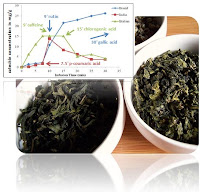
Effects of infusion times on phenol content of black tea (Ramalho. 2012)
If you have already listened to the podcast of yesterday's Science Round-Up on the Super Human Radio Website (click here if you haven't and wan't to know what the following is all about), I suppose you will not mind that I compiled some of the complex information about "optimal" tea brewing in the illustration to the right (based on Ramalho. 2012). The colored arrows indicate the time-points at which the given compounds in the tea achieved peak values. The exact time point is also given in minutes, so that a 9' in front of the green caffeine and on the left to the green arrow pointing at the 9 min point tells you "it took 9 minutes for the caffeine content to reach it's maximum in the British tea". The graph in the background shows the catechin concentration depending on the infusion time.

Cholinergenic nootropics - What a recent review says

I guess some of you will probably have heard about piracetam or lecithine as purported enhancers of cognitive function. According to a recent review in the Journal of Experimental Pharmacology those two are yet not the most prosing agents:
    Eggs are rich in choline which is an essential nutrient and was abundant in the classic BB diets (rear more)
  • Piracetam: no cerebroprotective effects in patients who have open heart surgery, but does help on non-open cardiopulmonary bypass surgery (Holinski. 2008), beneficial effects in response to cerbrovascular and cognitive disorders traumatic origin (Malykh. 2010), intravenous piracetam can prevent cognitive deficits in response to anesthesia (Fesenko. 2009)
  • Lecitin: does not improve cognitive deficits in patients (Amenta. 2011; Parnetti. 2007)
More promising "nootropics" - specifically in view of what most people do actually expect, when they buy such products.
  • Oxiracetam: improves cognitive performance except for patients with dementia (Malykh. 2010)
  • Citocoline: general neuroprotective effects (Alvares-Sabin. 2011), improvements in cognitive performance in healthy and patients and patients with dementia (Secades. 2010), helps with cognitive dysfunction in Parkinson's (Vale. 2008), helps with cognitive function in dementia of neurodegenerative and vascular origin (Parnetti. 2007), prevents cognitive decline after a stroke (Alvarez. 2011), improves recovery after stroke (Garcia-Cobos. 2010) 
  • Cerebrolysine: produces signifant cognitive improvements in vascular dementia (Guekht. 2011), effective for both cognitive function and behavioral symptoms in Alzheimer's (Alvarez. 2011), promising results in patients with Alzheimer's (Plosker. 2009)
And a couple of things you would not usually associate with nootropics:
  • Suggested read: Amino Acids for Super Humans on the effects and differences between the various forms of carnitine (read more).
    Acetyl-L-carnitine: improves cognitive performance in patients with encephalopathy, decreases anxiety and increases general energy and wellness, as well as fatigue and age-related cognitive deficits (Malaguernera. 2008, Liu. 2008),can reduce or block neuronal death in neurodegenerative diseases (Manusco. 2007), helps ammeliorate hyperammonemia (Cagnon. 2007)
  • Saffron extract: beneficial effects in mild to modest Alzheimer's  (Akhondzadeh. 2010)
  • DHA (fish oil): positive effects on verbal recognition memory in old subjects (Yurko-Mauro. 2010)
Interestingly, the most profound effects appear to be brought about by acetyl-l-carnitine. In that it's worth mentioning that the benefits could still be related to cholinergic mechanisms, since it has long been known that ALCAR can increase the expression of choline acetyltransferase activity in the central nervous system (Taglialatela. 1994). And the latter is, as the name implies, necessary to form the neurotransmitter acetylcholine .

Glutamine probably not suitable for chronic high dose supplementation

Czech scientists warn about the risks of chronic high dose glutamine supplementation. I know that many of you are still too bamboozeled by the "protein for everything and let the liver take care of any glucose demands I may have" theory, of which you could probably argue that it is the bastard child of the standard BB diet with low carb. Maybe the following recently published paper by a scientist from the Charles University in Prague can help cure this "disease" (and your cognitive problems, fatigue and brainfog).

According to Holecek, the chronic ingestion of glutamine / glutamine enriched diets in can lead to...
Figure 1: In the presence of high amounts of glutamine outside of the cell, the glutamine synthesis (GLN) and with it the ammonia detoxification from muscle tissue sucks (Holecek. 2012).
"(1) Alterations in amino acid transport-as GLN shares the transporters with other amino acids, enhanced GLN intake may impair amino acid distribution among tissues and their absorption in the gut and kidneys.

(2) Alterations in GLN metabolism-GLN supplementation may impair synthesis of endogenous GLN and enhance glutamate and ammonia production.

(3) Alterations in ammonia transport-GLN supplementation may impair ammonia detoxification and negatively affect the role of GLN as the carrier of ammonia among tissues.

(4) Abnormalities in aminoacidemia-increased plasma levels of GLN, glutamate, citrulline, ornithine, arginine, and histidine and decreased levels of valine, leucine, isoleucine, glycine, threonine, serine, and proline are reported.

(5) Alterations in immune system-as GLN has immunomodulating properties, the effect of chronic GLN consumption on the immune system needs to be assessed.

(6) Effect on tumor growth-it should be elucidated whether chronic intake of GLN increases the risk of cancer.

(7) Effect of the withdrawal of GLN supplementation-due to the adaptive response of the organism to enhanced GLN consumption, the withdrawal of GLN may enhance the risk of health problems resulting from GLN deficiency." (Holecek. 2012)
Remember the post on the ammonia induced peripheral and central fatigue with high dose chronic BCAAs supplementation?
In view of the fact that some people consumer up to 40g of glutamine regularly, Holecek demands that "long-term studies should be performed" to test the side effects and evaluate whether there is any benefit at all to justify chronic consumption of a GLN-enriched diet.

So, relying on glutamine instead of carbs, as smart as this idea appears to be in the current carbophobia, could actually make you stupid due to the disruption of the intracellular ammonia detoxification, which is not a problem in muscle only, but also in the brain.

In the end, what we are seeing here is just another instance of a disruption in the natural balance of things. Ornithine, citrulline and arginine, for example are involved in the detoxification of ammonia via the urea cycle. They are however not the only bottleneck to the system.

Obviously your liver and kidneys will have to handle the clearance. People with liver problems (or persons taking "supplements" or NSAIDs that may impair the liver function) are therefore particularly prone to hyperammonemic encephalopathy (Kanamori. 1996; Lemberg. 2009)

Bottom line: Glutamine, just like everything else, in moderation and by no means so much that your body runs on glutamine as fuel. Aside from the mentioned amino acids that help the clearance of ammonia from the blood stream, taurine appears to exert a direct protective affect in the brain (Chepkova. 2006), and lactulose (a fermentable carbohydrate) can reduce the ammonia influx from ammonia producing bacteria in the gut (Vince. 1980). So if you want to wear a helmet when you bang your head against the wall, these would be suggested "take supplement B in order to counter the side effects of supplement A" - side effects of a supplement you would not even have to take, by the way (100% bro-logic ;-)

References: 
  • Amenta F, Carotenuto A, Fasanaro G, Lanari A, Rea R, Traini E. Preliminary results of Ascomalva trial on the association of donepezil and choline alphoscerate in Alzheimer’s disease with associated cere-brovascular injury. G Gerontol. 2011;59:89–9.
  • Akhondzadeh S, Shaf iee Sabet M, Harirchian MH, Togha M. A 22-week, multicenter, randomized, double-blind controlled trial of Crocus sativusin the treatment of mild-to-moderate Alzheimer’s disease. Psychopharmacology (Berl). 2010;207:637–643.
  • Alvarez XA, Cacabelos R, Sampedro C, et al. Efficacy and safety of cerebrolysin in moderate to moderately severe Alzheimer’s disease: results of a randomized, double-blind, controlled trial investigating three dosages of cerebrolysin. Eur J Neurol. 2011;18: 59–68.
  • Alvarez-Sabín J, Román GC. Citicoline in vascular cognitive impair-ment and vascular dementia after stroke. Stroke. 2011;42(Suppl 1): S40–S43.
  • Cagnon L, Braissant O. Hyperammonemia-induced toxicity for the devel-oping central nervous system. Brain Res Rev. 2007;56:183–197.
  • Chepkova AN, Sergeeva OA, Haas HL. Taurine rescues hippocampal long-term potentiation from ammonia-induced impairment. Neurobiol Dis. 2006 Sep;23(3):512-21.
  • Fesenko UA. Piracetam improves children’s memory after general anaesthesia. Anestezjol Intens Ter. 2009;41:16–21. Polish
  • García-Cobos R, Frank-García A, Gutiérrez-Fernández M, Díez-Tejedor E. Citicoline, use in cognitive decline: vascular and degenerative. J Neurol Sci. 2010;299:188–192.
  • Guekht AB, Moessler H, Novak PH, Gusev EI; Cerebrolysin Investigators. Cerebrolysin in vascular dementia: improvement of clinical outcome in a randomized, double-blind, placebo-controlled multicenter trial. J Stroke Cerebrovasc Dis. 2011;20:310–318. 
  • Holecek M. Side Effects of Long-term Glutamine Supplementation. JPEN J Parenter Enteral Nutr. 2012 Sep 18.
  • Holinski S, Claus B, Alaaraj N, et al. Cerebroprotective effect of piracetam in patients undergoing coronary bypass surgery. Med Sci Monit. 2008;14:153–15.
  • Kanamori K, Ross BD, Chung JC, Kuo EL. Severity of hyperammonemic encephalopathy correlates with brain ammonia level and saturation of glutamine synthetase in vivo. J Neurochem. 1996 Oct;67(4):1584-94.
  • Lemberg A, Fernández MA. Hepatic encephalopathy, ammonia, glutamate, glutamine and oxidative stress. Ann Hepatol. 2009 Apr-Jun;8(2):95-102.
  • Liu J. The effects and mechanisms of mitochondrial nutrient alpha-lipoic acid on improving age-associated mitochondrial and cognitive dysfunction: an overview. Neurochem Res. 2008;33:194–203.
  • Mancuso C, Bates TE, Butterfield DA, et al. Natural antioxidants in Alzheimer’s disease. Expert Opin Investig Drugs. 2007;16:1921–1931.
  • Malaguarnera M, Gargante MP, Cristaldi E, et al. Acetyl L-carnitine (ALC) treatment in elderly patients with fatigue. Arch Gerontol Geriatr. 2008;46:181–19
  • Malaguarnera M, Gargante MP, Cristaldi E, et al. Acetyl-L-carnitine treatment in minimal hepatic encephalopathy. Dig Dis Sci. 2008;53: 3018–3025
  • Malykh AG, Sadaie MR. Piracetam and piracetam-like drugs: from basic science to novel clinical applications to CNS disorders. Drugs. 2010;70:287–31
  • Pantoni L. Treatment of vascular dementia: evidence from trials with non-cholinergic drugs. J Neurol Sci. 2004;226:67–70
  • Parnetti L, Mignini F, Tomassoni D, Traini E, Amenta F.  Cholinergic precursors in the treatment of cognitive impairment of vascular origin: ineffective approaches or need for re-evaluation? J Neurol Sci. 2007;257:264–269.
  • Ramalho SA, Nigam N, Oliveira GB, Alves de Oliveira P, Matos Silva TO, Passos dos Santos AG, Narain N. Effect of infusion time on phenolic compounds and caffeine content in black tea  Food Research International; 13 December 2012 [ahead of print]
  • Secades JJ. Citicoline: pharmacological and clinical review. Rev Neurol. 2010;52 Suppl 2:S1–S62.
  • Vale S. Current management of the cognitive dysfunction in Parkinson’s disease: how far have we come? Exp Biol Med (Maywood). 2008;233:941–951.
  • Vince AJ, Burridge SM. Ammonia production by intestinal bacteria: the effects of lactose, lactulose and glucose. J Med Microbiol. 1980 May;13(2):177-91.
  • Yurko-Mauro K. Cognitive and cardiovascular benefits of docosahexaenoic acid in aging and cognitive decline. Curr Alzheimer Res. 2010;7:190–196.

Saturday, June 9, 2012

Mono-Sodium Glutamate (MSG), NAFLD, Leptin Resistance, Trans-Fats, HFCS, Gluttony, Leaky Gut & Brain, the Vagus Nerve and the Chinese Restaurant Syndrome - Bon Appetit!

Image 1 (msg-exposed.com): Is obesity the inevitable, unnatural metabolic long-term equivalent of the dreaded "Chinese Restaurant Syndrome"?
Earlier today, I posted a blurb from a recently published epidemiological study on the effects of mono-sodium glutamate, aka MSG, an umami = all taste receptor activator that is commonly found in all sorts of ready made foods that would otherwise taste as lame as their individual fake ingredients, on the SuppVersity facebook wall (Insawang . 2012). The scientists had evaluated the data from 324 families (349 adult subjects, age 35–55 years) from a rural area of Thailand and found that the prevalence of metabolic syndrome was not just significantly higher in the tertile with the highest MSG intake, but that the "odds ratio", i.e. the chance that a certain parameter, in this case "obese, yes/no" would be found to be true, increased with every 1 g increase in total MSG intake irrespective of  the total energy intake and the level of physical activity.It took roughly 2 minutes for the first sharp-witted "SuppVersity student", in this case that was Wyatt Brown, to spot that post and ask what I believed could explain this observation.

Honestly, I had not really thought about that before, but simply assumed that the effects were probably mediated via not yet fully elucidated effects of dietary glutamate on the balance of excitatory and inhibitory neurotransmitters... after thinking about that for a moment I realized that in the absence of hyperphagia (i.e. extreme hunger and subsequently higher caloric intake), which was obviously not the case for the obese Thais with high MSG intakes, this explanation was not really satisfactory.

Does it all come back to food quality once again?

My next thought was that this could yet again be an issue of food quality vs. food quantity. After all, junk food and all sorts of foodstuff that's made with tons of food-additives to disguise their inferior, nutrient-poor and thus "tasteless" ingredients are the most likely candidates with respect to the MSG exposure in the Western and Eastern "developed" *rofl* world are concerned. In view of the fact that "diet quality" was (as so often) not among the variables Insawang et al. had assessed, their study did not allow for any conclusions in this respect, so that I had to dig deeper and came up with a couple of interesting findings,  I did not want to hold back from me (sorry, Stephen, for postponing the "HIIT Manual"-post, once again, but think about it like that, what's the use of working out if your MSG intake would quash your results anyway ;-)
  • * See figure 2 for exact data on the average daily human intake of MSG - with 91mg MSG /kg body weight, an amount that would translate to a daily intake of ~500+mg MSG in humans, the mice in the Collison were representative of the average American, yet not the Thai, Japanese and Korean MSG intake; against that background it is  important to note that MSG ingestion alone did not result in microscopic fat deposits in the liver. These effects were exclusively observed upon co-ingestion of the MSG with a diet with ~9% TFA content!
    "MSG intake at doses similar to human average daily intake[*] caused hepatic microsteatosis and the expression of beta-oxidative genes." - in a 2009 study, Collison confirmed the negative effects of even moderate MSG intake on liver health in a rodent model; only the common combination of trans-fatty acids (TFA) + MSG that is one of the main characteristics of modern "convenience" foods, did yet induce statistically significant increases in liver weight and hepatic triglyceride content; the increases in total, but also HDL cholesterol due to MSG + TFA were accompanied by profound increases in circulating leptin levels, probably in response to developing leptin resistance and increased storage of lipids in the white adipose tissue stores of the nine-week old C57BL/6J mice (Collison. 2009); in a follow up study Collison et al. confirmed that the double-whammy of trans-fatty acids + MSG becomes even more toxic if a third villain is added to the mixture, high fructose corn syrup (Collison. 2011) - and I don't have to tell you where in the human food chain you will find this unholy trinity, do I?
  • "MSG ingestion reduces weight gain, body fat mass, and plasma leptin levels" - in a 2008 trial Kondoh and Torii observed a very different and in fact surprisingly pronounced beneficial effect of the ingestion of a 1% solution (in biology this means 1g per 100ml) MSG resulted in decreases in weight gain, body fat mass and plasma leptin levels in male Sprague-Dawley rats irrespective of the energy content of their diets (!) and without effecting total energy intake or food intake, but in the presence of a profound decrease in 24h-water intake (2g vs. 9g); these effects were observed in both adult and young animals, in the latter without any negative side effects on the normal development of body length
    Figure 1: Leptin levels (ng/ml) on diets with different energy density and macronturient composition with or without MSG added to the water (data based on Kondoh. 2008)
    this leaves more than enough room to speculate about centrally mediated increases in energy expenditure in response to the ~20mg total MSG (equivalent to 33mg/kg for a rodent and a human equivalent dose of ~5.5mg/kg) intake of which Kondoh and Torii speculate that they may be "mediated via gut [glutamate] receptors functionally linked to the afferent branches of the vagus." (Kondoh. 2008); subsequent studies into the effects of MSG on the "gut brain axis" appear to support this hypothesis (cf. Kondoh. 2009a,b; Otsubo. 2011)
  • " MSG, in spite of mild hypophagia [reduced food intake], caused severe increase in fat body weight ratio, via leptin resistance" - in 2011 Afifi and Abbas, two researchers from the Department of Biochemistry at the Zagazig University in Egypt, report that feeding high amounts of MSG to pregnant rat dams had similar negative effects on body composition and leptin sensitivity as a hypercaloric diet and that despite an overall reduction in total food intake; moreover, despite similar gains in body fat, the negative effects on the offspring of those pregnant rats was more pronounced than in the rats on the "normal" hypercaloric diet (Afifi. 2011)
  • If you suffer from "Chinese Restaurant Syndrome", you should check whether increased gastrointestinal permeability could be the root cause of your problems and avoid all foods with any of the following "ingredients": E620 Glutamic acid, E621 Mono-sodium glutamate, E622 Mono-potassium glutamate, E623 Calcium diglutamate, E624 Mono-ammonium glutamate, E625 Magnesium diglutamate!
    "Findings from the literature indicate that there is no consistent evidence to suggest that individuals may be uniquely sensitive to MSG" - in one of the few reviews evaluating exclusively human studies, Freeman did not find any placebo controlled research that would confirm the universal existence of side-effects (e.g. headaches, chest pain, flushing, numbness or burning in or around the mouth, sense of facial pressure or swelling and sweating) as a direct consequence of the consumption of food-borne mono-sodium glutamate; e.g.
    "The present study led to the conclusion that 'Chinese Restaurant Syndrome' is an anecdote applied to a variety of postprandial illnesses; rigorous and realistic scientific evidence linking the syndrome to MSG could not be found." (Tarasov. 1993)
    instead, the author suggests that "unique sensitivities" could explain the documented case reports (Freeman. 2008 // see also Walker. 2000; Geha. 2000); given the emerging evidence of the existence of something you could call a "leaky brain" (in analogy to "leaky gut"), it appears likely that an unnaturally increased permeability of the blood-brain-barrier and subsequent penetration of large amounts of glutamate into the brain even at lower serum concentrations could well explain those differences (although not directly related to MSG, I would still like to point you to the results of a recently released study, which found a profound decrease in the permeability of the BBB in response to an oral 1mg/kg (HED ~0.16mg/kg) Lycium barbarum extract in an experimental stroke model; Yang. 2012)
  • "dietary antioxidants have protective potential against oxidative stress induced by MSG" - in 2006 Faromby and Onyema observed that previously described oxidative damage to the liver and subsequent steatosis (lipid accumulation) in response to the intra-peritoneal administration of ridiculously high amounts of MSG (4g/kg body weight) could be ameliorated by vitamin C + vitamin E + quercitin; these results suggest that exorbitantly high doses of MSG (human equivalent ~51g/day) are probably a result of an increase in reactive oxygen species
  • "after intragastric administration of MSG, the MSG is preferentially metabolized through gluconeogenesis in B6 mice, whereas thermogenesis is the predominant process for 129 mice" - in previous studies scientists had observed profound differences in terms of the effects of MSG on food intake and preference; in 2009 Bachmanov et al. traced those differences back to genetic polymorphisms and respective differences in the metabolic response to / utilization of MSG - if we assume that similar differences exist in human beings, those would provide another explanation for the different incarnations of the "Chinese Restaurant Syndrome" with the classic headaches, high blood pressure and sweating in people who would be long to the human equivalent of the 129 mice and the highly rewarding and appetite stimulating gluconeogenic (hepatic production of glucose from the glutamate) effects in those humans with a similar genetic programming as the B6 mice
I could certainly go on for hours, citing study after study with "evidence" and "counter-evidence", or rather what the respective authors consider as such, but I believe that you have read enough to see a couple of basic patterns emerge, here.
So what about those differences? Genes, dosages, or what?

One of these patterns is also brought up by Kondoha and Torii in the discussion of the results of their study (remember: decrease in body fat and increase in energy expenditure; purported mechanism = activation of glutamate receptors that are linked to the vagus nerve), in which the researchers state that they believe that the diametrically opposed results of their, compared to other studies (most of which report an increase not a decrease in body fat that is accompanied by increases in circulating leptin and decreases in leptin sensitivity and not vice versa as in the Kondoh study), may well be explained by
[previous] studies [being] designed specifically to produce toxic effects in the brain (where GLU is an excitatory neurotransmitter), through the administration of extremely high doses (2000 mg/kg or more, administered repeatedly) to infant animals, either by single, direct injection or intubation (Kondoh. 2008).
Those high dosages could in fact have lead to blood glutamate concentrations that would allow the flux of the excitatory amino acid even across intact blood-brain-barriers. The more realistic, orally administered dosages  Kondoh and Torii used in their experiment, on the other hand, did not induce any (not even statistically non-significant) elevations of serum glutamate levels.
Hence, the effects seen in the present study, as discussed above, are probably linked via a physiologic mechanism, to a local action of GLU in the gut, rather than via a pharmacologic/toxicologic mechanism to a distant action of exogenous GLU forced on the brain (Kondoh. 2008).
If you review the brief rundown of the literature I've provided in the previous paragraphs you will have to acknowledge the validity of this remark (remember: the steatosis in the Collison study required co-administration of trans-fatty acids /TFA/ and even then the increase solely due to MSG was marginal compared to that of the TFAs, alone).

Without a leaky gut, you would probably have to eat pure MSG all day to do harm

If you also take into account, that in healthy individuals only <5% of the dietary glutamate are actually absorbed into systemic circulation, while the rest is used as an oxidative substrate by the intestinal mucosa (Smriga. 2007), the difference between thhe orally consumed 33mg/kg MSG that helped the rodents in the study by Kondoh and Torii to lean out and the intraperitoneally injected 4,000mg/kg that were necessary to induce the touted hepatic side effects in the study by Faromby and Onyema are way above the average intake even the worst offenders among the MSG abusers are exposed to (cf. figure 2):
Figure 1: Average per capita daily MSG intake in different countries (adapted from Löliger. 2000)
Even if we discard the oxidative loss within the intestine, those 4,000mg/kg for a rodent (in previous studies Onyema et al. had even used 6,000mg/kg to elicit the hepatic damage; Onyema. 2006) would translate to ~650mg/kg in humans and would mean that you would have to shovel down anywhere between 32g and 64g of pure MSG (depending on whether you weigh 50 or 100kg), i.e. 20-40x more than the average daily intake of a Korean (note: The "rodent model of MSG induced obesity" is induced by injection of 10,000mg/kg body weight; cf. Bunyan. 1976) and the whopping MSG equivalent of 400-800ml of soy sauce (avg. MSG content 80mg/ml), which is probably the worst offender in the E-number-laden ingredient arsenal of the Asian cuisine.

Figure 3: Protein-bound and free glutamate content of "high" glutamate foods (left) and total glutamate content of selected plant proteins (right; data adapted from Loliger. 2000)
Your best bet to ingest similar amounts of free glutamate from real foods is, as the data from a review by Loliger suggests (cf. figure 3), would be parmesan cheeese, but in all honesty, in view of the fact that you would have to consume 2.6kg of the Italian delicacy, it is pretty unlikely that the glutamate and not the sheer amount of pure energy in the cheese would be the underlying reason for subsequent weight gain. Against that background it should not be surprising that negative side-effects as they occur as a result of high to unrealistically high MSG intakes and or in especially susceptible individuals, are not exactly common in people who don't eat out and/or consume pre-packaged convenient foods on a regular, if not daily basis.

Too much of a vitally important thing at the wrong time and as part of the wrong foods...

The mere presence of non-negligible amounts of glutamate in all sorts of "real" foods, should yet remind you that glutamate is not a toxin, or a "foreign substance" we are not evolutionary adapted to, but an amino acid that is of utmost importance for the health of your central nervous system (Platt. 2005). So that at the end of this analysis we may not be back at square one, but still have to concede that it brought us back to a set of very common motifs here at the SuppVersity:
  • When consumed in excess, substances that are good, healthy, beneficial and even "vitally" (=vitamin ;-) important can easily turn against you
  • When substances do not have to pass the gut, the dose-response relationship can differ so substantially that results that are acquired using route A (e.g. intraperitoneal injection) cannot simply be transfered to scenarios employing different administration routes (e.g. oral ingestion)
  • Inter-individual/-species differences and differences between healthy and unhealthy individuals / animals, warrant utmost caution, when it comes to interpreting data - the "Chinese Restaurant Syndrome", for example, could be a result of increased gut and blood-brain-barrier permeability that would lead to an increased absorption of glutamate from the intestine into the blood and from there across the blood-brain-barrier right into the brain.
  • Oftentimes, differences due to the aforementioned factors are not of simple quantitative, but of qualitative nature, in the case of MSG this would be the difference between the metabolic activation in response to the local activation of glutamate receptors in the gut that are connected to the vagus nerve, on the one hand, and the systemic / central obesogenic (fattening) effects of glutamate that leaks from the gut into the blood and from there into the brain.
And lastly, to eventually come full circle and remind you of the results of Collison et al., we cannot ignore that MSG is one of those substances that is usually found in foods with a whole host of other nutrient-poor ingredients, anti-nutrients and proven obesogenic, pro-inflammatory and otherwise unhealthy substances and food additives. They are wrapped in plastics have an extended shelf life due to tons of preservatives and highly adorned with stickers and labels saying "low this", "extra that", "only X amounts of calories", etc. - as long as you avoid those foods on 360+ days of the year, prepare your meals from whole foods, don't dine at cheap restaurants, fast-food outlets and snack bars too often or try to find the "optimal amount of supplemental MSG to stimulate your vagus nerve and help you shed fat" *lol*, you can calmly watch the ever-recurring MSG scares on the Internet and other mass media ;-)

References:
  1. Afifi MM, Abbas AM. Monosodium glutamate versus diet induced obesity in pregnant rats and their offspring. Acta Physiol Hung. 2011 Jun;98(2):177-88.
  2. Bachmanov AA, Inoue M, Ji H, Murata Y, Tordoff MG, Beauchamp GK. Glutamate taste and appetite in laboratory mice: physiologic and genetic analyses. Am J Clin Nutr. 2009 Sep;90(3):756S-763S. Epub 2009 Jul 1.
  3. Bachmanov AA, Inoue M, Ji H, Murata Y, Tordoff MG, Beauchamp GK. Glutamate taste and appetite in laboratory mice: physiologic and genetic analyses. Am J Clin Nutr. 2009 Sep;90(3):756S-763S. Epub 2009 Jul 1.  
  4. Bunyan J, Murrell EA, Shah PP. The induction of obesity in rodents by means of monosodium glutamate. Br J Nutr. 1976 Jan;35(1):25-39.
  5. Collison KS, Maqbool Z, Saleh SM, Inglis A, Makhoul NJ, Bakheet R, Al-Johi M, Al-Rabiah R, Zaidi MZ, Al-Mohanna FA. Effect of dietary monosodium glutamate on trans fat-induced nonalcoholic fatty liver disease. J Lipid Res. 2009 Aug;50(8):1521-37. Epub 2008 Nov 11.  
  6. Collison KS, Zaidi MZ, Saleh SM, Makhoul NJ, Inglis A, Burrows J, Araujo JA, Al-Mohanna FA. Nutrigenomics of hepatic steatosis in a feline model: effect of monosodium glutamate, fructose, and Trans-fat feeding. Genes Nutr. 2012 Apr;7(2):265-80. Epub 2011 Dec 6. 
  7. Farombi EO, Onyema OO. Monosodium glutamate-induced oxidative damage and genotoxicity in the rat: modulatory role of vitamin C, vitamin E and quercetin. Hum Exp Toxicol. 2006 May;25(5):251-9.
  8. Freeman M. Reconsidering the effects of monosodium glutamate: a literature review. J Am Acad Nurse Pract. 2006 Oct;18(10):482-6.nonalcoholic fatty liver disease. J Lipid Res. 2009 Aug;50(8):1521-37. Epub 2008 Nov 11.
  9. Geha RS, Beiser A, Ren C, Patterson R, Greenberger PA, Grammer LC, Ditto AM, Harris KE, Shaughnessy MA, Yarnold PR, Corren J, Saxon A. Review of alleged reaction to monosodium glutamate and outcome of a multicenter double-blind placebo-controlled study. J Nutr. 2000 Apr;130(4S Suppl):1058S-62S.
  10. Hermanussen M, García AP, Sunder M, Voigt M, Salazar V, Tresguerres JA. Obesity, voracity, and short stature: the impact of glutamate on the regulation of appetite. Eur J Clin Nutr. 2006 Jan;60(1):25-31. 
  11. Insawang T, Selmi C, CHa'on U et al. Monosodium glutamate (MSG) intake is associated with the prevalence of metabolic syndrome in a rural Thai population. Nutrition & Metabolism 2012, 9:50 doi:10.1186/1743-7075-9-50
  12. Iwase M, Ichikawa K, Tashiro K, Iino K, Shinohara N, Ibayashi S, Yoshinari M, Fujishima M. Effects of monosodium glutamate-induced obesity in spontaneously hypertensive rats vs. Wistar Kyoto rats: serum leptin and blood flow to brown adipose tissue. Hypertens Res. 2000 Sep;23(5):503-10.
  13. Kondoh T, Torii K. MSG intake suppresses weight gain, fat deposition, and plasma leptin levels in male Sprague-Dawley rats. Physiol Behav. 2008 Sep 3;95(1-2):135-44. 
  14. Kondoh T, Tsurugizawa T, Torii K. Brain functional changes in rats administered with monosodium L-glutamate in the stomach. Ann N Y Acad Sci. 2009a Jul;1170:77-81.
  15. Kondoh T, Mallick HN, Torii K. Activation of the gut-brain axis by dietary glutamate and physiologic significance in energy homeostasis. Am J Clin Nutr. 2009b Sep;90(3):832S-837S.
  16. Loliger J. Function and importance of glutamate for savory foods. J Nutr. 2000 Apr;130(4S Suppl):915S-20S. 
  17. Otsubo H, Kondoh T, Shibata M, Torii K, Ueta Y. Induction of Fos expression in the rat forebrain after intragastric administration of monosodium L-glutamate, glucose and NaCl. Neuroscience. 2011 Nov 24;196:97-103.
  18. Onyema OO, Farombi EO, Emerole GO, Ukoha AI, Onyeze GO. Effect of vitamin E on monosodium glutamate induced hepatotoxicity and oxidative stress in rats. Indian J Biochem Biophys. 2006 Feb;43(1):20-4.
  19. Pavlovic V, Sarac M. The role of ascorbic acid and monosodium glutamate in thymocyte apoptosis. Bratisl Lek Listy. 2010;111(6):357-60. 
  20. Platt SR. The role of glutamate in central nervous system health and disease--a review. Vet J. 2007 Mar;173(2):278-86.
  21. Ren X, Ferreira JG, Yeckel CW, Kondoh T, de Araujo IE. Effects of ad libitum ingestion of monosodium glutamate on weight gain in C57BL6/J mice. Digestion. 2011;83 Suppl 1:32-6. Epub 2011 Mar 10. 
  22. Smriga M. COFAG comments on: "Monosodium glutamate-induced oxidative damage and genotoxicity in the rat: modulatory role of vitamin C, vitamin E and quercetin". Hum Exp Toxicol. 2007 Oct;26(10):833-4; author reply 835-6. 
  23. Tarasoff L, Kelly MF. Monosodium L-glutamate: a double-blind study and review.
    Food Chem Toxicol. 1993 Dec;31(12):1019-35.
  24. Walker R, Lupien JR. The safety evaluation of monosodium glutamate. J Nutr. 2000 Apr;130(4S Suppl):1049S-52S.
  25. Yang D, Li SY, Yeung CM, Chang RC, So KF, Wong D, Lo AC. Lycium barbarum extracts protect the brain from blood-brain barrier disruption and cerebral edema in experimental stroke. PLoS One. 2012;7(3):e33596. Epub 2012 Mar 16.

Friday, April 20, 2012

Use Glutamine to Heal the Gut and Hinder Your Gut Bacteria from Eating Away Your BCAA, Arginine and Other Aminos

Image 1: Don't do this at home. A pig with cannules that have been dug into its digestive tract to study chemical enzymatic and microbial actions (University of Illinois)
With terms like "the leaky gut syndrome" and the usual quick (and not so quick) fixes a la "solutions for a leaky gut" being all over the blogosphere, I suspect that I am not telling you anything new, when I say that there is reasonable scientific evidence that glutamine is good for your gut (nice alliteration, by the way ;-). That it is yet also "good" for the bacteria in your gut may be news to you. According to a recently published study by scientists from the Laboratory of Gastrointestinal Microbiology, at the Nanjing Agricultural University in Nanjing, China, dietary l-glutamine can exert direct regulatory effects on the amino acid utilization of your gut bacteria - specifically their uptake and use of l-arginine and related amino acids (Dai. 2012).

"Hey, you gut bug, leave my arginine alone!"

It has been known forever that l-glutamine is the most abundant amino acid in the body. It's sheer ubiquitousness and rapid turnover relfect its crucial role in whole body nutrient metabolism and health. While fitness and health enthusiasts have long been mislead to believe that glutamine would exert direct ergogenic effects (cf. Amino Acids for SuperHumans: Part IV - Glutamine), scientists and laymen alike are now zoning in on its protective effects on the integrity and function of the small intestine. In this context it has recently become clear that
... AA [amino acid] metabolism in the small intestine plays important roles in the regulation of whole-body AA homeostasis. [...] Recent studies suggest that bacteria in the small intestine are active in the metabolism of AA, especially lysine, threonine, arginine, glutamate and glutamine. The rapid utilization and metabolism of glutamine by small-intestinal bacteria supports the view that glutamine is a key regulator of the survival and growth of bacteria in the intestine through the regulation of the bacterial metabolism of nitrogenous compounds particularly AA.
The usage of glutamine by your gut bacteria is yet not the only physiologically significant interaction between dietary glutamine and the billions of microorganisms in your gastrointestinal tract. According to Dai et al. glutamine may also affect the utilization and metabolism of other amino acids by small-intestinal bacteria "and metabolism in small-intestinal bacteria, and thusly influence the "the production and profile of nitrogenous compounds in the lumen of small intestine and whole-body amino acid homeostasis."

Complex interactions with a simple solution? Ramp up your glutamine intake!?

As you can see in figure 1 the influence of dietary glutamine on the uptake of nitrogen amino acids by Streptococcus sp., Escherichia coli, Klebsiellasp. and a number of jejunal mixed bacteria or ileal mixed bacteria from the small intestine of pigs (as omnivores they have a very similar digestive tract as humans) was profound, yet dose depended and overall pretty complicated.
Figure 1: Change in utilization [nmol /( 10 cells 3h )] of amino acids from the l-arginine family by small intestinal bacteria subsequent to incubation with 0, 0.5, 1, 2 and 5 mmol/L l-glutamine (data adapted from Dai. 2012)
While the incubation of the bacteria with different amounts of l-glutamine lead to increases and decreases of amino acids from the l-arginine family (cf. figure 1), its addition to a medium with the three BCAAs, leucine, isoleucine and valine (cf. figure 2) led to dose-dependent decreases in all three branched-chain amino acids and may thusly explain why direct ergogenic effects of l-glutamine usually occur in the context of low protein diets, only.
Figure 2: Change in utilization [nmol /( 10 cells 3h )] of branched-chain amino acids by small intestinal bacteria subsequent to incubation with 0, 0.5, 1, 2 and 5 mmol/L l-glutamine (data adapted from Dai. 2012)
The addition of glutamine to low protein diets (and or low dose BCAA supplements) may simply facilitates that the small amount of BCAAs that is present in the die / supplement, will actually make it to the gut border and into your system (and is not "eaten by bacteria" before), where it (and leucine in particular) is then able to exert its mTOR-mediated protein synthetic effects.

Species, dosage and amino acid dependence - further investigations necessary

If you take a look at all the data from the Dai study, it is immediately evident that things are way more complicated than a cursory look at the graphs in figure 1-2 would suggest:
  • the net effect on the metabolism of amino acids from the arginine-family is particularly pronounced; the production / conversion of arginine to ornithine and citrulline increased and the overall use of arginine by the bacteria decreased (in some cases profoundly) 
  • the increased glutamate production from E. coli could be of particular importance, in view of the multi-faceted function of glutamate in the mammalian (and thusly human, as well) metabolism
  • the decrease in the utlization of BCAAs, but also the amino acids from the serine aspartate family, i.e. l-alanine, l-asparagine, l-aspartate, glycine, l-serine and l-threonine allow for a greater uptake and utilization of these physiological important amino acids by the enterocytes
All these factors lead the scientists to conclude that high enough amounts of dietary or supplemental "glutamine [are] not only nutritionally important, but also crucial for maintaining gut health and function", because
  • Illustration 1: Potential gut microbiome mediated benefits of higher dietary or supplemental l-glutamine intake; maybe it's still worth taking although it's not a proven ergogenic
    they will fulfill the glutamine requirements of the potential pathogenic bacteria E. coli and Klebsiellasp. and thusly make up for their detrimental effect on the amino acid availability of the host
  • the thusly well-nurished and healthy gut lining protects the host (you) from bacterial invasion and infection
  • with their role in the intestinal signaling pathways, the increased availability of arginine, amino acids from the arginine family and their related metabolites like agmatine and polyamines can exert direct regulatory effects on gut function and integrity
  • there is emerging evidence that the degradation of serine and aspartate, which was reduced in the presence of larger amounts of glutamine, is a major factor contributing to the (over-)colonization of the small intestine with bacteria and the production of virulence factors in the intestine
Despite the fact that these results were obviously obtained by scientists interested in the development of effective feeding strategies for foodstock (ruminents with their large amount of bacteria in particular), the notion that higher glutamine intakes may exert (likely) beneficial effects on both amino acid availability, as well as gastrointestinal integrity and overall health appears to confirm the existing anecdotal evidence that glutamine-rich foods and supplements could make an important, if not essential contribution to your gastro-intestinal and metabolic health.

Tuesday, February 8, 2011

Scientific Evidence Links High Carbohydrate Intake to the Development of Alzheimer's and Other Neurological Diseases

"Fats are bad, carbs are healthy!" I hope nobody out there still believes this late 20th Century slogan. If you do, chances are you will soon forget about it due to the neuronal damage you are inflicting to your brain by eating a high carb diet.

In a very recent review, a group of international scientists (Seneff. 2011) summarize the current state of research as follows:
[...] an excess of dietary carbohydrates, particularly fructose, alongside a relative deficiency in dietary fats and cholesterol, may lead to the development of Alzheimer's disease. A first step in the pathophysiology of the disease is represented by advanced glycation end-products in crucial plasma proteins concerned with fat, cholesterol, and oxygen transport. This leads to cholesterol deficiency in neurons, which significantly impairs their ability to function. Over time, a cascade response leads to impaired glutamate signaling, increased oxidative damage, mitochondrial and lysosomal dysfunction, increased risk to microbial infection, and, ultimately, apoptosis. 

They also compiled a comprehensive list of take-home-massages, some of which may have far reaching consequences:
  • Researchers have identified mitochondrial dysfunction and brain insulin resistance as early indicators of Alzheimer's disease.
  • ApoE-4 is a risk factor for Alzheimer's disease, and ApoE is involved in the transport of cholesterol and fats, which are essential for signal transduction and protection from oxidative damage.
  • The cerebrospinal fluid of Alzheimer's brains is deficient in fats and cholesterol.
  • Advanced glycation end-products (AGEs) are present in significant amounts in Alzheimer's brains.
  • Fructose, an increasingly pervasive sweetening agent, is ten times as reactive as glucose in inducing AGEs.
  • Astrocytes play an important role in providing fat and cholesterol to neurons. [...]
  • Glycation damage interferes with the LDL-mediated delivery of fats and cholesterol to astrocytes, and therefore, indirectly, to neurons. [...]
  • Synthesis of the neurotransmitter, glutamate, is increased when cholesterol is deficient, and glutamate is a potent oxidizing agent.
  • Over time, neurons become severely damaged due to chronic exposure to glucose and oxidizing agents, and are programmed for apoptosis due to highly impaired function. [...]
  • Simple dietary modification, towards fewer highly-processed carbohydrates and relatively more fats and cholesterol, is likely a protective measure against Alzheimer's disease.
So, if you have not already forgotten what you just read, make sure to cut back your carbohydrate consumption, limit fructose intake and stop being afraid of fats and cholesterol before you cannot remember anymore.

Monday, August 30, 2010

L-Ornithine HCL as an Ammonia-Buffer for Hard Training Athletes

Figure 1: Chemical structure of
L-ornithine (HMDB v2.5)
Habitual readers of the SuppVersity will be familiar with the ergogenic effects of l-ornithine. A recent study by Demura et al. (Demura. 2010) verified the immediate effect of l-ornithine supplementation on ammonia and glutamate metabolism. In their 14 healthy young volunteers, who trained regularly, the scientists observed significant increases in plasma ammonia and glutamate upon supplementation of 0.1.g/kg body weight before the subjects conducted incremental exhaustive ergometer bicycle exercises. Interpreting their results as follows,
although the ingestion of L-ornithine hydrochloride before the exercise cannot be expected to improve performance, it does increase the ability to buffer ammonia, both during and after exercise,
Demura et al. are yet reluctant to postulate a direct effect on exercise performance.Such an effect has however already been reported in the 2008 study by Sugino et al., I already referred to in the introductory sentence of this item.