Showing posts with label back squat. Show all posts

Saturday, February 18, 2017

Barbell Squats - Research Update: Bar Placement, ROM and Muscle Activation | Plus: What's 'Best' for Strength & Size?
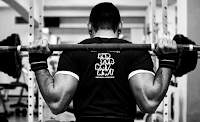
Where on your traps you place the bar makes a huge difference in biomechanics.
This is not the first article in which I try to shed the light of science on the effects of full vs. partial squats. The effect of where you place the bar during the barbell back squat, however, hasn't been addressed in detail in previous SuppVersity articles.

In fact, I would guess that the novices among the SuppVersity readers may not even be aware that where you place the bar on your traps may significantly affect your biomechanics and, eventually, your training outcomes.
Learn more about the squat and related exercises at the SuppVersity

Partial Squat = Full Strength

100 Body Weight Squats ➯ Jacked

Discontinue Sets Up Your Gais

Full ROM ➯ Full Gains!

Full-Body vs. Split for Athletes

Squat, Bench, Deadlift for Gainz
As Glassbrook et al. (2017) point out in their latest paper, there are two different variations of the back-squat, differentiated by the placement of the barbell on the trapezius musculature. More specifically, there's
  • the traditional “high-bar” back-squat (HBBS) which is performed with the barbell placed across the top of the trapezius, just below the process of the C7 vertebra, and is commonly used by Olympic weightlifters to simulate the catch position of the Olympic weightlifting competition lifts; the snatch and clean and jerk and, conversely...
  • the “low-bar” back squat (LBBS) where you place the barbell on the lower trapezius, just over the posterior deltoid and along the spine of the scapula, and which is commonly used in competitive powerlifting as it may enable higher loads to be lifted (32).
If you've paid attention in your physics classes at school, you will know that the bar-placement will directly affect your body's center of mass. With the LBBS squat maximizing the posterior displacement of the hips, and increased force through the hip joints in comparison to the knee joints. Details about the potentially far-reaching effects of the modified center of mass are scarce. Glassbrook et al. even go so far to say that "there is no consensus as to the differences between the two back-squat barbell positional variations". Accordingly, the goal of their study was to "compare and contrast the differences in joint angles and Fv of the HBBS and LBBS, up to and including maximal effort, in an effort to create a full profile of the two BBS variations in groups both well versed and newly introduced to these movements" (Glassbrook 2017).

Where you place the bar depends on your sport.

For their study, the scientists from the  Sports Performance Research Institute New Zealand  and the High Performance Sport New Zealand recruited six male powerlifters (height: 179.2 ± 7.8 cm; bodyweight: 87.1 ± 8.0 kg; age: 27.3 ± 4.2 years) of international level, six male Olympic weightlifters (height: 176.7 ± 7.7 cm; bodyweight: 83.1 ± 13 kg; age: 25.3 ± 3.1 years) of national level, and six recreationally trained male athletes (height: 181.9 ± 8.7 cm; bodyweight: 87.9 ± 15.3 kg; age: 27.7 ± 3.8 years). All subjects performed the LBBS, HBBS, and both LBBS and HBBS (respectively) with weight up to and including 100% of their individual 1RM. 
Figure 1: Representation of the order of familiarization and testing dates for the comparison group (Glassbrook 2017).
As the authors point out, only a small to moderate (d = 0.2-0.5) effect size difference was observed between the powerlifters and Olympic weightlifters in joint angles and ground reaction forces (Fv) -with none of them achieving statistical significance. 
Figure 2:  Distance of center of pressure to bar results at 74-100% 1RM; negative numbers indicate a distance behind the center of pressure; the higher this number the greater the involvement of the posterior chain and the lower the contribution of the knee musculature; note: for Gymrats the difference is much smaller than for the extremes, i.e. the Olympic lifters with their high bar and the powerlifters with their low bar placement (Glassbrook 2017).
The latter is in contrast to the significant difference between pros (O-lifters and powerlifters) and recreational athletes where the joint angles and thus the positioning of the bar relative to the center of gravity differed significantly. This observation clearly underlines the effect of resistance training experience and technical proficiency but does not contribute significantly to the scientists' conclusions that ...
Effects of bar placement (originally by Mark Rippetoe).
  • practitioners seeking to place em-phasis on the stronger hip musculature should consider placing the bar in the lower position (LBBS) to increase the distance to the center of mass.
  • practitioners who want to lift the greatest load possible should likewise prefer LBBS 
  • practitioners who train for sports with a more upright torso position (such as the snatch and clean) should rely on the high bar placement and thus a lower distance between bar and the center of mass, which will emphasize the musculature of the knee joint
Similar practically relevant conclusions can also be derived from da Silva's 2017 paper on the muscle activation during the partial and full back squat. As previously pointed out, it is by no means the first investigation into the differential muscle activity of full (or deep) and partial barbell squats, but there's something that makes it particularly interesting.

How deep you should squat depends on your goals.

In contrast to other studies, da Silva, et al. (2017) decided to accommodate for the changes in external load (you can obviously lift much more on the partial squat), which would, in turn, affect and thus mess with the EMG results. In their study, the comparison was, therefore, load-equated and should thus give us an excellent idea of the individual effect of doing full vs. partial squats irrespective of the increased load you can lift if you don't go all the way down.
"Our study utilized a randomized and counterbalanced design with repeated measures to evaluate muscle activation between the partial and full back squat exercise with relative external load equated between conditions. All subjects performed a ten repetition maximum (10RM) test equated for each back squat condition (partial and full back squat). The range of motion was determined by an electrogoniometer on the knee oint, and all subjects performed both conditions in a self-selected cadence. Surface electromyography was measured from the vastus lateralis (VL), vastus medialis (VM), rectus femoris (RF), biceps femoris (BF), semitendinosus (ST), erector spinae (ES), soleus (SL), and gluteus maximus (GM). All electromyographic data were defined by the electrogoniometer data, characterizing both the concentric and eccentric phase of each repetition. The rating of perceived exertion (RPE) was evaluated after each back squat condition" (da Silva. 2017)
With 3-7 years of strength training experience, the 15 subjects in da Silva's study were also better trained than the participants in a lot of other studies - a fact of which the previously discussed paper by Glassbrook showed that it can make a significant difference in terms of how the squat is performed and thus how the individual muscle activity is affected on the testing day, when the subjects performed one set of 10RM for each back squat condition:
  • partial back squats with 0-90° knee flexion and 
  • full squats squats with 0-140° knee flexion.
The subjects’ feet were positioned at hip width and vertically aligned with the barbell position. The barbell was positioned on the shoulders (high-bar position) for all subjects and experimental conditions. A rest period of 30-min was provided between conditions.
Figure 3: Mean and standard deviation of RMS EMG in different back squat conditions (partial and full). *Means significantly less between amplitudes, p < 0.05 (da Silva. 2017), vastus lateralis (VL), medialis (VM), rectus femoris (RF), gluteus maximus (GM), biceps femoris (BF), semitendinosus (ST), soleus (SL), erector spinae (ES).
The data-analysis showed similar overall muscle activation patterns of the quadriceps femoris with both versions of the back squat. A significantly higher muscle activation of the gluteus maximus, biceps femoris, and erectors spinae, however, was noted in the partial versus full condition.
Contreras et al. (2016) recently com-pared the muscle activity in partial vs. full back vs. front squats. Going deep on both front and back squats increa-sed the vastus lateralis activity but decreases glute+hamstring activity.
Lower activity, greater gains? No, the results of the study at hand are not unique. Only recently Crontreras et al. saw a similar superior effect of partial squats on the peak and avg. activity of the lower glutes and hamstrings (see figure to the left). But don't worry: As explained below, the fact that the overall increase in leg lean mass tends to be greater in previous studies with the full squat could be due to (a) an increased total workload (measured as weight x distance the weight travels) and (b) training the muscle at long muscle lengths. The latter would be in line with the previously discussed observations from Drinkwater et al. (2016), who observed greater increases in muscle size, but smaller increases in strength (which rely at least partly on optimized muscle activation patterns and may thus be better predicted by EMG measures) in their 2016 study.
This may come as a surprise, as Bloomquist et al. (2013) and McMahon et al. (2014) "have shown superior muscular hypertrophy" (da Silva. 2017) when squatting through the full range of motion. Whether this effect is, in fact, a result of an increased muscle activity or, as da Silva et al. speculate, a simple consequence of an extension of the time under tension remains elusive because there's no muscle activation data available for the Bloomquist study. Accordingly, full squats wouldn't build more muscle because of an increased muscle activity, but despite a lower muscle activity and due to an increased training volume (measured as weight x distance across it was moved).
Figure 4: Total leg lean mass and individual CSA changes in the front and back thigh in the Bloomquist study.
In addition to the volume, the repeatedly observed superior hypertrophic response to full vs. partial squats may, as da Silva et al. likewise point out, as well be "be due to training at long muscle lengths, which has been shown to promote greater increases in cross-sectional area compared to training at shorter muscle lengths" (da Silva 2017; cf. Noorkõiv 2014). The latter may, in fact, have a profound effect on the adaptive response that overrides the already small benefits in muscle activity da Silva et al. observed in the study at hand.
The "optimal" squatting depth (and positioning of the bar) will always depend on your individual biomechanics, your squatting technique and - most importantly - your individual training goals. Drinkwater et al., for example, have shown in their 2016 study that found superior strength increases with partial vs. full squats. Their study should remind you that what's "optimal" will always depend on your individual biomechanics, your squatting technique and - most importantly - your individual training goals.
So what's the verdict, then? Training with a low bar position over the full range of motion will probably yield the greatest gains in total leg mass. That's at least what the individual results of the two studies at hand and the previously discussed evidence of a superior hypertrophy response to squatting over the full range of motion (Bloomquist 2013; McMahon 2014) suggest. With the increased muscle activity during the parietal (90°) squat and the results of the previously discussed study by Drinkwater, et al., however, there's partial squats, especially if they are done with the maximal weight you can lift for a given number of reps, may eventually be the better choice for athletes looking to maximize strength, not size gains.

Eventually, it is important to understand, though, that it would be dumb to assume that there's a 'single best way of squatting' that works for everyone. After all, individual biomechanics, your squatting technique and, most importantly, your training goals and the requirements of your sport will always determine what's "optimal" for you during a specific phase of your training | Comment on Facebook!
References:
  • Bloomquist, K., et al. "Effect of range of motion in heavy load squatting on muscle and tendon adaptations." European journal of applied physiology 113.8 (2013): 2133-2142.
  • Contreras, Bret, et al. "A comparison of gluteus maximus, biceps femoris, and vastus lateralis electromyography amplitude in the parallel, full, and front squat variations in resistance-trained females." Journal of applied biomechanics 32.1 (2016): 16-22.
  • da Silva, Josinaldo Jarbas, et al. "Muscle Activation Differs Between Partial And Full Back Squat Exercise With External Load Equated." The Journal of Strength & Conditioning Research (2017).
  • Glassbrook, Daniel J., et al. "The high-bar and low-bar back-squats: A biomechanical analysis." The Journal of Strength & Conditioning Research (2017).
  • McMahon, Gerard E., et al. "Impact of range of motion during ecologically valid resistance training protocols on muscle size, subcutaneous fat, and strength." The Journal of Strength & Conditioning Research 28.1 (2014): 245-255.
  • Noorkõiv, Marika, Kazunori Nosaka, and Anthony J. Blazevich. "Neuromuscular adaptations associated with knee joint angle-specific force change." Medicine and science in sports and exercise 46.8 (2014): 1525-1537.

Friday, August 12, 2016

Full Squat for Full Size Gains, Partial Squat for Full Strength Benefits - Heavy(/-ier) Weights for Both Size & Strength

In most, but unfortunately not all studies, this would be a partial squat...
The latest resistance training study from the Charles Sturt University comes to a somewhat expected suggestion in the practical implications: "[R]esistance training programs designed to change body composition (e.g., hypertrophy, fat loss) are reliant not so much on power and force but more on total work performed, high-intensity FROM [full range of motion] squats should be the focus" (Drinkwater. 2016).

Unsurprising for everyone, who has read the previous SuppVersity articles, in which I've often argued for "full squats for full development".
Different ROMs may also be used as part of classic periodization schemes.

30% More on the Big Three: Squat, DL, BP!

Mix Things Up to Make Extra-Gains

Linear vs. Undulating Periodizationt

12% Body Fat in 12 Weeks W/ Periodizatoin

Detraining + Periodization - How to?

Tapering 101 - Learn How It's Done!
The argument here was yet based on a comparison of 50° (=very shallow) and 90° squatting which is still far away from the ass to the ground squat you would see and expect in a "full squat" and thus the PROM vs. FROM classification Drinkwater et al. used in the study I want to focus on in today's SuppVersity article. Here, the authors modified both the range of motion (ROM) and the load (67% 1 repetition maximum [1RM] or 83% 1RM) thus ending up at a comparison between the following 4 squatting regimen:
  • Table 1: The four conditions of the independent variable across 2 different relative intensities and 2 different ranges of motion (Drinkwater. 2016).
    FROM10 - full range of motion = 120° knee angle at 67% of the 1RM
  • FROM5 - full range of motion = 120° knee angle at 83% of the 1RM
  • PROM10 - partial range of motion = quads parallel to floor at 67% of the 1RM max squat
  • PROM5 - partial range of motion = quads parallel to floor at 83% of the 1RM max squat
Eventually, we are thus comparing "partial", as in only to parallel, to real "full" squats, as in ass towards the ground - FROM10, is a full squat performed with a weight you can handle for 10 rep, while PROM5 is a squat to parallel with a weight that's high enough to have you fail after 5 reps... any question left? Maybe the scientists' own tabular overview in Table 1 can help.
Partial and full are not defined: When you decide to do some additional research on the topic of partial vs. full reps, be careful with what you read in abstracts. Often the definition of "partial" and "full" is very different from the (logical) one in the study at hand, where a squat to parallel is - just as it is actually the case "partial" - and a "full" squat is a squat beyond parallel to a knee angle of ~120° - that's something you must keep in mind when reading other studies.
As the authors rightly point out, the squat is used and even prescribed in commercial gyms. It is, however, not just "technical[ly] difficult", but also an exercise many trainers and trainees give and receive very "poor instruction" on (Chiu. 2009) - and that's not just because many trainers have no idea what they are talking about, it's also because of contradictory evidence from scientific studies that makes it difficult to give science-based advise:
  • Caterisano et al. (2002), for example, concluded that, of the hip extensor muscles, only gluteus maximus activation increased as squat depth increased. 
  • Jensen and Ebben (2000), on the other hand, found that it's the hamstring that benefits from increasing squat depth, and that the effect would occur only when you go from shallow to slightly beyond parallel squatting. 
Evidence of what these changes will actually do to your gains is even more scarce. And when it exists it looks like the graph from Weiss et al. (2000) in Figure 1.
Figure 1: Effects of squatting shallow vs. deep on 1RM strength in Weiss et al. (2000).
In their subjects, healthy young male (n = 10) and female (n = 8) university students, with at least 1 year of training experience, Weiss et al. did not find sign. inter-group differences in the jump tests, but a sign. advantage of squatting to parallel (vs. 50% parallel) in terms of the strength development. With the difference being everything but earthshattering, though, Drinkwater et al. rightly point out, the influence of squat depth as a variable in squat training must still be considered "unclear" (Drinkwater. 2016):
"Although electromyography studies generally demonstrate greater muscle activation during full squatting, it is not clear if there are any functional (kinetic) differences. If squatting to parallel is safe and produces superior movement kinetics, there is a rationale for supporting parallel depth squatting. Therefore, the purpose of this study is to directly compare the kinetic properties of FROM and PROM squats at different intensities" (Drinkwater. 2016).
In their study, Drinkwater et al. had the participants perform 1 of 4 randomly assigned squat protocols per day over a 14-day period with each session separated by at least 3 days. As previously explained, independent variables manipulated in each squat protocol included either the squat intensity (67% 1 repetition maximum [1RM] or 83% 1RM) or the depth (knees to 120 or hips parallel to knees) of the squat performed. Dependent variables collected during each squat protocol via optical encoder included movement distance, concentric peak velocity, concentric peak power, concentric peak force, and total concentric work. 
Figure 2: Mean and standard deviation of iEMG in three different knee joint-angle positions. ∗Significant differences, P < 0.05 (Marchetti. 2016).
More recent squatology: A recent study from the Methodist University of Piracicaba provides additional information about the effects of your squatting angle (Marchetti. 2016). The purpose of the study was to compare muscle activation of the lower limb muscles when performing a max. isom. back squat exercise over 3 different positions. 15 young, healthy, resistance-trained men performed an isometric back squat at three knee joint angles (20°, 90°, and 140°) in a rand., counterbalanced fashion. Surface electromyography was used to measure muscle activation of the vastus lateralis (VL), vastus medialis (VM), rectus femoris (RF), biceps femoris (BF), semitendinosus (ST), and gluteus maximus (GM).

The results show that, in general, muscle activity was the highest at 90° for the three quadriceps muscles, yet differences in muscle activation between knee angles were muscle specific. Activity of the GM was significantly greater at 20° and 90° compared to 140°. The BF and ST displayed similar activation at all joint angles. In conclusion, knee position alters muscles activation of the quadriceps and gluteus maximus muscles. An isometric back squat at 90° generates the highest overall muscle activation, yet an isometric back squat at 140° generates the lowest overall muscle activation of the VL and GM only.
Drinkwater's subjects were trained male Rugby players, who had at least 1 year of squat training experience and a 1RM of more than 148.83kg  (+/-28.75) kg on the full squat (270.78kg on the partial squat) - so no scrawny beginners squatting 50% of their body weight, here... ;-)
"Technical criteria for both squat techniques involved cradling the bar on the back in the 'high bar' position with feet placed approximately shoulder width apart, and the toes pointed slightly outward based on the preference of the participant. Feet and heels remained flat on the floor and the back flat at all times. The knees and hips were flexed to the goal depth and then fully extended to the beginning position. The bar was not allowed to stop at anytime during sets" (Drinkwater. 2016). 
After each set, the subjects were allowed to rest for 90 seconds, a squatting speed was not prescribed. Rather, "[t]he speed of the squat was performed at and unintentional velocity (i.e., at the participant’s own discretion | Drinkwater. 2016).
As you can see in Table 2 (green fields indicate maximal effect), the subjects generated sign. more power during the PROM5 (partial squat for 5 reps) than during the PROM10 condition (98 W, 221 to 217; mean, lower and upper 95% confidence limits). The situation was reversed for the full squats, however, here it was the lower weight and the full squat with only 67% of the 1RM that generated the most power - FROM10 (255 W, 145–365) vs. FROM5 (168 W, 47–289) to be more specifically. The force produced during PROM5 was substantially more than PROM10 (372 N, 254–490), FROM5 (854 N, 731–977), and FROM10 (1,069 N, 911–1227). The fastest velocity, on the other hand was observed in the PROM5 trial, the highest workload in the PROM10 trial.
Table 2: Tabular overview of the main study outcomes (Drinkwater. 2016).
In view of these results it should be obvious that there cannot be a single form of squatting, i.e. deep and shallow, heavy or light, that promotes everything power, force, fat loss (energy expenditure), explosiveness, etc. maximally. This takes us back to our point of departure, the quote in which Drinkwater et al. simply assume that the recently confirmed link between workload and muscle gains would imply that their study suggested to do partial squats and benefit from the increased total workload.

If you take a look at the last row of Table 1, the scientists' conclusion that "high-intensity FROM squats should be the focus [...] resistance training programs designed to change body composition (e.g., hypertrophy, fat loss)" is just as accurate as their more general statement that "participants involved in resistance training should consider the use of near-maximal PROM squats if their goal
is to exert maximal force or power through a limited range of motion" (Drinkwater. 2016) - and eventually, both recommendations are in line with previously discussed studies such as the "full range for full gains" or the "partial reps for full strength" article I wrote in 2014. 
The study cannot answer all our questions, but... in conjunction with previous research investigating the chronic, adaptational response to partial and full squats, it adds to the evidence that doing both, i.e. partial and full squats to focus periodically on strength and size respectively could be the best strategy for maximal leg development.

With an appropriate volume even a body weight squat will sign. improve your body composition | more
The fact that, in both cases, lower reps with weights that are closer to the 1RM appear to produce better results, on the other hand, is something I would like to see independently confirmed... if the workload is the same. Ok, if on the other hand, the number of reps that can be done on the full squat suffers from weight increases to an extent that affects the total workload, the previously cited hypothesis "more volume = more gains" would suggest that you have to at least increase the number of sets to compensate for the effects increasing the weight on your workout volume (e.g. do 10x5 reps with high vs. 3x10 reps with a low weight to ensure that you actually have a higher total volume) | Comment!
References:
  • Caterisano, Anthony, et al. "The effect of back squat depth on the EMG activity of 4 superficial hip and thigh muscles." The Journal of Strength & Conditioning Research 16.3 (2002): 428-432.
  • Chiu, Loren ZF. "Sitting back in the squat." Strength & Conditioning Journal 31.6 (2009): 25-27.
  • Drinkwater, Eric J., Norman R. Moore, and Stephen P. Bird. "Effects of changing from full range of motion to partial range of motion on squat kinetics." The Journal of Strength & Conditioning Research 26.4 (2012): 890-896.
  • Marchetti, et al. "Muscle Activation Differs between Three Different Knee Joint-Angle Positions during a Maximal Isometric Back Squat Exercise." Published online 2016 Jul 18. doi:  10.1155/2016/3846123
  • Weiss, Lawrence W., et al. "Comparative Effects of Deep Versus Shallow Squat and Leg-Press Training on Vertical Jumping Ability and Related Factors." The Journal of Strength & Conditioning Research 14.3 (2000): 241-247.
  • Wilson, Greg J., et al. "The optimal training load for the development of dynamic athletic performance." Medicine and science in sports and exercise 25.11 (1993): 1279-1286.
  • Schwarzenegger, A. May the force be with you, in: Joe Weider’s Muscle & Fitness. Boone, IA: AMI – Weider Publications, 1999, p 190.

Friday, August 5, 2016

Building Extra-Strength With Cluster Training (6x1 With 25s Rest) - Works, but Classic Strength Training is also Effective

Cluster training is something most of you will be familiar with. To do it back squats, instead of curls or bench presses, however, is something you don't see very often in the gym, these days - rightly so?
If you want to build muscle strength or size, muscle contractions are obligatory. If that should necessarily be done at high intensities and until failure is still a much debated topic - just as debated as the link between strength and size gains.

Cluster training (CL) is a way of training that's supposedly helpful in building strength and hypertrophy. How effective it actually is, however, has rarely been studies in detail... until scientists from the Carnegie School of Sport at the Leeds Beckett University compared the acute (metabolic and mechanical) and chronic responses to classic strength (STR), hypertrophy (HYP), and two novel cluster training CL regimens involving the back-squat exercise.
If strength is your goal, creatine is your supplement

Creatine Doubles 'Ur GainZ!

Creatine Loading = Unnecessary

Creatine Pre or After Workouts?

1st Benefits of Creatine-HCL

Creatine Blunts Fat Loss?

Build 'Ur Own Buffered Creatine
As Nicholson et al. point out, "[t]his approach was intended to answer key questions regarding the magnitude and type (i.e. neural) of adaptations resulting from workouts which set out to empha sise contrasting mechanical and metabolic responses" (Nicholson. 2016). The authors hypothesised that the CL regimens would "optimise the acute kinematic and kinetic responses with an attenuated metabolic response and that a CL regimen which permits a higher load would result in the largest increases in strength and muscle activity" (Nicholson. 2016).
"The actual study consisted of two separate investigations. Forty-six male subjects (age: 21.76 ± 2.60 years; height: 178.0 ± 6.3 cm; body mass: 81.14 ± 8.83 kg; 1RM: body mass ratio: 1.6 ± 0.3) volunteered to participate in both parts of the study. The subjects were chosen due to their experience in structured strength training (minimum 12 months) and their profciency in the back-squat exercise. During familiarisation, if subjects were unable to complete multiple repetitions (>8) of the parallel back squat with a weight equal to their own body mass on the bar they were excluded from the study. All subjects were not taking medication or any other nutritional supplements (e.g. creatine) known to affect energy metabolism or physical performance. The Faculty’s Research Ethics Committee approved the details of the study and all subjects gave written informed consent to indicate their voluntary participation" (Nicholson. 2016)
The actual study began with after the familiarisation with a standardised two-week pre-conditioning period, where subjects were matched according to 1RM strength in the back-squat exercise.
How does cluster training work? Well, the idea is that the resting 10-30s after each rep will improve the quality of performance during each of the repetitions - thus performing each and every repetition with a higher power output, peak barbell velocity, and peak barbell displacement, athletes are expected to be able to make the most of each rep and thus their workouts.

As Lawton et al. (2006) suggest that the inclusion of a cluster set–loading paradigm may be most beneficial for explosive or ballistic strength training methods such as those used in programs that rely on weightlifting movements. In their 2008 review Haff et al. write that this idea is supported - at least partly - by studies from Rooney et al. (1994); They do yet also acknowledge that Kraemer et al. (1996) "suggest that lactate production favors a hypertrophic response" (Haff. 2008).
Subjects were subsequently assigned to either a strength- (STR; n = 11) or hypertrophy-type (HYP; n = 12) regimen, a cluster-type (CL) regimen involving greater total resting time (CL-1; n = 12) or a CL regimen involving greater total rest and volume load (CL-2; n = 11).
Figure 1: Schematic representation of the experimental groups and design. 6/1 denotes six single reps (Nicholson. 2016)
The primary investigation then examined the chronic effects of these back-squat workouts performed twice weekly for a 6-week period. Specifically, subjects were tested for dynamic, isometric and isokinetic strength, sEMG activity and power performance during 1 testing session at pre-, mid- and post-training (see details in Figure 1).
Figure 2: Changes in 1RM back squat strength during and following the training period (Nicholson. 2016).
The secondary investigation examined the acute effects of the experimental workouts on blood lactate (BL) concentration and repetition quality during one visit to the laboratory. Data from both investigation were analyzed and yielded both surprising and unsurprising results:
  • chronically - significant improvements in 1RM strength in the STR (12.09 ± 2.75 %; p < 0.05, d = 1.106) and CL-2 (13.20 ± 2.18 %; p < 0.001, d = 0.816) regimens compared to the HYP regimen (8.13 ± 2.54 %, d = 0.453)
  • acutely - greater time under tension (TUT) and impulse generation in individual repetitions with STR and CL-2 than with HYP workouts (p < 0.05), while STR (+3.65 ± 2.54 mmol/L−1) and HYP (+6.02 ± 2.97 mmol/ L−1) workouts resulted in significantly greater elevations in blood lactate concentration (p < 0.001) than the CL-1 and CL-2 workouts
What about the muscle gains? No, those were not assessed at any timepoint. Not exactly what you'd expect if you include a "hypertrophy" group, ... a pity, because one can only speculate whether either of the increased metabolic stress markers in the HYP regimen may be related to increased skeletal muscle hypertrophy.
Polarized training? What is it, how can you use it and why you even use it? Find out more...
What appears to be unquestionable is that the good old strength training regimen still is an effective means of building strength and power under the bar. On the other hand, Nicholson et al. (2016) were able to demonstrate that 25s of inter-set rests won't impair the strength response to back squats - specifically, if the extra rest is used to increase the load by another 10%.

This evident link between how much you weight you add to the bar today and how much you can add during your next workout is everything but news, though.

Unlike hypertrophy, i.e. the growth of skeletal muscle, maximal strength development appears to require maximal weights. In that, the small increase in volume load with CL-2 vs STR could be ascribed to the lack of difference in central mechanical variables such as the concentric time-under-tension, the average force production per lbm body weight, the impulse, velocity and power between the STR and CL-2 regimen | Comment!
References:
  • Haff, G. Gregory, et al. "Cluster training: A novel method for introducing training program variation." Strength & Conditioning Journal 30.1 (2008): 67-76.
  • Kraemer, William J., Steven J. Fleck, and William J. Evans. "Strength and power training: physiological mechanisms of adaptation." Exercise and sport sciences reviews 24.1 (1996): 363-398.
  • Lawton, Trent W., John B. Cronin, and Rod P. Lindsell. "Effect of interrepetition rest intervals on weight training repetition power output." The Journal of Strength & Conditioning Research 20.1 (2006): 172-176.
  • Nicholson, G., T. Ispoglou, and A. Bissas. "The impact of repetition mechanics on the adaptations resulting from strength-, hypertrophy-and cluster-type resistance training." European Journal of Applied Physiology (2016): 1-14.
  • Rooney, KIERAN J., Robert D. Herbert, and Ronald J. Balnave. "Fatigue contributes to the strength training stimulus." Medicine and science in sports and exercise 26.9 (1994): 1160-1164.

Monday, April 25, 2016

Discontinuing the Set When You Slow Down on Squats May Boost Strength Gains + Preserve MHC-IIX Fiber Percentage

You want to get rid of those tiny weights and squat big time? Maybe you should watch your squatting velocity... and no, I am not talking about slowing down - rather about keeping your rep speed.
While the headline may suggest that this is yet another article about time under tension, the "speed" I refer to in the headline is only indirectly related to the TUT concept. Rather than that, speed, in this case, refers to the velocity with which you squat... or, to be more precise, the magnitude of repetition velocity loss allowed in each set (20% vs 40%) and its effects on structural and functional adaptations in response to resistance training (RT).

Previous studies have shown that the degree of neuromuscular fatigue induced by RT protocols can be monitored by assessing the repetition velocity loss within a set (Sanchez-Medina. 2011).
Different velocity loss schemes may also be used as part of classic periodization schemes.

30% More on the Big Three: Squat, DL, BP!

Mix Things Up to Make Extra-Gains

Linear vs. Undulating Periodizationt

12% Body Fat in 12 Weeks W/ Periodizatoin

Detraining + Periodization - How to?

Tapering 101 - Learn How It's Done!
In the study at hand, the scientists did thus use a novel, velocity-based approach to resistance training programming, in which the fixed number of repetitions you have to perform with a given load is replaced by two hitherto largely ignored, closely related variables:
  • the repetition’s mean velocity (how far are you squatting down and getting back up), which is intrinsically related to relative loading magnitude, and
  • the velocity loss to be allowed, expressed as a percent loss in mean velocity from the fastest (usually first) repetition of each exercise set.
In practice this means that you (a) can only select weights with which you can perform the exercise with perfect form at the given speed and (b) you will have to drop the bar, as soon as the prescribed percent velocity loss limit is exceeded - a velocity limit that was set to either 20% or 40% in a recent study from the Pablo de Olavide University (Pareja-Blanco. 2016).
Table 1: Descriptive characteristics of the velocity-based squat training program performed by both experimental groups | Data are mean SD. Only one exercise (full squat) was used in training (Pareja-Blanco. 2016).
The scientists recruited twenty-four young and healthy men (age 22.7 1.9 years, height 1.76 0.06 m, body mass 75.8 7.0 kg)m who volunteered to participate in this study. Their initial 1RM strength for the full (deep) squat (SQ) exercise was 106.2 +/- 13.0 kg (1.41 0.19 normalized per kg of body mass). All subjects were physically active sports science students with a RT experience ranging from 1.5 to 4 years (1–3 sessions/week) and were accustomed to performing the squat exercise with correct technique. The subjects trained twice a week (48–72 h apart) during 8-week for a total of 16 sessions. A progressive RT program which comprised only the squat as the sole exercise was used (Table 1).
"The two groups trained at the same relative loading magnitude (per centage of one-repetition maximum, %1RM) in each session but differed in the maximum percent velocity loss reached in each exercise set (20% vs 40%). As soon as the corresponding target velocity loss limit was exceeded, the set was terminated. Sessions were performed in a research laboratory under the direct supervision of the investigators, at the same time of day ( 1 h) for each subject and under controlled environmental conditions (20 °C and 60% humidity). Subjects were required not to engage in any other type of strenuous physical activity, exercise training, or sports competition for the duration of the present investigation. Both VL20 and VL40 groups were assessed on two occasions: 48 h before (Pre) and 72 h after (Post) the 8-week training intervention. Training compliance was 100% of all sessions for the subjects that completed the intervention" (Pareja-Blanco. 2016).
Pre- and post-training assessments included: magnetic resonance imaging, vastus lateralis biopsies for muscle cross-sectional area (CSA) and fiber type analyses, one-repetition maximum strength and full load-velocity squat profile, countermovement jump (CMJ), and 20-m sprint running - the analysis yielded the following results:
  • The VL20 group trained at a significantly faster mean velocity than those from VL40 (0.69 +/- 0.02 vs 0.58 +/- 0.03 m/s, respectively; P < 0.001), but did sign. less reps [VL40 performed more repetitions (P < 0.001) than VL20 (310.5 +/- 42.0 vs 185.9 +/- 22.2)]. 
  • The mean fastest repetition during each session (that which indicates the relative magnitude of the load being lifted) did not differ between groups (0.75 +/- 0.03 vs 0.76 +/- 0.01 m/s, for VL40 and VL20, respectively) and initial repetition velocities matched the expected target velocities for every training session. 
  • The VL40 group reached muscle failure during 27.0 +/-  4.2 sets (56.3% of total training sets), the VL20 group did not reach failure at all. 
  • Total work was significantly greater for VL40 compared to VL20 (200.6 +/- 47.1 vs 127.5 +/- 15.2 kJ, P < 0.001).
Now based on the often-heard and actually scientifically backed assumption that increases in total volume and training to failure are both conducive to strength gains, we should expect that the VL40 group saw greater increases in muscle size and 1RM strength. This was yet not the case. 
Figure 1: Rel. changes in selected neuromuscular performance variables from pre- to post-training for each group;
p-values indicate the significance of time x group effects, meaning only the inter-group difference in
counter-movement jump performance is statistically significant (Pareja-Blanco. 2016).
Instead, (1) VL20 resulted in similar squat strength gains as VL40, (2) VL20 resulted in greater improvements in CMJ (9.5% vs 3.5%, P < 0.05), and (3) both groups saw identical increases in mean fiber CSA.
Figure 2: Changes in muscle volume for: (a) Whole quadriceps femoris; (b) rectus femoris (RF); (c) vastus medialis (VM); and (d) vastus lateralis plus vastus intermedius (VL+VI | Pareja-Blanco. 2016).
And the above occured in spite of the fact that the VL20 performed 40% fewer repetitions and never reached failure. Can't be? Well, you're right, there's more to the story:"Although both groups increased mean fiber CSA and whole quadriceps muscle volume, VL40 training elicited a greater hypertrophy of vastus lateralis and intermedius than VL20" (Pareja-Blanco. 2016). 
Figure 3: Changes in muscle cross-sectional areas and muscle fiber types percentages, from pre- to post-training for each group, using myofibrillaro adenosine triphosphatase histochemestry; p-values indicate the significance of time x group effects, meaning only the MHC-IIX fiber reduction was sign. different between groups (Pareja-Blanco. 2016).
On the other hand, the VL40 group saw a not exactly strength conducive reduction of myosin heavy chain IIX percentage in the muscle - a change that did not occur in the VL20 group - quite obviously an "endurance" adaptation, the benefit / harm of which would be sport-dependent.
Mo, We, Fr - Sequence of Hypertrophy, Power & Strength Will Up Your Gains on the Big Three (Squat, Bench, Deadlift) / Squat, bench press, deadlift - All major three benefit from the right order in your daily undulating periodization program (DUP) - This is how it works... | learn more
Bottom line: Since this is the first study to probe the effect of two isoinertial RT programs differing in the magnitude of velocity loss experienced during each exercise set on muscle structure and performance, I believe it would be preliminary to draw any conclusions about training in general, but it is unquestionably intriguing that this new way of programming RT regimen in scientific studies did not confirm the classic "higher volume + train to failure = increased gains"-conundrum. Instead, it would appear that using a significant drop in your rep velocity (instead of voluntary failure) as a guide will produce similar size and marginally superior strength gains... at least in trained subjects for the squat exercise.

The latter limitation already reveals: We will need more research to determine how the rep velocity influences the adpatational response to exercise in other subjects, other exercises, training frequencies, intensities, other time-frames and so on and so forth | Comment!
References:
  • Pareja‐Blanco, F., et al. "Effects of velocity loss during resistance training on athletic performance, strength gains and muscle adaptations." Scandinavian Journal of Medicine & Science in Sports (2016).
  • Sanchez-Medina, Luis, and Juan José González-Badillo. "Velocity loss as an indicator of neuromuscular fatigue during resistance training." Med Sci Sports Exerc 43.9 (2011): 1725-1734.

Thursday, August 27, 2015

Nucleotides the 'Next Big Thing' in Ergogenic Supplements? Faster Force-Recovery & Cortisol + CK Modulation in New, Increased Endurance & Immune Effects in Previous Studies

Nucleotides are building blocks of our DNA and RNA and - as preliminary evi- dence suggests - ergogenic supplements for athletes on intense workout routines. In that, "intense" is the key word, 'cause normally our bodies can produce enough nucleotides on their own.
Nucleotides? Yeah, this are the small subunits, of nucleic acids like DNA and RNA. They are essential to nearly all biological processes including DNA and RNA synthesis, coenzyme synthesis, energy metabolism, cellular signaling and protein homeostasis and can be produced by our bodies "on demand" via de novo synthesis. Just like some of the non-essential amino acids which may become essential under certain circumstances, though, our bodies' own nucleotide production facility are often incapable of meeting the needs of rapidly proliferating tissues.

As Sterczala et al. (2015) point out in the introduction to their latest paper in the Journal of Strength and Conditioning Research, a salvage pathway is therefore required to synthesize nucleotides from exogenous sources (Gil. 2002).
If you are overtraining even the best ergogenic won't help you recover!

Never Train Just "To Burn Calories", Folks!

"Cardio" ↔ Overtraining & Muscle Loss?

Is There Such a Thing as "Overtraining"?

2 Alternative Methods to Test for Overtraining

Heart Rate Variability to Test for Overtraining

Overtraining & Self-Inflicted Hypothyroidism
As such, dietary nucleotides are necessary to maintain immune function, tissue growth and cellular repair. Sounds familiar? Yeah, all of those functions are affected by exercise, which can (at least temporarily) significantly increase one's nucleotide demands to levels that cannot be supplied by endogenous (=the body's own) synthesis, alone. A recent study which shows that the blunted hypertrophic response in aged skeletal muscle is associated with decreased ribosome biogenesis even suggest that this may be one of the reasons old muscle won't grow (Kirby. 2015). Consequently, there has been a growing interest in the potentiaL implications of exogenous nucleotide supplementation on exercise-induced immune
responses.
"Aside from increases in salivary immunoglobulins, McNaughton et al. (2006 & 2007) have observed a decreased cortisol response to exercise, which would partially explain the reduced immunosuppression. Animal models have observed similarly attenuated cortisol responses to stressful stimuli (Palermo. 2013, Tahmasebi-Kohyani. 2012). Given the roles of cortisol in gluconeogenesis and glycogenolysis, a reduced cortisol response may indicate a reduction in the metabolic stress of the exercise bout as a result of nucleotide supplementation. In the days following stressful exercise, [chronically (!) | see red box to learn why this is important] elevated cortisol levels could impair recovery, as cortisol can increase protein degradation and inhibit protein synthesis (Hickson. 1993; Kraemer. 2005)" (Sterczala. 2015). 
So, while we don't want to block the cortisol response to exercise altogether (here's why), Sterczala et al. are right: Attenuating or controlling it may quite beneficial. Especially if this attenuation occurs in the days after the exercise-stressor, when you want your cortisol levels to return to normal. Unfortunately, Ostojic et al. (2012 & 2013) and McNaughton et al. (2006 & 2007) who have already demonstrated the beneficial effects of nucleotide supplementation following acute exercise, did not control for the immune and cortisol response during the recovery period after the exercise stimulus. In addition, their studies involved cycling and running exercises which are, as Sterczala et al. rightly point out, "quite different in terms of muscle recruitment and metabolic demands when compared to heavy resistance exercise" (Sterczala. 2015). Therefore, the effects of nucleotide supplementation on the response patterns to resistance exercise are currently unknown and thus the perfect research object for a new study - Sterczala et al.'s new study.
Only the cortisol, not the GH, IGF-1 or testosterone response to exercise correlate w/ increased lean mass gains  in response to 12w of resistance training (West. 2012).
The acute cortisol response to exercise is not your enemy! In fact, the seminal study by West et al. (2012) which investigated the associations of exercise-induced hormone profiles and gains in strength and hypertrophy in a large cohort of young men after weight training shows: Neither the increases in testosterone, nor the growth hormone or IGF-1 excursions right after the workout is associated with lean mass gains in response to a standardized 12-week resistance training regimen. The cortisol excursions right after the workout, on the other hand, are statistically significantly associated with increases in lean mass. So, make no mistake: We don't want to blunt cortisol altogether. If anything, we want to control it - especially on the days after an intense workout.
Said study used a double blinded, cross-over, within subject design, with ten young men and ten women participating in the acute heavy resistance exercise protocol (AHREP) following a loading period with either a nucleotide supplement or placebo supplementation phase.
Do you remember that protease supple- mentation (e.g. 1,000mg Bromelain) has recently been shown to have ergogenic effects in athletes, too? 
"The nuBound® (Nu Science Laboratories, Inc., Boston, MA [the sponsor of the study]) supplement contains dietary nucleotides, which are extracted from yeast (saccharomyces cerevisiae). During the supplement treatment cycle, subjects took two capsules of nuBound® daily, one upon waking, and one following exercise. The two capsules (1000mg) contained 278mg of dietary nucleotides, 375mg amino acids (l-glutamine, l-methionine, l-lysine), riboflavin (4.5mg), folate (400mcg), biotin (188mg) and pantothenic acid (12mcg). Other ingredients included fructo-oligosaccharides (chicory root), inositol and sodium citrate.

During the placebo cycle, subjects followed a dosing schedule identical to the supplement cycle. The placebo capsules were identical in size, shape and color to the nucleotide supplement but contained only lactose and magnesium stearate. During the first treatment cycle, subjects recorded their daily dietary intake on a diet log. The log was then used to help subjects replicate their diet during the second treatment cycle. Subjects also replicated their activity protocol during the study for each cycle" (Sterczala. 2015)."
Each cycle (placebo - PL; nucleiotides - NT) began with a two week loading phase in which subjects took the supplement while maintaining their normal exercise routines. At the beginning of the third week, an acute heavy resistance exercise protocol (AHREP) was completed. To assess the effects on recovery, subjects reported to the laboratory 24, 48 and 72 hrs following the AHREP for additional blood draws and performance testing. Before and after the the acute heavy resistance exercise protocol (AHREP), and at 24, 48, and 72 hrs thereafter, blood samples were analyzed for cortisol, myeloperoxidase, and absolute neutrophil, lymphocyte and monocyte counts. Creatine kinase was analyzed pre-AHREP and at 24, 48, and 72 hrs post-AHREP. Performance measures, including peak back squat isometric force and peak countermovement jump power were also analyzed.
Figure 1: Effects of nucleotide (NT) and placebo supplement (PL) preload for two weeks on cortisol (~stress) and creatine kinase (~muscle damage) response to exercise (Sterczala. 2015).
As you can see in Figure 1 the nucleotide supplementation resulted in significant (P ≤ 0.05) decreases in observed cortisol and MPO acutely following the AHREP, as well as significantly lower CK values at 24 hrs post. The AHREP significantly affected leukocyte counts, however, no treatment effects were observed (which is in contrast to previous studies, but in view of the disconnect between this markers and practically relevant immune outcomes, like the susceptibility to infection, irrelevant).
Figure 2: While the improved cortisol and CK are nice to see, only the accelerated force recovery in the isometric back-squat test may actually be practically relevant for athletes (Sterczala. 2015).
What is significantly more important than any of these markers of muscle stress, muscle damage or immune function is the fact that the the nucleotide supplement increased the peak force in the back squat isometric force test (albeit not the power during counter-movement jumps) immediately post AHREP and at 24 hrs and 48 hrs (see Figure 2). After all, changes like these, and not improvements in markers of whatever are what really matters for athletes.
With Ostojic's 2013 study we do have initial evidence that nucleotide supplements will also have practically relevant ergogenic effects - in this case increases in maximal (to exhaustion) running endurance.
Bottom line: One question you may rightly be asking now is whether the changes Sterczala, et al. observed are actually practically relevant. To answer this question we'd need additional (longer-term) independent (non-sponsored) studies to investigate strength and size gains, directly. Still, the accelerated recovery of maximal isometric force, in the study at hand, and the increased time to exhaustion in Ostojic's 2013 study, in which the researchers investigated the effects of sublingual nucleotides on running in young, physically active men, we cannot negate, that there is evidence to support the notion that nucleotide supplements may be more than another supplemental non-starter that affects the response to exercise without increasing meaningful outcomes like endurance or recovery (proven), strength or hypertrophy (evidence is still lacking).

Personally, I would still wait before I spend money on nucleotide supplements. And this is why: (A) The aforementioned long-term studies with really relevant study outcomes, like increases in VO2max or time trial performance in endurance and increases in muscle size and strength in strength athletes have not yet been conducted. And (B) even though I am not suggesting that the study results were doctored, I would be more inclined to buy and / or recommend nucleotide supplements if the existing studies had not all been sponsored by Nu Science Labs, the makers of the nuBound nucleotide supplement | Comment on Facebook!
References:
  • Gil, A. "Modulation of the immune response mediated by dietary nucleotides." European Journal of Clinical Nutrition 56 (2002): S1-4.
  • Hickson, et al. "Exercise and inhibition of glucocorticoid-induced muscle atrophy." Exercise and sport sciences reviews 21.1 (1993): 135-168.
  • Kraemer, William J., and Nicholas A. Ratamess. "Hormonal responses and adaptations to resistance exercise and training." Sports Medicine 35.4 (2005): 339-361.
  • Kirby, et al. "Blunted hypertrophic response in aged skeletal muscle is associated with decreased ribosome biogenesis." Journal of Applied Physiology 119.4 (2015).
  • Mc Naughton, L., D. J. Bentley, and P. Koeppel. "The effects of a nucleotide supplement on salivary IgA and cortisol after moderate endurance exercise." Journal of sports medicine and physical fitness 46.1 (2006): 84.
  • Mc Naughton, Lars, David Bentley, and Peter Koeppel. "The effects of a nucleotide supplement on the immune and metabolic response to short term, high intensity exercise performance in trained male subjects." Journal of sports medicine and physical fitness 47.1 (2007): 112.
  • Ostojic, Sergej M., and Milos Obrenovic. "Sublingual nucleotides and immune response to exercise." J. Int. Soc. Sports Nutr 9 (2012): 31.
  • Ostojic, Sergej M., Kemal Idrizovic, and Marko D. Stojanovic. "Sublingual Nucleotides Prolong Run Time to Exhaustion in Young Physically Active Men." Nutrients 5.11 (2013): 4776-4785.
  • Palermo, Francesco Alessandro, et al. "Effects of dietary nucleotides on acute stress response and cannabinoid receptor 1 mRNAs in sole, Solea solea." Comparative Biochemistry and Physiology Part A: Molecular & Integrative Physiology 164.3 (2013): 477-482.
  • Sterczala, et al. " The Physiological Effects of Nucleotide Supplementation on Resistance Exercise Stress in Men and Women." Journal of Strength and Conditioning Research (2015): Publish Ahead of Print.
  • West, Daniel WD, and Stuart M. Phillips. "Associations of exercise-induced hormone profiles and gains in strength and hypertrophy in a large cohort after weight training." European journal of applied physiology 112.7 (2012): 2693-2702.