Showing posts with label hunger. Show all posts

Thursday, April 6, 2017

Morning vs. Afternoon Cardio: Early Birds DO Have a Fat Loss Advantage, Authors of New Human Study Conclude

I know, this may be disappointing, but the study at hand won't settle the debate once and for all.
Even though Brad Schoenfeld's often-cited "fasted cardio" study suggests that the long-standing myth that "cardio", i.e. aerobic training at moderate intensities, would burn more body fat if you do it in a fasted state in the AM didn't yield the results proponents of "fasted cardio" hoped for, the myth that there's something to doing your cardio training in the AM is still unrefuted.

In their latest study, scientists from the Sports Medicine Research Center and the Department of Sports and Exercise Medicine at the Teheran University of Medical Science did now try to get to the bottom of the "early is better"-myth.

Based on the observation that exercise can significantly affect your appetite, wich almost 16% of the interventional trials that evaluated the correlation between physical activity and food intake showing that volunteers’ appetite decreases after exercise, and the majority indicating that it remained unchanged, they speculated that the often-cited mechanism, i.e. an increase in fatty acid oxidation with AM training (done in the fasted state) could be irrelevant compared to the effects of early exercise on (obese) subjects' appetite and thus food intake within a given 24h period.
Learn more about using cardio to lose body fat and if timing matters:

AM vs. PM Cardio - Fat Oxid. in Athletes

Breakin' the Fast, Cardio & Your Brain

Greater Gains With Cardio B4 Weights in the PM

AM Cardio Burns 50% More Fat over 24h, But...

How Much Cardio Messes W/ Your Strength Training?

Fasted Cardio While Dieting ≠ Greater Fat Loss
As Alizadeh, et al. point out in the corresponding paper in Clinical Obesity (Alizadeh 2017), "there are few studies that consider the effect of a single session of exercise at different times of day on appetite or food consumption". In view of the "lack of time, as is a common barrier in modern life," the authors do yet believe that "exercise should be undertaken at the best time of day in order to obtain maximal appetite suppression and greater weight loss" (ibid.). To figure out, whether this time is in the morning or the evening they conducted a 6-week study to compare the effect of 6 weeks of morning or evening aerobic exercise on appetite and anthropometric indices in N=48 20–45-year-old female participants with body mass index (BMI) of between 25 and 29.9 kg/m². Inactive patients were chosen "to eliminate the effects of other types of exercise on outcomes" (ibid.) and "to decrease the risk of musculoskeletal injuries during exercise testing and prescribed aerobic exercise" (ibid.).

A total of 25 patients participated in the morning aerobic exercise (ME) as group 1 and scheduled to perform their supervised training sessions within 8–10 AM, while the other subjects had to report at the lab between 2–4 PM. All exercise session included 30 min treadmill running in the VT heart rate (this is when you can no longer talk to someone without breathing heavily).
Figure 1: Baseline demographics, anthropometric measurements and physical characteristics of the study participants; data are expressed as mean ± SD unless otherwise stated. (Alizadeh 2017).
The subjects' rate or perceived exertion (RPE) was recorded in the peak of the exercise session at baseline and in the third and the sixth week of the trial. All participants were asked to complete food record forms 24 h before and after exercise sessions and to fill out an appetite visual analogue scale in order to estimate the level of prospective food consumption; fullness; hunger; satiety; and the desire to eat savoury, sweet, salty and fatty foods before the exercise session and 15 min after at baseline and in the third and the sixth week of the trial. In addition, body analysis and anthropometric measurements were taken at three time-points that have been mentioned before.
Figure 1: Changes in anthropometric variables over the course of the 6-week study (Alizadeh 2017).
As you can see in Figure 1 there was a "weighty" advantage for the AM group. The latter is in line with the scientists' observations that ...
  • Table 2: Summary of 24-h food records over time in the morning and evening exercise groups (Alizadeh 2017).
    even though subjects in both groups burned the same amount of energy during their workouts [the patterns of change of RPE, speed and estimated mean heart rate during the exercise session were similar over time between the two groups] and didn't have different post-workout appetite scores,
  • the effects on the subjects' energy intakes differed significantly [the subjects in the AM group consumed -17% less energy; most of the reduction came from carbs | Table 2]
Now, all that sounds great, what's not so great, however, is the fact that the scientists didn't find significant changes in body composition. Since they used a pretty unreliable Impedance Analyzer (AVIS33 body composition analyzer, Jawon Medical Co. Ltd, South Korea) to generate the lean mass and fat mass data in Figure 1, it does yet make more sense to focus on the skinfold data to assess the body fat reduction. Here we can see a surprisingly significant inter-group difference (see Figure 1, right), with...
which (the inter-group difference) is hard, if not impossible to explain. This leaves us with an increased loss of body weight, of which we cannot tell for sure where it was lost - not exactly what I would call convincing evidence in favor of AM cardio.
New "Fasted Cardio"-Study Falsifies the Myth of Superior Fat Loss on a Moderate Energy Deficit | more.
Calories count and cardio doesn't make you hungry: No, the short duration the scientists emphasize time-and-again is certainly not the most important weakness of the study (that's the way the body composition was assessed) - and still: There's one thing we may take away from the study that can help you (or your clients) lose weight: The energy you spend during cardio is not fully compensated later in the day; and that goes for both, not just the AM group.

AM cardio, on the other hand, appears to have the added bonus that it actually reduces the food intake and will thus result in an overall greater reduction in body weight.

I would still say that we need further studies to confirm the consistency of this effect and assess more relevant outcome values, such as the effect on blood glucose management and DXA-confirmed body composition changes in both, couch potatoes as in the study at hand, and more athletic individuals, to say with confidence that it "appears that moderate- to high-intensity aerobic exercise in the morning could be considered a more effective program than evening exercise on appetite control, calorie intake and weight loss" (Alizadeh 2017). | Comment!
References:
  • Alizadeh, Z., Younespour, S., Rajabian Tabesh, M. and Haghravan, S. (2017), Comparison between the effect of 6 weeks of morning or evening aerobic exercise on appetite and anthropometric indices: a randomized controlled trial. Clinical Obesity. doi: 10.1111/cob.12187

Friday, November 11, 2016

Why's Maintaining 'Ur Fat Loss so F* Hard? Calorie Counter Will Ramp Up Your Appetite, No Matter What - Lifelong Anti-Weight-Gain Efforts Required in Formerly Obese Subjects

If  obesity is a chronic disease it cannot be surprising that it cannot be cured and weight loss maintenance requires life-long effort(s) on part of the formerly obese (note: things are different for non-obese individuals trying to shed extra-pounds).
I've discussed the issue of "metabolic damage" in a series of previous SuppVersity articles and pointed out that the scientific evidence supporting the disproportionate down-regulation of your metabolic rate with (significant) weight loss cannot support the exorbitant weight rebound we see in many so-called "weight-reduced individuals", who return to their "normal" dietary habits.

Now, a recent study from the US (Polidori. 2016) shows that this weight gain is mostly driven by a hitherto largely overlooked increase in appetite - an increase that goes way beyond any effects of "metabolic damage".
High protein helps, but do not counter the weight loss induced changes in RMR & appetite

Are You Protein Wheysting?

5x More Than the FDA Allows!

More Protein ≠ More Satiety

Protein Oxidation = Health Threat

Protein Timing DOES Matter!

More Protein = More Liver Fat?
Before we get into a discussion of the implications of this research, though, I would like to briefly summarize what Polidori et al. did to arrive at their important conclusion that...
"feedback control of energy intake plays an even larger role [than energy expenditure adaptations when it comes to the post-diet jojo-effect] and helps explain why long-term maintenance of a reduced body weight is so difficult" (Polidori. 2016)
Using a validated mathematical method the authors calculated the energy intake changes of 153 patients who lost a significant amount of weight over the course of a 52-week placebo-controlled trial with canagliflozin, a sodium glucose co-transporter inhibitor, a commonly used diabesity drug that increases urinary glucose excretion.
Association between adaptive thermogenesis and weight loss in 151 overweight patients from three studies after dietary or bariatric surgery-induced weight loss.
"Metabolic damage" does not scale with weight loss: While it would be logical to assume that there was a linear increase in "metabolic damage", i.e. the reduction of your resting metabolic rate, in response to each pound of body weight you've lost. The existing evidence, which has recently been reviewed by Müller et al. (2016), however, suggests that this link does not exist (see Figure on the left). This is also in line with the results of the study at hand and previous studies which didn't find an effect of increasing weight loss on the subjects' appetite (this is discussed in detail below).
In spite of the fact that we are talking about experimental evidence, the scientists still had to rely on math / statistics to come up with data on the actual energy intake of their subjects.
Metabolic damage in Biggest Losers | more
"We calculated the free-living energy intake changes in 153 patients treated with 300 mg/day canagliflozin over a 52-week trial using the mea-sured body weight data and an assumed mean UGE [urinary glucose excretion] of 90 g/day as inputs to a mathematical model that has recently been validated against an expensive biomarker method" (Polidori. 2016 | note: it is still debatable how accu-rate this calculation is as it depends on a relatively simple formula that uses a bunch of input parame-ters based on theoretical assumptions).
Now, this use of a sodium glucose co-transporter inhibitor and the resulting urinary loss of approximately 90 g of glucose per day (that's 360 kcal/day) is an important qualifier here, as it is a way of creating an energy deficit of which the scientists argue based on previous scientific evidence that the way the scientists induced an energy deficit ...
  • does not alter the subjects' energy expenditure (regular dieting would acutely decrease their metabolic rate) or central pathways controlling energy intake (hunger & appetite) and 
  • allows for weight loss even though the patients are not directly aware of being in an energy deficit - or, put more simply, without any 'dieting efforts' or austerity
As Polidori et al. point out, any observed increased energy intake countering the weight loss induced by SGLT2 inhibition therefore likely reflects the activity of the feedback control system - your body's very own 'calorie counter' as I have called it in the headline.
Learning from those who did it: Wyatt et al. used data from the National Weight Control Registry (Wyatt. 2005) to follow a still barren path in obesity research: studying what those who manage to lose weight and keep it off did right. Until now, way too much effort is spend on identifying diet mistakes; mistakes that would be automatically avoided if you did the right things. Unfortunately, there's no magic bullet or, as the authors say: "If weight loss maintenance requires “swimming upstream” against the environment, then these are the best swimmers" (Wyatt. 2016).

The use of refeeds was not part of Wyatt's research interest, but there's experimental evidence that refeeding twice a week promotes fat loss | more.
What Wyatt et al. were able to show, however, is that people who have successfully maintained weight loss share similarities in how they keep weight off. And here's what they did: (1) They didn't rely on dieting, only, but have increased their total physical activity (to 3,293 kcal per week) as well (only 9% of those who kept the weight off did it with dieting, only); (2) they didn't stop dieting / return to their old habits after losing a certain amount of weight, but maintained a tightly energy controlled diet; (3) they constantly monitored their weight and intervened when they saw weight gain of more than 3-5 pounds; (4) cheri-shing improvements in quality of life and self-confidence.

Aspects I wouldn't include in the list, yet, are: consuming a low fat diet (that was probably due to the popularity of low fat back in the day), eating breakfast everyday (there simply is no convincing evidence that this will mechanistically promote weight loss and maintenance), and improve.
Beware: Chronic dieting at low deficit can make you fat | more!
It is also noteworthy that the study at hand provides additional evidence of the mechanisms which are driving the post-dieting weight regain (i.e. an increase in appetite and thus usually food intake) - a mechanism that is weight and not deficit dependent. This, in turn, may be considered further evidence of the existence of something many people call a "set point" (i.e. a given weight at which your body is "happy" and your appetite will match your energy requirements pretty well). Unfortunately, Polidori, et al. cannot explain why the weight-controlling appetite increase does not scale with the amount of weight the subjects lost. Why's that important? Well, if you lose 10kg or 20kg, your appetite will increase to the same extent. If we assume that this increase in appetite translates directly into increases in food intake, the rate of weight gain will be the same - regardless of whether you lose 10kg or 20kg of body weight - it's the total amount that counts.
Is it futile to even try to lose weight? An excellent comment by Priya Sumithran & Joseph Proietto says NO - (1) Modest (5–10 %) weight loss confers significant reductions in the risks of several weight-related conditions such as type 2 diabetes, obstructive sleep apnoea and non- alcoholic fatty liver disease [18], and is likely to be accompanied by milder metabolic adaptation | (2) Although the majority of people will eventually regain much of the lost weight, results are variable, and a proportion of people manage to maintain clinically beneficial weight loss even in the long-term: more than 4000 U.S. adults in the National Weight Control Registry database (97 % Caucasian, 80 % women), for example, have maintained a loss of at least 13.6 kg (30 lbs) for a mean of over 5 years |  (3) New pharmacological therapies that help weight loss and maintenance are becoming available (e.g. GLP-1 agonists) and other drugs that mimic the effects of RYGB surgery are in the development pipeline. And still, while there's hope, it's important to acknowledge that "[l]ike other chronic con-ditions, obesity is not cured after the phase of treatment (weight loss), and strategies for long-term management (maintenance of weight loss) are required " (Sumithran. 2016).
So does the study just confirm that people who have gotten fat once are doomed forever? That's difficult to tell, after all, some interventions such as RYGB weight loss surgery appear to have a decent rate of success. While the subjects may not turn into fitness models, many manage to maintain a decently healthy weight after crash-dieting down to a normal BMI-range.

Surgery may yet not be the only option. After all, there's reason to believe that there's a threshold level of weight loss after which the previously discussed compensation effects occur. It may thus well be possible that small weight changes are uncompensated by changes in energy intake. If we consider the previously referred to concept of a weight set-point to be dynamic in both directions, it is thus not impossible that losing your weight in baby-steps with adequate periods at an energy equilibrium (calories in = calories out) and no further weight loss in-between the short dieting periods may help you to lower your set-point and achieve (in the long-run) meaningful weight-loss without compensatory increases in appetite that will get you back to your original weight in no time | Comment on Facebook!
References:
  • Müller, Manfred J., Janna Enderle, and Anja Bosy-Westphal. "Changes in Energy Expenditure with Weight Gain and Weight Loss in Humans." Current Obesity Reports 5.4 (2016): 413-423.
  • Polidori, David, et al. "How strongly does appetite counter weight loss? Quantification of the feedback control of human energy intake." Obesity 24.11 (2016): 2289-2295.
  • Sumithran, Priya, and Joseph Proietto. "Maintaining weight loss: an ongoing challenge." Current Obesity Reports 5.4 (2016): 383-385.
  • Wyatt, Holly R., et al. "Lessons from patients who have successfully maintained weight loss." Obssity Management 1.2 (2005): 56-61.

Tuesday, October 25, 2016

Total Protein, not its Whey-to-Casein Ratio Determines the Satiety Effects of a Standardized Chocolate-Vanilla Shake

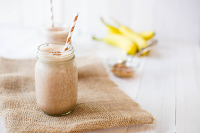
No, that's not a photo from the study.
This is not the first SuppVersity article to discuss the satiating effect of dietary protein, but it's the only one addressing the notion that a lower whey-to-casein ratio in a high-protein milk beverage would go hand in hand with an increased satiety effect.

Why should it? Well, as Amelinda et al. (2016) point out, "whey and casein protein have different digestion rates" it is thus only logical to assume that combining them may result in a prolonged satiating effect.
High-protein diets are much safer than pseudo-experts say, but there are things to consider...

Practical Protein Oxidation 101

5x More Than the FDA Allows!

More Protein ≠ More Satiety

Protein Oxidation = Health Threat

Protein Timing DOES Matter!

More Protein = More Liver Fat?
To test this hypothesis, the Indonesian researchers conducted a randomized, single-blind, cross-over study with 12 healthy, normal-weight men who received a standardized breakfast (tuna sandwich, which consisted of white bread and tuna sandwich spread, prepared to fulfill 20% of the individual DER with 16% of the energy coming from protein, 22% from fat and 62% from carbohydrate) followed by one of the three preloads in form of a milk beverage (140kcal) containing 15 g protein with whey-to-casein protein ratios of 20:80, 50:50, or 80:20.
Table 1: Energy and macronutrient content of the test beverages (Amelinda. 2016).
To assess the differential effects of the high vs. low whey / casein protein shake, the researchers assessed the subjective appetite ratings on a visual analog scale. What's more important, though, is that the scientists also measured the consecutive energy intake during (a) an ad-libitum lunch (spaghetti, fresh mushroom Italian sauce, corn oil, cheddar cheese, sugar, salt and pepper; prepared based on a standardized recipe and was mixed homogeneously by the same person for each test day the lunch provided 150 kcal / 100g with 13, 22 and 65% of the total energy provided by protein,
fat and carbohydrate, respectively) and (b) by the means of dietary recalls of food and drinks consumed during the remainder of the experimental day.
Figure 1: Mean subsequent energy intake during: (a) Lunch; (b) Remainder of the day; (c) Total energy intake. Error bars show 95% confdence interval (Amelinda. 2016).
In contrast to the authors' research hypothesis, their study showed that "there was no significant effect of the whey to casein protein ratio in milk beverages on the appetite ratings and subsequent energy intake" (Amelinda. 2016). If you take into account previous studies on the satiety benefits of high(er) protein intakes, too, the logical conclusion is that "[a] high protein content, as opposed to the type of protein, may be of greater importance in determining the satiating properties of protein and should be taken into account when developing weight loss products" (Amelinda. 2016).
Casein & whey - Many companies sell both. For a good reason! What's that reason? Well in combination they will do both, trigger and sustain maximal protein synthesis | learn more.
It may still make sense to choose specific whey-to-casein ratios: their effects on muscle protein synthesis. As previously discussed, it doesn't just make perfect sense to prolong the period of hyperaminoacidemia, i.e. the elevation of essential and non-essential amino acids in your blood, by adding some slow-digesting casein to your beloved post-workout whey shake, it has also been confirmed in a long-term study that this practice will actually produce a significant increase in lean mass gains in thirty-six resistance-trained males.

Ahh... and based on N=1 personal experience, I would like to add that real high protein foods are usually significantly more satiating than protein shakes | Comment on Facebook!
References:
  • Angela, Amelinda, et al. "Effect of Whey-to-Casein Protein Ratio in Chocolate-Vanilla Milk Beverage on Satiation and Acute Energy Intake." Kasetsart J. (Nat. Sci.) 49 (2016): 738 - 746 

Tuesday, September 27, 2016

Women Have a Hard(er) Time Losing Body Fat W/ Exercise 'cause it Increases Their Appetite More Than Men's, Right?

Is she going to binge after this body weight squat workout? Nah, don't worry...
I've repeatedly written about studies that show that the Taubs'ian notion that "exercise is useless because it just makes you hungry" is bullsh*t. It is indeed useless to work out to burn calories, it is yet never useless to work out - even if fat loss, not health or longevity is your goal.

What you should be aware of, though, is that there is a gender bias in the selecting of subjects in health sciences; and since the average subject in nutrition and exercise sciences is male and studies that have enough male and female subjects to identify relevant sex differences are rare, we don't really know if everything that has been "scientifically proven" can also be considered "scientifically proven" for female dieters and/or trainees.
Learn more about the (often ;-) small but significant difference at the SuppVersity

1g PRO per 2g CHO + Circuit T. for Women?

Is the Optimal Exercise Order Sex-Specific?

1-3mg Melatonin Shed Fat W/Out Diet & Exercise

Not Bulky! Lifting Will Make Toned & Strong.

How to Really Train Like a Woman

Sex-Differences in Fat Oxidation - Reviewed
The effects exercise will have on your appetite, for example, is such a research interest that has been investigated mainly in male subjects. As Alice E. Thackray, et al. (2016) point out in their latest paper in Nutrients, ...
"[...] opportunities to examine sex-based differences have been limited, but represent an interesting avenue of inquiry considering postulations that men experience greater weight loss after exercise interventions than women" (Thackray, 2016). 
In other words: While we don't know much, the few things we do know about the sex-specific interaction between exercise and your appetite are enough to draw a handful of practically highly relevant conclusions about optimal exercise and diet regimens for women.

Acute exercise, appetite, and compensation with energy intake - it's primarily individual

Before we delve deeper into sex-differences, though, I would like to remind you that the individual differences in fat and weight loss are not just better studied than those between men and women, they are probably also much more relevant than any sex difference - and that in spite of the fact that the research suggests that they are mediated by the same (individual) differences in compensatory behaviours that negate the exercise-induced energy deficit as the inter-individual differences.
Figure 1: The 2008 study by King et al. shows that (a) the individual differences in appetite are magnitudes larger than the actual effect of exercise and that (b) what the subjects make of it in terms of their effects on the subjects' actual energy intake cannot be predicted based on these subjective changes (King. 2008).
In their 2008 study, for example, King et al. found that the individual propensity to compensate for a reduction in energy intake and/or an increase in expenditure can explain weight loss differences that are larger than 50% - albeit with a standard deviation in the "compensators" that is significantly larger than the total weight loss.
SuppVersity Suggested Article: "Training "On Cycle", Done Right - Women See Much Better Results When Periodization is in Line W/ Menstrual Cycle" | read it
Did you know that women benefit from dieting and training in-sync with their menstrual cycle? I am pretty sure you know that as I've mentioned this before at the SuppVersity and even wrote a whole article about "Training on the Female Cycle"evidence  suggests that compared with untailored programs, synchronising diet and exercise training interventions around the hormonal changes that occur during the menstrual cycle elicits greater weight loss (Geiker, 2016) and improvements in muscle strength (learn more). Yet while we do know how cyclical fluctuations in sex hormones (estrogen and progesterone) alter appetite-regulatory hormone concentrations and energy intake in women (Buffenstein, 1995; Brennan, 2009), however, we don't know their interaction with exercise.
Similar discrepancies were found for the effect on subjective hunger, where the standard deviation of the subjects' hunger on a visual analog scale was ±9.6 mm and thus 240x larger than the average appetite increase of 0.4 mm/day. That's huge and it's quite a pity that the study didn't have enough subjects to conduct a meaningful analysis of the effect of the interactions of the subjects' sex on the increase in hunger the subjects experienced in King's 12-week study over the course of which the subjects trained five times a week without having to adhere to an energy restricted diet.

Men or women - that could still make an important difference

That this analysis could have yielded a significant difference between men and women, however, appears to be refuted by studies like Alajmi, et al. whose healthy male and female subjects had - within the previously described inter-individual differences - identical changes in the concentrations of the hunger-regulating acetylated form of ghrelin in response to 60 min treadmill running at 70% VO2peak (see Figure 2) - and that even though the men burned 57% more energy than the women.
Figure 2: Time-averaged total area under the curve (AUC) for appetite ratings (left); and plasma acylated ghrelin concentrations (right) in the control trial (□), and after 60 minutes on the treadmill at 70% VO2peak (■) in Alajmi's study.
In fact, the data in Figure 2 appears to confirm - for both men and women - the anorexic effect that is often ascribed to exercise. The study by Alajmi et al. is yet only one out of four partly contradictory studies that investigate the sex-based differences in the regulation of appetite in response to acute exercise:
  • Kawano, et al. (2012) - The first acute exercise and appetite study that compared men and women was published in Obesity Research & Clinical Practice. The authors reported that 20 min of rope skipping exercise increased ratings of subjective hunger 30 min after exercise in women but not men - quite a surprising result, also because high(er) intensity exercise as rope skipping has been shown to be particularly appetite suppressive in the average (=male) study subject; furthermore, Thackray et al. rightly criticize that the authors did not "control for the potential confounding effects of the menstrual cycle, which represents an important consideration for acute exercise studies comparing men and women" (Thackray. 2016). In this regard, recent studies have given us a few interesting insights (see light blue box). However, whether appetite responses to exercise in women are influenced by the menstrual cycle phase is not known and "represents", as Thackray et al. write "a research avenue to consider in the future".
  • Hagobian, et al. (2012) - Scientists from the California Polytechnic State University tested the effects on both appetite and energy intake in 11 men and 10 women exercised for 60 min on a cycle ergometer at 70% VO2peak until 30% of total daily energy expenditure was expended (men, expenditure = 975 ± 195 kcal in 82 ± 13 min; women, expenditure = 713 ± 86 kcal in 84 ± 17 min) in a counterbalanced, crossover study.
    Figure 2: Energy intake (see captions) and macronutrient composition (graph shows %-ages, the figures indicate the actual intake in g) of the post-workout ad-libitum meal (Hagobian, 2012).
    In line with Alajmi et al. (2012) and in contrast to Kawano et al. (2012), Hagobian et al. (2012) found a sign. reduction in energy intake (P < 0.05) after exercise compared with rest in men (672 ± 827, 1133 ± 619 kcal, respectively) and women (−121 ± 243, 530 ± 233 kcal, respectively). A result the scientists interpret as evidence of the previously cited "effectiveness of acute exercise to suppress relative energy intake regardless of sex" (Hagobian, 2012).
  • Bailey, et al (2015) - While the previous studies tested relative intense steady state exercises, a 2015 study from the University of Bedfordshire focused on a very different type of exercise. In fact, the 'exercise intervention' consisting of walking a total of 28 min in form of 2 min bouts every 20 minutes was designed to investigate the effect of daily physical activity on appetite and energy intake in 6 male and 7 female inactive, but otherwise healthy subjects, whose appetite and appetite-regulatory hormones were not affected by the exercise intervention.
You probably already suspect it: intensity is a key regulator of the effects of exercise on subjective appetite, but since I've addressed that before while discussing the sex-differences only superficially, I want to refer you to my previous article and focus on the influence of sex of which separate studies in men and women, respectively appear to suggest that...
  • 24h energy intake is unchanged in both, men and women in the few studies that investigated this important parameter in male and female subjects in isolation
  • acute energy intake (post exercise) mostly remains the same, often decreases and rarely increases in men and women when studied in isolation
  • exercise intensity, that's what evidence suggests modulates the effects on energy intake for both, men and women; in that, low-intensity exercise such as walking appears to be more prone to increase energy intake than high(er) intensity exercise such as jogging or sprinting
  • dietary overcompensation, i.e. an extra energy intake that provided more energy than the subjects had burned during their workouts, does not occur in either men nor women
  • individuality reduce the validity of the results; as previously pointed out, the appetite response to exercise appears to be highly individual and whether that's due to genetics and/or baseline diet (e.g. low carb vs. low fat, etc.) will have to elucidated in the future 
The one thing that's still left to discuss is the chronic effect of exercise on appetite, hunger, the respective hormones and - most importantly - men's and women's energy intakes.

The effects of chronic exercise

Unfortunately, studies that compared the effects of chronic exercise on appetite and food intake of men and women directly, don't exist. What we do have, though, are studies on both men and women (not adequately powered for comparisons), as well as studies that investigate men and women in isolation. These studies suggest that...
  • complex interactions w/ weight loss in both men and women - If weight loss occurs in response to chronic exercise, that's, according to King, et al. (2009), because overweight individuals (men and women) balance any potentially existing increased drive to eat due to the extra energy expenditure with a concomitant increase in the satiety response to a meal (increased insulin sensitivity, decreased acetylated ghrelin, decreased leptin | Martins. 2010 & 2013).

    Similarly, Thackray et al. conclude in their previously cited review that this interactive effect between exercise, weight loss and appetite / energy intake also explain the complex alterations in appetite-regulatory hormones, of which they even go so far as to say that they "arise as a secondary consequence to changes in body mass" (Thackray, 2016)
  • overall, women are more susceptible to changes in energy balance - In the long-term, it becomes more apparent that women react more sensitive to changes in their energy balance. Comparing studies in men and women (direct comparisons don't exist) suggest that this is why women are more susceptible to perturbations in appetite-regulatory hormones and energy intake.
  • exercise is less likely to trigger dietary compensation than energy restriction - In contrast to the initially referenced statement of Gary Taubes, it's dieting that makes you hungry, not exercise in both men (King, 2011) and women (Alajmi, 2016). "Dietary restriction," Thackray et al. explain may simply "represent a greater challenge to appetite regulation and energy balance than exercise".

    Figure 3: The energy intake between men and women differed in a 12-week aerobic exercise training intervention in overweight and obese men (n = 35) and women (n = 72), but the effect on the objectively measured (quantified using laboratory-based test meal days) did not differ between the male and female subjects (Caudwell, 2013)..
    And since we know that women react more sensitive to changes in said energy balance, it is not exactly surprising that individual two separate studies by Stubbs et al. (2002a,b) show that only women will compensate ~33% of the extra energy they expended during seven days of daily moderate- or high-intensity exercise (Stubbs, 2002a), while men didn't change their energy intake, at all (Stubbs, 2002b) - at least if we trust their food logs and the subjects' own scales, because that's what Stubbs et al. used as their data source.

    That's a problem, because - as usual - other studies suggest an increased compensation in men or, just as one of the few tightly controlled studies in this field no sex- but sign. indiv. differences (Caudwell, 2013). 
Eventually, the jury is thus still out. While anecdotal evidence suggests and evolutionary considerations, i.e. "that women have evolved to store body fat to preserve energy balance and reproductive function" (Thackray, 2016), could even explain an increased energy expenditure in women, the hard evidence we'd need for a definitive conclusion is simply not there.
Not Exercise, But Dieting Makes You Hungry: Beneficial or No Effects on Appetite of Exercise in Lean & Obese. (Ab-) using Exercise to Make Up For Messy Diets Still a Bad Idea! More...
Don't complain, ladies. Use your energy in the gym! As Thackray et al. point out, most of the more recent experimental work "question[s] the prevailing view that exercise is less effective for inducing weight loss in women, with several studies showing equivalent effects of exercise training on body composition in both sexes when the exercise-induced energy expenditure is matched" (Thackray, 2016) - the latter is obviously rarely the case, after all, women have a lower body weight and a lower lean body mass. So even if they trained at the same intensity as men (which a comparison of the average male to the average female gym-goer suggests they don't), they still wouldn't burn as much energy...

Rather than to complain about how unfair life is when it comes to exercise and fat loss, women should use their energy in the gym and focus on the new research on how training and eating according to their menstrual cycle could augment both, their exercise-induced fat loss and the actually desired changes in body composition | Comment on Facebook!
References:
  • Bailey, Daniel P., et al. "Breaking up prolonged sitting time with walking does not affect appetite or gut hormone concentrations but does induce an energy deficit and suppresses postprandial glycaemia in sedentary adults." Applied Physiology, Nutrition, and Metabolism 41.3 (2015): 324-331.
  • Brennan, Ixchel M., et al. "Effects of the phases of the menstrual cycle on gastric emptying, glycemia, plasma GLP-1 and insulin, and energy intake in healthy lean women." American Journal of Physiology-Gastrointestinal and Liver Physiology 297.3 (2009): G602-G610.
  • Buffenstein, Rochelle, et al. "Food intake and the menstrual cycle: a retrospective analysis, with implications for appetite research." Physiology & behavior 58.6 (1995): 1067-1077.
  • Caudwell, Phillipa, et al. "No sex difference in body fat in response to supervised and measured exercise." Medicine & Science in Sports & Exercise 45.2 (2013): 351-358.
  • Geiker, Nina RW, et al. "A weight-loss program adapted to the menstrual cycle increases weight loss in healthy, overweight, premenopausal women: a 6-mo randomized controlled trial." The American journal of clinical nutrition (2016): ajcn126565.
  • Hagobian, Todd Alan, et al. "Effects of acute exercise on appetite hormones and ad libitum energy intake in men and women." Applied Physiology, Nutrition, and Metabolism 38.999 (2012): 66-72.
  • Kawano, Hiroshi, et al. "Appetite after rope skipping may differ between males and females." Obesity research & clinical practice 6.2 (2012): e121-e127.
  • King, Neil A., et al. "Individual variability following 12 weeks of supervised exercise: identification and characterization of compensation for exercise-induced weight loss." International Journal of Obesity 32.1 (2008): 177-184.
  • King, Neil A., et al. "Dual-process action of exercise on appetite control: increase in orexigenic drive but improvement in meal-induced satiety." The American journal of clinical nutrition 90.4 (2009): 921-927.
  • King, James A., et al. "Differential acylated ghrelin, peptide YY3–36, appetite, and food intake responses to equivalent energy deficits created by exercise and food restriction." The Journal of Clinical Endocrinology & Metabolism 96.4 (2011): 1114-1121.
  • Martins, Cecilia, et al. "The effects of exercise-induced weight loss on appetite-related peptides and motivation to eat." The Journal of Clinical Endocrinology & Metabolism 95.4 (2010): 1609-1616.
  • Martins, Catia, et al. "Effect of chronic exercise on appetite control in overweight and obese individuals." Medicine and science in sports and exercise 45.5 (2013): 805-812.
  • Stubbs, R. James, et al. "The effect of graded levels of exercise on energy intake and balance in free-living men, consuming their normal diet." European journal of clinical nutrition 56 (2002a): 129-140.
  • Stubbs, R. James, et al. "The effect of graded levels of exercise on energy intake and balance in free-living men, consuming their normal diet." European journal of clinical nutrition 56 (2002b): 129-140.

Saturday, July 23, 2016

Casein & Fat Oxid., Protein, BCAA, T-Booster, Omega-3, Beta-Alanine, GABA, PWO Caffeine, Rhodiola, Pepermint Oil, Hunger, HIIT, Crossfit, Ketone Supps, ZMA & DAA

Science Round-Up July '16
Whoo... those were ~1000 presentations and poster abstracts in the May 2016 supplement of Medicine & Science in Sports & Exercise and not each of them was exactly "exciting". In order to save you the trouble of going through all of them, I have picked 16 of them and put them together in a Science Round-Up that spans from taking casein before bed and its effects on your nightly fat oxidation over the long-term (20 weeks!) performance benefits of beta-alanine and GABA's astonishing ability to boost your gains, to the insulin-boosting effects of ketones (+100%). Enjoy.
There were also a few studies on periodization schemes - nothing new, though

30% More on the Big Three: Squat, DL, BP!

Mix Things Up to Make Extra-Gains

Linear vs. Undulating Periodizationt

12% Body Fat in 12 Weeks W/ Periodizatoin

Detraining + Periodization - How to?

Tapering 101 - Learn How It's Done!
  • Taking casein before bed won't ruin your nightly fat burning: "SCAAT lipolysis and next morning fat oxidation, metabolic rate and blood markers were similar between CAS and PLA. CAS before bed did not promote fat storage and may help with long-term weight control," (Kinsey. 2016) Dymatize sponsored study shows.
  • 1.76 g/kg/d protein that's what active women need: After a 2-d controlled diet, 7 females (~21y, ~63kg, ~23% body fat, ~47 mL O2/kg/min) completed 2–7 metabolic trials during the luteal phase that each involved the performance of variable intensity exercise (modified Loughborough Intermittent Shuttle Test) followed by 8 hourly mixed meals providing a variable protein intake (0.2-2.6g/kg/d), 6g/kg/d of carbohydrate, and sufficient energy. Protein was provided as crystalline amino acids modeling the amino acid profile of egg protein with the exception of tyrosine (40mg/kg/d) and the indicator phenylalanine (30.5 mg/kg/d with 5.46 mg/kg over 4h as L-[13C]phenylalanine). Breath13CO2 enrichment (isotope ratio mass spectroscopy) and CO2 production (indirect calorimetry) were used to calculate 13CO2 excretion (F13CO2) with bi-phase linear regression analysis used to determine the estimated average requirement (EAR) as the breakpoint and safe intake as the upper 95% CI.
    Figure 1: Women, unlike men have increased protein requirements, when training intensely (Wooding. 2016)
    Preliminary analysis (n=33 trials) revealed F13CO2 conformed to a bi-phase model (r2=0.65; P<0.01) with an EAR for protein determined as 1.41g/kg/d and a safe intake of 1.76 g/kg/d and has the scientists conclude that Our results suggest that the safe protein intake for active females during the luteal phase is 47-120% greater than the RDA in non-active individuals and is at the upper range of recommendations for athletes based on NBAL (i.e. 1.2-1.7g/kg/d, ACSM).

    What is particularly interesting: That's more than the authors' previous study using the IAAO in active males (i.e. 1.35g/kg/d) suggested - in that study, protein requirements were not affected by intensity exercise.
  • BCAAs benefits on your muscle are mediate by insulin - Only by insulin! "If BCAA are augmented by insulin (which happens if you eat them with carbs), they will suppress muscle protein breakdown with no changes in muscle protein synthesis, study in seven healthy young subjects (gender, 4M/3F; age, 19±1 years; BMI, 23±1) who were infused with BCAA (5 umol/kg/min) for six hours (BCAA) and insulin [either 40 mu/m2/min (n=3) or 80 mu/m2/min (n=4)] during the last three hours of the BCAA infusion, shows (Katsanos. 2016).
  • Another testosterone booster fails: "It appears that supplementation with a testosterone booster during a resistance training intervention does not increase testosterone, strength or lean body mass when compared to a placebo," scientists conclude (Gonzalez. 2016).

    Cardio - Only "too much" can hurt you. Learn how much is too much!
    Participants were randomly assigned to the placebo (pl) group (n = 6) or the experimental (exp) group (n = 5). Participants and researchers were blinded to group assignments. Blood and saliva samples were collected in the fasted state prior to the intervention (pre), 3 weeks (mid) and 6 weeks (post) to measure testosterone. 1RM squat and bench press and body composition were measured at all three time points. Participants supplemented with the herbal testosterone booster or 500mg of oregano in capsule form twice daily.

    No significant difference was detected between groups for % change in squat (p = 0.792) or bench press (p = 0.429). There was no significant difference between groups for unbound serum testosterone % change from pre to post (p = 1.000) as well as between groups for unbound serum testosterone concentrations (pre p = 0.429, 3w p = 0.622, post p = 0.537). No significant difference occurred between groups for total saliva testosterone % change from pre to post (exp = 16.69 ± 21.22%, pl = 40.48 ± 38.17%; p = 0.329). A significant difference was detected between groups post -test saliva testosterone concentration (exp 728.82 ± 199.37 ng·dl-1, pl 1153.54 ± 357.11 ng·dl-1; p = 0.030) as well as for % weight change (WT%) for the exp group compared to the pl group from pre to mid (p = 0.004, exp mean WT % change -1.44 ± 0.288%. pl mean WT % change 1.76 ± 1.39 %; p = 0.004).
  • Omega-3 for your endurance: 6 weeks of O3FA supplementation is beneficial in improving oxygen uptake kinetics during heavy exercise in normoxic conditions, thus may lead to improvements in exercise tolerance to constant heavy load exercise. However, no improvements were seen in [HHb] or oxygen uptake kinetics in hypoxia following O3FA supplementation (Wiggins. 2016)
  • To guzzle BCAAs all day or not? That is no longer a question with the publication of two recent studies! Learn more!
    BCAA reduces CK, but does not preserve exercise performance: BCAA supplementation may decrease plasma CK concentrations and muscle soreness in response to damaging exercise, but may not impact restoration of muscle function in the acute recovery period, study in ten resistance-trained males (age 21yr, height 175.3cm, and body mass 84.8kg) who were randomized to a supplement (n=5 | 0.1g/lb body weight) or placebo (PLA) (n=5) group or eight days total, w/ 4-day loading period prior to muscle damaging exercise (Escobart. 2016).

     Plasma CK concentrations were significantly elevated above baseline (p<0.05) in both BCAA and PLA groups at 24, 48, and 72 hrs post-exercise. Plasma CK values were significantly lower (p<0.05) in the BCAA group compared to PLA group at 48 (BCAA: 1,245 ±202 IU/L; PLA: 2,198±148 IU/L) and 72 hrs (BCAA: 576± 123 IU/L; PLA: 1,376±246 IU/L). Muscle soreness increased from baseline (p<0.05) in both groups at 4, 24, 48, and 72 hrs, however the BCAA group yielded significantly lower values (p<0.05) at 24 (BCAA: 8.06±0.92; PLA: 9.44±0.56), 48 (BCAA: 6.44±2.00; PLA: 9.54 ±0.74), and 72 hrs post-exercise (BCAA: 3.20±1.19; PLA: 5.86±1.24). VJ, MVC, and jump squat decreased significantly (p<0.05) immediately post-exercise, as well as at 1, 2, 4, 24, 48 and 72 hours post, with no differences between groups.
  • Performance benefits of beta-alanine in 110% cycling become very likely, only after 20 wks: In a recent study, scientists tried to determine the effects of 24 weeks of β-alanine supplementation on high-intensity cycling capacity.

    Twenty-five recreationally active males (age 27 ± 4 y, height 1.74 ± 0.08 m, body mass 78.8 ± 11.5 kg) were supplemented with 6.4 g·day-1 of sustained release β-alanine (N=16; CarnoSynTM, NAI, USA) or placebo (N=9; maltodextrin, NAI, USA) over a 24-week period. Every 4 weeks (Week 0, 4, 8, 12, 16, 20 and 24) participants performed the CCT110%, with time-to-exhaustion (TTE) recorded as the outcome measure. Data were analysed using mixed model ANOVA, magnitude based inferences (MBI) and effect sizes (ES).
    Table 1: Likelihood of increases in total time to exhaustion in %-age (Saunders. 2016)
    There was a main-effect of supplement on TTE (P=0.048), although there was no interaction effect (P=0.07). TTE was improved with β-alanine at all time points (Week 4: +5.0%; Week 8: +2.2%; Week 12: +4.4%; Week 16: +8.1%; Week 20: +11.1%; Week 24: +9.0%) while changes in placebo were minimal (Week 4: +1.8%; Week 8: +1.2%; Week 12: -1.3%; Week 16: +0.1%; Week 20: -7.1%; Week 24: +0.3%). MBIs showed possible to very likely improvements across all weeks with β-alanine compared to Week 0; similarly, ES were greater in the β-alanine supplemented group when compared with placebo at all time points (Table 1).
  • Adding GABA to whey makes it more effective: Effect may be mediated by significant increases in GH observed in a recent study with twenty-six healthy male volunteers (26-48 yrs) who were divided into one of two groups; whey protein (WP) group ingesting 10g of whey protein, or whey protein + GABA (WP+G) group ingesting 10g of whey protein and 100 mg of GABA every day for 12 weeks (Sakashita. 2016).
Beware of high dose GABA (>3g) supplementation on empty! Those 100mg of GABA are very unlikely to have any negative effects on your health. With higher amounts, on the other hand, specifically if they are taken on empty and thus rapidly absorbed, side effect can occur. Anxiety, slowed breathing, weakness, they all are probably caused by peripheral effects (not in the brain), but this does not make them desirable, either. So practically speaking this means that you best stick to low / divided doses and if you take more, take it with food.
  • Both groups were subjected to a resistance training twice a week in which they performed three sets of 12 repetitions at 60% of one-repetition maximum on the following exercises: leg press, leg extension, leg curl, chest press and pull down. Body composition was assessed by dual-energy X-ray absorptiometry at baseline and 12wk after the training period. Resting plasma GH concentration was assessed at baseline, 4, 8 and 12wk.
    Figure 2: Effects of whey protein and whey + GABA on GH and gains in 12-week study (Sakashita. 2016).
    In WP+G group, plasma GH level in resting state was elevated significantly at 4 and 8wk compared with week 0 (689 ± 203, 661 ± 199 vs. 264 ± 93 pg/mL, p<0.05 respectively). On the other hand, plasma GH level in WP group was elevated significantly only at 8wk as compared with baseline (589 ± 179 vs. 237 ± 86 pg/mL, p<0.05). After 12 wk, change in whole body lean mass was significantly higher in WP+G group compared to that in WP group (1340 ± 465 vs. 146 ± 218 g, p<0.05).
  • Post-workout caffeine vs. pain:  Data from a recent study in sixteen participants suggest that 3mg/kg caffeine can reduce perceived leg soreness (-61%; p < 0.05) following an endurance cycling event (Cardewell. 2016). Therefore, there is potential for caffeine to aid in the recovery from an endurance cycling event.
  • Rhodiala, a functional ergogenic? According to a recent 8-week study,  a Rhodiola mixture supplementat that is used in conjunction with std. exercise training will exhibits its effect on muscle mass and reducing percent of fat mass (Chang. 2016).

    Ashwaghanda may be for gymrats, too.
    "These beneficial effect of Rhodiola mixture supplementation and exercise training might be associated with elevate the testosterone concentration during the eight weeks treatment," the authors write after observing that a 124 mg/kg dosage Rhodiola extract boosted rodents lean and cut their fat mass.

    Needless to say, it's not clear that the same will be seen with the HED of 20 mg/kg will do the same. That warrants further studies.
  • Pepermint oil may have a "small but significant ergogenic effect of peppermint oil in resistance trained men" (Dillon. 2016): Resistance trained men (n =10) were randomized in a crossover design with either peppermint oil or placebo. Following a familiarization week and appropriate warm-up subjects were asked to performed a three repetition maximum (3RM) test on both the bench press and back squat. 15 mins before each testing session subjects were asked to consume the test supplement (50μl pure peppermint oil in 500 mL water) or the placebo (50μl peppermint flavoring in 500 mL water).
    Figure 3: Peppermint oil surprisingly increases strength immediately (Dillon. 2016)
    The results from this study indicated that peppermint oil significantly increased strength performance when compared to placebo (p<0.05). Lower body strength measured using the 3RM back squat significantly increased from 122 ± 22 to 129 ± 26 Kg in response to peppermint oil (t(9)=-3.354, p=0.008). Upper body strength measured using the 3RM bench press significantly increased from 99 ± 21 to 112 ± 27 Kg in response to peppermint oil (t(9)=-3.754, p=0.005).
  • In the short term, hunger and food intake responses to exercise do not differ in lean vs. overweight/obese individuals: Twenty-eight healthy, lean (7 m, 7 f) and overweight (7 m, 7 f) individuals completed two, 8 h trials (exercise and control) in a balanced crossover design. The exercise trial involved a 1 h treadmill walk/run at 60% VO2peak, in a fasted condition, followed by 7 h of rest. The control trial involved 8 h of rest. Standardised meals were provided at 1.5 and 4 h and an ad libitum meal was presented at 7 h on each trial day. Hunger was assessed at 30 min intervals using visual analogue scales. Data were analysed via two-factor (trial x group) mixed ANOVAs and paired samples t-test using SPSS version 22.0 for Windows. Significance was set at P<0.05, values are mean±SD.
    Table 2: No, exercise doesn't "only make you hungry "- fat or lean, no matter what (Douglas. 2016).
    Participant age did not differ between groups (lean 42.9±15.7 vs. overweight 45.5±12.8 y, P=0.62). BMI and waist circumference (WC) were higher in overweight vs. lean individuals (BMI: 29.1±2.4 vs. 22.5±1.7 kg.m-2, WC: 91.6±10.4 vs. 76.8±8.7 cm, both P<0.01). Remaining data are summarised in Table 1.

    Another recent study that found that 20 km running significantly decreased plasma ghrelin concentration and absolute energy intake among well-trained long distance runners, only adds to the anti-"exercise-just-makes-you-hungry" evidence (Kojima. 2016).
  • Study in favor of HIIT for fat loss: Relatively short-term high-intensity low-volume interval training reduces adiposity and increases CRF more than continuous moderate-intensity cycling of equal energy expenditure in overweight/obese young-adult females.

    Body composition (dual-energy x-ray absorptiometry) and CRF (VO2peak) were measured in response to 6 weeks of training in previously inactive overweight/obese young-adult females (n=52, 20.4±1.5 yo, 30.3±4.5 kg/m2, 43.5±4.9 %Fat, 27.9±4.7 ml/kg/min) blocked on BMI and randomized to VIG-SIC (n=23) or MOD-C (n=29). Energy expenditure during training sessions was estimated by Keiser 3m cycles (Keiser, Keiser M3 Indoor Cycle, Fresno, California). Habitual energy expenditure was measured objectively using the Actiheart monitor (CamNtech, USA), and energy intake was measured using the Automated Self-Administered 24-hour Recall (ASA24) for a 3-day period pre- and post-training.
    Figure 3: Yes, HIIT triggers greater fat loss, but you cannot expect wonders in 3 days (Higgins. 2016).
    Group changes in body mass, reported energy intake or habitual energy expenditure did not differ (all P<0.05). Regarding total and central adiposity, greater reductions occurred in VIG-SIC (both P<0.05) compared to MOD-C (both P<0.05) in total fat mass (-1.2±1.9 vs. -0.2±1.4 kg, GROUP*TIME P=0.021) and central fat mass (-0.8±1.2 vs. -0.1±0.8 kg, GROUP*TIME P=0.018). CRF (ml/kg/min) improved for both training groups (both p<0.001); however, a significant GROUP*TIME interaction (P=.003) indicated a 2-fold greater increase in VIG-SIC (14.09±10.31%) compared to MOD-C (7.06±7.81%).
  • From 16% to 8% Body Fat in 10 Weeks W/ Crossfit Training - Study | more
    Crossfit has the potential to lower blood pressure: Unsurprising, but not on purpose "Results indicate that regular CrossFit participation can significantly decrease resting systolic BP in healthy adults. However, participants did not express BP or CHD reduction as an intention or perceived outcome of doing CrossFit. Future studies should examine the effects of CrossFit participation on individuals at risk for heart disease by examining their motivational factors and additional indicators of heart health such as blood cholesterol and lipid levels" (Gilmore. 2016).

    This conclusion is based on data from 20 individuals (18-66 yrs, 50% male) who attended CrossFit during the entire 12-month program evaluation study through K-State CrossFit. In the male subjects, the systolic BP decreased from 123.8±14.6 mmHg at baseline, to 119.4±15.5-16.2 mmHg at 2- and 6-months, and 115.9±17.4 mmHg at 12 months. At the same time the mean values for resting HR from 2 months (61.7±8.2 BPM) to 12 months (65.8±9.3 BPM) were not significant (p=.13). 
  • Post-workout ketone supplementation for glucose guzzlers?! There is increased glucose uptake and higher muscle glycogen following ketone supplementation in man, beyond levels achievable by high-dose intravenous glucose infusion, study shows.
    Figure 4: Ketone supplementation easily doubled the insulin response to glucose (Holdsworth. 2016).
    "The additional novel finding of a doubling of endogenous insulin has significant implications for the augmentation of exercise recovery and anabolic metabolism," the authors point out excitedly after observing that the 12 servicemen underwent a validated interval protocol to deplete muscle glycogen consuming randomly higher a control drink + intravenous carbohydrate(Cont-CHO), ketone drink + intravenous carbohydrate(Ket-CHO) or control drink + intravenous saline(Cont-saline) showed 33% higher whole body glucose disposal 125.8(±4.2) vs. 94.7(±3.2) g, for Ket-CHO vs Cont-CHO (p<0.000001), had increased muscle glycogen 246(±32.4) vs 164(±12.5) mmol glycosyl units/kg dry weight of muscle (p=0.017) and doubled insulin levels: 31.1(±5.7) vs 16.4(±2.7) mU/L (p<0.01) for Ket-CHO vs Cont-CHO.

    A noteworthy addendum to the presentation I would like you to know reads: "My supervisor, a co-author is director of a company which markets the ketone supplement used in this study" (Holdsworth. 2016).
  • ZMA impairs the little pro-testosterone effect D-aspartic acid has: Bad news for the supplement industry (Wang. 2016); rodent data suggest that DASP increased the accumulation of DAA in testis and has potential to stimulate the release of total and free testosterone, and GH in rats. ZMA did not appear to affect serum anabolic hormone levels. On the contrary, the combination of ZMA and DASP suppressed the anabolic effects of DASP in rats.
Bottom line: Actually, I could probably do at least another installment like this based on the articles I haven't even read yet. Lets see, what about "Correlations Between Omega-6: Omega-3 Fatty Acid Ratio and Physical and Cognitive Function in Older Adults" or "Low-Intensity Exercise Counters Cognitive Deficits from Sleep Deprivation" Would you like that? Let me know!
References:
  • Chang, et al. "Effect Of Rhodiola Mixture Supplementation And Exercise Training On Body Composition And Physical Activity In Rats." Medicine & Science in Sports & Exercise: May 2016 - Volume 48 - Issue 5S - p 246.
  • Caldewell, et al. "Effect of Caffeine on Recovery from an Endurance Cycling Event." Medicine & Science in Sports & Exercise: May 2016 - Volume 48 - Issue 5S - p 64.
  • Dillon, et al. "The Effect of Peppermint oil on Strength Performance in Resistance Trained Men" Medicine & Science in Sports & Exercise: May 2016 - Volume 48 - Issue 5S - p 245.
  • Douglas, et al. "How Exercise Effects Hunger Perceptions and Ad Libitum Energy Intake in Lean and Overweight Individuals." Medicine & Science in Sports & Exercise: May 2016 - Volume 48 - Issue 5S - p 222.
  • Escobart, et al. "Effect Of Branched-chain Amino Acid Supplementation On Creatine Kinase, Exercise Performance, And Perceived Muscle Soreness." Medicine & Science in Sports & Exercise: May 2016 - Volume 48 - Issue 5S - p 56.
  • Gilmore, et al. "Crossfit & Heart Health: Effects Of Crossfit Participation On Resting Blood Pressure And Heart Rate." Medicine & Science in Sports & Exercise: May 2016 - Volume 48 - Issue 5S - p 293.
  • Gonzalez, et al. "The Effects of Testosterone Boosters on Testosterone, Strength, and Body Composition in Young Trained Males." Medicine & Science in Sports & Exercise: May 2016 - Volume 48 - Issue 5S - p 52.
  • Higgins, et al. "Sprint Interval And Moderate-Intensity Continuous Cycle Training Differentially Affect Adiposity And Fitness In Overweight Women." Medicine & Science in Sports & Exercise: May 2016 - Volume 48 - Issue 5S - p 217.
  • Holdsworth, et al. "The Effects Of Oral Ketones On Human Muscle Recovery Following Exercise." Medicine & Science in Sports & Exercise: May 2016 - Volume 48 - Issue 5S - p 163.
  • Katsanos, et al. "Effects of Increased Plasma Branched-chain Amino Acids and Insulin on Muscle Protein Metabolism." Medicine & Science in Sports & Exercise: May 2016 - Volume 48 - Issue 5S - p 52.
  • Kinsey, et al. "The Influence of Nighttime Protein Intake on Overnight Lipolysis and Next Morning Fat Oxidation." Medicine & Science in Sports & Exercise: May 2016 - Volume 48 - Issue 5S - p 4.
  • Kojima, et al. "The Effect Of 20 Km Running On Appetite Regulation In Long Distance Runners." Medicine & Science in Sports & Exercise: May 2016 - Volume 48 - Issue 5S - p 220.
  • Sakashita, et al. "Combined Oral Intake of GABA with Whey Protein Improves Lean Mass in Resistance-trained."Medicine & Science in Sports & Exercise: May 2016 - Volume 48 - Issue 5S - p 54
  • Saunders, et al. "Effect Of 24 Weeks β-alanine Supplementation On High-intensity Cycling." Medicine & Science in Sports & Exercise: May 2016 - Volume 48 - Issue 5S - p 55–56.
  • Wang, et al. "Effects Of D-aspartate And ZMA Supplementation On Serum Hormones In Rats." Medicine & Science in Sports & Exercise: May 2016 - Volume 48 - Issue 5S - p 252.
  • Wiggins, et al. "Chronic Omega-3 Fatty Acid Supplementation And Oxygen Uptake Kinetics During Heavy Exercise." Medicine & Science in Sports & Exercise: May 2016 - Volume 48 - Issue 5S - p 12.
  • Wooding, et al. "Protein Requirements Are Increased In Active Females As Determined By Indicator Amino Acid Oxidation." Medicine & Science in Sports & Exercise: May 2016 - Volume 48 - Issue 5S - p 3–4