Showing posts with label lipid peroxidation. Show all posts

Thursday, November 21, 2013

The Oiling of the Liver: The Good & Bad Short- & Long-Term Effects of Tocotrienol + Carotenoid Laden Red Palm Olein, Regular Palm-, Corn- and Refined Coconut Oil

I would not expect "red palm olein wonders", but more RPO and less corn oil in the American diet may at least buffer the liver disease burden in the US (the figure is based on data provided by the American Liver Foundation)
On Turesday, November 19, 2013, you've learned from a study by Subermaniam et al. about the "anti-rust" effects of coconut oil (if you missed that, you can catch up here), today, we are going back to Malaysia and the Universiti Kebangsaan Malaysia and the results of another team of researchers to learn about the effects the various oils have on the "oiling of the liver" (Dauqan. 2013).

I guess most of you will remember my previous comments about the critical role of the liver (and its health or disease) in the development of the metabolic syndrome (read it up). It is thus by no means irrelevant, whether the chronic ingestion of a certain type of oil will result in MDA levels of 92µmol/g or  27.3µmol/g.

Boring!? No, rather surprising!

If you think this sounds boring and are by no means surprised that the malondialdehyde levels of the liver samples the researchers harvested after 4 weeks were 27.3µmol/g, 92µmol/g, 54µmol/g, 47.4µmol/g and 72.6µmol/g for the control diet with mixed fats, red palm oloein (RPO), regular palm oil (PO), corn oil (CO) and the previously celebrated coconut oil (COC), respectively, I would suggest you have a closer look at the the "magic" that happened over the following 4 weeks of on 15% RPO, PO, CO and COC diets.
Figure 1: MDA levels (µmol/g) of liver tissue as a marker of lipid oxidation after four and eight weeks on control diet or control diet with 15% of red palm olein, palm oil, corn oil or coconout oil (Dauqan. 2013)
Well, you see, the way the effects of red palm olein came full circle after another months on the 15% RPO diet is hardly "boring", is it? The MDA levels, a relatively reliable indicator of local lipid oxidation, of the rodents on the 15% red palm olein diet is now, 4 weeks after peaking at 92µmol/g down to 25.2µmol/g, indicating that the level of lipid peroxidation in the livers of the RPO group is now significantly lower than that of any other group (43.4µmol/g, 50.1µmol/g and 48.3µmol/g for control, palm oil, corn oil and coconut oil).

Short term detriments, long term benefits!

I know it sounds more than awkward, but eventually every SuppVersity student should be aware of the fact that the extrapolation of long-term effects from short-term data is a 'risky' business. Unfortunately, even 'experts' often disregard this fundamental rule, when they formulate their recommendations on nutrition, supplementation and exercise.
Table 1: Carotenoid  and vitamin E composition (in %) of crude palm oil and red palm olein; the data is from a different study by Bonni & Choo who tested commercially available products (Bonni. 2000)
The statement, "Prefer coconut oil and avoid red palm olein!", for example would have been a reasonable dietary if we did not know about the turn-around in the second part of the study, when the beneficial effects of the saturated fat content of the coconut oil begin to fade and the absence of natural anti-oxidants in refined coconut oil begins to show its ugly face. At this point, the moderate amount of unsaturated fats in red palm olein (13% omega-6, 0% omega-3; see Bonnie. 2000), of which I am honestly not sure if it is the actual reason of the initial increase in lipid peroxidation (remember: corn oil has more PUFAs!), or whatever other underlying cause of the initial rise in inflammation is overriden by the accumulating amounts of vitamins E and carotenoids from the red palm olein, which rendered the liver of the oxidation-proof, or "rustless" if you will - similarly rustless as the hearts of the rogents in the previously cited study by Subermaniam et al. (learn more).
200g of palm fruits have the same amount of tocotrienols as 4kg of oats. Learn more "tocotrienol" and red palm oil facts in "Tocotrienols: What They Are, What They Do & How They Work + Why the RDA of Palm Olein is NOT 1xCup Per Day " | more
Bottom line: I would like to formulate two take home messages for today's SuppVersity article. Firstly, a theoretical one, which shall remind you of the fact that you can do more harm than good, if you (accidentally) terminate a study in a transitional state and formulate long-term dietary recommendations based on short-term observations, because the study at hand clearly indicates that some effects - in this case the antioxidant effects of the tocopherols, -trienols and carotenoids - take their time to become measurable. And seconfly a very practical one, which is eventually only a reminder of the existence of red palm oil (see article referenced on the right) - an excellent source of dietary antioxidants and probably your only chance to get your tocotrienols and high(er) amounts of some of the rarer carotenoids from regular foods.

References: 
  • Bonnie, T. Y. P., & Choo, Y. M. (2000). Valuable minor constituents of commercial red palm olein: carotenoids, vitamin E, ubiquinones and sterols. Journal of Oil Palm Research, 12(1), 14-24.
  • Dauqan, E., Abdullah, A., & Sani, H. A. (2013). LIPID PEROXIDATION IN RAT LIVER USING DIFFERENT VEGETABLE OILS. Malaysian Journal of Analytical Sciences, 17(1), 300-309.
  • Valls, V., Goicoechea, M., Muniz, P., Saez, G. T., & Cabo, J. R. (2003). Effect of corn oil and vitamin E on the oxidative status of adipose tissues and liver in rat. Food Chemistry, 81(2), 281-286.

Tuesday, November 19, 2013

Rustless Hearts: Adding 15-20ml of Virgin Coconut Oil to Your Diet May Counter the Oxidative Stress From Partially Oxidized Fats and Keep Your Heart Rust-Free

Could a daily dose of virgin coconut oil really be all it takes to escape the #1 leading cause of death (CDC data) - despite French fries and co?
Originally I wanted to post the results of this study from the Universiti Kebangsaan Malaysia as a short news item in the Facebook News. Then I decided that it may actually be worth to allow you to have a look a the surprisingly pronounced effects the addition (not replacement!) of 3-4 tablespoons of virgin coconut oil had on the in vivo lipid oxidation levels of rodent hearts in the course of this 4 months study at the end of which the researchers did not simply measure the systemic, but the more significant local malondialdehyde (MDA) levels. With the direct analysis of the presence of lipid oxidation production in the heart being a more reliable indicator of whether or not the changes the researchers observed in the study at hand are physically relevant...

Ah, I don't want to give it all away. So let's rather take a look at Subermaniam et al.'s attempt to "to investigate the influence of virgin coconut oil on the malondialdehyde level in the heart tissue of rats fed with heated palm oil." (Subermaniam. 2013)

Palm oil is ubiquitous

I am not sure if you are aware of that, but the regular palm oil (not the red PO with the high carotene and tocotrienol content), with its saturated - unsaturated fatty acid ratio close to one, has become the most widely used "vegetable oil" worldwide. In fact, if the product label says "vegetable oil" and there is a significant amount of saturated fats in a product, it's likely that what you are about to eat contains palm oil, which is easy to process and, with its 1:1 ratio of saturated to unsaturated fats relatively stable.
Rejection points of various oils (Marikkar. 2007; Berger. 2005; Casai. 2010)
Cooking with Virgin Coconut Oil (VCO) - good or bad idea? The answer to this question is not as straight forward as you may think. On the one hand frying the "virgin" oil, will have it lose it's virginity, i.e. most of those molecules that are responsible for the beneficial health effects. On the other hand, a study by Marikkar et al. (2007) shows that these molecules act as a buffer, due to which VCO has a 30% higher rejection point (13h vs. 10h of frying at "only" 180°C; compare to the other oils in the table to the right) than regular coconut oil (CNO) and refined corn oil (CO). After those 13h the concentration of newly formed compounds (TPCs) that have higher polarity such as oxidized triglycerides, diacylglycerides and fatty acids is >25% and downright unhealthy.
Despite being less prone to oxidation, the way the oil is reheated and (ab-)used for deep frying by the food industry can cause changes in the fatty acids composition of palm oil that may have significant health consequences.
"Repeatedly heated oil undergoes changes in physical appearance and a series of chemical reactions such as oxidation, hydrolysis and polymerization that eventually alter the fatty acid composition . Therefore, when the degree of unsaturation in fatty acid is greater, it is more vulnerable to lipid peroxidation (Choe. 2007)." (Subermanian. 2013)
In mouse and man, the ingestion of this chemically altered oil has been found to increase the levels of ,alondialdehyde  (MDA), one of the major end products of lipid peroxidation which causes endothelial damage, vascular inflammation and cell membrane injury (USDA. 2007).

Virgin coconut oil to the rescue?

Studies by Harrison and Ng have shown that the increases in MDA levels in response to the ingestion of oxidated palm oil causes "oxidative stress" and increases in blood pressure that cannot be countered by the ingestion of common antioxidants such as vitamin C and E (Harrison. 2007). Now, Subermaniam et al. were interested, whether the same would be true for the sunsaponifiable components in virgin coconut oil.

SuppVersity Suggested Read: True or false - Eating tons of medium chain triglycerides (MCTs) will make you lean | learn the truth!
In previous studies, these molecules, which are lost when the milk is not extracted under controlled temperature, have been linked to a host of beneficial health effects, e.g.
  • anti-inflammatory and anti-thrombotic properties,
  • the ability to reduce the oxidation of LDL cholesterol, or
  • beneficial effects on the immune factor and cytokine response to endotoxins,
of the increasingly popular medium-chain-triglyceride rich oil from Cocos Nucifera Linn - an oil of which Figure 1 tells you that it has a lower peroxide value than freshly extracted palm oil even after processing and storage.

In view of its already established health benefits, the assumption that virgin coconut oil can ameliorate the pro-oxidative effect of diets that were fortified with 15% pre-heated palm oil, when it is administered to rodents at a daily dose of 1.43 ml/kg of body weight/day by oral gavage does not appear to be too far-fetched.
Figure 1: Left - MDA level in heart tissue after 4 months of feeding with basal diet (control), five times heated palm oil (HPO), basal diet and VCO supplementation (VCO) and five times heated palm oil with VCO supplementation (HPO+VCO; left); right - baseline peroxide value (in mEQO2/kg) of the oils used in the study (Subermaniam. 2013)
The rats stayed on these regular palm oil, pre-heated palm oil, regular palm oil + VCO, pre-heated palm oil + VCO and an unmodified control diet for 4 months. Thereafter, the thirty two rats were sacrificed and their heart tissues were harvested in order to measure the level of lipid oxidation. The results? Well, you just have to look at Figure 1 to see that there was a significant (p < 0.05) decrease in MDA (and peroxide / data not shown) values in the rodents which received the supplemental coconut oil on top of their heated palm oil diets.
Bottom line: It is unquestionably impressive that the effects of what would have been ca. 15-20ml commercially available virgin coconut oil for a human being were so pronounced that the oxidative stability of the lipids in the cells of the rodents on the HPO + VCO ended up being virtually identical to that of the rodents which received the regular chow. I must still warn you not to expect any of the meanwhile literal "Coconut Miracles".

In view of the fact that the benefits of the 'VCO supplement' did not depend on the presence of a "junk food" diet, it is still obvious that the addition of one or another tablespoon of virgin coconut oil may be one of the 1001 pieces of your personal "healthy lifestyle" puzzle - along with a protein- and vegetable-rich whole foods diet, exercise and more than just an occasional night of good night's sleep, of course ;-)

References
  • Berger KG. The use of palm oil in frying. Malaysian Palm Oil Promotion Council. 2005.
  • Casal S, Malheiro R, Sendas A, Oliveira BP, Pereira JA. Olive oil stability under deep-frying conditions. Food Chem Toxicol. 2010 Oct;48(10):2972-9.
  • Choe E, Min DB. Chemistry and reactions of deep-fat frying oils. Journal of Food Science. 2007; 72(5):R77-R86.
  • Harrison DG, Gongora MC, Guzik TJ, Widder J. Oxidative stress and hypertension. Journal of the American Society of Hypertension. 2007; 1(1):30-44.
  • Marikkar et al. Assessment of the stability ofvirgin coconut oil during deep-frying. Cord 2007; 23(1).
  • Ng CY, Kamisah Y, Faizah O, Jubri Z, Qodriyah HM, Jaarin K. Involvement of inflammation and adverse vascular remodelling in the blood pressure raising effect of repeatedly heated palm oil in rats. Int J Vasc Med. 2012;2012:404025.
  • Subermaniam K, et al. Virgin Coconut Oil (VCO) Decreases the Level of Malondialdehyde (MDA) in the Cardiac Tissue of Experimental Sprague-Dawley Rats Fed with Heated Palm Oil. Journal of Medical and Bioengineering. 2014; 3(2).
  • World  Vegetable  &  Marine  oil  Consumption,  World  Statistics, USDA, 2007, pp. 10

Saturday, January 19, 2013

Grape Seed Extract Protects EPA & DHA From Intestinal Oxidation. Niacin Shifts Muscle Fiber Type. Cholesterol & Sialic Acid Build Babies' Brains. Pro-Diabetic GUMPs 4 Kids

"What? Don't gimme that look. I did walk to the fast-food outlet. I swear!" - When it comes to how much they sit around, people love to lie... ah, I mean they often overestimate their activity level - especially the really lazy ones ;-)
It's not always easy to find a "figure of the week" and actually the on I am going to present you today is not "week specific". It is rather related to yesterday's post on the statistics of the diabesity epidemic. That said, you may remember that the gap between "more" and "less" active individuals was widening, but on average the NHANES stats would suggest that the average US citizen is not sitting around much longer today (or rather in 2004) than 40 years ago. Now, the NHANES data is based on a questionnaire of which Healy et al., who have analyzed the accuracy of these self-reported activity levels in a 2010 paper (Healy. 2011), found that the difference between the real and the claimed sedentary time increases by one hour for every 3h of sedentary time (at least for people with a sedentary time of >7h)

In other words, someone who actually sits on his booty for 10h will be telling you that he would be sitting around for 9 hours. It should be said though that there are outlier on both sides so that it may well be that the guy will boldly lie to you and tell you he would sit around max. 7h per day. The chances that he underestimates his activity level, on the other hand, are slim; and if he does it's by no more than 1h.

Now that we have already been talking about health, why don't we simply keep on this track and take a look at a handful of recently published studies which may help you to do what it takes to keep "healthy, happy and lean" (cf. "bottom line" of yesterday's post): learn what's good for you (and your family) and take responsibility for your own well-being.

Grape seed extract to protect and deliver unoxidized omega-3 fatty acids

(Maestre. 2013) -- If we assume that you want your omega-3 fatty acids unoxidized (this is by no means sure, see link beneath the image on the right), it would be prudent to ingest your fish, but even more so the unprotected fish oil from caps with some grape seed extract.

Surströmming, a Swedish delicates that's essentially rancid fish. Can't be healthy? Well, even with pure, yet oxidized fish oils did not have any negative health effects in previously healthy individuals in (read more)
That's at least what a recent study by scientists from the Department of Seafood Chemistry at the Instituto de Investigaciones Marina in Vigo, Spain and their US colleagues from the Department of Nutritional Sciences at the Rutgers University in New Brunswick, NJ, would suggest.

In their latest paper that has been published in the last issue of the Journal of Nutrition the scientists report that the addition polyphenol-rich grape seed extract (GSE) during the in-vitro digestion of omega-3 fatty decreased the amounts of oxidation products in the stomach compartment and intestinal dialysate and would thus facilitate a higher uptake of intact omega-3 fatty acids in the intestine.

Want more type I and less type II fibers? Niacin is your friend, then

(Ringseis. 2013) -- Hard do believe but after one months of niacin supplementation (750 mg/kg diet niacin aka vitamin B3, also "nicotinic acid") the obese Zucker rats in a recent study by Robert Ringseis, Susann Rosenbaum, Denise K. Gessner et al. exhibited a statistically significant shift towards a more oxidative (type I) muscle type.

Is there a connection between niacin and the diabesity epidemic or is the increase in niacin intake (also due do fortification) and the explosion of the obesity and diabetes rates coincidence?
(Figure from Zhou. 2010)
Unfortunately the latter are not without side effects - especially for those who don't really need to lower their blood lipids, where the administration of high dosages of nicotinic acid will induce transient insulin resistance (Poynten. 2003). And contrary to hyperlipidemic obese individuals the he increased use of fatty acids by the skeletal muscle is a cold comfort for healthy people like (I hope) you, especially in view of the fact that it adds to already existent negative modulators of insulin sensitivity such as aging (Chang. 2006)

And while these "pro-diabetic" effects may not be as pronounced from nicotinamide (the stuff that's usually in supps, because it won't make you flush), the latter has also been shown to reduce insulin sensitivity in people with at high risk of insulin dependent diabetes mellitus (Greenbaum. 1996).The increased oxidative capacity went hand in hand with the well-known lipid lowering effects of niacin (Creider. 2012).

The main difference being that the 2g of nicotineamide the subjects in that study received lack most of the beneficial effects of "real" niacin. So is the common practice to "fortify" foods with this stuff turning all of us into diabetics (cf. Li. 2012)? I tend to agree with Paul Jaminet who wrote an excellent article on that matter back in the day that it is - on it's own - probably not a problem, but if you add tons of multivitamins and other niacin / nicotinamide laden supps on top, you could in fact risk running into trouble without even the slightest chance to see any benefits.

Sialic acid and cholesterol two vitally important bad guys

Low (or insufficient?) sialic acid (in mmol/L), another reason for the inferiority of formula vs. breast milk (Wang. 2001) - use your brain and make sure your kids will be able to use theirs, as well (Wang. 2001).
(Scholtz. 2013) -- I guess you are by now over the "dietary cholesterol is bad for you" mantra and probably did not even know that sialic acid (SA) is another of those supposedly bad guys, which do eventually turn out to be as bad as the jacketed metal bullets are made of.

The latter is what a recent study from the University of Kansas Medical Center clearly indicated for both of them cholesterol, as well as sialic acid, a monosaccharide with a nine-carbon backbones that's a derivate of neuroaminic acids. While it has been implicated in cancer development, influenza infection or bacterial infections (as a food for the bacteria), the recent paper by Scholtz and her coworkers clearly shows that it's high presence in human milk is just like that of cholesterol necessary for optimal brain development:
"Cholesterol exposure from conception to P32 increased cortex weight (P = 0.003) and the concentrations of cortical cholesterol (P = 0.006), protein (P = 0.034), and ganglioside SA (P = 0.02). Independent of cholesterol feeding, SA fed from P17 to P32 [post natal day 17 to 32] increased the cortical ganglioside SA concentration (P-trend = 0.007)."
Their conclusion that "[d]ietary cholesterol and SA independently contribute to brain cortex composition during early brain development." (Scholtz. 2013) also puts a huge question mark behind the current nutrient composition of infant formulas which are significantly lower in both these "bad" nutrients than mother's milk. And I guess I don't have to mention that the "healthy" soy "milk" is almost devoid of both this vital nutrients.

Pro-Diabetic formula - "Growing Up Milk Powders" today, insulin therapy tomorrow?

(Brand-Miller. 2013) -- It's really amazing how parents are fooled by the industry to believe they would do their kids a favor, when they buy "milk products" that have been specifically formulated for kids: Sweet and delicious, just like kids like it, so that parents who are worried about the health of their kids don't have fret, when the little ones refuse to drink their milk. If only they knew,...

What to make of this study? The study was sponsored by the Fonterra Research Centre, who certainly have a vested interest in pointing out the weaknesses of the sugary "dairy" products of their competition. And the "milk replacements" that have been tested in the study are mainly used in Asia (in fact, all products are sold and were purchased in Malaysia and Indonesia), but that does not nullify the results and the validity of the scientists conclusion that "there is the potential for the risks to outweigh the benefits if manufacturers do not take a responsible approach in formulation" (Brand-Miller. 2013)
Yeah, if only the knew about the results of a recent study by Jennie Brand-Miller, Fiona Atkinson and Angela Rowan who studied the glycemic index and glycemic load of 7 products that had been specifically selected to represent the full spectrum of 58 previously analyzed so-called "Growing Up Milk Powders" (GUMPs) and found that:
"[Milk p]roducts containing maltodextrins, corn or glucose syrups increased the GI by more than 2-fold, and glycemic load (GL) by 7-fold compared to milk powders with no added  carbohydrates." (Brand-Miller. 2013)
Just to make sure no one misses the crucial point here. Even products that contain maltodextrin or corn syrup and could thus carry a label like "no added sugar" will raise the insulin level 2x more than regular milk and an even 7x higher glycemic load.


That's it for today, but obviously there is more for those of you who feel the weight of the initially mentioned responsibility on their shoulders and want to make sure they don't mess up on the SuppVersity's facebook wall. Let's see, what do we have?
    "Strong is the Better Sexy!" Study Shows: Athletes Are Better Role Models for Women Than Sexualized Cover Models for young women (read more)
    .
  • Healthy marathon running - if at all, only for women!? Men 5.7x more likely to suffer from sudden cardiac arrest (SCA) during a marathon. 11/13 men with SCA are 40+ (read more)
  • Sex differences in body dissatisfaction and its effects on eating behavior in athletes: Women hate themselves for each lbs of body fat. Men are more complex (also consider BMI) and don't change their diet if they feel they are too fat / skinny (read more)
  • Common CoQ10 wisdom debunked: CoQ10 + Selenium do not reduce statin induced myopathy (read more)
  • Woman with slimmer waistlines improve their significant other's sexual performance... or if your girlfriend has a 120er waist your chances of having erectile dysfunction increase significantly (read more)
  • There is more & still more to come in the course of the next 24h @ www.facebook.com/SuppVersity
Assuming you are still hungry for more, I suggest you head over to CasePerformance to learn why supplements are so freaking expensive and price is no indicator of quality let alone efficacy in the 2nd installment of the CasePerformance New Year's Resolution Series.

References:
  • Brand-Miller J, Atkinson F, Rowan A. Effect of added carbohydrates on glycemic and insulin responses to children&#8217;s milk products. Nutrients. 2013 Jan 10;5(1):23-31.
  • Chang AM, Smith MJ, Galecki AT, Bloem CJ, Halter JB. Impaired beta-cell function in human aging: response to nicotinic acid-induced insulin resistance. J Clin Endocrinol Metab. 2006 Sep;91(9):3303-9. Epub 2006 Jun 6.
  • Creider JC, Hegele RA, Joy TR. Niacin: another look at an underutilized lipid-lowering medication. Nat Rev Endocrinol. 2012 Sep;8(9):517-28.
  • Greenbaum CJ, Kahn SE, Palmer JP. Nicotinamide's effects on glucose metabolism in subjects at risk for IDDM. Diabetes. 1996 Nov;45(11):1631-4. 
  • Healy GN, Clark BK, Winkler EA, Gardiner PA, Brown WJ, Matthews CE. Measurement of adults' sedentary time in population-based studies. Am J Prev Med. 2011 Aug;41(2):216-27.
  • Li D, Sun WP, Zhou YM, Liu QG, Zhou SS, Luo N, Bian FN, Zhao ZG, Guo M. Chronic niacin overload may be involved in the increased prevalence of obesity in US children. World J Gastroenterol. 2010 May 21;16(19):2378-87.
  • Maestre R, Douglass JD, Kodukula S, Medina I, Storch J. Alterations in the Intestinal Assimilation of Oxidized PUFAs Are Ameliorated by a Polyphenol-Rich Grape Seed Extract in an In Vitro Model and CACO-2 Cells. J Nutr. 2013 Jan 16.
  • Poynten AM, Gan SK, Kriketos AD, O'Sullivan A, Kelly JJ, Ellis BA, Chisholm DJ, Campbell LV. Nicotinic acid-induced insulin resistance is related to increased circulating fatty acids and fat oxidation but not muscle lipid content. Metabolism. 2003 Jun;52(6):699-704.
  • Ringseis R, Rosenbaum S, Gessner DK, Herges L, Kubens JF, Mooren FC, Krüger K, Eder K. Supplementing Obese Zucker Rats with Niacin Induces the Transition of Glycolytic to Oxidative in Skeletal Muscle Fibers. J. Nutr. 2013; 143: 125-131.
  • Scholtz SA, Gottipati BS, Gajewski BJ, Carlson SE. Dietary Sialic Acid and Cholesterol Influence Cortical Composition in Developing Rats. J Nutr. February 1, 2013; 143(2):132-135.
  • Wang B, Brand-Miller J, McVeagh P, Petocz P. Concentration and distribution of sialic acid in human milk and infant formulas. Am J Clin Nutr. 2001 Oct;74(4):510-5.
  • Zhou SS, Li D, Zhou YM, Sun WP, Liu QG. B-vitamin consumption and the prevalence of diabetes and obesity among the US adults: population based ecological study. BMC Public Health. 2010 Dec 2;10:746.

Wednesday, January 18, 2012

6mg Melatonin 30min Before HIT Will Increase Fatty Acid Oxidation, Boost Your Antioxidant Capacity, Reduce MDA Levels and Modulate Your Immune Response

Image 1: Other than you may have expected, this is exactly not what happened when the soccer players took 6mg of melatonin before their workouts.
The blogpost on melatonin's anti-Alzheimer's + anti-obesity effects from last week caused quite a stir, both in the comment area, here at the SuppVersity, as well as on facebook. Even friends in the gym came up with questions. Therefore, I suppose that you won't mind, if I re-address the topic today. This time, however, with data from a human study, of which I bet that it will catch your interest... after all, the study, which has been published ahead of print two days before Christmas could hold the key to winning the FIFA World Cup 2014 ;-)

Melatonin makes you sleepy? I don't think so!

I guess, even after last week's news, most of you will still think of melatonin as the "sleep hormone". At least those of you who follow my recommendation to make sure that they get their daily dose of SuppVersity news should yet already be familiar with the notion that melatonin may also be a very effective ergogenic aid / adaptogen to be taken not at night, but right before an event! Contrary to the Ococha study, which, due to its awkward "loading protocol" and the ultra-endurance setting, had little relevance for the average trainee, the recently published study by M.D. Maldanado and his (or her) colleagues (Maldando. 2011) from the Department of Medical Biochemistry and Molecular Biology at the University of Seville Medical School and the Andalusian Centre of Sports Medicine in Spain is approaching an area of physical activity that is much more dear to my heart: Football! Or as you, my American friends would say, "soccer" ;-)
Note: The scientists make a very useful comment with regards to the timing of exogenous melatonin, I guess you will be interested in: "Melatonin itself has a very short half-life in the blood (range of 20–40 min, depending on condition), so that elevated levels cannot persist after many hours. According with concentration-time curve of our laboratory and other researchers, 30-45 min is [sic!] the necessary time so that oral melatonin is absorbed in the gastrointestinal tract (GIT) and can be detected in blood before its metabolism and elimination. On the other hand, considering that melatonin is not toxic and has no undesirable effects, the 6 mg administered assured us their absorption by the mucous and is within the ranges recom- mended for use in humans (3–20 mg)." I hope that will spare me at least a few of the question some of you are probably already harboring ;-)
To study the effects of pre-workout melatonin supplementation on markers of oxidative damage, the Spanish scientists recruited sixteen 18 to 20 year old professional soccer players, and randomized them to receive either placebo or 6mg of melatonin 30 minutes prior to an intense (HR >135bpm; speed 25km/h) 60-min training session on stationary bikes.
Figure 1: Plasma total antioxidant activity (TAS) and lipid oxidation (MDA) before, during and right after 60min of high intensity (heart rate >135bpm) exercise on stationary bike (data adapted from Maldando. 2011)
As you can see in figure 1 the 6mg of melatonin the subjects received immediately before the arduous steady state high intensity "cardio" exercise, did not just ameliorate the -22% (60min mark) decrease in total antioxidant capacity (TAS) in the soccer players, it did in fact raise the TAS levels to +15% over baseline, while the subjects were pedaling on their bikes. Consequently, the increase in lipid oxidation (MDA) levels was profoundly reduced, yet not completely blunted (let alone reversed).
Figure 2: Plasma triglyceride before, during and after 60min HIT training (data adapted from Maldando. 2011)
For those of you who, besides being athletic, also like to look athletic, it may also be of interest that Maldando et al. ascribe the statistically signifant decrease in plasma triglyceride levels in the melatonin group to what they call an increased "catchment and lipids consumption by cells" - and for the native speakers out there - this is the Spanish way of saying that melatonin increases fatty acid oxidation during high intensity steady state exercise and could thusly be highly beneficial for anyone who wants to shed some additional pounds (in addition to what you diet will do for you) on the treadmill, bike or similar "cardio equipment" - and before you ask, I guess this will work for HIIT, as well ;-)

Melatonin increases immune response to 60-min HIT exercise

Its antioxidant and fat-burning activity aside, the 6mg of melatonin eight of the sixteen soccer players consumed before they hopped onto their stationary bikes exerted a statistically significant modulatory effect on plasma IgA levels (ca. +40% after 60min), about which Maldano et al. state that it
[...] indicates the start of a humoral immune response, for which it takes between 5 and 7 days [...so that melatonin] could act to promote the adaptation between plasma and mucosal IgA during the exercise.
Overall, I am becoming more and more convinced that my statement from last week that "melatonin is probably one of the most underrated supplements you can still buy without a script" is actually pretty accurate and that melatonin, as Maldono et al. put it, "could be a plausible therapeutic option for professional athletes that should make major exercises throughout their working lives" ;-)

Saturday, October 29, 2011

1.3g of Grape-Seed Extract Could Protect You From Oxidative Damage, Viral Infections, Obesity and Insulin Resistance, Reduce Your Heart Rate and Blood Pressure and Increase Your Nitric Oxide Production by >25%

Image 1: Bought in bulk, grape-seed extract is actually reasonably cheap... and it does not even taste as awful as some other herb / seed extracts ;-)
After initially being hailed as the yet another anti-oxidant panaceum, grape-seed extract (GSE) has been displaced by newer, fancier "superfoods" from the headlines of the major health and wellness newscasters. Therefore, even you, as a highly self-educated student of the SuppVersity could have missed out on a handful of recently released studies which reported antiviral effects of GSE (Su. 2011) and confirmed its ameliorative effect on diet-induced obesity (Ohyama. 2011) and (high) fructose-induced insulin resistance (Meeprom. 2011). Moreover, a meta-analysis of nine controlled with more than 300 human subjects and daily doses ranging from 250mg to 2,000mg of GSE, which was published in the Journal of the American Dietetic Association (Feringa. 2011), found that ...
[b]ased on the currently available literature, grape seed extract appears to significantly lower systolic blood pressure and heart rate, with no effect on lipid or CRP levels.
These results suggest that we (at least some of) the beneficial health effects that have been observed in rodent studies actually translate to human beings - something  we cannot (yet?) say for some of the next generation "panacea" ;-) This is also important in view of the significance of the results GSE-administration had on exercise-induced oxidative stress in a more recent study by scientists from the universities of Konya and Dicle in Turkey (Belviranli. 2011), which was published in the latest issue of the British Journal of Nutrition.

The experiments were carried out with 64 adult male Sprague Dawley rats who were randomly assigned to one of the following six groups:
  • sedentary control (C, n=10), 
  • chronic exercise control (CEC, n=11), 
  • acute exercise control (AEC, n=11), 
  • GSE-supplemented control (GC, n=10), 
  • GSE-supplemented chronic exercise (GCE, n=11), and 
  • GSE-supplemented acute exercise (GAE, n=11)
The rats in the treatment groups received a standardized GSE extract containing 54% dimeric, 13% trimeric, 7% tetrameric and <5% monomeric proanthocyanidines and undisclosed amounts of cathechines and oligomeric proanthocyanidines, at a daily dose of 100mg/kg body weight in their drinking water for 6 weeks.
Image 2: Click here to learn how to calculate human equivalent doses (HED)
Rat to human equivalent dosage calculation: If you have already read my dissertation on how to calculate the so-called human-equivalent-dose (HED), you will probably already have whipped out your calculator and are just about to type "100mg times the K-value for rats, which is 6; divided by the K-value for humans, which is 37" ... and what does your calculator tell you? Correct! The HED of 100mg/kg GSE in rats is 16.33mg/kg - in other words, if you weigh 80kg you will have to take roughly 1,300mg of grape-seed extract per day to mimic the dosage that was used in the study.
The dosage, according to the scientists, was chosen because it had elicited beneficial anti-oxidant effects in previous studies on alloxan induced diabetes (El-Alfy. 2005) and age-related oxidative damage (Balu. 2006). And, as Belviranli et al. had suspected, it exhibited similar protective effects against the oxidative stress triggered by both chronic, 5x a week treadmill exercise at 25m/min for 45 minutes, as well as, acute running on the treadmill at 30m/min until exhaustion.
Figure 1: Effects of acute or chronic exercise and grape seed extract (GSE) supplementation on plasma malondialdehyde (MDA) levels (data calculated based on Belviranli. 2011).
As you can see in figure 1, administration of 100mg/kg grape-seed extract per day augmented the beneficial effect of 6 weeks of chronic exercise on muscle MDA levels (-37% vs. -18% in the control group) and ameliorated the acute +22% increase in MDA levels due to increased lipid peroxidation during exhaustive treadmill running.
Figure 2: Effects of acute or chronic exercise and grape seed extract (GSE) supplementation on plasma nitric oxide (NO) levels (data calculated based on Belviranli. 2011).
GSE supplementation also increased the expression of nitric oxide (NO in  plasma; on average +25%) in all animals (cf. figure 2). Moreover, GSE ameliorated the increase in xanthine oxidase and adenosine deaminase activities due to acute exercise and triggered an overall increase in antioxidant enzyme activities.

So, even if your favorite anti-aging and health (onilne-)magazine or vendor appears to have forgotten about grape-seed extract. For a physical culturist like you and me, it may yet well be worth to (re-)include the extract from the seeds of the fruits of Vitis vinifera, which are a particularly rich source of vitamin E, linoleic acid and, most importantly, oligomeric proanthocyanidins, into our supplement regimen. And if the current study does not convince you, it may help, if I remind you of the 2006 study by Kijima et al. who were able to show that GSE due to its anti-aromatase activity can suppress tumor growth in a breast cancer model (Kijima. 2006) ... ah, and before I forget: don't be stupid and buy over-priced caps. Use google and find yourself a source of bulk grape-seed extract - don't worry the taste is not all too bad ;-)

Sunday, May 22, 2011

Too Much of a Good(?) Thing: When Fish Oil Starts Clogging Your Arteries and Fattening Up Your Liver.

If you are no regular visitor of the SuppVersity, I guess, you are religiously taking your (high dose?) fish oil, day in day out. So what? It probably lowers your total and low density cholesterol (LDL-C; it may reduce your triglycerides and thus improve your insulin sensitivity. Yet, in doing all those "great" things, the unmetabolized and peroxidized remainder of everyone's favorite wonder-supplement begin to clog your arteries and liver - at least, if you believe in the validity of that kind of rodent studies which suggested the usefulness of fish oil, in the first place.
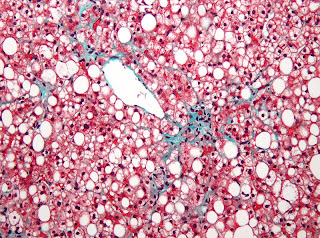
Image 1: Micrograph of non-alcoholic fatty liver disease, caused by the same kind of lipid accumulations
Shirazi et al. observed in the rats receiving fish oil treatment (image by Nephron)
Shirazi et al. (Shirazi. 2011) recently published a paper reporting exactly that: "Fish oil increases atherosclerosis and hepatic steatosis, although decreases serum cholesterol in Wistar rat" - The scientists had fed two groups of pregnant rats (and, after birth, their offspring) with either a fish oil containing or a standard, soy oil based diet. Both diets had the same overall fat content of 70 g/kg (according to standard AIN93-G recommended by American Institute of Nutrition). In terms of total calories, the diets thus contained 15.9% of the total energy in form of either fish or soy oil. The overall omega-3 to omega-6 ratios of the diets were 6:10 for the fish oil and 1.1:10 for the soy bean oil groups; where omega-3 in fish oil came from EPA and DHA, while the omega-3 content in the soy bean oil diet came from alpha-linoleic acid (ALA).
Image 2: In the aorta of rats on a diet rich in fish oil, fatty streaks like that
formed in the aortae (image source www.heartsite.com)
After 70 days the rats were killed and hepatic and aortic specimen were analyzed. The results are unsettling:
[...] fatty streak in fish oil fed pups were significantly more than that in the other group. [... liver] ductular cell hyperplasia in pups fed with fish oil was significantly more than that in animals fed with standard diet. There was a positive relationship between fatty streak in aorta and ductular hyperplasia in liver (r = 0.470 and p= 0.037)

Although the animals had free access to food (ad-libitum feeding) the pathological changes cannot be a consequence of differing calorie intakes. Both groups consumed roughly 16g of the respective diet. According to Shirazi et al., a feasible explanation for these observations and their inconsistency with previous studies by Saraswathi et al. (Saraswathi. 2009), Bringhenti et al. (Bringhenti. 2010), Zampolli et al. (Zampolli. 2006),and Casós et al. (Casos. 2008) would be the lower total amount of dietary fish oil, different (more varied) overall fat compositions of the diets and shorter study periods, respectively:
One possible explanation for this discrepancy is that in our study animals faced higher amounts of dietary fish oil; Saraswathi et al. used 209 g/kg of mixed oils (including coconut oil, olive oil, corn oil and soy bean oil) plus 60 g/kg fish oil, while we used 70 g/kg fish oil which was the only dietary fat source. The dosage of fish oil used in Zampolli et al. and Casós et al. studies were 1% and 5%, respectively, which was lower than 15.9% used in the present study. In the study performed by Bringhenti et al. animals were fed with fish oil containing diet from weaning till puberty which is a shorter period comparing to ours.
On the other hand, the results of this study stand in line with those of Ritskes-Hoitinga et al. (Ritskes-Hoitinga. 1998), Verschuren et al. (Verschuren. 1998) and Brenner et al. (Brenner. 1990), which, in parts (e.g. Ritskes-Hoitinga) observed even more severe  aortic atherosclerosis and hepatic steatosis than Shirazi and his colleagues. [ Something to think about: Isn't it telling that all those studies have been published before the fish oil craze? And before GlaxoSmithKline started making big bucks by selling is "pharmaceutical grade fish oil" Lovaza. Add to that the fact that Shirazi et al. obviously did not find an American publisher for their study and make up your own thoughts. ]

So what? In essence these results only confirm what I have been saying before. Supplementation with reasonable amounts of fish oil (~2g) may make sense, especially if your diet is naturally low in omega-3 fatty acids in general and DHA, in particular. Mega-dosing on the other hand, or trying to compensate for fatphobia by overconsumption of fish oil, i.e. consuming a low- to no-fat diet, while supplementing huge amounts of fish oil >5g), falsely believing that you would do your body a favor by providing him exclusively with the "good essential fatty acids", will do more harm than good. After all, the "best" (do we really think low total cholesterol is good) serum cholesterol and triglyceride levels are useless, if you die from clogged arteries and a liver defect.

Wednesday, January 5, 2011

Taurine Decreases Oxidative Stress After Eccentric Exercise in Rats: Human Equivalent Dose ca. 3.5g-4g

Regular readers of the SuppVersity will certainly be familiar with the sulfur-amino-acid taurine and its various benefits on exercise performance, insulin sensitivity and weight management. So, it may not come as a surprise that a recent study conducted by young scientists from the Postgraduate Program in Health Sciences at the Universidade do Extremo Sul Catarinense in Brazil found that 14-days "preloading" with 300mg/kg taurine per day reduced the exercise induced increase in oxidative stress in rats.
Taurine supplementation was found to decrease superoxide radical production, CK [creatine kinase], lipoperoxidation and carbonylation levels and increased total thiol content in skeletal muscle, but it did not affect antioxidant enzyme activity after EE [excentric exercise].
It is rather speculative, whether standard dose equivalent calculations apply to one situation or another - IF they did, you could probably get away with as little as 3.5-4.0g of taurine per day to achieve similar results. It would however warrant further investigations to find out, how, for example, the consumption of beta-alanine (cf. News on the Taurine vs. Beta Alanine Antagonism) would increase the need for supplemental taurine.

Additional advice: Do not buy your taurine in caps. Rather go for some bulk powder. It is cheap as hell and, at the suggested dose of 4.0g, a 500g pot will last you 125 days. And just another thing: Better take your taurine in divided doses. I've heard of people getting severe diarrhea from doses greater than 2g.

Sunday, October 17, 2010

Possible Side Effects of 17β-estradiol and Tamoxifen Treatment

Treatment with estrogens, mainly in women, and selective estrogen modulators (SERMS), which are also interesting for the average juicer, may yield hitherto unknown metabolic side effects. Scientists from Portugal (Moreira. 2010) have found that both, tamoxifen as well as estrogen treatment influence the oxidative capacity of mitochondria:


Fig. 1. Effects of E2 and/or TAM treatments on glutathione levels of liver, heart and brain mitochondria. (Moreira. 2010)
In spite of the distinct effect on glutathione levels, their effect on lipid peroxidation appears to be contrary:
TBARS levels were used to determine the extension of lipid peroxidation (PX) induced by the pro-oxidant pair ADP/Fe2+. Fig. 3A shows that liver mitochondria isolated from E2 + TAM females in the presence of ADP/Fe2+ produced significantly lower levels of TBARS when compared with liver mitochondria isolated from the other groups of experimental animals. No significant alterations were observed in brain mitochondria (Fig. 3B). Heart mitochondria were not tested because the amount of mitochondria obtained per heart did not allow us to test all the parameters including lipid peroxidation.
Nevertheless, the scientists come to the conclusion:
Although liver mitochondria is mildly affected by E2 treatment, the most deleterious effects are observed in heart mitochondrial function suggesting that estrogens should not be recommended, at least, to individuals with cardiac problems. Concerning TAM treatment, our results indicate that this agent may interfere with liver and brain mitochondrial function although the degree of toxicity would be dependent on predisposing conditions as the general metabolic condition of the patient. The data from the present manuscript indicate that further studies are thus necessary to correctly evaluate the toxicity of HRT on the different organs and determine the risk/benefit for each individual.