Showing posts with label tomatoes. Show all posts

Friday, December 19, 2014

Lose 1 cm off Your Waist by Drinking 280 ml High Lycopene Tomato Juice per Day and Eating More - Works in Most, But Not All Young Women - Inflammation Makes the Difference

If you scroll down to the bottom line you will find that tomato juice is not the only high lycopene tomato product.
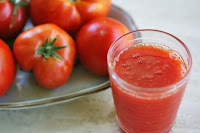
What if the magic weight loss pill didn't come in pill form, but in form of 100% pure tomato juice, containing 11.6 mg of lycopene per 100 mL? Sounds to good to be true? Well, it probably is, but even though tomato juice is not the magic obesity solution, a recent study from the China Medical University still suggests that it could be part of the solution.

Why? Well if 30 non-obese women lose 1.02 cm off their already relatively slim waists within 8 weeks, while reducing the serum levels of cholesterol, monocyte chemoattractant protein-1 (MCP-1), and thiobarbituric reactive substances and increasing the levels of adiponectin by the mere ingestion of 280 ml of the aforementioned tomato juice, I'd call that intriguing, but in and out of itself still nothing that would make tomato juice a "weight loss miracle".
Learn more about tomatoes and other veggies at www.suppversity.com

Urban Gargening not so Healthy as You Think

Tomato Powder Battles Cancer Like Aspirin

Fight Body Fat With Green Tomatoes

Tomatorade(R) as Intra-Workout Beverage

The Good Stuff is in the Peel, W/ Tomatoes, too!

Veggies Rule! As Adjunct to Starchy Carbs.
In contrast to the food intake, which was controlled carefully and shows, as you can see in Figure 1 that the overall intake increased (!) due to the tomato juice, the absence of a control group on an isocaloric beverage is a major downside of the study I would like to mention right away to make sure you don't get overly excited.
Figure 1: The weight loss was not a result of a simple reduction in energy intake. In fact, the 280ml of tomato juice (39kcal/day) were not the only thing the subjects ate more during the 2 months supplementation phase (Li. 2014).
In view of the fact that the dietary intervention was as simple as drinking the 280ml of juice at a self-determined point in 24h and keeping physical activity and diet the same, I believe we can skip over the results, right away.
Tomato juices are more than a healthy beverage for the biggest losers. They would also qualify as a highly effective and healthy intra-workout beverage - at least that's what a previously discussed study by Tsitsimpikou. 2013) some of you may remember would suggest | learn more.
Tomato products for your health: Tomatoes, juices, pastes and extracts have potent anti-oxidant effects - even in healthy individuals (e.g. −9.27% oxidized cholesterol in healthy young men in a double-blind randomized study in the course of which the subjects consumed 160 g/day of tomato sauce | Abete. 2013). Studies indicate that they protect your heart and other organs from damage and their consumption has been associated with reduced rates of various forms of cancer (Giovannucci. 1999). Furthermore the study at hand is not the first to show significant cholesterol lowering effects (Silaste. 2007), of which studies indicate that it is mediated by a direct suppression of cholesterol synthesis and LDL-clearance from the blood (Fuhrman. 1997). A direct anti-diabetic effect, however, is one of the few things that has not yet been demonstrated for tomato products (Wang. 2006).
If you take a closer look at the data in Figure 2 one of the first things you should notice are the words "responders" and "non-responders".
Figure 2: Changes in waist circumference, body fat (%), cholesterol levels, leptin levels and MCP levels in young (20-30 years) female study participants stratified by "responders" and "non-responders" (Li. 2014)
If you scrutinize the data, you will also see that there was a greater loss of body fat and a significantly higher reduction in waist circumference in the "responders", but the reduction of the inflammatory protein Monocyte chemoattractant protein-1 (MCP1) which is chronically elevated in all sorts of inflammatory diseases, including those associated with the metabolic syndrome was more pronounced in the "non-responders".
"Another unexpected result was that for serum triglyceride levels, which were significantly increased by supplementation, and this effect was seen in responders (body fat change <0), but not non-responders (body fat change ≥ 0)." (Li. 2014)
As Li et al. point out, this effect has previously been observed only in subjects with already high triglyceride levels. The levels of the subjects in the study at hand were yet all way below the critical range of >150mg/dL at the beginning and end of the study.

Figure 3: It's commonly overlooked that activated macrophages (~inflammation) can trigger lipolysis in the adipose tissue (Samuel. 2012).
As a SuppVersity reader you know that transient increases in triglycerides will also occur with other "fat burning substances", because they are a natural result of the increased release of fatty acids from the adipose tissue. An increase in fatty acid release, or a as scientists say, lipolysis is yet also triggered by the activation of macrophages (see Figure 3).

Now, the greater reduction in MCP levels in the non-responders suggests that the macrophage activating monocyte chemoattractant protein-1 (MCP-1) was significantly more affected by the provision tomato juice in those subjects who did not lose body weight. Whether this actually is the reason for the lack of fat loss in the non-responders and/or what is behind this difference is yet speculative and not even deal with in Li et al.'s discussion of the results.
You don't have to drink tomato juice to get lycopene. There are lots of other foods that contain significant amounts. And, as mentioned before: Whole foods beat supplements w/ respect to the bioavailability (Gärtner. 1997) and have the added benefit of delivering a whole matrix of healthy ingredients (Viuda-Martos. 2014).
Bottom line: As I already wrote at the beginning of this article, neither lycopene nor tomato products, of which several studies indicates that they are, probably also due to the increase bioavialbility of lycopene (Gärtner. 1997), the more powerful health promoters (Basu. 2006 ;Burton-Freeman. 2014) of the two, are the "magic bullet" so many people are looking for.

I spite of the lack of a control group the study at hand does yet still support the notion that tomatoes, tomato juices and pastes could be an essential part of a diet that promotes rather than triggers weight loss and, more importantly, body fat reductions... and by the way, you remember from a previous SuppVersity article that "Tomatorade(R)" is also an excellent intra-workout beverage for ordinary and extraordinary gymrats, right? | Comment on Facebook!
References:
  • Abete, Itziar, et al. "A regular lycopene enriched tomato sauce consumption influences antioxidant status of healthy young-subjects: A crossover study." Journal of Functional Foods 5.1 (2013): 28-35. 
  • Basu, Antik, and Vicky Imrhan. "Tomatoes versus lycopene in oxidative stress and carcinogenesis: conclusions from clinical trials." European journal of clinical nutrition 61.3 (2006): 295-303.
  • Burton-Freeman, Britt M., and Howard D. Sesso. "Whole Food versus Supplement: Comparing the Clinical Evidence of Tomato Intake and Lycopene Supplementation on Cardiovascular Risk Factors." Advances in Nutrition: An International Review Journal 5.5 (2014): 457-485. 
  • Gärtner, C., Wilhelm Stahl, and Helmut Sies. "Lycopene is more bioavailable from tomato paste than from fresh tomatoes." The American journal of clinical nutrition 66.1 (1997): 116-122.
  • Giovannucci, Edward. "Tomatoes, tomato-based products, lycopene, and cancer: review of the epidemiologic literature." Journal of the National Cancer Institute 91.4 (1999): 317-331.
  • Li, Yu-Fen, et al. "Tomato juice supplementation in young women reduces inflammatory adipokine levels independently of body fat reduction." Nutrition (2014).
  • Samuel, Varman T., and Gerald I. Shulman. "Mechanisms for insulin resistance: common threads and missing links." Cell 148.5 (2012): 852-871.
  • Silaste, Marja-Leena, et al. "Tomato juice decreases LDL cholesterol levels and increases LDL resistance to oxidation." British journal of nutrition 98.06 (2007): 1251-1258.
  • Tsitsimpikou, Christina, et al. "Administration of tomato juice ameliorates lactate dehydrogenase and creatinine kinase responses to anaerobic training." Food and Chemical Toxicology 61 (2013): 9-13.
  • Viuda-Martos, M., et al. "Tomato and Tomato Byproducts. Human Health Benefits of Lycopene and Its Application to Meat Products: A Review." Critical reviews in food science and nutrition 54.8 (2014): 1032-1049.
  • Wang, Lu, et al. "The consumption of lycopene and tomato-based food products is not associated with the risk of type 2 diabetes in women." The Journal of nutrition 136.3 (2006): 620-625.

Wednesday, April 16, 2014

News Quickie: Vitamin D Could Increase IGF-1 Delivery to the Muscle. Plus: Ergogenic Juicing For Ultra-Marathoners

Marathon de Sable ➯ Tomato juice
It's about time for another quickie, a news quickie about exercise & supplementation, about vitamin D and tomato juice... actually it's rather about tomato juice, a special carbohydrate + protein bar and the notorious "Gatorate(R)-ish" carbohydrate supplement every endurance athlete believes he must be taking. But let's be honest, who cares about tomato juice, carbohydrate, protein bars, pseudo Gatorade and their individual and joint effects on the health and performance of constantly (over-)taxed ultra-marathoners, if the other new item in today's article deals with the potential beneficial effect of vitamin D on IGF-1 and its anabolic consequences?
You can learn more about protein, tomatoes and vitamin D at the SuppVersity

Are You Protein Wheysting?

Vitamin D Speeds up Recovery

Protein requ. of athletes

Vitamin D, Muscle & Myostatin

Tomaotorade(R) Intra-Workout

Too much ado about protein?
You care? Ok, in that case, you may be inclined to hear that the bar contained 30.20 g (19.7 g sugars) carbohydrates, 5.2g fiber, a surprisingly high amount of fat (15.6g) and. of course, protein 30.8g to be precise (14.3 g whey protein). If we add the energy content of carbs, fats and protein up, we get an energy content of ~400kcal for the bar and thus approx 24x more than in 100ml of the tomato juice, which is - as you can see in Table 1 more or less devoid of "nutrients", but packed with antioxidants.
Table 1: Average nutritional value per 100 g of tomato juice and protein bar used in the present study (canned, salt added) and the carbohydrate supplementation beverage, as provided by the manufacturer (Samaras. 2014)
As you can see in Figure 1, enough antioxidants to elicit significant increases in flow-mediated dilatation, which was used as an estimate of endothelial function, by the researchers from the  General Hospital of Giannitsa in Greece.
Figure 1: Changes (% pre) in response to tomato juice & protein bar supplementation (Samaras. 2014)
Interestingly, the thiobarbituric-acid reactive substances, and protein carbonyls were significantly decreased in both supplementation groups - a good indicator that these changes were not mediated by the red night-shade elixir, but rather by the protein + carbohydrate bar, which lead to a "whey-typical" increase in reduced glutathione.
Increase in protein-anabolic p-AKT in vitamin D replete rats in the Ceglia study (Ceglia. 2013).
Alkali vs. vitamin D: Contrary to vitamin D which works only, when the D-levels are low (and by no means in all studies) the provision of potassium bicarbonate has been shown to help preserve muscle mass in catabolic states, even if the vitamin D levels are sufficient (Ceglia. 2013).
And eventually you've read about similar benefits from sodium bicarbonate supplementation and an increase in pH at the SuppVersity before - not just in terms of skeletal muscle, but also in terms of growth hormone in general (Did you know: Your growth hormone release is blunted even with a mild reduction in your body's pH | read more)
Is the vitamin D you produce at the beach you're visiting only rarely the secret to perfect glucose control? Learn more in the "Beyond Carbohydrate Series"
If the marathoners had now had low vitamin D levels, they may even had gained some muscle, if they had followed a similar protocol as the subjects in another recently published study from the St. John Fisher College Rochester NY.

And the results of this study don't even seem completely nonsensical. As a SuppVersity reader you do after all know about the existing evidence of the negative effects low vitamin D levels will have on the function and strength of skeletal muscle ("low" in this context means less than 30ng 25-OHD on the lab report). Against that background, it does after all appear to be logical that refilling the levels would in one way or another help maintain or even build skeletal muscle.

The actual news here is yet not that vitamin D could potentially prevent muscle atrophy and increase hypertrophy. It's rather that these effects could be brought about by the significant increases in total IGF-1, as well as the IGF-1 binding proteins 1 + 3 researchers from the College of Rochester observed, when they added 4,000 IU of vitamin D to the diets of 6 vitamin D insufficient and deficient men (39.0±8.6yo with 25OH D 20.0±7.7ng/mL) who participated in a one-hour exercise program consisting of stretching (ST), aerobic (AB), and resistive (RT) exercises (Darr. 2014)
Did you know that there is more and even "active" Vitamin D in Foods! Eggs, fish and dairy contain an overlooked, yet physiologically relevant amount of ready-made 25OHD | learn more,
Suggested Read: "Underestimated Vitamin D Sources: Especially Eggs, But Also Chicken, Pork, Fish & Dairy Contain an Overlooked, Physiologically Relevant Amount of Ready-Made 25OHD" | more
The aerobic training was a intensity treadmill walk, which was rotated with a moderate strength (50% 1-RM, 15, 10 repetitions) full body workout consisting of squats, bench presses, leg presses, and lat pull downs. As previously said, the scientists found that the vitamin D binding protein 3 levels (BP3) were increased after the resistance training in the vitamin D (n=6) vs. placebo (n=7) group (30%). And while the total IGF-1 levels decrease in the placebeo group, the increase in various binding proteins buffered this effect in the vitamin D group. Similar, yet less pronounced effects were observed in response to the aerobic training.

Whether the scientists' assumption that the increases in BP3 and BP1 levels and the maintenance of the total IGF-1 levels "potentially alter [...] the IGF system for enhanced muscle health" is accurate, let alone practically relevant is something this study cannot actually confirm.

And let's be honest, is it even likely? For someone without a pre-existing vitamin D deficiency? No. For someone with similarly low vitamin D levels as the deficient and insufficient subjects in a 2011 study by Stockton et al. (2011)? Probably, yes - but are you actually D-ficient?
Learn more about the previous "Tomatorade(R)" research.
Tomatoes, vitamin D and protein - three things you should keep an eye on: Needless to say that for you as a regular reader of the SuppVersity all this can hardly be news.

You've heard and read about the use of tomato juice as an anabolic intra-workout beverage in January 2013 (go back), you've learned about the anti-obesity and anti-cancer effects of (green) tomatoes in 2012 and you've read only yesterday in the SuppVersity Facebook News that green tomatoes protect your muscle from age-induced atrophy (read more).

And if you asked me. Adding another cup of tomato-juice will probably be the most promising "tweak" most of you can make to your nutrition / supplement regimen, because let's be honest. You do already take more than enough vitamin D to keep your levels stable and when it comes to protein, ... well, let's put it this way. I know that most of you err on the side of caution, irrespective of the fact that anything beyond 1.6-2.0g protein per kg body weight is probably going to do more harm than good (learn why).
References:
  • Ceglia, Lisa, et al. "Effects of alkali supplementation and vitamin D insufficiency on rat skeletal muscle." Endocrine 44.2 (2013): 454-464.
  • Darr, Rachel, et al. "Vitamin D supplementation effects on the IGF system in men after acute exercise (828.15)." The FASEB Journal 28.1 Supplement (2014): 828-15.
  • Samaras, Antonios, et al. "Effect of a special carbohydrate-protein bar and tomato juice supplementation on oxidative stress markers and vascular endothelial dynamics in ultra-marathon runners." Food and Chemical Toxicology (2014).
  • Stockton, K. A., et al. "Effect of vitamin D supplementation on muscle strength: a systematic review and meta-analysis." Osteoporosis international 22.3 (2011): 859-871.

Thursday, June 27, 2013

It's in the Peel - The Protective Hull of These 61 Super Fruits Can Ward Off Cancer: Prunes, Plums, Jujube, Kiwi, Pitaya, Apple, Banana, Lemon, Cherry, Kumquat, Pomelo,...

Peru Ground Cherries could be among the most potent fruity anti-cancer agents nature has to offer.
In all the hoopla around "anti-nutrients", people tend to forget that the majority of the hailed phenols, flavenoids etc. serve the very same purpose, they protect the fruit of certain plants. For a recent study from the School of Public Health and the Chinese Academy of Sciences in Guangzhou, as well as the Peking Univerity Fang Li et al. have now compiled an extensive list of fruits, their peels, pulp and seeds and the corresponding anti-proliferative activity, you may want to use as an anti-cancer shopping guide, when you are grocery shopping... and if you do so, don't peel them: the protective peel is where nature stores most of the stuff that kills cancer cells by having them suffocate in their own reactive oxygen species!
Keep in mind, while the fruits can kill cancer in the petri dish you would be asking too much if you expect to cure existing cancer by just eating one or to servings of the top items on the list below per day. In conjunction with the nutrition & exercise tips you receive on the SuppVersity every day, they may yet contribute their share to render you "cancer proof".
Table 1: Anti lung-, breast-, liver- and colon-cancer activity of 61 fruits,  or rather their pulp, their peel and their seeds; marked in green are all values that are larger than the mean + 60% of the standard devidation (Li. 2013)
I have been thinking for quite some time about the optimal way to present the data, to pick a TOP10 or to come up with a selection and then realized that I - if I were in your position - would like to take a look at the data myself.

Instead of telling you what I thought were the most remarkable results I did thus decide to simply confront you with the complete data marking every value that is at least 60% above the mean + one standard deviation in green and ordering the data by the mean protective effect against the three different cancer types (lung, breast, liver, colon cancer) the researchers have tested for.

If you just take a cursory look at the data, the most striking observation the scientists made is unquestionably, the overall potency of the fruit polyphenols. What you have to keep in mind though is that we are talking about in-vitro studies and direct exposure to dosages of 50.09–141.79 mg/mL, as they were necessary to actually kill breast cancer cells are probably something you will never achieve no matter how many Peru ground cherries you eat. With the latter being among the most potent fruity anti-cancer "meds" we have, it is obvious that the question we will still have to answer pertains to the effects of actually eating any of these items.

It appears out of question that it's not going to hurt you. It should also be obvious that eating a packed of cherries is not going to rid you of existing cancerous growth. On the other hand, there is already plenty of evidence that
  • cherries (in this case tart cherries) administered in an extract form, can reduce the risk of colon cancer in rodent models (Kang. 2003)
  • polyphenol-rich cloudy apples juices can protect against gastric diseases associated with cancer formation (Graziani. 2005)
etc. The picture that's emerging though is that the in-vivo effects of the above and other fruit polypenols are more or less locally, namely in the gut, where the individual cell is directly exposed to a high amount of the active ingredients in the respective fruit. To achieve maximal benefits and actually battle cancer in other parts of our body than the gut, it may thus be necessary to isolate the molecules, compound them and inject them locally in the the cancerous tissue...

Bottom line: While consuming high amounts of these anti-cancer fruits will have a plethora of health benefits, which will eventually protect you from cancer in all parts of your body, using them as a druglike medicine in our "war against cancer" would warrant extraction and isolation procedures that allow us to apply them in high concentrations to certain parts of our bodies.
I would bet money that all of the "superfruits" in the list above, also help to avoid prostate cancer
Suggested read & podcast: Last weeks' special issue of the SuppVersity Science Round-Up on prostate cancer is certainly something you either have remembered, when you went through the items on the list. And yes, while the scientists did not test for it, you bet that all of the "superfruits" in the list will also be good for your prostate. And just in case you missed the last installment of the Science RoundUp, I'd highly recommend you briefly go back to the corresponding seconds to read and listen to all the details | learn more about prostate cancer...
Although I doubt that isolating the nutrients and developing corresponding delivery systems entails insurmountable technical difficulties (in fact corresponding nano-technology would probably be available, already; cf. Khandelia. 2013), I am pretty sure nobody is going to do this; after all, the compounds themselves would not only be non-patentable, because naturally sourced, they would also compromise the sales of conventional cancer drugs and are thus a red rag to any of the big players in the business public health has become.

References:
  • Graziani G, D'Argenio G, Tuccillo C, Loguercio C, Ritieni A, Morisco F, Del Vecchio Blanco C, Fogliano V, Romano M. Apple polyphenol extracts prevent damage to human gastric epithelial cells in vitro and to rat gastric mucosa in vivo. Gut. 2005 Feb;54(2):193-200.
  • Kang SY, Seeram NP, Nair MG, Bourquin LD. Tart cherry anthocyanins inhibit tumor development in Apc(Min) mice and reduce proliferation of human colon cancer cells. Cancer Lett. 2003 May 8;194(1):13-9.
  • Khandelia R, Jaiswal A, Ghosh SS, Chattopadhyay A. Gold Nanoparticle-Protein Agglomerates as Versatile Nanocarriers for Drug Delivery. Small. 2013 Feb 27. 
  • Li F, Li S, Li HB, Deng GF, Ling WH, Wu S, Xu XR, Chen F. Antiproliferative activity of peels, pulps and seeds of 61 fruits. Journal of Functional Foods. 20 May 2013.

Friday, January 11, 2013

Science Round-Up Seconds: "Tomatorade(R)" or Why Tomato Juice is the Better Intra- & Postworkout Beverage. Up to 90% B12 Deficiency in Vegetarians & Vegans. Aluminum in Your Testes? Not With Vitamin E & Zinc.

Can't find "Tomatorade(R)", at your local supplement store, yet (surprising, right ;-)? The guys over @ SimplyRecipes have an easy and tweakable recipe describing how you can make your own "Tomatorade" or however you want to call it (photo by SimplyRecipes).
If you listened live to yesterday's installment of the SuppVersity Science Round-Up on Super Human Radio, you will probably have noticed that due to the technical problems and my teacherly tendency to talk for hours, Carl Lanore and I did not cover all the topics (click here do download the podcast if you haven't already done so)... but hey, that leaves more stuff for today, doesn't it?

I guess I will best package the newsitems into three servings, starting out with the one I like best, namely my Tomatorade(R) aka plain tomato juice news... but before I do so, I must thank Maxim Okhrimenko who corrected the statement I made about vodka in Russian babies' tea or other beverages. Normal Russians don't this. I actually did not intend to make that sound like "common practice" - sorry if it got across like that.

My sincere apologies for promoting prejudices like that. From a science perspective you could even argue that the Brits came up with the idea. In the 1850s William Woodward "invented" a concoction of dill seed oil, sodium bicarbonate and alcohol, called it "gripe water" and sold it as a soothing remedy for gastrointestinal troubles (Agarwal. 2000).

Tomatorade(R) - Tomato Juice turns out to be the ideal periworkout carb drink

What's LDH and CPK? While the former stands for lactate dehydrogenase and the latter is identical to CK, which is creatine kinase, both are considered markers of muscular exertion (LDH) and damage (CK) due to exercise. Very high levels of LDH occur for example in hemolytic situations, i.e. at times your red blood cells disintergrate or after a major trauma to a muscle (incl. a myocardial infarction), the same is true for CK, for which most laboratories will analyses tissue specific isoforms with CK-MB being the one that's indicating muscle damage from the minor DOMS after a leg workout to full rhabdomyolysis.
I know many of you will probably be shuddering, right now. "Carbohydrate drinks? I don't care if it's Tomato- or Gatorade, I don't want any of them." Still, what would you say, if I told you that "Tomatorade(R)", which consists of nothing else but 100% tomato juice could not just replenish your muscle glycogen levels, but would also reduce and even normalize LDH and CPK levels? Allow you to regenerate faster, train more frequently and eventually increase your performance and muscle gains- specifically if you are into weight lifting or other anaerobic activities? I see, now, I got you interested.

According to a paper that is going to be published in the next issue of Food Chemistry and Toxicology, the administration of tomato juice instead of a commercial exercise beverage to 9 out of 15 anaerobically trained athletes (11 men, 4 women) with elevated LDH (>300mg/dl) and CPK(>210mg/dl) baseline levels (as the scientists have it a clearcut sign of "endothelial dysfunction through oxidative stress" (Tsitsimpikou . 2013)) returned the LHD ad CPK levels back into the normal range in the course of the two months study period.
Figure 1: Effects of two month on an isocaloric amount tomato juice (here jovially called "Tomatorade(R)" ;-) vs. the regular carbohydrate workout drink the subjects usually consumed during and after their workouts (Tsitsimpikou. 2013)
Moreover, the consumption of vitamin, mineral and polyphenol-laden superdrink, in place of the athletes regular carbohydrate drink (the scientists made sure that the energy content was identical) also reduced the highly health relevant markers of whole body inflammation, homocysteine and C-reactive protein (CRP; see figure 1) - whether the mainly lycopene induced reductions in homocystein is actually protecting against endothelial damage or not, is yet still (or I should say, again) a matter of scientific debate (cf. Xaplanteris. 2012).

Brief update:  Just got a question from Sofeen on facebook about simply eating tomatoes. Now, you would have to eat plenty of them to see the effect, but in essence it should work. Nevertheless, when I contemplated the question I came up with an even better alternative: Tomato paste! When Tomatorade(R) is the carb beverage, then the paste would be one of those fancy carb gels - a gel, by the way, which has a 2.5x higher bioavailability for lycopene than you would get from regular tomatoes (Gärtner. 1997).

Vitamin B12 defieciency is rampant among vegetarians and (even more) vegans

I have previously pointed out that unless you are at least lacto-ovo-vegetarian, which means that you eat dairy products and eggs, you are going to have a very hard time building and maintaining the physique of your dreams. As a recent meta-analysis and review study by Pawlak et al. suggests, not being the leanest and most muscular on stage should yet actually be your least concern.

Suggested Read: "Want B12 But Hate Meat? Drink Milk!" Even some of the more advanced supplements cannot compete.
According to the data the researchers from different US institutions collected, the deficiency rates for "normal" vegetarians are
  • 62% among  pregnant  women,
  • between  25% and almost 86% among children,
  • 21–41% among adolescents, and
  • 11–90% among the elderly
Even higher rates, bordering the 90%+ range, when they were measured by holo-transcobalamin II essays were reported for vegans (adults). On top of that the scientists did not find any confounding factors,:
"The main finding of this review is that vegetarians  develop  B12 depletion or deficiency  regardless  of demographic  characteristics,  place of residency,  age, or type of vegetarian  diet. Vegetarians should thus take preventive measures to ensure adequate intake of this vitamin, including regular consumption of supplements containing B12." (Pawlak. 2013)
As preferable dietary sources the researchers suggest, the aforementioned dairy products and eggs:
  • milk, which contains between 0.3 and 0.4 mg/100 g of B12, with an absorption rate of about 65%.
  • the B12 content of cheese or cottage cheese ranges from 20 to 60% that of milk.
  • the amount of B12 in a whole egg is between 0.9 and 1.4 mg/100g
Unfortunately, the amount of B12 is profoundly reduced during the heating process. For milk the B12 loss amounts to up to 30-50%, when you boil it and I bet you won't be much better off with hard boiled (yolks = hard) eggs.

If you avoid meat not for ethical reasons, but because you are afraid it's bad for you, read the "Meat-Ology" post
The scientists also point out that the vegan myth that your body a great ability to store B12 and it would take years if not decades for them to be depleted:
"Studies do not support the position that it takes up to 20 or 30 years to develop a deficiency.7 According to Donaldson, 47% of the sample developed a deficiency, and most of these individuals had adhered to a raw vegan diet for between 23 and 49 months or about 2–4 years. In a study conducted by Herrmann et al.66% of German participants who had adhered to a vegetarian diet for at least 2 years were found to be B12 deficient." (Pawlak. 2013)
Since the whole problem is further increased by the lack of hydrochloric acid (low-to-no intrinsic factor production, which is necessary for the absorption of B12), low iron induced damage to the gut mucosa and subsequent nutrient malabsorptions, I'd suggest that all of you who insist on following a vegetarian life-style go, have their levels checked and get some B12 injections if you are where Pawlak et al. believe you are: Rock bottom.

Protect your testes, rescue your sperm and testosterone production

A recently published paper has taken yet another look at ways to prevent testicular damage / toxicity subsequent to heavy metal exposure. Other than usual, the "suspect" is yet not lead, but rather aluminum, which was administered in toxic doses to male albino rodents.
Figure 2: Relative levels of testosterone, FSH, LH and prolactin in aluminum (50mg/kg) treated male albino rats after the administration of zinc, vitamin E or both; data expressed relative to healthy (non-Al intoxicated) control (Rawy. 2013)
As the data in figure 2 goes to show you, the Saudi-Arabian researchers were able to counter much of the detrimental effects on testicular morphology, spermatogenesis and hormone production by administering either zinc sulfate or vitamin E alone or in conjunction at human equivalent doses of 8mg/kg zinc sulfate (I may remind you that these were 8mg/kg of zinc sulfate, not of elemental zinc, so that we are talking about ~1.8mg/kg elemental zinc) and 2.4mg/kg vitamin E (~1,200-1,500IU), respectively.


Now while that's it as far as today's Seconds are concerned, tomorrow is Saturday and in case you are into those shorter news items, you better make sure to come back for another installment of On Short Notice. And just in case you have not done so already, I would also suggest that you take a peek at the following recent Facebook news:
    Older tomato news: The dehydrotomatine, α-tomatineand trigonelline from green tomatoes has fat burning effects (read more).
  • Galactooligosaccharides increase bifido bacteria content in obese patients and result in positive effects on the immune response, and insulin, total cholesterol and triglyceride concentrations (read more). 
  • Women with brittle bones cannot squat? False! They must squat, recent study says (read more)
  • The fries a mother eats during pregnancy predispose her kids to become obese and develop metabolic syndrome syndrome - at least if the oil was (as it almost always is) oxidized during the heating process (read more).
  • The Zinc equation: For every doubling in Zn intake, the difference in Zn serum or plasma concentration is 6% - this assumes zinc intakes in the normal range of <30mg/day (read more).
As usually there will be more for you to read in the course of the next 24 hours - so just "like" the SuppVersity Facebook page to make sure you are not missing out on anything important ;-)

References
  • Agarwal KN, Gupta A, Pushkarna R, Bhargava SK, Faridi MM, Prabhu MK. The gripe water story.J R Soc Med.2000;93:172-174.
  • Gärtner C, Stahl W, Sies H. Lycopene is more bioavailable from tomato paste than from fresh tomatoes. Am J Clin Nutr. 1997 Jul;66(1):116-22.
  • Pawlak R, Parrott SJ, Raj S, Cullum-Dugan, D Lucus, D. How prevalent is vitamin B12 deficiency among vegetarians? Nutrition Reviews. 2 JAN 2013 [epub ahead of print]
  • Rawy SM, Seif Al Nassr FM. Zinc sulphate and vitamin E alleviate reproductive toxicity caused by aluminium sulphate in male albino rats. Toxicol Ind Health. 2013 Jan 2.
  • Tsitsimpikou C, Kioukia-Fougia N, Tsarouhas K, Stamatopoulos P, Rentoukas E, Koudounakos A, Papalexis P, Liesivuori J, Jamurtas A. Administration of tomato juice ameliorates lactate dehydrogenase and creatinine kinase responses to anaerobic training. Food Chem Toxicol. 2013 Jan 3.
  • Xaplanteris P, Vlachopoulos C, Pietri P, Terentes-Printzios D, Kardara D, Alexopoulos N, Aznaouridis K, Miliou A, Stefanadis C. Tomato paste supplementation improves endothelial dynamics and reduces plasma total oxidative status in healthy subjects. Nutr Res. 2012 May;32(5):390-4.

Saturday, September 22, 2012

Fighting Body Fat W/ Green Tomatoes; Fasting, Exercise & Cognitive Performance; Potassium Citrate & Coconut Oil Strengthen the Bone; 25mg Clomid Double Testosterone

Image of the week: Golf-ball sized tumors from GMO corn and a >100% increase in mortality in female rodents are the results of the (at least in Europe) much debated study by Gilles-Eric Séralini et al. (Séralini. 2012)
I must admit that I got somewhat bored with writing the same, or at least very similar introductions time and again. So I decided to start each and every installment of On Short Notice with either a picture or a figure that impressed, amused, enraged or, as in this case, shocked me, when I hit on it. The image you see on the right shows the rodents from the French GMO corn study that made the news earlier this week. Females, to be precise. With golf-ball sized mammary gland tumors. Nasty and the result of a life on a 22% GMO or 22% GMO + Round-Up diet ... yeah, you read me right: 22% was enough. In fact, "the rate of mortality [...] reach[ed] a threshold at the lowest (11%) or intermediate (22%) amounts of GM maize" (Séralini. 2012), already, and that irrespective of whether the corn was or wasn't treated with round-up.

Quite a difference to the previous 13 week rodent study, which was obviously enough for the officials to allow the Frankenfood to be sold as "save for human consumption". But enough of those nasty tumors and pre-mature deaths and on to a short collection of recent science news from the world of health, nutrition, supplementation and medication (exercise news will follow in a couple of days, don't worry ;-)


Red Tomatoes Are Good, But Green Ones Could Be Even Better - For weight Loss, At Least That's the simple message the results from a soon-to-be-published study on the AMPK- and PPAR-gamma mediated anti-obesity effects of 20 g/kg diet of red vs. green tomato water extracts (extraction took place at room temperature for 1h; Choi. 2012).

Figure 1: Significant benefits on weight gain, epididimal (=visceral) and liver fat were observed only with the dehydrotomatine, α-tomatine, trigonelline rich green tomato extract (based on Choi. 2012).
While both, the red (RTE) and green tomato extracts (GTE) did ameliorate the weight gain and fat accumulation of male C57BL/6 mice who received the RTE and GTE enriched chow after they had been pre-fattened on a "high fat diet" for 4-weeks, only the green tomato extract with its higher dehydrotomatine, α-tomatine and trigonelline extract had statistically significant effects on total body weight and visceral fat gain (see figure 1).

If you take a closer look at the photos of the rodents (small picture in figure 1), you will probably agree that judged by their physique the mice in the HFD + GTE appear to be the leanest. Now, it given the fact that "high" amounts of dietary fat and fatty livers are not exactly conducive to rodent health, the image may be misleading; and still, the fact that the purported "high fat" diet, had 4g more protein, 17g more fat and 23g less carbs per 100g, than the regular chow and thus a macronutrient composition of 24g / 41g / 24g makes me wonder if the control mice on the "healthy" low fat rodent chow would not have seen similar benefits from a few mg of GTE per day ;-)

As far as the underlying mechanisms are concerned the additional in-vitro experiments, Choi et al. conducted revealed that the anti-obesity effects were probably the result of concomitant increases of p-AMPK (to normal = control levels) and a profound suppression of the pro-adipogenic (=fat storage promoting) proteins PPAR-gamma, C/EBP-alpha and perillipin in the adipose tissue of the GTE treated animals. And with tomatine turning out to be the most potent (-80%) inhibitor of fat accumulation (vs. -10% for trigonelline), we eill probably soon see the first stanardized green tomato extracts being sold as dietary supplement. I mean, you all know how it works these days: If there is a single rodent study showing benefits, people will be willing to pay for it and since demand determines supply, it won't take long until you see the first 2xGTE based "fat burner" (featuring GTE as in green tea extract and GTE as in green tomato extract ;-) hit the shelves.


Regardless of whether you are low-carbing or not, eggs could literally give you a head-start in the morning (click here to learn more about the good "bad" eggs)
Breakfast Counters Mental Fatique, Exercise curbs appetite - Regardless of Whether You "Break the Fast" or Not! That's what a group of researchers from Korea found, when they analyzed the effects of consuming or omitting breakfast on the physical and mental fatique, as well as the cognitive task performance, mood and appetite ratings of twelve healthy male participants during and after four different test conditions:
  • no breakfast and rest, 
  • breakfast and rest, 
  • no breakfast and exercise and
  • breakfast and exercise
On each of the four test days the participants went through the 'same' routine that consisted of "breakfast (or continued fast), a 2 h rest, an exercise (treadmill run at 60% VO2max to expend ~710 kcal) or an equivalent rest period, a liquid snack, a 90 min rest period and finally an ad libitum lunch" (Veasey. 2012).

As I already mentioned in the title of this item, the mental fatigue ratings were significantly higher during the fasted compare to the fed trials. Correspondingly consuming breakfast prior to resting increased speed on a Rapid Visual Information Processing task (RVIP) - an effect that was not observed, when the breakfast was supplied after the exercise. The treadmill exercise lead to a significant reduction in hunger ratings during and even temporarily after the exercise, irrespective of whether or not the subjects had had breakfast. The effect was however more pronounced in the fed condition.

Recent UK study says: Children learn better w/ breakfast The findings of a study that used an online questionnaire + test system to establish a connection between breakfast consumption and cognitive performance in 1386 children aged between 6 and 16 years, from schools throughout the UK, appears to confirm previous laboratory studies, suggesting that breakfast can help maintain attention and memory during the morning (Wesnes. 2012).
Now, though all this clearly suggests that skipping breakfast was a very bad idea, I would like to remind you of the "priming" or "programming" effect I have outlined in my recent post on "breaking the fast". Against that background, the scientists' conclusion that "consuming breakfast before exercise decreased mental fatigue ratings following cognitive task completion and exercise reversed the detrimental effects of breakfast consumption on RVIP reaction time" would have to be confirmed in a group of habitual "non-breakfast eaters", whose circadian rhythm is adapted to running on stored fuel in the morning, before we ascribe general validity to it.


Potassium Citrate: Could the "Best Calcium Supplement" Contain No Calcium, At All? Usually the reason doctors will prescribe or tell people to take calcium supplements is that they are afraid their patients would otherwise pee out their bones - literally! Unfortunately, that does not reduce but will often rather exasperate the urinary excretion of calcium and thus belongs to the realms of counterproductive or at least incomplete text-book knowledge, which stands in contrast to a handful of studies of which the average physician usually has not heard, before (Harrington. 2003; Karp. 2009; Marangella. 2004, Sakhaee 2005; Taylor. 2010).

Figure 2: Changes in urinary calcium and calcium balance (mg/day), as well as serum parathyroid levels (PHT in pg/dl) after 6 months on 650mg calcium citrate (placebo) with or without 60 or 90mmol potassium citrate
The latter probably won't change with the soon-to-be-published paper that deals with the effects of potassium citrate supplementation on calcium balance in older men and women. And that despite the fact that the results could be of relevance for anyone following a high protein, high fat or SAD diet, as well - especially if he is like Adelfo's client Mr. C and "does not like his vegetables" ;-) After all, the main mechanism by which the administration of 60 or 90 mmol of potassium citrate improved the calcium balance of the subjects who had a low baseline calcium intake and a high phosporus load (556/1338 in the female and 618 / 1410 in the male subject) and a potassium intake 10-15% below the RDA of 3,500mg was the "complete neutraliz[ation]" of the dietary acid load, which can be a serious problem with far-reaching metabolic ramifications not just for the elderly (Mosele. 2012).

In the study at hand, the alkalizing effect of the potassium supplement went hand in hand with increases in urinary potassium (42.0 in the low and  67.3 mmol/day in the high dose arm) and profound decreases in urinary calcium loss. In conjunction with the elevated calcium intake from 630mg of supplemental calcium citrate, all subjects (placebo included) received, this induced a shift from a negative into a positive calcium balance and corresponding decreases in PTH, the hormone that will not just leach calcium out of the bones to keep your serum calcium levels steady (see figure 2), but has also been found to be associated with increased body fat levels (interestingly specifically fat and not other anthropometric markers like body weight!) and metabolic syndrome (Snider. 2005; Hjelmesaeth. 2009)

Is the dosage used in the study already dangerously high? No. 90mmol K-citrate are usually tolerated without problems (this assumes that you have healthy kidneys!), but must be spread across the day and are best ingested with food.
In view of what you've learned about the role of phosphorus in calcium and vitamin D metabolism ("Phosphor, Calcium and Vitamin D"), as well as the potential pitfalls of becoming overtly acidic (scroll down to figure 3) and what you can do to stay on the alkaline side of things, it is probably not necessary I remind you of the fact that you can avoid running into problems in the first place by simply eating a balanced whole foods diet without tons of grainy junk (whole or not) and convenience "foods". If you do that, the use of supplements should be unnecessary and could, if consumed in excess, have serious side effects, which range from gastrointestinal distress over low blood pressure, muscular warkness and dehydration (due to a low sodium : potassium ratio), up to cardiac arrhythmias and - in the worst case - sudden cardiac arrest.


25mg Clomiphene Citrate Still a Good Choice For Non Testosterone Based TRT (or Restart) ... and as if that was not already enough, it will also maintain your bone health, when your testosterone can't do the job for you, or help you and your significant other if you have problems conceiving (see box "Clomiphene citrate?", below; Da Ros. 2012)

Clomiphene citrate? For those of you who have no idea, what clomiphene citrate aka "clomid" is: It's a SERM = selective estrogen receptor modulator - basically a molecule that looks and behaves similar to estrogen, but has only insignificant estrogenic effects, when it binds to the estrogen receptor. Originally developed for the treatment of breast cancer, SERMs have caught some attention within the bodybuilding community as the goto drug to "restart" the HPTA after the use of androgens. This works simply because estrogen, the last hormone in the steroid cascade has the most pronounced suppressive effect on steroid production. As soon as the respective receptors in the brain are blocked and the brain tricked to believe that there is almost no estrogen floating around it will ramp up the hormonal production again and the sex hormone levels will rise. Obviously, this does not work for former performance enhancing drug users, only, but also for men in whom the HPTA or testosterone production is suppressed for other reasons. And as if that was not astonishing enough, clomid has also been used with some success as a fertility drug for women (Zadehmodares. 2012).
In a prospective study the results of which have been published in the International Brazilian Journal of Urology Carlos Teodósio Da Ros and Márcio Augosto Averbeck were able to show that the (in bodybuilding circles probably laughed at) dosage of 25mg/day clomiphene citrate increased the testosterone levels of 125 men with hypogonadism and low libido (mean age was 62 years) from Serum T levels ranged from 309 ng/dL at baseline to 642 ng/dL within no more than 3 months.

What about the side effects? Well, the only ones the scientists observed were improvements in the
post-treatment Quality of Life (QoL) scores
. Total cholesterol, HDL-cholesterol, triglycerides, fasting plasma glucose and prolactin did, if anything, improve (!) - statistically significant was yet only the -5% reduction in total cholesterol.

No serious adverse events were recorded. And if it were not for the absence of statistically significant improvements in sexual performance in the 26 men who had already passed the 71y age mark - you could probably say: "It worked like a charm" ;-)


Curried Carrot Soup w/ coconut oil (DrAxe.com) - I doubt the chef who came up with this recipe was aware of a recent study by Conlon et al. which showed that coconut oil can increase carotenoid accumulation in tissue & serum of gerbils by up to 900%(!) over safflower control
Virgin Coconut Oil For Everything - Including Bone Strength! Sounds hilarious, but is true: Researchers from the Pharmacology Department at the Faculty of Medicine of the Universiti Kebangsaan Malaysia in Lumpur, Malaysia, have found that the addition of 8g /100g virgin coconut oil (VCO) to the diets of the ovariectomized rats (this is the standard rodent model of menopause), was more effective than calcium supplements in preventing the menopausal bone loss.

While calcium only prevented the reduction in trabecular separation but failed to increase the bone volume and trabecular number, the rodents in the VCO group had a significantly greater bone volume and trabecular number than the ovariectomized non-supplemented controls, as well.

The scientists speculate that the beneficial effects the coconut oil had on the bone-structure of the estrogen deficient rodents was most likely due its high amount of saturated fats, particularly the medium chain triglycerides (MCTs). At least in my humble opinion the the additional biologically active components like vitamins and polyphenols, probably played an almost as important role. At least, that's what their antiallergenic, antiatherogenic, anti-inflammatory, antimicrobial, antithrombotic, cardioprotective, and vasodilatory effects would suggest - I mean, why don't we simply add antiosteoperotic to that list ;-)

Hungry for more news? Visit the SuppVersity on Facebook!
That's it for today, but there will be more in the days to come... more short news and an article I have promised to write looooong ago. So stay tuned and don't forget to check out the SuppVersity Facebook page for a couple of even shorter news-items on the bone-obesity connection, the potential downsides to chronic high dose glutamine supplementation, why total LDL cholesterol number and even LDL particle size could be less important than we have thought and much, much more ;-)

References:
  • Choi KM, Lee YS, Shin DM, Lee S, Yoo KS, Lee MK, Lee JH, Kim SY, Lee YM, Hong JT, Yun YP, Yoo HS. Green tomato extract attenuates high-fat-diet-induced obesity through activation of the AMPK pathway in C57BL/6 mice. J Nutr Biochem. 2012 Sep 10. pii: S0955-2863(12)00184-2.
  • Conlon LE, King RD, Moran NE, Erdman JW Jr. Coconut Oil Enhances Tomato Carotenoid Tissue Accumulation Compared to Safflower Oil in the Mongolian Gerbil ( Meriones unguiculatus ). J Agric Food Chem. 2012 Aug 16.
  • Da Ros CT, Averbeck MA. Twenty-five milligrams of clomiphene citrate presents positive effect on treatment of male testosterone deficiency - a prospective study. Int Braz J Urol. 2012 Jul;38(4):512-8.
  • Harrington M, Cashman KD. High salt intake appears to increase bone resorption in postmenopausal women but high potassium intake ameliorates this adverse effect. Nutr Rev. 2003 May;61(5 Pt 1):179-83. 
  • Hayatullina Z, Muhammad N, Mohamed N, Soelaiman IN. Virgin Coconut Oil Supplementation Prevents Bone Loss in Osteoporosis Rat Model. Evidence-Based Complementary and Alternative Medicine. 2012; 237236: 8 pages.
  • Hjelmesaeth J, Hofsø D, Aasheim ET, Jenssen T, Moan J, Hager H, Røislien J, Bollerslev J. Parathyroid hormone, but not vitamin D, is associated with the metabolic syndrome in morbidly obese women and men: a cross-sectional study. Cardiovasc Diabetol. 2009 Feb 3;8:7.
  • Karp HJ, Ketola ME, Lamberg-Allardt CJ. Acute effects of calcium carbonate, calcium citrate and potassium citrate on markers of calcium and bone metabolism in young women. Br J Nutr. 2009 Nov;102(9):1341-7. 
  • Marangella M, Di Stefano M, Casalis S, Berutti S, D'Amelio P, Isaia GC. Effects of potassium citrate supplementation on bone metabolism. Calcif Tissue Int. 2004 Apr;74(4):330-5.
  • Moseley K, Weaver C, Appel L, Sebastian A, Sellmeyer DE. Potassium citrate supplementation results in sustained improvement in calcium balance in older men and women. J Bone Miner Res. 2012 Sep 18.
  • Sakhaee K, Maalouf NM, Abrams SA, Pak CY. Effects of potassium alkali and calcium supplementation on bone turnover in postmenopausal women. J Clin Endocrinol Metab. 2005 Jun;90(6):3528-33. 
  • Séralini GE, Clair E, Mesnage R, Gress S, Defarge N, Malatestab M, Hennequin D, de Vendômois JS. Long term toxicity of a Roundup herbicide and a Roundup-tolerant genetically modified maize. Food and Chemical Toxicology. 2012. Ahead of print.
  • Snijder MB, van Dam RM, Visser M, Deeg DJ, Dekker JM, Bouter LM, Seidell JC, Lips P. Adiposity in relation to vitamin D status and parathyroid hormone levels: a population-based study in older men and women. J Clin Endocrinol Metab. 2005 Jul;90(7):4119-23.
  • Taylor EN, Stampfer MJ, Mount DB, Curhan GC. DASH-style diet and 24-hour urine composition. Clin J Am Soc Nephrol. 2010 Dec;5(12):2315-22. 
  • Veaseay RC, Gonazalez JT, Kennedy DO, Haskell CF, Stevenson CS. Breakfast consumption and exercise interact to affect appetite, cognitive performance and mood later in the day. Appetite 59 (2012) 618–638.
  • Wesnes KA, Pincock C, Scholey A. Breakfast is associated with enhanced cognitive function in schoolchildren. An internet based study. Appetite. 2012 Aug 15;59(3):646-649.
  • Zadehmodares S, Niyakan M, Sharafy SA, Yazdi MH, Jahed F. Comparison of treatment outcomes of infertile women by clomiphene citrate and letrozole with gonadotropins underwent intrauterine insemination. Acta Med Iran. 2012;50(1):18-20.

Saturday, August 25, 2012

On Short Notice: Worst Transfat Offenders Cookies & Co + Cinnamophilin For Joints + Tomato Powder Battles Cancer Like Aspirin + Creatine Protects Cell Walls + Carboholism Starts in the Womb, Intermittent Fasting Helps... + More!

Image 1 (lecker.de): They may look cute and harmless, but they are just one of the many incarnations of the worst transfatty acids offenders in the diets of the "average American" cake, cookie and pastry lovers. Believe it or not: Some of them manage to eat almost 100g of the proatherogenic fats per day (!)
Saturday and therefore time for a handful of "On Short Notice" news. We've got some ground to cover, today, so let's get started right away: We will start out by taking a look at the joint-healing / -protective effects of cinnamophilin, a compound from the roots of the cinnamomum trees. We will reconsider the importance of adiponectin for the non-obese physical culturist, switch from aspirin to tomato powder as our cancer prevention "drug" of choice and re-appreciate the newly discovered cell-protective value of a supplement 90% of you are probably already taking: creatine! Once we are done with that we revisit the potential connection between chronically low blood glucose, chronic catecholamine over-expression and the chronic fatigue syndrome. We will then take a look at how high carb diets and intermittent fasting of pregnant rats program the orexin A expression in the brains of their offspring and how that can predispose them to become obese.

During a brief water-break we will discard the idea of hyperhydration as idiotic and decide against carrying another kg of water weight around for the rest of this installment of "On Short Notice". Eventually we will reject pulses as a new staple diet food due to their potential to damage our gut mucosa and their strange gender-specific effects on insulin release and shake our heads over the average and not so average American's daily trans-fatty acid intake, which borders - in some cases - the 100g (!) ceiling of unhealthy absurdity.
  • Image 2: I must admit that I am not 100% sure if you would see similar benefits from regular cinnamon, not just because it is probably not from Cinnamomum philippinense, but also because the active ingredieant cinnamophilin has originally been extracted from the roots of the tree, not it's bark, which is what regular cinnamon is made from - it is obviously likely that some, yet probably lower amounts, would also be contained in the bark and a teaspoon of regular cinnamon probably won't hurt, anyway (cf. Wu. 1994 and Lu. 2012)
    Do your joints a favor and dig up some cinnamomum roots. While I am honestly not sure if cinnamophilin content of regular cinnamon (-bark) vs. Cinnamomum philippinense (nor whether this stuff is even in the bark, which is the raw material for "regular" cinnamon - a paper by Wu would suggest that it is extracted from the roots; cf. Wu. 1994), as it was used in a recently published study from College of Medicine, Taipei Medical University, will be sufficient, it is relatively certain that the anti-inflammatory effects of this highly lipophilic antioxidant and free radical-scavenging agent, which has also been shown to inhibit thromboxane synthase and the thromboxane A2 receptor (means it will reduce unwanted blood clots; Yu. 1994), to block Na+ and Ca2+ inward currents in rat cardiac cells (means it helps to protect the contractile function of your heart; Su. 1999), and to reduce brain infarction and protect against transient focal cerebral ischemia (rodent studies by Lee. 2005 & 2009), would silence any ongoing joint inflammation.
    And while Ju et al. can only speculate about the exact mechanism it appears to involve the modulation of NF-κB or ERK/p38 MAPK downregulation and/or suppresion of p-c-Jun pathways. Since both are involved in the etiology of other inflammatory, degenerative diseases, as well, it appears almost certain that there will soon be more exciting applications for yet another medicinal component from your kitchen cupboard.
  • Adipokines are not necessarily your friend - not even adpinonectin: Despite being the latest and (supposedly) greatest of the powerful cytokines that are released from your body fat, may keep you healthy when you are fat, it's negative correlation Pisto et al. observed in an epidemiological cross-sectional study involving 54 normotensive, non-smoking men with normal OGTT, clearly suggests that increasing adiponectin expression probably ain't the best way to get big and buffed (Pisto. 2012). Rather than that, you better diet and work out till you are big and buffed and wait for adiponectin (and leptin, which was by the way not significantly correlated with muscle size after adjustment for total adiposity) to fall in place.
  • Image 3: Tomato(powder)'s aspirin-like anti-cancer effects could be another reason for the health benefits of the so-called Mediterranean Diet
    Tomato powder mimics aspirins cancer protective effects At least in the gastrointestinal tract the COX-2 inhibition of tomato powder appears to exert similar protective effects against colorectal cancer (Tuzcu. 2012); and in view of the fact that the rodents in the Turkish study were fed a 5% enriched chow you would however not even have to consume tons of it - 90g or 1.14g/kg body weight would suffice ;-) If that's still more than you want or can stomach, just eat more tomatoes and/or (even better) tomato paste, which is quasi the water-containing version of the dry extract.
    And if you can't do tons of either, don't forget: Just like all the bad junk that may not be a problem if you ingested just junk A and maybe junk B, from time to time, becomes really nasty once C, D, E, etc. join the assault, it may be the pound of tomatoes you ate over the course of the last 2 weeks that helped you to avoid that the literal last straw that would otherwise not have broken the camel's but your back.
  • Figure 1 : Lipid vesicle permabilization after exposure to melittin + (1) NaCl , (2) 100 mM DMBG), (3) Creatine, or (4) PCr (Tokarska-Schlattne. 2012).
    (Phospho-)Creatine protects lipids in cell walls! In their latest paper a group of French and Swiss researchers report that they demonstrated for the first time that phosphocreatine (PCr), the explosive power, short-term energy substrate you are trying to increase, when you are taking creatine (monohydrate or whatever else), is more than just an energy source (Tokarska-Schlattne. 2012). As the data in the figure 1 shows, it has direct protective effects on the lipid fraction of your cells as well. And while this observation does not make creatine a bit more effective, it does provide another piece to the puzzle that explains why it is also useful in so many sports-unrelated areas such myopathies and a plethora of neurodegenerative diseases.
  • Constant subphysiological glycemia (= hypoglycemia without symptoms) could be the reason that you centrally fatigue, after all the constant elevation of epinephrine and glucagon, Ana María Arbeláez and her colleagues observed in a cleverly conducted study, where they limited the glucose levels in 8 healthy human volunteers to 65 mg/dL (3.6 mmol/L) for two hours showed a constant elevation of epinephrine and glucagon (Arbeláez. 2012). That the latter will only work for so long hardly suffice to keep you functioning normal (by no means optimal) should be clear... So how do you prevent that? Don't overtrain, don't undereat, don't eat only protein and don't be f***ing scared of eating as much carbs and fats, as you need to fuel an active lifestyle (Arbeláez. 2012).
  • Figure 2: Orexin A expression in the PvNP in the offstring of rat dams on different pregnancy diets
    You have the choice: Obese or normal kids? It all depends on the way you eat during pregnancy, at least that is the result of a soon-to-be-published study in Brain Research (, which found that compared to the normal pregnancy diet, a diet with an extra load of carbohydrates lead to a lower body weight at birth, but increased orexin A expression in the parvocellular part of the paraventricular nucleus (PvNP) which predisposed the rat pubs of the high carb dams to gain weight at a faster rate and catch-up and overtake the rodents from the control group after no more than 9 weeks.
    Another 10 weeks later, the rodents born to rats in the high carb group were already the heaviest of the four experimental groups and still as hungry as before.
    Now that alone would not necessarily make a SuppVersity news, if the scientists had not, without even noticing made a (imho) very relevant discovery. In addition to the group with free access to normal chow, they had another group which mimicked the time-restricted feeding pattern in the high fat and high carb groups, who received their chow only within a fixed 6h window, which would essentially equate to intermittent fasting; and while I doubt that the results reach statistical significance, it is still quite telling that the pubs born to the intermittently fastest (IF) rats on the regular diets, were normal weight at birth, had the lowest orexin A (hunger signal expressed in the brain) expression in the PvNP and were subsequently the lightest at the 19 week weight in...
    I still wouldn't suggest you start to fast intermittently, just because you notice you are pregnant, after all we don't know whether or how this translates to humans and if the pubs of the IF-dams were not simply undermuscled and therefore exhibited a lower body weight.
  • Image 4: As long as you got a couple of tables with water, sugary electrolyte bevarages, or even better salted coconut water along the roadside, you don't need to carry another 2lbs of water weight with you on your 1/2 marathon races.
    If you want to carry another kilo of useless weight around in the heat, go on and practice hyperhydration, otherwise you better stick to a bottle of water with some salt and sugar in it on your next 18km TT run in the heat (and cold). This is the actually not very surprising take home message of a recently conducted randomized cross-over trial from the University of Sherbrooke, in Canada, in the course of which Pierre-Yves Gigou and his colleagues investigated the effects of hyperhydration (=water loading) with 26 mL/kg bodyweight of a 130 mmol/L sodium solution before four successive 4.5 km blocks alternating between 2.5 km at 1% and 2 km at 6% gradient on a treadmill (Gigou. 2012).
    For the well-trained triathletes in the study, it did not make a difference whatsoever, as long as they could guzzle away their 500ml of gatorade during the 80-90min of running they were fine.
  • Are pulses superfoods, for women only or simply not suitable for daily consumption? It appears that similar to their nasty brethren, the soybeans, yellow peas, chickpeas, navy beans and lentils have the potential to become e hip diet food that could do more harm than good, especially to its male consumers. In a recently conducted study, a group of researchers from the University of Toronto found that pulses can help both men and women lose weight without prescribed caloric restriction (Mollar. 2012).
    Image 5: Pulsing of protein is something you are familiar with, but what about eating pulses.. yeah, we are talking about yellow peas, chickpeas, navy beans and lentils; that stuff your grandma maybe told your patents to eat from time to time. Are they the good twin of the evil soy bean?
    Contrary to the subjects in the calorically restricted "control" arm (-500kcal/day) of the study, the overweight or obese (mean BMI 32.8 kg/m²) adults in the pulse group, who were provided with a whopping dose of five cups of pulses per week (on average 896 g/week), had reduced their energy intake ad-libitum to about the same level as their peers "involuntarily" and accordingly seen similar reductions in body weight, waist circumference, systolic and diastolic blood pressure (statistical significance for intergroup differences were non-significant, i.e.  p >> 0.05, for all). At the end of the 8 week period there were however a couple of unwanted side-effects: While the minimal increase in HDL form the pulses would certainly count as a plus, increasing  C-peptide levels already suggest that there appears to be a problem with the glucose management in the pulse-eaters.
    And in fact, while the average female participants insulin AUC (the area under the insulin curve is a measure for the total amount of insulin the pancreas spills out in response to an oral glucose tolerance test, as it was performed in the study at hand) did go down by 13.9%, there was a profound increase (27.3 % in males) in the male pulse eaters.
    Figure 3 (radiancenutrition.com): Daily consumption of pulses appears appears to entail the risk of developing leaky gut.
    And even the women would have been better off (at least from a glucose tolerance perspective) without their yellow peas, chickpeas, navy beans and lentils - on the classic diet, they lost the same amount of weight and improved their insulin response by 24.2% and thus still 19.4% more than the men (the men had a reduction of -4.8 % in insulin AUC) and 10.3% more than with the pulse diet. I am therefore not convinced whether the scientists' euphoric conclusion that the "frequent consumption of pulses in an ad libitum diet reduced risk factors of the MetSyn [metabolic syndrome] and these effects were equivalent, and in some instances stronger, than counselling for dietary energy reduction" is not a little too optimistic - and that despite the fact that the HOMA-IR Mollar et al. reference as their indicator of improved insulin sensitivity suggests that they may be right...
    And before I forget it, the significant, but still meager improvements in LDL scientists from the University Saskatchevan report in another pulse diet study from the same supplement to the British Journal of Nutrition involving only elderly subjects would not convince me to eat 2x150g of beans, chickpeas, peas or lentils every day, either (Abeysekara. 2012) - why? Contrary to Whitlock et al. who are apparently not very concerned about the "abrasive" effect of pulses on the thickness of the mucosa in the gut (-25% in rodent experts; cf. Whitlock. 2012), I am not going to open up my "internal doors" to foreigners for a minuscule reduction in LDL, alleged improvements in glucose metabolism (see above) and some weightloss that comes about because you are so bloated that you become anorexic by twice let alone thrice daily pulse consumption.
  • Figure 5: Fat, TFA intake across age groups and sources (Kris-Etherton. 2012)
    Transfats (TFA): Cakes, cookies, pies and pastries are the worst offenders That's the unsurprising finding of the latest analysis of data from the National Health and Nutrition Examination Survey (NHANES; data from 1999-2002; Kris-Etherton. 2012). Among the 16,669 individuals (age ≥3 years) the median TFA intake was 2.3 % of calories (5 g/day) with 0.9–4.5 % of energy (1.5–13.1 g/day) over different quintiles of intake. The mean (that's the arithmetic mean vs. just the value right in the middle, which is the median) TFA intake was 2.5 % of energy (6.1 g/day).
    The overall range of TFA intakes in the highest quintile was almost crazily broad and ranged from already health compromising 8.8 up to 92.4 g/day. In view of the fact that the lions-share of this shit (sorry, but I just can't find a better name for it) came from cakes, cookies, pies, and pastries, the easiest solution to the problem and a major relief to the future public health insurance system in the US would be to ban this junk from the supermarkets or at least require the use of TFA-free and heat-stable fats in their production... but I think we all know that this is not going to happen, anytime soon.
"What? That's it, already?" If that's what you are just thinking I suggest you take a detour to the SuppVersity Facebook Wall and check out how Citrulline may protect your brain from aging, how your heart might protect itself by becoming insulin resistant and many other recent news from the realms of exercise, nutrition and health science!

References
  • Arbeláez AM, Rutlin JR, Hershey T, Powers WJ, Videen TO, Cryer PE. Thalamic Activation During Slightly Subphysiological Glycemia in Humans. Diabetes Care. 2012 Aug 13.
  • Abeysekara S, Chilibeck PD, Vatanparast H, Zello GA. A pulse-based diet is effective for reducing total and LDL-cholesterol in older adults. British Journal of Nutrition. 2012; 108:S103-S110.
  • Beck B, Richy S, Archer ZA, Mercer JB. Early and persistent up-regulation of hypothalamic orexigenic peptides in rat offspring born to dams fed a high-carbohydrate supplement during gestation. Brain Research. 17 August 2012.
  • Gigou PY, Dion T, Asselin A, Berrigan F, Goulet EDB. Pre-Exercise Hyperhydration-Induced Bodyweight Gain Does Not Alter Prolonged Treadmill Running Time-Trial Performance in Warm Ambient Conditions. Nutrients. 2012; 4(8):949-966.
  • Kris-Etherton PM, Lefevre M, Mensink RP, Petersen B, Fleming J, Flickinger BD. Trans Fatty Acid Intakes and Food Sources in the U.S. Population: NHANES 1999-2002. Lipids. 2012 Aug 18.
  • Lu YC, Hsiao G, Lin KH, Hsieh MS, Jayakumar T, Wu TS, Sheu JR. Cinnamophilin Isolated from Cinnamomum philippinense Protects against Collagen Degradation in Human Chondrocytes. Phytother Res. 2012 Aug 18.
  • Lee EJ, Chen HY, Lee MY, et al. Cinnamophilin reduces oxidative damage and protects against transient focal cerebral ischemia in mice. Free Radic Biol Med. 2005; 39: 495–510.
  • Lee EJ, Chen HY, Hung YC, et al. Therapeutic window for cinnamophilin following oxygen-glucose deprivation and transient focal cerebral ischemia. Exp Neurol. 2009; 217: 74–83.
  • Mollard RC, Luhovyy BL, Panahi S, Nunez M, Hanley A, Anderson GH. Regular consumption of pulses for 8 weeks reduces metabolic syndrome risk factors in overweight and obese adults. British Journal of Nutrition. 2012;108:S111-S122.
  • Pisto P, Santaniemi M, Turpeinen JP, Ukkola O, Kesäniemi YA. Adiponectin concentration in plasma is associated with muscle fiber size in healthy middle-aged men. Scand J Clin Lab Invest. 2012 Sep;72(5):395-402.
  • Su MJ, Chen WP, Lo TY, Wu TS. Ionic mechanisms for the antiarrhythmic action of cinnamophilin in rat heart. J Biomed Sci. 1999;6: 376–386.
  • Tokarska-Schlattner M, Epand RF, Meiler F, Zandomeneghi G, Neumann D, Widmer HR, Meier BH, Epand RM, Saks V, Wallimann T, Schlattner U. Phosphocreatine interacts with phospholipids, affects membrane properties and exerts membrane-protective effects. PLoS One. 2012;7(8):e43178. 
  • Tuzcu M, Aslan A, Tuzcu Z, Yabas M, Bahcecioglu IH, Ozercan IH, Kucuk O, Sahin K. Tomato powder impedes the development of azoxymethane-induced colorectal cancer in rats through suppression of COX-2 expression via NF-κB and regulating Nrf2/HO-1 pathway. Mol Nutr Food Res. 2012 Aug 1.
  • Whitlock KA, Kozicky L, Yee AJH, Ha C, Morris J, Field CJ, Bell RC, Ozga JA, Chan CB. Assessment of the mechanisms exerting glucose-lowering effects of dried peas in glucose-intolerant rats. British Journal of Nutrition. 2012;108:S91-S102. 
  • Wu TS, Leu YL, Chan YY, Yua SM, Tenga CM, Sua JD. Lignans and an aromatic acid from Cinnamomum philippinense. Phytochemistry. June 1994;36(3):785–788
  • Yu SM, Ko FN, Wu TS, Lee JY, Teng CM. Cinnamophilin, a novel thromboxane A2 receptor antagonist, isolated from Cinnamomum philippinense. Eur J Pharmacol. 1994; 256: 85–91.