Showing posts with label blueberries. Show all posts

Sunday, March 26, 2017

Grind, Blend, Microwave - How Does the Way You Process Them Affect the Health-Benefits of Veggies and Fruits
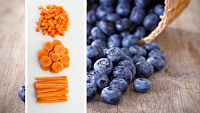
Carrots and blueberries - superfoods you cannot ruin by grinding, blending and even the falsely depreciated use of the microwave oven.
Cooking / Food-Processing Done Right: 5 Things to Remember to Make the Most of the Antioxidant Prowess of Your Foods Cooking or the preparation of food (food processing at home) is something I would love to address more often. Unfortunately, studies such as Boyan­ Gao's recently published paper in "Food Science & Nutrition" are truly rare. In said paper, the Chinese scientists followed up on recent studies that indicate that different food preparation methods could significantly change the chemical profiles and bioactivities including the antioxidant and real-world anti-inflammatory activity of (super-)foods.
Learn more about the effects of your diet on your health at the SuppVersity

All About Almonds and Their Health Effects

Taste Matters - Role of the Taste Receptors
Egg-Ology, Today: Why Eggs are Awesome

Walnuts Boost Exercise Performance

You May Roast & Salt Nuts! They're Still Healthy

All About Cheese, Your Health, Per-formance & More
I've discussed some of these studies in the SuppVersity Facebook News (subscribe by liking if you haven't done so), before. Zaiter, et al., for example, found that the particle size of your green tea powder will affect its antioxidant activity - with the best grinding conditions and particle size being rather rough, i.e. 6000 rpm and 100–180 μm (Zaiter 2016). Likewise, I've addressed the issue of microwaving both in the Facebook News and here on suppversity.com. What I haven't discussed in detail, though, is "whether and how different home-based food preparation methods, including blending, chopping with/without microwaving, might release different levels of beneficial bioactives from carrot and blueberry food models" (Gao 2017) - simply because the study at hand is the first to do that.
The scientists didn't just assess the content of vitamins and phenols, but also tested the free radical scavenging and absorbing capacity, as well as the biological, anti-inflammatory effects of the processed blueberries and carrots.
Aside from the fact that it addresses a commonly overlooked, yet practically relevant question, I like about the study that the scientists bought samples of regular carrots and blueberries at a local supermarket and used five home-use blenders, including Nutribullet 600, Nutribullet Pro 900, Nutribullet RX, Vitamix 5200 and Oster Versa 1400 that you could buy over at Amazon (or elsewhere), too. To investigate the antioxidant prowess of differently prepared samples, the authors proceeded as follows:
"Carrots were cut into one-inch length, accurately weighted and blended with pure water (1:2, w/v) for 20 s using the highest speed in a blender. The blended samples were separated into two parts, one part was microwaved for 10 s to inactivate the enzymes in the carrots or blueberries, while another part was not microwaved to examine whether and how their inherent enzymes might alter the releasable level of bioactive components. The blended carrot samples were centrifuged at 10,000 g for 5 min, and the supernatant was collected and the calculated volume of acetone was added to make a final concentration of 50% acetone (v/v) for further assays. Blueberries were extracted following the same procedure without cutting. The extracts were kept at 4°C until testing" (Gao 2017).
Afterward, the samples were analyzed for their free radical scavenging ability using DPPH, ORAC, hydroxyl radical (HOSC) and - most importantly - macrophage cell assays (the latter mirror the biological effects of the extracts much better than the aforementioned chemical assays) - and here's what they found:
  • The β-carotene availability in carrots concentration extracted from the chopped carrot was below the limit of detection (LOD). All tested commercial blenders were able to enhance the release of β-carotene at a level of 0.2–0.94 μg/g fresh carrot, which was significantly greater than the chopped counterpart.
    Figure 1: HPLC analysis of β-carotene in carrot extracts. The results are reported in μg β-carotene per gram of fresh carrot. The vertical bars represent the standard deviation (n = 3) of each data point. Bar with different letter represents significant different at p < .05. HPLC (Gao 2017)
    There was no significant difference in extractable concentration of β-carotene among the blended/ground carrots using different commercial blenders, regardless of microwaving immediately after grinding.

    In addition, no difference in extractable β-carotene was observed between the ground carrots using the same blender with and without microwaving. 
  • The anthocyanin content of the blueberry samples was not affected by any of the preparation methods. If you scrutinize the data in Figure 2 you will see that the differences in anthocyanin content for all samples were well within the statistical margin or error for the HPLC analysis for all commercial blenders/grinders.

    Microwaving, on the other hand, did change the content of these powerful antioxidants [(a) malvidin-3-O-glucoside and (b) cyanidin- 3-O-glucoside were measured representative for the total anthocyanin content] - and significantly that is. The scientists argue that this difference may be explained by a decrease in the activity of inherent enzymes such as glucosidases and other carbohydrases. Unfortunately, these enzymes have previously been shown to increase the bioactive availability from fruits and other botanicals including vegetables (Otieno 2007; Alrahmany 2012).
    Figure 2: HPLC analysis of (a) malvidin-3-O-glucoside and (b) cyanidin-3-O-glucoside in blueberry extracts. The results are reported in μg anthocyanins per gram of fresh carrot. The vertical bars represent the standard deviation (n = 3) of each data point. Bar with different letter represents significant different at p < .05 (Gao 2017).
    As Gao et al. explain, microwaving your blueberries may thus be a bad idea, even though it increases the extractable level of malvidin-3-O-glucoside and cyanidin-3-O-glucoside, because a reduction of these compounds at the expense of their degradation products could eventually imply a reduced bioavailability, because some of their "degradation products such as malvidin and cyaniding might have greater absorption in GI track" (Gao 2017).
  • The total phenolic content (TPC) of carrots ranged from 0.19 to 0.34 mg gallic acid equivalents per gram of fresh carrot, which was equivalent to 593.6–1062.2 mg chlorogenic acid per kilogram of fresh carrot.

    It's not just about food processing, it's also about food combining: Whole Eggs Can Boost Your Beta-Carotene and Vitamin E Uptake from Veggie Salad W/ Oil Dressing by 400%-700% | more
    While no difference in extractable TPC was detected in carrot samples processed with different blenders, and the chopped carrots, the total antioxidant prowess (measured by TPC) was increased with blending under the experimental conditions, "suggesting the potential effect of particle size in bioactive release from vegetables" (Gao 2017). In addition, microwaving had no significant effect on the extractable amount of phenolics from ground carrots. In a similar vein, the total phenolic content of the blueberries was observed to increase with grinding, which is obviously similar to chewing (blending had no significant effect).

    In contrast to carrots, however, the availability of total phenolic contents in the blueberries did, however, increase significantly with microwaving, "indicating that inactivation of blueberry enzymes might reduce the loss of phenolics during grinding and storage of the blended blueberries" (Gao 2017), so that the TPC results clearly indicate that "microwaving immediately after blending may be recommended for blended blueberry to retain a desirable availability of total phenolics" (Gao 2017). 
  • Foods in the Limelight: Blueberry Smoothies, Egg Protein & 'Healthy Eating' | Plus: How to Diagnose Gluten Sensitivity? Find out in this SV Classic!
    The TROLOX radical scavenging, ORAC radical absorbance, and hydroxyl radical scavenging capacity (HOSC) While the DPPH (TROLOX) assay was more or less randomly affected by blending and/or microwaving, the ORAC and HOSC assays showed a statistically significant increase in radical absorbance capacity with blending or grounding. Microwaving, on the other hand, increased only the ORAC, not the HOSC capacity - "a possible effect from the inherent carrot enzymes" (Gao 2017) and thus the release of bioactives.

    For blueberries, all three assays, i.e. the DPPH assay (TROLOX), the ORAC assay and the HOSC assay produced more or less random effects - a clear trend for increased or decreased values with either blending, grinding or microwaving was not observed.
  • The biological anti-inflammatory activity that was measured in macrophages that were exposed to an LPS challenge, no differences were observed for both, the carrot and blueberry samples prepared using different commercial blenders/grinders in releasable levels of potential anti-inflammatory components in the LPS-induced IL-6 mRNA expression in macrophage cells (Figure 7). The inhibitory effects of blueberry extracts on LPS-induced COX-2 and TNF-α mRNA expressions could be dose-dependent.
Frozen blueberries are 'better' than 'fresh' ones unless you gather them yourself (Gustafson 2012).
Remember: Food processing ain't always bad(!) - if you could remember one take-home message, only, it should be just that: "Food processing ain't always bad!" While the study found no difference among the commercial blenders/grinders on the extractable levels of health-beneficial components including carotenoids, anthocyanins, free radical scavenging compounds and potential anti-inflammatory components, there is a general trend that favors the increase, not decrease, of such components in carrots (veggies) and blueberries (fruit) with blending and no effect in the probably most important anti-inflammatory effects (measured in the macrophage experiment the scientists did) with either blending/grinding or microwaving.

So, if you buy frozen blueberries, defrost them in the microwave oven and blend them that's not worse than eating the 'fresh' blueberries from the farmers' market (you cannot tell me that the 'farmer' gathered them in the morning before he sells them). In fact, doing the former may have two important advantages: (a) the frozen blueberries may actually be "fresher" and more nutritious than the ones from the farmers' market (see Figure) so that the small drop in their health promoting effects matters only if supermarket stored the blueberries for years (Skupień. 2006) | Comment!
References:
  • Alrahmany, Roaaya, and Apollinaire Tsopmo. "Role of carbohydrases on the release of reducing sugar, total phenolics and on antioxidant properties of oat bran." Food chemistry 132.1 (2012): 413-418.
  • Gao, Boyan, et al. "Home‐based preparation approaches altered the availability of health beneficial components from carrot and blueberry." Food Science & Nutrition (2017).
  • Gustafson, Sally J., et al. "Effect of postharvest handling practices on phytochemical concentrations and bioactive potential in wild blueberry fruit." Journal of Berry Research 2.4 (2012): 215-227.
  • Otieno, D. O., J. F. Ashton, and N. P. Shah. "Isoflavone phytoestrogen degradation in fermented soymilk with selected β-glucosidase producing L. acidophilus strains during storage at different temperatures." International journal of food microbiology 115.1 (2007): 79-88.
  • Zaiter, Ali, et al. "Effect of particle size on antioxidant activity and catechin content of green tea powders." Journal of food science and technology 53.4 (2016): 2025-2032.

Sunday, June 28, 2015

Foods in the Limelight: Blueberry Smoothies, Egg Protein & 'Healthy Eating' | Plus: How to Diagnose Gluten Sensitivity?

Yes, blueberry smoothies are heart healthier than those without blueberries, but can't replace blood pressure meds.
In today's installment of the SuppVersity short news we will take a look at a bunch of recent studies that have been published in the open-source journal Nutrients in the last months. Some of them deal with foods, others with behavioral aspects that are related to one's diet and its effects on body weight and health.

I will try to adapt the length of the summary to the appeal of the article, but if you feel that a specific topic has not been covered "in-depth enough" for your liking, you can always type the title of the study from the references into google and take a closer look, yourself.
If you want training, not nutrition articles, here you go!

Optimizing Rest for Size and Strength Gains

When Rodents Squat, We Can Learn A Lot!

Farmer's Walk or Squat? Is Strong- men T. For You?

Full ROM ➯ Full Gains - Form Counts!

Cut the Weight, Add the Vibe - Vibration Plates

Up Your Squat by 25% With Sodium Bicarbonate
  • We don't see the dietary mistakes we make (Sproesser. 2015) - In contrast to our perception of physical weaknesses like love-handles and co our perception of our eating habits is often not critical enough. According to a recent study from the University of Konstanz in Germany, people considered what they ate always healthier than what others ate, even if an objective assessment said that there were no significant differences.
    Figure 1: Annotated photo of the foods subjects chose from when they put together
    the meals for themselves and their peers (Sproesser. 2015).
    What is particularly interesting is that this became a self-fulfilling prophecy, when the participants were asked to compose a meal for their peers and chose (a) more energy for a peer than for themselves (M = 4983 kJ or 1191 kcal on average for the peers’ meals vs. M = 3929 kJ or 939 kcal on average for the own meals) and (b) more high-caloric food items for a typical meal - a behavior that is highly indicative of a so-called "self-other bias", which would confirm that at least many of us really think they were eating healthy even if that's in stark contrast to epidemiological data indicating overall unhealthy eating habits.
  • Egg yolk protein delays, egg ovalbumin (the white stuff) boosts the recovery of your iron levels (Kobayashi. 2015) - In spite of the fact that the study at hand was conducted in female rats, it's safe to assume that the yolk and white protein will have different effects on iron absorption and thus the the induction of iron deficiencies in man and women on low iron diets, too.
    Figure 2: Body weight gain, food intake, hematocrit, hemaglobin and red blood cell count in response to different iron deficient diets compared to control = iron sufficient diet (Kobayashi. 2015).
    In other words, if you are eating 20 full yolks per day and your iron-levels are suppressed, you may reconsider this practice. If it's just the occasional egg yolk, let alone egg protein powder (which is usually ovalbumin, only), don't worry. 
  • Blueberries are good for the heart, but they are no replacement for your blood pressure meds (Stull. 2015) - ed. In a recent double-blind and placebo-controlled study was conducted in 44 adults (blueberry, n = 23; and placebo, n = 21). The subjects were randomized to receive a blueberry or placebo smoothie twice daily for six weeks.
    Table 1:  Nutritional composition and ingredients in the smoothies (Stull. 2015).
    A snack that didn't have any effects on either the blood pressure or the insulin sensitivity of the >20 year-old subjects suffering from metabolic syndrome. That the blueberry smoothie still had beneficial effects on the endothelial function of the subjects can be seen by the improvements in reactive hyperemia index (RHI - an index that is among other things used for the noninvasive identification of patients with early coronary atherosclerosis" | Bonetti. 2004), which remained statistically significant even after adjusting for confounding factors, i.e., the percent body fat and gender.

    Accordingly, the study does support the notion that eating blueberries - even in form of a smoothie - can have beneficial effects on your heart health. In view of the fact that in this particular study a comparison of no-blueberry vs. blue-berry smoothies was conducted, you could also argue that the inclusion of blueberries in a smoothie may smooth out the negative effects of another (unnecessary) snack on your health and suggest: If you want to eat blueberries don't add them as a snack, but use them as a replacement for other foods.
Is Noneliac Gluten Sensitivity Legit? A Recently Published Review of the Latest Scientific Evidence on NCGS by Alex Leaf (Guestpost) May Help You Decide Whether you Even Want to Do the Painstaking Test | more
What? A, yes, the PLUS: How to diagnose gluten sensitivity? Well, as Catassi et al. point out, "[a] full diagnostic procedure should assess the clinical response to the gluten-free diet (GFD) and measure the effect of a gluten challenge after a period of treatment with the GFD" (Catassi. 2015). As a clinical evaluation tool the scientists suggest that the patient uses a self-administered instrument incorporating a modified version of the Gastrointestinal Symptom Rating Scale (see it). The test is then used during a double-blind placebo-controlled gluten challenge (8 g/day): One week on gluten / placebo is followed by a one-week washout on a strict gluten-free diet (GFD) that is, again, followed by 7 days on either 8g of gluten or placebo (depending on what was administered on day 1).

To make sure you don't mess up the results by using a placebo that may promote another gastrointestinal problem like small intestinal bacteria overgrowth as Jane pointed out in a comment on this article if you use the rice starch which is what Catasi et al. suggest, it may be wise to use something as innocent as EAA powder as your placebo.

Whatever you use as a placebo, NCGS, i.e. non-celiac gluten sensitivity, as scientists call the symptoms that occur in people who are non-celiac, is then diagnosed if there is at least a variation of 30% of one to three main symptoms between the gluten and the placebo challenge | Comment on Facebook!
    References:
    • Bonetti, Piero O., et al. "Noninvasive identification of patients with early coronary atherosclerosis by assessment of digital reactive hyperemia." Journal of the American College of Cardiology 44.11 (2004): 2137-2141.
    • Catassi, Carlo, et al. "Diagnosis of Non-Celiac Gluten Sensitivity (NCGS): The Salerno Experts’ Criteria." Nutrients 7.6 (2015): 4966-4977.
    • Kobayashi, Yukiko, et al. "Egg Yolk Protein Delays Recovery while Ovalbumin Is Useful in Recovery from Iron Deficiency Anemia." Nutrients 7.6 (2015): 4792-4803.
    • Sproesser, Gudrun, et al. "I Eat Healthier Than You: Differences in Healthy and Unhealthy Food Choices for Oneself and for Others." Nutrients 7.6 (2015): 4638-4660.
    • Stull, April J., et al. "Blueberries Improve Endothelial Function, but Not Blood Pressure, in Adults with Metabolic Syndrome: A Randomized, Double-Blind, Placebo-Controlled Clinical Trial." Nutrients 7.6 (2015): 4107-4123.

    Sunday, September 29, 2013

    Lemon Juice, Resistant Starch, Coffee, Blueberries, Chili, Ginseng, Ginger, Mate, Gymnema Sylvestre, Bitter Melon. Supplements to Improve & Restore Insulin Sensitivity #4

    Lemon Juice, Resistant Starch, Coffee, Blueberries, Chili, Ginseng, Ginger, Mate, Gymnema Sylvestre, Bitter Melon - they are all in this fourth serving of the insulin sensitizing supplements series and they are all in this collage. Can you identify all of them?
    First of all, let me thank you for flooding me with good suggestions for supplements that should be discussed in this last installment of the series. It's Friday now that I start writing this post and it is probably going to be Sunday, before I find the time to finish the last of your suggestions; and that despite the fact that I am going to try to cut the infos short when I can foresee that it is not worth going into more details, anyway.

    Not worth going into details? Yep, one of the supps, where this is clearly the case was suggested by Colby who wants me to address sodium-R-lipoic acid, which is nothing else but R-ALA and in my mind a scientifically unsupported spin-off of ALA that may in fact be inferior to the regular racemic form of lipoic acid which contains both the R- as well as the purportedly pro-inflammatory S-form of ALA (more about the benefits of inflammation in the context of hormesis).
    Before we start, just a brief reminder: Do not consider spending your money on any of these supplements before you've not made / begun to make the lifestyle changes described in episode one of this series. Otherwise all of these supplements are nothing but a crutch supporting you on your journey along the Royal Road to Diabesity.
    Ok, enough of the finger wagging for today; let's get to "your" supplement wishes. Let's see, what have we got?
    • Lemon juice (citric acid) - This is another of Colby's suggestions (also asked for by "anonymous" who just missed his chance of becoming semi-famous). Colby says, he read about lemon juice in Tim Ferriss' Four Hour Body (a fascinating book, by the way; the only problem is that people forget that it's an N=1 experiment and few things that worked for Tim will work for you or anyone else, as effectively).

      Not citric acid specific enough, but worth mentioning: In a study where citric acid (the purported active ingr. in lemon juice) was admin. w/ thiamine, arginine and caffeine it lead to FAT GAIN in normal weight individuals (Muroyama. 2003) - this should remind you of the smart rules of supplementation, right?
      Ferris claims that in his experiments only lemon juice, but not vinegar, which happens to work by the same mechanism, i.e. slowing down the absorption of carbs, did actually lower his postprandial blood glucose levels. Unfortunately there is no research to support this claim and thus lemon juice is at best of as limited use as vinegar (see previous post).

      Using lemon juice for cooking purposes, on the other hand, has been shown to reduce the formation of pro-diabetic glycation end products during cooking.

      Using a marinade with lemon juice for example will reduce the production of AGEs in beef by 10%  (Uribarri. 2010)

      Overall, lemon juice is thus another "C" as in "you C-an try it if you are looking for yet another C-rutch", but certainly nothing that is going to solve any of your problems.
    • Resistant Starches - Starches that cannot be broken down in the small intestine and will thus not release any glucose are a no-brainer, as far as improvements in insulin sensitivity are concerned. Think of them as fat, because that is what the "really resistant" starches, i.e. those that make it almost unharmed to the long intesine (RS-3 for the natural ones and RS-4 for the artificial ones). Once they have arrived there they are metabolized to short chain fatty by the bacteria in your gut.

      WMHDP pancakes are not good for you, but maybe better than regular ones.
      Now, the one thing that renders this starches still interesting is the fact that the fatty acids the gut bacteria produce are "short chain fatty acids" (SCFA) . These are, as the name implies "short" and thus easier digested than their nasty long-chain brethren that make up the lion's share of regular keto diets. Moroever, the SCFA have direct (receptor mediated) effects on the production of the "satiety hormone" GLP-1 that has positive effects on both glucose and lipid metabolism (Yadav. 2013).

      It is thus the conversion to SCFA and not the resistant starches which come in the varieties RS1 (=physically inaccessible or digestible resistant starch, such as that found in seeds or legumes and unprocessed whole grains),  RS2 (=resistant starch that occurs in its natural granular form, such as uncooked potato, green banana flour and high amylose corn), RS3 (=resistant starch that is formed when starch-containing foods are cooked and cooled such as in legumes, bread, cornflakes and cooked-and-chilled potatoes, pasta salad or sushi rice) and  RS4 (= starches that have been chemically modified to resist digestion, e.g. WMHDP), due to which RS1-4 get a "B" as in "B-etter than regular starches or sugars, B-ut no quick fix for sure". They are useful only in conjunction with the previously mentioned life-style changes from episode I (no, I will never tire of repeating this ;-).
    • From an anti-diabetes perspecitve more coffee appears to help more; in view of its effects on the central nervous system you still better limit your intake to max. 3-4 cups per day (Matusheski. 2012)
      Coffee (caffeine & other stuff) - Is certainly too extensive to be treated in detail, so I will refer you to the numerous previous posts on coffee at the SuppVersity, as well as "Warding Off Holiday Weight Gain 2.0: The Anti-Diabesity Effect of Coffee Goes Beyond its Caffeine Content" | read more.

      In addition, I would like to invite you to take a look at the image to the right that shows quite clearly that the anti-diabesity effect, of which you have learned that it could mediated by the benefits of caffeine on the liver (cf. "Diabetes & the Liver - Chicken vs. Egg" | read more) are reversed when you are already obese, diabetic & hyperlipidemic.

      While I refuse to officially rank coffee, I can tell you that most of the negative side effects are dose-dependently brought about by its caffeine content, and that I personally have a "never consume more than 500mg caffeine or 2-3 cups per day" rule in place and regret it deeply whenever I defy my rule for more than 2-3 days in a row - not on the diabetic side of things (I am rather a low blood glucose guy), but as far as overall well-being and energy levels are concerned. 
    • SuppVersity suggested read: "Want to Relieve Insulin Resistance? Eat your Blueberries!" | read more
      Blueberries (real food) - Let me first tell you that I do not intend to give you an overview of the myriad of proven and purported health benefits of blueberries. If that's what you are looking for, I suggest you take a peak at the latest review by Noerberto et al. 2013 (see references).

      What I want to give you instead is a real world example: A 2010 study by Stull et al. who found that the provision of isocaloric smoothies with and without 22.5 g blueberry bioactives to 32 obese, nondiabetic, and insulin-resistant subjects for 6 weeks led to a significant improvement of insulin sensitivity in the absence of changes in adiposity.

      According to the scientists the same effects could be achieved with 2 cups of fresh blueberries (or 45g of the powder they used to prepare the study) that makes blueberries an "A" as in "A must, but A bit expensive to have them every day". That does not change that consuming blueberries on a regular basis is going to help you improve or maintain you insulin sensitivity.

      Thanks for reminding me of including such a reasonable whole food in the series, Erik - ah and Ian, if you want pterostilbene, just eat your blueberries.
    • MCT + Chili a fat loss duo that will reduce your insulin sensitivity. That does not matter while you are dieting or low-to-no-carbing, but is a no go when you are doing neither of that.
      Chili (capsaicin) - Capsaicin is another suggestion from Erik, of which I am not quite sure, where he picked it up. Being mislabeled as "fat burner" capsaicin is just like caffeine a substance that increases the efflux of fat from the fat cells and will thus increase the serum level of free fatty acids. This will promote, not inhibit, insulin resistance. Against that background it is not surprising that Islam et al. report that capsaicin had no hypoglycemic, but insulinotropic (more insulin, but same amount of glucose in the blood = decreases insulin sensitivity) effects in a rodent model of type II diabetes (Islam. 2008).
      Note: If you are wondering why I am so bold to state that MCTs reduce your insulin sensitivity (see caption of the image), here is the study (Marcal. 2013) and this is the explanation: Fast fats = increase in FFA in the blood = insulin resistance. At least in an "average" = non-low carb + non-calorically restricted scenario it's as easy as that. When you replace the "Atkins fats" (= long chain fatty acids) with MCTs, on the other hand, you will obviously see benefits from medium chain triglycerides (cf. De Vogel-van den Bosch. 2011).
      In other words, if it's not used to cut body fat (in conjunction with diet and exercise) it's unlikely that capsaicin will help with insulin sensitivity, which is why it gets a "D" as in "D-on't use". And that would be the case even if capsaicin did not have some dubious effects on the Langerhans cells in the pancreas Gram. 2007). It's weight loss effects are totally overblown (see today's Facebook news) and it has been shown to blunt the beneficial effects of the "satiety hormone" cholecystokinin two decades ago (Ritter. 1985). If you want a "hot" alternative, you should thus go for plain onions (Babu. 1997).
    • Ginseng (purported active ingredient ginsenoside Rh2): While there are plenty of rodent studies available, Cho et al. were the first to investigate the effect of Korean red ginseng in human beings and the results of their study which has been published in March this year are not exactly impressive.

      It's easy to see: Ginseng doesn't help healthy people. While the reduction in insulin sensitivity in response to 6g ginseng was not significant, it's obvious that healthy individuals won't benefit (Cho. 2013)
      The Korean researchers administered 6 g of  Korean red ginseng rootlets (n=34) or a placebo to a group of 68 participants (average BMI 26kg/m², average body fat 30.7%) for 12 week period and observed that
      "Korean red ginseng had no significant effect on improving the insulin sensitivity over time." (Cho. 2013)
      This is significant, because you can safely assume that its effects on individuals with lower body fat percentages (like you?) are probably bordering zero.

      Other studies report a physiologically irrelevant improvement in postprandial glycemia, when ginseng (in this case American) was administered exactly 40min before an oral glucose challenge (Vuskan. 2001). And the (non-significant) reduction in insulin sensitivity in the healthy but chubby subjects of the Cho study (see figure on the top right of this paragraph) is a perfect example of the previously cited imperative of applying the selectivity and specificity principles, when you select and buy your dietary supplements (learn more).

      In view of the fact that there is some allegedly inconclusive and "not convincing" (Kim. 2011) scientific support for the usefulness of ginseng in sick people, it still qualify for a "C-" as in "C-ould be useful for those who are already suffering from what we call the "metabolic syndrome". Of these, especially those who suffer from high blood lipids (e.g. Mucalo. 2012) could benefit and in these individuals you will probably also observe downstream improvements in glucose metabolism. These are however secondary to the reduction in blood lipis and will not occur in people like yourself, people who work out regular and lead the lives of someone who has found his / her way to physical culture.
    • Suggested read: "Beyond Warding Off Holiday Weight Gain: 250-1000mg of Freeze-Dried Ginger Reduce Visceral Fat In Rodents on High Fat Diet" | read more
      Ginger - SuppVersity readers will remember ginger from the list of "20+ Anti-Obesity Agents That Have the Potential to Inhibit Fat Gain Right at the Cellular Level" (read full article). If you do remember this article, you may also remember that the anti-obesity effect is brought about by ginger's ability to inhibit the pro-adipogenic peroxisome proliferator-activated gamma receptors (PPAR-gamma).

      Ginger has also been shown to exhibit appetite suppressant effects (Mansou. 2012), to improve the thermic effect of food (ibid.), to hold potential as an anti-NAFLD (non-fatty liver disease) "drug" (Sahebkar. 2011), to ameliorate the negative side effects of diabetes (Li. 2012), and to improve glucose level, HbA1c and insulin sensitivity in type 2 diabetic patients (Mahluji. 2013)

      For whole ginger (i.e. not ginger extracts) the dosages are usually in the 2-4g range. And while this is probably not going to hurt anyone, there is simply too little evidence that the beneficial effects of ginger are not "solely" mediated by its potent anti-inflammatory action to award an "A"-level recommendation with respect to its insulin sensitizing effects.

      So, assuming that its usefulness is more or less limited to individuals with underlying inflammatory problems ginger gets a "B" as in "there are few B-etter general health foods out there, B-ut its benefits in lean individuals are probably not glucose specific". If you are looking for general anti-obesity effects, on the other hand, I'd suggest you go and grab a couple of ginger roots right now ;-)
    • Mate tea (Ilex paraguariensis): The evidence from human studies for or against the usefulness of the last supplement on Erik's wishlist is not exactly what I would call extensive. A study by Klein et al. from 2011 is probably as good as it gets and, as it was to be expected, the results suggest that we are once more dealing with an anti-inflammatory agent that will have the greatest impact on people who already suffer from diabetes / the metabolic syndrome.

      SuppVersity suggested Read: "The Leptin-Ilex!? Does Yerba Mate (Ilex Paraguariensis) Restore Leptin Sensitivity or Does it Just Help You Lose Body Fat by Curbing Your Appetite?" | read more, but don't forget that fat loss and glucose sensitivity are not one and the same. While The former usually entails the latter, it does not always work the other way around.
      Contrary to the diabetic patients in the Klein study, the pre-diabetic mate-tea consumers (3x330ml of tea made from roasted mate tea) in his study, did not register any benefits in glucose metabolism and the improvements in lipid parameters may well be a mere consequence of the concomitant dietary changes Klein et al. observed (Klein. 2011).

      Just like many other purported "insulin sensitizers", Mate is thus another food / supplement that has only secondary effects on blood glucose. It's another "C" supplement with "C as in C-an be used by the obese diabetic". Drinking liters of mate, even if you don't like it, just to increase your glucose sensitivity does however seem to be pretty useless for anyone who ain't suffering from abnormal lipid levels and increased whole body inflammation.
    • Gymnema Sylvestre - While there are a couple of human studies on gymnema their significance suffers from heavy sponsoring and / or the co-administration of other supplements. If you plod through the research that's out there you will however find some evidence for its usefulness in full-blown type II diabetics (500mg/day; Kumar. 2010) and some interesting effects on the sweet taste receptors (Sigoillot. 2012). The latter are blocked by gymnemic acid and could, at least when we are talking about the glucose receptors in the gut, modify both the absorption kinetics and hormonal response of / to glucose.

      In the end, the said effects on the sweet taste receptors may also be involved in the effects Shanmugasundaram et al. describe in a 1990 paper. In their study, the administration of 400mg of an GS extract lead to significant improvements in glucose management in 27 patients with insulin-dependent (=severe) diabetes. Since we do not really know that, and in view of the occasional reports of adverse reactions to gymnema supplements (e.g. a case-report by Shiyovich et al. (2010) that links the consumption of gymnema supplements to toxic hepatitis), I will still rank it as "D" as in "D-o wait until there is more and better research available".

      I personally consider the risk of consuming corresponding supplements very low, but the same goes for any potential benefits ... and one thing is certain, it's not "a potential panacea for the management of diabetes" which is what MJ Leach writes to attract attention to his 2007 review of the literature in the Journal of Alternative Complementary Medicine (Leach. 2007)
    • Suggested Read: "Purported Health Supplement Bitter Melon Induces Oxidative Damage in Rat Testes and Reduces Testosterone Levels by >50%" | read more
      Bitter melon (Momordica charantia): While the hype has already abated, the marketing guys did a pretty damn good job in pimping bitter melon as the goto panaceum for whatever health problem may have befallen you. With respect to it's insulin sensitizing effects Basch et al. wrote about a decade ago:
      "Bitter melon may have hypoglycemic effects, but data are not sufficient to recommend its use in the absence of careful supervision and monitoring." (Basch. 2003)
      Did that change over the course of the past 10 years? Of course not.

      So unless Google and sensationalist advertisements that are supposed to look like real journal articles are your main sources of "information" about dietary supplements you will probably have to concede that
      "[...] clinical trial data with human subjects are limited and flawed by poor study design and low statistical power [and] the clinical data regarding the anti-diabetic potentials of M. charantia and calls for better-designed clinical trials to further elucidate its possible therapeutic effects" (Leung. 2009)
      and conclude that
      "[t]here is insufficient evidence on the effects of momordica charantia for type 2 diabetes mellitus. Further studies are therefore required to address the issues of standardization and the quality control of preparations. For medical nutritional therapy, further observational trials evaluating the effects of momordica charantia are needed before RCTs are established to guide any recommendations in clinical practice." (Ooi. 2013)
      That does not necessarily mean that it does not work, at all, but as a direct comparison with metformin shows, it's not a real alternative for type II diabetics (Fuangchan. 2011), whose HbA1c levels declined by meager 0.24% after being treated with a bitter melon supplement three times a day for three months (undisclosed amount of active ingredients in the caps; cf. Dans. 2007). I hope I do not have to point out that it is unrealistic to expect that you would see better effects in non-diabetics.

      I guess, it's probably not necessary to say that, but bitter melon is a bitter pill that gets a "D" as in "D-on't fall for the hype".
    No block buster supps in this serving: Ok, I have to admit this last installment of the series had a couple of supplemental non-starters in it. Honestly, Ginger is the only one of the items listed above that stands a chance to make it into the insulin sensitizing protocol that's about to conclude this series next Sunday.

    Until then, I hope all of you enjoy the rest of this weekend and come back for your daily dose of SuppVersity news tomorrow (all muscle heads listen up, you will like tomorrows news ;-)!

    References:
    • Babu PS, Srinivasan K. Influence of dietary capsaicin and onion on the metabolic abnormalities associated with streptozotocin induced diabetes mellitus. Mol Cell Biochem. 1997 Oct;175(1-2):49-57. 
    • Fuangchan A, Sonthisombat P, Seubnukarn T, Chanouan R, Chotchaisuwat P, Sirigulsatien V, Ingkaninan K, Plianbangchang P, Haines ST. Hypoglycemic effect of bitter melon compared with metformin in newly diagnosed type 2 diabetes patients. J Ethnopharmacol. 2011 Mar 24;134(2):422-8.
    • Islam MS, Choi H. Dietary red chilli (Capsicum frutescens L.) is insulinotropic rather than hypoglycemic in type 2 diabetes model of rats. Phytother Res. 2008 Aug;22(8):1025-9.
    • Kim S, Shin BC, Lee MS, Lee H, Ernst E. Red ginseng for type 2 diabetes mellitus: a systematic review of randomized controlled trials. Chin J Integr Med. 2011 Dec;17(12):937-44. 
    • Kumar SN, Mani UV, Mani I. An open label study on the supplementation of Gymnema sylvestre in type 2 diabetics. J Diet Suppl. 2010 Sep;7(3):273-82.
    • Leach MJ. Gymnema sylvestre for diabetes mellitus: a systematic review. J Altern Complement Med. 2007 Nov;13(9):977-83. Review.
    • Leung L, Birtwhistle R, Kotecha J, Hannah S, Cuthbertson S. Anti-diabetic and hypoglycaemic effects of Momordica charantia (bitter melon): a mini review. Br J Nutr. 2009 Dec;102(12):1703-8. doi: 10.1017/S0007114509992054. Epub . Review.
    • Li Y, Tran VH, Duke CC, Roufogalis BD. Preventive and Protective Properties of Zingiber officinale (Ginger) in Diabetes Mellitus, Diabetic Complications, and Associated Lipid and Other Metabolic Disorders: A Brief Review. Evid Based Complement Alternat Med. 2012;2012:516870.
    • Mansour MS, Ni YM, Roberts AL, Kelleman M, Roychoudhury A, St-Onge MP. Ginger consumption enhances the thermic effect of food and promotes feelings of satiety without affecting metabolic and hormonal parameters in overweight men: a pilot study. Metabolism. 2012 Oct;61(10):1347-52.
    • Marçal AC, Camporez JP, Lima-Salgado TM, Cintra DE, Akamine EH, Ribeiro LM, Almeida FN, Zanuto RP, Curi R, Boldrini SC, Liberti EA, Fiamoncini J, Hirabara SM, Deschamps FC, Carpinelli AR, Carvalho CR. Changes in food intake, metabolic parameters and insulin resistance are induced by an isoenergetic, medium-chain fatty acid diet and are associated with modifications in insulin signalling in isolated rat pancreatic islets. Br J Nutr. 2013 Jun 28;109(12):2154-65. doi: 10.1017/S0007114512004576.
    • Matusheski et al. Coffee and Type 2 Diabetes Risk. In "Coffee: Emerging Health Effects and Disease Prevention" edited by Yi-Fang Chu.John Wiley & Sons, Mar 27, 2012.
    • Mucalo I, Rahelić D, Jovanovski E, Bozikov V, Romić Z, Vuksan V. Effect of American ginseng (Panax quinquefolius L.) on glycemic control in type 2 diabetes. Coll Antropol. 2012 Dec;36(4):1435-40. Review.
    • Muroyama K, Murosaki S, Yamamoto Y, Ishijima A, Toh Y. Effects of intake of a mixture of thiamin, arginine, caffeine, and citric acid on adiposity in healthy subjects with high percent body fat. Biosci Biotechnol Biochem. 2003 Nov;67(11):2325-3.
    • Norberto S, Silva S, Meireles M, Faria A, Pintado M, Calhau C. Blueberry anthocyanins in health promotion: A metabolic overview. Journal of Functional. Foods, Available online 21 September 2013.
    • Ritter RC, Ladenheim EE. Capsaicin pretreatment attenuates suppression of food intake by cholecystokinin. Am J Physiol. 1985 Apr;248(4 Pt 2):R501-4. 
    • Sahebkar A. Potential efficacy of ginger as a natural supplement for nonalcoholic fatty liver disease. World J Gastroenterol. 2011 Jan 14;17(2):271-2. doi: 10.3748/wjg.v17.i2.271. 
    • Shanmugasundaram ER, Rajeswari G, Baskaran K, Rajesh Kumar BR, Radha Shanmugasundaram K, Kizar Ahmath B. Use of Gymnema sylvestre leaf extract in the control of blood glucose in insulin-dependent diabetes mellitus. J Ethnopharmacol. 1990 Oct;30(3):281-94.
    • Shiyovich A, Sztarkier I, Nesher L. Toxic hepatitis induced by Gymnema sylvestre, a natural remedy for type 2 diabetes mellitus. Am J Med Sci. 2010 Dec;340(6):514-7.
    • Stull AJ, Cash KC, Johnson WD, Champagne CM, Cefalu WT. Bioactives in blueberries improve insulin sensitivity in obese, insulin-resistant men and women. J Nutr. 2010 Oct;140(10):1764-8. doi: 10.3945/jn.110.125336.
    • Uribarri J, Woodruff S, Goodman S, Cai W, Chen X, Pyzik R, Yong A, Striker GE, Vlassara H. Advanced glycation end products in foods and a practical guide to their reduction in the diet. J Am Diet Assoc. 2010 Jun;110(6):911-16.e12.
    • Yadav H, Lee JH, Lloyd J, Walter P, Rane SG. Beneficial Metabolic Effects of a Probiotic via Butyrate-induced GLP-1 Hormone Secretion. J Biol Chem. 2013 Aug 30;288(35):25088-97.

    Saturday, May 5, 2012

    Going Nuts On Berries: Ellagic Acid in Rasp- + Blueberries, Pecans, Walnut and Co Can Protect You From Belly Fat

    Image 1: I hope you are not one of the guys who spits the tiny seeds of the raspberries out. That is not just disgusting, you would also spit away ~90% of their ellagic acid content.
    Nuts and fruits, once hailed as healthy superfoods have been under serious scrutiny within the sometimes overtly "health-conscious" blogosphere. Yeah, consumed in excess both will make you fat; but I would venture the guess that it would be easier to kill yourself by drinking too much water, than by eating too many almonds and bananas... well, before I get derailed here, let's take a look at the data from a recently published study on the effects of ellagic acid, a dilactone of two gallic acid molecules that is found in a wide variety of - guess what? - nuts (pecans, walnuts, cashews, brazil nuts, etc.) and fruits (raspberries, pomegranates, grapes and blackcurrants, plums, grapes, cherries and the list goes on)!

    Good for your heart, good for your gut, good for your metabolism, ... but bad for you belly fat

    In previous studies ellagic acid has already been identified as a potential heart protectant (Kannan. 2011a, 2011b); it has been shown to ameliorate the progress of cancer (Losso. 2004), to protect from Staphylococcus aureus biofilm formation (Quave. 2012), to exert potent anti-inflammatory effects (Umesalma. 2010), to protect the gut (Gonzalez-Sariaz. 2010),... an open list of health benefits, on which the anti-visceral fat effect Panchal et al. observed in their 16-week rodent trial is probably not going to be the last health-benefit to be added.
    Figure 1: Ingredient (g/kg) and macronutrient (% of total energy) composition of the control and the HCHF diet (diet according to Pudjal. 2010, which was used as a reference diet by Panchal. 2012).
    In the study at hand Sunil K. Panchal, Leigh Ward and Lindsay Brown kept 8-9 week old male Wistar rats on regular (extreme high carbohydrate, cf. figure 1) or high carbohydrate + high fat (the scientists even state that explicitly and don't mislabel their diet as simply being "high fat"!) diets either with or without 0.8g ellagic acid per kg chow.
    Figure 2: Ellagic acid (µg/g dry weight) content of methanol extract of selected nuts and fruits (based on Daniel. 1989)
    In view of an average food intake of 30g and 22g in the control and HCHF diet groups and given an average weight of 400-450g per rodent, the animals thusly consumed roughly 40-60mg ellagic acid per kg body weight per day*:
    • control: 60mg/kg per day - human equivalent ~ 10mg/kg
    • HCHF: 40mg/kg per day - human equivalent ~ 6mg/kg

      *note: I calculated those myself, Panchal et al. provide an estimate of 50mg/kg, as a reference
    If we take the data from a 1989 study by Daniel et al. as a reference (figure 2) and assume that you weigh ~80kg and that your stomach is about as effective in extracting the ellagic acid from the dry part of the fruit (it is interesting to note that in strawberries >90% of the ellagic acid is in the pulp, while in raspberries 87% is in the seeds) as the laboratory equipment of the scientists was, and if we further take into account that most fruit are ~90% water, you would have to eat ~3,200g of raspberries or blackberries to get your daily dose of 6mg of ellagic acid; or, due to the lower water content (most nuts have ~5% moisture; cf. Beuchat. 2006) 2,181g pecans or 1,220g walnuts.
    Note: The above calculation is by no means scientifically valid. In addition to that, the ellagic acid content of fruits and nuts vary according to season, origin, storage, etc. So, don't blame me, if - despite adding a bag of walnuts and a huge basket full of raspberries to your pizza, cola, pasta, twinkies, hamburger, fries, etc - you still gain weight on your high fat high carbohydrate (=standard American diet), ok?
    No matter how (in-)accurate the above calculations may be (as I noted, they are probably not very accurate), I am not as confident as Panchal et al. that the average diet with its ~1g of total polyphenols would more or less 'automatically' contain the required 480mg-800mg of ellagic acid, "if the majority of polyphenols in the diet are taken from the fruits and nuts containing ellagic acid".

    A cup of blueberries and a handful of nuts a day keep the doctor away?

    Although it would seem that Panchal et al. have not done their homework as far as the real-world implications are concerned (and as I will argue in the conclusion - mishaps like these are at the heart of the "superfood myths"), the results of their experiments suggest that ellagic acid could be one of the rare cases, where it may be worth helping nature along, by extracting and capping a polyphenol that is, at least in some cases - such as pomegranate, for example, where large amounts are contained in the leaves (Lei. 2003) - not even necessarily contained in the edible part of the fruit / plant.
    Figure 3: Body weight gain, food intake, water intake and energy intake (left); body composition data (right) of rodents fed either a standard high carbohydrate (regular corn starch) or an energetically dense high carbohydrate high fat diet with or without 0.8mg/kg chow ellagic acid for 16-week (data adapted from Panchal. 2012).
    If you take a look at the ameliorative effect the lower ellagic acid dosage ('lower' simply due to the lower intake of the energetically more dense high carbohydrate high fat chow) exerted you will see that its effects are surprisingly depot-specific: Contrary to the total body fat mass, which is (within the statistical margin) virtually identical in all groups, the allegedly dangerous abdominal fat was reduced by -33% and -36% by the treatment in both the control (remember >90% of the energy from cornstarch ;-) and the HCHF group, respectively (the reduction was similar in all visceral fat depots; data not shown).
    Figure 4: Basal glucose, AUC glucose after 2 g/kg body weight glucose load, triglycerides, total cholesterol, non-esterified fatty acids, c-reactive protein, uric acid and urea levels in rodents fed the supplemented control and the unsupplemented and supplemented high carbohydrate high fat diets; data expressed relative to unsupplemented control diet (data calculated based on Panchal. 2012).
    These profound reductions in the amount of inflammatory visceral body fat, stand in line with the statistically significant improvements in glucose and lipid metabolism (cf. figure 4). As you can see the diet-induced increases in glucose, NEFA, triglyceride, cholesterol, CRP and uric acid, as well as the reduction of its counterpart, urea were completely blunted in the high carbohydrate + high fat group that received the ellagic acid enriched chow, an effect, the researchers attribute to...
    • an increase in fatty acid oxidation, indicated by increased CPT1 activity and
    • reduced inflammation, indicated the reversal of diet-induced increases in Nrf2 and NF-kappaB 
    ... in heart and liver of the rodents. That the addition of ellagic acid to the diet also minimized the necrotic damage to the liver of the animals, is thusly not surprising.

    "So, shall I embark on the fruit and nuts diet?"

    Despite those scientifically 'proven' benefits I should yet not have to tell you that it would not be particularly wise to take this study as an opportunity to ransack Trader Joe's dried fruit and nuts warehouses... As unreasonable as the contemporary condemnation of real (not dried!) fruit and (non-rancid!) nuts may be, it did not come out of nowhere, but has its roots in the detrimental overconsumption of both, nuts and fruits in the media-driven believe that adding tons of those healthy "superfoods" to your diet would allow you to live into your late 90s without ever having to worry about any of the ailments of the Western society. Both, nuts and fruit are yet only two "superfoods" within a "superfood diet", ... ah pardon, a whole foods diet, where neither of them is a "treat" or "cheat", but simply nutrition!
    On a side note: Can you imagine that your ancestors sprouted a handful of nuts after all the work they had to shell them? They must have been nuts, if they did - don't you think so?
     Contrary to the impression you may get, when you follow the discussion on certain bulletin boards, eating healthy does thus not imply that you have to restrict your dietary repertoire to meat, fish, butter, eggs and the occasional sweet potato; this is all the more true, since ellagic acid is only one example for the myriad of already known and still to be discovered micronutrients with beneficial health effects, of which you would be depriving yourself, if your list of "allowed foods" contains no more than 5-10 items.

    Think about it: Just as the FDA-approved food additives are "harmless" if you consume only one of them and potential hazardous, when you eat the whole variety that is present in the fast-food laden SAD diet, it is the synergy of all those ellagic acids and whatever their names may be that makes a varied whole-foods diet so healthy - don't miss out on that!

    Friday, August 27, 2010

    Want to Relieve Insulin Resistance? Eat your Blueberries!

    Scientists from the Center for the Study of Botanicals and Metabolic Syndrome at the Pennington Biomedical Research Center of the Louisiana State University have found that bioactives in blueberries improve Insulin Sensitivity in Obese, Insulin-Resistant Men and Women. The researchers measured inflammatory biomarkers and adiposity of 32 obese, nondiabetic, and insulin-resistant men and women and found that after 6 weeks of supplementation with either a smoothie containing 22.5 g blueberry bioactives (blueberry group, n = 15) or a smoothie of equal nutritional value without added blueberry bioactives (placebo group, n = 17) twice daily,
    The mean change in insulin sensitivity improved more in the blueberry group (1.7 ± 0.5 mg·kg FFM–1·min–1) than in the placebo group (0.4 ± 0.4 mg·kg FFM–1·min–1) (P = 0.04). Insulin sensitivity was enhanced in the blueberry group at the end of the study without significant changes in adiposity, energy intake, and inflammatory biomarkers.
    Being effective for minor improvements in insulin sensitivity, blueberry supplementation is obviously not indicated as a weight loss aid - So don't expect to see "visible" results, if you do not replace your daily chocolate pudding with a hand full of blueberries!