Showing posts with label fat soluble vitamins. Show all posts

Friday, September 23, 2016

Whole Eggs Can Boost Your Beta-Carotene and Vitamin E Uptake from Veggie Salad W/ Oil Dressing by 400%-700%
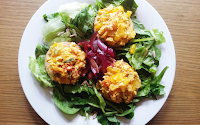
Believe it or not raw food vegans, it takes scrambled (whole) eggs to turn your veggie salads into a "superfood", or rather, to have the "super effects" of all its "super vitamins" on your health . The photo shows an egg-recipe from The Organic Dish, take a look; and don't worry if you're afraid of healthy oats, you can leave out the out cakes under the eggs ;-)
I still see people throwing the good yolk of their eggs away. Shame on you! You're not just throwing the most nutrient dense (also in terms of nutrients per energy content) away, you also sacrifice the beneficial effects of the co-ingestion of eggs with other nutrient dense foods - benefits which have only recently been recognized by the scientific community when people finally starting looking beyond individual foods and nutrients and started to investigate the actual and practically more relevant effects of food matrices.

This trend that began with the negative effects of pesticides and/or heavy metals in "real meals" (which are always food matrices | Wilkowska. 2011) is something I have written about in the Facebook News and individual articles before and I plan to re-address, whenever scientists like Kim, Ferruzzi & Campbell (2016) give them the deserved attention.
You aren't interested in vitamns? Maybe in fasting for health and fatloss, then?

Breakfast and Circadian Rhythm

Does Meal Timing Matter?

Habits Determine Effects of Fasting

Fasting Works for Obese, Too!?

Alternative Day Fasting "Rulez"!

Intermittent Fast-ing + Weights!?
Why's that? Well, as it turns out and has just been confirmed for beta-carotene and vitamin E (Kim. 2015 & 16) by the aforementioned authors from the Purdue University (Kim. 2016) the way you combine your foods is as important for your nutrient sufficiency as the micronutrient content of the individual foods.

Let's do some math, together: For the fat-soluble vitamins E, which are obviously relevant in the context of Kim et al.'s latest studies (2015 & 16), the RDA is 14 mg/day. That's the amount of vitamin E you'd get from a relatively small quantity of each of the randomly chosen high vitamin E foods in Figure 1.
Figure 1: Yes, you can get your vitamin E from a single food, but that's not wise - for several reasons (Kim. 2016).
The bad news is that for all for of them it is not clear whether you will actually absorb all the vitamin E, so that it can do its anti-oxidant magic in your bloodstream. Yes, for wheat germ oil, sunflower seeds, and almonds, the relatively high fat content is one out of many potentially relevant cofactors (including cooking methods, the type of dietary lipids, and interactions with digestive enzymes or other dietary | Eitenmiller. 2004) compounds for the optimal uptake of fat-soluble vitamins such as vitamin E (learn more).

The paprika powder from Figure 1, no matter how nutrient dense it may be, will probably get only small amounts of its vital (=vitamin and other beneficial micronutrients) carriage (including, but not restricted to beta-carotene and vitamin E) delivered into your blood... unless, obviously, you combine it with the right foods and thus form a nutrient absorption optimizing food matrix.
Figure 2: Kim's 2015 study showed a similarly pronounced increases of the accumulated area under the curve (AUC), i.e. the total uptake of various carotenes when 3 eggs were added to vegetable salad (made with 3g of canola oil).
A food matrix consisting of three scrambled eggs and vitamin-(A)-rich vegetable salad of which Kim's previous study showed that it increased the bioavailability of beta-carotene 8-fold (see Figure 2). In the current study (Kim. 2016), the authors did thus speculate that...
"[b]ecause carotenoids and vitamin E are both fat-soluble nutrients, we expected cooked whole eggs to also increase the absorption of vitamin E contained in the same salad" (Kim. 2016).
to evaluate the accuracy of their hypothesis, the scientists recruited 16 healthy male participants for a randomized, single-blind, crossover-design experiment:
"[All] participants completed 3 trials that each included consuming a controlled diet for 7 d followed by a testing day. In addition, 1-wk dietary washout periods were scheduled between each of the trials. [...] The investigators were fully blinded to the participants test-day meals until after all testing and sample analyses were completed, but the participants and dietitians were not blinded to the meals" (Kim. 2016)
Obviously, I am not giving away any secrets, when I tell you that the experiment confirmed the authors' hypothesis. Interestingly enough, with practically relevant increases in vitamin E absorption being achieved with both, the "low egg" (LE - 1.5 cooked scrambled eggs) and the "high egg" (HE - 3 cooked scrambled eggs) vegetable salads, which contained, just as in the previous study, 100 g tomatoes, 62 g shredded carrots, 70 g baby spinach, 25 g romaine lettuce, and 5 g Chinese wolfberries, and was served with 3 g of canola oil (note: all vegetables and eggs were purchased from the same local market and brand throughout the study period, thus we can assume that the contents of alpha-tocopherol and gamma-tocopherol in the test salad were 2.1 and 2.0 mg/serving, respectively, for all three trials).
Figure 3: Relative increase (per vitamin E intake in mg) in TRL levels of alpha- and gamma-tocepherol in response to the ingestion of the vegetable salad alone, the salad with 1.5 or 3 cooked scrambled whole eggs (Kim. 2016)
In fact, the increase in the levels of alpha- and gamma-tocopherol in the subjects' triacylglycerol-rich lipoprotein fractions (TRLs) was even more pronounced than that of the carotenes in Kim et al.'s 2015 study. Since eggs contain sign. amounts of vitamin E, themselves (they don't contain, alpha-, beta-carotene and lycopene), we do yet have to look at the relative (i.e. relative uptake of amount of vitamin E that was ingested) uptake levels I have plotted for you in Figure 3. For these, the increases for alpha- and gamma-tocopherol were 'only' 107%, 144%, 441% and 358% in the 1.5 egg LE and the 3 egg HE group, respectively.

That the former, i.e. the increase in the LE = 1.5 egg trial didn't reach statistical significance is, as the authors rightly point out, most likely "due to the small sample size and low statistical power" (Kim. 2016) - a phenomenon that has been observed previously in small-scale studies that compared the nutrient availability of vitamin E with different doses of fat (Mah. 2015 | this study also used a less preferable marker of vitamin E absorption, namely plasmo not triacylglycerol-rich lipoprotein fractions (TRLs) levels, which mainly represent newly absorbed dietary vitamin E, as the studies by Kim et al.).
Highly Suggested Read: "Egg-Ology Today: The Underappreciated Health Benefits of Egg Phospholipids, Prote-ins & Antioxidants in the Yolk" | more.
Bottom line: Whole eggs are good for you! If you want to know what, i.e. which substance or nutrient (many of which I've discussed in the article you can read by clicking on the three eggs to the right) it is that gives eggs this ability, you will yet have to continue getting your EOD dose of SuppVersiy articles and Facebook News, because Kim's latest study was not designed to "assess the specific impact of [different] components of egg yolk on vitamin E absorption" (Kim. 2016)... after two studies showing significant benefits, however, we can be almost sure that a follow up study will be conducted; and if so, I can guarantuee that I will address it here or in the SV Facebook News, where you can also comment on this article!
References:
  • Eitenmiller, Ronald R., and Junsoo Lee. Vitamin E: food chemistry, composition, and analysis. CRC Press, 2004.
  • Kim, Jung Eun, et al. "Effects of egg consumption on carotenoid absorption from co-consumed, raw vegetables." The American journal of clinical nutrition 102.1 (2015): 75-83.
  • Kim, Jung Eun, Mario G. Ferruzzi, and Wayne W. Campbell. "Egg Consumption Increases Vitamin E Absorption from Co-Consumed Raw Mixed Vegetables in Healthy Young Men." The Journal of Nutrition (2016): First published ahead of print September 21, 2016 as doi: 10.3945/jn.116.236307
  • Mah, Eunice, et al. "a-Tocopherol bioavailability is lower in adults with metabolic syndrome regardless of dairy fat co-ingestion: a randomized, double-blind, crossover trial." (2015).
  • Wilkowska, Angelika, and Marek Biziuk. "Determination of pesticide residues in food matrices using the QuEChERS methodology." Food Chemistry 125.3 (2011): 803-812.

Friday, May 2, 2014

Vitamin A, D, E & K - How Much and What Type of Fat Do You Need to Absorb These Fat Soluble Vitamins?

Some butter on top of the broccoli would allow for the assimilation of the absorption of the 101.6μg vitamin K
623IU vitamin A (various).
There are a handful of very basic questions in nutrition science, no one appears to have an answer to. One of these questions, which is directly related to the  well-known fact that the vitamins A, D, E & K are "lipid soluble". This means that they are "solved" and thus made absorbable by fats and oils. The general assumption is thus that the vitamins A, i.e. the retinol and carotenoids, all forms of vitamin D, the tocopherols and -trienols (vitamins E) and the two major forms of vitamin K, i.e. phylloquinone (K1) and menaquinone (K2) will only be absorbed, if you consume them with a sufficient amount of dietary fat. Now, the questions obviously are (a) is this correct and (b) how much is sufficient.
Is there a rule of thumb? Well, I guess if there was one, it would be to consume 5-10g of low PUFA fats with every meal to maximize the absorption of fat-soluble vitamins. Needless to say, that this does not imply that you'd have to start adding olive oil to your post-workout shake ;-)
In view of the fact that the answers to (a) and be are not necessarily identical for all four vitamins of interest, it appears sensible to tackle them one after the other.


A
Starting with vitamin A and the various forms of carotenoids, we can already confirm that (a), i.e. the assumption that we need dietary fats to optimally absorb vitamin A is correct. As Karin van het Hof and her colleagues point out, the "amount of dietary fat required to ensure carotenoid absorption [does yet] seem low (∼3–5 g per meal), although it depends on the physicochemical characteristics of the carotenoids ingested." (van het Hof. 2000) In spite of the fact that 5g of fat are not exactly much, the classic uncooked vegetarian orthorexic salad often comes with a total of only 5g of fat of which 95% remain at the bottom of the salad bowl. If that sounds like your favorite dish, you should be aware that you are risking that all the good  beta- and other carotenoids in the salad will pass right through.
Red Palm Oil is an excellent carotene source that comes with tons of fat for optimal absorption | learn more
With carotenes you should keep in mind that they have individual and "vitamin A"-related effects that occur after their conversion to retinol and the uptake of the latter through the lymphatic system in the gut. For this to take place the presence of a couple of ~5g of fat  (Jayarajan. 2013) in the intestinal lumen is paramount importance. Even more than preformed vitamin A, carotenes do thus rely on the presence of dietary fat in your meals to be optimally converted (Goodman. 1966) and absorbed.
Figure 1: Changes in hepatic vitamin A (retinol) and carotenoid stores in gerbils after 14 days on high fat (30%) vs. low fat (10%) diet (Deming. 2000)
In that, the concomitant presence of both dietary fat and carotenoids in a meal is a necessary prerequisite for the absorption of vitamin A, also because the fatty acids will trigger the conversion of of beta-carotene into vitamin A and its subsequent absorption via the lymphatic system (Ribaya‐Mercado. 2002). It is thus not surprising that animal studies by Lakshman et al. (1996) and Deming et al. (2000; see Figure 1) suggest that low fat diet can lead to a depletion of the vitamin A tissue stores even if the serum levels remain constant. The amount of fiber in the diet, on the other, has no influence the absorption of vitamin A (Mills. 2009).

Interestingly enough, the provision of the fat blocker Orlistat reduces the absorption of vitamin A only insignificantly, as a 1996 paper by Angela T. Melia, Susan G. Koss‐Twardy, and Jianguo Zhi would suggest (Melia. 1996).

E
Which takes us right to vitamin E, the absoprtion which is - in spite of being "blocked" by the fat blocker orlistat (Melia. 1996) - less susceptible to the absence of dietary fat than you may think. Annet JC Roodenburg, Rianne Leenen, Karin H van het Hof,  Jan A Weststrate, and Lilian BM Tijburg do in fact argue that the optimal intake of vitamin E requires only "a limited amount" of dietary fat (Roodenburg. 2000).
Figure 2: Vitamin E serum levels after 7 days on control (low fat, 3g) or high(er) fat (36g) diet with and without supplemental vitamin E (Roodenburg. 2000)
As you can see in Figure 2. A minimum intake of only 3g per day was sufficient to keep the vitamin E levels stable. The short study period of 7-days (each) and the absence of measures of tissue concentration of vitamin E do yet reduce the practical relevance of the data, Roodenburg et al. present in their Y2k paper in the American Journal of Clinical Nutrition.
The PUFA advantage: Aside from the issue of serum vs. tissue levels, there is yet another experimentally verified fat vitamin E and fat carotenoid interactions we should take into consideration, when we are talking about "optimizing" our dietary vitamin E supply; and that's the type of fat we consume: Dietary fats with increased ratio of unsaturated to saturated fatty acids enhance absorption of carotenoid and vitamin E by increasing both efficiency of micellarization and lipoprotein secretion (Chitchumroonchokchai. 2010).
If you take a look at the high prevalence of vitamin E dieficiency among the fat (and PUFA) "loving", or at least eating, majority of Americans, it does yet become obvious that a lack of dietary fat is not just theoretically, but also practically not exactly the #1 reason you may become deficient in tocopherols and -trienols. That the latter is an increased demand due to chronic inflammation and the (over-)consumption of exactly those PUFAs that come with a shitload of vitamin E in nature, for a reason would yet be a topic for another SuppVersity article and thus something we will skip to fast forward to ...

K
...Vitamin K, obviously. Vitamin K is a relative newcomer to the public's understanding of the alphabet soup. Aside from being it a good tool to rip customers vitamin K, or rather K1 (plant sources) and K2 (animal sources) are thus also the only fat soluble vitamins not everyone knows. The fact that the amount of phylloquinone (K1) that makes it into your blood stream is ~70% reduced if you eat your spinach without fat (Gijsbers. 1996).

And if we take the results researchers from the Gifu University School of Medicine present in a 1996 paper in the Journal of Pharmacological Sciences, as a reference, the amount of fat you need to optimally absorb your K2 (menaquinones), is not exactly low.
Figure 3: For optimal absorption of K2, there has got to be a huge amount of fat in the meal - but who wonders. K2 comes with a high amount of fat (Uematsu. 1996)
Uematsu et al. had to supply their subjects, who consumed otherwise identical test meals with 8.8, 20.0 and 34.9g of fat in them with the maximal (i.e. 35g) of fat before the K2 absorption maxed out. In that the total area under the curve did not really differ between those subjects who consumed the K2 before and those who took it immediately after the test meal.

That's a pity, 'cause a high intake of vitamin K (menaquinone from animal sources) has been associated with a 27% reduced risk of developing heart disease (Geleijnse. 2004), an ailment of which many still believe that it was brought about by the fat they need to optimally absorb their vitamin K.

D
For vitamin D, our last "V" on the list, things look differently. For one, everybody knows about this miracle vitamin and for two, it may be "fat soluble", but the amount of fat that's required to optimally absorb it turned out to be much lower than previously thought (see "A Fat D-Ficiency! Do You Really Need More Vitamin D or Simply More Fatty Foods? Study Shows, Even 50.000 IU of Vitamin D3 Useless, When You Ingest It Without Fat. " | read more).
Actually you could argue that it's not fat, but cholesterol that should be essential for optimal D levels. It's not necessary to absorb supplements you should not be taking, but rather as a raw material that's used to produce vitamin D in the skin, once the latter is exposed to the sun. The allegedly logical assumption that statins which lower the production of endogenous (=your body's own) cholesterol would lower vitamin D levels, however, has been refuted in study investigating the effects of fluvastatin and rosuvastatin, of which the latter actually increased the 25-OHD levels (probably due to anti-inflammatory effects and a reduced use of vitamin D as an acute phase reactant | learn more)
In fact, Niramitmahapanya et al. found in 2011 that it's not necessarily a high amount, but rather the right type of fat that determines if and how much of the vitamin D you take in capsule form or find in comparably low amounts in your foods that determines how much of the vitamin D actually makes it into your bloodstream:
"The change in plasma 25OHD (nanograms per milliliter) during vitamin D supplementation was positively associated with MUFA, (β = 0.94; P = 0.016), negatively associated with PUFA, (β = −0.93; P = 0.038), and positively associated with the MUFA/PUFA ratio (β = 6.46; P = 0.014)."
In plain English this means, that the "good" seed and vegetable oils with their high PUFA content will effectively inhibit the absorption of vitamin D - an observation that adds to the many reasons the modern sedentary, sun-avoiding, sun-screen using, soybean oil (MUFA:PUFA = 0.4) guzzling American is low in or  quasi devoid of vitamin D.

Figure 4: 25(OH)D levels of 30 healthy men and women after ingestion of 50.000IU vitamin D3 supplement in conjunction with a normal or low fat breakfast (Raimundo. 2011)
Against that background it's not surprising that you will not find a conclusive answer to the question how much fat you actually need. In a study that used a fatty meal with soybean oil in it, the effect would be totally different from one in which the subjects consumed meals that were made with sunflower oil, an oil with a MUFA:PUFA ratio >1. In view of the results Gnadinger et al present in a recent appear it does still seem appropriate to consume at least some fat alongside your vitamin D supplements. As far as the food-borne vitamin D is concerned, you don't have to worry, anyways. Foods that are high in D3 usually come with all the fat you need to absorb it.

How much fat, exactly you would need to make the most of dietary and supplemental vitamin D, on the other hand, is still not known. The previously mentioned data from the study by Raimondo et al. (see Figure 4, to the right) I wrote about in "A Fat D-Ficiency" is obviously still valid. The extremely high amount of vitamin D (50,000IU!) could yet require a correspondingly high amount of fat to be optimally absorbed and the fact that the fat in the study came from a "vegetable margarine" with an undisclosed ratio of MUFA:PUFA does not make the real-world effects any more predictable.
So what do I need to optimally absorb my "fat soluble" vitamins?
Vitamin A & carotenes require relatively high amounts of fat for optimal absorption.
Vitamin D absorption benefits from additional fat in the diet. While we don't know the optimal amount, we do know the optimal type: A high MUFA, low PUFA fat (the effects of saturated fat are unknown, but I gather they will be positive, as well).
Vitamin E requires only minimal amounts of fat (~3g) for optima absorption.
Vitamin K appears to be most fat hungry. The more fat you have in a meal, the better it is absorbed. If you supplement, always take the pills with your highest fat meal in the day.
Bottom line: If you take a look at the natural sources, it should be obvious. The fat soluble vitamins are meant to be consumed with fat... well, not really. Carotenes (pre-vitamin A), one of those vitamins for which the presence of dietary fat in a meal is most important do not necessarily come with their own "absorb me better"-portion of fat. Your carrots, pepper, and other high carotene veggies and fruits do thus require a butter, olive oil or cream topic not just to be absorbed, but - more importantly - to get converted to retinol aka "active vitamin A".

Vitamin E, on the other hand, requires much lower amounts of fat to be absorbed than many of you may have thought. In fact, you could argue that good vitamin E sources are not high in fat to facilitate the absorption of vitamin A, but rather the other way around: Soybean oil (my absolute favorite poison ;-) is high in vitamin E to make sure that whoever consumes it does not die immediately from the pro-inflammatory omega-6 load it contains.

Which takes us right to the 18-20g and 12-15g of PUFAs the average US man and woman consume on a daily basis (Kris-Etherton. 2000) and their negative impact on the absorption of the already low amounts of dietary vitamin D in a diet that rarely contains the optimal amount of 35g of fat in meal that actually has a significant amount of vitamin K the absorption of which would be improved by the presence of this allegedly unhealthy and fattening macronutrient.
References:
  • Chitchumroonchokchai, Chureeporn, et al. "Dietary fats with increased ratio of unsaturated to saturated fatty acids enhance absorption of carotenoid and vitamin E by increasing both efficiency of micellarization and lipoprotein secretion." FASEB J 24 (2010): 539-3.
  • Deming, Denise M., et al. "Amount of dietary fat and type of soluble fiber independently modulate postabsorptive conversion of β-carotene to vitamin A in Mongolian gerbils." The Journal of nutrition 130.11 (2000): 2789-2796. 
  • Geleijnse, Johanna M., et al. "Dietary intake of menaquinone is associated with a reduced risk of coronary heart disease: the Rotterdam Study." The Journal of nutrition 134.11 (2004): 3100-3105.
  • Gijsbers, Birgit LMG, Kon-Siong G. Jie, and Cees Vermeer. "Effect of food composition on vitamin K absorption in human volunteers." British Journal of Nutrition 76.02 (1996): 223-229.
  • Goodman, Dew S., et al. "The intestinal absorption and metabolism of vitamin A and beta-carotene in man." Journal of Clinical Investigation 45.10 (1966): 1615.
  • Jayarajan, P., Vinodini Reddy, and M. Mohanram. "Effect of dietary fat on absorption of β carotene from green leafy vegetables in children." Indian journal of medical research 137.5 (2013).
  • Kris-Etherton, P. M., et al. "Polyunsaturated fatty acids in the food chain in the United States." The American journal of clinical nutrition 71.1 (2000): 179S-188S.
  • Lakshman, M. R., et al. "The effects of dietary taurocholate, fat, protein, and carbohydrate on the distribution and fate of dietary β‐carotene in ferrets." (1996): 49-61.
  • Melia, Angela T., Susan G. Koss‐Twardy, and Jianguo Zhi. "The effect of orlistat, an inhibitor of dietary fat absorption, on the absorption of vitamins A and E in healthy volunteers." The Journal of Clinical Pharmacology 36.7 (1996): 647-653.
  • van het Hof, Karin H., et al. "Dietary factors that affect the bioavailability of carotenoids." The Journal of nutrition 130.3 (2000): 503-506.
  • Raimundo, Fabiana Viegas, et al. "Effect of high-versus low-fat meal on serum 25-hydroxyvitamin D levels after a single oral dose of vitamin D: a single-blind, parallel, randomized trial." International journal of endocrinology 2011 (2011).
  • Ribaya‐Mercado, Judy D. "Influence of Dietary Fat on β‐Carotene Absorption and Bioconversion into Vitamin A." Nutrition reviews 60.4 (2002): 104-110.
  • Roodenburg, Annet JC, et al. "Amount of fat in the diet affects bioavailability of lutein esters but not of α-carotene, β-carotene, and vitamin E in humans." The American journal of clinical nutrition 71.5 (2000): 1187-1193. 
  • Uematsu, Toshihiko, et al. "Effect of dietary fat content on oral bioavailability of menatetrenone in humans." Journal of pharmaceutical sciences 85.9 (1996): 1012-1016.

Sunday, April 27, 2014

The Vitamins E & Glucose Control | Part X of the "There is More To Glucose Control Than Low Carb" | Plus: Alpha-, Gamma-, Delta-Vitamins E, Where Can You Find Them?

All nuts are good tocopherol (T) sources, but α- T is predominantly found in peanuts, almonds and sunflower seeds, while γ-T is the major vitamin E in walnuts, pecans and pistachios.
Over the past week I've been questioning the potency of various supplement superstars with respect to their ability to improve your, my or any one else's glucose metabolism. We've dealt with protein, peptides, fats, vitamin D, calcium, a whole host of B-vitamins and even the underrated vitamin A (go back and review all of them).

Today I am going to take a look at a "fallen star", vitamin E, once thought of as a panacea and universal protector of your cells, it has, at the latest with publication of the disappointing, if not shocking results of the SELECT trial in 2013 and the mass-media reverberations about increased prostate cancer risk, become the centerpiece (literally) of every anti-vitamin supplement rant.
You can learn more about this topic at the SuppVersity

Proteins, Peptides & Blood Glucose

SFA, MUFA, PUFA & Blood Glucose

Vitamin D & Diabetes

Glucose Manager Calcium?

Flush & No-Flush Niacin & Diabesity

Vitamin C & Glucose Control
Table 1: Tocopherol / -trienol compo-sition of select oils (Juang. 2014); mind the association of PUFA + γ- and MUFA + α-tocopherol.
You will probably remember that I have criticized the design and interpretation of the results of the often- and in my eyes over-cited SELECT trial on several occasions. And even if there was a +17% increase in cancer risk in young men who are stupid enough to take 400 IU of all rac-α-tocopheryl acetate, everyday (Klein. 2011), this does not necessarily exclude that the same effects occur if the vitamin E comes from a natural source and contains the whole vitamin E alphabet from alpha- over gamma to delta-tocopherol.

Not in spite of, but rather because of the existing evidence that vitamin E could cause prostate cancer and, when it's consumed with vitamin C, inhibit the beneficial adaptation processes that are triggered by the "eu-stressor" (=good stress) exercise, it is yet even more important that we take a closer look at the actual negative effects vitamin E supplements exert on your ability to control your blood sugar levels.

Vitamin E  ➫ insulin resistance ➫ cancer?

I mean, think about it: What is the best growth environment for cancer? Right, sugar coated cells - a study by Stattin et al. (2007) has after all been able to show that to an the risk of developing any form of cancer increases almost linearly from the bottom to the top quartiles of fasting and postprandial glucose levels.
Figure 1: Risk increase for various cancer if fasted [F] and post-glucose load [P] blood glucose levels are in the fourth vs. first quartile; the hazard ratios were calculated based on data from the 33,293 femal and 31,304 male subjects of the Västerbotten Intervention Project of northern Sweden (Stattin. 2007)
If we assume that vitamin E does inhibit the anti-diabetic adaptations to exercise (in conjunction with vitamin C, it does just that; cf. Ristow. 2009), it would increase the risk of having extreme blood sugar excursions, of which the data in Figure 1 reveals that they, in turn, could be the reason vitamin E was found to be associated with an increased cancer risk.
Prostate cancer and high glucose levels? Unlike other forms of cancer, prostate cancer does not appear to flourish in high glucose environments. At least that's what the epidemiological evidence suggests. Evidence which may be flawed by the existence of a genetic variant with opposite effects on risk of type 2 diabetes and prostate cancer (Gudmundsson. 2007), which could partly explain the null association between glucose and prostate cancer in our study as well as the consistently reported reduced risk of prostate cancer in men with type 2 diabetes (Kasper. 2006).
The question we have to answer in today's installment of the "There is More to Glucose Control Than Low Carb", would thus be: Does vitamin E a protective, a detrimental, or no influence on the development of insulin and type II diabetes ... and the answer is: As usually, complicated.

First things first - What actually is vitamin E?

I have already hinted at the fact that "vitamin E" is a generic term that is usually falsely applied to alpha-tocopherol, only. When we are talking about vitamin E, we do yet have to look at the whole spectrum of vitamins E, which include the three tocopherols, as well as their rare tocotrienol buddies.

Tocopherols - α-, γ, and δ- and relates substancesTocotrienols - α-, γ, and δ- and related substances
They are a class of chemical compounds many of which have vitamin E activity. This series of organic compounds consists of various methylated phenols. Because the vitamin activity was first identified in 1936 from a dietary fertility factor in rats, it was given the name "tocopherol" from the Greek words "τόκος" [birth], and "φέρειν", [to bear or carry] meaning in sum "to carry a pregnancy," with the ending "-ol" signifying its status as a chemical alcohol.
α-Tocopherol is the main source found in supplements and in the European diet, where the main dietary sources are olive and sunflower oils, while γ-tocopherol is the most common form in the American diet due to a higher intake of soybean and corn oil.
There is no RDA or other recommendation for the intake of the three most common tocopherols, i.e. α-, γ, and δ- tocopherol. The currently recommended intake for "vitamin E" is thus based on the concept of alpha-tocopherol equivalents. A very sketchy idea that's probably flawed due to significant differences in the metabolism and uptake of the various tocopherols between rodents and humans.
In view of the fact that dietary vitamin E provides - assuming you don't follow the standard American diet - a balanced mix of tocopherols, you don't really have to care about the accuracy of the conversion factors.
Tocotrienols are members of the vitamin E family. An essential nutrient for the body. The slight difference between tocotrienols and tocopherols lies in the unsaturated side chain having three double bonds in its farnesyl isoprenoid tail.
Tocotrienols are natural compounds found in select vegetable oils, including rice bran oil and palm oil, wheat germ, barley, saw palmetto, anatto, and certain other types of seeds, nuts, grains, and the oils derived from them. This variant of vitamin E typically only occurs at very low levels in nature.
At the moment we still know too little about this form of vitamin E to be able to tell how much of them you actually need. It is in fact not even sure that they are necessary at all.
Contemporary evidence does yet appear to suggest important functional differences between tocopherols- and -trienols that have the latter appear as the more potent cousins of the good old tocopherols. Furthermore, emerging evidence suggest that some long-chain vitamin E metabolites have even stronger anti-inflammatory effects than their vitamin precursors.
Unless you plan to live on artificial foods, alone, the rare tocotrienols will yet never fully replace the omnipresent tocopherols.
Table 2:Brief overview of some of the basic fact about the two main forms of vitamin E (partly based on the Wikipdia entries and on information from a soon-to-be-published review by Jiang)
This is unfortunately, where things get complicated. For one, 99% of the studies have been conducted with alpha-tocopherol, only. For two, the vast majority of the few studies that investigate potential effects of other "vitamins E" on glucose control use either another form of tocopherol, or tocotrienols. A study that would investigate the effects of the whole spectrum of vitamins E, let alone their interactions, on the other hand, has still to be conducted.

☇ Let's start with epidemiological evidence, today

That being said, out best and most realistic starting point is not the classic randomized controlled trial, but "epidemiological guesswork". As long as we are talking about food-borne vitamin E, we are always talking about a natural mix. A mix, which was (unfortunately) often measured in alpha-tocopherol units, but would, in the absence of supple of which studies show that the following associations (remember: epidemiology cannot prove cause-effect relationships)
  • Low vitamin E intakes (<10mg/day, i.e. 15IU) have been associated with and correspondingly low serum levels have been associated with 3.9x increased diabetes risk back in 1995, when vitamin E was still everybody's darling (Salonen. 1995). In view of the relatively low threshold level, this is yet rather a study that supports the notion that vitamin E is, just as the word "vitamin" implies, so vital for your health that you better make sure you get enough of it from your diet (the RDA is 15mg/day).
  • Table 3: The number of studies that distinguishes the different forms of vitamin E is low. A 2004 study by Montonen et al. does yet appear to confirm what I wrote before - they are all relevant and the the 34% reduced diabetes risk with a high dietary alpha-tocopherol intake is by no means meaningless.
    Significantly and borderline significantly reduced type II diabetes risks with all forms of tocopherols and tocotrienols in a cohort consisting of  2,285 men and 2,019 women 40–69 years of age who were free of diabetes at baseline when they were recruited for a 23-year follow-up in 1967–1972 (Montonen. 2004).

    What is particularly interesting is that the data in Table 3 clearly indicates that the good old, often ridiculed alpha-tocopherol does still have the most potent anti- diabetes effect of all 6 forms of vitamin E.

    Moreover, with beta-tocotrienol, the 2nd place is however occupied by a form of vitamin E you will find in very high amounts (30µg/g; cf. Nielsen. 2008) in whole wheat grain - is this the reason whole grains are associated with lower type II diabetes risk in epidemiological studies (Cho. 2013)?
  • High intakes (>20mg/day, i.e. only 30IU!) of vitamin E are associated with a ~20% reduced risk of developing type II diabetes in the participants of the Insulin Resistance Atherosclerosis Study (IRAS) that involved 895 nondiabetic adults at baseline (including 303 with impaired glucose tolerance [IGT]), 148 of whom developed type 2 diabetes according to World Health Organization (WHO) criteria during the 5-year follow-up (Mayer-Davis. 2002)
Epidemiology, dietary vitamin E and high dose supplementation: Most epidemiological studies still measure the alpha-tocopherol intake and serum levels. As long as there are no supplements involved, the results will yet still be representative of dietary vitamins E intake. It's after all more or less impossible to get only one form of vitamin E from whole foods.
That being said, "officially" the consumption of alpha-tocopherol-only supplements is save - at least in amounts of 60, 200, or 800 IU/day (55, 182, or 727 mg) all-rac-a-tocopherol/d will not produce noticeable side effects, changes in body weight, plasma total proteins, albumin, glucose, plasma lipids or the lipoprotein profile, the whole set of measures of organ health, as well as the levels of antioxidant vitamins and minerals (including the other forms of vitamin E; Uchida. 2013), glutathione peroxidase, superoxide dismutase, or total homocysteine of healthy elderly individuals (Meydani. 1998). Bendich & Machlin even state that vitamin E was safe up to doses of 3,200IU/day. Personally I do yet strongly advice against using more than 1,200IU of E per day (Bendich. 1988) - irrespective of whether it's alpha tocopherol or a tocopherol and -trienol blend.
  • Liver Enzymes the #1 Marker of Insulin Resistance | learn more
    Patients with non-alcoholic fatty liver disease consume on average only half the amount of vitamin E, their healthy peers do (Musso. 2003). As a SuppVersity reader you know about the intricate relation between NAFLD and diabetes, and are thus aware that this is another "pro" argument with respect to the consumption of high vitamin E foods. If this is your first visit to the SuppVersity check out my previous article "Liver Enzymes the #1 Marker of Insulin Resistance!? Plus: What Does the Correlation Bettwen HbA1C & ALT, AST and GPT Tell Us About Diabesity?" to learn more about the relationship between obesity, diabetes and non-alcoholic fatty liver disease.
On the other hand of the "foods vs. supplement divide" things are less black or white, though. While the previously cited epidemiological evidence clearly suggests that food-borne vitamin E will protect you against diabesity. On the "supplement side of things", we have both extremely promising positive experimental evidence:
  • 42% increased glucose disposal in elderly study participants in response to mediated stimulation after 4 months on a 900 mg d-alpha-tocopherol, i.e. 1350IU (!) of supplemental vitamin E per day. The fact that Paolisso et al. also observed that the "net changes in plasma vitamin E concentrations correlated with net changes in insulin-stimulated whole-body glucose disposal (r = 0.60 P < 0.003)" makes their results even more amazing (Poalisso. 1994)
  • Low vitamin E intakes early in pregnancy have been found to set women up to insulin resistance and hyperglycemia later in pregnancy by Ley et al. who write in their recent paper in the European Journal of Clinical Nutrition that (Ley. 2013) even after adjustment for serum adiponectin among women consuming daily, higher dietary vitamin E intakes were associated with lower fasting glucose, lower HOMA insulin resistance (long term measure of blood glucose), and higher Matsuda insulin sensitivity index (standard measure to quantify insulin sensitivity) among women who consumed a faily multivitamin supplement with "adequate", albeit probably synthetic vitamin E (dl-alpha-tocopherol).
The specificity principle: I am not sure if you remember the "Three Simple Rules of Reasonable Supplementation" (re-read them), but if you do, you will remember that specificity is one of the most important principles to follow, if you want to make the most of your supplement regimen. In the case of alpha-tocopherol this may mean that benefits will be seen in people with high baseline inflammation, while people without chronic inflammation, will see no, or even experience negative effects from (high) dose vitamin E supplements.
  • Modest vitamin E supplementation  (100 IU/day) can significantly lower blood glycated hemoglobin and TG levels and does not have any effect on red cell indices in Type I diabetic patients (Jain. 1996). In view of the inflammatory underpinnings of type I diabetes, this study is yet not exactly representative of the benefits a healthy individual may derive from the same amount of vitamin E... although, I have to admit that a 100IU supplement looks much more rational to me than one with 400-1,200IU - specifically if it's pure alpha-tocopherol.
  • High dose (800-1200 IU/day) vitamin E supplementation improves fasting blood glucose and HbA1c levels in obese subjects - eighty overweight individuals (BMI >27 kg/m²), to be precise, who  were randomly allocated to receive either 800 IU vitamin E per day or a matching placebo for 3 months. The dose of vitamin E was increased to 1,200 IU per day for a further 3 months (Manning. 2006).
On the other hand, we have experimental evidence that refutes the previously reported beneficial effects of supplemental vitamin E on blood glucose management. Examples? Here you go:
  • And what about exercise: Aside from the previously mentioned negative effects on the adaptation triggering exercise induced eustress, there are no good reasons to avoid vitamin E supplements for athletes. In fact, my previous analyses of corresponding studies here at the SuppVersity would suggest that people with a high baseline inflammation that overrides the exercise-induced locally confined increase in inflammation, may have good reason to take up to 400 IU/day of mixed tocopherols (opt. -trienols) - specifically if their vitamin E intake from foods is low, like on a diet, for example.
    600 IU/day of vitamin E taken every other day provided no significant protection against type 2 diabetes in initially healthy women in the Women’s Health Study randomized trial (Liu. 2006). A study that appears to confirm that supplementing additional antioxidants is, just like keeping your omega-3/omega-6 ratio up (learn more), useless, unless it's part of an overall healthy life-style - and in that case, there is still the nasty question: Will it negate the beneficial effects of exercise or not?
  • In general, vitamin E supplementation does not decrease all-cause mortality or cardiovascular disease risk in type II diabetes. This is at least what a 2003 meta-analysis of studies with 81,788 concluded. As Vivekananthan et al. point out, "the lack of a salutary effect was seen consistently for various doses of vitamins in diverse populations" (Vivekananthan. 2003)
Of particular interest for us is the conclusion Vivekananthan et al. draw based on the results of their meta-analysis: If their results "do not support the routine use of vitamin E" this does after all mean that we don't have to argue about whether or not antioxidants negate the beneficial effects of exercise or whether "high-dosage vitamin E supplementation may increase all-cause mortality" as Miller et al. (2005) suggest in a 2005 meta-analysis in the Annals of Internal Medicine - Why? Well, why would we care about negative side effects, if it's not worth using them, anyways!?
α-tocopherol: Veggies (spinach, broccoli, tomato paste, everything that's orange); eggs; almonds, peanuts, sunflower seeds; olive & almond oil.
γ-tocopherol: tomotoes, tuna; eggs; walnuts, pecans, pistachios and sesame seeds, pine nuts; dark chocolate or baking chocolate; seeds & grains, flax, peas, lentils; corn, soybean & canola oil, margarines, all sorts of shortenings and fried foods that are prepared with high γ-tocopherol oils
δ-tocopherol: peppers, onions, tomato seeds; raspberries, black- berries; tuna, mol- lusks, eggs; edamame; orega- no; rice germ oil, soy- bean oil, all sorts of shor- tenings and fried foods that are prepared with high δ-tocopherol oils
Don't supplement, eat your vitamins E: Not using vitamin E supplements (for glucose management) does yet also imply that you have to get your vitamins E from dietary sources. In view of an RDA of only 15mg and evidence that 100mg of vitamin E is already plenty, this does not appear to be difficult, but if you look at the total amount of vitamin E in the average American diet, you will be surprised that (a) gamma- and not α-tocopherol is the major form of vitamin E in the vegetable oil laden US diets (~60-70 % γ- vs. 20-25% α-tocopherol; cf. McLaughlin. 1979) and that (b) more than 80% of the Americans who don't supplement and still 45% of those who take supplements are effectively vitamin E deficient (McBurney. 2014).

There is little doubt that McBurney's observations are partly related to the increase vitamin E requirements of a lifestyle that is characterized by junk-food diet, sedentarism and chronic inflammation. They are yet also a result of a lack of foods that are naturally high in vitamin E, and supply you with both, the full spectrum of tocopherols and -trienols and the necessary co-factors to make the most of your dietary vitamins E intake - in short, it's a lack of the foods in the list on the right. Foods of which I assume that I will find the healthy ones (in italics) on your plate regularly, right?

What? Oh, yes. Well, the tocotrienols are in fact a problem. With the exception of red palm oil (50-75mg/100g) you will find only trace amounts (all values in mg/100g) of them in various fats/oils like rice wheat germ oil (18.9), coconut oil (2.1), and cacao butter (0.2) and grains like barley (91) and oats (21).
Reference: 
  • Bendich, A., and L. J. Machlin. "Safety of oral intake of vitamin E." The American journal of clinical nutrition 48.3 (1988): 612-619.
  • Cho, Susan S., et al. "Consumption of cereal fiber, mixtures of whole grains and bran, and whole grains and risk reduction in type 2 diabetes, obesity, and cardiovascular disease." The American journal of clinical nutrition 98.2 (2013): 594-619.
  • Gudmundsson, Julius, et al. "Two variants on chromosome 17 confer prostate cancer risk, and the one in TCF2 protects against type 2 diabetes." Nature genetics 39.8 (2007): 977-983. 
  • Jain, Sushil K., et al. "Effect of modest vitamin E supplementation on blood glycated hemoglobin and triglyceride levels and red cell indices in type I diabetic patients." Journal of the American College of Nutrition 15.5 (1996): 458-461. 
  • Jiang, Qing, et al. "γ-Tocopherol, the major form of vitamin E in the US diet, deserves more attention." The American journal of clinical nutrition 74.6 (2001): 714-722.
  • Jiang, Qing. "Natural forms of vitamin E: Metabolism, antioxidant and anti-inflammatory activities and the role in disease prevention and therapy." Free Radical Biology and Medicine (2014).
  • Kasper, Jocelyn S., and Edward Giovannucci. "A meta-analysis of diabetes mellitus and the risk of prostate cancer." Cancer Epidemiology Biomarkers & Prevention 15.11 (2006): 2056-2062.
  • Klein, Eric A., et al. "Vitamin E and the risk of prostate cancer: the Selenium and Vitamin E Cancer Prevention Trial (SELECT)." Jama 306.14 (2011): 1549-1556.
  • Ley, S. H., et al. "Lower dietary vitamin E intake during the second trimester is associated with insulin resistance and hyperglycemia later in pregnancy." European journal of clinical nutrition (2013).
  • Liu, Simin, et al. "Vitamin E and risk of type 2 diabetes in the women’s health study randomized controlled trial." Diabetes 55.10 (2006): 2856-2862. 
  • McBurney, Michael, et al. "Vitamin E status of the US adult population by use of dietary supplements (1041.7)." The FASEB Journal 28.1 Supplement (2014): 1041-7.
  • Manning, Patrick J., et al. "Effect of high-dose vitamin E on insulin resistance and associated parameters in overweight subjects." Diabetes Care 27.9 (2004): 2166-2171.
  • Mayer-Davis, Elizabeth J., et al. "Plasma and Dietary Vitamin E in Relation to Incidence of Type 2 Diabetes The Insulin Resistance and Atherosclerosis Study (IRAS)." Diabetes Care 25.12 (2002): 2172-2177. 
  • McLaughlin, P. J., and John L. Weihrauch. "Vitamin E content of foods." Journal of the American Dietetic Association 75.6 (1979): 647-665.
  • Meydani, Simin Nikbin, et al. "Assessment of the safety of supplementation with different amounts of vitamin E in healthy older adults." The American journal of clinical nutrition 68.2 (1998): 311-318.
  • Miller, Edgar R., et al. "Meta-analysis: high-dosage vitamin E supplementation may increase all-cause mortality." Annals of internal medicine 142.1 (2005): 37-46.
  • Montonen, Jukka, et al. "Dietary antioxidant intake and risk of type 2 diabetes." Diabetes Care 27.2 (2004): 362-366. 
  • Nielsen, Merete Møller, and Åse Hansen. "Rapid high-performance liquid chromatography determination of tocopherols and tocotrienols in cereals." Cereal chemistry 85.2 (2008): 248-251.
  • Paolisso, Giuseppe, et al. "Pharmacological doses of vitamin E and insulin action in elderly subjects." The American journal of clinical nutrition 59.6 (1994): 1291-1296.
  • Salonen, Jukka T., et al. "Increased risk of non-insulin dependent diabetes mellitus at low plasma vitamin E concentrations: a four year follow up study in men." Bmj 311.7013 (1995): 1124-1127.
  • Stattin, Pär, et al. "Prospective study of hyperglycemia and cancer risk." Diabetes care 30.3 (2007): 561-567.
  • Uchida, Tomono, et al. "α-Tocopherol does not Accelerate Depletion of γ-Tocopherol and Tocotrienol or Excretion of their Metabolites in Rats." Lipids 48.7 (2013): 687-695.
  • Vivekananthan, Deepak P., et al. "Use of antioxidant vitamins for the prevention of cardiovascular disease: meta-analysis of randomised trials." The Lancet 361.9374 (2003): 2017-2023.

Tuesday, November 12, 2013

Underestimated Vitamin D Sources: Especially Eggs, But Also Chicken, Pork, Fish & Dairy Contain an Overlooked, Physiologically Relevant Amount of Ready-Made 25OHD

What do you need for a high 25OHD picnic at the beach? Eggs!
Regular SuppVersity readers know: The slowly abating vitamin D hype is driving me up the walls. Whenever you search a database for recent articles with the word "vitamin" in it, you are flooded with papers on vitamin D - many of them simplistic adulations without any new data or information. Others are totally irrelevant experiments on cell lines or non-significant epidemiological analyses, where no one can tell you whether the low vitamin D levels are mechanistically or corollarily involved in whatever the scientists are trying to tell you vitamin D was beneficial for.

Among all this mess, you can still find a handful of interesting papers. You just have to look close enough to spot gems such as a review by Ovesen, Brot, and Jakobsen (2013).

Are Eggs the Best Dietary Vitamin D Source We Have?

"Eggs? The best vitamin D source?" I don't have the hubris to say that eggs are the absolute #1, but considering the fact that eggs are the #1 source of "actual", preformed 25OHD, aka 25-hydroxyvitamin D*, in our diets, you are probably going to agree that eggs may well be the most underrated source of vitamin D in our diet (25OHD is what doctors and scientists will measure in your blood stream; most essays measure total 25OHD so I will not differentiate the different forms here).
Preformed vitamin D? Isn't that dangerous? No, quite the opposite: Pharmacologic doses of 25OHD do not change or may even decrease plasma levels of 1,25(OH)D, aka calcitriol, which can potential cause calcification (Trummel. 1669; Heaney. 1997). When you are D-deficient, though, your body will retain the 25OH. This is particularly interesting for people with intestinal malabsorption, for whom 'regular' vitamin D supplements, i.e. vitamin D3, aka cholecalciferol, or vitamin D2, aka ergocalciferol, don't work (Francis. 1983)
When it comes to vitamin D, eggs, fish, dairy, meat, and offal are quite unique. All of them contain "vitamin D" in the still-to-be-converted D3 form you all know. What only a few people know is that they also contain the celebrated vitamin D metabolite 25-hydroxyvitamin D (25OHD). This is not only the form your doctor will measure when you ask for a "vitamin D test", it's also the "vitamin D" that has been linked to all sorts of health benefits in the aforementioned epidemiological studies.

If you want to increase or maintain your 25OHD levels, it is obviously an advantage if you don't have to rely on your body to transform the dietary D2 + D3 into 25OHD. It is even better though, if the efficacy of this "supplement" (as of now I have not seen 25OHD in caps, so you better stick to eggs) has a higher bioavailability than its non-polar precursor, vitamin D3, which is absorbed mainly into the lymph (Thompson. 1966; Blomstrand. 1967).
"[T]he more polar metabolite 25OHD at physiological concentrations is also absorbed directly, and more rapidly and efficiently, from the proximal jejunum into the portal vein independent of fat absorption. These findings are consistent with results from clinical studies, which have found better absorption of 25OHD versus vitamin D in patients with fat malabsorption. Also, in healthy subjects and in patients with bone disease  25OHD is absorbed better and faster than vitamin D." (Ovesen. 2013)
I would hope that you are by now at least considering to eat an egg instead of popping dozens of vitamin pills. For those who still need actual data before they subscribe to the egg-o-logical approach to vitamin D 'supplementation', I have compiled a couple of figures in Table 1:
Table 1. 25OHD content (µg/100g) of chicken & egg, pork, beef, fish, dairy (various sources; cf. Oveson. 2013)
With respect to fish, it's worth mentioning that the exact concentrations vary from species to species. Moreover, the 25OHD content of fish is distributed relatively evenly in muscle, fat and organ mass of the fish - much in contrast to vitamin D3, by the way, which is contained mostly in the organs, specifically the liver. For the average human being, this means that he or she will actually get his / her share of 25OHD with every serving of fish. For vitamin D3 that's clearly not the case, because few of us actually eat cod liver on a regular base.

The sentence "You Eat What You Feed" is not new to SuppVersity regulars - it's also the title of an older article discussing how you can use food additives to increase the Omega-3 content of your steaks, milk and other animal products | read more
Another thing we should not forget is the influence of the diet. As you as a SuppVersity reader know, it's very difficult to predict the exact amount of almost every nutrient you will get from the products you buy at the super market, in this day and age of food supplements and synthetic chow (see "You Eat What You Feed: How Much Omega-3s Can You Possibly Pack into a Single Steak? The Impressive Effects of a "Grass(+)" Diet on Raw Meat & Meat Products" | read more).

If you ate the bacon of the pigs in the Thompson study from the late 1960s, for example, you would get a whoppy dose of 0.7–2.0µg 25OHD per 100g and thus max. 10x more than from regular bacon. Why? Easy: The sows were on a(n extremly) high vitamin D diets (total D-intake was 2–3mg/day for 2-3 weeks; Thompson. 1966).
What's the "minimal" vitamin D level: If we take the most recent study by Tepper as our guide, you need much less vitamin D to keep your heart disease risk, or rather the markers that have been associated with the latter in check.
In their study, the scientists measured the vitamin D levels of 400 healthy men (age 25-65 years) and identified their relationship to fasting plasma insulin (FPI), fasting plasma glucose (FPG), triglycerides (TG), high sensitive C-Reactive Protein (hs-CRP), blood pressure and triglycerides and found that (a) vitamin D status is related to cardiometabolic indicators in healthy men and that (b) their data would suggest that 11−14 ng/ml should be defined as the minimal vitamin D threshold. So, if you are below that mark you are in for trouble and supplementation actually necessary.
Egg yolks instead of pills? The question, whether you can trash your vitamin D3 (or D2) supplements, as long as you make sure you get your daily dose of egg yolks (the 25OHD is in the yolk, not the egg white!), is difficult to answer. The 'potency' of oral 25OHD is estimated to be 1.5-5x higher than the one of 'regular vitamin D3' the form of 'D' you will find it in the majority of OTC supplements. Since we don't even know how much D3 a given individual actually needs the best thing you can do is to get tested, even if the estimated equivalent values and bioactivity were accurate.

The optimal dietary / supplemental intake is not the only thing that's still highly debated, though. The "optimal" serum levels are similarly dubious. While there appears to be a consensus that you would be ill advised not to take action, when your 25OHD levels come back in the deficiency zone from 30ng/ml-0ng/ml, the answer to the question whether it makes sense to opt for the 'magic' 80ng/ml depends on the expert you ask.

In view of the emerging importance of free vs. total vitamin D, the 25OHD number (=total) on your blood test may soon be deemed completely irrelevant, anyways. There are after all numerous recent studies that support the hypothesis that free 25OHD and not total 25OHD is, where the magic happens. In fact, I have only recently covered two of them in the SuppVersity Facebook news. News-item (1) deals with vitamin D binding and insulin resistance (read more) and news-item (2) addresses the correlation between the free vitamin D and lipid levels in the blood.

References: 
  • Blomstrand R, Forsgren L: Intestinal adsorption and esterification of vitamin D31,2-3H in man. Acta Chem Scand 1967;21:1662–1663. 
  • Francis RM, Peacock  M, Storer JH, Davies AEJ, Brown WB, Nordin BEC: Calcium malabsorption in the elderly: The effect of treatment with  oral  25-hydroxyvitamin  D3.  Eur  J  Clin Invest 1983;13:391–396. 
  • Heaney RP, Barger-Lux MJ, Dowell MS, Chen TC, Holick MF: Calcium absorptive effects of vitamin D and its major metabolites. J Clin Endocrinol Metab 1997;82:4111–4116. 
  • Ovesen L, Brot C, Jakobsen J. Food contents and biological activity of 25-hydroxyvitamin D: a vitamin D metabolite to be reckoned with? Ann Nutr Metab. 2003;47(3-4):107-13. Review. 
  • Thompson GR, Lewis B, Booth CC: Absorption of vitamin D3-3H in control subjects and patients with intestinal malabsorption. J Clin Invest 1966;45:94–102. 
  • Trummel CL, Raisz LG, Blunt JW, DeLuca HF: 25-Hydroxycholecalciferol: Stimulation of bone resorption in tissue culture. Science 1969; 163:1450–1451. 

Wednesday, August 17, 2011

Vitamin D & PUFA - Is There an Overlooked Antagonism Between Polyunsaturated Fatty Acids and Vitamin D3?

Image 1: Do not write off all the "good"
foods until you read the full blogpost,
including my comment at the end
(image by ADAM)
Hah... I knew a newsitem the title of which joins everybody's contemporary "pet supplements", would get your attention. Quasi as a byproduct of one of the hilarious vitamin D + calcium trials in which scientists seek to prevent bone loss and fracture in men and women age 65 and older by supplementation with 700IU (no I am not missing a "0", here) and 500mg calcium per day, Sathi Niramitmahapanya and his colleagues from the  U.S. Department of Agriculture Human Nutrition Research Center on Aging at Tufts University found an interesting and previously not thought of negative correlation between their subjects' plasma levels of 25-hydroxyvitamin D (25OHD) levels and the ratio of poly- to monounsaturated fatty acids in their diets (Niramitmahapany. 2011). Could it be that you have to choose, when it comes to high vitamin D or PUFA intake?

Since this was not a specifically designed experiment, Niramitmahapany et al. had to rely on the data that had already been gathered in a 3-year, randomized, double-blind, placebo-controlled trial, originally designed to determine the effect of supplemental vitamin D + calcium on rates of  bone loss and fractures in 152 men and women (age &amp;gt;65years). Consequently, the study relies heavily on the accuracy of complex regression analysis, by the means of which the Tuft researchers tried to figure out which of the handful of confounding variables they had surveyed, had the greatest influence, or I should say statistically measurable explanatory value for the effect of vitamin D3 supplementation on serum 25-hydroxyvitamin D levels in their elderly subjects.
In essence a regression model consists of a system of several sets of loosely predefined partial differential equations (e.g. logarithmic, linear, polynomial, etc.), the scientists, or rather their computers (in this particular study, the SPSS software package was used for statistical analyses) solve using the experimentally established data. Although statistical analyses like this allow for literally unlimited adjustments for confounding variables, such as body weight, total energy intake, etc., the underlying models are still in and out of themselves theoretical constructs that are based on certain hypothesis and assumptions. Thus, any "associations" of parameter A and outcome B, which are usually expressed in the form of regression coefficients (larger coefficient = greater explanatory power), are valid only if all the underlying assumptions hold true.
Out of the parameters Niramitmahapany et al. evaluated, the only independent variable with a significant impact on the effect of supplemental vitamin D3 on serum levels was the composition (not the absolute amount!) of the fats in the subjects' diets.

Figure 1: Statistically modeled regression coefficients of total fat intake and MUFA/PUFA ratio; adjusted for baseline BMI, 25OHD levels, total energy intake (data adapted from Niramitmahapany.. 2011)
As the regression coefficients in figure 1 clearly show, neither the absolute amount of fats nor the absolute amount of an individual type of dietary fat (monounsaturated, MUFA; polyunsaturated, PUFA; saturated fatty acids, SFA) are adequate predictors of serum 25OHD levels. The ratio of monounsaturated to polyunsaturated fatty acids (MUFA / PUFA ratio) on the other hand turned out to be a pretty reliable predictor of the amount of active vitamin D in the sera of the study participants. This was all the more the case if possible influences of saturated fatty acids were taken into account in the model, as well.

Now, statistics and "associations" are one thing, mechanisms and "causations" are yet another; and obviously the latter, i.e. cause-and-effect relations and determinisms, are what humans, in general, and natural scientists, in particular, have been striving for even before the early days of natural science in the ancient times. Thus, I assume you will be interested to hear, what the scientists have to say with regard to the underlying mechanisms of the statistical "association" they observed:
The mechanisms by which fatty acid intake may influence vitamin D3 absorption have not been completely delineated. Most of the available evidence comes from early work by Hollander and colleagues (Hollander. 1981). Their gut perfusion studies in the rat revealed that vitaminD3 is absorbed by passive diffusion in the proximal jejunumand the distal
ileum (10). Absorption of physiological doses of vitamin D3 in rats was reduced by 30%in the presence of a 4-fold increase in luminal fat (Hollander. 1978; 1981), and consistent with our findings, the PUFA, linoleic and linolenic acids, were particularly effective in decreasing vitaminD3 absorption (Hollander. 1978). Hollander offered several potential explanations for why these fatty acids impaired vitamin D3 absorption. They may have increased the solubility of vitamin D3 in the micelles and changed the partition coefficient such that the vitamin D3 stayed in the micelle. Alternatively, they may have increased the size of the micelle and thereby reduced its diffusion rate and increased its difficulty in crossing the unstirred water layer lining the intestinal mucosa. 
I suppose, what you just read about how dietary fat impairs the absorption of vitamin D goes against all you have hitherto heard from the same "experts" and "gurus" who have been telling you to take 20g of fish oil and 20.000IU of vitamin D, each day. Well, in their defense, it should be said that small amounts of dietary fat are actually beneficial, probably even essential for the uptake of the so-called "fat-soluble" vitamins A, D, K (and probably even E), BUT its obviously not the fat that "drives" or "carries" the vitamins into your blood stream, but the bile acid that is secreted in order to digest the former, which helps with / is necessary for the absorption of these, in the true sense of the word, vital nutrients. Moreover, as Niramitmahapanya et al. state, even evidence for the general accepted claim that vitamin D from small amounts of fish oil "produced a greater increment in 25OHD than vitaminD3 as a powder or dissolved in ethanol" is "inconclusive", ...
because the starting 25OHD levels, study durations, and dosing schedules in the available studies weren’t matched and because increment in 25OHD rather than absorption of parent vitamin D3 was measured.
And studies by Holvik (2007) and Maalouf (2008) which compared identical doses of vitamin D as a powder or in ethanol vs. vitamin D in oil found no difference.
The authors of the study at hand obviously did not look close enough at the data of the Maalouf study, because they state that Maalouf had "found the serum 25OHD increment to be greater with the oil vehicle", which may be correct, but the difference was small and mainly the result of a single 'hyperresponder' within the small study population (N=9 in the respective group). The "greater increment" in the oil group of the Maalouf study is thus statistically irrelevant.
So, while it appears quite clear that the general effect of large amounts of fat taken with physiological doses of vitamin D is a negative one, the scientists cannot explain why mono-unsaturated fatty acids seem to be an exception to the way the other fats (and PUFAs in particular) appear to negatively affect micelle content or migration rate of fat-soluble vitamins in the intestines. Yet, whatever the mechanism may be, an increase or, after all, a reduced decrease in vitamin D3 absorption from the gut may yet be another of the hitherto established health benefits of the long-overlooked mono-unsaturated fatty acids.

Dr. Andro's comment: If you want my personal assessment of these results, take them with an appropriate amount of skepticism. After all, eating meat, fish, liver, eggs, dairy etc., all rich sources of dietary fat and fat soluble vitamins, is the way nature intended us to get part (remember we would synthesize most of our vitamin D from sun exposure) of our vitamin D. So, the only way it would make sense that fat reduces its absorption would be the close association of cholesterol, which is the building block our body uses to manufacture vitamin D, and fatty foodstuff. It would thus be more prudent to say that "fat starvation", which would naturally be associated with low cholesterol intake, is a signal for you body to increase vitamin D uptake, in order to save the valuable cholesterol for the production of other hormones. Instead of avoiding fatty foods, you should thus rather get your lazy ass off the couch and into the sun to put the cholesterol from your 10-egg-breakfast-omelet to good use ;-)