Showing posts with label liver. Show all posts

Tuesday, November 22, 2016

Allegedly 'Harmless' Thyroid-Based Fat Burner 3,5-T2 Works Like a Charm, While Commonly Sold 3,3-T2 Could Mess W/ Your Blood Glucose Levels, Liver & Body Fat + Muscle
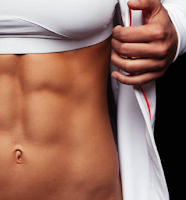
These are the kind of abs, you will see on products with T2 and/or T2 and other alleged fat-burners. Don't be fooled by the ads - even if it's the actually active form of diiodothyronine (T2), namely 3,5-T2, you're buying, the pills alone won't get you to the sub-10% body fat range you  may be dreaming of.
I've written about the thyroid hormone metabolite diiodothyronine aka T2 before. Accordingly, you will probably know that it has long been thought of as an inactive byproduct of the thyroid hormone metabolism (read previous T2-articles). You will also be aware of the fact that research shows that (a) this is not the case and that (b) only one of its two forms, namely 3,5-diiodothyronine (3,5-T2) shares the fat burning, metabolic effects of its big brother triiodothyronine aka T3.

Just like me, you probably don't know, however, why supplement companies are still stupid enough to use both 3,5- and 3,3-diiodothyronine in their allegedly fat burning supplements - "stupid", because we already knew it has no effect and even more stupid, since a recent study from the Universidade de São Paulo and the Houston Methodist Research Institute has shown that it will, in total contrast to 3,5-T2, of which the latest research by da Silva Teixeira et al. shows that it will reduce the blood glucose levels independently of insulin sensitization, impair the metabolism of glucose.
Want help losing body fat, try coffee or caffeine - Frequent Side Effects = Improved Health ;-)

For Caffeine, Timing Matters! 45 Min or More?

Intraworkout Caffeine = Useful or Bogus?

Three Cups of Coffee Keep Insulin At Bay

Caffeine's Effect on Testosterone, Estrogen & SHBG

The Coffee³ Ad- vantage: Fat loss, Appetite & Mood

Caffeine Resis- tance - Does It Even Exist?
Yes, you read that right: While 3,5-T2 burns fat (especially in the liver) and increases your metabolism, its cousin 3,3-T2 will do nothing for your BMR/RMR + glucose and fatty acid metabolism and can, on top of that, even impair your glucose metabolism and, as the data in Figure 1 shows, increase the amount of liver fat and food intake.
Figure 1: Effects of T3 (DT3 at 0.75 mg/kg), 3,5-T2 (D3,5-T2 at 1.25 and 12.5 mg/kg) and 3,3 T2 (D3,3-T2 at 1,25 mg/kg) on (A) body weight trajectory, (B) body fat (%), lean mass (%), (D) body temperature, (E) food intake, (F) liver fat, (G) heart weight & (H) TSH of diet-induced obese mice (da Silva Teixeira. 2016).
I guess this negative effect on your glucose metabolism alone should be reason enough to avoid supplements with the commonly used combination of 3,3- and 3,5-T2.
In man, there's a J-shaped correlation between blood glucose 3,5-T2 in (open boxes: all subjects; closed boxes: euthyroid patients), but no significant correlation with waist circumference (a proxy of visceral fat) and subcutaneous fat according to Pietzner et al. (2015).
What dosages are we talking about? Unfortunately, the study at hand provides no guideline as to how much of this thyroid metabolite is actually necessary to boost your overall, fat and glucose metabolism, because the regular way to calculate human equivalent doses (HED | learn how to do it) seems to be way off when we talk about thyroid hormones. Humans appear to need much lower doses of exogenous thyroid hormones to see the same effects as rodents; and the dose regimen that delivered the most significant effect in the study at hand would translate to hilariously high doses of 3,5-T2 - doses you can luckily (?) never get out of any of the T2-supplements on the market).

Plus: The fact that a 2015 study by Pietzner et al. suggests that, in healthy euthyroid human beings, there's a J-shaped correlation of circulating 3,5-T2 levels and glucose (p >> 0.05 for insulin, waist, and subc. fat) with the latter being more or less constant until a certain optimal 3,5-T2 level is achieved and the fasting glucose levels "explode" (see Figure to the left).
After all, you can only hope for the 3,5-T2 the Brazilian scientists who have been dabbling with diiodothyronines in previous studies, already, to counter the ill effects of 3,3-diiodothyronine (3,3-T2).
Figure 2: (A) Fasting blood glucose, (B) glucose response during glucose tolerance test and (B) insulin levels in diet-induced obese mice according to treatment (da Silva Teixeira. 2016).
What's more, no supplement company can give you a guarantee that the 3,5-T3 in their products will fully counter the ill effects of 3,3-T2 on liver fat, the response to glucose tolerance tests, and the increased levels of insulin and appetite you can see in Figure 2 (and Figure 1, respectively) - no matter, how large the words "synergy" or "synergistically" are plastered all over the supplement bottle.
Read before using T2-products: "High-Dose 3,5-Diiodo-L-Thyronine (T2) Has Similar Side Effects as Regular Thyroid Hormones: Natural Thyroid Hormone Production ↓, Myocardial Stress ↑, Heart Weight ↑" | more.
So what's the verdict then: If you have understood that neither form of T2 is free of side effects (see "High-Dose 3,5-T2 Has Similar Sides as Regular Thyroid Hormones" | read it) and still want to use a T2-product, you better make sure it contains only the actually active 3,5-diiodothyronine (3,5-T2) and no 3,3-diiodothyronine) stupid supplement producers have put into the product to be able to claim that they would thus make sure to keep the side-effects at bay.

With a 3,5-T2 product you could at least hope for (a) weight loss / the prevention of weight gain, (b) fat loss and thus increases in relative lean mass, and, as the study at hand demonstrates (c) reduced liver fat and improved glucose tolerance and fasting glucose as well as insulin levels... all that, however, requires the product to be high-dosed - probably higher than the average fat burner you can buy at your favorite supplement shop (see red box for more information on the dosing regimen) | Comment!.
References:
  • Pietzner, Maik, et al. "Translating pharmacological findings from hypothyroid rodents to euthyroid humans: is there a functional role of endogenous 3, 5-T2?." Thyroid 25.2 (2015): 188-197.

Thursday, October 13, 2016

Latest Study Shows that a 3.3 g/kg High-Protein Diet is Safe -- And Yes, This Means it Doesn't Hurt Your Kidney or Liver

Don't forget that meat and dairy are not the only good sources of protein in your diet. In fact, even vegan athletes can - albeit with some effort - follow a diet that's so high in protein that traditionalists would say it may put your kidney and liver on the line - plant protein, or not...
Guest post by Alex Leaf (leaf-nutrition.com) - There is a pervasive myth among vegans and health professionals alike that a high-protein diet is harmful, particularly for the kidneys. This is despite the World Health Organization official report on protein stating that "the most widely quoted potential problems relate to renal function and damage, but as discus-sed above the evidence for such claims in otherwise healthy individuals does not stand up to scrutiny" (WHO. 2016).

Still, the vast majority of protein safety data that we have is with intakes less than 2.0 g/kg bodyweight. And for most people, that is all the data we need, because most people don’t eat more than their weight in grams of protein. But there are exceptions, with the biggest probably being athletes.
High-protein diets are much safer than pseudo-experts say, but there are things to consider...

Practical Protein Oxidation 101

5x More Than the FDA Allows!

More Protein ≠ More Satiety

Protein Oxidation = Health Threat

Protein Timing DOES Matter!

More Protein = More Liver Fat?
It is very common for athletes to eat more than 2.0 g/kg of protein in attempts to maximize performance and/or body composition. Two previous studies by Dr. Jose Antonio have suggested that eating a high-protein diet (>3.0 g/kg) has no harmful side-effects over the 8-week intervention periods (Antonio. 2015 & 2016a). However, we still lack long-term data on high-protein diet safety. Or I should say, we did lack this data until Dr. Antonio published his fourth study this week in the Journal of Nutrition and Metabolism (Antonio. 2016b).
Figure 1: Comparison of habitual and experimental diet of the subjects (Antonio. 2016).
In Dr. Antonio’s latest study, 14 resistance-trained men consumed their habitual diet or a high-protein diet each for a two-month and a four-month period (six months total spent on each diet). The extra protein on the high-protein diet phase was supplied mainly from whey protein, although the participants were allowed to eat whatever they wanted to hit their protein quota.
What's a guest post and who's Alex Leaf? Many of you will already know that Alex Leaf is a good friend of mine, who has recently turned his passion for nutrition, training and supplementation into a profession and opened his own business, Leaf Nutrition - obviously not before amassing a range of titles from certified personal trainer to the Master of Nutrition and certifications as nutritionist from the state of Washington and the International Society of Sports Nutrition. Future coaching requests should thus better go to Alex than me, after all, he has the time, the education and the patience to work with clients I have never had (those of you who asked me if I do coaching will know that).
Food intake was monitored with the smartphone app, MyFitnessPal, for which all the participants had experience using, and each participant followed their own strength training program.

As we can see in Figure 1 above, the men were already consuming a relatively high protein diet, with a habitual intake of 2.5 g/kg. Yet, this significantly increased to 3.3 g/kg during the high-protein phase, leading to a significant 16% increase in caloric intake. Carbohydrate, fat, cholesterol, sodium, sugar, and fiber intake were not significantly different between phases. There were no significant differences between the habitual and high-protein groups in any measure of health or body composition, including blood lipids and a comprehensive metabolic panel (renal function, liver health, etc.).

Putting the results into perspective

One thing you should remember about the study at hand is that its subjects were athletes. As you may remember from the article "The Insulin / Glucagon Ratio and Why Diabetics and People W/ Severe Insulin Resistance Must be Careful With Protein" (read it) that the results could be very different for (obese) T2DM patients.
This is the first randomized controlled trial that has examined the effects of a high protein diet in resistance-trained men over a one-year period. Aside from the countless anecdotal evidence, this is the best evidence we currently have to suggest that consuming 3-4 times the RDA is safe in athletes.

Now, we could nit-pick and say that the sample size was too small and that the study is applicable only to male athletes, or even that one year isn’t long enough considering that chronic kidney disease can take years to decades to develop. And these are valid arguments. However, other populations outside of individuals regularly exercising are not likely to be interested in consuming this level of protein, nor would they need to, so the need to apply this data to other populations may be a moot point.

As for the length of the study, we must consider this alongside the fact that athletes have been eating this level of protein for most of their lives and are healthier than people eating less protein. Although anecdotal evidence isn’t ideal, it isn’t worthless either, especially when it exists in the vast quantities that we observe with the athletic population.
Antonio et al. are only one group of researchers dabbling w/ the health and physique advantage of really high protein diets | more.
So what is the practical takeaway? Eating up to 3.3 g/kg or 1.5 g/kg of protein appears to be safe so long as you are training regularly and have a relatively healthy, well-balanced diet providing adequate fiber (30 g average in this study | previous studies show links of high fiber intakes w/ kidney and liver health | Xu. 2014, Kirpich. 2015, Arslanow. 2016).

And even if "young, healthy and active" doesn't sound like you, there are studies like Brinkworth (2004), Clifton (2008), and Dumesnil (2001) that show weight loss benefits and identical or improved health parameters compared to "regular" / lower protein diets | Comment on Facebook!
References:
  • Antonio J, Ellerbroek A, Silver T, et al. A high protein diet (3.4 g/kg/d) combined with a heavy resistance training program improves body composition in healthy trained men and women--a follow-up investigation. J Int Soc Sports Nutr. 2015; 12: 39. PMID: 26500462
  • Antonio J, Ellerbroek A, Silver T, Vargas L, Peacock C. The effects of a high protein diet on indices of health and body composition--a crossover trial in resistance-trained men. J Int Soc Sports Nutr. 2016a; 13: 3. PMID: 26778925
  • Antonio J, Ellerbroek A, Silver T, et al. A high protein diet has no harmful effects: a one-year crossover study in resistance-trained males. J Nutr Metab. 2016b
  • Arslanow, Anita, et al. "Short-Term Hypocaloric High-Fiber and High-Protein Diet Improves Hepatic Steatosis Assessed by Controlled Attenuation Parameter." Clinical and Translational Gastroenterology 7.6 (2016): e176.
  • Brinkworth, G. D., et al. "Long-term effects of a high-protein, low-carbohydrate diet on weight control and cardiovascular risk markers in obese hyperinsulinemic subjects." International journal of obesity 28.5 (2004): 661-670.
  • Clifton, Peter M., Jennifer B. Keogh, and Manny Noakes. "Long-term effects of a high-protein weight-loss diet." The American journal of clinical nutrition 87.1 (2008): 23-29.
  • Dumesnil, Jean G., et al. "Effect of a low-glycaemic index–low-fat–high protein diet on the atherogenic metabolic risk profile of abdominally obese men." British Journal of Nutrition 86.05 (2001): 557-568.
  • World Health Organization, Food and Agriculture Organization of the United Nations, United Nations University. Protein and amino acid requirements in human nutrition: Report of a joint FAO/WHO/UNU expert consultation (WHO Technical Report Series 935). 2007.
  • Xu, Hong, et al. "Dietary fiber, kidney function, inflammation, and mortality risk." Clinical Journal of the American Society of Nephrology (2014): CJN-02260314.

Sunday, October 9, 2016

Low Dose Silymarin (Milk Thistle) Boosts Reduction in Body Fat % W/ Both, Strength (-9%) & Endurance Training (-11%)

The "classic" user of silymarin supplements is either fat, sick and suffering from NAFLD, or big, buffed and taking oral steroids. Athletic women like the ones in the photos above, on the other hand, have not yet been very likely to buy and use silymarin supplements... well, unless they were (ab-)using oral, hepatoxic steroids, as well, obviously.
When bros talk about Silymarin, the active ingredient in milk thistle, they usually do that in the context of "cycle support", i.e. the use of supplements to buffer the negative effects of (oral pro-)hormones on organ- and, specifically, liver-health. A recent study from the Ahvaz Jundishapur University of Medical Sciences in Iran, however, the "bro-talk" may change that, though.

In the study, which was meant to test, whether silymarin a scientifically proven (Dixit. 2007; Saller. 2009; Surai. 2015) "powerful antioxidant" (Shirali. 2016), will also affect athletic performance, N = 45 (unfortunately) previously untrained men were randomly assigned to one out of the following five groups: (a) endurance training with placebo (ET + P), (b) endurance training with 140 mg of silymarin/day (ET+S), (c) strength training with placebo (ST+P), (d) strength training with 140 mg of silymarin/day (ST + S) and (e) a placebo (C) to identify both, the effects of exercise and supplementation.
Learn more about hormesis and how antioxidants can also impair your gains

Anti-histamines, exercise and your metabolic health

Even Ice-Baths Impair the Adapt. Process

Vit C+E Impair Muscle Gains in Older Men

C+E Useless or Detrimental for Healthy People

Will ALA, Berberine & Co Ruin 'Ur Gainz?

Antiox. & Health Benefits Don't Correlate
Anthropometrical and VO2max measurements and ELISA assay for paraoxonase (PON), leptin and adiponectin levels were performed at the beginning and after the 4-week of the study. Of these, the latter were meant to identify the mechanism behind the effects of exercise + silymarin supplementation.
Figure 1: Changes in body composition and physical fitness over four weeks of exercise training plus/minus 140mg/day of silymarin (ethanol extract from dried Silybum marianum seeds | Shirali. 2016)
Effects such as those I have plotted for you in Figure 1, namely significant improvements in body composition - not only the often falsely overvalued BMI / body weight with its very limited health-significance. Effects that were more (albeit not sign. more) pronounced in the silymarin groups; and effects that also involved a non-significantly more pronounced increase in VO2max in the placebo- vs. silymarin-supplemented endurance training group - a difference of which one could argue that it supports the hormesis hypothesis, i.e. the hypothesis that it's the exposure of your mitochondria to mito-hormetic stress that will have them adapt to the stress with the very cellular growth and functional improvements which drive the adaptational response to exercise.
Paraoxonoases are enzymes that are associated with HDL molecules. In our bodies, they appear to be responsible for the antioxidant effects of high- (HDL) on the oxidation of low-density lipoproteins (LDL) - a hypothesis that is confirmed by the above data from Mackness et al. 1993.
What are paraoxonases (PONs)? Paraoxonase enzymes have been found to perform a number of biological functions (the primary role of this group of enzymes is still a topic of speculation, though | Wikipedia. 2016), including anti-inflammatory, anti-oxidative, anti-atherogenic, anti-diabetic, anti-microbial and organophosphate-hydrolyzing effects. "These properties provide a promising potential for development of new therapeutic interventions to combat a number of health conditions" (Wikipedia. 2016). They are synthesized in the liver and appear to be responsible for the antioxidant properties of HDL on LDL particles, with the paraoxonases (PON) that are associated with high-density lipoproteins protecting the lipids in the LDL shuttles from oxidation (Mackness. 1993).
We have to be careful, though. Neither the additive effect of silymarin on VO2max in the strength training group, in which the subjects did a standardized supervised circuit training workout (3 circuits per workout) involving exercises for all large muscle groups (3 sets of 10-15 reps for each muscle group) thrice a week, nor the disadvantage(s) the subjects in the ET+S group, who participated in three supervised 50 minute running workouts (60% - 80% of maximal heart rate), was statistically significant. It is thus speculative to argue that
  • the additive beneficial effect of silymarin on VO2max in the strength training (ST + S) and
  • the subtractive negative effect on VO2max in the endurance training (ET) group
are a result of optimized / too low "stress" / oxidation levels - that's speculative, but it appears to be supported by the relative pre-/post-changes in paraoxonase, leptin and adiponectin levels (remember: leptin, just like insulin, is usually increased w/ increasing inflammation, while adiponectin is decreased) I've plotted in Figure 2:
Figure 2: %-changes in plasma PON, adiponectin and leptin levels in resp. to 4 wks of exercise +/- silymarin (Shirali. 2016).
Previous studies by Cakmak et al. (2010), show that PON activity is increased in adolescent athletes, suggesting that the cardioprotective effect of regular exercise might be mediated by increased PON activity. On the other hand, Romani et al. (2009) reported that physical stress, such as acute exercise, by altering membrane composition, may impair PON release from liver membranes and can decrease the level of PON in serum - an effect of which the study at hand appears to show that it is blunted by the provision of small amounts of the 'liver tonic' silymarin.

Addendum: What else do we know?

From previous studies, we also know that silymarin appears to increase the use of fat / trigs during exercise while sparing muscle glycogen (Choi. 2016). The latter may be one, yet certainly not the only reason why the study at hand and a previous study by Barari et al. (2014), both suggest that silymarin can help you lose body fat in the absence of energy systemic restriction... speaking of wich: the lack of dietary control is not necessarily a weakness of the study at hand; after all, a study without dietary control provides evidence that a given supplement will work in the real world, where people often fail to adhere to energy restricted diets - plus: the mood improving effects of silymarin Nazarali et al. (2015) observed in 40 female athletes may be an added bonus I haven't even mentioned yet.

Last question: Do I have to pay extra for "super-bioavailable" silymarin

As Angelo points out in response to the publication of the article at hand, silymarin has a suboptimal bioavailability - meaning: not all the silymarin you ingest will actually make it into your blood. Now, that's correct, but supplement producers abuse the notion of a low bioavailability to make money on allegedly "superior" silymarin products.
Figure 3: Primary reasons for poor oral bioavailability of Silymarin (Javed. 2011)
With a mean bioavailability of 20-50%, regular silymarin is yet far from being as quasi-useless as resveratrol with a 1%-ish absorption rate (note: silybin, the main active substance in silymarin, is not fat soluble, so having it with a fatty meal is not going to increase its bioavailability).
Figure 4: Unlike the endurance-training-induced increases in VO2max, the strength-training-induced increases in lean mass (4-5%) I've calculated for you based on the body fat% and weight changes were not checked for their statistical significance by the authors - I am pretty sure, though, they are not statistically significant.
Bottom line - Mechanism(s) and perspective(s): Whether and to which degree either of these previously discussed changes in PON, leptin and adiponectin is causally involved in the effects on body composition and physical fitness (Figure 1) and not just a corollary effect of the overall antioxidant prowess of silymarin is questionable.

What we can say with some certainty, the latter, i.e. the antioxidant effects silymarin will exert even at dosages as low as those that were administered in the study at hand, appear to have differential effects on physique and fitness depending on whether it is added on top of resistance (rel. high oxidative load) or medium intensity endurance (rel. low ox. l.) training: an augmentation of the ben. effects on fitness + body composition w/ the former, a non-sign. ame-lioration of the VO2 increase with the latter form of training.

What exactly it is that causes this exercise-specific difference will have to be the object of future research - research into the previously addressed issue of (mito-)hormesis. That both, the benefits and detriments are not exactly huge (esp. in absolute terms), on the other hand, is something we can tell today, already. Accordingly, we will have to wait for Shirali et al. or other researchers to do longer lasting (>4 weeks; better 8-12 weeks) follow-up studies with subjects who are more representative of the average SuppVersity reader than the untrained young men from Saeed Shirali's study at hand. Before those studies have not been done and are showing higher and/or long-term reductions in absolute body fat levels than the study at hand, I cannot recommend silymarin as a "weight loss drug" or a "cutter", as bros would call it. What I can do however, is to say that it appears to be a promising agent to improve both your health and your ability to maintain a healthy weight in the long(er) run | Leave a comment on Facebook!
References:
  • Barari, A., And A. Eftekhari. "Exercise And Silymarin On Clotting Factors." (2014): 88-88.
  • Cakmak, Alpay, et al. "Paraoxonase activity in athletic adolescents." Pediatric exercise science 22.1 (2010): 93.
  • Choi, Eun-Ju, et al. "Effect of silymarin on gluconeogenesis and lactate production in exercising rats." Food Science and Biotechnology 25.1 (2016): 119-124.
  • Dixit, Nitin, et al. "Silymarin: A review of pharmacological aspects and bioavailability enhancement approaches." Indian journal of pharmacology 39.4 (2007): 172.
  • Javed, Shamama, Kanchan Kohli, and Mushir Ali. "Reassessing bioavailability of silymarin." Altern Med Rev 16.3 (2011): 239-49.
  • Mackness, Michael I., et al. "Protection of low-density lipoprotein against oxidative modification by high-density lipoprotein associated paraoxonase." Atherosclerosis 104.1 (1993): 129-135.
  • Nazarali, Parvaneh, Ahdiyeh Pormphamadi, and Parichehr Hanachi. "Effect of Six Weeks of Resistance Training (RT) and Silymarin Supplement On the Changes in the Inflammation Marker Interleukin 6 and Psychological Profile in Elite Female Taekwondo Players in Alborz Province." International Journal of Sport Studies. Vol., 5 (1), 57-61, 2015
  • Romani, Rita, et al. "Modulation of paraoxonase 1 and 3 expression after moderate exercise training in the rat." Journal of lipid research 50.10 (2009): 2036-2045.
  • Saller, Reinhard, et al. "An updated systematic review with meta-analysis for the clinical evidence of silymarin." Forschende Komplementärmedizin/Research in Complementary Medicine 15.1 (2009): 9-20.
  • Shirali, Saeed, et al. "Effects of Silymarin Supplementation on Leptin, Adiponectin and Paraoxanase Levels and Body Composition During Exercise: A Randomized Double-Blind Placebo Controlled Clinical Trial." (2016).
  • Surai, Peter F. "Silymarin as a natural antioxidant: An overview of the current evidence and perspectives." Antioxidants 4.1 (2015): 204-247.
  • Wikipedia contributors. "Paraoxonase." Wikipedia, The Free Encyclopedia. Wikipedia, The Free Encyclopedia, 15 Jul. 2016. Web. 15 Jul. 2016.

Wednesday, July 8, 2015

NAFLD, Non-Alcoholic Fatty Liver Disease, the Gateway to Diabesity - Which Supplements Help? A Dozen Suggestions

There's a whole arsenal of vitamins & herbals that's supposed to either protect you from or even cure NAFLD.
NAFLD is emerging as one of the most common chronic liver diseases worldwide, and represents one of main cause of hepatology referral in some centers. NAFLD is a clinical syndrome that ranges from simple fatty liver, to non-alcoholic steatohepatitis, to advanced fibrosis, and cirrhosis.

It's directly liked to diabesity by its ties to insulin-resistance, obesity, and dyslipidemia, which are the main features of the metabolic syndrome (MS). NAFLD and MS are often seen in the same individual, and it has been reported that nearly 90% of the subjects affected by NAFLD, have more than one component of metabolic syndrome.
You can learn more about NAFLD at the SuppVersity

6 Bananas A Day = No Problem For the Liver!

Can We Blame NALFD on Fructose?

Insulin Sensitivity is Determined in the Liver

Saturated Fat & NAFLD - Is there a Link?

Snack Your Way to a Non-Alholic Fatty Liver

No Choline, No Healthy Liver, But Heart Attacks
In that, the reasons for developing NAFLD are not fully elucidated, but observational studies clearly point to the high(er)energy, and in particular to a greater carbohydrate intake of NAFLD patients compared with the healthy subjects (Tarantino. 2013). In spite of the fact that Abenavoli is right when he says that supplements can only be an adjunct to lifestyle modifications, i.e. modifications and physical exercise, or as he specifies it,
  • an individualization of the diet aim to achieve energy restriction of 500-1000 kcal/d,
  • a reduction of total fat and reduced saturated fat intakes to less than 30% of the total energy input, 
  • an increase in soluble fibre intake, and 
  • most importantly, a decrease or total elimination of refined sugars from the diet
These dietary modifications alongside physical activity of at least 60 min/d on initially 3 d/wk, later 5 d/wk should aim for a weight loss of 5% to 10%, which in turn will ameliorate the effects of NAFLD, even before any weight is lost (Keating. 2012).
Table 1: Meta-analysis of the pooled effect of exercise vs. control on liver fat with sub-analysis of: the effect of combined exercise and diet vs. diet and exercise vs. non-exercise control (Keating. 2012).
Only in conjunction with significant and permanent weight reductions, though it is possible you can hope to send NAFLD into remission.

Compared to the profound changes in how you life, medications and supplements are of reduced importance - if you don't change the former, the latter are not going to save you.

To understand which supplements are and which aren't useful NAFLD treatments, we have to initially learn about the pathogenesis of this ailment:
The pathogenesis of NAFLD is complicated and while its exact mechanism remains largely unknown, different genetic factors and/or environmental elements seem to influence it. The “two-hit hypothesis” of NASH, originally explained by Day and James suggests that lipid deposition in the liver (first hit) is followed by a series of other, oxidative and hepatotoxic processes (second hit), caused by a mechanism currently not known. Several factors such as genetics, epigenetic mechanisms, as well as environmental elements, appear to promote hepatocyte fat deposition and insulin resistance, both of which further lead to the secondary pathologic events, such as oxidative stress, lipid peroxidation, increased inflammatory responses, hepatic fibrosis and apoptosis. Other triggers such as lipotoxicity, endotoxemia, and adipocytokines or other inflammatory signals released from fat-infiltrated hepatocytes and adipose tissue, may promote oxidative stress in the liver, inducing the progression of NAFLD to NASH (Eslamparast. 2015 | my emphases).
In view of the oxidative / inflammatory component of NAFLD, it is little surprising that the wide range of drugs and supplements that has been trialed as NAFLD treatment includes antioxidants and anti-inflammations. Likewise on the list of agents with positive short-term, but lacking long-term data on their efficacy are insulin sensitizers, and lipid lowering agents (Gossard. 2011). Accordingly, I do advise you to take none of the following agents, the description of which I partly borrowed from Eslamparast et al. (2015), not as proven NAFLD treatments, but as suggestions that may support the inevitable life-style changes described before:
  • Vitamin E and vitamin C - not promising: No additional advantage over diet and exericse, alone for vitamin C supplements. A recent review article concluded that vitamin E is only recommended in adults with NASH who do not have diabetes or cirrhosis, or an aggressive histology (Pacana. 2012).
    Table 2: The meta-analysis comparing the effect of vitamin E to the placebo for the proportion of participants with normalized ALT is more than disappointing, because there's no effect of vitamin E (Sarkhy. 2015)
    In a meta-analysis, adjuvant vitamin E was not shown to have a significant effect on normalizing serum ALT levels. Using higher doses of vitamin E, a longer duration of therapy or adding vitamin C did not alter the effect of these antioxidants on the measured outcomes either (Sarkhy. 2014). As Elsamparast et al. (2015) point out, there's a paucity of evidence "on the long-term effects of vitamin E use on histological improvements of NAFLD patients, which calls for larger, well-designed randomized controlled trials (RCTs) with histological endpoints, to really determine the efficacy of its use".
  • Resveratrol - only low dose, long term: Just as it is always the case with resveratrol (3,5,4-trihydroxystilbene), a natural phenol produced by certain plants and found in the skin of red grapes, we do have promising rodent studies, in humans, however, clinical trials evaluating the effects of Resveratrol supplementation on NAFLD characteristics are scarce.

    As Elsamparast et al. (2015) war, "a recent study, administering Resveratrol vs placebo for eight weeks, not only failed to show any significantly improvements in any NAFLD features in the Resveratrol group", what's worse, the study by Chachay et al. (2015) which used a high dose of 3,000mg of resvertrol per day also showed an increase in hepatic stress.
    Table 3: The effects of resveratrol and placebo intake on serum level of liver enzymes and bilirubin at baseline and after 12-week treatment; in contrast to high dose short-term resvertrol treatments that even had detrimental effects, the Fagihzadeh study (2014) shows unmistakable benefits.
    In view of the fact that a different trial did find a significant improvement in NAFLD characteristics after 12 wk of supplementation with 500 mg Resveratrol (Faghihzadeh. 2014), it does yet appear logical to assume that dose and duration of Resveratrol administration is important in its efficacy.
  • Anthocyanin - possible benefits: Anthocyanins (ACNs) are water-soluble bioactive compounds of the polyphenol class that are present in many plant based products such as blueberries, purple sweet potatoes and other dark blue / purple fruits and veggies. It has been reported that ACNs decrease hepatic lipid accumulation and may counteract oxidative stress and hepatic inflammation in animal studies.

    Evidence from human studies is, you've guessed it, quasi non-existent. As Eslamparast et al. point out, "[t]here is only one study evaluating the effects of ACN on NAFLD patients; Suda et al. (2008) found that a high intake of a purple sweet potato beverage containing 400mg of acylated ACNs can reduce the levels of liver enzymes, in particular gamma-glutamyl transferases in patients with NAFLD - direct evidence of decreased liver damage or reductions in liver fat were yet not diagnosed, because they were simply not evaluated. 
  • Green tea extract - insufficient evidence, but promising: In spite of a whole host of studies in mice and rats, there is no convincing evidence that green tea  and EGCG helps with NAFLD in humans.

    In contrast to what Eslamparast et al. say, there are yet studies that prove that green tea with high-density catechins can improves liver function and fat infiltration in non-alcoholic fatty liver disease (NAFLD) patients when it's consumed for 12 weeks (Sakata. 2013).
    Figure 1: It's not as if there was no human data suggesting that consuming high polyphenol green tea for 12 weeks can have beneficial effects no NAFLD patients like this (Sakata. 2013), but the number of randomized controlled studies is still low and the evidence inconclusive.
    With the Sakata study being the only double-blind placebo-controlled study in humans, the evidence must still be considered preliminary, though, and could be related (solely?) to the reduction in body fat of which the only longer-term study investigating correlates of NAFLD remission says that it is the #1 (if not only) predictor of NAFLD remissin (Zelber-Sagi. 2012). In addition the possibility of heavy metal contamination may more than reverse any beneficial effect and have green tea and green tea extracts - as it has previously been demonstrated, by the way (Molinari. 2006) - contribute to instead of relieve liver disease.
  • Coffee - protective effects proven, acute benefits exist, as well: While epidemiological and animal data leave little doubt that regular coffee consumption can protect you from developing NAFLD and T2DM, direct evidence as it is available in the form of a recent case-control study that compared coffee vs non-coffee drinkers and found that fatty liver occurred less frequently in coffee drinkers, and that drinking coffee was inversely associated with the degree of liver brightness, as well as obesity and insulin resistance is scarce (Catalano. 2010).
    Figure 2: Scatter plot of fibrosis as a function of regular coffee caffeine (mg/day) - the more coffee he / she consumes the lower an NFLD patients risk of fibrosis (Molloy. 2012).
    What is beyond doubt, though, is that among NASH patients, coffee consumption has been shown to be significantly associated with a reduced risk of fibrosis (Molloy. 2012).

    Nevertheless, ,ore research is needed to determine the NAFLD protective properties of caffeine and/or other coffee constituents like certain phytochemicals with potential antioxidant properties, which may also be protective against cardiovascular and liver diseases, and malignancies. 
  • Garlic - smells promising, but proven only in in animal models: Garlic-derived S-allylmercaptocysteine (SAMC) has a therapeutic role in diabetes and nonalcoholic fatty liver disease due to its properties in the regulation of lipogenesis and glucose metabolism, it's effecs have been proven only in rodents (Xiao. 2013). In addition SAMC has more of ameliorative than protective effects and slows the progression, but does not block the development of NAFLD.
    Figure 3: Graphical overview of the potential mechanisms by which garlic oil protects rodents from developing fatty liver; RCTs in human beings are still lacking (Lai. 2014). 
    The same can and must be said for garlic essential oil (GEO) and its major organosulfur component diallyl disulfide (DADS), which has anti-obesity and anti-hyperlipidemic and may thus slow down the progression of NAFLD (Lai. 2014).
  • Ginger  - promising, but unproven: In theory ginger is an excellent anti-NAFLD agent that acts via both the activation of peroxisome proliferator-activated receptor gamma and the suppression of the fructose-stimulated overexpression of carbohydrate response element-binding protein (ChREBP) at the mRNA and protein levels in hepatocytes to reduce the inflammation and the development of fatty streaks in the liver.

    Randomized clinical trials to confirm beneficial (long(er) term) effects in patients with NAFLD are yet missing... but I guess you already expected that ;-)
  • Insulin & lipid lowering supplements and anti-inflammatory agents like cinnamon, curcumin, quercetin, berberine, lipoic acid, coq10carnitin and, as previously discussed, enough choline and whey protein - all promising, but insufficient evidence: Will probably help control many of the side effects of NAFLD and thus slow down it's progression. The evidence can be considered conclusive only for choline or rather the avoidance of choline defiency, though.

    For the others, the only thing we have are impressive rodent studies with often exorbitant amounts of the active ingredients and a lack of clinical human studies like small scale study by Bortoletti et al. showing sign. reductions in liver fat in response to 60 g/day whey protein supplement (WPS) for 4-weeks in women with NAFLD (Bortolotti. 2011).
    Figure 4: Between-group comparisons of changes in biochemical and anthropometric variables in 44 men and women with NAFLD after 4 weeks on 100mg/day CoQ10 (Farhangi. 2014).
    In addition, if there's evidence that something works, like CoQ10, for example, the human data that's available for CoQ10 (see Figure 4) may be considered problematic, because many other studies have been heavily sponsored.
Complement A-C by ALA and vitamin E to protect yourself | more
"Insufficient evidence"... that's what you can say for most items! If you had to compile a top list, (A) coffee, ALA (+E) and whey would be on it. The same goes for (B) a reduction of the unnaturally high omega-6/3 ratio in the standard American diet and an increased intake of mono-unsaturated fatty acids at the expense of both saturated fat and carbohydrates (specifically sugar and HFCS) to reduce the blood pressure and glucose concentrations, and increases serum high-density lipoprotein (HDL) levels (Hancu. 2003). And last but not least (C) pre- and probiotics, which may stop the bacterially-driven inflammatory attacks of a dysbiotic gut on the liver (Gratz. 2010).

As previously stated, though, the lack of convincing evidence that any of the aforementioned interventions can totally protect you / even revers NAFLD is not the only reason you mustn't rely solely on supplements and minor changes of your diet. If you want to rid yourself of NAFLD, the most important thing you have to to is to rid yourself of the sedentary lifestyle and diet that's at the heart of (almost) all modern diseases | Comment on Facebook!
References:
  • Abenavoli, Ludovico. "Non-alcoholic fatty liver disease and beneficial effects of dietary supplements." World Journal of Hepatology 7.12 (2015): 1723.
  • Bortolotti, Murielle, et al. "Effects of a whey protein supplementation on intrahepatocellular lipids in obese female patients." Clinical Nutrition 30.4 (2011): 494-498.
  • Catalano, Daniela, et al. "Protective role of coffee in non-alcoholic fatty liver disease (NAFLD)." Digestive diseases and sciences 55.11 (2010): 3200-3206.
  • Chachay, Veronique S., et al. "Resveratrol does not benefit patients with nonalcoholic fatty liver disease." Clinical Gastroenterology and Hepatology 12.12 (2014): 2092-2103.
  • Eslamparast, Tannaz, et al. "Recent advances in dietary supplementation, in treating non-alcoholic fatty liver disease." World journal of hepatology 7.2 (2015): 204.
  • Faghihzadeh, Forouzan, et al. "Resveratrol supplementation improves inflammatory biomarkers in patients with nonalcoholic fatty liver disease." Nutrition Research 34.10 (2014): 837-843.
  • Gossard, A. A., and K. D. Lindor. "Current therapies for nonalcoholic fatty liver disease." Drugs of today (Barcelona, Spain: 1998) 47.12 (2011): 915-922.
  • Hashemi, Mohammad, Ali Bahari, and Gholamreza Bahari Saeid Ghavami. "Coenzyme Q10 may be effective in the treatment of non alcoholic fatty liver disease (NAFLD)." Journal of Medical Hypotheses & Ideas 2.1 (2008): 9-10.
  • Lai, Yi-Syuan, et al. "Garlic essential oil protects against obesity-triggered nonalcoholic fatty liver disease through modulation of lipid metabolism and oxidative stress." Journal of agricultural and food chemistry 62.25 (2014): 5897-5906.
  • Molinari, Michele, et al. "Acute liver failure induced by green tea extracts: case report and review of the literature." Liver transplantation 12.12 (2006): 1892-1895.
  • Molloy, Jeffrey W., et al. "Association of coffee and caffeine consumption with fatty liver disease, nonalcoholic steatohepatitis, and degree of hepatic fibrosis." Hepatology 55.2 (2012): 429-436.
  • Pacana, Tommy, and Arun J. Sanyal. "Vitamin E and nonalcoholic fatty liver disease." Current Opinion in Clinical Nutrition & Metabolic Care 15.6 (2012): 641-648.
  • Sakata, Ryuichiro, et al. "Green tea with high-density catechins improves liver function and fat infiltration in non-alcoholic fatty liver disease (NAFLD) patients: A double-blind placebo-controlled study." International journal of molecular medicine 32.5 (2013): 989-994.
  • Sarkhy, Ahmed A., Abdulrahman A. Al-Hussaini, and Valerio Nobili. "Does vitamin E improve the outcomes of pediatric nonalcoholic fatty liver disease? A systematic review and meta-analysis." Saudi journal of gastroenterology: official journal of the Saudi Gastroenterology Association 20.3 (2014): 143.
  • Tarantino, Giovanni, and Carmine Finelli. "What about non-alcoholic fatty liver disease as a new criterion to define metabolic syndrome?." World journal of gastroenterology: WJG 19.22 (2013): 3375.
  • Xiao, Jia, et al. "Garlic-derived S-allylmercaptocysteine ameliorates nonalcoholic fatty liver disease in a rat model through inhibition of apoptosis and enhancing autophagy." Evidence-Based Complementary and Alternative Medicine 2013 (2013).
  • Zelber-Sagi, Shira, et al. "Predictors for incidence and remission of NAFLD in the general population during a seven-year prospective follow-up." Journal of hepatology 56.5 (2012): 1145-1151.

Tuesday, February 17, 2015

Three Reasons Why Your Doctor May Falsely Believe Your Kidney, Liver or Heart Were Damaged If You Get Blood Work Done Without Adequate Rest After Intense Workouts

Sometimes lab values are deceiving - specifically if allegedly pathological elevations of kidney, liver and (heart) muscle enzmes are a perfectly physiological reaction to exercise. 
You already know reason #1. The heavily increased creatine kinase (CK) levels I've discussed in a previous article at length may look exactly as if you were about to have a kidney failure.

In fact, the CK-levels can be elevated more than 100-fold after an intense workout (Pettersson. 2008). Accordingly, Mougios, et al. (2007) attempted to develop revised reference values for athletes in their 2007 study. The scientists' test revealed that CK levels of >1000 IU/L in male and 513 IU/L in female athletes would be better cut off levels for athletes who are still training than the regular upper limit of <208 IU/L.
If you want to avoid muscle damage, you may try BFR and hypoxia training.

BFR, Cortisol & GH Responses

BFR - Where are we now?

Hypoxia + HIIT = Win?

BFR for Injured Athletes

Strength ⇧ | Size ⇩ w/ BFR

Training & Living in Hypoxia
Closely related to the CK-levels, which are unquestionably the #1 reason your doctor may want to call an ambulance, despite the fact that all you're suffering from is heavy deep onset muscle soreness, are elevated transaminase levels (see time course of elevation in the Petterson study).

Figure 1: Changes in serum enzyme levels after exercise in trained and untrained subjects in response to 15 minutes treadmill running and an 8k run (Fowler. 1962).
In medicine, the presence of elevated transaminases, commonly the transaminases alanine transaminase (ALT) and aspartate transaminase (AST), are considered to be an indicator of liver damage. In athletes, however, elevated levels of both of these enzymes are - just like elevated creatine kinase levels - a mere sign of exercise induced muscle damage.

As the data from a 1962 study by Fowler, et al. indicates, even 15 minutes on a treadmill can lead to significantly elevated ALT (back in the day the enzyme was still called "GPT") and AST ("GOT") levels. An 8k run can increase ALT and AST by more than 150% (see Figure 1). In that the extent of ALT & AST elevations probably depends on the individuals' susceptibility to exercise induced protein breakdown, which is the actual reason the enzymes which breakdown the protein debris in the liver are elevated.

As it is the case with the creatine kinase enyzmes, many primary physicians and scientists are unaware of the connection and the long-lasting elevations of serum transaminases in response to hard workouts.

Figure 2: In trained marines AST (=SGOT), ALT (=SGPT) react significantly less pronounced (Schlang. 1961)
Against that background it's hardly surprising that Pertusi et al. report in a 2007 paper that the exercise-induced elevations of aminotransferases is also the reason that anabolic steroid induced liver damage has overreported. An overreporting of which the scientists say that is has "in turn, biased physicians against considering muscle damage as a possible cause for aminotransferase elevations (Pertusi. 2001).

Chronically elevated liver enzymes should still not be taken lightly. Even if they don't indicate liver damage, they could be a sign of chronic overtraining. After all, Hunter et al. (1971) were able to show that training reduces the initially exuberant increases of the aminotransferases significantly.

Speaking of not taking lightly, one thing you shouldn't take lightly either is your doctor's suspicion that you may have developed a heart disease. 

More specifically, Elliott and La Gerche have recently been reporting that strenuous endurance exercise (SEE) is associated with acute depression of RV systolic function, thus suggesting that exposure to repeated bouts of SEE can have potential long-term consequences. La Gerche and Claessen argued that left atrial pressure is increased during SEE, thereby increasing pulmonary artery pressure. As Fabian Sanchis-Gomar et al. point out in an editorial comment, they thus stated
"that frequent episodes of increased RV work induced by long-term SEE can promote compensatory RV remodeling, increase myocardial damage biomarkers such as troponins and B-type natriuretic peptide, or even accelerate heart failure (HF)" (Sanchis-Gomar. 2015). 
The Spanish researchers do yet highlight that to the best of their knowledge the bulk of the evidence available supports that the above mentioned alterations which include among other the cardiac-specific creatine kinase marker are rather transient, with a dose-effect relationship existing for exercise intensity and duration.
"Physicians and health professionals should be aware that healthy individuals who engage in SEE sport events could exhibit acute, transient cardiological features that are apparently compatible with cardiac diseases, yet these alterations are attributable in most cases to transient physiological responses rather than pathological status"(Sanchis-Gomar. 2015).
Against that background, it may be a good idea to take two weeks off in order to retest, if your doctor says that your biomarkers suggest that you may be suffering from heart disease.
Read the previous article for all the details on CK elevations.
Bottom line: While you should never take the "bad news" your doctor may have for you lightly. It may be wise to evaluate, whether allegedly pathological changes in creatine kinase (CK), transaminases (ALT & AST) and / or strange alterations in troponins and or B-type natriuretic peptide that suggest you may be suffering from kidney, liver or heart damage may simply be the result of a recent workout.

Since CK, ALT and AST can remain elevated for more than a week (see time course of elevation of AST in Petterson's study), it would be best to take two weeks off of strenuous training before you do a re-test which will then - hopefully - confirm that the disconcerting abnormalities were nothing but a result of your last intense workout | Comment on Facebook!
References:
  • Elliott, Adrian D., and Andre La Gerche. "The right ventricle following prolonged endurance exercise: are we overlooking the more important side of the heart? A meta-analysis." British journal of sports medicine (2014): bjsports-2014.
  • Fowler, William M., et al. "Changes in serum enzyme levels after exercise in trained and untrained subjects." Journal of applied physiology 17.6 (1962): 943-946.
  • Hunter, J. BARRY, and JERRY B. Critz. "Effect of training on plasma enzyme levels in man." Journal of applied physiology 31.1 (1971): 20-23.
  • Mougios V. Reference intervals for serum creatine kinase in athletes. Br J Sports Med. 2007 Oct;41(10):674-8. Epub 2007 May 25.
  • Pertusi, Raymond., R. D. Dickerman, and W. J. McConathy. "Evaluation of aminotransferase elevations in a bodybuilder using anabolic steroids: hepatitis or rhabdomyolysis?." JOURNAL-AMERICAN OSTEOPATHIC ASSOCIATION 101.7 (2001): 391-394.
  • Pettersson, Jonas, et al. "Muscular exercise can cause highly pathological liver function tests in healthy men." British journal of clinical pharmacology 65.2 (2008): 253-259.
  • Sanchis-Gomar, Fabian, et al. "Long-term strenuous endurance exercise and the right ventricle: Is it a real matter of concern?." Canadian Journal of Cardiology (2015).
  • Schlang, Captain HA, and C. A. Kirkpatrick. "The effect of physical exercise on serum transaminase." The American journal of the medical sciences 242.3 (1961): 338-341.