Showing posts with label sperm. Show all posts

Monday, May 9, 2016

Shilajit: Ayurvedic Testosterone Booster that Works in Men, not Rats: ~20% Increase in Free T + Higher Total T & DHEA

"Get leaner, more muscular and hornier than ever before" - That's probably the promise on the T-booster someone will release after reading this SuppVersity article and sourcing an inferior Shilajit extract on Alibaba.
No, I hadn't heard of Purified Shilajit (PS), either, before I read about it in a very recent study in the peer-reviewed scientific journal Andrologia (Pandit. 2015). Actually, the study was first published in online (ahead or print), in late 2015. It took several months for it to be finally available in print and to appear on my "study radar", though.

Shilajit is traditionally used in Ayurveda, an indigenous system of Indian medicine, as a remedy for several diseases, particularly chronic diseases. It is a pale-brown to blackish-brown exudate that oozes from sedimentary rocks worldwide, largely in the Himalayas. The natives describe it as pahar-ki-pasina (sweat of mountains), paharki-khoon (mountain blood), shilaras (rock juice), asphalt, bitumen, etc.
Don't forget to work out - Without exercise you're not going to get lean and jacked, bro!

Tri- or Multi-Set Training for Body Recomp.?

Aug '15 Ex.Res. Upd.: Nitrate, Glycogen, and ...

Pre-Exhaustion Exhausts Your Growth Potential

Full ROM ➯ Full Gains - Form Counts!

BFR-Preconditio- ning Useless for Weights?

Study Indicates Cut the Volume Make the Gains!
Shilajit is said to carry the healing power of these great mountains (Frawley. 1986) and is one of the "important drug[s] of the ancient Ayurvedic materia medica and [... ] to this day used extensively by Ayurvedic physicians for a variety of diseases (Pandit. 2015). As Pandit et al. point out, ...
"[e]arly Ayurvedic writings from the Charaka Samhita (Sharma, 1998) describe Shilajit as a cure for all diseases as well as a Rasayana (rejuvenator) that promises to increase longevity. It is composed of rock humus, rock minerals and organic substances that have been compressed by layers of rock mixed with marine organisms and microbial metabolites" (Pandit. 2015).
That this is probably not exactly accurate must not hide the fact that it has in fact been used successfully to treat diabetes and diseases of the urinary tract, oedema, tumours, muscle wasting, epilepsy and even insanity in practice and that clinical research confirms many of the properties for which Shilajit has been used (Talbert. 2004).
Figure 1: A study by Biswas 2009 in infertile men is the first to show the potent effects of Shilajt in a randomized controlled human trial involving a total of 60 (active treatment + placebo) oligospermic men (Biswas. 2009).
Needless to say that, in Ayurveda, Shilajit is also used for the management of male reproductive disorders, and in particular, under the parlance of Vrisya (an aphrodisiac with special reference to spermatogenesis). In that, it has been shown to pose no toxicity issues with several studies reporting an LD50 of  >2000 mg/kg, acutely (Acharya et al., 1988; Ghosal et al., 1989), and doses of 0.2–1.0 g per kg body weight when used chronically (Kelginbaev et al., 1973; Anisimov & Shakirzyanova, 1982; Fortan & Acharya, 1984; Al-Hamaidi & Umar, 2003).

And the data from Biswas 2009 study (Figure 1) demonstrates that Shilajit is not just safe (no alterations in serum urea, uric acid, serum bilirubin, total protein, serum globulin, SGPT, SGOT and alkaline phosphatase were observed), but also effective in improving the total sperm count (+61.4%), motility (12.4–17.4% after different time intervals), normal sperm count (+18.9%) and total testosterone (+23.5%) levels with concomitant decrease in 28 patients with oligospermia and infertility when it was administered at a dosage of only 100 mg twice daily for 90 days.
Sponsored study warning: The study used a product that goes by the name PrimaVie™. It is a a patented (US 6,440,436, 6,969,612, 6,558,712, EP 1 387 614) standardized extract of native Shilajit from Natreon, Inc. of which the scientists confirmed in HPLC analysis that it contains >60% w/w of total bioactives, which include not less than 50% w/w of fulvic acids (FAs), not less than 0.3% w/w of dibenzo α-pyrones (DBPs) and not less than 10% w/w of dibenzo-α-pyrone chromoproteins (DCPs). Unfortunately, the producers didn't just sponsor the product but also supported the study. This does not mean that the results are not reliable, but we must still treat the scientists conclusions more carefully than those of independent researchers. Furthermore, the scientists recorded 21 dropouts (total from both groups) who were not included in the calculations of testosterone and co.
According to Pandit et al. the data from Biswas study is supported by their own unpublished human safety study of purified Shilajit from Natreon, Inc., New Brunswick, NJ, USA, and an unpublished animal study in rats with 100 mg/kg b.w. (equivalent to human dose of 850 mg) by Natreon showed a significant increase in testosterone levels. Based on the three studies, Pandit et al. chose a dose of 250 mg twice daily for their study.
Figure 2: Schematics of study design (Pandit. 2015).
"A schematic of the study design is shown in Fig. 2. Healthy volunteers aged between 45 and 55 years, irrelevant of religion, income status and occupation, were selected for the present purpose, and the distribution of patients was done by the method of double-blind randomised techniques. Initially, 145 volunteers were selected on the basis of primary assessment eligibility and 49 among them were excluded for various reasons (Fig. 2). A total of 96 volunteers were enrolled in the present trial and randomly divided into two equal groups as PS treated and placebo treated, each with 48 subjects. In the course of the study, 21 subjects discontinued for various reasons and 38 subjects in PS-treated group and 37 subjects in the placebo group completed the study (Fig. 2). Mean age of the volunteers was 49.44 years in the test drug group and 48.89 years in the placebo group, and thus, there is no bias due to the difference in mean ages" (Pandit. 2015).
Subjects in both groups received respective drugs in the dose of 250 mg/capsule orally, twice daily after major meals, for a total duration of 90 days. In that...
  • Group – I received the active treatment PS 250 mg BID (38 subjects), while 
  • Group – II was supplied w/ a Placebo 250 mg (microcrystalline cellulose 124 mg + lactose 124 mg + magnesium stearate 2 mg) BID (37 subjects)
Both the PS and placebo capsules were white opaque, Size 1, and looked identical. The same cannot be said of the study results in Figure 3.
Figure 3: Effect of PS on testosterone & its mediators w/ respect to placebo control; rel. changes over bars (Pandit. 2015).
More specifically, Pandit et al. observed that in the "PS-treated group, there was an increase in testosterone levels (ng/ml) on days 30 (6.82%), 60 (3.09%) and 90 (20.45%) with respect to day ‘0’" (Pandit. 2015). Furthermore, ...
  • testosterone levels on day ‘90’ rose significantly (P < 0.05) vs. baseline in PS,
  • testosterone levels decreased sign. (P < 0.05) vs. baseline in placebo,
  • testosterone in PS-treated group on day 90 was sign. higher (P < 0.05) than placebo, 
  • free testosterone in PS-treated group on day 90 increased sign. (19.14%), and 
  • free testosterone level of PS-treated group on day 90 was also sign. higher than placebo.
In addition, the researchers recorded no difference in LH levels (which is good, because this means the testes worked more efficient, not overtime) and a significantly increased FSH level (P < 0.004) in the PS-treated group on days 30, 60 and 90 with respect to baseline. Thus, the result of FSH was significantly better in PS-treated group than placebo group on day 90.

The same goes for DHEAs, the adrenal hormone and potential (!) precursor of testosterone, which showed "interesting results" (Pandit. 2015) with PS, where the level of DHEAs gradually increased on day 30 (9.14%), 60 (9.59%) and 90 (31.35%) with respect to values on day ‘0’. The change of DHEAs in placebo group, on the other hand was "irregular" (Pandit. 2015). Eventually, the level of increase in DHEA in PS-treated group on day 90 was found to be significantly higher (P < 0.05) than baseline value of PS-treated group and 90-day value of placebo.
T-Boosters Revisited: Maca & Garcinia Cola Boost Testosterone by More Than 125% and 300% While Increasing Libido | more!
Bottom line: So what's going on, here? 20% increase in testosterone? That's huge! No? Well, it is a significant difference, but the 20% decrease in testosterone 'due to' a placebo, of which the researchers say that it "has neither stimulation nor inhibiting role on testosterone secretion or synthesis" (Pundit. 2015), should be evidence enough that a 20% change in testosterone levels can occur "randomly".

Against that background and in view of the fact that the scientists don't discuss the regular circadian variety in testosterone levels, I have to repeat my "watch out: sponsored research!"-warning | Comment on Facebook!
References:
  • Biswas, Tuhin Kanti, et al. "Clinical evaluation of spermatogenic activity of processed Shilajit in oligospermia." Andrologia 42.1 (2010): 48-56.
  • Frawley, David, and Vasant Lad. "The yoga of herbs." Santa Fe (NM): Lotus (1986).
  • Pandit, S., et al. "Clinical evaluation of purified Shilajit on testosterone levels in healthy volunteers." Andrologia (2015).
  • Talbert, Robert. "Shilajit: a materia medica monograph." California College of Ayurveda A 1117 (2004).

Wednesday, March 13, 2013

Tongkat Ali - Malaysian Viagra W/ Anti-Belly Effect: More Than 30% Reduced Omental Fat Pad Size + Corresponding Increases in Testosterone W/ Human Equiv. of 4g+/Day

It's efficacy in situations like this has more scientific back-up than any of the muscle building of fat burning promises some Tongkat Ali supps come with.
By now, most of you should have read the article on the testosterone "boozing" effects of alcohol and realized that the post workout Margarita probably comes off second best, when we compare it to whey and may - at least until we don't know otherwise - actually be pathological (=the result of a disturbance of the normal hormone metabolism in the liver). That being said, we better go back the "tried(!) and proven(?)" stuff. I mean a herb that goes by the name "Long Jack" does already sound way more promising than a "Blood Mary" doesn't it?

"Long Jack? ;Malaysian viagra? Ok, I am in!"

As the popular name already implies, the root of Eurycoma longifolia Jack, an evergreen plant that belongs to the family Simaroubaceae has a long (all puns intended) tradition in folk medicine. For which purposes? Well, in Malaysia, where people obviously like it a little more explicit, it's called "Tongkat Ali" (TA) and means (literally translated) "Ali's walking stick"... if that ain't explicit enough for you, just call it the "bushman's viagra", or whatever you like.

What's interesting and important to know though is that medicinal value highly of the root extract depends on the soil the plant was grown on. Tongkat Ali from the Malaysian Peninsular, for example, has higher concentrations of phytochemical compounds, such as eurycomaride, tannins, high molecular weight polysaccharides, glycoproteins, mucopolysaccharides and alkaloids of the quassinoid group, than TA from Thailand, Vietnam or Indonesia (Jiwajinda. 2001; Miyake. 2009). This is an important fact to keep in mind, when you buy your TA and a potential reason why you (a) may require way higher dosages than science would suggest seeing any effect or (b) may not experience any of the benefits you may have hoped for (e.g. raging libido, increased testosterone and, as you are about to learn in today's article, loss of belly fat).

"Did I hear fat loss?" Yeah, you did!

I have to concede, the hitherto unrecognized fat loss effects Solomon et al. report in their latest paper that's about to be published in the peer-reviewed journal Andrologia were actually the main reason the 14-day rodent experiment the South African researchers conducted eventually made it into the SuppVersity news. The meager testosterone increase of +30% alone doesn't give me a kick, at all. I mean there are way more potent natural testosterone boosters out there that don't exert any beneficial downstream effects on your physique. So why should we bother?
Figure 1: Relative (in % of pre values) body weight, testes weight, prostate weight, weight of the epididymal and omental fat pads, the gastrocnemius muscle and the testosterone levels of the rodents after 14 days on the high or low dose of the extract (
And in fact, the 5.7% reduction in body weight the rodents in both the low (200mg/kg) and high dose (800mg/kg) arm of the study experienced would be quite the opposite of what you'd usually expect as a downstream effect of increased testosterone levels in otherwise healthy rodents. With a statistically significant increase in sperm vitality in the low dose and a less pronounced statistically non-significant increase in sperm vitality in the high dose group, as well as the highly significant increases in sperm count in both groups, it is yet very unlikely that the already small amount of body weight the rodents lost in the course of the 14-day experiment was a sign of toxicity or whatever.

What's more likely is that the overall weight loss effect is simply the result of the highly significant -31.9% reduction in omental and probably other not explicitly measured body fat (not the epididymal fat, i.e. the fat around the reproductive organs, though).

"How much of this stuff do I need?"

Don't be fooled: The testosterone and libido boosting effects we see in the study at hand is something dozens of other herbs can do as well, thin of the study on Nigella Sativa from one of the past installments of "On Short Notice", for example.
Provided you can get your hands on a correspondingly potent extract, it probably would not be necessary, and certainly a waste of valuable resources to take more than the low dose regimen (HED 4g/day), which is, compared to what we have hitherto seen in human trials, still hilariously much.

For the fertility part of the equation, way smaller doses of as little as 300mg of a freeze-dried water extract from TA (brand name Physta(R)) have shown quite astonishing results in a group of 30-55 year old male subjects who achieved a 44.4% higher sperm motility, 18.2% higher semen volume and subjectively improved erectile performance after 12-weeks on this commercially available product (Ismail. 2012).What you should at least keep in mind though is the fact that financing of the study was provided by Biotropics Malaysia Berhad, the producer of Physta.

Similar fertility related results were also reported by Tambi et al. in 2010 (another "proprietary extract" ;-) and a handful of older and in some cases non-peer-reviewed studies. As far as more physical culture related effects are concerned, a recent review by Chen et al. concludes that
"Eurycoma longifolia Jack, or 'tongkat ali', has not appeared to elicit any ergogenic effect on endurance performance in a limited number of studies of these herbs. However, future studies of this herb are definitely warranted because there might be a dose-dependent response and the supplementation duration of the previous studies might have been too short." (Chen. 2012)
It would, therefore, appear as if TA was more of "classic" libido & testosterone booster than an ergogenic. Something like tribulus and maca and just as those two probably of very dubious usefulness for young athletic men in the prime of their reproductive years.


Bottom line: That being said, Long Jack could be worth a try for everyone with already (or temporarily ;-) reduced testosterone levels, at least if we trust the judgement of Tami et al. who conclude their 2012 study into the effects of 1 month on 200g of a water-soluble TA extract with the words: "The standardised water-soluble extract of Tongkat ali proved to be a suitable herbal supplement in overcoming symptoms of LOH [late onset hypogonadism]." (Tambi. 2012)

The veterans among the SuppVerity readers may remember that I also covered the 2012 study by Tambi et al. on the usefulness of TA for men hypogonadal men (learn more)
If you still insist on trying it, you should keep an eye on the eurycomanone and 13α(21)-dihydroeurycomaone content of whatever product you are buying, because these are the two fractions which will increase LH and FSH production and are thus probably responsible for jacking up your testosterone and sperm production (Low. 2013).

What? You cannot find a product that's standardized for those? Not even a supplement producer losing a word about their existence? Well, that's how this business works. Cite the studies and discard all the nasty details you don't like...


References:.
  • Chen CK, Muhamad AS, Ooi FK. Herbs in exercise and sports. J Physiol Anthropol. 2012 Mar 8;31:4. doi: 10.1186/1880-6805-31-4. Review.
  • Ismail SB, Wan Mohammad WM, George A, Nik Hussain NH, Musthapa Kamal ZM, Liske E. Randomized Clinical Trial on the Use of PHYSTA Freeze-Dried Water Extract of Eurycoma longifolia for the Improvement of Quality of Life and Sexual Well-Being in Men. Evid Based Complement Alternat Med. 2012;2012:429268.
  • Jiwajinda S, Santisopasri V, Murakami A, Hirai N, Ohigashi H. Quassinoids from Eurycoma longifoliaas plant growth inhibitors.Phytochemistry. 2001; 58:959–962
  • Low BS, Das PK, Chan KL. Standardized quassinoid-rich Eurycoma longifolia extract improved spermatogenesis and fertility in male rats via the hypothalamic-pituitary-gonadal axis. J Ethnopharmacol. 2013 Feb 13;145(3):706-14.
  • Miyake K, Tezuka Y, Awale S, Li F, Kadota S.Quassinoids fromEurycoma longifolia. J Nat Prod. 2009; 72:2135–2140. 
  • Solomon MC, Erasmus N, Henkel RR. In vivo effects of Eurycoma longifolia Jack (Tongkat Ali) extract on reproductive functions in the rat. Andrologia. 2013 Mar 6.
  • Tambi MI, Imran MK. Eurycoma longifolia Jack in managing idiopathic male infertility. Asian J Androl. 2010 May;12(3):376-80. doi: 10.1038/aja.2010.7. Epub 2010 Mar 29.
  • Tambi MI, Imran MK, Henkel RR. Standardised water-soluble extract of Eurycoma longifolia, Tongkat ali, as testosterone booster for managing men with late-onset hypogonadism? Andrologia. 2012 May;44 Suppl 1:226-30.

Wednesday, February 15, 2012

+76% Testosterone & Protection From Insane Amounts of EMR With Rosmarinic Acid from O. Basilicum, Majoram, Thyme and Several Other Herbs in Your Kitchen Cabinet

Figure 1: O. basilicum extract was the rosmarinic acid (RA) source that was used in the study at hand; other common herbs which contain RA include rosemary (who would have guessed that ;-), Spanish sage, lavender, perilla and lemon balm, majoram, thyme and mint
That I am not a fan of testosterone boosters is probably an "open secret"... specifically in terms of "scientifically proven" ones, without any human data to back their claims and a single rodent study published in the African Journal of Pharmacology to back claims that like "increases lean mass" or "helps you shed body fat" that would not be supported by the study data, anyways... so, just to make sure that you, as a faithful student of the SuppVersity are the first to know about the (I bet) soon to be released "scientifically proven" testosterone booster, I decided to share with you the results of... exactly, one of those rodent studies from the January issue of the African Journal of Pharmacy and Pharmacology (Khaki. 2012), which would actually not have made it into the news, if it were not for the "ivory tower dose" of EMR the scientists used in this study.
Note: I do not intend to challenge the credibility of this journal or the authors of this study, but I do want to point out that studies into the beneficial effects of "polyphenols" on whatever biological functions do not get published in the influential journals for a good reason: Almost every herb, and I suppose there are millions, will show some sort of anti-oxidant and I would venture the guess, at the right dose, testosterone boosting or inhibiting effects. For the first 1 1/2 months of 2012, the estimated number of papers reporting novel or summarizing old findings on those natural-antioxidants is >1,400 (according to Google Scholar)... so, chances that the next best herb that is growing just before your door is a "potent antioxidant" (at high enough doses) is ~50%, with another 50% chance of associated increases in testosterone, 25% of all herbs are potential testosterone boosters and "scientifically proven" (at least, in supp-company terms) as soon as a single paper with respective data is published.
I guess, now that we have put things in perspective, I can say the magic words that will usually elicit commentaries à la "Where can I get this stuff on the net?" within the next 24h in either the comment area of the respective blogpost or on the SuppVersity's Facebook wall - ready? Then let's go: Treating male Wistar rats with 5mg/kg Rosmaric acid (RA), a polyphenol from herbal plants from the Lamiaceae family, for 40 days increased their total testosterone levels from 1.7 to 2.99ng/ml (+76%)...
Figure 1: Effects of 40-day treatment with unrealistically high amounts of EMR from 80G EMF (50hz), 5mg/kg rosmaric acid from 1.5g/kg O basilico or a combination of both on endocrine function in male Wistar rats (data calculated based on Khaki. 2012)
So, just in case you did not already run to your local GNC to ask the guy/girl at the counter, whether they have rosmaric acid in stock, you may as well be interested to see that the same 5mg/kg RA the rats received in the form of 1.5g/kg body weight O. basilicum extract (you see, you don't even have to go to your GNC for you daily dose of test-boosting herbs ;-) also blunted the -41% reduction in testosterone (cf. figure 1)the scientists induced by exposing the rats to EMF radiation at a completely unrealistic level of 80G - this is way more than 8,000x of what one of those stone-age microwave ovens emits, and another reason why studies like that don't get published in reputable journals.
Figure 2: Intact spermatogonia and spermatocytes in testis of untreated control and after 40-day treatment with unrealistically high amounts of EMR from 80G EMF (50hz), 5mg/kg rosmaric acid from 1.5g/kg O basilico (data calculated based on Khaki. 2012)
In view of the fact that the highest real-world 24h EMF exposure at 50Hz, I could think of would be right beneath a high-voltage powerline, which emits <150mG and thusly still 533x less than the EMF emitting device in the study, at hand, it is highly questionable, how significant the actual data on sperm and testis morphology in the EMF and RA + EMF groups actually is (cf. figure 2). The reason I still included it in this post, is that RA alone led to statistically non-significant, but still measurable improvement in sperm morphology, which could, after all, make the difference for any couple unable to conceive.

This testbooster should already be in your kitchen cabinet, so no reason to go to GNC

If we discard the questionable data on the exorbitant EMF exposure, this study leaves us with yet another "scientifically proven" testosterone booster, the real advantage of which is that it is naturally present not only in O. basilico, an extract of which was used in this study at a human equivalent dose of 243mg/kg body weight, but also in rosemary (who would have guessed that ;-), Spanish sage, lavender, perilla and lemon balm, majoram, thyme and mint - in other words, all those herbs you should have in your kitchen cabinet, anyway. After all, rosmarinic acid has anti-carcinogenic (Vencatachalam. 2012; Encalada. 2012), neuroprotective (Wang. 2012), anti-... ah, just the same effects as about every other polyphenol at the right dose - and did I mention that it is yet another caffeic acid derivate (cf. Caffeic Acid, AMPK and the Weight Loss Effects of Coffee)?

Wednesday, January 25, 2012

+87% Increase in Testosterone Within 21 Days from a 100% Natural Supplement? Study Shows: Soy Bean Extract Can Do Just That While Wreaking Havoc on Your Testes. Plus: Corn Oil Reduces Testosterone to Estrogen Ratio by -50%!

Image 1: I guess the feed of those boars does not contain any corn oil and is spiked with both bisphenol A and soy bean extract - I mean, how else could you possibly explain those balls? (img dirtybutton.com)
Let me start today's post with a few questions: Would you buy a 100% natural product that can lower your estrogen levels by up to -98%, increase the weight of your testes by ~30% and, above all, boost your testosterone levels by a whopping +87%? I guess, at least all those of you who either have not read or not understood the Intermittent Thoughts episode on estrogen's role in skeletal muscle hypertrophy are just sitting there, nodding their heads... I would yet also venture the guess that this nodding will end pretty abruptly, now that I am about to tell you that this all natural testosterone booster is derived from the powder of 2kg of Glycine max soy beans via methanol extraction, subsequently freeze dried and capped into 600mg caps of which the average adult (~80kg body weight) is supposed to ingest two per day.

Chose your poison: BPA, soy, or maybe just some governmentally subsidized corn oil?

The preceding paragraph was an ironic, yet as far as the underlying facts and figures are concerned 100% accurate introduction to today's post which revolves around a study Evanski from the Mind&Muscle forum has brought to my attention (Norazit. 2012). The authors, a group of scientists from the University of Malaya in Kuala Lumpur, Malaysia, had set out to investigate the purportedly negative effects of what they call "soya bean extract" (interestingly this spelling of "soy", which is identical to the German version is probably the reason the study did not appear on my "interesting stuff for the SuppVersity radar", before ;-), bisphenol A, 17β-estradiol and "harmless" corn oil on the testis and endocrine system of juvenile rats.
Figure 1: Phytoestrogen content (µg/g dry weight; mind the logarithmic scale!) of soy bean extract an standard rat chow measured by LCMS (data adapted from Norazit. 2012)
To this ends, the scientists divided thirty 21-day old juvenile male Sprague-dawley rats (=the standard lab rat) into five groups, receiving either a standard diet (which contained an insignificant amount of soy, cf. figure 1) + 100mg/kg Tween 80 (a standard food emulsifier with derived from polyethoxylated sorbitan and oleic acid; this group served as control for the soy and the bisphenol group) or standard diet +100mg/kg of corn oil (Mazola; this group served as a control for the estradiol group because the 17b-e did not dissolve in the Tween 80), soy extract, bisphenol A (Aldrich Chemical Co.) and 17b-estradiol (the most active form of estrogen, which binds to both the alpha- and beta-receptor) for three weeks.
Note: It is (at least in my view) a lucky coincidence that contrary to the soy extract and the bisphenol, the estradiol did not solve in the Tween 80, so that the scientists had to come up with Mazola corn oil as a "positive control". I mean, if you take a look at the effects this supposedly neutral "solvent" had on the endocrine milieu of the peripubertal rats, it is no wonder that with the average testosterone levels of the male inhabitants of the #1 corn producer of the world, the Unites States of America, is on a constant decline.
At the end of the study period the rats were sacrificed, the testis were excised and their testosterone and estrogen levels were assessed using standardized enzyme immunoessay (EIA) kits from Caymen Chemical.
Figure 2: Section of seminiferous tubules from control Tween 80 group, BPA group and soy bean extract group; (1) maturing spermatids, (2) lumen filled with cellular debris, (3) vacuaolation, (4) interruption of spermatogenesis (data adapted from Norazit. 2012)
Even a layman can see that both the bisphenol A, as well as the soy bean extract treatments induced profound changes in the cell-morphology of the testes (cf. figure 2). Vacualation (3), i.e. formation of vacuoles in cellular tissue, was present in both, only the bisphenol A group showed the characteristic lumen filled with cellular debris (2). Visible signs of spermatogenesis (1) were visible in neither of the groups, a clear interruption of the latter (4), was yet observed only in the soy and the estrogen group (latter not shown in figure 2). Moreover, the estrogen treated animals were the only ones where the testis showed clear signs of apoptosis (cell death).

The "harmless" corn oil shifts the testosterone to estrogen ratio from ~1/1 to 1/2pg/ng

Reckless, as I am I decided to discard Norazit et al.'s distinction into the BPA and soy groups with the Tween 80 group as a control and the estradiol group with their corn oil control and just plotted the total body and total and relative testis weight gain, estrogen and testosterone levels relative to the Tween 80 group. In other words, I treated the corn oil group as if it was just another treatment group. This is obviously somewhat fishy, but if no scientist appears to be willing to investigate the potential negative effects of corn oil on the endocrine system of adolescent rodents (let alone humans), this is the only way for us to get respective data ;-)
Figure 3: Body weight gain, total and relative right testis weight, estradiol and testosterone levels in peri-pubertal rats after 21 days on diets containing 100mg/kg bisphenol A, soy bean extract, corn oil or 17b-estradiol (in soy bean oil); data expressed relative to Tweenn 80 (polysorbate + oleic acid) control (data calculated based on Norazit. 2012)
And if you take a look at the data in figure 3 (the vertical axis of which is by the way discontinuous!) it becomes clear that you better feed your boys a food solvent such as Polysorbate 80 (=Tween 80) than the "healthy" corn oil the US government is trying to con you into. After all, the administration of 100mg/kg corn oil (human equivalent ~16mg/kg) during puberty decreased the testis weight of the rats by -23% it reduced the amount of estradiol by -35% and the amount of testosterone by -66% and thusly shifted the testosterone / estrogen ratio in the peri-pubertal rodents from 1.11pg/ng to 0.57pg/ng!

BPA and soy compete for the title of "most potent endocrine disruptor"

Following the bro-scientific "the more the better" type of reasoning, bisphenol A and soy bean extract are two potential candidates for the "testosterone booster of the year"-award. After all both, the organic solvent bisphenol A, as well as the "natural toxin" (sorry, I just had to write that ;-) soy, exert potent (8x) and ueber-potent (100x) effects on the testosterone to estrogen ratio, which is 8.2pg/ng for BPA and 100.1pg/ng for soy!
Note: Neither I, nor the scientists have any clue as to why the results of this study are diametrically opposed to those of previous studies in which extracts from soy products reduced, not increased, testosterone levels in male rodents and monkeys(!), across-the-board (eg. Sharpe. 2002; Cline. 2004) - and that although Sharpe et al. observed an increase in the testosterone producing Leydig cells in their soy-formula fed monkeys. Whether the rats in the study at hand were in a state where similar effects temporarily increase testosterone output until the Leydig cells literally "burn out", or whether other effects were responsible for the temporary increase in testosterone, would have to be elucidated in future studies, the results of which you will obviously read here at the SuppVersity, first ;-)
So, even if we assume that the data is correct and there were no cross-reactions between components in the soy bean extract and the testosterone anti-body test, I would strongly caution against the use of either of this compounds to boost your testosterone levels - I mean what's the use of a wickedly skewed testosterone to estrogen ratio (which in and out of itself will probably mess up your health and can potentially hinder your gains, cf. "Are You Serming Away Your Gains?"), when, at the same time, your testicles turn into dysfunctional balloons?

Wednesday, January 4, 2012

Selenium, the Fertility Mineral!? Organic and Inorganic Selenium Ameliorate Reductions in Testosterone, Testicular Damage and Abnormalities in Sperm Quality in Obese Mice

Image 1: With enough selenium in vivo, "in vitro" (-fertilization) may not be necessary.
If you have not heard about it in one of my previous blogposts, you may probably heard about the antioxidant, pro-fertility effects of selenium in the context of Tim Ferris' "selenium experiment" in the 4-Hour-Body. Ferris claimed that by just eating a handful of Brazil nuts (544µg selenium per ounce) every day shot his testosterone levels and libido through the roof. Now, what most people probably overheard, though, was that Ferris was selenium deficient to begin with. Just as every bodybuilder's holy grail, zinc, selenium won't help up your testosterone or fertility if you have already plenty of the potentially toxic trace mineral in your diet. In view of its central role in the antioxidant defense system of our bodies, it is however likely that selenium requirements increase, whenever our bodies are exposed to increasing amounts of oxidative stress.

When your body fat sets your testicles on fire, selenium may come to a rescue...

One of the most common causes of increased oxidative stress, these days, are the increased levels in highly oxidizable very-low density cholesterol and triglyceride levels which appear to be an almost inevitable consequence of the "modern" lifestyle (=sitting on the couch and washing down your fast-food, as well as your low-fat "healthy" cereals, pasta and rice with soda). A recent study from scientists from the Institute of Nutritional and Metabolic Disorders of Domestic in China does now show that an adequate amount of dietary or supplemental selenium, which is, as you may gather from the data in table 1, pretty scarce in everything that was not grown or raised on selenium-rich soil, may not be able to reverse all negative side-effects, but could ameliorate them so that reproduction would still be possible (Ibrahim. 2011).

Table 1: Selenium content of common foods (based on data from the NIS. 2011)
While the basal diet, which had been enriched with cholesterol, lard and cholic acid, so that it would mimic the obesogenic high carb + high fat diet, researchers love to mislabel HFD (high fat diet), contained only 0.04 µg/g of selenium (without the addition the lard, i.e. for the control group, the se-content was 0.05µg/g), both the inorganic selenium HF-diet and the diet of the animals that received a combination of (organic) selenium (75% selenium-methionine) and probiotics (C. utilis and S. thermophilus strains) contained ~6x the amount of selenium (0.3µg/g chow). For humans this would translate to ~1.2µg/kg and 7µg/kg, respectively (since the scientists did not report food intake and body weight of the animals, I based this calculation on the respective data from other HFD feeding studies with mice).

Amelioration? Yes! Reversal / complete prevention? No!

After 75 days on control, high fat, high fat + probiotic only, high fat + inorganic selenium only, and high fat + 90% organic selenium + probiotic diets, the testis of the mice showed histopathological changes even a non-expert as I am one would identify as "probably not healthy" (cf. illustration 1):
Illustration 1: Compilation of the histopathological examination of murine testes (H & E, ×400; based on Ibrahim. 2011)
The evident degenerations, decreases in cell population, and irregularities went hand in hand with a pretty profound changes in the quality of sperm (cf. figure 1), which were ameliorated, yet not prevented in the selenium and selenium + probiotic groups.
Figure 1: Measures of sperm quality - sperm count and motility (left); relative incidence of sperm with abnormal heads and tails (right; data based on Ibrahim. 2011)
In that, it is noteworthy that the selenium + probiotic (SePro) group had an only 1.5x increased amount of sperm with abnormal tails. The latter can thusly hardly be the reason for the -20% reduction in overall sperm motility.
Figure 2: Lipid (left axes) and testosterone (right axes) levels in the different groups (left); HDL to total cholesterol ratio and change in testosterone levels compared to control (right; data calculated based on Ibrahim. 2011)
In view of the fact that the male gonads do not only produce sperm, but also testosterone, it is not surprising that selenium and selenium + probiotic supplementation had a similar ameliorative effect on the diet induced reduction -47% reduction in testosterone (cf. figure 2). The +3% increase in serum testosterone (over the obesogenic diet group) in the probiotic only group, on the other hand, lacked statistical significance.
Image 2: The importance of selenium for thyroid function, specifically the local conversion of the "inactive" T4 to the "active" T3 is not the only reason why women should try to achieve adequate selenium intakes, as well.
Selenium for women? While it appears that research has hitherto focused on the role selenium plays in male health, there is a handful of studies which suggest that adequate levels are just as important for women, as they are for men. The results of a Polish study from 2006, for example, stand in line with the, as of late, controversial anti-carcinogenic effect selenium is supposed to have on prostate cancer. According to the authors, the provision of selenium supplements to women with a genetic disposition for breast and ovarian cancer led to a small, but statistical significant reduction in cancer rates (Huzarski. 2006). In 2009, Hermsdorff et al. observed a statistical significant inverse correlation between selenium intake and serum levels of retinol-binding-protein 4, a marker of whole body inflammation and purported contributer to insulin resistance and diabetes (Yang. 2005), in 74 young (~20y) healthy women (Hermsdorff. 2009). In post-menopausal women, Llaneza et al. found a non-negligible association of low-serum selenium levels and higher LDLc and triglyceride levels (Llaneza. 2009). A 2007 study by Negro et al. underlines the particular importance of adequate selenium levels for thyroid health during and immediately after pregnancy (Negro. 2007). And according to a recent review of the role of selenium in reproductive health, low selenium levels in the follicular fluid are a characteristic feature of "unexplained infertility" in women.
As far as the "potency" of the probiotics is concerned, the study was thusly quite disappointing. That the scientists who were proud to have developed a "Se-enriched probiotic as a new feed additive product for promoting animal industries" do not explicitly state that, is understandable, but won't stop me to repeat my previous recommendation to just add a handful of brazil nuts to your diet on a regular basis to make sure you satisfy your selenium requirements.

Selenium intoxication from Brazil nuts? I don't think so...

Image 3: Eating lots of brazil nuts and other selenium rich foods until they achieve what the US consider "toxic" serum and plasma levels does not seem to impair the health of the inhabitants of the regions around the Tapajós River in Brazil - on the contrary, their cardiovascular health is outstanding (Lemire. 2011)
That this practice is not going to result in selenium toxicity has, by the way, been shown only very recently in one of those studies that analyze traditional diets, which have become so in-vogue, as of late. Lemire et al., who analyzed blood (B-Se) and plasma (P-Se) samples from members of the communities which live along the Tapajós River in Brazil, did not only find that these people had selenium levels well beyond what is "considered toxic" in the US, they also state that their results "support the need to re-assess Se toxicity considering factors such as the chemical form of Se exposure, route of exposure (inhaled versus ingested), co-exposures to toxic elements such as mercury" and hint at "a possible association between high Se status and cardiometabolic health in this study population." (Lemire. 2011) So, men or woman, fertile or infertile, fat or lean... you better make sure you get your share of brazil nuts, today ;-)

Tuesday, December 20, 2011

Mobile Contraception: 850Mhz GSM Mobile-Phone Radiation Reduces Sperm Vitality, Membrane Integrity and Motility.

Image 1: If you carry your phone in your pocket, you reduce your sperms chances to hit a home run ;-)
I don't know if you actually realized that there is a separate category "sex" in the navigation bar of the SuppVersity. Well, I guess if you have, you will probably have been disappointed when you hit the respective button, because sexually exciting news from the realms of exercise and nutrition science are scarce and even today's blogpost is probably not exactly what you would expect when you read the word "sex" on the Internet. If you come to think about it from the increasingly popular paleolithic point of view, sex is however nothing but a means of reproduction, our ancestors have been practicing... well you know the whole ancestral litany ;-)

2,000,000 infertile couples in the US and the figures keep rising

What I am really driving at, here, is that for way more of your fellow human beings than you may think sex becomes a meticulously planned undertaking in a pairs hitherto futile endeavor to parent a child. According to the most recent figures from the American Pregnancy Association, a total of 2,000,000 married couples are considered "infertile" and the figures keep rising year by year and while infertility can have many reasons, of which stress, bad nutritional habits, diabesity and metabolic syndrome are recurrent topics here at the SuppVersity, the "contraceptive potential" of electromagnetic radiation is largely ignored by the iPhone-addicted American (and European) public. Thusly, I personally found it not very surprising that the most recent scientific evidence for the anti-feritility effect of GSM mobile radation (850Mhz, yes the same your beloved iPhone uses) comes from a study that was conducted by a team of researchers from Saudi Arabia, Egypt and Libya, countries where having more than a single spoiled child is still the norm and not the exception - even among academics.
Image 2: Would you buy underwear from this guy if I told you that he is from the Swiss company Isa Bodywear and sells what he claims is radio-protective slips for 29CHF per piece? No? Even if I told you that the experimental approach from the study at hand was valid?
Update: A brief note on a clever objection regarding the real world significance of this kind of artificial experiment. Darko Zdravić, argued not without good reason on Facebook, that putting a mobile phone next to some sperm in a dish was not exactly a perfect model for the little buggers in your scrotum; and without question, Darko is right. I had in fact thought about that myself before and dug up an even more recent study that is going to be published in the physics journal Health Physics in January 2012, which deals with the validity of this approach and then simply forgot to mention that in the "original version" of this article. According to Mouradi and his co-workers, who constructed an artificial scrotum to test the "protective" effect the multiple tissue levels under which your sperm usually reside, the model is adequate, but you would have to subtract 0.8-1.2cm from the distance that is used when no absorbing tissue is placed in between the sperm and the EMR emitting device (Mouradi. 2012). That being said ~4cm is still about the mobile to sperm distance you would get when you put your phone right into the pocket and don't forget that your beloved iPhone radiates even more intensely than the Nokia phone used in the study ;-)
For their research, Mohamed A. Dkhil and his colleagues collected semen samples from 20 healthy donors, including only donor specimen, which had sperm parameters within the normal range defined by the WHO. The subsequent separation procedures, which somehow sound like they were events in the SpermOlympics, involved a so-called "swim-up test" (I guess I don't have to tell you what part of the lifecycle of a sperm requires some serious up-ward swimming ;-), by the means of which the "best" swimmers, which would obviously have the greatest chance to inseminate the ovocyte, were selected. 50% of these "performance athletes" were subsequently exposed to the electromagnetic radiation of a Nokia73 GSM phone (SAR 1.46W/kg which is about the same specific absorption rate the independent German computer magazine measured for the iPhone4S with 1.62W/kg in UMTS mode) at 5 cm distance, which is similar to carrying the phone right in the front pocket of your jeans.
Figure 1: Reductions in vitality, membrane integrity and mobility of previously healthy (elite ;-) sperm after 60-min exposure to cell-phone radiation (data adapted from Dkhil. 2011)
If you take a look at the data in figure 1 you will have to realize that 60 min of this "totally benign" type of EMR reduced the number of vital sperm (as measured by eosin test), increased the number of sperm with membrane defects (as measured by HOS test) and reduced their total motality by ~88%. If I do now tell you that all those effects had a statistical significance way below the cut off of p<0.05, I hope that you will probably agree with the scientists assessment that their results provide an experimental validation of previous epidemiologic data from Fejes et al. (2005) Erogul et al. (2006) and others, who have been warning the public for years that "the prolonged use of cell phones may have negative effects on the sperm motility characteristics." (Fejes. 2005).

And by the way, even if your sperm survive the chronic electromagnetic assault, chances are that the chronic stress of being within everybody's reach 24/7 will finish them off. So, regardless of whether you want or do not want to father a child in the near future, I suggest you reconsider whether or not it is really necessary, let alone desirable to be enslaved by an electronic gadget and the people at the other end of the wireless line.

Thursday, June 23, 2011

A Bitter Pill For Your Testes: Purported Health Supplement Bitter Melon Induces Oxidative Damage in Rat Testes and Reduces Testosterone Levels by >50%

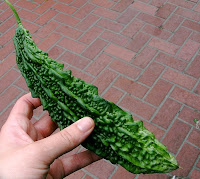
Image 1: Momordica charantia, also known as
Bitter melon - just in case you haven't seen
this remarkable fruit yet. (photo FlyingToaster)
"Bitter Melon? That's in X, Y and Z. All products that are meant to improve your health. Well, Bitter Melon must be some good stuff then, no?" Right off the bat: No, it ain't "good stuff", but rather rat(-testes) poison!

In a recently published study, Yama, et al. (Yama. 2011) investigated the effect of 6-16 weeks of 50mg/kg (human equivalent: 8mg/kg) Momordica charantia (bitter melon) seed extract on testicular health of 90 male Sprague Dawley rats. Warning: The results of this study will probably make you throw up, if you just popped some bitter melon laden supplements:
The extract administered for 6, 8 and 16 weeks produced significantly (p < 0.05) increased testicular MDA [malondialdehyde is an accepted plasma marker for oxidative stress] (1.74 ± 1.15, 1.84 ± 0.38 and 2.38 ± 0.40) compared to control (0.38 ± 0.02, 0.38 ± 0.03 and 0.35 ± 0.02) and decreased AA [ascorbic acid content of the testes] (0.01± 0.02, 0.01± 0.01 and 0.00± 0.01) compared to control (0.15 ± 0.02, 0.12 ± 0.02 and 0.13 ± 0.02). There was also an associated significant decrease (p < 0.05) in peripheral [meaning in serum, not in testes exclusively] TT [total testosterone] levels compared to control.
Just to make that clear: Instead of helping with glucose management (bitter melon is a purported insulin-mimetic) and/or protecting your testes (its effect on glucose disposal aside, Momordica charantia is also promoted as a powerful antioxidant and respective effects have actually been established in diabetic rats, cf. Sathishsekar. 2005), your bitter melon laden super-supplement may be damaging your own, your boyfriend's or husband's best parts. Or as the scientists state it:
These findings suggest that the extract resulted in changes in the testicular oxidative status. This may play a role in testicular dysfunction that may compromise fertility.
The decrease in testicular ascorbic acid (Vitamin C) values, the scientists observed, would suggest that the addition of supplemental antioxidants (sounds crazy, doesn't it: supplementing a purported antioxidant supplement with antioxidants) could possible ameliorate the testicular damage. Yama et al. were yet able to show that even pre- or co-treatment with vitamin C and/or alpha.tocopherol (vitamin E), both antioxidants which are likely to be present in most commercially available antioxidant supplements containing (often among a dozen of other ingredients) bitter melon extracts, could not ameliorate the detrimental effects the Momordica charantia seed extract had on the reproductive organs of the rats.
Figure 1: Total Testosterone levels of male Sprague Dawley rats treated with distilled water or  50mg/kg bitter melon seed extract for 16 weeks (data adapted from Yama. 2011)
As it turns out (once again!), it always makes sense to look beyond the references a supplement producer is providing. Scientific as they may be (or sometimes just seem), they mostly tell you only the marketable part of the story (I also recommend you read an article my buddy Sean Casey wrote on "How to Evaluate Dietary Supplements").

Note: In defense of both the tropical and subtropical vine of the family Cucurbitaceae, as well as the supplement companies who have been using bitter melon in their products, it has to be said that an experiment done with a seed extract will tell you little about the effects of the fruit or a respective extract. Unfortunately many producers, such as ALRI with their amino acid product HumaPro, do not even list the source of the "Bitter Melon Fractional Extract" they include as part of what ALRI for example calls their "Proprietary Anti-catabolic and Insulingenic Matrix" [I dunno if you noticed, but ALRI even got the term "insulinogenic" misspelled, here ;].

Edit: Just in case you don't believe in the results this study, maybe the anti-androgen effect observed in the study (Girini. 2005), Rick P. dug up and posted in the comments below, gets your attention.

Tuesday, May 24, 2011

Unhealthy Testosterone Boosters: Mobile Phone Radiation and Cat Litter Disease

If you are still looking for ways to "naturally" boost your testosterone levels, here are two ways of doing so, you better avoid.

Excessive Cell Phone Use to Boost Testosterone

The first one has been discovered by Gutschi et al. only recently (Gutschi. 2011). When they investigated the effects of cell phone radiation on men's semen parameters, the scientists were in fact able to confirm their hypothesis that exposure to cell phone radiation leads to decreased sperm quality (cf. fig. 1, left). An interesting side-finding, however was the unexpected correlation of cell phone use and testosterone levels (cf. fig. 1, right) observed in the study.

Figure 1: Sperm health (left) and hormone levels (right) in cell phone users and non-users
(data adapted from Gutschi. 2011)
So, you love your cell phone and don't want to have kids, anyway? Fine, keep using it, but do not expect to improve your athletic performance, gain muscle or lose fat. Just as with almost all natural testosterone boosters out there the "increase", or in this case the observed levels of testosterone in cell phone users, may be "statistically significant" the difference between a testosterone level of 5.1ng/dl and 4.8ng/dl is however biologically irrelevant. You won't feel it and a single night with too little sleep is sure going to annihilate the difference, anyway. So think twice, whether or not you leave your cell phone by your bed to increase your EMR exposure and thus squeeze a little more testosterone out of your leyding cells.


Infecting Yourself With a Parasite to Boost Testosterone

Similar considerations would be indicated before you eat your cats poopoo to infect yourself with coccidian parasite Toxoplasma gondii, a protozoan parasite whose worldwide prevalence varies between 20 and 70%.
Figure 2: Lifecycle of Toxoplasma gondii (illustration by LadyofHats)
The reason I address this issue is the recent (re-)appearance of a study by Flegr et al. (Flegr. 2007A) that found a sex-specific effect of Toxoplasma-infection on testosterone levels:
the effect of the toxoplasmosis-sex interaction on the testosterone concentration was highly significant (F1,260=13·434, P<0·001, η2=0·049). Infected men had higher and infected women had lower testosterone levels than Toxoplasma-free men and women, respectively.
Other than many Internet sources would have it, this difference was yet only significant for women. For men it was so marginal that it did not even reach statistical significance.
A recent study called the dopamine increase into question: Previously scientists thought the increase in testosterone may be a result of an increase in dopamine. A recent study does now indicate that this may not be the case (Wang. 2014). This doesn't change the previous observation, though, discussed in this article.
Apart from being disgusting, it would thus also be plainly stupid to consume some yummy cat excrements - irrespective of your sex, your physical performance, bodycomposition or manliness won't improve. On the other hand, you risk developing "behavioural and neurophysiological changes" related to changes in testosterone, dopamine and other endocrine and neurological parameters, which go hand in hand with a Toxoplasmosis gondii infection (Flegr. 2007B).
References:
  • Flegr, Jaroslav. "Effects of Toxoplasma on human behavior." Schizophrenia bulletin 33.3 (2007): 757-760.
  • Gutschi, T., et al. "Impact of cell phone use on men’s semen parameters." Andrologia 43.5 (2011): 312-316.
  • Wang, Zi T., et al. "Reassessment of the role of aromatic amino acid hydroxylases and the effect of infection by Toxoplasma gondii on host dopamine levels." Infection and Immunity (2014): IAI-02465.

Saturday, March 19, 2011

Chrysine: 5,7-dihydroxyflavone for Bigger Balls and Higher Serum Testosterone

Polyphenols in general and flavonoids in particular are every supplement producer's favorite. Its so easy to pick up some exotic plant from somewhere deep down in the jungle, extract an exotic flavonoid, give it a fancy chemical looking name and provide some in-vitro data on his anti-oxidant omnipotence or whatever. In most cases the compounds disappear from the market within weeks, yet chrysine which is extracted from the Common Passion Flower, has been around for years. A recent study (Ciftcy. 2011) by Ciftci et al. provides further evidence that its market persistence may not be without a reason.

Over the time course of the scientists fed a group of lab rats 50 mg/kg chrysin (human equivalent ~8mg/kg) or placebo for 60 days and found:
that chrysin significantly increased GSH, CAT, GSH-Px and CuZn-SOD levels, but did not change the formation of TBARS significantly. In addition, sperm motility, sperm concentration and serum testosterone levels significantly increased, whereas abnormal sperm rate significantly decreased with chrysin treatment.
In essence the improvement in antioxidant markers (vs. placebo) went hand in hand with a measurable increase in sperm health and serum testosterone.
Figure 1: Testosterone levels of rats after 60 day intervention with 50mg/kg chrysin. (Ciftcy. 2011)
 "Great", well, maybe not so... although this is an almost 50% increase in testosterone, we do not know how other important hormonal parameters such as SHBG (binds testosterone and thus renders it basically useless), estrogen or cortisol looked like. An estimation of the "muscle building effects", the producers of respective supplements are advertising, is thus futile. And, if you asked my opinion, even if SHBG did not budge and we have an appropriate increase in free testosterone, the latter is probably too little to induce noticeable changes in strength and/or body composition.

Sunday, August 29, 2010

Do Your Sperm a Favor: Eat Salmon not Soy!

In a recent investigation Brazilian scientists (Moraes. 2010) found that vitamin E from salmon, but not soy oil, has beneficial effects on sperm motality and resistance to cooling to 17° respectively 5°. The scientists supplemented twenty-four Dalboar 85 boars with three different amounts of antioxidants (150, 300 and 450 vitamin E mg/kg) from one of the sources and conducted a few standard tests at 24h, 48h, and 72h after the supplementation:
Salmon oil increased the vigor in both temperatures evaluated after 24 and 48 hours. The occurence of total morphological abnormalities was higher in the semen of animals fed soybean oil and cooled at 17ºC while in the lowest cooling temperature (5ºC) there was no difference among animals under supplementation. [...] Salmon oil improves the sperm characteristics of the boar semen cooled at 17 and 5ºC from 24 to 48 hours.
"No soy boy!". The good old BB-saying holds true no matter how hard animal rights activists are pushing to get me off my bloody steaks and raw eggs... Ah.. I forgot my sushi!