Showing posts with label acidity. Show all posts

Friday, January 1, 2016

Alkaline Diet - 4-9 Days Suffice to Boost Urinary pH, Boost Time to Exhaustion (21%) + Fat Oxid. During Exercise (10%)

Many of you may now shake their heads and say: Well I am already eating such a diet... even though, I didn't do it for its alkalizing effects. Good for you!
As a SuppVersity reader you're familiar with the multifaceted benefits of sodium bicarbonate. Evidence that it will improve your performance, even when taken chronically, however, is still lacking. With a recently published study by Susan L. Caciano and colleagues we do yet have more evidence that this could be the case even though, we're not talking about bicarbonate supplementation, technically: In her study, Caciano tried to experimentally confirm the previous cross-sectional findings (Niekamp. 2012) suggesting that even a short term (4-9 days) low-PRAL, i.e. highly alkaline diet, would result in a higher respiratory exchange ratio during maximal exercise as compared to the SAD acidic diet.
You can learn more about bicarbonate and pH-buffers at the SuppVersity

The Hazards of Acidosis

Build Bigger Legs W/ Bicarbonate

HIIT it Hard W/ NaCHO3

Creatine + BA = Perfect Match

Bicarb Buffers Creatine

Instant 14% HIIT Boost
Now, this may initially sound like a disadvantage, but in view of the fact that the study showed that the exact opposite was the case and the alkaline diet reduced the ratio of glucose to fat Caciano's 18-60 year-old, healthy volunteers, who had been randomly assigned in a cross-over design (meaning all subjects performed the tests once on both diets) to a high or low PRAL diet, burned during...
  • You will probably remember that Serial loading helps avoid the gastro-intestinal side effects from consuming large amounts of sodium bicarbonate in one sitting. Eventually, however, it is a special way to alkalize your diet aggressively.
    [...] a graded exercise test that was initiated at a speed determined during warm-up to increase HR to ~70% of age-predicted maximal heart rate (HRmax) and a grade of 0% and then increased by 2 percentage points every 2 minutes until the subject could no longer continue due to fatigue, and 
  • [...] an anaerobic exercise performance during which they had had to run to exhaustion on a treadmill with the speed set at the same speed used during the graded exercise test, albeit at a treadmill grade that was 2 percentage points steeper than that achieved during the last full stage of the graded exercise test
For each of the dietary interventions, the study dietitian provided the subjects with specific instructions on how to modify their habitual diets to achieve a low- or high PRAL diet.
Ketogenic diets, acidic and problematic? The standard versions of low-carb or ketogenic diets have been shown to trigger significant decreases in blood pH (Yancy. 2007), of which the study at hand shows that they could trigger relevant performance decreases. Since eating more fruit is not an option, though, your vegetable intake should be as high as possible. On the other hand, the standard Western Diet will have similar consequences and the effects observed in the study at hand, as well as in previous studies could be corollary to the alkalinity of the diet and in fact caused by a mere increase in polyphenols, vitamins, dietary nitrate and other potentially performance enhancing substances in fruits and vegetables.
The study dietitian was in contact with the participants (via telephone or email) every day during the dietary interventions to encourage compliance and to provide specific food suggestions as needed.
  • The general strategy used for the low-PRAL diet was to increase the consumption of alkaline-promoting foods such as fruits and vegetables and to reduce the consumption of acid promoting foods such as meats, cheeses, and grains. More specifically, participants were instructed to consume 6-8 cups of vegetables and >4 servings of fruit each day. Because there is a tendency for lower energy intake with diets that are rich in fruits and vegetables, such as the low-PRAL diet, participants were instructed to eat frequently and consume energy dense foods during the low-PRAL trial, such as starchy vegetables (e.g. sweet potatoes), dried fruits (e.g. dates and raisins), and plant sources of fat (e.g. avocado, coconut, nuts, seeds). Foods with moderate PRAL values (e.g. legumes, yogurt, egg whites, quinoa) were allowed and were used to ensure that energy and macronutrient intakes were adequate. The participants were also advised to minimize the consumption of all meats, cheeses and common grains (most of which are high-PRAL) during the low-PRAL diet. 
  • Bicarbonate keeps muscle activity high - even during most intense workouts | more
    During the high-PRAL diet, participants were instructed to consume at least 3-4 servings of common grains (e.g. wheat, corn, and oats), 3 servings of meat, and 3 servings of cheese (especially hard cheeses such as parmesan) each day while minimizing the intakes of fruits and vegetables. Moderate PRAL foods were allowed as desired as long as it did not displace high PRAL foods from the diet. In general, the high-PRAL diet required less intensive counseling from the dietitian be cause it closely resembled the baseline diet of the participants.
Now, obviously even the most tightly controlled study will have confounding effects that may mess with the results. For the time being, however, we will simply assume that the only thing the diets did (and were intended to do) was to achieve a dietary PRAL of ≤-1 mEq/d during the low- and a PRAL ≥15 mEq/d during the high-PRAL diet phases (I will get back to the validity of this assumption in the bottom line). As the scientists point out, "these cut points were based on PRAL values of the high and low PRAL tertiles that were observed in our previous cross-sectional study on 57 middle-aged men and women (Niekamp et al., 2012)" (Caciano). Whether the subjects achieved the desired level of alkalinity was measure with pH stripes in their morning urine.
Figure 1: Fasted morning urine pH during the dietary intervention for the low- and high-PRAL interventions. The objective was to attain the pH goal in 4 days; however, up to 9 days were required for some participants. “Last day” indicates urine pH on the last day of the dietary intervention (i.e. 4 to 9 days), which was also the morning during which outcomes assessments were performed (Caciano. 2015); values are means, error bars are standard deviations.
As the data in Figure 1 tells you, the dietary intervention successfully changed the urinary pH levels of which most critics of the idea of an "alkaline diet" say that it was as irrelevant as the PRAL-value, i.e. the degree of alkalinity of acidity of your diet, itself.
Figure 2: Respiratory exchange ratio (RER | high = higher CHO/FAT oxidation) and performance time-to-exhaustion on the graded (left) and anaerobic (right) performance tests (Caciano. 2015).
If this assumption is correct, the significant increase in RER (=increase in fat oxidation during the graded performance test), as well as the borderline significant and significant performance increases on the graded and anaerobic performance (+21%) test in Figure 2 would have to be explained by ergogenic effects of certain polyphenols, vitamins or other ingredients of fruits and veggies. This is possible, but just as hypothetical as the assumption that the changes were observed in response to a dietary-induced increase in serum bicarbonate.
What about the conflict w/ previous observational data? Neither I nor the scientists have an explanation for the difference to the previously cited observational data by Niekamp et al who had found increased RER-values in individuals consuming a lower PRAL diet. One possibility is that the low PRAL diet was also lower in carbohydrates and thus triggered a decrease in RER. Another possibility the scientists plan to test in a future study is "that the shift in systemic pH altered the activity of enzymes that regulate lipid and carbohydrate oxidation [due to the pH-sensitivity] of carnitine acyl transferase-I, one of the rate limiting enzymes in lipid oxidation" (Caciano. 2015).
High Dietary Acid Load Doubles Risk of Type II Diabetes in Lean Individuals! Causative or Corollary? Plus: Are Grains, not Meats the Main Offenders in the Modern Diet? Learn more about the benefits of alkaline diets in this SV Classic!
Unlike the mere ingestion of increased amounts of fruits and veggies, the levels of bicarbonate in the blood has yet previously been shown to will trigger improvements in time-to-exhaustion from numerous studies on sodium bicarbonate. That the latter was in fact increased, even though the scientists measured only the urinary pH, which increased by by ~12%, can be assumed based on previous studies by Unwin and Capasso (2001); studies that confirm that the urinary pH is a reliable indicator of serum bicarbonate. Accordingly, Caciano et al.'s explanation that, both the performance increases and the borderline significant increase in VO2max (p = 0.08 | not shown in Figure 2) "could have resulted from an alkaline environment created by the consumption of low PRAL foods, and possibly by an increase in bicarbonate availability" (Caciano. 2015) is reasonable.

Plus, the authors are also right to point out that it is "generally accepted that bicarbonate loading improves anaerobic exercise performance by enhancing acid buffering capacity," and that it would be pretty awesome, if the same or at least similar benefits could be achieved without risking gastrointestinal distress, as it has been repeatedly observed in response to bicarbonate loading, high intakes of fruits and vegetables, which have the added benefits of being rich in phyto-chemicals, fiber, antioxidants, and other nutrients. Overall, the planned consumed of an alkalizing diet may thus, just like Caciano et al. say, "be an attractive alternative to bicarbonate loading for improving anaerobic exercise performance" (Caciano. 2015). It that's due to or rather corollary to its "alkalizing" effects, is yet open to debate...
For 66% of all athletes, sodium bicar-bonate will work; others get diarrhea.
Bottom line: I guess, the performance benefits of the low-PRAL diet are about as undebatable as the beneficial health effects of increased intakes of fruits and vegetables. Practically speaking, we do thus not really need to know why the performance of the subjects increased significantly on the low-PRAL diet. What is important, though, is that the performance did increase statistically significant and to an extent that is practically relevant for every athlete who performs in competitions that require one or several 1-5 minute bouts of high intensity exercise... what? Yeah, that's probably more than 50% of all athletes.

Addendum: For those who have been indoctrinated by self-proclaimed mythbusters and avengers of "the truth" or quacks who claim to be able to heal every ailment with certain dietary tweaks against or in favor of the benefits of "alkaline diets" here's an interesting overview (Schwalfenberg. 2011) of proven and unproven claims of what an "alkaline diet" may be good for | Comment!
References:
  • Caciano, Susan L., et al. "Effects of Dietary Acid Load on Exercise Metabolism and Anaerobic Exercise Performance." Journal of sports science & medicine 14.2 (2015): 364.
  • Niekamp, Katherine, et al. "Systemic acid load from the diet affects maximal exercise respiratory exchange ratio." Medicine and science in sports and exercise 44.4 (2012): 709.
  • Schwalfenberg, Gerry K. "The alkaline diet: is there evidence that an alkaline pH diet benefits health?." Journal of Environmental and Public Health 2012 (2011).

Wednesday, November 13, 2013

High Dietary Acid Load Doubles Risk of Type II Diabetes in Lean Individuals! Causative or Corollary? Plus: Are Grains, not Meats the Main Offenders in the Modern Diet?

If you go for green, you are usually on the safe side of things... ah pHs ;-)
You will probably remember the association between higher acid levels (not even out of range), metabolic syndrome, lowered growth hormone release and a plethora of other ill-health effects I already hinted at in "How Could Bicarbonate Help You Lose Fat & Build Muscle" (read more). A new study from the Gustave Roussy Institute in France is now the first large scale study to provide relatively conclusive support for the hypothesis that there is a direct relationship between dietary acid load and the risk of cardiometabolic diseases and type II diabetes (Fagherazzi. 2013).

Credible evidence from large cohort

Fagherazzi et al. analyzed data from 66,486 women who were part of the E3N study (Etude Epidémiologique auprès des femmes de la Mutuelle Générale de l’Education Nationale), a French prospective cohort study of 98,995 female teachers, who were followed for incident diabetes over 14 years (the study started in 1999).
Latent Acidosis? Why do I care? As you can see in the image to the right, even latent acidosis can reduce thyroid hormone production, increase protein breakdown and inhibit mytochondrial function . The latter leads to increased ROS, lactate production & proton leak, while the former entails decreases in protein synthesis, IGF-1 & cardiac output. These changes have long thought to promote the development of the metabolic syndrome by increasing inflammation and reducing the basal metabolic rate (Berkemeyer. 2009).
During the 14-year follow-up period, a total of 1,372 cases of incident type 2 diabetes were validated. Fagherazzi et al.'s close analysis of the data revealed that there is a significant association between higher potential renal acid loads (PRALs) and the incidence of type 2 diabetes. Specifically, Fagharazzi et al. point out, ...
"[...] the highest PRAL quartile, reflecting a greater acid-forming potential, was associated with a significant increase in type 2 diabetes risk, compared with the first quartile (HR 1.56, 95% CI 1.29, 1.90)." (Fagherazzi. 2013)
A risk increase of 56%, alone, is a pretty impressive figure. What's even more impressive, though, is the fact that the association was significantly stronger among normal-weight women with a BMI <25 kg/m². For them the risk of developing type 2 diabetes almost doubles (+96%), when the dietary acid load is high. That's quite telling in view of the fact their baseline risk of developing T2D is low compared to those of the overweight study participants for whom the additional risk factor "dietary acid load" produced a significant (p = 0.03), but relatively low risk increase of only 28%.

The characteristics of the pro-diabetic diet

When we take a closer look at the actual data, there are dozens of statistically highly significant differences between the low and high pH quartiles (most of them with a p-value of p < 0.001). I initially tried to plot the differences, but that got way too chaotic, so I decided to make a list of items such as "higher energy intake (+15%)" indicating that the subjects with a high PRAL value (~the one's who were living on the more acidic side of the divide ;-) had a 15% higher energy intake than the subjects in the low PRAL quartile:
  • It may be coincidence, but in view of the anecdotal link between artificial sweeteners and heart-burn it's probably worth mentioning:  The most acidic study participants consumed 20% more artificially sweetened beverages (more about sweeteners)
    higher energy intake (+15%)
  • lower carbohydrate intake (-10%)
  • higher fat intake (+9%)
  • higher protein intake (+10%)
  • higher animal protein intake (+4%)*
  • lower fiber intake (-20%)
  • higher phosphorus intake (+16%)
  • lower potassium intake (-23%)
  • higher calcium intake (+10%)
  • lower magnesium intake (-22%)
  • higher sodium intake (+26%)
As a seasoned SuppVersity veteran, you will already have realized where this is heading: Higher energy intake, higher fat intake, hilariously low levels of potassium and magnesium, and salt intakes way beyond the 3g margin - all these are SAD (=standard American diet) hallmarks of the way the average Westerner (even in metropolitan France) eats. The 88% higher cheese intake, the 45% lower fruit + 25% lower veggie intake and 45% more of everyone's favorite "healthy" bread complete the picture that's emerging here: It's the Pizza Hut Diet ;-)

* The meat is not our only problem!

You will probably already have been wondering about the "*" and the fact that I highlighted higher animal protein intake (+4%)* in the previous list, right? Don't worry, I am not going to blame our problems on meat and suggest we all go vegan. The actual reason I highlighted the "bad" animal protein is a different one: the corresponding press release that came with the study (some of you may already have read it on Science Daily or other copy+paste 'science news portals'). It goes without saying that whoever wrote the short blurb used the study results for another sweeping blow at animal proteins by citing the following paragraph, and only but the following paragraph from the discussion of the results:
Suggested read: "Meat-Ology: The Link Between Red Meat, Cooking Techniques & Prostate Cancer" | more
"A diet rich in animal protein may favour net acid intake, while most fruits and vegetables form alkaline precursors that neutralise the acidity. Contrary to what is generally believed, most fruits such as peaches, apples, pears, bananas and even lemons and oranges actually reduce dietary acid load once the body has processed them. In our study, the fact that the association between both PRAL and NEAP scores and the risk of incident type 2 diabetes persisted after adjustment for dietary patterns, meat consumption and intake of fruit, vegetables, coffee and sweetened beverages suggests that dietary acids may play a specific role in promoting the development of type 2 diabetes, irrespective of the foods or drinks that provide the acidic or alkaline components."(Fagharazzi. 2013)
Obviously, it's going to be the first part of this paragraph, the one about the bad animal protein, that will get stuck in people's heads. The second part, the one that mentions rather casually that we are talking about total and not specific dietary acid loads, on the other hand, will go unnoticed. 

Figure 1: Food composition of paleo (top; estimation assumes a high meat intake) and modern US diet in % of total energy intake (Sebastian. 2013) - Don't forget: 1kg of lightly acidic foods are more acid forming than 100g of highly acidic foods!
Just as the fact that grains, which contribute an estimated 38% of the acid load yielded by the combined net acid-producing food groups in the contemporary diet (Sebastian. 2002), are just as, if not more problematic than the occasional steak of which the mainstream recommendations will tell you that you cannot have it more than once or twice a week, anyway.

'Paleo reasoning' to the rescue!?

In an effort to calculate the estimated net acid load of the 'ancestral', 'paleo' or 'whatever-you-want-to-call-it'-diet Sebastian et al. tested several scenarios, the worst of which a high protein, high fat version of the paleo diet (227g of protein, animal-fat content = 46%–63% of animal-food energy) still had a negative net endogenous acid production (NEAP = -7; Sebastian. 2013).

A low fat variety with a animal to plant food ratio of 35%:65% and an animal fat content of only 26% from animal-food energy and an even higher protein intake of 258g per day had a NEAP value of whopping -78. By "paleo standards" the average Westerner is thus consuming an extremely acidic diet, he is not genetically adapted to...  ;-)
Table 1: Acid-base value of common foods; positive values signify "acid forming", negative values "alkalizing" effects, the higher the figure the more pronounced the greater the impact of the given food is going to have (Cordain. 2012)
Paleo logic + scientific evidence = Win!  You all know that I don't buy the mainstream interpretation of the 'we are not adapted to...'-logic and the way it is employed by its followers in an almost religious way and against all scientific evidence.

What I do buy, however, are conclusions and recommendations that are based on both 'paleo logic' and scientific evidence - conclusions like the one Fagherazzi formulate in the last paragraph of their paper:
"[The] dietary acid load is directly associated with an increased risk of type 2 diabetes. From a public health perspective, dietary recommendations should not only incriminate specific food groups but also include recommendations on the overall quality of the diet, notably the need to maintain an adequate acid/base balance."
You want to know what foods Fagherazzi et al. may possibly be referring to? I already expected that. Just have a look at the table to the right, but don't forget: The study at hand does not prove causation. You could as well argue that it's the sum of dietary differences I listed as "characteristics of the pro-diabetic diet" which cause the diabetes. Anyways, the good news is: The solution, i.e. following a whole foods diet, is the same.

References:
  • Berkemeyer S. Acid-base balance and weight gain: are there crucial links via protein and organic acids in understanding obesity? Med Hypotheses. 2009 Sep;73(3):347-56.
  • Cordain L . AARP The Paleo Diet Revised: Lose Weight and Get Healthy by Eating the Foods You Were Designed to Eat. John Wiley & Sons, Apr 23, 2012
  • Sebastian A, Frassetto LA, Sellmeyer DE, Merriam RL, Morris RC Jr. Estimation of the net acid load of the diet of ancestral preagricultural Homo sapiens and their hominid ancestors. Am J Clin Nutr. 2002 Dec;76(6):1308-16.

Wednesday, October 23, 2013

Bicarbonate For Strength Athletes: 25g of Baking Soda Up Your Squat (+27%) & Bench Press (+6%) Within 60 Min

NaHCO3 probably won't make the burn go away, but it will help you push though it.... and no(!), you don't have to be afraid to retain water - sodium bicarbonate is actually going to lower aldosterone and is thus - if anything - going to have a diuretic effect (Musabayane. 1991). Calcium loss etc. is nothing you have to be afraid of either (Luft. 1990).
After yesterday's astonishingly popular excursion into dating sciences, we are back to "normal" or as others would call it "extraordinary", here at the SuppVersity today ;-) And to make really sure you know that you're right here we're going to get back into the ergogenic groove with one of my personal favorites: Sodium bicarbonate, NaHCO3 or as your granny calls it, baking soda!

In the unfortunate case you have no idea, what I am taking about, I'd suggest you briefly go through the previous SuppVersity articles and Facebook posts (e.g. +13% increase the sprinting capacity; sorry for the → typo) about the ergogenic effects of baking soda . Once you've done that it should not really come as a surprise that scientists from the real Human Performance Laboratory  at the Coventry University in the UK found that NaHCO3 will not just for cyclists, runners and rowers, but also for "bench pressers" and "squatters" ;-)

One thing after the other, though!

If you know your SuppVersity articles by heart, you are probably thinking about the Kerr study from September 2012, now - right? For the average gymrat, this was probably the most exciting paper on the ergogenic effects of sodium bicarbonate supplementation I've written about (see "22g Baking Soda 60min Before a Old-School 4 x 12RM Leg Workout Allow for a 22 Rep Volume Increase on Hypertrophy Oriented Squat + Leg Press + Leg Extension Quads Routine" | read more).
A note for those with gastrointestinal problems or an insurmountable gag reflex: I know that downing 25g sodium bicarbonate at once can be disgusting and sends people with weaker stomachs right to the toilette. Fortunately, a 2012 study by Dreher et al. suggests that "serial loading" with several smaller servings of baking soda works at least as well | learn more
And while the Kerr study was among the first to demonstrate significant beneficial effects of sodium bicarbonate in a strength training scenario, it is - if you come to think of it, actually not that surprising to see that the H+ (=hydrogen ions → acidity) buffering effect works just as well during a high volume leg workout, as it does, during high intensity cycling and sprinting [just a note on the H+ buffer: contrary to beta alanine, bicarbonate buffers the acidity in the blood, not within the muscle cell and will thus have greater effects on the periphery than carnosine the histidine + beta alanine dipeptide you are actually looking for, whenever you take your beta alanine supplement.

Now while it may not have been surprising that high volume + baking soda does make a perfect match, it is, as you will hopefully agree, not exactly straight forward that we would see similar benefits on the low volume performance test, the 8  men (mean age, height and body mass → 20  ±0.9 years, 1.8  ± 0.1m and 78.4  ± 15.6kg, respectively)  who had been recruited for the study at hand had to perform.

Three sets of squats and bench presses? Isn't that too little volume for NaCO3 to work?

All the participants who had at least one year of strength training experience competed  in  team  games  (rugby  union,  soccer, basketball) at the national level and were concomitantly training more than 10 hours per week as part of their regular preseason preparations (those included 3h of resistance training). During the testing conditions to which the subjects had been randomly assigned, all of the performed
Learn about the best chest exercises in the SuppVersity EMG Series.
  • three sets of bench presses to failure at 80% 1RM, and 
  • three sets of back squats "to failure" at 80% 1RM
With three minutes of rest between the sets and five minutes of rest between exercises, this is, as I already mentioned, not exactly the workout you would usually expect to benefit (most) from bicarbonate supplementation. Still, the data in Figure 1 tells another story:
  • 0.3g/kg NaHCO3 in 5 ml/kg of artificially sweetened water (NaHCO3), instead of
  • 0.045g/kg NaCL in an artificially sweetened water drink matched for taste
60 minutes before the two blinded performance tests did the trick - it did increase the mean total reps for squats (+6.7 reps; +27%) and bench preses (+1.5 reps; +6% -- note: I used the values from the table in the full text. They differ from those in the abstract according to which the performance increase would be 7%)
Figure 1: Back squat and bench press performance in three subsequent sets (Duncan. 2013)
As it was to be expected due to the low volume and long rest between sets, there was no significant change in blood lactate across time or between conditions. There were however treatment × time interactions for blood pH (p = 0.014) and blood HCO3 concentration (p = 0.001), with the increasing pH and bicarbonate (HCO3) levels in the blood of the NaHCO group being the obvious cause of the highly significant performance benefits.
Does beta alanine hamper instead of improve your sprinting performance? Learn more in a previous SV Article.
Baking soda for strength athletes: After the previously cited study by Kerr et al. this is study #2 to prove that the usefulness of baking soda, sodium bicarbonate or NaHCO3 (call it whatever you want) is by no mean, as it was long thought to be, restricted to endurance sports with intermittent sprints. With the study at hand there is enough evidence to believe that it's acute effects are going to be present whenever you're pushing yourself to your own limits and in view of the fact that pushing to the limits, in order to raise the bar is what's driving progress.

I would therefore be curious to see a long(er) term study (8-12 weeks) taking a look at the cumulative benefits of sodium bicarbonate supplementation on strength and mass gains in trained and untrained individuals. Unfortunately, I suppose that no one with the money to finance that study will share my interest. In the end, a study like this would after all entail the risk of exposing how pathetic the 2.85% performance increase we see in the average beta alanine study actually are (Hobson. 2012).
Reference: 
  • Duncan MJ, Weldon A, Price MJ. The effect of sodium bicarbonate ingestion on back squat and bench press exercise to failure. J Strength Cond Res. 2013 Oct 11. [Epub ahead of print]
  • Hobson RM, Saunders B, Ball G, Harris RC, Sale C. Effects of β-alanine supplementation on exercise performance: a meta-analysis. Amino Acids. 2012 Jul;43(1):25-37. 
  • Luft FC, Zemel MB, Sowers JA, Fineberg NS, Weinberger MH. Sodium bicarbonate and sodium chloride: effects on blood pressure and electrolyte homeostasis in normal and hypertensive man. J Hypertens. 1990 Jul;8(7):663-70.
  • Musabayane CT, Balment RJ. Renal effects of aldosterone in the sodium bicarbonate infused rat. Ren Fail. 1991;13(2-3):71-6.

Friday, April 6, 2012

Supercharging Creatine With Baking Soda: Study Shows Increased Peak Power and Endurance - Plus: How Bicarbonate Could Help You Lose Fat & Build Muscle

The pH of your urine is not a reliable measure of your bodies acid base-status
I have written about the "love affair" of creatine and baking soda before. Once, in the "The Pharmacokinetics of Creatine" series (Part I, Part II), where I outlined how you can "brew" your own KreAlkalyn replacement using creatine and NaHCO3, and another time back in 2010, when I discussed the data from a dissertation by James J Barber, who had conducted a preliminary investigation into the joint ergogenic effects of N-Amidinosarkosin (creatine) and NaHCO3 (baking soda) on the repeated sprint performance of recreational athletes.
You can learn more about beta alanine & bicarbonate at the SuppVersity

The Hazards of Acidosis

Build Bigger Legs W/ Bicarbonate

HIIT it Hard W/ NaCHO3

BA + Bicarb are Synergists

Bicarb Buffers Creatine

Beta Alanine Fails to HIIT Back
The complete results of a follow up investigation by Barber, who now works at the Human Performance Laboratory at the California Polytech State University, are going to be published in the next issue of the Journal of Strength and Conditioning Research (Barber. 2012); and they underline what you, as a diligent student of the SuppVersity, knew all along: Baking soda is not only cheaper than 99% of the commercially available supplements, it is also more ergogenic than the average junk the guy at GNC is trying to sell to you.

Soda? But that must be bad for you?! False!

For their study, the researchers recruited a group of 13 healthy previously trained (>5h of aerobic and >2h of HIT per week) young men (age 21.1 ± 0.6 yrs, BMI 23.5 ± 0.5 kg/m²; VO2Max 66.7 ± 5.7 ml/kg-min). In a double-blinded crossover fashion (meaning that each participant had to complete every condition, i.e. "crossover", and neither he, nor the researchers knew whether he had been given the active or the placebo treatment, i.e. "double-blinded"), the men had to consume a supplement containing either
  • placebo: 20g maltodextrin + 0.5g/kg maltodextrin,
     
  • creatine (only): 20g creatine + 0.5g/kg maltodextrin, or
     
  • creatine + NaHCO3: 20g creatine + 0.5g/kg baking soda*

    * for all supplement the total dosage was divided into four smaller doses, which were to be taken at 9:00 a.m., 12:00 p.m., 6:00 p.m., and 10:00 p.m.; the subjects also completed a 48h dietary recall and were asked to consume identical foods during each condition
before their peak power, mean power, relative peak power, and bicarbonate concentrations were assessed during six subsequent 10-second repeated Wingate sprint tests on a cycle ergometer with 60s rest periods between each sprint. To preclude any carry-over effects from previous tests, or rather supplementation, each experiment was followed by a three-week washout period.
Figure 1: Total and relative peak power output (left) and relative peak power output in the individual trials (right; data adapted from Barber. 2012)
As you can see in figure 1, Barber et al. were able to confirm his initial results. Interestingly, only the creatine + NaHCO3, yet not the creatine only regimen elicited statistically significant increases in both the relative power output (in W/kg; p < 0.05 for both) and the total power output (p < 0.05 only in the creatine + NaHCO3 trial; cf. figure 1, left). Moreover, the creatine + NaHCO3 supplementation lead to "the greatest attenuation of decline in relative peak power over the 6 repeated sprints." (cf. figure 1, right).

Creatine + baking soda: Additive or synergistic effects

An interesting question the scientists probably ignored, because their GNC guy did not yet tell them about the "extraordinary superiority of buffered creatine", is whether the ~37g of sodium bicarbonate the subjects ingested simply added to the beneficial effects the 20g of creatine had on the repeated sprint performance of the athletes, or whether the baking soda also decreased the breakdown and facilitated the uptake of creatine (cf. figure 2)
Figure 2: Relative increase in creatine in dry muscle mass of horses, after supplementation with creatine monohydrate, Kre-Alkalyn or Gastner's patented creatine + sodium carbonate +sodium hydrogen carbonate formula (posted first in "The Pharmacokinetics of Creatine: Part 1/2" based on Gastner. 2010)
And while it may not be important for your HIIT sessions, whether the mechanism behind the performance increase is additive of synergistic, it could well make the one-rep difference on a deadlift or bench press competition, in the course of which each additional phosphocreatine molecule counts.
"Cholesterol is the devil and sodium is his little brother!" Everyone who still believes everything the medical orthodoxy says, please raise your hands!
A note on the dangers of "salt": Firstly, baking soda is "only" ~28% sodium, which means that for every 4 grams you ingest you get roughly 1 g of sodium. Secondly, it is arguable how much of the sodium is effectively taken up and will be floating around in your blood. As T. Lakhanisky points out in his dossier for the Belgian government: "The uptake of sodium, via exposure to sodium carbonate, is much less than the uptake of sodium via food. Therefore, sodium carbonate is not expected to be systemically available in the body." (Lakhanisky. 2002) And thirdly, there is more and more evidence that suggests that the chloride rather than the sodium content of common table salt (NaCl = NatriumChloride) is the root cause of "sodium induced hypertension" in "sodium sensitive" individuals / animal models. Only recently, a study by Schmidlin et al. showed that chloride loading induced hypertension in the stroke-prone spontaneously hypertensive rat despite profound sodium depletion (Schmidlin. 2010). So, if you asked me, rather than pointing at salt as the #2 on the list of greatest evils (obviously cholesterol is still #1, here) the medical orthodoxy would be better advised to address the imbalances between sodium and potassium, which are so characteristic of the western diet, instead of painting yet another black and white picture where sodium is the bad guy and potassium the dangerous mineral that cannot be sold OTC in dosages >80mg.... but hey, this would be the topic for a whole new blogpost and as gross as it may sound, the chance that you get diarrhea from the baking soda is probably 1000x higher than the remote possibility of increases in blood pressure. A 1990 study by Luft et al. even found that the blood pressure of 10 mildly hypertensive and normal subjects decreased by 5mmHg after 7 days in the course of which they drank 3 liters of sodium bicarbonate containing water per day (Luft. 1990)
If you add to that all the previously reported benefits you can derive from a few tablespoons of baking soda
  • +34% time to exhaustion and +91% total work during HIIT (Feb 29, 2012)
  • synergistic and superior effects compared to beta alanine (Feb 20, 2012)
  • protection against stress induced oxidative damage to white blood cells (Nov 28, 2011)
  • increased performance in tennis players (Nov 4, 2010)
and obviously Barber's own previously reported results, you may understand why I urged our common friend Adelfo Cerame Jr to supplement with bicarbonate throughout his whole contest prep.

Latent metabolic acidosis hampers weight loss and muscle gains

Figure 3: The contribution of latent acidoses to the obesity epidemic and maybe even your inability to build muscle and/or lose weight
(based on Berkemeyer. 2009)
And even when you are not interested in your performance, a 2009 paper by Shoma Berkemeyer is by no means the only, nor the first article that linking an increased hydrogen ion concentrations (latent acidity, which can be countered by dietary bicarbonate) to weight gain and the obesity epidemic (Berkemeyer. 2009, cf. my summary in figure 3).

In view of the fact that even a latent H+ surplus could apparently compromise your efforts to lose fat and build muscle, it should be obvious that you better make sure to have enough alkalizing greens (and optional supplemental bicarbonate; not necessarily 30g, though ;-) in your diet - no matter if the whole acid/base balance issue, esp. the role of a high protein intake, is still very controversial.
More scientific evidence for the combination of bicarbonate & creatine in a more recent article | read it!
Practically speaking, what do I do? Since loading is not necessary unless you have a competition right ahead and this is the first time you take creatine you just take 3-5g of creatine monohydrate with approximately the same amount of sodium bicarbonate per day.

Larger doses of sodium bicarbonate as they would be used for acute performance enhancing effects are (almost certainly) not necessary to increase the efficacy of creatine. If you want the acute benefits, but get diarrhea from 15-20g of bicarbonate, I suggest you try to serial load.

Monday, February 20, 2012

Beta Alanine and Baking Soda (NaHCO3), a Synergistic Duo for 4-min All-Out Sprints Even in Highly Trained Athletes?

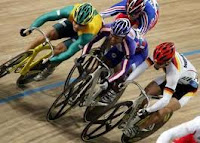
Image 1: I guess many of the competitive track cyclists will be taking beta alanine either on its own, or as part of one of the thousands of proprietary blends in the squillion ergogenic supps you can chose from at your favorite supplement store. I am yet pretty sure that only very few of them have heard that a much more efficient ergogenic aid may be lying around unnoticed in their kitchen.
If you had to compile a list of proven (and I am not talking about the way "proven" is used by the supplement industry!) ergogenic aids and ordered them by the number of publications, carbohydrates (all types) and protein (including BCAAs and EAAs) would be at the top of the list... from then, things get somewhat more complicated, but I would guess that creatine could actually have the potential to make it to the third place - it would by all means be within the top 5. Whether this is true for beta alanine, which probably would be the #4 on the list of an increasing number of physical culturists, appears yet questionable, to say the least. After all, the number of pertinent publications is, contrary to what common wisdom suggests, not exactly "extensive", to say the least. And the total effect size of 2.85% for bouts of exercise lasting 60-240s (for <60s beta alanine had no effect), which has been calculated by Hobson et al. in a recently published review of the available literature on that subject (Hobson. 2011), is not nearly as earth-shattering as headlines like "the next creatine" would make you believe.

Beta alanine, baking soda or both? What maximizes 4-min all-out cycling performance?

Against that background and in view of the results of a recently published study by researchers from the School of Human Life Sciences at the University of Tasmania in Australia (Bellinger. 2012), it could thusly (once more) be advisable that you initially resort to the stuff that is already sitting in your kitchen cabinet, before you spend extra bucks on expensive supplements... I guess, you are now asking yourselves what the hack this idiot is talking about now, so I guess, I best let you know what you have to look for: Baking soda! As a (hopefully) faithful student of the SuppVersity, you will be aware that I am a huge fan of this cheap, readily available and - potential diarrhea aside - side-effect free alkalanizer (cf. "Baking Soda for Stressed White Blood Cells" and "Sodium Bicarbonate, An Ergogenic Aid from Your Kitchen Cupboard").
Image 2: "Cholesterol is the devil and sodium is his little brother!" Everyone who still believes everything the medical orthodoxy says, please raise your hands!
A note on the dangers of "salt": Firstly, baking soda is "only" ~28% sodium, which means that for every 4 grams you ingest you get roughly 1 g of sodium. Secondly, it is arguable how much of the sodium is effectively taken up and will be floating around in your blood. As T. Lakhanisky points out in his dossier for the Belgian government: "The uptake of sodium, via exposure to sodium carbonate, is much less than the uptake of sodium via food. Therefore, sodium carbonate is not expected to be systemically available in the body." (Lakhanisky. 2002) And thirdly, there is more and more evidence that suggests that the chloride rather than the sodium content of common table salt (NaCl = NatriumChloride) is the root cause of "sodium induced hypertension" in "sodium sensitive" individuals / animal models. Only recently, a study by Schmidlin et al. showed that chloride loading induced hypertension in the stroke-prone spontaneously hypertensive rat despite profound sodium depletion (Schmidlin. 2010). So, if you asked me, rather than pointing at salt as the #2 on the list of greatest evils (obviously cholesterol is still #1, here) the medical orthodoxy would be better advised to address the imbalances between sodium and potassium, which are so characteristic of the western diet, instead of painting yet another black and white picture where sodium is the bad guy and potassium the dangerous mineral that cannot be sold OTC in dosages >80mg.... but hey, this would be the topic for a whole new blogpost and as gross as it may sound, the chance that you get diarrhea from the baking soda is probably 1000x higher than the remote possibility of increases in blood pressure. A 1990 study by Luft et al. even found that the blood pressure of 10 mildly hypertensive and normal subjects decreased by 5mmHg after 7 days in the course of which they drank 3 liters of sodium bicarbonate containing water per day (Luft. 1990)
To elucidate the individual and synergistic effects of sodium bicarbonate and / or beta alanine on the cycling performance of 14 highly trained cyclist (age: 25.4y; weight: 71.1kg; VO2Max = 66.6 ml/kg), Bellinger and his colleagues provided their subjects in a double-blind manner with a daily dose of 65mg/kg beta alanine or placebo in capsule form (in a previous study a similar dosing regimen elicited a 57% increase in skeletal muscle carnosine). The subjects had to consume the capsules in four equal doses spread across the day to make sure that the well-known tingling would betray which of the subjects was in the active arm of the study and which received the placebo (interestingly, this still happened in two of the subjects). After the initial 28-day supplementation period in the course of which the subjects had to follow a standardized HIT training program (2 sessions per week: 8x 90%VO2Max for 2.5min followed by 3min recovery at 40%, each) in addition to their regular training which had to be accurately logged, so that the researchers would be able to identify potential confounding factors which could influence the individual results in the two subsequent performance trials. 

Training log, diet log, wash-out periods - all in the name of science

Moreover, the subjects were asked to record their dietary intake in the 24h before the first performance trial, so that they could replicate the latter on the subsequent 2nd trial, which took place after a 2-day washout period, so that the subjects which had received the active sodium bicarbonate treatment (0.3g/kg NaHCO3 with 10ml/kg water to wash the capsules down) in the first trial would not derive any remaining benefit from that in the second trial, where the subjects that had previously been assigned to the placebo group, received the NaCHO3-filled capsules, while the others swallowed a placebo 90 minutes before they performed a single 4-min maximal bout of cycling on identical air-braked, front access cycle ergometers.
Figure 1: Absolute (left) and relative (right) increase in average power and total work during 4-min all out sprints on a cycle ergometer in response to chronic (28-day) beta alanine, acute (90min pre) baking soda, or combined supplementation (data adapted from Bellinger. 2012)
From the results in figure 1 it is easy to say that beta alanine alone had did not exert statistically significant ergogenic effects during the 4-min all-out cycling bout in this group of highly trained athletes - a finding, by the way, of which the researchers state that it "is consistent with previous literature investigating the effects of β-alanine supplementation on maximal exercise efforts in trained populations". The increases in average power (p = 0.036) and total work (p = 0.044), on the other hand, were likewise not earth-shattering, but statistically significant and could well make the difference between victory and defeat in one of the track cycling races during the upcoming Olympic games in London.

Sodium bicarbonate only for track cyclists? And what about beta alanine?

While obviously the fewest of you will be professional track cyclists, some of you may perform other sports which require intermediate all-out sprints in the 2-6 minute range - you, and everyone who is doing some sort of "sprinting" exercise as part of his / her high intensity (interval) cardio training, once in a while could thusly very well benefit from the ph-buffering effects of baking soda - probably even more so than from beta alanine, of which I am still surprised that people are taking it chronically. After all, the wash-out period for beta alanine is >15 weeks and does not appear to depend on either the amount or intensity of exercise that is performed (Baguet. 2009; Stellingwerff. 2011). It would thusly be prudent to load up on carnosine by supplementing ~800mg of beta alanine for 6 weeks once in a while to maximize the intra-muscular buffer-capacity and to use a whopping dose of 0.3g/kg sodium bicarbonate, whenever you feel that you need a small, but statistical significant performance boost or just want to make sure not to get over-acidic during your workouts.