Showing posts with label lycopene. Show all posts

Friday, September 23, 2016

Whole Eggs Can Boost Your Beta-Carotene and Vitamin E Uptake from Veggie Salad W/ Oil Dressing by 400%-700%
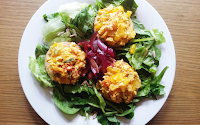
Believe it or not raw food vegans, it takes scrambled (whole) eggs to turn your veggie salads into a "superfood", or rather, to have the "super effects" of all its "super vitamins" on your health . The photo shows an egg-recipe from The Organic Dish, take a look; and don't worry if you're afraid of healthy oats, you can leave out the out cakes under the eggs ;-)
I still see people throwing the good yolk of their eggs away. Shame on you! You're not just throwing the most nutrient dense (also in terms of nutrients per energy content) away, you also sacrifice the beneficial effects of the co-ingestion of eggs with other nutrient dense foods - benefits which have only recently been recognized by the scientific community when people finally starting looking beyond individual foods and nutrients and started to investigate the actual and practically more relevant effects of food matrices.

This trend that began with the negative effects of pesticides and/or heavy metals in "real meals" (which are always food matrices | Wilkowska. 2011) is something I have written about in the Facebook News and individual articles before and I plan to re-address, whenever scientists like Kim, Ferruzzi & Campbell (2016) give them the deserved attention.
You aren't interested in vitamns? Maybe in fasting for health and fatloss, then?

Breakfast and Circadian Rhythm

Does Meal Timing Matter?

Habits Determine Effects of Fasting

Fasting Works for Obese, Too!?

Alternative Day Fasting "Rulez"!

Intermittent Fast-ing + Weights!?
Why's that? Well, as it turns out and has just been confirmed for beta-carotene and vitamin E (Kim. 2015 & 16) by the aforementioned authors from the Purdue University (Kim. 2016) the way you combine your foods is as important for your nutrient sufficiency as the micronutrient content of the individual foods.

Let's do some math, together: For the fat-soluble vitamins E, which are obviously relevant in the context of Kim et al.'s latest studies (2015 & 16), the RDA is 14 mg/day. That's the amount of vitamin E you'd get from a relatively small quantity of each of the randomly chosen high vitamin E foods in Figure 1.
Figure 1: Yes, you can get your vitamin E from a single food, but that's not wise - for several reasons (Kim. 2016).
The bad news is that for all for of them it is not clear whether you will actually absorb all the vitamin E, so that it can do its anti-oxidant magic in your bloodstream. Yes, for wheat germ oil, sunflower seeds, and almonds, the relatively high fat content is one out of many potentially relevant cofactors (including cooking methods, the type of dietary lipids, and interactions with digestive enzymes or other dietary | Eitenmiller. 2004) compounds for the optimal uptake of fat-soluble vitamins such as vitamin E (learn more).

The paprika powder from Figure 1, no matter how nutrient dense it may be, will probably get only small amounts of its vital (=vitamin and other beneficial micronutrients) carriage (including, but not restricted to beta-carotene and vitamin E) delivered into your blood... unless, obviously, you combine it with the right foods and thus form a nutrient absorption optimizing food matrix.
Figure 2: Kim's 2015 study showed a similarly pronounced increases of the accumulated area under the curve (AUC), i.e. the total uptake of various carotenes when 3 eggs were added to vegetable salad (made with 3g of canola oil).
A food matrix consisting of three scrambled eggs and vitamin-(A)-rich vegetable salad of which Kim's previous study showed that it increased the bioavailability of beta-carotene 8-fold (see Figure 2). In the current study (Kim. 2016), the authors did thus speculate that...
"[b]ecause carotenoids and vitamin E are both fat-soluble nutrients, we expected cooked whole eggs to also increase the absorption of vitamin E contained in the same salad" (Kim. 2016).
to evaluate the accuracy of their hypothesis, the scientists recruited 16 healthy male participants for a randomized, single-blind, crossover-design experiment:
"[All] participants completed 3 trials that each included consuming a controlled diet for 7 d followed by a testing day. In addition, 1-wk dietary washout periods were scheduled between each of the trials. [...] The investigators were fully blinded to the participants test-day meals until after all testing and sample analyses were completed, but the participants and dietitians were not blinded to the meals" (Kim. 2016)
Obviously, I am not giving away any secrets, when I tell you that the experiment confirmed the authors' hypothesis. Interestingly enough, with practically relevant increases in vitamin E absorption being achieved with both, the "low egg" (LE - 1.5 cooked scrambled eggs) and the "high egg" (HE - 3 cooked scrambled eggs) vegetable salads, which contained, just as in the previous study, 100 g tomatoes, 62 g shredded carrots, 70 g baby spinach, 25 g romaine lettuce, and 5 g Chinese wolfberries, and was served with 3 g of canola oil (note: all vegetables and eggs were purchased from the same local market and brand throughout the study period, thus we can assume that the contents of alpha-tocopherol and gamma-tocopherol in the test salad were 2.1 and 2.0 mg/serving, respectively, for all three trials).
Figure 3: Relative increase (per vitamin E intake in mg) in TRL levels of alpha- and gamma-tocepherol in response to the ingestion of the vegetable salad alone, the salad with 1.5 or 3 cooked scrambled whole eggs (Kim. 2016)
In fact, the increase in the levels of alpha- and gamma-tocopherol in the subjects' triacylglycerol-rich lipoprotein fractions (TRLs) was even more pronounced than that of the carotenes in Kim et al.'s 2015 study. Since eggs contain sign. amounts of vitamin E, themselves (they don't contain, alpha-, beta-carotene and lycopene), we do yet have to look at the relative (i.e. relative uptake of amount of vitamin E that was ingested) uptake levels I have plotted for you in Figure 3. For these, the increases for alpha- and gamma-tocopherol were 'only' 107%, 144%, 441% and 358% in the 1.5 egg LE and the 3 egg HE group, respectively.

That the former, i.e. the increase in the LE = 1.5 egg trial didn't reach statistical significance is, as the authors rightly point out, most likely "due to the small sample size and low statistical power" (Kim. 2016) - a phenomenon that has been observed previously in small-scale studies that compared the nutrient availability of vitamin E with different doses of fat (Mah. 2015 | this study also used a less preferable marker of vitamin E absorption, namely plasmo not triacylglycerol-rich lipoprotein fractions (TRLs) levels, which mainly represent newly absorbed dietary vitamin E, as the studies by Kim et al.).
Highly Suggested Read: "Egg-Ology Today: The Underappreciated Health Benefits of Egg Phospholipids, Prote-ins & Antioxidants in the Yolk" | more.
Bottom line: Whole eggs are good for you! If you want to know what, i.e. which substance or nutrient (many of which I've discussed in the article you can read by clicking on the three eggs to the right) it is that gives eggs this ability, you will yet have to continue getting your EOD dose of SuppVersiy articles and Facebook News, because Kim's latest study was not designed to "assess the specific impact of [different] components of egg yolk on vitamin E absorption" (Kim. 2016)... after two studies showing significant benefits, however, we can be almost sure that a follow up study will be conducted; and if so, I can guarantuee that I will address it here or in the SV Facebook News, where you can also comment on this article!
References:
  • Eitenmiller, Ronald R., and Junsoo Lee. Vitamin E: food chemistry, composition, and analysis. CRC Press, 2004.
  • Kim, Jung Eun, et al. "Effects of egg consumption on carotenoid absorption from co-consumed, raw vegetables." The American journal of clinical nutrition 102.1 (2015): 75-83.
  • Kim, Jung Eun, Mario G. Ferruzzi, and Wayne W. Campbell. "Egg Consumption Increases Vitamin E Absorption from Co-Consumed Raw Mixed Vegetables in Healthy Young Men." The Journal of Nutrition (2016): First published ahead of print September 21, 2016 as doi: 10.3945/jn.116.236307
  • Mah, Eunice, et al. "a-Tocopherol bioavailability is lower in adults with metabolic syndrome regardless of dairy fat co-ingestion: a randomized, double-blind, crossover trial." (2015).
  • Wilkowska, Angelika, and Marek Biziuk. "Determination of pesticide residues in food matrices using the QuEChERS methodology." Food Chemistry 125.3 (2011): 803-812.

Friday, December 19, 2014

Lose 1 cm off Your Waist by Drinking 280 ml High Lycopene Tomato Juice per Day and Eating More - Works in Most, But Not All Young Women - Inflammation Makes the Difference

If you scroll down to the bottom line you will find that tomato juice is not the only high lycopene tomato product.
What if the magic weight loss pill didn't come in pill form, but in form of 100% pure tomato juice, containing 11.6 mg of lycopene per 100 mL? Sounds to good to be true? Well, it probably is, but even though tomato juice is not the magic obesity solution, a recent study from the China Medical University still suggests that it could be part of the solution.

Why? Well if 30 non-obese women lose 1.02 cm off their already relatively slim waists within 8 weeks, while reducing the serum levels of cholesterol, monocyte chemoattractant protein-1 (MCP-1), and thiobarbituric reactive substances and increasing the levels of adiponectin by the mere ingestion of 280 ml of the aforementioned tomato juice, I'd call that intriguing, but in and out of itself still nothing that would make tomato juice a "weight loss miracle".
Learn more about tomatoes and other veggies at www.suppversity.com

Urban Gargening not so Healthy as You Think

Tomato Powder Battles Cancer Like Aspirin

Fight Body Fat With Green Tomatoes

Tomatorade(R) as Intra-Workout Beverage

The Good Stuff is in the Peel, W/ Tomatoes, too!

Veggies Rule! As Adjunct to Starchy Carbs.
In contrast to the food intake, which was controlled carefully and shows, as you can see in Figure 1 that the overall intake increased (!) due to the tomato juice, the absence of a control group on an isocaloric beverage is a major downside of the study I would like to mention right away to make sure you don't get overly excited.
Figure 1: The weight loss was not a result of a simple reduction in energy intake. In fact, the 280ml of tomato juice (39kcal/day) were not the only thing the subjects ate more during the 2 months supplementation phase (Li. 2014).
In view of the fact that the dietary intervention was as simple as drinking the 280ml of juice at a self-determined point in 24h and keeping physical activity and diet the same, I believe we can skip over the results, right away.
Tomato juices are more than a healthy beverage for the biggest losers. They would also qualify as a highly effective and healthy intra-workout beverage - at least that's what a previously discussed study by Tsitsimpikou. 2013) some of you may remember would suggest | learn more.
Tomato products for your health: Tomatoes, juices, pastes and extracts have potent anti-oxidant effects - even in healthy individuals (e.g. −9.27% oxidized cholesterol in healthy young men in a double-blind randomized study in the course of which the subjects consumed 160 g/day of tomato sauce | Abete. 2013). Studies indicate that they protect your heart and other organs from damage and their consumption has been associated with reduced rates of various forms of cancer (Giovannucci. 1999). Furthermore the study at hand is not the first to show significant cholesterol lowering effects (Silaste. 2007), of which studies indicate that it is mediated by a direct suppression of cholesterol synthesis and LDL-clearance from the blood (Fuhrman. 1997). A direct anti-diabetic effect, however, is one of the few things that has not yet been demonstrated for tomato products (Wang. 2006).
If you take a closer look at the data in Figure 2 one of the first things you should notice are the words "responders" and "non-responders".
Figure 2: Changes in waist circumference, body fat (%), cholesterol levels, leptin levels and MCP levels in young (20-30 years) female study participants stratified by "responders" and "non-responders" (Li. 2014)
If you scrutinize the data, you will also see that there was a greater loss of body fat and a significantly higher reduction in waist circumference in the "responders", but the reduction of the inflammatory protein Monocyte chemoattractant protein-1 (MCP1) which is chronically elevated in all sorts of inflammatory diseases, including those associated with the metabolic syndrome was more pronounced in the "non-responders".
"Another unexpected result was that for serum triglyceride levels, which were significantly increased by supplementation, and this effect was seen in responders (body fat change <0), but not non-responders (body fat change ≥ 0)." (Li. 2014)
As Li et al. point out, this effect has previously been observed only in subjects with already high triglyceride levels. The levels of the subjects in the study at hand were yet all way below the critical range of >150mg/dL at the beginning and end of the study.

Figure 3: It's commonly overlooked that activated macrophages (~inflammation) can trigger lipolysis in the adipose tissue (Samuel. 2012).
As a SuppVersity reader you know that transient increases in triglycerides will also occur with other "fat burning substances", because they are a natural result of the increased release of fatty acids from the adipose tissue. An increase in fatty acid release, or a as scientists say, lipolysis is yet also triggered by the activation of macrophages (see Figure 3).

Now, the greater reduction in MCP levels in the non-responders suggests that the macrophage activating monocyte chemoattractant protein-1 (MCP-1) was significantly more affected by the provision tomato juice in those subjects who did not lose body weight. Whether this actually is the reason for the lack of fat loss in the non-responders and/or what is behind this difference is yet speculative and not even deal with in Li et al.'s discussion of the results.
You don't have to drink tomato juice to get lycopene. There are lots of other foods that contain significant amounts. And, as mentioned before: Whole foods beat supplements w/ respect to the bioavailability (Gärtner. 1997) and have the added benefit of delivering a whole matrix of healthy ingredients (Viuda-Martos. 2014).
Bottom line: As I already wrote at the beginning of this article, neither lycopene nor tomato products, of which several studies indicates that they are, probably also due to the increase bioavialbility of lycopene (Gärtner. 1997), the more powerful health promoters (Basu. 2006 ;Burton-Freeman. 2014) of the two, are the "magic bullet" so many people are looking for.

I spite of the lack of a control group the study at hand does yet still support the notion that tomatoes, tomato juices and pastes could be an essential part of a diet that promotes rather than triggers weight loss and, more importantly, body fat reductions... and by the way, you remember from a previous SuppVersity article that "Tomatorade(R)" is also an excellent intra-workout beverage for ordinary and extraordinary gymrats, right? | Comment on Facebook!
References:
  • Abete, Itziar, et al. "A regular lycopene enriched tomato sauce consumption influences antioxidant status of healthy young-subjects: A crossover study." Journal of Functional Foods 5.1 (2013): 28-35. 
  • Basu, Antik, and Vicky Imrhan. "Tomatoes versus lycopene in oxidative stress and carcinogenesis: conclusions from clinical trials." European journal of clinical nutrition 61.3 (2006): 295-303.
  • Burton-Freeman, Britt M., and Howard D. Sesso. "Whole Food versus Supplement: Comparing the Clinical Evidence of Tomato Intake and Lycopene Supplementation on Cardiovascular Risk Factors." Advances in Nutrition: An International Review Journal 5.5 (2014): 457-485. 
  • Gärtner, C., Wilhelm Stahl, and Helmut Sies. "Lycopene is more bioavailable from tomato paste than from fresh tomatoes." The American journal of clinical nutrition 66.1 (1997): 116-122.
  • Giovannucci, Edward. "Tomatoes, tomato-based products, lycopene, and cancer: review of the epidemiologic literature." Journal of the National Cancer Institute 91.4 (1999): 317-331.
  • Li, Yu-Fen, et al. "Tomato juice supplementation in young women reduces inflammatory adipokine levels independently of body fat reduction." Nutrition (2014).
  • Samuel, Varman T., and Gerald I. Shulman. "Mechanisms for insulin resistance: common threads and missing links." Cell 148.5 (2012): 852-871.
  • Silaste, Marja-Leena, et al. "Tomato juice decreases LDL cholesterol levels and increases LDL resistance to oxidation." British journal of nutrition 98.06 (2007): 1251-1258.
  • Tsitsimpikou, Christina, et al. "Administration of tomato juice ameliorates lactate dehydrogenase and creatinine kinase responses to anaerobic training." Food and Chemical Toxicology 61 (2013): 9-13.
  • Viuda-Martos, M., et al. "Tomato and Tomato Byproducts. Human Health Benefits of Lycopene and Its Application to Meat Products: A Review." Critical reviews in food science and nutrition 54.8 (2014): 1032-1049.
  • Wang, Lu, et al. "The consumption of lycopene and tomato-based food products is not associated with the risk of type 2 diabetes in women." The Journal of nutrition 136.3 (2006): 620-625.

Thursday, October 30, 2014

Curcumin, Genistein, Pomegrenate & Co. - A Dirty Dozen of Supplements & Foods to Keep Your Prostate Cancer Free

Which of the dirty dozen of supplements and foodstuffs in today's SuppVersity review can really help you to make sure, you're not the one out of those nine men who develops prostate cancer?
Supplements that are supposed to protect you from developing prostate cancer and/or agents that may help patients with existing prostate issues are - obviously - in high demand. And as W. Merkle points out in a recent article in the German science journal Urologe using them - even if they may not be as effective as some patients may believe - makes sense: from a psychological perspective, alone (Merkle. 2014).

Taking a pill with selenium, for example, has been shown to alleviate some of the side effects of chemotherapy. General protective effects against prostate cancer, on the other hand, have not been established. In fact, the most recent studies rather suggest that "supplementation did not benefit men with low selenium status but increased the risk of high-grade PCa among men with high selenium status" (Kristal. 2014).
Supplements are nice, but without exercise you are missing 50% of the anti-cancer equation!

Tri- or Multi-Set Training for Body Recomp.?

Alternating Squat & Blood Pressure - Productive?

Pre-Exhaustion Exhausts Your Growth Potential

Full ROM ➯ Full Gains - Form Counts!

Battle the Rope to Get Ripped & Strong

Hula Hooping to Spot Reduce in the Midsection
Luckily, there are other supplements with more promising data. Supplements that will actually complement, a healthy diet and active lifestyle, the two pillars of all (not just prostate) cancer protection. Supplements like...
  • Curcumin - As a SuppVersity reader you've probably already expected to see the curcumin on the list. Its potent anti-inflammatory effects and more specifically its ability to target multiple inflammatory pathways, which include NF-KappaB, COX2, STAT3 and high levels of CRP, Prostaglandins and TNF-alpha make it a particularly valuable anti-tumor agent of which Guo et al. observed in a recent study that it will induce cell cycle arrest and apoptosis of prostate cancer cells by regulation the expression of IkappaBalpha, c-Jun and androgen receptor (Guo. 2013)
  • Genistein - Just like curcumin, genistein acts on NF-KappaB (Adjakly. 2013). In addition it will upregulate a protein called miR-574- 3p that will have cancer cells "kill themselves" (go into apopotosis; Chiyomaru. 2013). In addition scientists have found genistein to support the efficiacy of Cabazitaxel which is used for the treatment of hormone-refractory prostate cancer.
  • Pomegranate - Pomegranate extracts or rather its ingredients, i.e. ellagic acid, caffeic acid, luteolin and punicic acic, have been shown to inhibit the proliferation and induce apoptosis in prostate cancer cells (NCI. 2013).
    Figure 1: If you look at the actual increase in apoptotic cancer cells in response to the pomegranate treatment, it is obvious that some patients (e.g. #53) benefited more than others (Pantuck et al. 2006)
    A clinical trial by Pantuck et al. (2006) was also able to show that the time it takes for the PSA levels, an albeit debatable marker of prostate cancer risk, to double decreased significantly, when the subjects, men with rising PSA after surgery or radiotherapy, were treated with 8 ounces of pomegranate juice daily (Wonderful variety, 570 mg total polyphenol gallic acid equivalents) until disease progression. Unfortunately, a more recent study by Stenner-Liewen et al. (2013) could not confirm these effects. 
  • Brassica vegetables (cruciferous vegetables) - While general vegetable intake is already associated with a -39% reduced risk of developing extraprostatic prostate cancer (cancer, eating tons of cruciferous vegetable, it was the intake of broccoli and cauliflower that made the biggest impact in a 2007 study by Kirsh et al.

    Even if they don't protect you from prostate cancer broccoli & co will inhibit myostatin and could help you to grow more muscle... well, at least theoretically, you know about the difference between the petri dish and the real world, so don't expect monster gains | more.
    As it is usually the case the evidence is yet ambiguous. In a 2002 review of the evidence, Kristal, et al. found that of the six studies they could clearly interpret, only three reported statistically significant reduced risks (P < 0.05), while one reported a borderline significant reduced risk (P = 0.06). Against that background Verhoeven et al. are right, when they say: " Further epidemiological research should separate the anticarcinogenic effect of brassica vegetables from the effect of vegetables in general" (Verhoeven. 1996).

    More recently, Joseph et al. found that the existing differences in the epidemiological data may be due to genetic polymorphisms due to which only men with a certain genetic polymorphisms in glutathione S-transferases M1 and T1 will benefit from eating tons of cruciferous veggies (Joseph. 2004).
  • Green tea - Green tea is good for everything, right? Well unless it's not loaded with toxic molecules (see previous SuppVersity article) this may in fact be right. Convincing evidence from human trials is albeit scarce. What we do have are rodent studies like the ones that were conducted with TRAMP mice, which model closely mirrors the pathogenesis of human prostate cancer.

    In these mice EGCG, one of the main catechins in green tea, decreased the proliferation of prostate cancer cells and reduced the PSA levels. Scientists believe that these effects are mainly mediated by the effects EGCG has on the growth promoting proteins ERK1/2. Unfortunately, the same rodent studies also suggest that it is probably too late for many of you to start drinking green tea, now, because said beneficial effects are only observed in young, not in old TRAMP mice (Donald. 2012).
  • Coffee is for the ladies, too! Studies show significantly reduced risks of breast cancer with 5+ cups of coffee. Tee and cacao help, as well | more
    Coffee - Obviously I am biased, when it comes to coffee. I still hope you believe me when I say that drinking 5+ cups of coffee per day has been associated with significantly reduced risk of prostate cancer in what is probably the most large-scale meta-analysis of the topic today.

    In their meta-analsis of 12 peer-reviewed case-control studies, Lu et al. calculated a 4% risk reduction for Europeans who consumed five or more cups of coffee and Americans who consumed 4 or more regular cups of coffee (equ. to approximately 400-500mg of caffeine). Moreover, the scientist found "a significant inverse association in all categories of prostate cancer except Gleason <7 grade" in both the "fixed-effects model" and the "random-effects model" (Lu. 2014).

    Wilson et al. also report an inverse association between coffee consumption and the incidence of highly malignant prostate cancer (Wilson. 2013). This means that drinking coffee is not only going to reduce your overall risk of developing prostate and other cancers (Geybels. 2013), it will also increase your chance that in the unfortunate case you still develop cancer, it's going to be a benign and treatable form of prostate cancer.
  • Lignans (e.g. from flaxseed) - While many of you will probably know them as "bad anti-androgens", there is little doubt that lignans from flax and other foodstuff inhibit cancer growth. What is particularly interesting about these agents is that they don't work via the "regular" NF-kappaB pathway but inhibit the expression of the vascular endothelial growth favtor (VEGF; cf. Azrad. 2013).
  • Lycopene - It's the bright red carotene and carotenoid pigment and phytochemical that gives tomatoes and other red fruits and vegetables, such as red carrots, watermelons, gac, and papayas, although not in strawberries, red bell peppers, or cherries their color.

    Based on the currently available evidence it appears to help not just with prostate, but also with pancreatic, intestinal and lung cancer (Giovannucci. 1999). In that, it makes a particularly effective adjunct to classic cancer therapy (Tang. 2011).
    Figure 2: Prostate cancer risk w/ high vs. low intakes of the given antioxidants according
    to XRCC1 genotype (Goodman. 2006)
    Unfortunately, the data is ambigious... as usual. Unlike for other agents, it does yet appear as if scientists have already identified a certain gene, i.e. XRCC1, which appears to determine whether you do or do not benefit from the consumption of increased amounts of tomato lycopene (Goodman. 2006).

    In view of the fact that certain genotypes actually increase their prostate cancer risk specifically if they are consuming both, a high amount of lycopene and vitamin E (alpha-tocopherol), the latest Cochrane Review on the protective effects of lycopene against prostate cancer considers the evidence for "preliminary" and "insufficient" (Ilic. 2011).
  • Fish oil / omega-3 - In spite of the fact that the media jumped at the finding of the SELECT trial (learn more) that claimed that selenium would be bad, while a high fish consumption or rather a high amount of omega-3s in the blood would protect you against prostate cancer, a close re-analysis of the data you can read up on at the website of the Life Extension Foundation indicates that this was all media hype.

    With a de facto difference of only 0.18% the difference was... well, you'd say a joke, scientists would say "within the margin of statistical error" and thus by no means significant. If you take an even closer look at the data, it would even seem as if omega-3 fatty acids would increase the risk of prostate cancer.
  • Resveratrol - If you look at the existing evidence you will be surprised to find studies that indicate that resveratrol increases (Klink. 2013) and studies that show that it inhibits prostate cancer growth (Iguchi. 2012; Kai. 2011).

    Again, it took a closer look at the data and another experiment to find out what really was going on: a dose-dependent effect with increased risk with low and decreased risk with high doses of resveratrol (Benitez. 2007). Bad news: With the current low biovailable oral resveratrol preparations you're likely to end up in the "increased risk" resveratrol exposure zone.
  • Selenium - While I have mentioned it in the introduction already, it's certainly worth taking a closer look at what selenium is actually supposed to do.

    In their 2011 review of the literature, Rizky Abdulah et al. didn't just highlight the many different molecular pathways, by which selenium could protect you from developing cancer, they also point out that the type of selenium supplement used could be of critical importance with respect to the success of your efforts to avoid the development of cancer. In that,...
    In rodents selenium acts as corrosion inhibitor in the brain | learn more
    "[...] methylselenol is believed to be the critical metabolite in selenium chemoprevention. Since methylselenol is highly reactive, methylselenol precursors such as Semet and Se-mSC are important both in in vitro and in vivo experiments. Semet and Se-mSC conversion to methylselenol, however, requires enzymatic conversion by the enzyme β-lyase, which is 800 times less prevalent in human tissues than in mouse tissues.
    This may explain why the results of Semet and Se-mSC anticancer studies in humans were not as impressive as in vivo experiments. Although researchers have now turned to other Se compounds such as mSeA, which do not need enzymatic conversion to methylselenol, or selenite, which does not need to be converted to methylselenol for its anticancer properties, more substantial research on selenium compound metabolism in human tissues is necessary." (Abdulah. 2011)
    In other words, as of now, we don't know which form of selenium we actually have to use in human trials to generate similar impressive results as they have been observed in rodents.

    And as if that wasn't already "bad" enough, a meta-analysis of intervention studies by Hurst et al. (2012) indicates that there is a very narrow "band" of serum concentrations, where selenium is actually good for you! When your selenium level passes 170 ng/ml the tumor-protective effect disappears and - worst case scenario - your risk increases. So remember: More does certainly not help more!
  • Silibin (from milk thistle) - You probably think of milk thistle as a "liver supplement". In fact, its main active constituent will yet also reduce the efficacy of osteoclast cytokines and reduce the concentration of RANKL-ligands. Thus it will regulate the NF-κB und AP1 levels in cells and inhibit the proliferation, invasion and migration of metastatic prostate cancer (Ting. 2011; Chen. 2012) 
  • Vitamin D - Believe it or not: There are things vitamin D3 cannot do! One of this things is to protect you prostate cancer. That's the prerogative of active vitamin D aka calciferol. In rodent studies and studies on human cell lines calciferol and multiple analogs of active vitamin D have shown to be promising drugs for prostate cancer protection, though (Tokar. 2005).

    Underestimated Vitamin D Sources: Eggs, Chicken, Pork, Fish & Dairy Contain Ready-Made 25OHD | more
    Since simply popping tons of vitamin D3 is (luckily) without effect on the levels of calciferol (otherwise you would run the risk of being calcified from the currently prevalent abuse of vitamin D3 supplements), using vitamin D3 is less effective, but not useless.

    In 2010, for example, Woo et al. observed that the time it took for the PSA levels of prostate cancer patients to double was significantly reduced, when the subjects received 2,000 IU of vitamin D3 per day (Woo. 2005) - an effect of which previous in vitro studies suggest that it could be due to the local conversion of D3 to active vitamin D in prostate cancer cells (Tokar. 2005).
  • Vitamin E - Needless to say that vitamin E has gotten a bad rep ever since scientists observed an increased risk when they gave the subjects of the SELECT trial vitamin E (learn more). Still, as long as you stay away from "classic" vitamin E and buy one of the still expensive tocotrienol supplements (or eat red palm oil), you can expect an anti-proliferative effect of the vitamins E (Conte. 2004; Srivastava. 2006)
It's never too late to make a change! In September 2005, researchers from the University of California-San Francisco pub- lished a study that shows that intensive lifestyle changes (i.e. changin the way you eat, the amount of exercise you get, etc.) may affect the progression of prostate cancer in a highly beneficial way (Ornish. 2005) - with PSA reductions of -4%, reduced glucose levels (-70%!) improved blood lipids and higher, not lower testosterone levels.
Bottom line: While all of the above supplements and food constituents will help, nothing beats a healthy lifestyle with a balanced whole foods diet, stress control and regular exercise.

Overweight (+20% risk for BMI >25.38, already), gaining 5-10% weight after your 20s (+30%; Putnam. 2000), being self-employed (+170%) and thus probably stressed, having a family history of prostate cancer (father +140%, brother +420%), being a "former drinker" (beer +20%, wine +20%) or a current liquor drinker (+40%) and consuming more than 96g of alcohol per week (+50%), on the other hand, will - for most of the variables unnecessarily - increase your prostate cancer risk (Andersson. 1996) | Comment on FB!
References:
  • Abdulah, Rizky, et al. "Molecular targets of selenium in prostate cancer prevention (Review)." International journal of oncology 39.2 (2011): 301-309. 
  • Andersson, Swen-Olof, et al. "Lifestyle factors and prostate cancer risk: a case-control study in Sweden." Cancer Epidemiology Biomarkers & Prevention 5.7 (1996): 509-513.
  • Azrad, Maria, et al. "Flaxseed-derived enterolactone is inversely associated with tumor cell proliferation in men with localized prostate cancer." Journal of medicinal food 16.4 (2013): 357-360.
  • Benitez, Dixan A., et al. "Mechanisms Involved in Resveratrol‐Induced Apoptosis and Cell Cycle Arrest in Prostate Cancer—Derived Cell Lines." Journal of andrology 28.2 (2007): 282-293. 
  • Chen, Rongxin, et al. "The significance of MMP-9 over MMP-2 in HCC invasiveness and recurrence of hepatocellular carcinoma after curative resection." Annals of surgical oncology 19.3 (2012): 375-384.
  • Chiyomaru, Takeshi, et al. "Genistein up-regulates tumor suppressor microRNA-574-3p in prostate cancer." PloS one 8.3 (2013): e58929. 
  • Conte, Carmela, et al. "γ‐Tocotrienol Metabolism and Antiproliferative Effect in Prostate Cancer Cells." Annals of the New York Academy of Sciences 1031.1 (2004): 391-394.
  • Donald, J. L. "Plasma metabolic profiling reveals age-dependency of systemic effects of green tea polyphenols in mice with and without prostate cancer." Molecular BioSystems 6.10 (2010): 1911-1916.
  • Geybels, Milan S., et al. "Coffee and tea consumption in relation to prostate cancer prognosis." Cancer Causes & Control 24.11 (2013): 1947-1954. 
  • Giovannucci, Edward. "Tomatoes, tomato-based products, lycopene, and cancer: review of the epidemiologic literature." Journal of the National Cancer Institute 91.4 (1999): 317-331.
  • Guo H, Xu YM, Ye ZQ, Yu JH, Hu XY. "Curcumin induces cell cycle arrest and apoptosis of prostate cancer cells by regulating the expression of IkappaBalpha, c-Jun and androgen receptor." Pharmazie 68.6 (2013):431-4.
  • Hurst, Rachel, et al. "Selenium and prostate cancer: systematic review and meta-analysis." The American journal of clinical nutrition 96.1 (2012): 111-122.
  • Iguchi, Kazuhiro, et al. "Antiandrogenic activity of resveratrol analogs in prostate cancer LNCaP cells." Journal of andrology 33.6 (2012): 1208-1215. 
  • Joseph, Michael A., et al. "Cruciferous vegetables, genetic polymorphisms in glutathione S-transferases M1 and T1, and prostate cancer risk." Nutrition and cancer 50.2 (2004): 206-213.
  • Kai, Li, and Anait S. Levenson. "Combination of resveratrol and antiandrogen flutamide has synergistic effect on androgen receptor inhibition in prostate cancer cells." Anticancer research 31.10 (2011): 3323-3330.
  • Kirsh, Victoria A., et al. "Prospective study of fruit and vegetable intake and risk of prostate cancer." Journal of the National Cancer Institute 99.15 (2007): 1200-1209.
  • Klink, Joseph C., et al. "Resveratrol worsens survival in SCID mice with prostate cancer xenografts in a cell‐line specific manner, through paradoxical effects on oncogenic pathways." The Prostate 73.7 (2013): 754-762.
  • Kristal, Alan R., et al. "Baseline selenium status and effects of selenium and vitamin E supplementation on prostate cancer risk." Journal of the National Cancer Institute 106.3 (2014): djt456.
  • Lu, Yu, et al. "Coffee consumption and prostate cancer risk: an updated meta-analysis." Cancer Causes & Control 25.5 (2014): 591-604. 
  • Merkle, W. "Prostatakarzinomprophylaxe durch Nahrungsergänzungsmittel." Der Urologe (2014): 1-7.
  • NCI (2013) Pomegranate: prostate cancer, nutrition and dietary supplements (PDQ). NCI, Bethesda. http://www.cancer.gov
  • Ornish, Dean, et al. "Intensive lifestyle changes may affect the progression of prostate cancer." The Journal of urology 174.3 (2005): 1065-1070.
  • Pantuck, Allan J., et al. "Phase II study of pomegranate juice for men with rising prostate-specific antigen following surgery or radiation for prostate cancer." Clinical Cancer Research 12.13 (2006): 4018-4026.
  • Putnam, Shannon D., et al. "Lifestyle and anthropometric risk factors for prostate cancer in a cohort of Iowa men." Annals of epidemiology 10.6 (2000): 361-369.
  • Stenner-Liewen, Frank, et al. "Daily Pomegranate Intake Has No Impact on PSA Levels in Patients with Advanced Prostate Cancer-Results of a Phase IIb Randomized Controlled Trial." Journal of Cancer 4.7 (2013): 597. 
  • Srivastava, Janmejai K., and Sanjay Gupta. "Tocotrienol-rich fraction of palm oil induces cell cycle arrest and apoptosis selectively in human prostate cancer cells." Biochemical and biophysical research communications 346.2 (2006): 447-453.
  • Tang, Yaxiong, et al. "Lycopene enhances docetaxel's effect in castration-resistant prostate cancer associated with insulin-like growth factor I receptor levels." Neoplasia 13.2 (2011): 108-119. 
  • Ting, Harold, Gagan Deep, and Rajesh Agarwal. "Molecular mechanisms of silibinin-mediated cancer chemoprevention with major emphasis on prostate cancer." The AAPS journal 15.3 (2013): 707-716. 
  • Tokar, Erik J., and Mukta M. Webber. "Chemoprevention of prostate cancer by cholecalciferol (vitamin D3): 25-hydroxylase (CYP27A1) in human prostate epithelial cells." Clinical & experimental metastasis 22.3 (2005): 265-273.
  • Verhoeven, Dorette T., et al. "Epidemiological studies on brassica vegetables and cancer risk." Cancer Epidemiology Biomarkers & Prevention 5.9 (1996): 733-748.
  • Wilson, Kathryn M., et al. "Coffee and risk of prostate cancer incidence and mortality in the Cancer of the Prostate in Sweden Study." Cancer Causes & Control 24.8 (2013): 1575-1581.
  • Woo, Tony Choon Seng, et al. "Pilot study: potential role of vitamin D (cholecalciferol) in patients with PSA relapse after definitive therapy." Nutrition and cancer 51.1 (2005): 32-36.

Thursday, June 5, 2014

Sun-Burn Free Tanning Bed Tan, But 4x Increased Cancer Risk Even W/Out A Single Sunburn! Plus: Carotene + X Cocktail Protects and Tans You From the Inside Out!

Even if you don't get burned tanning beds pose a risk factor!
I am not aware who invented the myth, but I am quite sure it's the tanning bed industry that propagates it: Tanning in what Germans call the "Asi-Toaster" (literal translation "a toaster for nackers") is safe!

If we put some faith into the results of a recent study from the Department of Dermatology at the University of Minnesota this is a fatal error. "Toasting" yourselves on a tanning bed increases your risk of developing skin cancer by 287%! Or, if you like that better, it almost quadruples (4x) it!

The results Rachel Isaksson Vogel and her colleagues from the University of New Mexico Cancer Center and the Brown University present in their latest paper in the Journal of the National Cancer Institute (JNCI) will probably be quite shocking for some of you who relied on the ability of the UV-filters in tanning beds to reduce the increase in cancer risk (Vogel. 2014).
There are better ways to get your vitamin D than tanning beds, learn more the SuppVersity

How Much To Take?

Leucine, Insulin & Vitamin D

Vit. D Speeds Up Recovery

Overlooked D-Sources

Vitamin D For Athletes!

Vitamin D Helps Store Fat
If you look at the data that's based on an analysis of the tanning practices of 1852 subjects, it becomes pretty obvious: The protection the filters appear to offer against sunburns does not translate into cancer protection! On the contrary!
Figure 1: Risk of melanoma by ever use of indoor tanning among individuals who tanned indoors without burning and never users stratified by lifetime burns from sun as estimated using logistic regression (n = 1852; cf. Vogel 2014).
If you scrutinize the data in Figure 1 you will have to admit that it is obvious that those of the subjects who were cautious enough not to expose themselves to "real sun" to avoid getting burned, were the ones with the highest melanoma risk due to tanning bed radiation! Those who avoid the sun like a plague have a 4x higher risk even after adjustment for
  • What else can protect you? Peer reviewed evidence for skin cancer protective effects exist from:
    • milk thistle (Katiyar. 2005)
    • melatonin (Janjetovic, 2014)
    • calcium (1g) + 400IU vitamin D3  (-37% in women with increased risk; Tang. 2011)
    • retinol (25,000IU/day; cf. Moon. 1997)
    • retinol and zinc + riboflavin and niacin + vitamin C and molybdenum (at 1-2x the RDA; cf. Blot. 1993)
    Too much antioxidants, on the other hand have been shown to increase cancer risk in women (#68%; cf. Hercberg. 2007). Against that background, a reasonable amount of controlled sun exposure and a coretene rich diet offer  probably the best protection.
    sex, age at reference date (in years), 
  • eye color (gray/blue, green, hazel, or brown), 
  • hair color (red, blond, light brown, or dark brown/black), 
  • skin color (very fair, fair, light olive, vs dark olive, brown, very dark brown, or black), 
  • freckles (none, very few, few, some/many), 
  • moles (none, very few, few, some/many), 
  • income (≤$60,000, >$60,000, missing), 
  • education (completed college, did not complete college), 
  • family history of melanoma (yes, no, missing), 
  • lifetime routine sun exposure (continuous), 
  • lifetime sun exposure from outdoor activities (continuous), 
  • lifetime sun exposure from outdoor jobs (continuous), and 
  • lifetime sunscreen use (continuous) 
using propensity score methods in two-sided statistical tests. In other words, while the raw data on the left hand side is confounded by being at high risk and avoiding the real sun, the data on the right hand side (orange bars) is not!

Now you want a supplemental alternative / adjunct, right?

Against that background the promised "supplemental tanning formula" which consists of pretty ordinary supplements, you can find on the shelves of every larger Internet-retailer will probably become even more interesting, right?
Table 1: Tanning of different body regions before and after treatment with the supplement combo ()
I have to admit, the results scientists from the Laboratoire OENOBIOL in Paris recorded are not very impressive (see Table 1), but the difference was significant and - and this may be even more important - the ingredients, i.e. 3mg beta carotene, 3mg lycopene. 5mg vitamin E (alpha tocopherol), and 30mg vitamin C (ascorbic acid) were ingested in a no-tanning scenario.
You want to kill two birds with one stone? Try "Tomatorade(R)" and get your daily tanning (Postaire. 1997) and cancer protective (Aust. 2005) dose of lycopene right from nature.
Bottom line: The fact that the "supplemental tanner" worked even in a no-sun-exposure scenario is interesting, because lycopene, in particular has been shown to be preferentially destroyed by UV radiation, in the course of the tanning process. The slight tan the subjects developed upon it's supplement restoration is thus only the cosmetic side of the benefits one can derive from this combo. What makes it really interesting, though, is that it will simultaneously build the skins defenses against UV-radiation and could thus be used in conjunction with reasonable (=partial shade) sun exposure to develop a beautiful and healthy tan without havin' to resort to the aforementioned "Asitoaster" and/or drugs like melanotan.
Reference: 
  • Aust, Olivier, et al. "Supplementation with tomato-based products increases lycopene, phytofluene, and phytoene levels in human serum and protects against UV-light-induced erythema." International journal for vitamin and nutrition research 75.1 (2005): 54-60. 
  • Blot, William J., et al. "Nutrition intervention trials in Linxian, China: supplementation with specific vitamin/mineral combinations, cancer incidence, and disease-specific mortality in the general population." Journal of the National Cancer Institute 85.18 (1993): 1483-1491.
  • Green, Adèle, et al. "Daily sunscreen application and betacarotene supplementation in prevention of basal-cell and squamous-cell carcinomas of the skin: a randomised controlled trial." The Lancet 354.9180 (1999): 723-729. 
  • Hercberg, Serge, et al. "Antioxidant supplementation increases the risk of skin cancers in women but not in men." The Journal of nutrition 137.9 (2007): 2098-2105.
  • Janjetovic et al. "Melatonin and its metabolites ameliorate UVB-induced damages in human epidermal keratinocytes." Journal of pineal research (2014). Ahead of print.
  • Katiyar, Santosh K. "Silymarin and skin cancer prevention: anti-inflammatory, antioxidant and immunomodulatory effects (Review)." International journal of oncology 26.1 (2005): 169-176.
  • Lappe, Joan M., et al. "Vitamin D and calcium supplementation reduces cancer risk: results of a randomized trial." The American journal of clinical nutrition 85.6 (2007): 1586-1591.
  • Moon, Thomas E., et al. "Effect of retinol in preventing squamous cell skin cancer in moderate-risk subjects: a randomized, double-blind, controlled trial. Southwest Skin Cancer Prevention Study Group." Cancer Epidemiology Biomarkers & Prevention 6.11 (1997): 949-956.
  • Postaire, Eric, et al. "Evidence for antioxidant nutrients‐induced pigmentation in skin: Results of a clinical trial." IUBMB Life 42.5 (1997): 1023-1033.
  • Tang, Jean Y., et al. "Calcium plus vitamin D supplementation and the risk of nonmelanoma and melanoma skin cancer: post hoc analyses of the women's health initiative randomized controlled trial." Journal of Clinical Oncology 29.22 (2011): 3078-3084.
  • Vogel, et al. "Exposure to Indoor Tanning Without Burning and Melanoma Risk by Sunburn History." JNCI J Natl Cancer Inst (2014) 106(7): dju112 doi:10.1093/jnci/dju112