Posts

Showing posts with the label satellite cells

Popular topics

Show more

Replacing CHO W/ Protein Won't Impair Glycogen Resyn-thesis | Plus: RT+HIIT & Satellite Cells; BFR & Recovery

Image
If that's what your PWO meal looks like, you're doing it right. I am sorry it took me so long to complete the follow-up to last week's article about the latest "recovery science" - my real job took a toll... in fact, I still have to hurry and will, therefore, skip a lengthy introduction that won't add to the educative value of today's article, anyway... the only thing I would like to say in advance is: I am going to do my best to decrease the interval between SuppVersity  articles again. Maybe it will comfort you to hear that there are five studies in today's research update - five studies that are not all directly related to exercise recovery and yet still practically relevant for your training and nutrition planning (see "What's the practical implication?" at the end of each bullet-point if you want to read only the gist(s)). Learn more about building muscle and strength at www.suppversity.com Acutely Increased Hormones Don...

Human Study Provides New Insight into How NSAIDs Speed Up Satellite Cell Recruitment & Muscle Repair in Youngsters

Image
No, I still do not recommend the chronic (ab-)use of NSAIDs, bro. No, this is not the first study about the effects of NSAIDs on muscle gains I discuss here at  www.suppversity.com , but it is certainly one of the more interesting ones. The study which is about to be published in the FASEB Journal was designed to investigate the role of nonsteroidal anti-inflammatory drugs (NSAIDs) in human skeletal muscle regeneration. As you may remember, previous studies have yielded conflicting evidence with respect to the ability of NSAID to accelerate muscle healing and thus accelerater and ultimately shorten the adaptational process. Hormesis  is why soothing the inflammation is not always good for athletism Is Vitamin E Good for the Sedentary Slob, Only? Even Ice-Baths Impair the Adapt. Process Vit C+E Impair Muscle Gains in Older Men C+E Useless or Detrimental for Healthy People Vitamin C and Glucose Management? Antiox. & Health Benefits Don't Co...

(Super-)slow vs. Traditional Weight Lifting Affects Satellite (=Muscle Progenitor) Cells, Fiber & Domain Sizes Differently

Image
In know one could argue that you may see different results for other body parts than legs which were the only muscle group trained in the study at hand. While the overall majority of currently available studies appears to suggest that traditional resistance training regimen with cadences of 1-2s on the concentric and eccentric parts of the exercises are superior to their (super-)slow counterparts, the debate is far from being settled. Accordingly, the results of a recent study from the Ohio University are highly interesting. The findings Jennifer R. Herman-Montemayor, Robert S. Hikida and Robert S. Staron present in their latest paper could after all explain why "classic" resistance training resistance outperformed their (super-)slow cousins in the majority of studies. Learn more about powerful muscle builders at the SuppVersity Tri- or Multi-Set Training for Body Recomp.? Alternating Squat & Blood Pressure - Productive? Pre-Exhaustion Exhausts Your Grow...

Revisiting Caffeine + Lactate - In Combination They May be Powerful Muscle Builders Which Boost Satellite Cell Activity + Anabolic Signalling And Trigger Muscle Hypertrophy

Image
High intensity training builds muscle and maximizes lactate build up. Caffeine helps you to train at maximal intensities. Correct, but there appears to be a more direct link between lactate accumulation, caffeine supplementation and skeletal muscle hypertrophy. No, you are not mistaken: The headline says and means that caffeine and lactate are powerful agents that may promote skeletal muscle hypertrophy by boosting satellite cell activity and anabolic signalling in favor of muscle hypertrophy. After a thorough review of the existing literature discussing the individual effects of caffeine and lactate on skeletal muscle metabolism and anabolism, Yoshimi Oishi and colleagues from the Ritsumeikan University hypothesized that "a lactate-based supplement containing caffeine, an activator of intracellular calcium signals, could elicit proliferation and differentiation of satellite cells, activate anabolic signals in skeletal muscle, and thereby increase muscle mass when combined ...

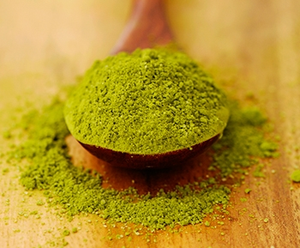
Green Tea for Muscle Protection? GTE Increases Satellite Cell Proliferation & Differentiation, Slows Disuse-Related Atrophy, Does not Promote Hypertrophy in Aged Rodents

Image
Green tea as a magical muscle preservative for injured athletes? "GTE increased satellite cell proliferation and differentiation, decreased oxidative stress and the abundance of Bax, a proapoptotic protein" (Alway. 2014) - that's the initially exciting result of a recent study from the West Virginia University School of Medicine and Abbott Laboratories . What is not exactly as exciting, though, is how the sentence continues, i.e. "yet this did not further improve muscle recovery in reloaded muscles" (Alway. 2014). Sounds contradictory, right? Well, before we get deeper into the discussion of the results, let's briefly recap how Alway et al. arrived at these insights, i.e. how exactly the experiment looked like and which experimental evidence it generated. The scientists from the West Virginia University School of Medicine tested the hypothesis that green tea extract (GTE) would improve muscle recovery after reloading following disuse. In men and wo...
Disclaimer:The information provided on this website is for informational purposes only. It is by no means intended as professional medical advice. Do not use any of the agents or freely available dietary supplements mentioned on this website without further consultation with your medical practitioner.