Posts

Showing posts with the label follistatin

Popular topics

Show more

Tryptophan, an Overlooked Natural "Anabolic"? Increased Follistatin (Myostatin Inhibitor), mTOR, and IGF-1 In-Vitro and In-Vivo Shed a Whole New Light on Serotonin Precursor

Image
Poultry is high in tryptophan and so is spirulina, cod, soy beans, parmesan and pork. They all have higher tryptophan contents than turkey. So, it doesn't always have to be poultry ;-) As a SuppVersity  reader you know that "[n]utrition plays a key role in the maintenance of muscle and bone mass, and dietary protein deficiency has in particular been associated with catabolism of both muscle and bone tissue" (Dukes. 2015). You will also be aware that leucine and some other amino acids play a particularly important role in the accrual and maintenance of muscle mass. Until today, l-tryptophan, the amino acid the "happy neurotransmitter" serotonin is not among the usual suspects when it comes to building muscle. If the results of a recent study from the Georgia Regents Univ.  translate into practic-ally relevant research, this may change soon (Dukes. 2015). Learn more about amino acid and BCAA supplements at the SuppVersity Glutamine Helps W/ Diabetes...
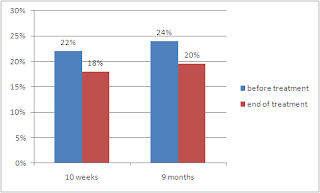
Exogenous Leptin Works! At Least in Already "Normal" Weight Exercise Junkies - 19% Body Fat Reduction in 10 Weeks on Metreleptin

Image
In view of the promising results from early rodent studies it came as a surprise that leptin, a "16 kDa protein hormone that plays a key role in regulating energy intake and energy expenditure, including appetite and metabolism" ( Wikipedia ), turned out to be ineffective in obese patients, even if it was administered at very high doses. A recent Harvard study ( Brinkoetter. 2011 ) published in the American Journal of Physiology - Endocrinology & Metabolism on April, 19th, does yet show that leptin does very well working its magic, if a patient's leptin receptors have not been desensitized by years of overeating. Figure 1: Leptin induced reduction in body fat percentage (reminder: notice the difference between a 19% reduction in the total amount of body fat and a 19% reduction in body fat percentage ) in amenorrheic women with hypoleptinemia after 10w and 19m, respectively (data adapted from Brinkoetter. 2011 ) Investigating both short- (group 1: 10 weeks) as ...
Disclaimer:The information provided on this website is for informational purposes only. It is by no means intended as professional medical advice. Do not use any of the agents or freely available dietary supplements mentioned on this website without further consultation with your medical practitioner.