Showing posts with label triglycerides. Show all posts

Monday, August 29, 2016

Eating 75-100g Fat (M-/PUFA) in the AM Improves Glucose (7-8%), Insulin (40-60%), Trigs (4-16%), GSH & MDA (40-75%)

If we assume that the protein fried eggs with its comparatively low insulinogenicity is not a problem (unlike your whey, for example), avocado and eggs fried in olive oil is the perfect breakfast to replace the liquid test meal used in the study.
There's no debating that increased amounts of free fatty acids in the blood will impair your insulin sensitivity, as they should be there only, when your supply of carbohydrate is running out, AMPK and with it the expression of lypolytic enzymes increase and the triglycerides from your fat stores are broken down into free fatty acids and released into your bloodstream where they can be used by liver, muscle and other organs as an alternative energy source.

Now, the word "alternative" is of paramount importance, here, because you'll find yourself being in (diabetic) trouble if those FFAs pile up on top of high glucose levels. This is what happens with the SAD diet and its high carbohydrate and fat content (and energy!) content.
You can learn more about fat at the SuppVersity

Are Men Fat- & Women Sugar-Cravers?

Fat, not Fructose Cons. Increased in the US
Adding Fats to Carbs Does not Reduce Insulin

The Forgotten Pro-Insulinogenic Effects of SFAs

Margarine Not Butter Incr. EU Waists

Low Fat to Blame for Low Vitamin D Epidemic?
It's a vicious circle: When the levels FFAs are up, insulin sensitivity goes down (after all, with a normal diet you'd have to burn the fat and spare the precious glucose | Bodne. 1997; Koves. 2008). Since there's more and more glucose spilling in over the portal-vein, though, insulin will keep increasing to a point where it does no longer simply impair, but almost block the oxidation of free fatty acids. Now, without insulin working its glucose shuttling magic, however, the cells begin to starve for glucose and... right, more FFAs are being released, the insulin resistance increases, still hardly more glucose is being shuttled into the cells to restore AMP to ATP and the process continues.

What does all of that have to do with eating more MUFAs and PUFAs to control your glycemia? Well, nothing and everything. First- and most importantly, it should remind you that this is not about eating fat with your carbohydrates. That's exactly not what the latest study from the Hospital Clínico Universitario Valencia in Spain would suggest, even though I bet you will have some idiot already have misinterpret the study in this way "for your" online. Rather than that the study was, as the abstract already tells you, conducted to ...
"[...] evaluate the changes in glycemia, insulinemia, and oxidative stress markers during an oral fat load test in nondiabetic subjects with abdominal obesity and to analyze the association between postprandial oxidative stress markers and postprandial glucose and insulin responses" (Martinez-Hervaz. 2016)
This quote also contains another important information you will have people with an agenda forget to mention: the subjects in whom the fats worked their magic were abdominally obese! Later on we will see why this is relevant and why the same rules won't apply to lean individuals, but for the time being let's firstly take a look at the exact characteristics of the N = 40 (total) subjects in the study in Table 1.

Table 1. General characteristics, fasting lipids and lipoproteins, glucose, insulin and HOMA index values in the studied groups (Martinez-Hervas. 2016); a control vs abdominal obesity group (p<0.01).
Even though the discriminating feature, i.e. the characteristic the scientists used to find subjects for the two groups was their waist circumference (>102/88 cm for men and women, respectively vs. <102/88 in the control group), it shouldn't surprise you that the scientists have also observed sign. differences in other anthropometric and metabolic markers such as the BMI, the level of triglycerides, blood lipids and postprandial glucose levels after an oral glucose tolerance test (OGTT | see Table 1).
Is it a problem that the male / female ratio differed? That is difficult to tell. We do know that men and women handle nutrients, esp. fat and carbs slightly differently, but I doubt that the difference between an 11/9 ratio in the control group and a 7/13 ratio in the abdominal obesity group will ruin the results of the study at hand. Nevertheless, this should be addressed in future studies.
After initial testing, the subjects from both groups ingested the same commercial liquid preparation of high-fat meal of long chain triglycerides. The product is called SuperCal and must not be confused with a vitamin D + calcium product with the same name that is being sold on the US market. From a previous European study, I've got some extra-information about its composition, namely that
"[...] 125 ml contains 60 g fat, of which 12 g are saturated, 35.35 g are monounsaturated, and 12.75 g are polyunsaturated. Each 100 ml contains <1 g lauric acid, <1 g myristic acid, 4.8 g palmitic acid, 1.4 g stearic acid, 27.7 g oleic acid, 9.6 g linoleic acid, 1.4 g behenic acid, and 0.5 g lignoceric acid" (Fernández‐Real). 
The detailed fatty acid composition of the SFAs, MUFAs and PUFAs emulsion that was administered at a dosage of 50 g fat per m² of body surface (calculate your body surface if you want to know your individual equivalent dose = result of your calculation in m² x 50g g/m²; e.g. 1.78 m² x 50 g/m² = 89 g of fat) at 8:30 after an overnight fast is not mentioned in the Martinez-Hervas study. What the authors of the study at hand tell us, however is that the likewise relevant ratio ω6/ω3 is > 20/1 - similar to the average diet, by the way; a fact that excludes that this is an omega-3 effect we are seeing, here. Similarly, exercise or previous meals, shouldn't have messed with the results, either. After all, in both groups, only water was permitted during the "eating" or rather "drinking" process, and no physical exercise was undertaken before or during the "fasted" fat loading test in the AM.
Figure 1: Overview of the rel. levels of glucose, insulin, HOMA-index, trigs, the GSSG/GSH ratio and MDA, a byproducs of lipid oxidation (Martinez-Heras. 2016); levels expressed relative to control at baseline (T = 0), see explanation below
In order to make the data more accessible (compared to the tabular overview of absolute values in thee FT) for you, I've standardized each of the measurable variables to match 100%. This means that all the fasting bars at T = 0h will be at the 100% mark, because they are what the effects of fat loading are compared to. Let's take a look at two examples:
  • PUFA Increases Postprandial Thermo-genesis in Women & Beyond - 14% Increase Over MUFA & SFA Sounds Huge, But Does it Matter?
    Insulin: In contrast to what you will see if you co-administer fat and carbohydrates (learn more), the administration of the high MUFA + PUFA fat supplement in the absence of carbohydrates lead to a sign. reduction of the initially 3.8-fold increased insulin levels. Not to normal levels, but at least to 158% (i.e. 1.6-fold elevated) of the fasted value of the lean subjects. Ah, but remember: All that happened with the fat load, alone, and in the absence of CHOs. In the presence of carbs the results would have been much different.
  • GSSG/GSH ratio: The effects on the ratio of 'used' glutathione (GSSG) to the amount of the 'fresh' master anti-oxidant (GSH) were quasi the opposite of what the scientists observed for insulin. Here, the abdominally obese group had 2.4x elevated levels to begin with. This tells you that, compared to the normal controls, their anti-oxidant status was a mess. After only 8h, however, their GSSG/GSH ratio had not just declined, it was actually lower than the fasted value of the control group.

    And again, likewise similar to the effects on insulin, the control group saw benefits as well, with a 64% decrease in the GSSG/GSH ratio their antioxidant defenses did also benefit from the MUFA + PUFA load in the AM.
For other parameters you will see similar, for many of you probably surprising benefits. Things to keep in mind, though, is that we are talking non diabetic subjects in both groups, even if the abdominally obese subjects had fasting HOMA index values fourth fold higher than controls, higher fasting triglyceridemia and higher fasting oxidative stress markers. If that sounds like you, then the acute ingestion of ~75-120g (depending on your body surface) of fat on empty in the AM, when hyperlipidemia is not that much of an issue, you can benefit from a high MUFA + PUFA fat load as you would find it in an avocado + egg fried in olive oil, for example... or, as the authors of the study at hand have it:
"[O]ur study has demonstrated a significant reduction of postprandial glycemia, insulinemia, c-peptide and oxidative stress markers using an acute oral overload of unsaturated fat. We have found a significant correlation between oxidative stress markers and postprandial lipemia. There is an increase of TG achieving the maximum peak four hours after the beginning of the test. However, although postprandial lipemia has been implicated in the development of insulin resistance and oxidative stress, and despite the increase of TG, there are significant reductions of the HOMA index and oxidative stress markers" (Martinez-Hervas).
Even though you may think otherwise, the authors are also right, when they point out that "[t]he influence of dietary macronutrients in insulin sensitivity is not well known" (ibid.) This is especially true, when we begin mixing proteins, carbohydrates and fats and start to take into consideration that we can have a dozen of types of the three in a single meal.
What about me? I am not abdominally obese, will I benefit, too? If we assume that you deprive yourself of any carbohydrates (and proteins?), you should see the same benefits as the subjects in the control group - those are lower than what we see in the big belly group and may simply be a result of the moderate energy intake (that's < 900kcal before an 8h fast even for many bigger guys), it would appear as if the answer to your rightly asked question would be "Yes, you can benefit, as well." Whether this will also require you to abstain from all, not just insulinogenic dairy proteins, however, will have to be tested in future studies.
It may thus depend on the food-matrix whether the results of previous studies, most of which clearly indicate that saturated fat will increase in fasting and postprandial insulin resistance would have yielded different results if the meals were administered in the absence of carbohydrates, for example - even though, additional evidence traced these effects back to increased levels of saturated fat in the cells' phospholipids that can alter their phyco-chemical properties and decrease the glucose transporters (while MUFA and PUFA have been shown to do the opposite | Borkman. 1993). Martinez et al. who have not actually tested the effect of SFAs in their studies provide additional evidence in their discussion:
Will the additional butter on top of the potatoes reduce the insulin response? You can find the answer to this and the other questions in today's episode of "True or False?" | Learn the answer
"Iggman et al demonstrated in elderly men that palmitic acid, the major saturated fatty acid found in adipose tissue, inversely correlates to insulin sensitivity measured by euglucemic-hyperinsulinemic clamp. However, they also found a positive relation of insulin sensitivity with the content of linoleic acid in adipose tissue (Iggman. 2010). It is in accordance with our results because our commercial liquid preparation of high-fat meal of long chain triglycerides is composed in the majority by linoleic acid (59%). Furthermore, in line with our findings, the replacements of dietary saturated fat by unsaturated fat also improved fasting insulin sensitivity (Vessby. 2001).

Several other studies have demonstrated that unsaturated fat improves fasting and postprandial IR, although the mechanism is largely unknown (Wang. 2015). Moreover the PREDIMED study has recently demonstrated that unsaturated fat can improve fasting insulin sensitivity and prevent the incidence of type 2 diabetes (Salas-Salvadó. 2011).
Another thing the study could not address is the chicken or egg question: After all, you can argue athat the significant reduction in oxidative stress markers the scientists throughout the fat load test could - as a result - have improved the subjects insulin sensitivity, but - at least in theory - it is imaginable that this worked the other way around... by an unknown feedback loop.
Figure 2: Relative in-group reduction in the parameters from Figure 1 from 0h to 8h (Martinez-Hervas); in contrast to the previous figure the one at hand shows the in-group difference, i.e. the change in control at 0 vs 8h, etc.
As you see, there's still lots to be learned about dietary fat out there - including the fact that a "high fat" diet that combines high energy with high fat and high carbohydrate intakes is always detrimental for your health and should no longer be used in studies, unless the goal is to mimic the Western diet (and I beg scientists to then call it what it is, and that's not a "HFD").
Beware of dairy proteins, especially whey, but also casein are highly insolinogenic and may reduce if not reverse the effects of fat loading in the AM on glucose management and inflammation | learn more.
Bottom line: Before you get addicted to the previously suggested avocado + eggs fried in olive oil breakfast, please keep in mind that this is not what the scientists tested. Especially in view of the relatively high protein level in eggs, another study would have to make sure that the latter won't interfere with the benefits... even if that's much less likely for eggs, meat or fish than for the highly insulinogenic dairy proteins.

Furthermore, the study at hand cannot tell us anything about the long-term effects, because it is an acute intervention (not even lasting for 24h, there could have been a rebound at 12h or 24h or with the ingestion of another meal at noon, etc.) that suffers from another methodological problem.

Without a control supplement containing high(er) amounts of saturated fat, the assumption that the results were MUFA + PUFA specific is simply based on the scientists' review of the existing research (see previous elaborations + quotes). And as the scientists add, last- and [f]inally, oxidative stress markers analyzed could be also altered by others players regulating the postprandial state" (Martinez-Hervas. 2016) | Leave a comment, praise or criticism on Facebook!
References:
  • Boden, Guenther. "Role of fatty acids in the pathogenesis of insulin resistance and NIDDM." Diabetes 46.1 (1997): 3-10.
  • Borkman, Mark, et al. "The relation between insulin sensitivity and the fatty-acid composition of skeletal-muscle phospholipids." New England Journal of Medicine 328.4 (1993): 238-244.
  • Fernández‐Real, José M., et al. "Fat overload induces changes in circulating lactoferrin that are associated with postprandial lipemia and oxidative stress in severely obese subjects." Obesity 18.3 (2010): 482-488.
  • Iggman, David, et al. "Adipose tissue fatty acids and insulin sensitivity in elderly men." Diabetologia 53.5 (2010): 850-857.
  • Koves, Timothy R., et al. "Mitochondrial overload and incomplete fatty acid oxidation contribute to skeletal muscle insulin resistance." Cell metabolism 7.1 (2008): 45-56.
  • Martinez-Hervas, Sergio, et al. "Unsaturated Oral Fat Load Test Improves Glycemia, Insulinemia and Oxidative Stress Status in Nondiabetic Subjects with Abdominal Obesity." PloS one 11.8 (2016): e0161400.
  • Vessby, Bengt, et al. "Substituting dietary saturated for monounsaturated fat impairs insulin sensitivity in healthy men and women: The KANWU Study." Diabetologia 44.3 (2001): 312-319.

Monday, June 29, 2015

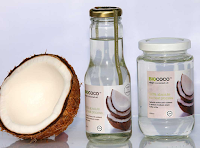
Virgin Coconut Oil Minimizes Weight Gain and Improves Blood Lipids (HDL⇈, LDL + VLDL ↘) to Reduce Atherogenic Index by 84% Even in Rats on Non-Atherogenic Diets

There are more than a dozen of options for virgin coconut oil on the market and there's no way the normal custumer can tell which one is actually "virgin" and which is a fraud and maybe even adulterated with palm oil - the technology to identify adulterations is there (Manaf. 2007), but I haven't heard of a label that would prove that the products were tested.
You are probably as fed-up with the hype around coconut oil as I am, right? Coconut oil here, coconut oil there. For this, for that and "did you know that coconut oil will also ..." Yes, you can even argue that a new branch of broscientists and snake oil vendors is dealing with little else than coconut oil.

In spite of that, I consider it at least remotely possible that the data from a recent rodent study that was published in the UK Journal of Pharmaceutical and Biosciences (Sharig. 2015) will catch your attention. I am sure you won't catch fire, though, but maybe at least some sparks, when you read that a relatively low dose of virgin coconut oil slowed down the weight gain, even if the oil was added to a non-obesogenic diet. Not excited? Well what about its triglyceride and total cholesterol lowering prowess and it's ability to keep LDL and VLDL in check while increasing HDL significantly - that's at least news-worthy isn't it?
Lean more about frying & co at the SuppVersity

VCO May not be the Optimal Oil for Frying

MUFA Modulates Gut Bacteria → Weight Loss

Taste of Olive Oil Heals - Flavor's Enough!

GMO Soybean Oil Proven to Be Pro-Inflammatory

"Pimp My Olive Oil" - W/ Extra Antioxidants

Frying Does not Just Oxidize Oils, It Does Fat More!
But first things first - here's what the scientists did: The scientists bought a bunch of 2 months old rats. After 2 weeks of acclimatization, they randomly assigned them to one of the following diets:
  • Group 1 was fed the normal pellet diet (control),
  • Group 2 was administered normal diet with VCO (1 ml/day),
  • Group 3 named as HCD received bread with pellet,
  • Group 4  animals received HCD bread and pellet with VCO (1 ml/day),
  • Group 5 called as HLD animals received cheese with pellet,
  • Group 6 named HLD animals received cheese and pellet with VCO (1 ml/day)
All groups had free access to diets and water ad libitum for 10 weeks. To make sure the virgin coconut oil was actually consumed, the VCO was administered by oral gavage at a dose of 1.42 ml/kg. That's the rodent equivalent of ~3 tablespoons of coconut oil which is what Fife recommends in "Coconut Cures" (2005) you should take everyday to - as the title of the book says - prevent and treat common health problems with coconut (not all of the claims made in the book can be considered scientifically proven, btw).
How much virgin coconut oil is that? And does it have to be virgin? For most people the approximate equivalent dose you'd have to consume are 3 tablespoons or equal to 45 ml/day. That was the easy part. Whether it has to be virgin coconut oil is a bit harder to explain, but in view of the significant correlation Marina et al. found between the total phenolic content of virgin coconut oil and its scavenging activity (r=0.91), and between the total phenolic content and its reducing power (r=0.96), I would be surprised if the phenol-depleted regular coconut oil would have the same beneficial effects on your atherosclerosis risk.
The rodents remained on their respective diets for 8 weeks before... no, not before they were sacrificed, but before the scientists from the Managemant and Science University in Malaysia used a spectrophotometer and commercial enzymatic kits to determine the lipid parameters by enzymatic endpoint method, as well as the plasma total cholesterol (TC), triglyceride (TG) and high-density lipoprotein (HDL) levels were measured using commercial enzymatic kits.
Figure 1: Effect of Virgin coconut oil on plasma lipid profile of albino Wistar rats after 8 weeks (Shariq. 2015).
A brief glimpse at the data in Figure 1 shows that the addition of virgin coconut oil did in fact have a not exactly life-saving, but still health-relevant effect on the lipid metabolism of the rodents. What I personally consider most intriguing is that this was the case for all diets, including the normal one.
he effect of virgin coconut oil on weight (WT), Atherogenic index (AI) and % of protection in diet-induced atheroscle-rosis after 8 weeks (Shariq. 2015).
So what's the bottom line? If we assume that the effects translate to human beings (this can be assumed, since the use of coconut oil predicts a beneficial lipid profile in pre-menopausal women in the Philippines | Feranil. 2011), virgin coconut oil could in fact exert health-relevant lipid modulating effects of which the data in Table 1 shows that it has a significant anti-atherosclerotic effect even if you consume a normal (=rel. healthy diet). But even though that's impressive, it does not warrant the claim that virgin coconut oil was a "cure-it-all" that would battle cancer, Parkinson's, multiple-sclerosis and what-not. So, if you hear about any of these miracle cures, please remain skeptical: VCO is not the cure for everything.

Now that we are already speaking about healthy skepticism, it may be worth mentioning that it is certainly no coincidence that all the beneficial "coconut research" comes from Malaysia or the Philippines, where people have a vested interest in selling the locally produced VCO at the highest possible prices. For the study at hand, though, no sponsoring or conflict of interest was declared, since there's no funding information that does yet mean very little. Furthermore, in spite of preliminary human studies showing similar effects (e.g. Liau. 2011 | discussed previously), there's no tightly controlled human trial out there that would confirm similar or even identical effects occur in humans | Comment on Facebook!
References:
  • Feranil, Alan B., et al. "Coconut oil predicts a beneficial lipid profile in pre-menopausal women in the Philippines." Asia Pacific journal of clinical nutrition 20.2 (2011): 190.
  • Liau, Kai Ming, et al. "An open-label pilot study to assess the efficacy and safety of virgin coconut oil in reducing visceral adiposity." ISRN pharmacology 2011 (2011).
  • Manaf, Marina Abdul, et al. "Analysis of adulteration of virgin coconut oil by palm kernel olein using Fourier transform infrared spectroscopy." Journal of Food Lipids 14.2 (2007): 111-121.
  • Shariq, B., et al. "Evaluation of Anti-Atherosclerotic Activity of Virgin Coconut Oil in Male Wistar Rats Against High Lipid and High Carbohydrate Diet Induced Atherosclerosis."

Friday, June 12, 2015

If Buttered (Bulletproof) Coffee Increased Your Cholesterol & Triglycerides, You May Have Forgotten the Coffee Filter

Bulletproof coffee is a bogus fad, but is it also bad for your blood lipids?
You will probably have heard about the (over-)hyped "bulletproof coffee" (=coffee with butter in it) triggering measurable (and in some cases) significant increases in total and LDL cholesterol in bulletproof addicts (case studies + Toklu. 2015).

Now, the most obvious trigger of the cholesterol increase is the butter you put into the coffee to make it "bulletproof". Another possible reason for the increase in cholesterol is yet the coffee itself. A reason that people apparently forgot about ever since van Dusseldorp, Marijke, et al. published their 1991 paper called the "Cholesterol-raising factor from boiled coffee does not pass a paper filter."
You can learn more about coffee at the SuppVersity

Remember: With Coffee More Won't Help More

Coffee - The Good, Bad & Interesting

Three Cups of Coffee Keep Insulin At Bay

Caffeine's Effect on Testosterone, Estrogen & SHBG

The Coffee³ Ad- vantage: Fat loss, Appetite & Mood

Caffeine Resis- tance - Does It Even Exist?
In their study the scientists wanted to test whether filtered coffee would trigger a similarly pronounced increase in serum cholesterol, as it has previously been observed for coffee that was prepared "Scandinavian-style" by boiling ground coffee with water and decanting the fluid into a cup (Arnesen. 1984; Førde. 1985; Aro. 1987).

To test whether the same mess would happen with filtered coffee, the scientists from the University of Nijmegen prepared their coffee as follows:
  • Boiled-type coffee was prepared by pouring 0.5l of boiling water onto 25 g of coarsely ground coffee (Roodmerk, Douwe Egberts, Utrecht, The Netherlands) in an 0.5l Thermos flask. Ten minutes later, the liquid was decanted into a second Thermos flask, from which the coffee beverage was poured out into a cup or beaker just before consumption. One batch provided three cups of 0.15 l (5 fl. oz.), prepared with 8 g of ground coffee per cup. The contents of one bottle were usually consumed within half a day, after which another bottle was prepared. Most of the coffee grounds stayed behind in the first and second Thermos bottles. Those grounds that made their way into the cup were discarded by the study subjects. 
  • Boiled and filtered coffee was prepared like the boiled coffee, but instead the liquid was poured into the second Thermos flask through a white paper filter (Melitta Nederland, Veenendaal, The Netherlands, 1x4, No. 4006508 200016) held in a conical plastic filter holder" (van Dusseldorp. 1991).
Subjects in both groups were allowed to dilute the brew in the second Thermos bottle with hot water if they found it too strong for their taste.
Can you do something to mitigate the effects? No, you don't have to take statins. A promising candidate would be to take 6g of taurine per day. Only 3g which is much less than the equivalent in pertinent rodent studies reduced the artherogenic index (-16% | AI is a measure that's based on the ratio of trigs to HDL) significantly and lead to slight improvements in total cholesterol levels (LDL wasn't measured | Zhang. 2004). In a rodent study, Park et al. observed a 38% reduction of LDL - significantly more than the increase that was seen in any "bulletproof coffee" case report or the boiled coffee study at hand.
The caffeine content, measured by reversed phase high-performance liquid chromatography, was 860 mg/1 for the boiled and 887 mg/1 for the boiled and filtered coffee - a difference that is way too small to explain why the 0.9 l or six cups of coffee brew the subjects were instructed to prepare and drink a day had drastically different effects on the cholesterol levels of the apparently healthy, non-smoking, non-medicated, non-dieting 33 male and 33 female habitual coffee drinker (four to seven cups of regular drip-filtered coffee per day) who participated in van Dusseldorp's study.
Table 1: Effects of Consuming Boiled Coffee, Boiled and Filtered Coffee, and No Coffee on Fasting Serum Lipid and LJpoprotein Levels (van Dusseldorp. 1991).
With three exception, the subjects who had been randomly assigned to the boiled, filtered or no coffee groups, showed an excellent compliance to the coffee regimen and didn't change their diets (this was actually assessed) significantly over the 12-week study period. The changes you see in Table 1 are thus not a result of increased cholesterol intake as it would occur if you consume extra butter in your coffee (in fact, the subjects in the boiled coffee group consumed 4.2g cholesterol/MJ energy less during the trial, so it's not the increase in dietary cholesterol from butter). 
So what's causing the cholesterol increase, then? Rather than any cholesterol you put in form of butter into the coffee, van Dusseldorp et al. speculated back in the 1990s that it is the naturally occurring fats in boiled unfiltered coffee that are responsible for the cholesterol "boosting" effects. In contrast to the filtered coffee which is virtually fat fee (0.02 g/l), the boiled unfiltered coffee contains 1g/l "coffee fats". Fats of which the researchers have previously shown that they are also present in the lipid-rich supernatant of boiled coffee you can obtained after centrifugation. The same supernatant Dusseldorp et al found to trigger a 23% (!) increase in serum cholesterol (this went hand in hand with 55% increases in triglycerides).

The Latest on Caffeine, Exercise, Fat & Weight Loss | more
Now, since dietary triglycerides and phospholipids do not raise serum cholesterol when eaten in amounts of 1 g/day, the authors speculate that the cholesterol-raising factor makes up part of the sterol-rich fraction of the lipid. Since both, the markers of the endogenous production and absorption of cholesterol remained the same, these lipids must - in one way or another - decrease the clearance of LDL cholesterol, but as the authors rightly point out the parameters (lathosterol and campesterol) they measured are insufficient to exclude effects of boiled coffee on lipoprotein synthesis and turnover.

Their findings are sufficient, however, to put a "?" behind the significance of the butter, when it comes to the ill effects of bulletproof coffee on your blood lipids... What we would have to know now, is whether the people who report increased cholesterol levels have either started to drink coffee now or increased their coffee intake from capsule machines or other methods of preparation that don't run the coffee through a filter | Comment on Facebook!
References:
  • Arnesen, Egil, Olav H. Førde, and Dag S. Thelle. "Coffee and serum cholesterol." British medical journal (Clinical research ed.) 288.6435 (1984): 1960-1960.
  • Aro, Antti, et al. "Bioled coffee increases serum low density lipoprotein concentration." Metabolism 36.11 (1987): 1027-1030.
  • Førde, Olav Helge, et al. "The Tromsø heart study: coffee consumption and serum lipid concentrations in men with hypercholesterolaemia: an randomised intervention study." BMJ 290.6472 (1985): 893-895.
  • Park, Taesun, Kyungshin Lee, and Youngsook Um. "Dietary taurine supplementation reduces plasma and liver cholesterol and triglyceride concentrations in rats fed a high-cholesterol diet." Nutrition research 18.9 (1998): 1559-1571.
  • van Dusseldorp, Marijke, et al. "Cholesterol-raising factor from boiled coffee does not pass a paper filter." Arteriosclerosis, Thrombosis, and Vascular Biology 11.3 (1991): 586-593.
  • Toklu et al. "Rise in Serum Lipids After Dietary Incorporation of 'Bulletproof Coffee'." Journal of Clinical Lipidology 9.3 (2015): 462.
  • Zhang, M., et al. "Beneficial effects of taurine on serum lipids in overweight or obese non-diabetic subjects." Amino acids 26.3 (2004): 267-271.

Sunday, April 26, 2015

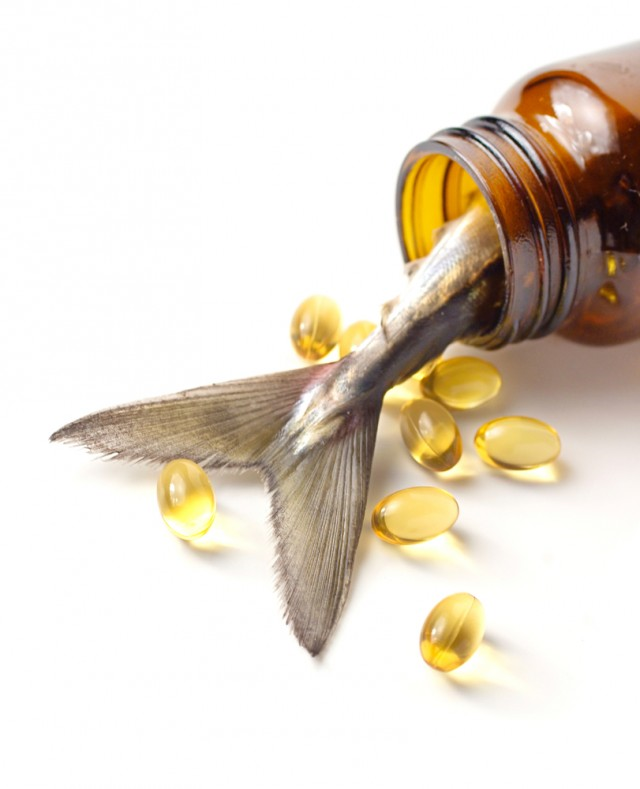
More Evidence that Too Much Fish Oil (5g+ of EPA + DHA) Increases Inflammation + May Promote NAFLD | Confirmed: Bioavailability of Krill Oil > Fish Oil - Implications?

There's something fishy about high dose fish oil supplementation. Increased inflammation and beginning fatty liver disease clearly indicate that the dose-response curve for EPA + DHEA is U-shaped. Meaning: More doesn't help more!
Don't worry! I am not going to tell you that you have to drop your beloved fish oil supplements altogether. Next to making sure that they are not filled with unwanted Persistent Organic Pollutants (POPs | learn more in a recent SV article), though, the results of a recent stuy by researchers from the University of São Paulo, the University of Southampton and the Campus Universitário in Londrina should remind you that "more does not always help more".

Against that background, I am not sure how relevant the increased bioavailability of krill vs. fish oil actually is in terms of the desired beneficial effects your supplements are supposed to have on your health. In spite of that, I would like you to know that European researchers have recently confirmed what previous rodent experiments did already suggest: Compared to the triglyceride-bound DHA and EPA from fish oil supplements, the phospholipid-bound DHA and EPA from krill oil supplements have a significantly higher bioavailability.
You can learn more about omega-3 & co at the SuppVersity

Fish Oil Makes You Rancid?

POPs in Fish Oils are Toxic!

N3/N6 Ratio Doesn't Matter on SAD Diet

MUFA & Fish Oil Don't Match

Fish Oil Doesn't Help Lose Weight

Rancid Fish Bad 4 Health
  • Dietary Docosahexaenoic Acid and Eicosapentaenoic Acid Influence Liver Triacylglycerol and Insulin Resistance in Rats Fed a High-Fructose Diet

    In their latest study, researchers from the University of Sao Paulo examined the benefits of different amounts of omega-3 (n-3) polyunsaturated fatty acids from fish oil (FO) on lipid metabolism, insulin resistance and gene expression in rats fed a high-fructose diet.
    Male Wistar rats were separated into two groups: Control (C, n = 6) and Fructose (Fr, n = 32), the latter receiving a diet containing 63% by weight fructose for 60 days. After this period, 24 animals from Fr group were allocated to three groups: FrFO2 (n = 8) receiving 63% fructose and 2% FO plus 5% soybean oil; FrFO5 (n = 8) receiving 63% fructose and 5% FO plus 2% soybean oil; and FrFO7 (n = 8) receiving 63% fructose and 7% FO. Animals were fed these diets for 30 days.
    Figure 1: The effects of fish oil on the lipids and lipoproteins was clearly dose-dependend, but more didn't help more. Quite in contrast, the high dose fish oil (FO) supplementation lead to minimal increases in liver fat compared to the 5% FO diet - an effect that may be explained by an increase in inflammation (Salim de Castro. 2015).
    Fructose led to an increase in liver weight, hepatic and serum triacylglycerol, serum alanine aminotransferase and HOMA1-IR index. These alterations were reversed by 5% and 7% FO. FO had a dose-dependent effect on expression of genes related to hepatic β-oxidation (increased) and hepatic lipogenesis (decreased).
    Figure 2: We've seen similar pro-inflammatory effects with much lower doses of fish oil before: In human athletes, do you remember? It appears clear that "too much of a good thing" can, once again, become a "bad thing".
    Much to the fish oil worshippers', surprise, though, the group receiving the highest FO amount had increased markers of oxidative stress. So, "n-3 fatty acids may be able to reverse the adverse metabolic effects induced by a high fructose diet", but too much of them will make your body vulnerable to inflammation and may have negative effects on your liver (learn more | cf. Zugasti. 2015).

    What needs to be studied further, though, is whether these effects are due to interactions with the pro-inflammatory high fructose diet. If that's the case, the increase in TNF-alpha may be a consequence of increased oxidation of the omega-3s from fish oil in an already highly inflammatory scenario. If we think of fish oil as gasoline, this would also imply that the same effects may be absent in a scenario where the baseline inflammation is low.
More is not necessary, either: Whether the effects depend on an inflammatory diet or not may not be relvant in view of the fact that a  recent review in which scientists from the Università Cattolica set out to identify the optimal amount of DHA+EPA to reduce the risk of prostate and breast cancer shows that 2g/day of EPA+DHA is enough to produce "a tissue enrichment in these fatty acids comparable to that observed in plenty of the animal studies, where clear antineoplastic effects of these FA were reported" (Fasano. 2015). Studies on beneficial cardiovascular effects used even lower doses of fish oil, so why would you still want to superdose, anyway?
  • Bioavailability of Fatty Acids From Krill Oil, Krill Meal and Fish Oil in Healthy Subjects-A Randomized, Single-Dose, Cross-Over Trial.
    You've read about potential differences between krill and fish oil on the SuppVersity, before (reread it). Thus, you will also be aware that krill contains two marine omega-3 polyunsaturated fatty acids, eicosapentaenoic acid (EPA) and docosahexaenoic acid (DHA), mainly bound in phospholipids, while fish oils contain EPA and DHA predominantly bound in triglycerides. As Köhler et al. point out in their latest study, "[t]he difference in the chemical binding of EPA and DHA has been suggested to affect their bioavailability, but little is known on bioavailability of EPA and DHA in krill meal" (Köhler. 2015).
    Table 1: Overview of the supplements used in the study at hand (Köhler. 2015).
    Accordingly, Köhler et al. undertook a randomized, single-dose, single-blind, cross-over, active-reference trial to compare the acute bioavailability of two krill. Each of the supplements contained containing approx. 1 700 mg EPA and DHA and was thus significantly below the 7% human equivalent (approx. 5.5g of combined EPA + DHA) that was used in the previously discussed study by Salim de Castro et al. (2015).
    Figure 3: Incremental area under 72 h response curve of EPA and DHA in plasma phospholipids after ingestion of different study products (krill oil, fish oil and krill meal) in 15 study subjects (Köhler. 2015).
    The main study outcomes were the fatty acid compositions of plasma triglycerides and phospholipids, which was measured repeatedly for 72 hours. The analysis of the respective data revealed a larger iAUC [incremental area under the curve = measure for total uptake] for EPA and DHA in plasma phospholipid fatty acids after krill oil (mean 89.08 ± 33.36% × h) than after krill meal (mean 44.97 ± 18.07% x h, p < 0.001) or after fish oil (mean 59.15 ± 22.22% × h, p=0.003).

    Since the mean iAUC's after krill meal and after fish oil were not statistically significantly different, the results Köhler et al. present in their latest article in Lipids in Health and Disease underline the significance of previous rodent studies (learn more). What remains to be seen, though, is how relevant these effects actually are in terms of the purported health benefits of fish oils.
Rancif Fish Oil = Ill Effects - Plus: 3 Tips to Help You Make the Right Fish Oil Choices | read more
Bottom Line: Next to the previously raised question, whether the increased bioavailability of krill oil is physiologically relevant in terms of the desired health benefits of omega-3 supplementation, it would also be interesting to find out, whether higher doses of krill oil, due to not being triglyceride bound and thus possibly less prone to being stored as liver fat, would have similar pro-fatty-liver effects as high doses (5g+ of EPA + DHA / day) of fish oil.

In the mean time, the benefits of low dose fish oil supplementation appear to be too well-established to warrant questioning the beneficial effects of ~1g and not 5-10g (as some "experts" suggest) of EPA and DHA per day.

In that, studies appear to suggest that the former is geared more towards improvements in lipid metabolism, while the latter is the more important omega-3 fatty acid for cell and, more specifically, brain health. Against that background it does not appear to make sense to take isolated DHA supplements, even if those are touted as "superior" by their vendors | Comment on Facebook!
References:
  • Fasano, Elena, et al. "Long-Chain n-3 PUFA against breast and prostate cancer: which are the appropriate doses for intervention studies in animals and humans?." Critical Reviews in Food Science and Nutrition just-accepted (2015): 00-00.
  • Köhler, Anton, et al. "Bioavailability of fatty acids from krill oil, krill meal and fish oil in healthy subjects–a randomized, single-dose, cross-over trial." Lipids in Health and Disease 14.1 (2015): 19.
  • Salim de Castro, Gabriela, et al. "Dietary Docosahexaenoic Acid and Eicosapentaenoic Acid Influence Liver Triacylglycerol and Insulin Resistance in Rats Fed a High-Fructose Diet." Marine drugs 13.4 (2015): 1864-1881.
  • Zugasti Murillo A, Petrina Jáuregui E, Elizondo Armendáriz J. "Exclusively based parenteral fish-oil emulsion (Omegaven(®)) in the treatment of parenteral nutrition associated liver disease: Report of a case." Endocrinol Nutr. (2015): pii: S1575-0922(15)00088-1.

Sunday, March 22, 2015

It's True: Fructose Makes You Fat - In Fact, It Even Makes You Make Fat! Study Shows, HFCS Beverages Kickstart Endogenous Palmitic Acid Production, Sugary Ones Don't

In the fashion business, "light or not light" (light=diet as in "Diet Coke" US vs Coke Light Germany) is not really a question to ask.
Actually I have given up writing about fructose. It appears as if everyone was so bamboozled by the obvious bullsh*t you can read all over the Internet that it's useless to tell them that you are not going to get obese from eating one, two or even ten apples a day! In view of the fact that today's SuppVersity article is about the negative effects of fructose, I am yet quite confident that more than the few enlightened SuppVersity regulars will read it.

I mean, who would not want to know whether moderate amounts of various sugars (including fructose, sucrose, and glucose) in sugar-sweetened beverages (SSBs) will have differential effects on fatty acid synthesis and degradation in healthy young men?

Now that I'd probably even have Dr. Lustig attention, let's first take a look at what exactly Michel Hochuli and his colleagues from the University Hospital Zurich did to answer this question.

The study we are dealing with is a randomized controlled crossover trial with a total of four different dietary interventions. During each of these, subjects were supplied with SSBs containing various sugars in different concentrations in random order during 3 weeks:
  • 40 g fructose per day [medium fructose (MF)]
  • 80 g fructose per day [high fructose (HF)]
  • 80 g glucose per day [high glucose (HG)]
  • 80 g sucrose per day [high sucrose (HS)]
In the second part of the study, in addition, hyperinsulinemic euglycemic clamps were performed with nine participants after each intervention to assess glucose metabolism and the dynamics of acylcarnitines. What adds to the significance of the data is the fact that the subjects were 34 healthy, normal-weight men - no rats, or type II diabetics and thus a study population of which you can expect that the things that happen to them, after the ingestion of the differently sweetened SSBs could happen to you, as well.
Figure 1: Relative levels of palmitate to linoleic acid ratio (left) and palmitoylcarnitine (right) after the ingestion of the four test-SSBs; values expressed rel. to baseline (Hochuli. 2014)
Apropos "things that can happen, when you consume too much SSBs", as you can see in Figure 1 the things that did happen were (a) a significant increase in fatty acid synthesis as it can be seen from the relative abundance of palmitate (16:0) and the molar fatty acid ratio of palmitate to linoleic acid (16:0 to 18:2; Figure 1, left) in the high fructose (HF) and medium fructose groups (MF).

These changes went hand in hand with increases in fasting palmitoylcarnitine (=palmitic acid that's "carried" by carnitine to the mitochondria for oxidation) that signifies impaired or at least insufficient fatty acid oxidation  and, last but not least, a decreased inhibition of lipolysis by insulin in the clamp condition.

Now, this is what happens next...

In a lab setting and after the consumption of an isolated test beverage this obviously isn't much of a problem, but if you think of a real-life SSB-consumption scenario, you will have to agree that people tend to use their fructose sweetened beverage to wash down a greasy piece of pizza ... and, believe it or not, this is where the whole fructose problem begins.
Learn more about EVOO
Tip - Use Extra Virgin Olive Oil to minimize hepatic lipid production: The results will obviously still have to be confirmed in a human study, but based on the effects scientists from the University of Salentoobserved in the petri dish it would appear that the inhibition of hepatic fatty acid production, ie. exactly what happened in the study at hand, is yet another feature on the list of beneficial health effects of the polyphenols in extra virgin olive oil (Priore. 2014). In that, hydroxytyrosol (-41%) and oleuropein (−38%) are the most, tyrosol (−17%) the least potent polyphenol.
It's the combination of sugar (➲ insulin), fructose (➲ palmitic acid production + blockade of the inhibitory effect of insulin on the former) and fat from your delicious piece of pro-obesogenic Americanized and super-sized Italian cuisine (➲ influx of triglycerides via the portal vein) that will elevate their blood lipids to a degree which impairs their glucose metabolism (Roden. 1996). This, in turn will keep the insulin up, the palmitic acid production running (remember, fructose reduced the ability of insulin to blunt this process) and the blood lipds (in this case palmitic acid and its breakdown products) accumulating.

Now even that wouldn't be a problem. People could, after all, burn the fat off by fasting. Unfortunately, the combination of insulin resistance and impaired fatty acid oxidation leaves them starving in abundance. What nutrients are their cells supposed to use? Glucose? Doesn't work, because of the insulin resistance. Fats? Can't be oxidized because of the elevated insulin levels. The consequence? Well, if we are talking about the average overweight inhabitant of the Western obesity belt, he will find himself sneaking through the kitchen, opening the fridge and annihilating a family packet of ice-cream only 30 minutes after his 1,500kcal+ "all American" version of the Italian way of making use of leftovers... eventually al this takes us - you won't believe it - back to the simple but undeniable truth that eating processed foods promotes overeating and overeating promotes obesity, hyperlipidemia and diabetes. My gosh! Who would have thought that?
Figure from " 6x Bananas a Day!? Meta-Analysis: Lower Glucose, Insulin and HbA1c Levels From 'Catalytic' Dose of 36g Fructose" | read more
Is all this going to happen if you have an apple with a meal? NO! It isn't. And that's exactly, why I hate news like these. It is true: We are not made to handle the sudden influx of several grams of fructose and I am all for avoiding fructose sweetened beverages, fruit juices and other processed foods for this reason. What I am not willing to accept, though, is that the overgeneralizing anti-fructose propaganda-machinery scares people away from eating whole, fresh fruit... and yes(!), when I am talking about "fruit" I am not referring to berries, only.
References: 
  • Hochuli, et al. "Sugar-Sweetened Beverages With Moderate Amounts of Fructose, but Not Sucrose, Induce Fatty Acid Synthesis in Healthy Young Men: A Randomized Crossover Study."  J Clin Endocrinol Metab (2014). Early Release.
  • Priore, Paola, et al. "Extra virgin olive oil phenols down-regulate lipid synthesis in primary-cultured rat- hepatocytes." The Journal of Nutritional Biochemistry (2014). Accepted Manuscript.
  • Roden, Michael, et al. "Mechanism of free fatty acid-induced insulin resistance in humans." Journal of Clinical Investigation 97.12 (1996): 2859.

Sunday, January 11, 2015

Working Out 45 Min After Dinner Improves Post-Meal Blood Glucose & Trigs More Effectively Than Working Out Before

Resistance training alone won't make up for a sloppy diet - no matter if you do it before or after meals.
I am not sure how feasible this is going to be for you, but if you are a type II diabetic or anyone concerned about the potential detrimental health effects of the rise in glucose and triglycerides after a meal, working out 45 minutes after dinner is the way to go.

Abnormally elevated postprandial glucose and triacylglycerol (TAG) concentrations are strong risk factors for cardiovascular disease (CVD) in patients with type-2 diabetes. Therefore, scientists expect that interventions that reduce postprandial glucose and TAG concentrations should lower the risk of CVD (Krook. 2003; O'Gorman. 2008).
Learn more about the effects of your diet on your health at the SuppVersity

Only Whey, Not Soy Works for Wheytloss

Taste Matters - Role of the Taste Receptors
Dairy Protein Satiety Shoot-Out: Casein vs. Whey

How Much Carbs Before Fat is Unhealthy?

5 Tips to Improve & Maintain Insulin Sensitivity

Carbohydrate Shortage in Paleo Land
Previous studies have shown that acute exercise typically lowers postprandial glucose and TAG concentrations (Tobin. 2008) in patients with type-2 diabetes, but as Timothy D. Heden et al. point out, there is considerable heterogeneity in the responses with some individuals not experiencing beneficial changes in these risk factors (Gill. 2007; van Dijk. 2012).
"One potential explanation why some patients with type-2 diabetes do not have beneficial changes in postprandial glucose and TAG with acute exercise is because of the timing of the acute exercise session relative to meal consumption. Limited evidence suggests that the timing of aerobic exercise around a meal may be important and might explain why some individuals are exercise “insensitive” or “non responders”." (Heden. 2014) 
The only study to directly compare the effect of pre-meal and post-meal aerobic exercise on postprandial glucose concentrations in patients with type-2 diabetes showed that post-dinner, but not pre-dinner walking, lowered postprandial glucose concentrations (Colberg. 2009).
Figure 1: Previous studies indicate that aerobic workouts after meals have more beneficial effects on the potentially unhealthy increases in glucose or triglycerides (Collberg. 2009)
Although no study has directly examined the effect of exercise timing on postprandial TAG in patients with type-2 diabetes, there is evidence that exercise performed the day prior to a high fat meal has no effect on postprandial TAG responses (Dalgaard. 2004; Gill. 2007), while post-breakfast aerobic exercise reduced the postprandial TAG response (Tobin. 2008). Taken together, it appears that aerobic exercise may have its most powerful effect to lower postprandial glucose and TAG responses when performed after a meal, possibly because of slowed gastric emptying and/or greater skeletal muscle glucose and TAG uptake and utilization at this time.

The question that remained was: Is the same true for resistance training?

Since resistance exercise (RE) has a more pronounced long(er)-lasting effect on ones metabolism than aerobic training, the researchers from the University of Missouri tested the hypothesis that post-dinner RE, compared to pre-dinner RE, would in fact be more effective at improving two clinically important postprandial risk factors (glucose and 109 TAG) for CVD at a time of day when they are typically highest in obese patients with type-2 diabetes.

The standardized test workout consisted of the following exercises (in this order): leg press, seated calf raises, seated chest flyes, seated back flyes, back extensions, shoulder raises, leg curls, and abdominal crunches. All exercises were performed for three sets (1-2 min rest between sets) of 10-repetitions for each RE. During this session, the first set for each exercise was a warm-up set and the weight used was 50% of the participants 10-RM. After the warm-up set, the weight for the next two sets was the participants previously determined 10-RM.
Figure 2: Postrandial lipid response in the obese type II diabetics (Heden. 2014)
As you can see in Figure 2 the scientists suspicion was right, the postprandial workout (M-RE) had significantly more pronounced beneficial effects on the lipid metabolism of the type II diabetic subjects who consumed a standardized breakfasts (English muffin, cheddar cheese, one large egg, ham, hash brown, ketchup, and apple or orange juice) lunch (white bread, ham, mayonnaise, cheddar cheese, a granola bar, and apple or orange juice) and dinner meals (spaghetti noodles, spaghetti sauce with beef added, garlic bread, a lemon lime flavored soda, and 1.5 g of acetaminophen (to assess gastric emptying)) containing ~50% carbohydrate, 35% fat, and 15% protein.

Similar effects were observed for the insulin and glucose responses (see Figure 3) which were significantly improved and should thus complement the beneficial effects of the reduced triglyceride and very low density lipoprotein (VLDL) levels.
Figure 3: Changes in postprandial insulin and glucose levels (Heden. 2014)
Bottom line: Before we get to the actual interpretation of the result let me briefly point out that it would probably have been at least as effective if the subject had not been fed bull**** like ketchup, mayonnaise, granola bars, and purportedly healthy, but de facto obesogenic fruit juices. The unfortunate truth, however, is that 99% of the type II diabetics still eat like this. For them, the use of resistance training after each meal may be a possible, but unquestionably not practical way to ameliorate the unwanted cardiovascular side effects.

In view of the fact that most diabetics don't work at all, I am 100% convinced that the results of the study at hand have zero practical significance - even I wouldn't go work out after dinner only to lie in bed hungrily, thereafter, And if I did, I would raid the fridge later at night - certainly not a practice that's heart healthier than working out before dinner.

Speaking of which: Working out before dinner would also mean working out after lunch and could thus effectively help the increase in triglycerides and glucose after lunch. Not too bad either, right? | Comment on Facebook!
References:
  • Colberg, Sheri R., et al. "Postprandial walking is better for lowering the glycemic effect of dinner than pre-dinner exercise in type 2 diabetic individuals." Journal of the American Medical Directors Association 10.6 (2009): 394-397. 
  • Dalgaard, Marian, Claus Thomsen, and Kjeld Hermansen. "Effects of one single bout of low-intensity exercise on postprandial lipaemia in type 2 diabetic men." British Journal of Nutrition 92.03 (2004): 469-476.
  • Gill, Jason MR, et al. "Effect of prior moderate exercise on postprandial metabolism in men with type 2 diabetes: heterogeneity of responses." Atherosclerosis 194.1 (2007): 134-143.
  • Heden, Timothy D., et al. "Post-dinner resistance exercise improves postprandial risk factors more effectively than pre-dinner resistance exercise in patients with type 2 diabetes."
    Journal of Applied Physiology (2014). Ahead of print.
  • Krook, Anna, et al. "Reduction of risk factors following lifestyle modification programme in subjects with type 2 (non‐insulin dependent) diabetes mellitus." Clinical physiology and functional imaging 23.1 (2003): 21-30.
  • O'Gorman, Donal J., and Anna Krook. "Exercise and the treatment of diabetes and obesity." Endocrinology and metabolism clinics of North America 37.4 (2008): 887-903.
  • Tobin, L. W. L., Bente Kiens, and Henrik Galbo. "The effect of exercise on postprandial lipidemia in type 2 diabetic patients." European journal of applied physiology 102.3 (2008): 361-370.
  • van Dijk, Jan-Willem, et al. "Exercise and 24-h glycemic control: equal effects for all type 2 diabetic patients?." Medicine and science in sports and exercise (2012).