Showing posts with label alanine. Show all posts

Sunday, August 23, 2015

Are You Afraid that the Fructose Boogieman Clogs Up Your Liver? Citrulline or Alanine, Glycine, Proline, Histidine and Aspartate Mix Will Protect You + Maybe Lean You Out

If you belong to the people who simply cannot stay away from HFCS foods and beverages, you may be happy to hear that the equivalent of as little as 10g citrulline or NEAAs in your diet may do much more than "just" fully prevent its negative effects on your liver.
You will probably remember from previous articles I wrote that NAFLD, or rather the development of non-alcoholic fatty liver disease, is one of the earliest markers of metabolic syndrome and beginning type II diabetes. In the Western obesity societies in North America and Europe, NAFLD is among the most common causes of chronic liver disease and its prevalence is increasing rampantly (Marchesini. 2001).

In spite of the fact that its development is most strongly linked to the consumption of a generally unhealthy, energetically dense diet, there are several lines of evidence which suggest that the ingestion of exorbitant amounts of fast-digesting fructose from high fructose corn syrup (HFCS) sweetened beverages or processed foods is one, if not the most reliable motor of its development (Volynets. 2012).
You can learn more about citrulline at the SuppVersity

Citrulline prevents muscle catablism more than leucine

Arginine & citrulline for blood lipid control

EAA, BCAA, or citrulline for anti-catabolism?

Glutamine not citrulline to heal the gut?

Citrulline to ignite fatty acid oxidataion?

High & low dose arginine ineffec- tive NO boosters
On a molecular level fructose has been shown to trigger the production of fat from glucose in the liver (de novo lipogenesis | DNL). It does so by activating certain enzymes via the sterol regulatory element binding protein-1c (SREBP1c) and/or the carbohydrate-responsive element-binding protein (ChREBP). In conjunction with the corollary hepatic oxidative stress and the subsequent increase in insulin resistance, the onslaught of readily absorbed fructose from processed foods and HFCS-sweetened beverages is thus  like gasoline on the fire of the obesogenic baseline diet some people refer to as the "standard american diet" (learn why the "SAD-diet" is so good at making you fat). On the whole, however, the accumulation of fatty streaks in the liver that's so characteristic of NAFLD is yet only the point of departure of the journey to the land of the super-obese type II diabetics.


Now this journey from slightly overweight to super-obese is a journey of which many previous studies studies already suggested that it could take a very different route if people consumed higher amounts of protein and/or certain amino acids (AAs):
  • Theytaz et al. (2012), for example, found a "liver cleansing" increase in VLDL-TG release by the liver with an essential AA-enriched diet, and
  • Bortolotti et al. (2012) showed that a protein-enriched diet can effectively reduce the fructose induced lipid accumulation in the liver through increased energy expenditure. 
As Prasanthi Jegatheesan et al. point out, "[t]hese beneficial effects of AAs or proteins may arise through lipid oxidation, decreased DNL, and modulation of genes involved in lipid metabolism" (Jegatheesan. 2015). Since citrulline is the precursor for the renal synthesis of Arg, which is known to improve insulin sensitivity and lipid metabolism, and has been shown to have beneficial effects on the level of plasma triglycerides and fat deposition in the liver, the authors of a recent study speculated that "Cit supplementations might [...] able to limit the development of fructose-induced NAFLD" (Jegatheesan. 2015). Morever, Jegatheesan et al. expected to see similar effects with other nonessential amino acids (NEAA), of which their own previous research had shown that they may offer similar anti-NAFLD effects.
Where's the control group? Previous studies show that diets which are supplemented with NEAAs (alanine, glycine, proline, aspartate, histidine, and serine) or citrulline have metabolic and nutritional effects similar to a regular control diet, alone (Osowska. 2006; Jegatheesan. 2015). The CNEAA group is thus the "control" group in the study at hand. That's "ok" and doesn't make the study results useless, but in view of the fact that the data in Figure 2 shows more than just an ameliorative effect of citrulline on NAFLD, I would have preferred a regular control group in which the rodents had been fed standard chow without added non-essential amino acids.
To confirm or falsify their hypotheses, the researchers randomized twenty-two rats into four groups on different diets:
  • CNEAA as in control - control diet without added fructose + 1g/kg non-essential amino acids (for humans that's roughly 11g per day | this was the control diet in the study at hand)
  • F as in fructose- control diet enriched with 60% fructose without supplements
  • FNEAA as in control + fructose - fructose enriched diet (F) + 1g/kg non-essential amino acids (which happens to be the control diet in the study at hand)
  • FCIT as in fructose + citrulline - fructose enriched diet (F) + 1g/kg citrulline
In that, it's important to note that the NEAA supplement contained isomolar amounts of the 6 AAs and was isonitrogenous to the Cit diet. So, a mere difference in the nitrogen content of the chow cannot explain the obvious differences that occurred over the course of the 8-week study period.
Figure 1: Relative changes in liver weight, hepatic triglyceride content as well as the liver markers AST, ALT and ALP a marker of kidney health  compared the "control" group (CNEAA | Jegatheesan. 2015)
A period, in which the rodents in the fructose enriched diet group (F) developed NAFLD. A fate the rats in the FCit and the FNEFA group did not share - even though the amount of fructose in their diets was exactly as high as it was in the F group.
Figure 2: Both FNEAA and FCit rodents had a better body composition than the rodents on the NEAA supplemented control diet, but the differences reached statistical sign. only compared to the fructose (F) group (Jegatheesan. 2015)
In that, it is unquestionably worth noting that we are not talking about a mere amelioration of the fructose induced damage. If you look at the data you will notice that the rodents with the alanine, glycine, proline, aspartate, histidine, and serine enhanced fructose enriched diets actually ended up having healthier livers than those on the non-fructose diet... if that's not convincing evidence that the commonly heard, and painfully overgeneralized claim that "fructose is the root cause of all metabolic diseases" is bogus, I don't know.

So, why would you even consider citrulline, if the NEAA combo is better for your liver? 

Well, the reason that the average physique enthusiast, may still choose citrulline as his "fructose buffer" of choice is easy: Firstly, the differences in terms of liver health are not really statistically significant. Secondly and more importantly, though, citrulline triggered a reduction in visceral and total fat mass and a relative increase lean mass that was not observed in the NEAA group. And let's be honest: Isn't this type of body recompositioning effect what many of you are striving for?

What is most astonishing though, is that you could have these fat loss and muscle gain effects not just despite, but maybe even because you're guzzling HFCS drinks all day (obviously we'd have to have a citrulline + baseline diet group to confirm that). If we assume that the results translate 1:1 to human beings, the one thing you had just ~10g of citrulline per day. Is this possible? Well, it is, but let's be honest with ourselves: The inter-group differences between the control and the citrulline + fructose were not statistically significant. So while there were improvements those were not pronounced enough to be of statistical significance even in rodents. It is thus not really surprising that you haven't heard of citrulline as the "get jacked" amino acid very often... even though, evidence that it can help you to get jacked does exist (more).
Bottom line: It is quite astonishing how commonly ignored correlates of high fructose intakes can turn an obesogenic liver killer into a regular energy supplier. I mean, look at the data in the study at hand: Where's the evidence that fructose is worse than any other energy source, when a simple increase in NEAA or citrulline intake does not just nullify its effects but has the rodents on the 60% fructose diet end up leaner and with lower liver fat and better AST and ALT levels than their peers on the control diet (these differences are only partly statistically sign., though).

Citrulline & Glutathione - GSH Amplifies & Prolongs CIT's NO Boosting Effects During + After Biceps Workout | learn more.
So, just as Jegatheesan et al. say: When combined with NEAAs or citrulline, fructose is not just harmless, but can even "produced an overall change in nutritional and metabolic status, with lower body weight and altered body composition, [in spite of identical" food/energy [...] among groups" (Jegatheesan. 2015). Unfortunately, the precise mechanisms involved still need to be investigated. Jegetheesan et al. are yet relatively convinced that NEAAs and citrulline act via different pathways: "NEAAs may act through GCN2, citrulline could act on the liver via PPARa and the down-regulation of SREBP1c, for example, via protein kinase B and mTOR pathway, but also via the improved insulin sensitivity enabled by peripheral Arg bioavailability" (ibid). Just as it is the case for the applicability in humans, though, these hypotheses require future experimental verification | Comment!
References:
  • Bortolotti, Murielle, et al. "Effects of dietary protein on lipid metabolism in high fructose fed humans." Clinical Nutrition 31.2 (2012): 238-245.
  • Jegatheesan, Prasanthi, et al. "Effect of specific amino acids on hepatic lipid metabolism in fructose-induced non-alcoholic fatty liver disease." Clinical Nutrition (2015).
  • Jegatheesan, Prasanthi, et al. "Citrulline and Nonessential Amino Acids Prevent Fructose-Induced Nonalcoholic Fatty Liver Disease in Rats." The Journal of Nutrition (2015): jn218982.
  • Marchesini, Giulio, et al. "Nonalcoholic fatty liver disease a feature of the metabolic syndrome." Diabetes 50.8 (2001): 1844-1850.
  • Osowska, Sylwia, et al. "Citrulline modulates muscle protein metabolism in old malnourished rats." American Journal of Physiology-Endocrinology and Metabolism 291.3 (2006): E582-E586.
  • Theytaz, Fanny, et al. "Effects of supplementation with essential amino acids on intrahepatic lipid concentrations during fructose overfeeding in humans." The American journal of clinical nutrition 96.5 (2012): 1008-1016.
  • Volynets, Valentina, et al. "Nutrition, intestinal permeability, and blood ethanol levels are altered in patients with nonalcoholic fatty liver disease (NAFLD)." Digestive diseases and sciences 57.7 (2012): 1932-1941.

Sunday, February 23, 2014

There is More To Glucose Control Than Carbohydrates (1/?): Non-Carbohydrate Nutrients And Their Effects On Blood Glucose Management ➲ Amino Acids, Proteins, Peptides

This is part I of a multipart series, you will be able to navigate by clicking on the pictures in the box below.
While it appears to be obvious that eating a low-to-no-carbohydrate diet would be the easiest way to manage your blood glucose levels, carbs are by far not the only nutrient that will have an effect on your blood glucose levels. In a recent overview article, Martina Heer and Sarah Egert from the Department of Nutrition and Food Science at the University of Bonn provide a decent overview of the multiple ways by which "other nutrients, such as dietary protein and amino acids, the supply of  fat, vitamin D, and vitamin K, and sodium intake seem to affect glucose homeostasis." (Heer. 2014).

In the coming weeks I will use their review as a starting point for my own overview of the effects of non-carbohydrate and "almost cabohydrate" nutrients  on glucose metabolism. And for today, I decided, to conclude this week that was full of exciting protein news on Monday ("Protein Power" | read more) and Saturday ("Dieting, High Protein, Testosterone & IGF-1" | read more) with - what else could it be - a summary of a the anti-diabetic effects of peptides, proteins and amino acids.
You can learn more about this topic at the SuppVersity

Proteins, Peptides & Blood Glucose

SFA, MUFA, PUFA & Blood Glucose

Read these ➲ while waiting

Spread or waste your protein?

Protein requ. of athletes

High EAA intra-workout fat loss
Protein, the glucose repartitioner?! Due to its insulinogenic effects protein increases the non-oxidative glucose disposal. In contrast to whey proteins, turkey, beef, eggs and co., i.e. "slow digesting proteins", will induce a significantly reduced insulin surge and have a correspondingly less pronounced effect on blood glucose.

It does not even take whole proteins. Single amino acids and dipeptides (=2-amino acids) can have glucose repoartitioning trick, too | learn more
Insulin is yet probably not the major, or primary agent behind these effects. More recent studies appear to suggest that the mechanism of the blood glucose lowering-effect of whey protein seems to be mediated primarily via increases in glucagon-like peptide 1 (GLP-1). This "satiety hormone" will then, in turn, lead to increased insulin secretion (Lan-Pidhainy. 2010; Maier. 2012). Combined with its ability to decrease gastric emptying and the correspondingly reduced influx of glucose through / from the portal vein (Maier. 2012; Bendtsen. 2013), GLP-1 makes the perfect anti-diabetes "drug" - no wonder that Ligratude, a synthetic analogue is already used very successfully in diabetes and obesity treatment (Astrup. 2012).

In its effects on GLP-1 whey is pretty unique. Even similarly fast absorbing protein sources, such as soy, or other dairy proteins such as casein, do not cause such a pronounced effect on GLP-1 and insulin secretion. A recent study from the Iran University of Medical Sciences and Health Services, for example, compared the effects of the pre-ingestion of additional 65/60g of whey protein concentrate (WPC) and soy protein isolate (ISP) before a meal on a hole host of metabolic markers in 45 healthy overweight and obese men.
Hypoglycemia warning: If experience fatigue, agitation, sweating, shivering, feeling cold, a having really bad temper and/or other symptoms of low blood sugar, after having a bolus of whey protein, it may be a good idea to (a) check your blood glucose levels and (b) consume your whey with a source of readily available carbohydrates in the future.
The first improvements in a hole host of parameters were observed after only two weeks and at the end of the 12-week study period, the consumption of additional 65 gr WPC or 60 gr ISP in 500 ml water 30 min before lunch in a non-restricted diet scenario had brought about significant improvements in
Figure 1: Effects of 12 week of WPC vs. ISP supplementation on fasting blood glucose (Tahavorgar. 2014)
  • systolic and diastolic blood pressure
    ⤷ improved heart health, 
  • apo lipoprotein A-I and apo B
    ⤷ improved cholesterol metabolism, 
  • malondialdehyde
    ⤷ reduced lipid oxidation,
  • HDL, LDL and triglycerides
    ⤷ improved lipid metabolism,
  • high sensitive C- reactive protein
    ⤷ reduced inflammation
What the scientists did not observe, though, was an improvement in fasting blood glucose levels in the subjects in the soy protein group. The latter was - and that's in line with what we've said before about the effects of different protein sources on GLP-1 - "whey exclusive".
Figure 2: Glucose and insulin release levels after 50g glucose load w/ 30g whey or 30g canola oil (Lan-Pidhainy. 2010)
Similar beneficial effects have been observed, among others, by Lan-Pidhainy, whose study was the first to prove that the insulinotropic effects of whey protein are not attenuated by insulin resistance (Lan-Pidhainy. 2010). In contrast to Tahavorgar et al., the researchers from the University of Toronto measured the acute effects on co-ingesting 30g of whey protein with a standardized 50g glucose load - a study that's obviously of lower real-world significance than the chronic administration scheme in the more recent study by Tahavorgar et al. (2014) or the 60-day bedrest study Martin Heer et al. conducted for the NASA. In this tightly controlled study, the provision of a high protein diet (1.45g/kg body mass/d dietary protein plus 7.2g branched chain amino acids per day) with an "animal:vegetable protein ratio" of 60:40, almost fully compensated for the bed rest-induced 35% reduction in insulin sensitivity during 60-day bed rest.

How does protein work?

The ameliorative, yet not significant effect of soy protein isolate on the blood sugar levels of the subjects in Tahavorgar study, as well as the observations the researchers from University of Bonn made when they studied the effect of bed-rest, confirm that it does not always have to be whey protein to benefit from the anti-diabetic effects of  the chains of amino acid residues we know as "proteins".

Ok, the GLP-1 inducing effects of whey protein appears to be particularly pronounced, and partly related to the presence of certain functional dairy peptides, which may, as the data from a 2009 study by Chen et al. suggests, be even more pronounced for casein than whey (see Figure 3).
Figure 3: Relative GLP-1 production in intestinal cell culture exposed to BCAAs, skim milk or casein (Chen. 2009)
The Chen clearly supports a hypothesis Heer & Egert form in their previously cited review of the contemporary evidence of the involvement of nutrients other than carbohydrates in blood glucose management. Interestingly, though, the evidence the German researchers cite involves yet another non-BCAA amino acid - alanine, which is also the #1 substrate for hepatic de novo glucogenesis:
"Although the mechanism is not well understood, some in vitro studies show how the insulinotropic effect might be induced (Dunne, 1990; Brennan. 2005; Cunningham. 2005). In cell experiments with the application of L-alanine, the increase in insulin secretion might be caused by an increased intracellular oxidation of amino acids, which raises the ATP content of the cell. Increase in intracellular ATP content leads to closure of the ATP-sensitive potassium channels, and this channel closure leads to depolarization of the cell membrane and activation of the calcium channels. Activation of the calcium channels then causes an exocytosis of insulin from the cells (Brennan. 2005; Cunningham. 2005)." (Heer. 2014)
Another possibility could be that amino acids are co-transported into the cell together with
sodium, as shown in further cell experiments [26]. This could also lead to a depolarization of
the plasma membrane in the pancreas and finally to an exocytosis (=pumping process) of insulin.
While 200mcg of chromium are essential, consuming way more can have pro-diabetic effects | learn more.
You can learn more about the other nutrients in the next installment(s): I know that this is not exactly fair, but let's be honest - Aren't there better ways to spend a Sunday afternoon than writing SuppVersity articles? I personally feel the answer is "YES!" The discussion of the effects of dietary fat, in general, (one of the things that's going to be mentioned may already be inferred from Figure 2) and individual fatty acids in particular, as well as the influence of vitamin D, vitamin K, calcium, magnesium, chromium, zinc, sodium, and a couple of other nutrients will thus have to wait until next week (some even longer ;-).
References:
  • Astrup, Arne, et al. "Safety, tolerability and sustained weight loss over 2 years with the once-daily human GLP-1 analog, liraglutide." International journal of obesity 36.6 (2012): 843-854. 
  • Bendtsen, Line Q., et al. "Effect of dairy proteins on appetite, energy expenditure, body weight, and composition: A review of the evidence from controlled clinical trials." Advances in Nutrition: An International Review Journal 4.4 (2013): 418-438.
  • Brennan, Lorraine, et al. "A nuclear magnetic resonance-based demonstration of substantial oxidative L-alanine metabolism and L-alanine-enhanced glucose metabolism in a clonal pancreatic β-cell line metabolism of L-alanine is important to the regulation of insulin secretion." Diabetes 51.6 (2002): 1714-1721.
  • Chen, Qixuan, and Raylene A. Reimer. "Dairy protein and leucine alter GLP-1 release and mRNA of genes involved in intestinal lipid metabolism in vitro." Nutrition 25.3 (2009): 340-349. 
  • Cunningham, GA, et al. "L-Alanine induces changes in metabolic and signal transduction gene expression in a clonal rat pancreatic β-cell line and protects from pro-inflammatory cytokine-induced apoptosis." Clinical science 109 (2005): 447-455.
  • Dunne, M. J., et al. "Effects of alanine on insulin-secreting cells: Patch-clamp and single cell intracellular Ca 2+ measurements." Biochimica et Biophysica Acta (BBA)-Molecular Cell Research 1055.2 (1990): 157-164.
  • Heer, Martina, et al. "High Protein Intake Improves Insulin Sensitivity but Exacerbates Bone Resorption in Immobility (WISE Study)." (2012).
  • Lan-Pidhainy, Xiaomiao, and Thomas MS Wolever. "The hypoglycemic effect of fat and protein is not attenuated by insulin resistance." The American journal of clinical nutrition 91.1 (2010): 98-105.
  • Meier, Juris J. "GLP-1 receptor agonists for individualized treatment of type 2 diabetes mellitus." Nature Reviews Endocrinology 8.12 (2012): 728-742.
  • Tahavorgar, Atefeh, et al. "Effects of whey protein concentrate consumption compared with isolated soy protein on metabolic indices, inflammatory and oxidative stress factors in healthy overweight and obese men." Razi Journal of Medical Sciences 20.115 (2014): 17-30.

Sunday, November 24, 2013

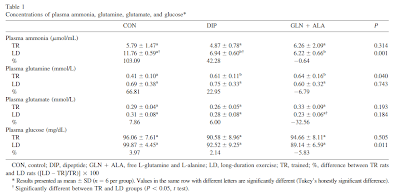
Alanyl-Glutamine or Alanine + Glutamine? Dipeptide or Free Form Aminos? What Offers Maximal Muscle Protection?

"Wouldn't have happened if she'd used alanyl-glutamine instead of regular that cheap alanine + glutamine combo!" - True or False? Recent study says: False!
If you combine your liver's favorite gluconeogenic amino acids, i.e. alanine and glutamine, into a single peptide the result is called alanyl-glutamine and marketed as the ueber-potent alternative to regular l-glutamine supplements. It goes without saying that a comparison like this is about as stupid as comparing french fries with mayo to regular french fries and saying that the former are worse because they contain more fat, or whatever. Even if we didn't care about the physiological significance of the effects of alanyl-glutamine, we would obviously have to compare the purported cryogenic effects of this "innovative" dipeptide to those of a simple combination of free form amino acids to deserve the bragging rights for having created an advanced form of glutamine.

Alanine + glutamine vs. alanyl-glutamine - fight!

By now you are probably asking yourselves why I am bothering you with things like this. Right? Well, the reason is that Éder Ricardo Petry and his colleagues from the University of Sao Paulo must recently have been pondering the same question. To answer it, they conducted an experiment that would allow them to verify if the oral supplementation with l-glutamine and l-alanine as dipeptide has more pronounced muscle protective effects than a simple mixture of l-glutamine and l-alanine (GLN+ALA, both in their free forms) in a group of Wistar rats that are subjected to intense aerobic training (treadmill).

I know what you are thinking now: "Not another rodent study...", but think about it: How many people are willing to pay $50 and more on supplements without any in vivo evidence of their efficacy let alone long-term safety? Against that background Petry's rodent is a major advancement - isn't it?
True or False: You can (ab-)use glutamine to replenish your glycogen stores!? True! It sounds strange, but according to a study from the late 20th century glutamine is a pretty effective glycogen replenisher, even in the absence of your bodies favorite nitrous glucose precursor alanine | learn more
Don't get me wrong, there are a few alanyl-glutamine studies in humans, but there is not a single one that would compare the dipeptide to a reasonable placebo in an exercise scenario. I mean, who tells me that the basketball players in the 2012 study by Hoffman et al. wouldn't have experience the same beneficial effects on basketball skill performance and visual reaction time if their rehydration solution had contained alanine and glutamine or even glutamine alone? Yes, I know... the increased absorption: Well, let's just look at a fair comparison, i.e. the study at hand, and see what happens when the dreams of supplement formulators and reality meet ;-)

Ok, back to the facts - the exercise & supplementation protocol

The male Wistar rats, the researchers used in their experiment were exercised 5x per week - at increasing intensities: Starting with 30 and 45 min of treadmill running (incline 3°) at 20 and 22.5 m/min in the first three weeks, the speed and duration of their treadmill runs increased to 60 min at a speed of 25 m/min in week four and remained like that for the rest of the 8-week study period.

The supplements were administered via oral gavage in the course of the last 3 weeks, only. The daily doses for the animals in the dipeptide (DIP) and free form amino acid groups (GLN+ALA) were...
  • 1.5g/kg alanyl-glutamine in the DIP group,
  • 0.67g/kg l-alanine + 1.0g/kg l-glutamine in the GLN+ALA group, and
  • plain water in the control group
The amount of of alanyl-glutamine the scientists used was calculated in such a way that the total amount of l-glutamine was the same as that of l-glutamine administered in its free form.

Changes? YES! Dipeptide benefits? Not really...

The gavage was provided 1 h after the end of each session of exercise, after which the animals had with free access to water and chow. To make sure that the results of the examinations on the last day of exercise would not reflect the acute effects of a single dose of the supplements, the animals were killed 10 h after the last exercise session.
Figure 1: Plasma glutamine, glutamate, ammonium, malondialdehyde, myoglobin, and creatine kinase activity in Wistar rats supplemented with alanyl-glutamine (DIP) or regular glutamine + alanine; data expressed rel. to control (Petry. 2013)
The virtually identical increases in l-glutamine and l-glutamate, you see in Figure 1 should thus represent the baseline and not the 'immediately post supplementation level' of these amino acids. For the exercise-induced accumulation of ammonium, malondialdehyde (MDA; indicates lower lipid oxidation), myoglobin and creatine kinase (both indicate lower muscle damage) the timing is not that important, anyway. What is important, however, is the fact that there were no physiologically relevant advantages for the "super glutamine".
DHEA & estrogen are alternative muscle protectors. Despite the fact that estrogen has repeatedly been shown to have muscle protective-effects, I would not suggest you steel your granny's HRT medication. DHEA on the other hand, may be something to consider - specifically if you are about to overreach, like the male subjects in a 2012 study by Liao et al. (learn more)
If we take a closer look at the p-values and the statistical significance of these changes, it turns out that, the minor increase in glutamate aside, all of the difference to the placebo group were statistically significant. The DIP vs. GLN+ALA differences, on the other hand, were marginal and reached statistical significance only in the case of the marker of myoglobin. Where the dipeptide has a physiologically probably irrelevant edge of 9% over the GLN + ALA combination.
Figure 2: Glutathione (GSH) and glutathione disulfide (GSSG = used glutathione) levels in soleus and gastrocnemius skeletal muscles of the rodents; data expressed relaitve to control (Petry. 2013)
For the muscular GSH levels, it does not look much different. In this case, there is however not even a statistical difference between alanyl-glutamine and the simple l-alanine + l-glutamine mix - neither for the universal anti-oxidant glutathione (GSH), nor for its "used form" glutathione disulfide (GSSG).
Does that mean that alanyl-glutamine is another supplemental rip-off? I would say that it's too early to use such harsh words. There was after all one statistically, and maybe even physiologically relevant difference between the two groups I didn't mention, yet: The dipeptide group presented with a different heat-shock protein response: They had higher HSP-70 and lower HSF-1 levels in the soleus and lower HSP-70 and lower HSF-1 levels in the gastrocnemius.

"Will training your biceps, heal your heart & protect your brain!?" - a study on the effects of exercise induced HSP increases suggests so | more
In view of the fact that the subsequent "deficit in HSP70 expression" is supposed to "impair recovery from these injuries" Petry et al. are probably right to point out that
"one cannot discard the possibility that part of the beneficial effects of high-intensity exercise training may be due to the enhancement of HSP70 expression which is exacerbated by glutamine supplementation."
In view of the fact that the total amount of proteins from the HSP70 and HSF1 family was increased in both groups, and the differences appear random, it is impossible to tell, whether the slight differences in HSP expression actually matter and whether this is an advantage for alanyl-glutamine or rather for the cheap free form amino acids.

Before future studies provide additional data based on which we can decide whether these differences are relevant and why they differ between slow- (soleus) and fast-twitch (gastrocnemius) skeletal muscle fibers, I'd say that the study at hand would suggest that alanine and glutamine have muscle protective effects irrespective of whether they are bound or not, when you ingest them.

References:
  • Cruzat VF, Rogero MM, Tirapegui J. Effects of supplementation with free glutamine and the dipeptide alanyl-glutamine on parameters of muscle damage and inflammation in rats submitted to prolonged exercise. Cell Biochem Funct. 2010 Jan;28(1):24-30. 
  • Cruzat VF, Tirapegui J. Effects of oral supplementation with glutamine and alanyl-glutamine on glutamine, glutamate, and glutathione status in trained rats and subjected to long-duration exercise. Nutrition. 2009 Apr;25(4):428-35.
  • Hoffman JR, Williams DR, Emerson NS, Hoffman MW, Wells AJ, McVeigh DM, McCormack WP, Mangine GT, Gonzalez AM, Fragala MS. L-alanyl-L-glutamine ingestion maintains performance during a competitive basketball game. J Int Soc Sports Nutr. 2012 Mar 7;9(1):4.
  • Petry ER, Cruzat VF, Heck TG, et al. Alanyl-glutamine and glutamine plus alanine supplements improve skeletal redox status in trained rats: Involvement of heat shock protein pathways. Life Sciences. 20 November 2013 [ahead of print]
  • Rogero MM, Tirapegui J, Pedrosa RG, Castro IA, Pires IS. Effect of alanyl-glutamine supplementation on plasma and tissue glutamine concentrations in rats submitted to exhaustive exercise. Nutrition. 2006 May;22(5):564-71.

Friday, November 22, 2013

Leucine Only Tops Ergogenic Effects of BCAAs: Increased Alanine Cycle Activity Spares Muscle Glycogen, Boosts Endurance Performance - BCAAs Have Opposite Effect

Alanine is the liver's favorite gluconeogenic amino acid and leucine appears to increase its usage.
Being among the first to learn about the "Glucose-Repartitioning Effect of Iso-Leucine" in February 2013 (read up on it), you, as SuppVersity reader, belong to the selected few who know that valine and isoleucine may be more than unnecessary props in the leucine-powered BCAA show. With the recent publication of a rodent study from the University of Sao Paulo in Brazil (Campos-Ferraz. 2013), however, it looks as if you had to revise your perspective on the purportedly auxiliary BCAAs - at least, with respect to their ability to reduce fatigue, and muscle and liver-glycogen degradation, in trained rats and possibly (!) humans.

So what did the Brazilian researchers do?

Basically, the idea Campos-Ferraz et al. had in mind, when they came up with their 8 week exercise + 2 week supplementation protocol (see Table 1) was to ...
Table 1: Exercise progression; suppl. was initiated in w7 after lactate test
"evaluate effects of the use of supplementation with leucine or a mixture of BCAAs in trained rats submitted to an exercise-induced protocol of glycogen depletion.

Furthermore, we attempted to investigate muscle and liver biochemical parameters that were not performed in the previous study in order to elucidate the role of BCAAs in glycogen depletion. " (Campos-Ferraz. 2013)
In other words: The researchers wanted to find out whether or not leucine would exert identical, less or more pronounced effects on muscle glycogen use and endurance performance in rodents that the full spectrum of branch-chained amino acids, i.e. leucine, valine and isoleucine.

Contrary to what bro-science and the shiny ads of the supplement industry are suggesting, the scientists' fundamental hypothesis was that the BCAAs supplementation would impair the rodents endurance capacity, because the branched-chain amino acids would be used in muscle to yield acetyl-CoA. This, in turn could reduce the activity of the glucose-alanine cycle, by which the muscles are supplied with alanine-derived glucose from the liver and (once the BCAAs got burne) result in an earlier onset of fatigue.

BCAAs are "glycogen depleters"?!

If you take a look at the data Campos Ferraz et al. gathered in the testing sessions at the end of the supplementation period, in the course of which the rats received an oral gavage of 166mg/kg per day (in human terms this would be ca. 3-3.5g per day) of BCAAs or leucine, it is quite obvious that the  the leucine group had a significantly lower muscle and liver glycogen degradation ratios than the BCAA group.
Figure 1: Liver & mucle glycogen degradation and time to exhaustion (expressed relative to placebo); muscle TCA intermediate content and enzyme activity / concentration (Campos-Ferraz. 2013)
Compared to the placebo group, only the ratios were different.  While the placebo group had the lowest liver glycogen use and a high muscle glycogen use, the supplemental leucine induced a shifted from muscle to liver glycogen and did thus exert muscle specific glycogen sparing effects.

As the researchers point out, these observations stand in line with their original hypothesis: Leucine can spare a significant amount of muscle and liver glycogen and thus produce a highly significant increase in resistance to exhaustion compared to the mixture of BCAAs (P<0.001).
This is not the first study to cast a bad light on BCAA supplementation. As a SuppVersity veteran, you will remember my November 2012 article "Chronic High Dose BCAA Supplementation Reduces Endurance Performance by 43%" | read more, as well as the more recent investigation into the  "Neurotransmitter Depleting Effects of Branched Chain Amino Acids (BCAAs) and Their Potential Ergolytic, Anxiogenic & Depressive Downstream Effects" | read more.
If we compare the endurance performance of the leucine rodents to that of the placebo group, this does yet cast a slight shadow on the overall image of the glorious ergogenic, and, even more so, the purported performance enhancing effects of BCAAs. Despite measurable differences in the time to exhaustion, the actual endurance increase in response to the leucine supplement is relatively small.
 
If you take another look at the data in Figure 1 you will probably notice the significant increase in TCA cycle intermediates (citrate and malate) in the BCAA group. These changes provide further evidence that the provision of all three branch-chain amino acid emphasized the use of glucose as a main substrate to sustain the endurance activity.

"Mouse vs. man": Can we ignore the differences in BCAA metabolism?


At this point, it may however be about time to point out that the activity of the BCAA catabolizing enzyme branched-chain keto acids dehydrogenase complex (BCKD) in humans is quite different from that in rats.
"In the latter [the rat], liver BCKD is almost completely unphosphorylated (activated) in basal state, making it possible to metabolize more rapidly BCKA from the portal blood; in humans, BCKD in liver is normally phosphorylated (inactivated) in order to spare BCAAs for protein synthesis." (Campos-Ferraz. 2013)
In other words: While rodents use BCAAs mostly as an energy source, the human body spares them as a potential protein anabolic.

In view of the fact that the BCAAs are not used to the same degree as an alternative substrate in the human vs. the rodent liver, it is actually not very surprising that the results of the study at hand appear to conflict with data from a previous study by the same laboratory (Gualano. 2011). In the corresponding experiment, Gualano et al observed measurable increases in exercise capacity and lipid oxidation in human subjects during endurance exercise after muscle glycogen depletion in response to the provision of 300mg/kg BCAAs per day.
So, the study is totally irrelevant, right? Not really, no. The fact that we are not able to use BCAAs as a readily available energy source like rodents does after all not mean that they must necessarily have the opposite effects on us. In fact, you all know that the vast majority of studies investigating the beneficial effects of BCAAs on endurance performance in humans yielded a null-result (!) - despite the fact fact that generations of researchers have been convinced that the inhibition of tryptophan uptake must blunt the exercise induced onset of fatigue (learn more in the articles cited in the red box).

Don't forget the endurance reducing increase in glucose usage that appears to be caused by isoleucine (and maybe valine) can also be beneficial: "The Glucose Repartioning Effects of Isoleucine" | read more.
The actual new information this study brings to the table is thus not that BCAAs are not ergogenic. It's rather the previously overlooked leucine induced acceleration of the glucose alanine cycle in liver. It is the activation of this (catabolic!) powerhouse by the means of which leucine "might have an interesting use in physical performance in prolonged or submaximal exercise, where muscle glycogen stores are more likely to be depleted" (Campos-Ferraz. 2013). It should be noted, though, that these effects are probably only observed after the glycogen levels are fully depleted - after an intense workout, towards the end of a race or after an fasted training - in those situations, the performance benefits may even be more more significant than in the study at hand.

Reference:
  • Campos-Ferraz PL, Bozza T, Nicastro H, Lancha AH Jr. Distinct effects of leucine or a mixture of the branched-chain amino acids (leucine, isoleucine, and valine) supplementation on resistance to fatigue, and muscle and liver-glycogen degradation, in trained rats. Nutrition. 2013 Nov-Dec;29(11-12):1388-94.
  • Gualano AB, Bozza T, Lopes De Campos P, Roschel H, Dos Santos Costa A, Luiz Marquezi M, et al. Branched-chain amino acids supplementation enhances exercise capacity and lipid oxidation during endurance exercise after muscle glycogen depletion. J Sports Med Phys Fitness 2011;51:82–8

Tuesday, September 3, 2013

Glutamine, a Better Glucose Source Than Glucose? Can You (Ab-)Use It As an Intra-/Post Workout Supplement? Human Study Suggest: Yes You Can! 8g Will Do the Trick

Could it be better to use glutamine as the main energy source in an intra-workout beverage? Or is the latter superior to glucose, only when it's already to late, meaning only, when you already are hypoglycemic?
I see the irritation on your face. How on earth should glutamine be a better glucose source than glucose: Adel obviously has lost his mind under the pressure of putting out interesting stuff on a daily basis... well, while the latter may be true (how would a sane person do what I do?), I am actually just reformulating the main message of a recently conducted study from the State University of Maringá in Brazil. In the corresponding paper, which was published online in the International Journal of Endocrinology (Nunes Santiago. 2013).

So yes, glutamine is in fact the better glucose...or maybe I should clarify it is a superior source of glucose to promote glycemia recovery after insulin-induced hypoglycemia. In other words, it will help you to lose the dizziness, the tiredness, the shaking and the sweating that are only a handful of the symptoms of low blood sugar (=hypoglycemia) more readily than glucose.

How do the scientists know?

Actually Nunes Santiogo et al. tested not just glucose and glutamine, they also provided their rodents which had been injected with a non-lethal but profoundly hypoglycemic dose of 1U/kg insulin at the beginning of their experiment with either of these substances:
  • alanine
  • glutamine, or
  • saline (control group)
  • glucose
  • glycerol
  • lactate
The dosage was identical (100mg/kg) for all of them, so that we had a "level playing field". Now, if I had not given away all the information right in the headline, you would probably have expected glucose to rule, right?
Figure 1: Glucose (mg/dl) levels after administration of 100mg/kg of saline, glucose (Glu), glycerol (Gly), lactat (Lac), Glutamine (Gln) or alanine (Ala) to hypoglycemic mice (Nunes Santiago. 2013)
What? Your money was on Lactate? Well that's actually a smart choice, as well and shows me that you have been attentive over the past months.

A note on lactate: In view of the results of a recent study that showed that lactate may not be able to completely replace glucose, but can modulate metabolic and neuronal activity in a way that the glucose contribution to brain metabolism under hypoglycemic conditions is restored to levels otherwise only observed at euglycemia (Herzog. 2013), it is likely that it could sooth the symptoms of hypoglycemia without even replenishing blood glucose to normal. Well, as long as it is buffered (NaHCO3 ;-) and is not converted to lactic acid, at least.
Yeah, lactate is an emergency fuel, so it does not seem totally unlikely that it works, but if you take a look at the study outcome in figure 1 you will realize that glutamine was not just a notch, but rather significantly more effective in getting the ~70% reduced glucose levels back up in the normal zone. It's also better than the #1 source of gluconeogenesis alanine, which in turn was still superior to "the real deal", i.e. glucose.

The glucose, diabetics, for example are so desperate to find ("Where's my Snickers?"), when they realize that they are about to go hypo after an insulin injection or workout, on the other hand, brought the levels back up to only 63% and was thus only slightly better than lactate of which I already hinted at in the box to the right that the actual blood sugar levels may not adequately reflect the symptoms, due to it's ability to modulate the energy flux to the brain.

How could that be? Why is glutamine more effective than glucose?

It still sounds odd, I know, so let's see what the scientists have to say about their own results:
"In contrast with rats, oral glutamine showed better glycemia recovery compared with alanine (Figure 1). This difference could be attributed to the possibility that in mice the catabolism of glutamine in the enterocytes is lower than in rats" (Nunes Santiago. 2013)

Now this is a problem, because it makes the usual question of whether or not these results apply to human beings, or not even more difficult to answer. Are we more like rats or rather like mice? And what would be the perfect "blood sugar restoration agent" for us - Glucose or glutamine. I honestly cannot answer this question, but I can still give you a decent bottom line, I guess.

Suggested read: "Post-Workout Glycogen Repletion - The Role of Protein, Leucine, Phenylalanine and Insulin. Plus: Protein & Carbs How Much do You Actually Need After a Workout?" | read more
Bottom line: Irrespective of whether it is "optimal" it is certainly a viable way to keep your glucose up and even replenish your glycogen levels after a workout by supplementing with l-glutamine. In 2005, for example, Iwashita et al. were able to show that 8g of glutamine promote storage of muscle glycogen to an extent similar to 330ml of 8.5% (wt/vol) glucose polymer solution (Bowtell. 1999); and this would not work if the glutamine was not turned into glucose by the liver and transported to the muscle in the blood stream so that it will - at least for as long as it disappeared in the skeletal muscle glycogen stores - also be available for the brain, the heart and all the other organs.


Whether things look different in insulin induced hyperglycemia is questionable, but I tend to think that 99% of you are interested in it's use as a workout / post-workout fuel in exchange for carbs and not so much as a means to save your life, when you you've been overdoing your slin shots.

If that's what you want to do, the optimal strategy would be to combine both. According to Bowtell et al. this will increase the non-oxidative glucose disposal by another +25%. This would also have the advantage that you are not overtaxing the glyconeogenic pathway in the liver. A potential overload of the latter is by the way also the reason why I strongly advise against trying to live off glutamine let alone other not as readily metabolized amino acids as your sole source of glucose (or energy in general).

Additional reads:
  • "30g of oral glutamine have similar effects on GLP-1 as 75g of glucose" | read more
  • "7 Rarely Thought of Side Effects of High Dose Glutamine" | read more
  • "Chronic High Dose BCAA Supplementation Reduces Endurance Performance by 43% Plus: How Ammonia, Glutamine, Arginine & Low Carb Could be Involved" | read more
  • "New Role for Glutamine in Protein Synthesis? Study Suggests Direct Effects on Mammalian Target of Rapamycin (mTOR) - EAAs Alone Won't Produce Optimal Results" | read more
  • "Use Glutamine to Heal the Gut and Hinder Your Gut Bacteria from Eating Away Your BCAA, Arginine and Other Aminos" | read more

References: 
  • Bowtell JL, Gelly K, Jackman ML, Patel A, Simeoni M, Rennie MJ. Effect of oral glutamine on whole body carbohydrate storage during recovery from exhaustive exercise. J Appl Physiol. 1999 Jun;86(6):1770-7.
  • Herzog RI, Jiang L, Herman P, Zhao C, Sanganahalli BG, Mason GF, Hyder F, Rothman DL, Sherwin RS, Behar KL. Lactate preserves neuronal metabolism and function following antecedent recurrent hypoglycemia. J Clin Invest. 2013 May 1;123(5):1988-98. 
  • Nunes Santiago A, Ferreira de Godoi-Gazola VA, Milani MF, et al. Oral Glutamine Is Superior Than Oral Glucose to Promote Glycemia Recovery in Mice Submitted to Insulin-Induced Hypoglycemia. International Journal of Endocrinology, vol. 2013, Article ID 841514, 7 pages, 2013.

Wednesday, December 28, 2011

Leucine, Citrulline or a Non-Essential Amino Acid Mix - Which Amino Acid(s) are Most Effective in Preventing Muscle Loss During an 18h (Intermittent) Fast?

Image 1: If Chris, "the Techician", Aceto's usually well-informed sources are right and the former Mr Olympia Jay Cutler is currently trying to lose muscle (I heard him say that on Heavy Muscle Radio), Cutler would be ill advised if he ingested ~20g of non-essential amino acids during and / or in-between extended fasts and hours of arduous low-intensity cardio sessions (img  MuscleTech)
Those of you who followed the "Amino Acids for Super Humans" series I did earlier this year on Carl Lanore's Super Human Radio may remember the arginine < > citrulline < > ornitine cycle and how I tried to explain that, from a physiological perspective, arginine's role in ammonia detox is probably as, if not more important than its role in the production of nitric oxide. What most of you will probably have overheard, or, in the respective shownotes, over-read, was my reference to a 2006 study from the University of Paris, which was - at least to my knowledge - the first study to show that citrulline (much like leucine) increases protein synthesis and thusly reduces the loss of muscle protein in old malnourished rats (Osowska. 2006). As it is often the case with isolated study results like that, these observations have not gotten much attention within the research community, so that it is not very surprising that the latest information on citrulline's putative role in whole body protein homeostasis come from the same laboratory at the Sorbonne, as the previously cited ones.

Citrulline vs. Leucine, and non-essential aminos as a control!?

What is particularly interesting about these results, the scientists from the Département Biologie Expérimentale, Métabolique et Clinique at the Pharmaceutical Faculty of the venerable Université Paris Descartes published in the (btw. highly recommendable) Journal Amino Acids, is that they allow for a direct comparison of the magnitude and the mechanism the ingestion of citrulline, leucine or a mix of other non-essential amino acids has on the fractional protein synthesis in skeletal muscle tissue (Tibialis anterior) in a fasted state (18h food deprivation).
Figure 1: Fractional protein synthesis (in %/h) in tibialis anterior muscle of fasted rats 50 minutes after administration of leucine, l-citrulline or isonitrogenous (to leucine) non-essential amino acids (data adapted from Plenier. 2011)
To my own surprise the winner of the battle of the "protein anabolic amino acids" is neither the usual (leucine), nor the unusual suspect (citrulline), but rather the non-essential amino acid combo which consisted of 1.35g/kg of alanine, glycine, proline, histidine, asparagine and serine.

Alanine, glycine, proline, histidine, asparagine, serine - Non-essential high potentials?

Let's briefly put this surprising result into (a human) perspective: If we assume that you are on an extended intermittent fast, traveling or had - for whatever other reason - no access to food for 18h, then the ingestion of 0.22g/kg of a non-essential amino acid mixture (if you weigh 80kg that would be 17.5g), would induce a 9.37% greater increase in muscle protein synthesis than the same amount of leucine and a 16.67% greater increase than 23g of l-citrulline.
Figure 1: Phosphorylation of Akt, s6K, 4EBP1 (left) and AMPK (right) 60min after administration of leucine, l-citrulline or isonitrogenous (to leucine) non-essential amino acids (data adapted from Plenier. 2011)
If we combine the previous calculations with the data from the Western blot analyses of the PI3K/Akt, mTORC1, ERK1/2/MAPK pathways and AMP kinase component, it becomes even more obvious that this study provides further evidence against the current over-emphasis of l-leucine which is so prevalaent especially among the bodybuilding-oriented physical culturists. As I have pointed out in previous posts, here at the SuppVersity, pushing the "protein-anabolic gas-pedal" through the floor (=ingesting huge amounts of leucine on its own) makes no sense if your car has long run out of fuel (=there are no amino acids to synthesize).

Against that background it is actually not very surprising that the protein synthesis in the fasted leucine group was reduced, although the phosphorylation of  p70S6K was identical and the one of 4EBP1 even greater (both indicate that the protein synthetic machinery was set into gear) than in the fed control. What is surprising, though, is the fact that the actual protein synthetic response in the leucine group fell 10% short of the one that was observed in the tibialis muscle of the rodents which receive an isonutrogenous amount of non-essential amino acids. After all, previous studies have suggested that the induction of measurable increases in protein synthesis was an exclusive property only branched chain (BCAA) or essential (EAA) amino acid mixtures would posses. Methodological differences in the design of respective studies aside, Servane Lé Plenier and his colleagues suggest the following two possible explanations for the surprising effects the alanine, glycine, proline, histidin, asparagine and serine combo exhibited on skeletal muscle protein synthesis in the fasted state:
[firstly,] in the fasted state, NEAA homeostasis is maintained by catabolism of essential amino acids (EAA) - alanine, for example, is produced in muscle from LEU and pyruvate - and limited EAA availability affects MPS since it is well known that a deficiency in one amino acids may be a limiting step for protein synthesis. Hence, in the fasted state, NEAA administration could spare EAA utilization and thereby preserve MPS.

[secondly,] one or more amino acids in the NEAA mixture could display specific anabolic properties. For example, alanine has been shown to stimulate liver protein synthesis in starved rats (Perez-Sala. 1987), but to the best of our knowledge this effect has not been shown in muscle. Similarly, proline and glycine may possess pharmacological properties that could indirectly modulate protein synthesis.
Personally, I don't believe that any of the non-essential amino acids (NE-AA) in the NE-AA formula actually had an individual effect on protein synthesis beyond its ability to spare essential amino acids and its availability as a substrate for inter-organ amino acid transfer (especially for alanine and asparagine, which are transaminated in the liver, this could be an important factor). So that the practical implications of this study should be clear: if you want to minimize muscle loss during a(n) (intermittent) fast, you better have some non-essential amino acids with your leucine!

One question answered, 999 new ones raised

Image 2: If you have read all Intermittent Thoughts articles which dealt with the AMPK/mTOR Metabolic Seesaw and the respective follow-ups, you will probably already have noticed that the ingestion of non-essential amino acids had the least impact on the fasting-induced increase in AMPK-phosphorylation of all three treatments. And I guess I don't have to tell you that this is good news for all intermittent fasters out there - spare the muscle, improve your health and burn the fat, what more can you as for?
Unfortunately, this study leaves us with way more questions than answers. I personally, for example would venture the guess that the ingestion of a complete EAA product would result in an even more profound amelioration of the fasting induced reduction in fractional protein synthesis. That being said, the latter could also compromise another advantage of the non-essential amino acids, I have not even mentioned, yet: their almost non-existent effect on intra-muscular AMPK-expression (cf. figure 2, right). If you read all Intermittent Thoughts articles which dealt with the AMPK/mTOR Metabolic Seesaw and the respective follow-ups, you will be familiar with notion that the fasting-induced phosphorylation of intra-muscular AMPK is responsible for the majority of the health, as well as the closely related fat-burning effects of (intermittent) fasting. Now, if the ingestion of a ~20g bolus of alanine, glycine, proline, histidine, asparagine and serine could increase your skeletal muscle protein synthesis back to almost normal levels (NE-AA -12.5% vs. leucine-only -20%), while keeping the AMPK-alpha levels maxed out (cf. figure 2, right), it would at least warrant an experiment before we totally discard the possibility that, under certain circumstances, such as the fasting window of an intermittent fast, the oftentimes disregarded "non-essential amino acids" could perhaps be more than just a band-aid when you have run out of essential ones.

Whether there will be a place for citrulline in particular is questionable, though. With the least effect on protein synthesis and the greatest impact on AMPK, it would de facto be a "band-aid" solution, for everyone who fasts, deliberately. In other contexts, however, l-citrulline supplementation could well have its merits. In cancer patients it could for example be used to ameliorate muscle loss without triggering the pro-carcinogenic (Garcia-Maceira. 2009), but I guess this would be the topic of another study and another blogpost, here at the SuppVersity ;-)

Thursday, July 22, 2010

Glutamine: Alanyl-Glutamine or L-Alanine + L-Glutamine - Is There a Difference?

Some athletes, mostly bodybuilders, swear by it, yet the results of studies on the ergogenic effect of l-glutamine supplementation are quite unequivocal. A recent study (Petry. 2010) investigated the effect of alanyl-glutamine (DIP, at 1.5 g/kg, n=8), L-glutamine + L-alanine (GLN+ALA, at 1 and 0.61 g/kg, respectively; n=8) or water (CONTR, n=8) supplementation on various exercise-related parameters in rats after 21 days of training. The results are promising, yet far from earth-shattering:
"Supplementation with DIP or GLN+ALA increased plasma glutamine concentration by 23% and 21% respectively, as compared to CONTR group (p<0.0001). Plasma ammonia concentration was lower in both supplemented groups (DIP, 3.8 ± 0.1 μM and GLN+ALA, 4.1 ± 0.2 μM), compared with CONTR group (5.3 ± 0.2 μM) (p<0.0001). DIP and GLN+ALA groups exhibited in the soleus muscle high glutamine (33.4% and 28%), glutamate (21.7% and 10.8%) and glutathione (GSH, 52.2% and 48.4%), compared to controls. In the gastrocnemius muscle also more glutamine (42.6 and 24.8%), glutamate (10.2 and 13.1%) and GSH (51.3 and 47.2%) were observed, compared to controls. In the liver of the supplemented groups high concentration of glutamine (36.9% and 32.7%), glutamate (4.6% and 2.8%) and GSH (47.1% and 46.4%) were observed. Plasma concentration of malondialdehyde (MDA), an index of plasma lipoperoxidation, was lower in both nutritional treatments (DIP 46.6% and GLN+ALA, 37.6%). Additionally, lower activity of plasma creatine kinase (CK) was observed in the DIP (25.1%) and GLN+ALA (24.3%) groups, as compared to controls, which was in paralleled by a marked decrease in the liberation of muscle myoglobin towards in the plasma (DIP, 43.9% and GLN+ALA, 35.3%).
What is of particular interest is the slightly superior effect of the alanyl-glutamine molecule as compared to the supplementation of L-alanine and L-glutamin on the glutamin-levels of muscle and liver and the slightly greater decrease in muscle myoglobin liberation.