Showing posts with label side effects. Show all posts

Wednesday, May 10, 2017

Dubious Effects of Creatine on Markers of CNS Adaptation and Heart Health in "Bodybuilders" - Reason to Be Afraid?

Bodybuilding and creatine ain't mentioned in one breath without a reason - Crea simply works! Dozens of studies have shown that... not one, however, tested the effects on the CNS.
Based on the extreme excitement I observed in response my recent Facebook News item on creatine's ability to reduce the sleep requirements in a rodent trial [(re-)read it], I assume that you'd like to learn about more or less every study on everyone's favorite ergogenic - correct?

Not every study? Oh, yes, obviously, study #103 showing that creatine yields strength and size increases on your average hypertrophy workout would indeed no longer be news-worthy. Much in contrast, however, to a study that claims that creatine may blunt the beneficial effects of resistance training on heart health? Ok, I see that's getting you excited. So let's take a closer look at how the authors come up with claim...
You can learn more about creatine at the SuppVersity

Creatine Doubles 'Ur GainZ!

Creatine Loading = Unnecessary

Creatine Pre or After Workouts?

1st Benefits of Creatine-HCL

The Real Bioavai-lability of Crea

Anti-Cre GAA Better Than Cre?
As the Turkish authors of the corresponding peer-reviewed paper that's about to be published in Pacing and Clinical Electrophysiology (Mert 2017) point out, 'bodybuilding' is not just an increasingly "popular sport among adolescents", it is also a sport that involves exercises capable of "increas[ing] stroke volume and cardiac output to a greater degree than [selected other sports]" (Mert 2017 base this statement on Ahlgrim 2009). As a gymrat, you will not be surprised to hear that bodybuilding type workouts have also been found to affect heart rate variability (HRV | learn what it's got to do with overtraining), of which you, as a SuppVersity Reader, know that it can be used (comparing intra-individual values, not as in the study at hand for intra-individual comparisons) to decently predict/measure overtraining - or, more precisely, the way in which your training impacts your autonomic nervous system (ANS). Now that, in turn, will affect your heart health, because...
  • sympathetic stimulation increases the heart rate, contractility, and conduction velocity, whereas parasympathetic stimulation has the opposite effects;
  • there's a significant relationship between ANS imbalance and cardiovascular mortality, including sudden cardiac death;
  • the effects of exercise on cardiovascular mortality and sudden cardiac death may be mediated by its effects on ANS or, more specifically, the way it modifies the autonomic balance.
As of now, studies have not assessed, if this generally positive effect of bodybuilding (in the absence of overtraining) is augmented or impaired by creatine supplementation. In fact, Mert et al. rightly point out that "there is no study regarding the assessment of HRV especially in bodybuilders so far," anyway. In their latest study, the scientists thus "aimed to investigate HRV parameters of cardiac autonomic functions in bodybuilders compared to healthy control subjects and evaluate effects of creatine supplementation on HRV parameters" (Mert 2017).

Hey, bros: Let me measure your HRV!

For their observational study, the Turkish scientists recruited 32 male "competitive" bodybuilders - 16 of these sportsmen, who were no pro-bodybuilders, but had at least 5 years of training experience (10–12h/week), had been taking creatine for at least 4 weeks (7.5 mg/day | range 3.5-15.0mg) the other 16 sportsmen didn't.
Please note: This is an observational, not an experimental study!  As previously highlighted (underlined), the study at hand is not a randomized controlled trial. It is an observational study. An observational study that didn't reliably test the subjects for current or prior steroid use and took for granted that all "bodybuilders" consumed protein supplements - if the subjects were actually clean, how much protein they consumed and, more importantly, how that differed from one group to the other, however, is not clear... with obvious consequences for the practical significance and reliability of the results.
Table 1: Overview of selected subject characteristics in the control, and the subjects in the two training groups of Mert et al.'s observational study.
Sixteen sex-, age- and body mass index (BMI) matched healthy volunteers were also enrolled as control group. In all subjects, a detailed cardiovascular and systemic examination was performed at the beginning of the study with demographic data and anthropometric measures including weight, height, and BMI. 12-lead electrocardiography at 25 mm/s (paper speed), and at resting day 24h ambulatory ECG monitorization was performed in each participant. In addition, fasting blood glucose, total cholesterol, LDL, HDL, triglyceride, blood urea nitrogen (BUN), serum creatinine, serum sodium, serum potassium and a full blood count were obtained from all subjects.

The scientists found no significant inter-group difference in the trained study subjects; even though there were fewer smokers in the creatine compared to the 'no creatine' group. As you can see in Table 1 that's different for the comparison of the two training groups to the untrained control subjects.

To be precise, a significant difference was observed for the resting heart rate between the 'no creatine' and the control, yet not the creatine and the control group - a significant difference between the two training groups, however, didn't exist. Additionally, the subjects in the creatine group had significantly higher BUN and - quite obviously - creatinine levels.
My criticism of the scientists use of HRV in the study at hand does not contradict the previously discussed usefulness of HRV as a marker of overtraining | more
Does this mean that HRV can no longer be used to diagnose overtraining? The answer is complicated. For one, HRV may be one of the best indicators we have that someone is overtraining. Taken on its own, however, it is not enough to "diagnose" overtraining. Moreover, inter-athlete comparisons as they were done in the study at hand are of little use here - changes with the athlete's baseline levels as a reference, which are obviously not available in the study at hand, are necessary to make a decently reliable statement about overtraining. Practically speaking, this means that you have to get a baseline reading after a deloading period to be able to reliabley predict where you're at (learn more).

Accurate analysis, that's at least what a recent from Italy suggests, this may require more than a simple heart-rate monitor and a software that analyzes the frequency. Ideally, an ECG should be recorded at respiratory rates above 10 breath/min to get 100% reliable data (Lucini 2007). 
More importantly, however, the time-domain and frequency domain analysis of data of the 24 hours holter recordings of all participants showed that the athletes who supplemented with creatine did neither have significantly elevated higher SDNN, SDNN index, RMSDD, pNN50, high (HF) and low frequency (LF) components, nor a lowered LF/HF ratio compared to the control group. Ha? Well, here's what the individual parameters have been linked to:
  • SDNN - estimate of overall HRV; A decrease in SDNN has been associated with sudden cardiac death
  • SDANN - reflects circadian rhythmicity of autonomic function
  • pNN50 - is virtually independent of circadian rhythms; reflects alterations in autonomic function that are primarily vagally mediated
  • RMSDD - estimate of the short-term components of HRV, provides Vagal Index.
To understand what the LF/HF ratio is, one has to know that the low frequency (LF) domain has traditionally been associated with sympathetic nervous system activity, while the high frequency (HF) domain is generally considered to represent the parasympathetic activity (it is, therefore, also seen as a marker of vagal activity). A lower LF/HF ratio is thus indicative of an improved "sympathovagal balance" - and that's basically why the authors of the study at hand say that their study would show that creatine supplementation is associated with a reduced beneficial effect of resistance training (bodybuilding-style) on the sympathetic nervous system and downstream heart-health.
Creatine: 17-20g for Loading is Bogus, 5-7g May Be More Than Necessary to Maintain, Study in Gymrats Suggests | That's Good News: Less Bloating, Better Effect, Lower Risk of Side Effects - Including CNS-Sides | more.
The scientists' conclusion is based on unreliable data and false assumptions: Now, there are two important problems with this conclusion: (a) we're not dealing with experimental data, but relatively unreliable observations, where dozens of unassessed or insufficiently assessed parameters (e.g. training volume, intensity, frequency, caffeine intake etc.) could be the actual reason(s) for the observed differences; and (b) it is based on the meanwhile highly questioned assumption that the LF/HF ratio would, in fact, be an accurate measure of cardiac sympathovagal balance. In view of the latest evidence that suggests influences of both parasympathetic and sympathetic activity on the LF component and the way it is confounded by the mechanical effects of respiration and prevailing heart rate, it is yet "impossible to delineate the physiological basis for LF/HF with any degree of certainty".

So, the study data is close to anecdotal, the interpretation is questionable... ergo, no reason to be scared by a supplement the safety of which has been proven time and again (Juhn 1998; Kreider 1998; Schilling 2001; Bizzarine 2004; Buford 2007; Jäger 2011; Kim 2011) - I have to admit, though, that its CNS effects are 'understudied'; it is yet up to future experimental research to determine whether and what kind of effects everyone's favorite ergogenic will have on your central nervous system and its ability to adapt to resistance training | Comment on Facebook!
References:
  • Ahlgrim, Christoph, and Maya Guglin. "Anabolics and cardiomyopathy in a bodybuilder: case report and literature review." Journal of cardiac failure 15.6 (2009): 496-500.
  • Akselrod, Solange, et al. "Power spectrum analysis of heart rate fluctuation: a quantitative probe of beat-to-beat cardiovascular control." science 213.4504 (1981): 220-222.
  • Appel, Marvin L., et al. "Beat to beat variability in cardiovascular variables: noise or music?." Journal of the American College of Cardiology 14.5 (1989): 1139-1148.
  • Billman, George E. "The LF/HF ratio does not accurately measure cardiac sympathovagal balance." Heart Rate Variability: Clinical Applications and Interaction between HRV and Heart Rate (2007): 54.
  • Bizzarini, E., and L. De Angelis. "Is the use of oral creatine supplementation safe?." Journal of Sports Medicine and Physical Fitness 44.4 (2004): 411.
  • Buford, Thomas W., et al. "International Society of Sports Nutrition position stand: creatine supplementation and exercise." Journal of the International Society of Sports Nutrition 4.1 (2007): 6.
  • Houle, Melanie S., and George E. Billman. "Low-frequency component of the heart rate variability spectrum: a poor marker of sympathetic activity." American Journal of Physiology-Heart and Circulatory Physiology 276.1 (1999): H215-H223.
  • Jäger, Ralf, et al. "Analysis of the efficacy, safety, and regulatory status of novel forms of creatine." Amino acids 40.5 (2011): 1369-1383.
  • Juhn, Mark S., and Mark Tarnopolsky. "Potential side effects of oral creatine supplementation: a critical review." Clinical Journal of Sport Medicine 8.4 (1998): 298-304.
  • Kim, Hyo Jeong, et al. "Studies on the safety of creatine supplementation." Amino acids 40.5 (2011): 1409-1418.
  • Kreider, Richard B. "Creatine supplementation: analysis of ergogenic value, medical safety, and concerns." J Exerc Physiol Online 1.1 (1998).
  • Lucini, Daniela, et al. "Heart rate variability to monitor performance in elite athletes: Criticalities and avoidable pitfalls." International Journal of Cardiology (2017).
  • Mert, Kadir Uğur, et al. "Effects of creatine supplementation on cardiac autonomic functions in bodybuilders." Pacing and Clinical Electrophysiology (2017).
  • Schilling, Brian K., et al. "Creatine supplementation and health variables: a retrospective study." Medicine and science in sports and exercise 33.2 (2001): 183-188.

Tuesday, November 22, 2016

Allegedly 'Harmless' Thyroid-Based Fat Burner 3,5-T2 Works Like a Charm, While Commonly Sold 3,3-T2 Could Mess W/ Your Blood Glucose Levels, Liver & Body Fat + Muscle

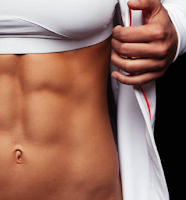
These are the kind of abs, you will see on products with T2 and/or T2 and other alleged fat-burners. Don't be fooled by the ads - even if it's the actually active form of diiodothyronine (T2), namely 3,5-T2, you're buying, the pills alone won't get you to the sub-10% body fat range you  may be dreaming of.
I've written about the thyroid hormone metabolite diiodothyronine aka T2 before. Accordingly, you will probably know that it has long been thought of as an inactive byproduct of the thyroid hormone metabolism (read previous T2-articles). You will also be aware of the fact that research shows that (a) this is not the case and that (b) only one of its two forms, namely 3,5-diiodothyronine (3,5-T2) shares the fat burning, metabolic effects of its big brother triiodothyronine aka T3.

Just like me, you probably don't know, however, why supplement companies are still stupid enough to use both 3,5- and 3,3-diiodothyronine in their allegedly fat burning supplements - "stupid", because we already knew it has no effect and even more stupid, since a recent study from the Universidade de São Paulo and the Houston Methodist Research Institute has shown that it will, in total contrast to 3,5-T2, of which the latest research by da Silva Teixeira et al. shows that it will reduce the blood glucose levels independently of insulin sensitization, impair the metabolism of glucose.
Want help losing body fat, try coffee or caffeine - Frequent Side Effects = Improved Health ;-)

For Caffeine, Timing Matters! 45 Min or More?

Intraworkout Caffeine = Useful or Bogus?

Three Cups of Coffee Keep Insulin At Bay

Caffeine's Effect on Testosterone, Estrogen & SHBG

The Coffee³ Ad- vantage: Fat loss, Appetite & Mood

Caffeine Resis- tance - Does It Even Exist?
Yes, you read that right: While 3,5-T2 burns fat (especially in the liver) and increases your metabolism, its cousin 3,3-T2 will do nothing for your BMR/RMR + glucose and fatty acid metabolism and can, on top of that, even impair your glucose metabolism and, as the data in Figure 1 shows, increase the amount of liver fat and food intake.
Figure 1: Effects of T3 (DT3 at 0.75 mg/kg), 3,5-T2 (D3,5-T2 at 1.25 and 12.5 mg/kg) and 3,3 T2 (D3,3-T2 at 1,25 mg/kg) on (A) body weight trajectory, (B) body fat (%), lean mass (%), (D) body temperature, (E) food intake, (F) liver fat, (G) heart weight & (H) TSH of diet-induced obese mice (da Silva Teixeira. 2016).
I guess this negative effect on your glucose metabolism alone should be reason enough to avoid supplements with the commonly used combination of 3,3- and 3,5-T2.
In man, there's a J-shaped correlation between blood glucose 3,5-T2 in (open boxes: all subjects; closed boxes: euthyroid patients), but no significant correlation with waist circumference (a proxy of visceral fat) and subcutaneous fat according to Pietzner et al. (2015).
What dosages are we talking about? Unfortunately, the study at hand provides no guideline as to how much of this thyroid metabolite is actually necessary to boost your overall, fat and glucose metabolism, because the regular way to calculate human equivalent doses (HED | learn how to do it) seems to be way off when we talk about thyroid hormones. Humans appear to need much lower doses of exogenous thyroid hormones to see the same effects as rodents; and the dose regimen that delivered the most significant effect in the study at hand would translate to hilariously high doses of 3,5-T2 - doses you can luckily (?) never get out of any of the T2-supplements on the market).

Plus: The fact that a 2015 study by Pietzner et al. suggests that, in healthy euthyroid human beings, there's a J-shaped correlation of circulating 3,5-T2 levels and glucose (p >> 0.05 for insulin, waist, and subc. fat) with the latter being more or less constant until a certain optimal 3,5-T2 level is achieved and the fasting glucose levels "explode" (see Figure to the left).
After all, you can only hope for the 3,5-T2 the Brazilian scientists who have been dabbling with diiodothyronines in previous studies, already, to counter the ill effects of 3,3-diiodothyronine (3,3-T2).
Figure 2: (A) Fasting blood glucose, (B) glucose response during glucose tolerance test and (B) insulin levels in diet-induced obese mice according to treatment (da Silva Teixeira. 2016).
What's more, no supplement company can give you a guarantee that the 3,5-T3 in their products will fully counter the ill effects of 3,3-T2 on liver fat, the response to glucose tolerance tests, and the increased levels of insulin and appetite you can see in Figure 2 (and Figure 1, respectively) - no matter, how large the words "synergy" or "synergistically" are plastered all over the supplement bottle.
Read before using T2-products: "High-Dose 3,5-Diiodo-L-Thyronine (T2) Has Similar Side Effects as Regular Thyroid Hormones: Natural Thyroid Hormone Production ↓, Myocardial Stress ↑, Heart Weight ↑" | more.
So what's the verdict then: If you have understood that neither form of T2 is free of side effects (see "High-Dose 3,5-T2 Has Similar Sides as Regular Thyroid Hormones" | read it) and still want to use a T2-product, you better make sure it contains only the actually active 3,5-diiodothyronine (3,5-T2) and no 3,3-diiodothyronine) stupid supplement producers have put into the product to be able to claim that they would thus make sure to keep the side-effects at bay.

With a 3,5-T2 product you could at least hope for (a) weight loss / the prevention of weight gain, (b) fat loss and thus increases in relative lean mass, and, as the study at hand demonstrates (c) reduced liver fat and improved glucose tolerance and fasting glucose as well as insulin levels... all that, however, requires the product to be high-dosed - probably higher than the average fat burner you can buy at your favorite supplement shop (see red box for more information on the dosing regimen) | Comment!.
References:
  • Pietzner, Maik, et al. "Translating pharmacological findings from hypothyroid rodents to euthyroid humans: is there a functional role of endogenous 3, 5-T2?." Thyroid 25.2 (2015): 188-197.

Monday, April 20, 2015

BroScience Research: "What do Bros Say About AAS Use and the Prevention of Shut Down & Infertility?"

Are today's "muscle men" not going to be able to procreate?
If you are frequenting any of the popular fitness and bodybuilding bulletin boards, you will know that "broscience" is a mixture of anecdotal evidence and hilarious claims that is spiked with cherry picked scientific references.

Against that background it may sound funny that researchers from the New Castle Fertility Center devoted a complete study to the analysis of drugs and protocols highlighted by the online community of users for prevention and/or mitigation of adverse effects of steroid use. If you think about it, however, it's only logical that doctors will be better able to help their patients if they understand what brought them in a situation in which they have to see a doctor at a fertility clinic.
Resistance training is the only powerful muscle builders with positive health effects!

Tri- or Multi-Set Training for Body Recomp.?

Alternating Squat & Blood Pressure - Productive?

Pre-Exhaustion Exhausts Your Growth Potential

Full ROM ➯ Full Gains - Form Counts!

Battle the Rope to Get Ripped & Strong

Study Indicates Cut the Volume Make the Gains!
With the ever-increasing lifetime prevalence of AAS use in men being currently estimated to be between 3 0 and 4 2% (de Souza. 2011), it is after all not unlikely that many of the future patients of fertility clinics all over the world may suffer from the long-term consequences of AAS abuse - regardless of whether they belong to those 50% of AAS userswho tell their doctor about their stroid history or not (cf. Pope. 2004). This mistrust does not exist by chance, though. As Karavalos et al. (2015) point out in the paper at hand,
"[...] mainstream academic endocrinology rather lost credibility with the ‘performance-enhancement community’ in the 1980s and 1990s, by persisting overlong in (a) doubting whether further enhancement of athletic performance could be achieved through raising serum T levels above the physiological reference range and (b) questioning whether any therapeutic separation of androgenic and anabolic actions was achievable, due to the single androgen receptor (cf. Pope. 2004)" (Karavalos. 2014).
And let's be honest. Someone who actually believes that superphysiological doses of AAS were not performance enhancing might actually learn something something from the broscientific expertise of his clients... well, as long as he is willing to listen to what they have to say.
Figure 1: Illustration summarizing the keywords (left) the scientists used to select the top 20 websites, blogs and forums (right) they researched for information on the use of AAS and means to prevent side-effects (Karavalos. 2015).
As previously mentioned, Karavalos, Reynolds, Panagiotopoulou, McEleny, Scally an Quinton, the authors of the paper at hand were  willing to listen. They used Google, the most popular online search engine (Search Engine Watch, 2012), along with the search terms listed in Figure 1 to identify Internet sites related to methods and substances used to counteract the symptoms of hypogonadism secondary to exogenous steroid use and selected the top twenty links generated by their search (Figure 1) and navigated through them to obtain details of
  • the methods and substances advised to counteract the side effect of hypogonadism and
  • the quality of medical information and advice provided online
Unsurprisingly, the best, i.e. most relevant not "best" as in medially correct, results were yielded by utilizing the terminology the AAS users commonly use, such as ‘postcycle therapy’, ‘stacking’ or ‘steroid recovery’.
3g Taurine Improve Post-Workout Glycogen Resynthesis, Protect the Testes of Doping Sinners & Battles Alzheimer's. Makes You Wonder Why It's Not on the Bros' List, Right? Learn more!
"We found that online discussions and advertisements concerning agents that can be used to combat the side effect of hypogonadism are very common. There was a mixture of information available from online communities (forums), AAS user blogs and from websites attempting to sell products such as anabolic steroids and substances directly related to hypogonadal recovery. Roughly one-third of the Internet sites we reviewed also offered to sell these drugs without prescription. Information was also available from official public health websites, such as the Welsh government funded and image-enhancing drugs website (SIED Sinfo.co.uk). The later provided risk reduction advice by provid ing information on safe injection practices" (Karavolos. 2014)
As I already hinted at in the introduction the information on forums consisted of anecdotal reports and advice from unverifiable sources (some claiming to be medically qualified). These sources referenced mainstream scientific papers and abstracts on the issues discussed.
"However, there were clear flaws to this superficially ‘evidence-based approach’. The papers quoted were of only limited generalizability to AAS users, ASIH, or to the argument proposed by the ‘expert’. Equally most users were unable or unwilling to progress beyond subscription paywalls, leaving them to draw conclusions from the abstracts or the ‘expert opinion’ alone" (Karavolos. 2014).
The most commonly named drugs and supplements to bring back normal endocrine and liver function were clomid or nolva, toremifene, and raloxifene, various AIs (anastrozole, letrozole and exemestane) as well as stacks consisting of milk thistle blended with a multitude of ingredients, such as vitamins (notably vitamin D), minerals (most often zinc), amino acids, herbal extracts and compounds such as L-carnitine. While the effects on the HPTA were discussed in detail, potential long-term effects on spermatogenesis were largely ignored. In fact,
Natural Hormone Optimization Made Simple & Cheap: Avoid These 10 Anti-Androgens | more
"[...] discussions often lead to misunderstanding the pathophysiology of spermatogenesis and its impairment, leaving users to believe that return to normal serum testosterone levels translated to normal spermatogenesis.

In most discussions, men seemed to equate regaining endogenous steroid production to normal fertility, ignoring long-term effects on quality of sperm, such as poor morphology and motility, which might potentially be irreversible." (Karavolos. 2014).
The problem with this assumption is that normal spermatogenesis is associated with intratesticular T levels some 30-fold higher than serum T levels. Exogenous administration cannot deliver anything remotely approaching this requisite T concentration within the seminiferous tubules; indeed, it will tend to markedly reduce it by suppressing endogenous LH-mediated T secretion.
It is hard to predict how long the natural T production will be suppressed: Aside from the drugs that were used and the duration, age appears to be an important factor, with younger users recovering significantly faster than older ones (Moretti. 2007).
Of the treatments mentioned on the boards, only two have some degree of scientific backup, albeit not exactly in form of reliable long(er)-term studies on former steroid users:
  • Figure 2: A meta-analysis of the use of  oestrogen antagonists (clomiphene or tamoxifen) as medical empiric therapy for idiopathic male infertility shows significant increases (∆ in %) in pregnancy rates, sperm concentration and motility as well as the "sperm production trigger" FSH in response to treatment (Chua. 2013).
    HCG, which has been successfully used for the treatment of T deficiency and/or induction of spermatogenesis in gonadotrophin-deficient adults (typically with concomitant FSH therapy in the latter role) and in treating hypogonadotrophic pubertal delay (Liu. 2002), and
  • SERMs such as clomiphene, tamoxifen and raloxifene which have long been used off-label for the treatment of male gynaecomastia and infertility, for which studies show highly variable success rates ad most promising data for clomiphene or tamoxifen in the treatment of idiopathic male infertility (Chua. 2013). How many of the subjects in the studies were infertile due to AAS (ab-)use is unknown, but in view of the low number of AAS users who speak openly about their steroid history, the rate could be high.
For disclosed steroid induced infertility there are yet only case reports available that suggest that either of these agents is an effective method to restore fertility in former AAS users. Strong evidence for the use of aromatase inhibitors (AIs) is absent.
In theory, SARMs may build muscle without any of the ill side effects of androgens, but their effects on fertiltiy as well as their long-term safety has not yet been studied sufficiently. Keep that in mind when you read my recent overview of the literature here and if you are seriously considering their use.
Bottom line: The study at hand confirms that most of the information you will find about the use of AAS on the Internet generates the false impression that "AAS use is safe with manageable adverse effects." This is in part due to the non-awareness of potentially long-lasting anti-fertility effects that may persist, for months if not years even if the normal HPTA function is restored.

Karavolos et al.'s comparison of bro- and pro-science does yet also reveal that not all the advise you can find "on the boards" is total bogus. The use of SERMs and HCG, for example, appears to be a still unproven, but at least promising strategy to normalize both, the production of testosterone and sperm after an AAS cycle. Still, far more research is necessary before we would be able to quantify the risk of long-lasting negative effects of AAS use on the endocrine axis and, even more so, on sperm production and function | Comment on Facebook!
References:
  • Chua, M. E., et al. "Revisiting oestrogen antagonists (clomiphene or tamoxifen) as medical empiric therapy for idiopathic male infertility: a meta‐analysis." Andrology 1.5 (2013): 749-757.
  • de Souza, Guilherme Leme, and Jorge Hallak. "Anabolic steroids and male infertility: a comprehensive review." BJU international 108.11 (2011): 1860-1865.
  • Karavolos, Stamatios, et al. "Male central hypogonadism secondary to exogenous androgens: a review of the drugs and protocols highlighted by the online community of users for prevention and/or mitigation of adverse effects." Clinical endocrinology (2014).
  • Liu, Peter Y., et al. "Predicting pregnancy and spermatogenesis by survival analysis during gonadotrophin treatment of gonadotrophin-deficient infertile men." Human Reproduction 17.3 (2002): 625-633.
  • Moretti, E., et al. "Structural sperm and aneuploidies studies in a case of spermatogenesis recovery after the use of androgenic anabolic steroids." Journal of assisted reproduction and genetics 24.5 (2007): 195-198.
  • Pope, Harrison G., et al. "Anabolic steroid users’ attitudes towards physicians." Addiction 99.9 (2004): 1189-1194.

Tuesday, December 17, 2013

Sucralose, Carcinogen or Sweet Relief? Part III: DNA Breaks + Drug & Hormone Interactions | Sucralose, White Death?

Fearmongering fake, or true biohazard. This is the life-or-death- question this last installment of the sucralose trilogy will have to answer.
It's time for the third and last installment of the SuppVersity sucralose review trilogy. Looking back at the list of issues in the first installment of this series, it appears as if the one thing that was still left to discuss are the mutagenic, pro-carcinogenic and tissue damaging effects of sucralose and its potentially endocrine disrupting metabolic / thermic byproducts. It goes without saying that the previously discussed and largely rebutted effects on blood glucose management, body weight gain and even the balance of your gut microbiome would be hardly significant, if today's analysis confirms that the use of Splenda© & Co was linked to direct mutagenic, carcinogenic or general toxic effects.

Put your hazard suits on, folks!

It's obvious that I got carried away by my imagination, when I wrote this subheading, but if the same wasn't true for the author of the repeatedly cited press release, many of us are about to suffer the consequences of the potential unsafety of the hitherto unknown sucralose metabolites in our guts, pretty soon.
This is part III of a multi-part series:

Sucralose, insulin, glucose, GLP-1

Appetite, Obesity & Gut Health

Cancer, Drug & Hormone Interact.
I know that Mark Sisson likes to says this, but this website is not written by a machine, but by a man who has the same "short" 24h days you have... basically, what I am trying to say is that I had to split this review of the review into a "trilogy" - and be honest, you wouldn't want an article thrice as long as this one, would you?
In fact, you don't even have to go searching the databases for hours to find evidence that would support the claim that some of these metabolits that supposedly arise, while sucralose passes through our digestive tract (hitherto we have only highly debated evidence from rodent studies that there are any metabolits at all, by the way) could be pretty nasty bastards. In their 2008 paper, Abou-Donia et al. (2008), whose rodent study is still the only one to support the claim that the consumption of sucralose (HED 42mg/day or more over 3 months) will lead to a "reduction in the number and balance of beneficial bacteria in the gastrointestinal tract" (quote from press release; learn more), cite a study, for example, in which Sasaki et al. (2002) confirmed that sucralose exerts genotoxic effects. This does not mean that the DNA breaks / changes the researchers observed lead to the development of cancer, but the in vivo comet essay the researchers used, is generally considered a very reliable indicator of the genotoxicity of the tested compound in a particular body part (Brendler-Schwaab. 2005).
Believe it or not, but aspartame is one out of three sweeteners Sasaki et al. tested that are not genotoxic | more about aspartame
It's not just sucralose: I guess it's only fair, if I point out that Sasaki's study showed that sodium cyclamate, saccharin, sodium saccharin, likewise artificial sweeteners, caused DNA damage to various organs, as well. The dosage that was necessary to trigger these effects was yet unrealistically high: 2000mg/kg for sucralose and sodium cyclamate, 1000mg/kg for saccharin and sodium saccharin - for humans that would be 26g and 13g of pure sweetener every day! Ah, before I forget to mention that: Acesulfame-K, aspartame and stevia were also tested and found to be benign.
The absence of direct evidence of real-world negative effects, the insignificance of the long-demonstrated weak muatgenicity in the mouse lymphoma mutation assay, both, the WHO and the FDA have confirm ed in independent reports (WHO, 1989; U.S. FDA, 1998), is thus probably the reason the compound has still been approved as a food additive in 1991 - initially in Canada and Australia, then in the rest of the federally regulated world (Canada & Australia, 1993; New Zealand, 1996; US, 1998; EU, 2004). Today, the sales in sucralose alone account for 27.9% of the $1.146 billion global highpotency sweetener market (Leatherhead Food Research, 2011). No wonder, after all, sucralose is utilized in thousands of food, beverage, and pharmaceutical products in North America, Latin America, Europe, the Middle East, and the Asia-Pacific region (Schiffman. 2013).

So what does the (almost) "real-world" evidence say?

It's unquestionably debatable whether this was a good idea or a tragic mistake, but without corresponding "real-world" assays from longer-term rodent studies, the damage that occurs in response to the DNA breaks that have been observed in in-vitro studies may well be so small that the DNA repair machinery that operates in our bodies 24/7 can fix it easily. In this case, our coroners would probably find a similar increase in non-neoplastic findings (=non-cancerous, often minimal tissue growth, where it does not belong), as they were reported by Mann et al. (see list below the red box) in a combined chronic toxicity/carcinogenicity study of sucralose in Sprague–Dawley rats and a carcinogenicity study of sucralose in mice (Mann. 2000a, 2000b). Direct evidence for the development of cancer and/or the potential epigenetic changes is yet, as Schiffman & Rother have to concede, simply not available.
Don't bake your arginine-containing anti-diabetes cookies with sucralose
Sucralose + heat - a potentially hazardous combination: Contrary to often cited claims by Barnd & Jackson (1990) or Miller, et al. (1999), there is more recent evidence that suggest sucralose is not heat stable (Jahn & Yaylayan. 2010; Schiffman. 2012; Schiffman and Abou-Donia. 2012). According to these more recent papers ther are a whole host of thermal degradation products in cookies. Whether these byproducts pose a health risk is however not know for most of them. Only the chloropropanols that form when the reaction occurs in the presence of gylcerol (Rahn. 2010), are well-known genotoxic, carcinogenic, and tumorigenic compounds (Biles. 1983; Cho. 2008; Tritscher. 2004; SCF. 2001; WHO, 2002).
Quite the contrary, if you look at the literature as a whole, there is plenty of data that would support the decision of the Australian, US and EU to approve sucralose as a food additive, e.g.:
  • No toxic effects even with 3% of total dietary intake in Sprague–Dawley rats; all non-neoplastic findings that occurred were of no toxicological significance and are part of the regular aging process of this strain of rats (Mann. 2000a)
  • No positive results in in vivo chromosome aberration test in rats and two separate micronucleus tests in mice with doses of up to 2,000mg/kg for 5 days (Brusick. 2010)
  • No effect on organ and general development, when fed to pregnant rats and rabbits in HEDs of up to 26g (rats) and 9g, respectively (Kille. 2000)
I don't want to discard the existing evidence Schiffman et al. cite in favor of their "sucralose is the devil" hypothesis, but results of the vast majority of these studies can hardly be considered relevant with respect to the question whether the comparatively small amount of sucralose that may be present in your foods, supplements or whatever you may be sweetening with sucralose is going to harm you or your DNA:
  • The death of one out of 10 mice in a study by Finn and Lord that occured in response to the ingestion of the human equivalent of 1g/day of sucralse can hardly be considered conclusive evidence in favor of the "sucralose is poison hypothesis (Finn. 2000).
  • The effects Mann et al. describe in a study where 3%-5% of the chow was pure sucralose is devoid of any relevance for our question (Mann. 2000a; Goldsmith. 2000). The same goes for the numerous studies where the lab animals received sucralose in amounts of >500mg/kg body weight (e.g. Finn. 2000; Kille. 2000). For a human being that would be more than 6.5g/day - and that's only if the lab animal was a rodent. For larger animals it would be even more.
Now, you can always argue that the negative studies just weren't long enough to elicit similar effects at lower dosages or, if you prefer that, work yourself up into a lather about the fact that (conspiracy-)theoretical, all the benficial studies could have been openly funded or secretly supported by people / companies with a vested monetary interest in positive safety data. In fact, the existence of a review of the safety of Splenda the lead author of which works for McNeil Nutritionals, LLC, who market Splenda for Johnson & Johnson (Grotz. 2009), or a "expert panel" review you will read about later in this article actually support that this may be the case, the same can unfortunately be said of almost every food additive - including stevia, by the way.

Let's get on to potential endocrine effects

In view of the fact that it is pointless to speculate about the validity of the data from the positive studies in the foregoing list, I want to turn to another, the final and as we are going to see not necessarily more "productive" topic of this third and last installment of my sucralose review trilogy: The endocrine effects.
Due to sucralose not just vegans (more) may be at risk of low B12
Sucralose + Vitamin B12: This is not exactly an endocrine effect, but in the end it could become one, when large enough quantities of cobalamine, aka "vitamin B12" react with sucralose in the liver, vitamin B12 deficiency could be a potential side effect. Aside from the in-vitro evidence Motwani et al. present in their 2011 paper in Food and Chemical Toxicology, there is yet no evidence that would suggest that this is actually happening, let alone to an extent that would leave you B12 deficient like a vegan ;-)
In that, I am using the word "endocrine" in its most general sense, which denotes anything that is produced or directly triggered by an organ and has influence on other organs / tissues or the whole body. The sucralose induced changes in the expression of enzymes from the P450 cytochrome cascade that are responsible for the interconversion / metabolism of all sorts of molecules, including hormones and medications would be one example for such effects.

To this ends we have to go back to the previously cited study by Abou-Donia et al. (2008), of which I did not tell you in the last installment of this series that it has (obviously) been under heavy attack by toxicology experts who do not necessarily doubt the validity of the study data Abou-Donia et al. present, but claim that their interpretation was irresponsible.
A brief note on the criticism of the Abou-Donia study: As you'd expect it's no coincidence that  the corresponding paper carries the phrase "expert panel" in it's title. It was after all written and published on request of McNeil Nutritionals, a marketer of retail products that contain the non-nutritive sweetener, sucralose, who paid the "panel of experts" to do a "independent and rigorous review of the 2008 study by Abou-Donia et al." (Brusick. 2009)
I won't discuss all the objections the "expert panel" proffers. Not because I think that their general objections against hasty conclusions with respect to unwanted negative health effects weren't justified, but rather because I want to get back to Schiffner's & Rother's review, where you'll find the following comment about the CYP-modifiying effects Abou-Donia et al. observed and Brusick et al.'s criticism:
"The results in Table 1 [identical copy on the right] indicate that the magnitude of elevation for both CYP3A and CYP2D expression increased in a linear, dose-dependent manner as the dosage of sucralose increased from 3.3 to 5.5 to 11 mg/kg/d.

This finding of significant and parallel increases in expression of two different CYP enzymes does not support the claim made by Brusick et al. (2009) that increases in CYP from sucralose ingestion were only normal biological variations."(Schiffman. 2013)
In other words: Coincidental increases in CYP activity would not 'coincidentally' be dose-dependent, as well. If we also remind ourselves of the fact that the human equivalent doses of said 3.3, 5.5 and 11mg/kg sucralose would be (only) 43mg, 71mg and 143mg it is self-evident that we cannot simply ignore the acute and persistent increases in intestinal P-gp, CYP3A, and CYP2D (in humans this is CYP2D6; cf. Laurenzana. 1995) in the jejunum and ileum of About-Donia's hairy subjects.

The obvious question, now, is: Does this even matter?

I mean, changes in the expression of some cryptic enzymes in the gut - who cares? After taking a look a the list of substrates that are enzymatically processed by CYP3A, alone, even the small 44% increase that occured in response to the rodent equivalent of 43mg appears relevant.

Figure 1: Important supplement drug interactions | learn more
On this list are some immunosuppressants, many chemotherapeutics including tamoxifen and anastrazole, which are popular with athletes who use PEDs. There are SSRIs, like citalopram, norfluoxetine, sertraline, other anti-depressants like mirtazapine, or buspirone, the whole list of anti-psychotics, opoids and many analgesics, benzodiazepines, statins like atorvastatin, lovostatin and simvastatin, calcium channel blockers, anti-histamins and even viagra and Co (PDE-5 inhibitors). And even our good old caffeine is on the list of CYP3A4 substrates, on which you'll also find estrogen, testosterone, progesterone, finasteride and torimifene. It's thus not just that your chemotherapy may fail, your depression may return, you may run havoc, hurt all over, increase your cholesterol levels, get high blood pressure, have life-threatening allergic reactions, because your meds are not working properly no (!), even worse caffeine may stop working ;-)

Unlike the increase in CYP2D6 that simply adds to the sucralose ↔ drug interactions, the corresponding increase in P-gp activity and thus the transport of chemicals from gut cells (enterocytes), back into the intestinal lumen could affect the absorption of an even wider range of both wanted and unwanted chemicals / xenobiotics with a hydrophobic and amphiphilic structure.

The net result of the increases in CYP and pGP activity is thus a significant decrease in the concentration of a xenobiotic compound on its way from the gastro-intestinal tract to the liver. Whether this amplified "first pass effect" would actually have physiologically relevant consequences in human beings is yet something we cannot tell without somebody paying for the costly research.

To complicate things, we must not ignore the possibility that "[...t]he rise in CYP expression reported by Abou-Donia et al. (2008) may result from 'autoinduction', by which sucralose enhances it own metabolism." It would thus be a second St. John’s wort, which will also increase its own metabolism by the activation of P-gp and CYP. For Hypericum perforatum extracts, which are often used as mild anti-depressants, we do already know that it affects the metabolism of an endless list of drugs and herbal supplements, and can reduce the levels of 5-alpha reduced androgens like DHT (estrogen and testosterone appear not to be influenced, though; cf. Donovan. 2005).
So what about toxicity and endocrine disruption? If we discard the potential interference with drugs and consequent "St. John's Wort"-esque side effects, I would say that the dosages that are necessary to actively induce more or less insignificant DNA damage in rodent studies, as well as the absence of any evidence of toxic effects from one of the historical single-dose or short-term sucralose studies in humans (Mezitis. 1996; Baird. 2000) make it appear very improbable that the habitual, but reasonable use of sucralose could have toxic or carcinogenic effects.

Remember the Science Round-Up from March? The safety of  stevia, is not beyond doubt either | more
The "benefit of the doubt" is yet no acquittal, it is only my assessment of the reasoning Schiffman & Rother provide in their paper, the relevant parts of which are all based on mere hypothesis, e.g. the "IBD ↔ sucralose"-hypothesis by Qin et al. (2011, 2012), or the "there may arise different more toxic sucralose metabolites in the human vs. rat digestion tract"-hypothesis by Goldsmith (2000) and Mann (2000a) and/or rely on data from the highly disputed Abou-Donia study, the most significant result of which are (imho) still the pronounced changes in the gut microbiome (read more in the last episode of this three part series).

At the moment, it does yet still look as if you were on the "safer" side if you prefer stevia sweetened products, although I honestly have my doubts that we wouldn't observe similar effects in mice, rats and all sorts lab critters, if 5%+ of their diet was pure stevia. The dosage makes the poison, you better remember that.
References:
  • Abou-Donia, M. B., El-Masry, E. M., Abdel-Rahman, A. A., McLendon, R. E., & Schiffman, S. S. (2008). Splenda alters gut microflora and increases intestinal p-glycoprotein and cytochrome p-450 in male rats. Journal of Toxicology and Environmental Health, Part A, 71(21), 1415-1429.
  • Brendler-Schwaab, S., Hartmann, A., Pfuhler, S., & Speit, G. (2005). The in vivo comet assay: use and status in genotoxicity testing. Mutagenesis, 20(4), 245-254.
  • Brusick, D., Grotz, V. L., Slesinski, R., Kruger, C. L., & Hayes, A. W. (2010). The absence of genotoxicity of sucralose. Food and Chemical Toxicology, 48(11), 3067-3072. 
  • Brusick, D., Borzelleca, J. F., Gallo, M., Williams, G., Kille, J., Wallace Hayes, A., ... & Burks, W. (2009). Expert panel report on a study of Splenda in male rats. Regulatory Toxicology and Pharmacology, 55(1), 6-12.
  • Biles, R. W., & Piper, C. E. (1983). Mutagenicity of chloropropanol in a genetic screening battery. Fundamental and Applied Toxicology, 3(1), 27-33.
  • Cho, W. S., Han, B. S., Lee, H., Kim, C., Nam, K. T., Park, K., ... & Jang, D. D. (2008). Subchronic toxicity study of 3-monochloropropane-1, 2-diol administered by drinking water to B6C3F1 mice. Food and Chemical Toxicology, 46(5), 1666-1673.
  • Finn, J. P., & Lord, G. H. (2000). Neurotoxicity studies on sucralose and its hydrolysis products with special reference to histopathologic and ultrastructural changes. Food and chemical toxicology, 38, 7-17.
  • Goldsmith, L. A. (2000). Acute and subchronic toxicity of sucralose. Food and chemical toxicology, 38, 53-69.
  • Grotz, V. L., & Munro, I. C. (2009). An overview of the safety of sucralose. Regulatory toxicology and pharmacology, 55(1), 1-5.
  • Motwani, H. V., Qiu, S., Golding, B. T., Kylin, H., & Törnqvist, M. (2011). Cob (I) alamin reacts with sucralose to afford an alkylcobalamin: Relevance to in vivo cobalamin and sucralose interaction. Food and Chemical Toxicology, 49(4), 750-757.
  • Kille, J. W., Tesh, J. M., McAnulty, P. A., Ross, F. W., Willoughby, C. R., Bailey, G. P., ... & Tesh, S. A. (2000). Sucralose: assessment of teratogenic potential in the rat and the rabbit. Food and chemical toxicology, 38, 43-52.
  • Laurenzana, E. M., Sorrels, S. L., & Owens, S. M. (1995). Antipeptide antibodies targeted against specific regions of rat CYP2D1 and human CYP2D6. Drug metabolism and disposition, 23(2), 271-278.
  • Leatherhead Food Research. (2011). The global food additives market, 5th ed., September.
    Leatherhead, Surrey, UK: Leatherhead.
  • Mann, S. W., Yuschak, M. M., Amyes, S. J. G., Aughton, P., & Finn, J. P. (2000a). A combined chronic toxicity/carcinogenicity study of sucralose in Sprague–Dawley rats. Food and chemical toxicology, 38, 71-89.
  • Mann, S. W., Yuschak, M. M., Amyes, S. J. G., Aughton, P., & Finn, J. P. (2000b). A carcinogenicity study of sucralose in the CD-1 mouse. Food and chemical toxicology, 38, 91-97.
  • Rahn, A., & Yaylayan, V. A. (2010). Thermal degradation of sucralose and its potential in generating chloropropanols in the presence of glycerol. Food Chemistry, 118(1), 56-61.
  • Sasaki, Y. F., Kawaguchi, S., Kamaya, A., Ohshita, M., Kabasawa, K., Iwama, K., ... & Tsuda, S. (2002). The comet assay with 8 mouse organs: results with 39 currently used food additives. Mutation Research/Genetic Toxicology and Environmental Mutagenesis, 519(1), 103-119. 
  • Scientific Committee on Food. (2001). Opinion of the Scientific Committee on Food
    on 3-monochloro-propane-1,2-diol (3-MCPD). European Commission, Health and
    Consumer Protection Directorate-General. http://ec.europa.eu/food/fs/sc/scf/out91_en.
    pdf (accessed December 14, 2013)
  • Tritscher, A. M. (2004). Human health risk assessment of processing-related compounds in food. Toxicology letters, 149(1), 177-186.
  • World Health Organization. (2002). 3-Chloro-1,2-propanediol. In Safety evaluation of certain food additives and contaminants. WHO Food Additives Series 48. http:// www.inchem.org/documents/jecfa/jecmono/ v48je18.htm (accessed December 14, 2013).

Sunday, June 9, 2013

Caffeine - 3mg, 6mg or 9mg/kg? What's the Optimal Dosage for Lifting & HIT Cycling and What About the Side Effects?

Wouldn't a single 200mg caffeine be enough to elicit the desired ergogenic effects without side effect like increased urination, headaches and muscle aches on the day after?
Caffeine is not only the world's #1 it is probably also the most (ab-)used ergogenic on the planet and whatever you may think about the longterm consequences of its use, there is not debating that it is part of those few "supplements" that actually work "no hype, no *bs*" ;-)

That being said, you may have noticed with yourself that its effect are dose dependent, but not linearly and that some things, such as an increase in mental focus at work require much lower doses of C8H10N4O2 aka 1,3,7-trimethyl-1H-purine-2,6(3H,7H)-dione or 3,7-dihydro-1,3,7-trimethyl-1H-purine-2,6-dione than the elucidation of a major buzz before an intense strength workout.

So what's the perfect dose, then?

Without wanting to hurt your feelings, you may imagine that you are not the only one who has come to this realization. In fact, the very same thought must have occurred to Jesús G. Pallarés and his colleagues from the University of Castilla-La Mancha and the Spanish Antidoping Agency, as well. With a whole host of technological equipment and the money to conduct a study with thirteen highly resistance train men (age 21.9 ± 2.9; 76.5 ± 8.5 kg, height 172.7 ± 5.4 cm, body fat 12.4 ± 2.7), the Spanish scientists are yet in a much better position to elucidate where exactly these sweet spots would be.
Figure 1: Illustration of the procedure on the testing days (Pallarés. 2013)
To this ends, Pallarés et al. had their volunteers undergo a battery of muscle strength and power tests, namely a  free-weight fullsquat (SQ) and bench press (BP) exercises against  4 incremental loads (25%, 50%, 75% and 90% 1RM), as well as a test in which their cycling peak power output (PPO) was measured using a 4s inertial load test in a randomized in a double-blind, cross over design.

On the four separate testing days, the subjects ingested either a placebo supplement (PLAC) or, caffeine at dosages of ...
  • 3mg/kg body weight (CAFF3mg), 
  • 6mg/kg body weight (CAFF6mg) and
  • 9mg/kg body weight (CAFF9mg)
The day before and during the seven days that the experiment lasted, the subjects lived at the sports performance center where they slept and ate all meals. They all consumed a diet of 2800-3000 kcal·day/day that had a macronutrient make-up where 55% energy intake came from carbohydrates, 25% from fat and 20% from protein. The energy intake was evenly distributed across three meals each day (breakfast at 7:00 a.m., lunch at 13:30 p.m. and dinner at 20:00 p.m.). Subjects refrained from physical activity other than that required by the experimental trials, and withdrew from alcohol, tobacco and any kind of caffeine intake 10 days before testing and while the experiment lasted.

On the actual testing day some baseline measurements, such as height, body fat %, as well as blood and urine samples were taken (PRE). Afterwards the subjects consumed a standardized "breakfast" consisting of a 330 mL of fruit milkshake (168 kcal) and a pastry (456 kcal; total energy for both 624 kcal; 68 g of carbohydrates) along with the their individualized randomized caffeine dose (3, 6 or 9 mg/kg) or placebo in capsule form. After this "delicious" *lol* breakfast, the participants performed
"[...] a standardized warm-up that consisted of 10 min of jogging at 10 km/h and 10 min of static stretches and joint mobilization exercises, the subjects entered the laboratory to start the neuromuscular test battery assessments under a paced schedule (see figure 1).  These tests consisted of the measurement of bar displacement velocity and muscle power output against 4 incremental loads (25%, 50%, 75% and 90% of 1RM) for upper and lower body musculature (BP and SQ).  Those step measures allowed a continuous representation of the load-velocity and load-power curves to study the interaction between load and caffeine dose on neuromuscular performance.  Cycling peak power output (PPO) was assessed next using a nonfatiguing inertial load test of 4 s duration.  Subjects remained blinded to the results during the whole experiment. Instructions prior to lifting were standardized and always delivered by the same experimenter.
The whole procedure took about 60min and upon completion of the test battery a second  urine  and  blood  sample  was  collected  (POST). Moreover, all participants were required to fill out an obligatory questionnaire (QUEST+0h) that was aimed to address whether side-effects of caffeine were present during the trial.

Caffeine a side effect free ergogenic? Not exactly, no...

As some of you may know from their own lingering experience things that work, usually don't do that without side effects and the study at hand confirmed that this is no different for caffeine. Somewhat surprisingly, though the side effects the subjects who had refrained from caffeine intake for at least 10 days before the the first test, reported "very similar side effects" for the medium and high dose caffeine trials:
  • a limited increase in the sensations of tachycardia and heart palpitations,
  • self-reported urine output and gastrointestinal problems (8% of the subjects)
At the same time, the subject’s perception of performance and vigor increased 5 to 7 times above PLAC during the CAFF 3mg and CAFF6mg trials (38% and 54% of the subjects, respectively), which would appear to be well worth the minor problems.

Figure 2: Overview over the number of participants reporting side effects / perceived ergogenic effects (Pallarés. 2013)
In the course of the 9mg trial (remember: this was a bolus of 693mg caffeine for the average study participant) the men did yet report a "drastic increase" of side-effects (Table 1), of which the researchers consider the reported increase in the estimates of urine output and gastrointestinal problems (62% and 31%, respectively) to be most important. So important, in fact that it is questionable whether that was worth the increased perception of performance and vigor or activeness of 62% and 54%.

On the subsequent day, participants in the CAFF6mg trials were complaining of increased muscle soreness, headaches and an increase in the estimates of urine output in comparison to the PLAC and CAFF3mgtreatments. Sleep problems and persistently increased vigor occurred only in the  CAFF6mg an CAFF9mg trials with a much higher incidence (23-54% vs. 8% in the high vs. medium dose trial).

What Pallarés et al. find particularly noteworthy is that "23% of participants reported tachycardia and anxiety or nervousness, 38% with gastrointestinal problems and 54% with insomnia or sleep disturbances" (Pallarés. 2013). This is also the main reason that the researchers recommend "administering the minimal ergogenic dose". But what exactly is this dosage?

What delivers the most bang with the least side effects?

In order to answer this question we will have to take a closer look at the performance measures and compare the increases in mean propulsive velocity and muscle power, as well as the cycling PPO and the likelihood and severity of side effects for all four dosing regimen (see figure 3)
Figure 3: Propulsive velocity during bench presses (left) and propulsive power during bench presses and squats (right) in the placebo, 3mg, 6mg and 9mg trials (Pallarés. 2013)
As the data in figure 3 goes to show you, caffeine produced ergogenic effects at all dosages. With the heaviest weights, however, the propulsive velocity during bench presses and the squat power required the side-effect laden 9mg dose of caffeine to reach statistical significance. The same goes for the cycling peak power output (not shown).

Suggested read: "Coffee - The Good, The Bad & The Interesting: 2-4 Cups of Coffee for Adiponectin. Roasted Filtered Coffee & High LDL!? The Optimal Caffeine / Taurine Ratios & the Buzz ". Could taking taurine ameliorate w/out compromising the benefits of caffeine (read more)?
Bottom line: The study at hand is actually a good example of the myriad of cases, where statistical significance and the real world collide. Let's take another look at the results in figure 3 and the side effects in figure 2. Assuming that you have not whacked your adrenal gland to an extend that you don't respond to caffeine any longer (in that case you better stop taking it all along, anyway), there clearly is no reason to even remotely consider taking caffeine in dosages of more than 6mg/kg body weight before a workout (personally I have found that anything beyond 200-300mg will - in the long run do more harm than good for me, but I guess this really depends on the individual).

Aside from the subjective side-effects the latter has also been shown to have profoundly detrimental effects on the cortisol to testosterone ratio after a workout (cf. "Revisited: Caffeine's Dose-Dependent Effects on the Testosterone to Cortisol Response to Exercise"; read more)...

... and yes, I know that the relevance of this ratio in terms of the "productivity" of your workouts is highly questionable, the latter has been proven for a normal, non-stimulant based increase in cortisol / testosterone, not for the exorbitant increase in cortisol Beavan et al. observed in their 2008 study. If you add the detrimental down-stream effects of messed up sleep, and the obvious dehydration that follows the increased urination observed in the study at hand - overdosing may thus well turn the "proven ergogenic" caffeine into a highly ergolytic agent.

References:
  • Beaven CM, Hopkins WG, Hansen KT, Wood MR, Cronin JB, Lowe TE. Dose effect of caffeine on testosterone and cortisol responses to resistance exercise. Int J Sport Nutr Exerc Metab. 2008 Apr;18(2):131-41. 
  •  Pallarés JG, Fernández-Elías VE, Ortega JF, Muñoz G, Muñoz-Guerra J, Mora-Rodríguez R. Neuromuscular Responses to Incremental Caffeine Doses: Performance and Side Effects. Med Sci Sports Exerc. 2013 May 10.

Tuesday, December 6, 2011

Better Sip Your Beta Alanine: Decreased Urinary Excretion from Time Released Beta-Alanine Formula.

Image 1: Tabbing or cabbing, or just washing it down with some water - what is the best way to take your beta alanine?
If you have been following the supplement scene for quite some time now, you will probably remember headlines such as "Beta Alanine, the next creatine!"... well, the hype which was deliberately fueled by the supp-companies, who realized that the price umbrella on creatine was shriveling, has abated and yet, beta alanine and, of course, creatine are both still there. Compared to the number of studies on creatine monohodrate, which were and still are published on almost a monthly basis, the science on beta alanine and most importantly its mechanism of action is however pretty skinny. I am thus happy to share with you a few interesting findings from two recently published studies - one today, the other tomorrow ;-)

The more it tingles the less it works... !?

Despite the fact that I personally like the awkward feeling you get when you take tons of beta alanine, I have always suspected that the "tingling" sensation - whatever its underlying reasons may be - is a very unsatisfactory indicator of whether the supplement "works" or not. After all, there is no physiological reason why the intended recombination of beta alanine + histidine to carnosine and the storage of the latter inside of your muscle tissues would go hand in hand with a "pins and needles" kind of flush. I was thus not surprised to see that Jacques Décombaz and his collegues from the Nestlé Research Center in Lausanne, Switzerland were able to show that ingestion of a "time-released" beta alanine tablet (2x800mg) did not only lead to statistically significant reductions in paraesthesia, but did also reduce the urinary excretion of the carnosine precursor (Décombaz. 2011).
Figure 1: Beta alanine (BA) serum values in µmol/L in the 6h after ingestion of 1.6 g of BA in solution or as time-released tablet (2x800mg); small graph: area under the curve (data based on Décombaz. 2011)
As you can see in figure 1, the time-released formulation avoids the rapid increase in beta alanine serum levels (solution: Cmax=248.2µmol/L; tablet: Cmax=81.9) Décombaz et al. observed with a standard solution of 1.6g beta alanine (Carnosyn TM) in aequeous solution.
Figure 2: Urinary beta alanine excretion (in µmol) in 11 healthy volunteers 0-2h and 2-6h after ingestion of 1.6 g of BA in solution or as time-released tablet (2x800mg); small graph: degree of retention (in % of intake) calculated based on urinary excretion (data based on Décombaz. 2011)
And although the area under the serum BA curve may be slightly smaller (AUC; figure 1, right), a calculation based on the decreased 6h urinary excretion in the 11 healthy caucasian volunteers (5 women, 6 men) who consumed the time-released preparation (cf. figure 2) reveals that the tissue retention from the tablet formulation was still 2.6% greater. Within the given standard deviations of 0.9% (tablet) and 2.1% (solution), I would yet be very surprised if this would actually make a practical difference as far as the ergogenic effects of beta alanine are concerned.
Figure 3: Topography of b-alanine-induced sensations. Data shown are the maximal reported values of the body
surface sensitive score (directly from Décombaz. 2011)
Of greater practical relevance is thusly the data on the incidence of "side effects" (did I mention that I like the tingling ;-), which - as the cute graphic in figure 3 goes to show - were significantly ameliorated when the subjects ingested their beta alanine in form of the hydroxypropyl methylcellulose, stearic acid, magnesium stearate, and silicon dioxide containing tablet.

... and why does it tingle? We still don't know!

What I personally do yet find more interesting than the reductions in sensory "side effects" are the speculations the scientists make as far as the underlying physiological reasons for the occurrence of the "pins and needles" (this was the prevailing description of the symptoms the study participants used) are concerned:
There are at least five recognized receptor sites for bA and the mechanism responsible for the sensitization of nociceptive neurons has not been unequivocally clarified [...] candidates include (a) bA-activated strychnine-sensitive glycine receptor sites, in association with glutamate sensitive N-methyl-D-aspartate receptors in the brain and the central nervous system, and (b) the mas-related gene family of G protein-coupled receptors, in dorsal root ganglia neurons ending in the skin, which are triggered by interactions with specific ligands such as bA.
While option b) sounds relatively harmless, option a) and previous studies reporting profound modulatory effects on brain neurotransmitter levels (esp. serotonin, cf. Murakami. 2010) keep me wondering, if beta alanine does not have more (and potentially harmful) side-effects than the minor paraesthesia.

So, in essence, we still don't know what it is that causes this feeling some people like, most people ignore and a handful of people hate so much that the time released tablets may in fact provide an adequate (yet obviously more expensive) alternative to powders or caps to max out their carnosine stores while avoiding the inconvenient sensation of "pins and needles" punctuation their flesh.
Image 2: Time released beta alanine in its natural form
Dr. Andro's tip for outsmarting the supplement industry: The wise guy (or girl) you are you probably don't really need me to tell you that by just sprinkling your beta alanine over your food or sipping on it in the course of your workout (or your daily routine) you can make your own "time-released beta alanine formula". A formula, of which you could even say that it was "invented by nature itself"... after all, poultry is the richest source of dietary beta alanine, so if you are into the whole ancestral diet concept spicing up your chicken drumsticks with another 1g of bet alanine would be the "paleo way of time-released beta alanine supplementation" *rofl*
A pros pos maxing out carnosine stores. I suggest you come back tomorrow if you are interested in whether or not doing this is actually worth it. "Unclear", "possibly", "negligible", "likely beneficial", "likely harmful" and the rest of the vocabulary that is used in a recent study from the Department of Exercise and Sport Science at the University of North Carolina to evaluate the effects the scientists observed on acute exercise performance after 28 days of beta alanine supplementation does in any case not sound that enthusiastic.

Update: Click here for the second part of this beta alanine double-whammy.