Showing posts with label testicular dysfunction. Show all posts

Thursday, January 17, 2013

Oleic Acid Modulates Gut Bacteria and Induces Weight Loss on HFD Diet. Wondertoothpaste w/ 32 Herbals Promises Cancer Protection. 2% Cholesterol Diet Bad For the Testes.

While Adelfo did not have the time to write a whole update, he still send me some current progress pics, I am allowed to publish. I guess you would agree that the his "carboholism" has not done signficicant damage to his physique, won't you? If  you want to know more about his current workouts click here. For some info on his diet check out this post or simply go through all of his recent and not so recent guestgposts, here.
Just in case you have not already figured it out based on the longish, 3-item title title and the absence of a "Plus: Sneak Preview on the SuppVersity Science Round-Up" at the end: There is no SuppVersity Science Round-Up, today: When I emailed him yesterday to say that I would not make it in time to the show today, it turned out that Carl was just about to let me know that he would not be in the studio and we would be doing the next installment of the Science RoundUp next week - strange coincidence, right? Anyway, now you can blame whomever you want for not being able to listen to my catastrophic German accent today ;-)

That being said, I guess some of you may have thought that there would be an update from Adelfo Cerame Jr. today. Unfortunately, that's not the case either. What I have to offer today is nothing more, but also nothing less than two impressive progress pics of our common friend and a triplet of news that I had lying around here for you to educate yourself in Carl's and my radio and Adelfo's blog absence. Judged by the huge interest the "Saturated Fatty Acids Cause Post-Prandial Endotoxemia" post generated the other day, I suppose many of you will like the first one best. Don't fret about the rest, though, but take it as a generous giveaway ;-)

Oleic acid supplementation prevents obesity by modulating gut flora

With 60-80% olive oil is one of the best sources of oleic acid. And the additional polyphenols make it an even better choice as a staple of your diet (read more about the polyphenol content of regular and extra virgine olive oil, here at the SuppVersity); also don't forget macadamia oil, which has >60% oleic acid
(Mujico. 2013) Once again, we are back to Saturday's post on the influence of different fatty acids on the gut microbiome and and your health. Today, we are yet not talking about pigs and saturated fats, but about rats and oleic acid, a monounsaturated omega-9 fatty acid, which has - at least according to this recent study by scientists from Spain and Brazil the ability to prevent the formation of an obese phenotype in response to high fat feeding via its obviously beneficial effect on the composition of the gut bacteria.
"Consumption of a HFD induced changes in the faecal microbiota (an increase in all the tested groups of Firmicutes, as well as the order Enterobacteriales, and a decrease in Bifidobacterium spp. and the phylum Bacteroidetes), which were associated with the appearance of an obese phenotype.
Correlation analysis revealed that body weight correlated positively with the phylum Firmicutes and clostridial cluster XIVa, and negatively with the phylum Bacteroidetes. Supplementation of the HFD with S1 counteracted HFD-induced gut dysbiosis, together with an improvement in body weight." (Mujico. 2013).
In that supplement group 1 (S1) denotes the administration of an oleic acid-derived compound at 1500 mg/kg per day, which did - much contrary to supplement group 2 (S2), a fish oil based n-3 fatty acids (EPA and DHA, 3000 mg/kg per day) do an awesome job as far as the decrease in weight gain is concerned (see figure 2).
Figure 1: Bacterial composition of the feces at the end of the supplementation period (Mujico.2013).
Interestingly, the most notable change in the gut microbiome in response to oleic acid supplementation was an increase in bifidobacteria and bacteroidetes (as mentioned in the quotation above the latter was significantly correlated with the reduced obesity), the otherwise often hailed amount of lactobacilli, on the other hand, did increase only in the fish oil group and it did, as the data in figure 1 goes to show you not have any ameliorative effect on the weight. Moreover, the rodents who received the high fat diet in conjunction with the oleic acid had by far the highest count of total faecal bacteria.

Figure 2: Weight development of the pre-fattened rodents in week 0-7 of the supplementation phase (Mujico. 2013)
Bottom line: Now despite the fact that all that sounds great and more than promising, you should keep two things in mind: (a) you are (hopefully) not over-consuming a diet that's both high in fat and carbohydrates (which is the standard HFD in rodent experiments) and (b) it still remains to be seen if and to which degree results from a rodent model can be transferred into the human reality. Still, maybe the benefits of the Mediterranean which is per se high in oleic acid (way higher than it is in omega-3, by the way) are actually related to it's effects on the gut microbiome and not to it's direct effect on the fatty acid composition of either the blood lipids or the cell membranes as we have long been speculating.

Wondertoothpaste contains herbal overkill, is supposed to protect from oral cancer

(Chowdhury. 2013) If you are into "kitchen sink" approaches, you will probably love the toothpaste a group of scientist from the West Bengal University of Technology in India have just formulated. It does contain not one, not two and not three herbals, but alongside baking soda (teeth whitener), egg shell powder (calcium source), clove oil (sensitivity), glycerin (preservative), and other basic ingredients, but rather 32 ranging from popular and well-known stuff such as
    Choti elaichi (green cardamon) is - as exotic as it may sound actually still the most straight forward ingredient of the "kitchen sink" toothpaste. After all, it has a well established anti-microbial activity.
  • curcumin - as an anticarcinogen,
  • green tea - as free radical scavenger, and
  • echinacea - as an immune stimulant
to more exotic herbals such as
  • nayantara -as an anti-mitotic and anti-microtubule agent,
  • choti elaichi (green cardamon) - as a desinfectant for the oral cavity and
  • ajwain - usually used to prevent kidney stones, it's also supposed to have anti-cancer effects
I am not sure, whether I would be inclined to buy this toothpaste, but having the sentence "the toothpaste is theoretically as well as experimentally serve the basic properties of general toothpaste with an advantage of having the medicinal properties of 32herbs which makes it unique in its category" from the conclusion of the paper as a marketing argument would probably call peoples' attention. I mean, the kitchen sink, even caught mine ;-)

Excess dietary cholesterol is bad for your testes

Just to make sure you don't get scared hat all the healthy eggs you're eating would all of a sudden damage your testes. An egg has 0.4% cholesterol, so that it is 100% impossible to get the equivalent amount of cholesterol from eggs, even if you ate them all day. Plus, eggs have all your body needs to make best use of the cholesterol (learn more)
(Moustafa. 2012) --- While I would hope that most of you do know that all your hormones are eventually manufactured from  cholesterol and you would end up without any sex hormones, if you ate a cholesterol free diet and your body did not have the raw material it needs to manufacture its own cholesterol, a recent study from the Al-Azhar University in Cario, Egypt, clearly shows that having too much of it in your diet - in this case 2% - will lead to alterations in spermatogenesis and morphoogical changes in the epdididymal sturcture.

Interestingly, the provision of the essential amino acid methionine (0.5% of the diet) ameliorated some of the negative side effects (remember: methionine is the precursor to cysteine; learn more about the sulfur amino acids, here). Contrary to what common sense would dictate, this beneficial effect of methinonine was not dose dependent and decreased, when the dose was escalated to 2%.

References:
  • Chowdhury, BR, Garai A, Deb M, Batthacharya S. Herbal toothpaste-A possible remedy for oral cancer. Journal of Natural Products. 2013; 6:44-55.
  • Mujico JR, Baccan GC, Gheorghe A, Díaz LE, Marcos A. Changes in gut microbiota due to supplemented fatty acids in diet-induced obese mice. Br J Nutr. 2013 Jan 10:1-10.
  • Moustafa NA, Elnga A. Effect of Cholesterol and /or Methionine on the Testis of Rats. The Egyptian Journal of Hospital Medicine. 2012; 49: 857-878.

Friday, January 11, 2013

Science Round-Up Seconds: "Tomatorade(R)" or Why Tomato Juice is the Better Intra- & Postworkout Beverage. Up to 90% B12 Deficiency in Vegetarians & Vegans. Aluminum in Your Testes? Not With Vitamin E & Zinc.

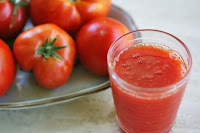
Can't find "Tomatorade(R)", at your local supplement store, yet (surprising, right ;-)? The guys over @ SimplyRecipes have an easy and tweakable recipe describing how you can make your own "Tomatorade" or however you want to call it (photo by SimplyRecipes).
If you listened live to yesterday's installment of the SuppVersity Science Round-Up on Super Human Radio, you will probably have noticed that due to the technical problems and my teacherly tendency to talk for hours, Carl Lanore and I did not cover all the topics (click here do download the podcast if you haven't already done so)... but hey, that leaves more stuff for today, doesn't it?

I guess I will best package the newsitems into three servings, starting out with the one I like best, namely my Tomatorade(R) aka plain tomato juice news... but before I do so, I must thank Maxim Okhrimenko who corrected the statement I made about vodka in Russian babies' tea or other beverages. Normal Russians don't this. I actually did not intend to make that sound like "common practice" - sorry if it got across like that.

My sincere apologies for promoting prejudices like that. From a science perspective you could even argue that the Brits came up with the idea. In the 1850s William Woodward "invented" a concoction of dill seed oil, sodium bicarbonate and alcohol, called it "gripe water" and sold it as a soothing remedy for gastrointestinal troubles (Agarwal. 2000).

Tomatorade(R) - Tomato Juice turns out to be the ideal periworkout carb drink

What's LDH and CPK? While the former stands for lactate dehydrogenase and the latter is identical to CK, which is creatine kinase, both are considered markers of muscular exertion (LDH) and damage (CK) due to exercise. Very high levels of LDH occur for example in hemolytic situations, i.e. at times your red blood cells disintergrate or after a major trauma to a muscle (incl. a myocardial infarction), the same is true for CK, for which most laboratories will analyses tissue specific isoforms with CK-MB being the one that's indicating muscle damage from the minor DOMS after a leg workout to full rhabdomyolysis.
I know many of you will probably be shuddering, right now. "Carbohydrate drinks? I don't care if it's Tomato- or Gatorade, I don't want any of them." Still, what would you say, if I told you that "Tomatorade(R)", which consists of nothing else but 100% tomato juice could not just replenish your muscle glycogen levels, but would also reduce and even normalize LDH and CPK levels? Allow you to regenerate faster, train more frequently and eventually increase your performance and muscle gains- specifically if you are into weight lifting or other anaerobic activities? I see, now, I got you interested.

According to a paper that is going to be published in the next issue of Food Chemistry and Toxicology, the administration of tomato juice instead of a commercial exercise beverage to 9 out of 15 anaerobically trained athletes (11 men, 4 women) with elevated LDH (>300mg/dl) and CPK(>210mg/dl) baseline levels (as the scientists have it a clearcut sign of "endothelial dysfunction through oxidative stress" (Tsitsimpikou . 2013)) returned the LHD ad CPK levels back into the normal range in the course of the two months study period.
Figure 1: Effects of two month on an isocaloric amount tomato juice (here jovially called "Tomatorade(R)" ;-) vs. the regular carbohydrate workout drink the subjects usually consumed during and after their workouts (Tsitsimpikou. 2013)
Moreover, the consumption of vitamin, mineral and polyphenol-laden superdrink, in place of the athletes regular carbohydrate drink (the scientists made sure that the energy content was identical) also reduced the highly health relevant markers of whole body inflammation, homocysteine and C-reactive protein (CRP; see figure 1) - whether the mainly lycopene induced reductions in homocystein is actually protecting against endothelial damage or not, is yet still (or I should say, again) a matter of scientific debate (cf. Xaplanteris. 2012).

Brief update:  Just got a question from Sofeen on facebook about simply eating tomatoes. Now, you would have to eat plenty of them to see the effect, but in essence it should work. Nevertheless, when I contemplated the question I came up with an even better alternative: Tomato paste! When Tomatorade(R) is the carb beverage, then the paste would be one of those fancy carb gels - a gel, by the way, which has a 2.5x higher bioavailability for lycopene than you would get from regular tomatoes (Gärtner. 1997).

Vitamin B12 defieciency is rampant among vegetarians and (even more) vegans

I have previously pointed out that unless you are at least lacto-ovo-vegetarian, which means that you eat dairy products and eggs, you are going to have a very hard time building and maintaining the physique of your dreams. As a recent meta-analysis and review study by Pawlak et al. suggests, not being the leanest and most muscular on stage should yet actually be your least concern.

Suggested Read: "Want B12 But Hate Meat? Drink Milk!" Even some of the more advanced supplements cannot compete.
According to the data the researchers from different US institutions collected, the deficiency rates for "normal" vegetarians are
  • 62% among  pregnant  women,
  • between  25% and almost 86% among children,
  • 21–41% among adolescents, and
  • 11–90% among the elderly
Even higher rates, bordering the 90%+ range, when they were measured by holo-transcobalamin II essays were reported for vegans (adults). On top of that the scientists did not find any confounding factors,:
"The main finding of this review is that vegetarians  develop  B12 depletion or deficiency  regardless  of demographic  characteristics,  place of residency,  age, or type of vegetarian  diet. Vegetarians should thus take preventive measures to ensure adequate intake of this vitamin, including regular consumption of supplements containing B12." (Pawlak. 2013)
As preferable dietary sources the researchers suggest, the aforementioned dairy products and eggs:
  • milk, which contains between 0.3 and 0.4 mg/100 g of B12, with an absorption rate of about 65%.
  • the B12 content of cheese or cottage cheese ranges from 20 to 60% that of milk.
  • the amount of B12 in a whole egg is between 0.9 and 1.4 mg/100g
Unfortunately, the amount of B12 is profoundly reduced during the heating process. For milk the B12 loss amounts to up to 30-50%, when you boil it and I bet you won't be much better off with hard boiled (yolks = hard) eggs.

If you avoid meat not for ethical reasons, but because you are afraid it's bad for you, read the "Meat-Ology" post
The scientists also point out that the vegan myth that your body a great ability to store B12 and it would take years if not decades for them to be depleted:
"Studies do not support the position that it takes up to 20 or 30 years to develop a deficiency.7 According to Donaldson, 47% of the sample developed a deficiency, and most of these individuals had adhered to a raw vegan diet for between 23 and 49 months or about 2–4 years. In a study conducted by Herrmann et al.66% of German participants who had adhered to a vegetarian diet for at least 2 years were found to be B12 deficient." (Pawlak. 2013)
Since the whole problem is further increased by the lack of hydrochloric acid (low-to-no intrinsic factor production, which is necessary for the absorption of B12), low iron induced damage to the gut mucosa and subsequent nutrient malabsorptions, I'd suggest that all of you who insist on following a vegetarian life-style go, have their levels checked and get some B12 injections if you are where Pawlak et al. believe you are: Rock bottom.

Protect your testes, rescue your sperm and testosterone production

A recently published paper has taken yet another look at ways to prevent testicular damage / toxicity subsequent to heavy metal exposure. Other than usual, the "suspect" is yet not lead, but rather aluminum, which was administered in toxic doses to male albino rodents.
Figure 2: Relative levels of testosterone, FSH, LH and prolactin in aluminum (50mg/kg) treated male albino rats after the administration of zinc, vitamin E or both; data expressed relative to healthy (non-Al intoxicated) control (Rawy. 2013)
As the data in figure 2 goes to show you, the Saudi-Arabian researchers were able to counter much of the detrimental effects on testicular morphology, spermatogenesis and hormone production by administering either zinc sulfate or vitamin E alone or in conjunction at human equivalent doses of 8mg/kg zinc sulfate (I may remind you that these were 8mg/kg of zinc sulfate, not of elemental zinc, so that we are talking about ~1.8mg/kg elemental zinc) and 2.4mg/kg vitamin E (~1,200-1,500IU), respectively.


Now while that's it as far as today's Seconds are concerned, tomorrow is Saturday and in case you are into those shorter news items, you better make sure to come back for another installment of On Short Notice. And just in case you have not done so already, I would also suggest that you take a peek at the following recent Facebook news:
    Older tomato news: The dehydrotomatine, α-tomatineand trigonelline from green tomatoes has fat burning effects (read more).
  • Galactooligosaccharides increase bifido bacteria content in obese patients and result in positive effects on the immune response, and insulin, total cholesterol and triglyceride concentrations (read more). 
  • Women with brittle bones cannot squat? False! They must squat, recent study says (read more)
  • The fries a mother eats during pregnancy predispose her kids to become obese and develop metabolic syndrome syndrome - at least if the oil was (as it almost always is) oxidized during the heating process (read more).
  • The Zinc equation: For every doubling in Zn intake, the difference in Zn serum or plasma concentration is 6% - this assumes zinc intakes in the normal range of <30mg/day (read more).
As usually there will be more for you to read in the course of the next 24 hours - so just "like" the SuppVersity Facebook page to make sure you are not missing out on anything important ;-)

References
  • Agarwal KN, Gupta A, Pushkarna R, Bhargava SK, Faridi MM, Prabhu MK. The gripe water story.J R Soc Med.2000;93:172-174.
  • Gärtner C, Stahl W, Sies H. Lycopene is more bioavailable from tomato paste than from fresh tomatoes. Am J Clin Nutr. 1997 Jul;66(1):116-22.
  • Pawlak R, Parrott SJ, Raj S, Cullum-Dugan, D Lucus, D. How prevalent is vitamin B12 deficiency among vegetarians? Nutrition Reviews. 2 JAN 2013 [epub ahead of print]
  • Rawy SM, Seif Al Nassr FM. Zinc sulphate and vitamin E alleviate reproductive toxicity caused by aluminium sulphate in male albino rats. Toxicol Ind Health. 2013 Jan 2.
  • Tsitsimpikou C, Kioukia-Fougia N, Tsarouhas K, Stamatopoulos P, Rentoukas E, Koudounakos A, Papalexis P, Liesivuori J, Jamurtas A. Administration of tomato juice ameliorates lactate dehydrogenase and creatinine kinase responses to anaerobic training. Food Chem Toxicol. 2013 Jan 3.
  • Xaplanteris P, Vlachopoulos C, Pietri P, Terentes-Printzios D, Kardara D, Alexopoulos N, Aznaouridis K, Miliou A, Stefanadis C. Tomato paste supplementation improves endothelial dynamics and reduces plasma total oxidative status in healthy subjects. Nutr Res. 2012 May;32(5):390-4.

Wednesday, January 25, 2012

+87% Increase in Testosterone Within 21 Days from a 100% Natural Supplement? Study Shows: Soy Bean Extract Can Do Just That While Wreaking Havoc on Your Testes. Plus: Corn Oil Reduces Testosterone to Estrogen Ratio by -50%!

Image 1: I guess the feed of those boars does not contain any corn oil and is spiked with both bisphenol A and soy bean extract - I mean, how else could you possibly explain those balls? (img dirtybutton.com)
Let me start today's post with a few questions: Would you buy a 100% natural product that can lower your estrogen levels by up to -98%, increase the weight of your testes by ~30% and, above all, boost your testosterone levels by a whopping +87%? I guess, at least all those of you who either have not read or not understood the Intermittent Thoughts episode on estrogen's role in skeletal muscle hypertrophy are just sitting there, nodding their heads... I would yet also venture the guess that this nodding will end pretty abruptly, now that I am about to tell you that this all natural testosterone booster is derived from the powder of 2kg of Glycine max soy beans via methanol extraction, subsequently freeze dried and capped into 600mg caps of which the average adult (~80kg body weight) is supposed to ingest two per day.

Chose your poison: BPA, soy, or maybe just some governmentally subsidized corn oil?

The preceding paragraph was an ironic, yet as far as the underlying facts and figures are concerned 100% accurate introduction to today's post which revolves around a study Evanski from the Mind&Muscle forum has brought to my attention (Norazit. 2012). The authors, a group of scientists from the University of Malaya in Kuala Lumpur, Malaysia, had set out to investigate the purportedly negative effects of what they call "soya bean extract" (interestingly this spelling of "soy", which is identical to the German version is probably the reason the study did not appear on my "interesting stuff for the SuppVersity radar", before ;-), bisphenol A, 17β-estradiol and "harmless" corn oil on the testis and endocrine system of juvenile rats.
Figure 1: Phytoestrogen content (µg/g dry weight; mind the logarithmic scale!) of soy bean extract an standard rat chow measured by LCMS (data adapted from Norazit. 2012)
To this ends, the scientists divided thirty 21-day old juvenile male Sprague-dawley rats (=the standard lab rat) into five groups, receiving either a standard diet (which contained an insignificant amount of soy, cf. figure 1) + 100mg/kg Tween 80 (a standard food emulsifier with derived from polyethoxylated sorbitan and oleic acid; this group served as control for the soy and the bisphenol group) or standard diet +100mg/kg of corn oil (Mazola; this group served as a control for the estradiol group because the 17b-e did not dissolve in the Tween 80), soy extract, bisphenol A (Aldrich Chemical Co.) and 17b-estradiol (the most active form of estrogen, which binds to both the alpha- and beta-receptor) for three weeks.
Note: It is (at least in my view) a lucky coincidence that contrary to the soy extract and the bisphenol, the estradiol did not solve in the Tween 80, so that the scientists had to come up with Mazola corn oil as a "positive control". I mean, if you take a look at the effects this supposedly neutral "solvent" had on the endocrine milieu of the peripubertal rats, it is no wonder that with the average testosterone levels of the male inhabitants of the #1 corn producer of the world, the Unites States of America, is on a constant decline.
At the end of the study period the rats were sacrificed, the testis were excised and their testosterone and estrogen levels were assessed using standardized enzyme immunoessay (EIA) kits from Caymen Chemical.
Figure 2: Section of seminiferous tubules from control Tween 80 group, BPA group and soy bean extract group; (1) maturing spermatids, (2) lumen filled with cellular debris, (3) vacuaolation, (4) interruption of spermatogenesis (data adapted from Norazit. 2012)
Even a layman can see that both the bisphenol A, as well as the soy bean extract treatments induced profound changes in the cell-morphology of the testes (cf. figure 2). Vacualation (3), i.e. formation of vacuoles in cellular tissue, was present in both, only the bisphenol A group showed the characteristic lumen filled with cellular debris (2). Visible signs of spermatogenesis (1) were visible in neither of the groups, a clear interruption of the latter (4), was yet observed only in the soy and the estrogen group (latter not shown in figure 2). Moreover, the estrogen treated animals were the only ones where the testis showed clear signs of apoptosis (cell death).

The "harmless" corn oil shifts the testosterone to estrogen ratio from ~1/1 to 1/2pg/ng

Reckless, as I am I decided to discard Norazit et al.'s distinction into the BPA and soy groups with the Tween 80 group as a control and the estradiol group with their corn oil control and just plotted the total body and total and relative testis weight gain, estrogen and testosterone levels relative to the Tween 80 group. In other words, I treated the corn oil group as if it was just another treatment group. This is obviously somewhat fishy, but if no scientist appears to be willing to investigate the potential negative effects of corn oil on the endocrine system of adolescent rodents (let alone humans), this is the only way for us to get respective data ;-)
Figure 3: Body weight gain, total and relative right testis weight, estradiol and testosterone levels in peri-pubertal rats after 21 days on diets containing 100mg/kg bisphenol A, soy bean extract, corn oil or 17b-estradiol (in soy bean oil); data expressed relative to Tweenn 80 (polysorbate + oleic acid) control (data calculated based on Norazit. 2012)
And if you take a look at the data in figure 3 (the vertical axis of which is by the way discontinuous!) it becomes clear that you better feed your boys a food solvent such as Polysorbate 80 (=Tween 80) than the "healthy" corn oil the US government is trying to con you into. After all, the administration of 100mg/kg corn oil (human equivalent ~16mg/kg) during puberty decreased the testis weight of the rats by -23% it reduced the amount of estradiol by -35% and the amount of testosterone by -66% and thusly shifted the testosterone / estrogen ratio in the peri-pubertal rodents from 1.11pg/ng to 0.57pg/ng!

BPA and soy compete for the title of "most potent endocrine disruptor"

Following the bro-scientific "the more the better" type of reasoning, bisphenol A and soy bean extract are two potential candidates for the "testosterone booster of the year"-award. After all both, the organic solvent bisphenol A, as well as the "natural toxin" (sorry, I just had to write that ;-) soy, exert potent (8x) and ueber-potent (100x) effects on the testosterone to estrogen ratio, which is 8.2pg/ng for BPA and 100.1pg/ng for soy!
Note: Neither I, nor the scientists have any clue as to why the results of this study are diametrically opposed to those of previous studies in which extracts from soy products reduced, not increased, testosterone levels in male rodents and monkeys(!), across-the-board (eg. Sharpe. 2002; Cline. 2004) - and that although Sharpe et al. observed an increase in the testosterone producing Leydig cells in their soy-formula fed monkeys. Whether the rats in the study at hand were in a state where similar effects temporarily increase testosterone output until the Leydig cells literally "burn out", or whether other effects were responsible for the temporary increase in testosterone, would have to be elucidated in future studies, the results of which you will obviously read here at the SuppVersity, first ;-)
So, even if we assume that the data is correct and there were no cross-reactions between components in the soy bean extract and the testosterone anti-body test, I would strongly caution against the use of either of this compounds to boost your testosterone levels - I mean what's the use of a wickedly skewed testosterone to estrogen ratio (which in and out of itself will probably mess up your health and can potentially hinder your gains, cf. "Are You Serming Away Your Gains?"), when, at the same time, your testicles turn into dysfunctional balloons?

Wednesday, January 4, 2012

Selenium, the Fertility Mineral!? Organic and Inorganic Selenium Ameliorate Reductions in Testosterone, Testicular Damage and Abnormalities in Sperm Quality in Obese Mice

Image 1: With enough selenium in vivo, "in vitro" (-fertilization) may not be necessary.
If you have not heard about it in one of my previous blogposts, you may probably heard about the antioxidant, pro-fertility effects of selenium in the context of Tim Ferris' "selenium experiment" in the 4-Hour-Body. Ferris claimed that by just eating a handful of Brazil nuts (544µg selenium per ounce) every day shot his testosterone levels and libido through the roof. Now, what most people probably overheard, though, was that Ferris was selenium deficient to begin with. Just as every bodybuilder's holy grail, zinc, selenium won't help up your testosterone or fertility if you have already plenty of the potentially toxic trace mineral in your diet. In view of its central role in the antioxidant defense system of our bodies, it is however likely that selenium requirements increase, whenever our bodies are exposed to increasing amounts of oxidative stress.

When your body fat sets your testicles on fire, selenium may come to a rescue...

One of the most common causes of increased oxidative stress, these days, are the increased levels in highly oxidizable very-low density cholesterol and triglyceride levels which appear to be an almost inevitable consequence of the "modern" lifestyle (=sitting on the couch and washing down your fast-food, as well as your low-fat "healthy" cereals, pasta and rice with soda). A recent study from scientists from the Institute of Nutritional and Metabolic Disorders of Domestic in China does now show that an adequate amount of dietary or supplemental selenium, which is, as you may gather from the data in table 1, pretty scarce in everything that was not grown or raised on selenium-rich soil, may not be able to reverse all negative side-effects, but could ameliorate them so that reproduction would still be possible (Ibrahim. 2011).

Table 1: Selenium content of common foods (based on data from the NIS. 2011)
While the basal diet, which had been enriched with cholesterol, lard and cholic acid, so that it would mimic the obesogenic high carb + high fat diet, researchers love to mislabel HFD (high fat diet), contained only 0.04 µg/g of selenium (without the addition the lard, i.e. for the control group, the se-content was 0.05µg/g), both the inorganic selenium HF-diet and the diet of the animals that received a combination of (organic) selenium (75% selenium-methionine) and probiotics (C. utilis and S. thermophilus strains) contained ~6x the amount of selenium (0.3µg/g chow). For humans this would translate to ~1.2µg/kg and 7µg/kg, respectively (since the scientists did not report food intake and body weight of the animals, I based this calculation on the respective data from other HFD feeding studies with mice).

Amelioration? Yes! Reversal / complete prevention? No!

After 75 days on control, high fat, high fat + probiotic only, high fat + inorganic selenium only, and high fat + 90% organic selenium + probiotic diets, the testis of the mice showed histopathological changes even a non-expert as I am one would identify as "probably not healthy" (cf. illustration 1):
Illustration 1: Compilation of the histopathological examination of murine testes (H & E, ×400; based on Ibrahim. 2011)
The evident degenerations, decreases in cell population, and irregularities went hand in hand with a pretty profound changes in the quality of sperm (cf. figure 1), which were ameliorated, yet not prevented in the selenium and selenium + probiotic groups.
Figure 1: Measures of sperm quality - sperm count and motility (left); relative incidence of sperm with abnormal heads and tails (right; data based on Ibrahim. 2011)
In that, it is noteworthy that the selenium + probiotic (SePro) group had an only 1.5x increased amount of sperm with abnormal tails. The latter can thusly hardly be the reason for the -20% reduction in overall sperm motility.
Figure 2: Lipid (left axes) and testosterone (right axes) levels in the different groups (left); HDL to total cholesterol ratio and change in testosterone levels compared to control (right; data calculated based on Ibrahim. 2011)
In view of the fact that the male gonads do not only produce sperm, but also testosterone, it is not surprising that selenium and selenium + probiotic supplementation had a similar ameliorative effect on the diet induced reduction -47% reduction in testosterone (cf. figure 2). The +3% increase in serum testosterone (over the obesogenic diet group) in the probiotic only group, on the other hand, lacked statistical significance.
Image 2: The importance of selenium for thyroid function, specifically the local conversion of the "inactive" T4 to the "active" T3 is not the only reason why women should try to achieve adequate selenium intakes, as well.
Selenium for women? While it appears that research has hitherto focused on the role selenium plays in male health, there is a handful of studies which suggest that adequate levels are just as important for women, as they are for men. The results of a Polish study from 2006, for example, stand in line with the, as of late, controversial anti-carcinogenic effect selenium is supposed to have on prostate cancer. According to the authors, the provision of selenium supplements to women with a genetic disposition for breast and ovarian cancer led to a small, but statistical significant reduction in cancer rates (Huzarski. 2006). In 2009, Hermsdorff et al. observed a statistical significant inverse correlation between selenium intake and serum levels of retinol-binding-protein 4, a marker of whole body inflammation and purported contributer to insulin resistance and diabetes (Yang. 2005), in 74 young (~20y) healthy women (Hermsdorff. 2009). In post-menopausal women, Llaneza et al. found a non-negligible association of low-serum selenium levels and higher LDLc and triglyceride levels (Llaneza. 2009). A 2007 study by Negro et al. underlines the particular importance of adequate selenium levels for thyroid health during and immediately after pregnancy (Negro. 2007). And according to a recent review of the role of selenium in reproductive health, low selenium levels in the follicular fluid are a characteristic feature of "unexplained infertility" in women.
As far as the "potency" of the probiotics is concerned, the study was thusly quite disappointing. That the scientists who were proud to have developed a "Se-enriched probiotic as a new feed additive product for promoting animal industries" do not explicitly state that, is understandable, but won't stop me to repeat my previous recommendation to just add a handful of brazil nuts to your diet on a regular basis to make sure you satisfy your selenium requirements.

Selenium intoxication from Brazil nuts? I don't think so...

Image 3: Eating lots of brazil nuts and other selenium rich foods until they achieve what the US consider "toxic" serum and plasma levels does not seem to impair the health of the inhabitants of the regions around the Tapajós River in Brazil - on the contrary, their cardiovascular health is outstanding (Lemire. 2011)
That this practice is not going to result in selenium toxicity has, by the way, been shown only very recently in one of those studies that analyze traditional diets, which have become so in-vogue, as of late. Lemire et al., who analyzed blood (B-Se) and plasma (P-Se) samples from members of the communities which live along the Tapajós River in Brazil, did not only find that these people had selenium levels well beyond what is "considered toxic" in the US, they also state that their results "support the need to re-assess Se toxicity considering factors such as the chemical form of Se exposure, route of exposure (inhaled versus ingested), co-exposures to toxic elements such as mercury" and hint at "a possible association between high Se status and cardiometabolic health in this study population." (Lemire. 2011) So, men or woman, fertile or infertile, fat or lean... you better make sure you get your share of brazil nuts, today ;-)

Wednesday, September 7, 2011

Honey, Smoke & Testosterone: One Tablespoon of Honey Protects Your Leydig Cells From Oxidative Damage

Image 1: A beehive in one of the beehives Koompassia excelsa (‘Tualang’) trees which grow in the Rain Forest of Kedah, Malaysia.
"Have you already had your tablespoon of honey, Honey?" If that's what your girlfriend or wife asked you this morning, she is probably concerned about your testicular health... A group of Malaysian scientists has recently been able to show that 1.2g/kg/day (human equivalent: 0.2g/kg/day or about 1 tablespoon for an average adult man) of a off-the-shelf Malaysian Tulang honey protected the testis of rats, who had been exposed to cigarette some for 8 minutes three times per day, from damage and oxidative stress (Mohamed. 2011).

Before the experiment, the scientists had conducted FRAP and DPPHI assays to determine the in-vitro antioxidant activity of the sweet gummy superfood from "beehives built on a tall tree, Koompassia excelsa (locally named as ‘Tualang’ tree) that grows in the Rain Forest of Kedah".
Figure 1: Total phenolic content (Eq/kg), antioxidant activity (FRAP; µmol of Fe Eq/L), free radical scavenging activity (DPPH assay % inhibition of DPPH radicals) and sugar composition of the Tulang honey used in the study (data adapted from (Mohamed. 2011).
As the data in figure 2 shows, the anti-inflammatory, anti-oxidant effects of the honey (cf. figure 1), were so pronounced that the +234% increase in TBARS (thiobarbituric acid reactive substance) cigarette exposure induced in the unsupplemented group was completely abolished by the Tulang honey "supplement" (I deliberately put this into quotation-marks, because I would not consider the "human equivalent", i.e. putting a tablespoon of honey in the tea you have with breakfast as "supplement").
Figure 2: Effect of 13 weeks of honey supplementation (H: 1.2g/kg/day), exposure to cigarette smoke (CS: 8 min, 3x daily) or both (H+CS) on oxidative stress markers from rat testis (Mohamed. 2011).
Accordingly, the Leydig cell sections from the "smoking rats" that received supplemental honey (H+CS; -15% Leydig Cell count), did not show similarly pronounced degenerations as their standard fed peers in the CS (8min 3x daily exposure to cigarette smoke; -23% Leydig cell count) group (cf. figure 3).
Figure 3: Representative photomicrographs of testicular sections showing Leydig cells in intertubular space from the control, the cigarette smoke and the honey + cigarette smoke groups (graphic is based on photos from Mohamed. 2011).
Even if, as I would hope, you have not yet seen how "damaged" Leydig cells look like, the photomicrographs in figure 3 leave no doubt that even with the protective effect of honey, 13 weeks of only 24 minutes cigarette smoke exposure wreak havoc on the morphology of those cells of your best parts that are responsible for the production of testosterone.

Image 2: Believe it or not, despite the fact that it has carbs (you could also argue that it is pure sugar!) honey is not only good for your testis, but for your blood sugar levels as well (photo from readmyreview.com)
Just a quick note to all you sugar-haters out there who are afraid that the one tablespoon of honey will give you diabetes, heart attacks and strokes (let alone all those unaesthetic body fat you will gain ;-): A very recent review on the health effects of honey consumptions comes to the conclusion that (Cortes. 2011)
compared to glucose and sucrose, the consumption of honey decreases glycemic levels and blood lipids in healthy, diabetic and hyperlipidemic individuals. Moreover, long periods of honey intake seem to reduce fasting glucose levels in humans, suggesting that honey consumption influences plasma glucose regulation, mainly through a normo- or hypoglycemic effect.
Digest this before you pass on the honey, because "it has carbs in it!" *scary*
So, while we all know that testosterone won't make you aggressive (ScienceDaily. 2009), there is another sort of "testosterone-related" issue that always has me close to freaking out: Male and female tobacco junkies who dare to light their weeds right next to their own kids... and I bet you, those poor little buggers won't be fed a teaspoon (that should be enough given their smaller body weight) of Malaysian Tulang honey a day.

Thursday, June 23, 2011

A Bitter Pill For Your Testes: Purported Health Supplement Bitter Melon Induces Oxidative Damage in Rat Testes and Reduces Testosterone Levels by >50%

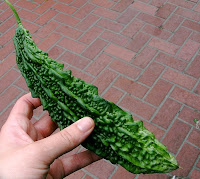
Image 1: Momordica charantia, also known as
Bitter melon - just in case you haven't seen
this remarkable fruit yet. (photo FlyingToaster)
"Bitter Melon? That's in X, Y and Z. All products that are meant to improve your health. Well, Bitter Melon must be some good stuff then, no?" Right off the bat: No, it ain't "good stuff", but rather rat(-testes) poison!

In a recently published study, Yama, et al. (Yama. 2011) investigated the effect of 6-16 weeks of 50mg/kg (human equivalent: 8mg/kg) Momordica charantia (bitter melon) seed extract on testicular health of 90 male Sprague Dawley rats. Warning: The results of this study will probably make you throw up, if you just popped some bitter melon laden supplements:
The extract administered for 6, 8 and 16 weeks produced significantly (p < 0.05) increased testicular MDA [malondialdehyde is an accepted plasma marker for oxidative stress] (1.74 ± 1.15, 1.84 ± 0.38 and 2.38 ± 0.40) compared to control (0.38 ± 0.02, 0.38 ± 0.03 and 0.35 ± 0.02) and decreased AA [ascorbic acid content of the testes] (0.01± 0.02, 0.01± 0.01 and 0.00± 0.01) compared to control (0.15 ± 0.02, 0.12 ± 0.02 and 0.13 ± 0.02). There was also an associated significant decrease (p < 0.05) in peripheral [meaning in serum, not in testes exclusively] TT [total testosterone] levels compared to control.
Just to make that clear: Instead of helping with glucose management (bitter melon is a purported insulin-mimetic) and/or protecting your testes (its effect on glucose disposal aside, Momordica charantia is also promoted as a powerful antioxidant and respective effects have actually been established in diabetic rats, cf. Sathishsekar. 2005), your bitter melon laden super-supplement may be damaging your own, your boyfriend's or husband's best parts. Or as the scientists state it:
These findings suggest that the extract resulted in changes in the testicular oxidative status. This may play a role in testicular dysfunction that may compromise fertility.
The decrease in testicular ascorbic acid (Vitamin C) values, the scientists observed, would suggest that the addition of supplemental antioxidants (sounds crazy, doesn't it: supplementing a purported antioxidant supplement with antioxidants) could possible ameliorate the testicular damage. Yama et al. were yet able to show that even pre- or co-treatment with vitamin C and/or alpha.tocopherol (vitamin E), both antioxidants which are likely to be present in most commercially available antioxidant supplements containing (often among a dozen of other ingredients) bitter melon extracts, could not ameliorate the detrimental effects the Momordica charantia seed extract had on the reproductive organs of the rats.
Figure 1: Total Testosterone levels of male Sprague Dawley rats treated with distilled water or  50mg/kg bitter melon seed extract for 16 weeks (data adapted from Yama. 2011)
As it turns out (once again!), it always makes sense to look beyond the references a supplement producer is providing. Scientific as they may be (or sometimes just seem), they mostly tell you only the marketable part of the story (I also recommend you read an article my buddy Sean Casey wrote on "How to Evaluate Dietary Supplements").

Note: In defense of both the tropical and subtropical vine of the family Cucurbitaceae, as well as the supplement companies who have been using bitter melon in their products, it has to be said that an experiment done with a seed extract will tell you little about the effects of the fruit or a respective extract. Unfortunately many producers, such as ALRI with their amino acid product HumaPro, do not even list the source of the "Bitter Melon Fractional Extract" they include as part of what ALRI for example calls their "Proprietary Anti-catabolic and Insulingenic Matrix" [I dunno if you noticed, but ALRI even got the term "insulinogenic" misspelled, here ;].

Edit: Just in case you don't believe in the results this study, maybe the anti-androgen effect observed in the study (Girini. 2005), Rick P. dug up and posted in the comments below, gets your attention.