Showing posts with label vitamin E. Show all posts

Friday, September 23, 2016

Whole Eggs Can Boost Your Beta-Carotene and Vitamin E Uptake from Veggie Salad W/ Oil Dressing by 400%-700%
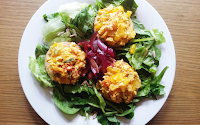
Believe it or not raw food vegans, it takes scrambled (whole) eggs to turn your veggie salads into a "superfood", or rather, to have the "super effects" of all its "super vitamins" on your health . The photo shows an egg-recipe from The Organic Dish, take a look; and don't worry if you're afraid of healthy oats, you can leave out the out cakes under the eggs ;-)
I still see people throwing the good yolk of their eggs away. Shame on you! You're not just throwing the most nutrient dense (also in terms of nutrients per energy content) away, you also sacrifice the beneficial effects of the co-ingestion of eggs with other nutrient dense foods - benefits which have only recently been recognized by the scientific community when people finally starting looking beyond individual foods and nutrients and started to investigate the actual and practically more relevant effects of food matrices.

This trend that began with the negative effects of pesticides and/or heavy metals in "real meals" (which are always food matrices | Wilkowska. 2011) is something I have written about in the Facebook News and individual articles before and I plan to re-address, whenever scientists like Kim, Ferruzzi & Campbell (2016) give them the deserved attention.
You aren't interested in vitamns? Maybe in fasting for health and fatloss, then?

Breakfast and Circadian Rhythm

Does Meal Timing Matter?

Habits Determine Effects of Fasting

Fasting Works for Obese, Too!?

Alternative Day Fasting "Rulez"!

Intermittent Fast-ing + Weights!?
Why's that? Well, as it turns out and has just been confirmed for beta-carotene and vitamin E (Kim. 2015 & 16) by the aforementioned authors from the Purdue University (Kim. 2016) the way you combine your foods is as important for your nutrient sufficiency as the micronutrient content of the individual foods.

Let's do some math, together: For the fat-soluble vitamins E, which are obviously relevant in the context of Kim et al.'s latest studies (2015 & 16), the RDA is 14 mg/day. That's the amount of vitamin E you'd get from a relatively small quantity of each of the randomly chosen high vitamin E foods in Figure 1.
Figure 1: Yes, you can get your vitamin E from a single food, but that's not wise - for several reasons (Kim. 2016).
The bad news is that for all for of them it is not clear whether you will actually absorb all the vitamin E, so that it can do its anti-oxidant magic in your bloodstream. Yes, for wheat germ oil, sunflower seeds, and almonds, the relatively high fat content is one out of many potentially relevant cofactors (including cooking methods, the type of dietary lipids, and interactions with digestive enzymes or other dietary | Eitenmiller. 2004) compounds for the optimal uptake of fat-soluble vitamins such as vitamin E (learn more).

The paprika powder from Figure 1, no matter how nutrient dense it may be, will probably get only small amounts of its vital (=vitamin and other beneficial micronutrients) carriage (including, but not restricted to beta-carotene and vitamin E) delivered into your blood... unless, obviously, you combine it with the right foods and thus form a nutrient absorption optimizing food matrix.
Figure 2: Kim's 2015 study showed a similarly pronounced increases of the accumulated area under the curve (AUC), i.e. the total uptake of various carotenes when 3 eggs were added to vegetable salad (made with 3g of canola oil).
A food matrix consisting of three scrambled eggs and vitamin-(A)-rich vegetable salad of which Kim's previous study showed that it increased the bioavailability of beta-carotene 8-fold (see Figure 2). In the current study (Kim. 2016), the authors did thus speculate that...
"[b]ecause carotenoids and vitamin E are both fat-soluble nutrients, we expected cooked whole eggs to also increase the absorption of vitamin E contained in the same salad" (Kim. 2016).
to evaluate the accuracy of their hypothesis, the scientists recruited 16 healthy male participants for a randomized, single-blind, crossover-design experiment:
"[All] participants completed 3 trials that each included consuming a controlled diet for 7 d followed by a testing day. In addition, 1-wk dietary washout periods were scheduled between each of the trials. [...] The investigators were fully blinded to the participants test-day meals until after all testing and sample analyses were completed, but the participants and dietitians were not blinded to the meals" (Kim. 2016)
Obviously, I am not giving away any secrets, when I tell you that the experiment confirmed the authors' hypothesis. Interestingly enough, with practically relevant increases in vitamin E absorption being achieved with both, the "low egg" (LE - 1.5 cooked scrambled eggs) and the "high egg" (HE - 3 cooked scrambled eggs) vegetable salads, which contained, just as in the previous study, 100 g tomatoes, 62 g shredded carrots, 70 g baby spinach, 25 g romaine lettuce, and 5 g Chinese wolfberries, and was served with 3 g of canola oil (note: all vegetables and eggs were purchased from the same local market and brand throughout the study period, thus we can assume that the contents of alpha-tocopherol and gamma-tocopherol in the test salad were 2.1 and 2.0 mg/serving, respectively, for all three trials).
Figure 3: Relative increase (per vitamin E intake in mg) in TRL levels of alpha- and gamma-tocepherol in response to the ingestion of the vegetable salad alone, the salad with 1.5 or 3 cooked scrambled whole eggs (Kim. 2016)
In fact, the increase in the levels of alpha- and gamma-tocopherol in the subjects' triacylglycerol-rich lipoprotein fractions (TRLs) was even more pronounced than that of the carotenes in Kim et al.'s 2015 study. Since eggs contain sign. amounts of vitamin E, themselves (they don't contain, alpha-, beta-carotene and lycopene), we do yet have to look at the relative (i.e. relative uptake of amount of vitamin E that was ingested) uptake levels I have plotted for you in Figure 3. For these, the increases for alpha- and gamma-tocopherol were 'only' 107%, 144%, 441% and 358% in the 1.5 egg LE and the 3 egg HE group, respectively.

That the former, i.e. the increase in the LE = 1.5 egg trial didn't reach statistical significance is, as the authors rightly point out, most likely "due to the small sample size and low statistical power" (Kim. 2016) - a phenomenon that has been observed previously in small-scale studies that compared the nutrient availability of vitamin E with different doses of fat (Mah. 2015 | this study also used a less preferable marker of vitamin E absorption, namely plasmo not triacylglycerol-rich lipoprotein fractions (TRLs) levels, which mainly represent newly absorbed dietary vitamin E, as the studies by Kim et al.).
Highly Suggested Read: "Egg-Ology Today: The Underappreciated Health Benefits of Egg Phospholipids, Prote-ins & Antioxidants in the Yolk" | more.
Bottom line: Whole eggs are good for you! If you want to know what, i.e. which substance or nutrient (many of which I've discussed in the article you can read by clicking on the three eggs to the right) it is that gives eggs this ability, you will yet have to continue getting your EOD dose of SuppVersiy articles and Facebook News, because Kim's latest study was not designed to "assess the specific impact of [different] components of egg yolk on vitamin E absorption" (Kim. 2016)... after two studies showing significant benefits, however, we can be almost sure that a follow up study will be conducted; and if so, I can guarantuee that I will address it here or in the SV Facebook News, where you can also comment on this article!
References:
  • Eitenmiller, Ronald R., and Junsoo Lee. Vitamin E: food chemistry, composition, and analysis. CRC Press, 2004.
  • Kim, Jung Eun, et al. "Effects of egg consumption on carotenoid absorption from co-consumed, raw vegetables." The American journal of clinical nutrition 102.1 (2015): 75-83.
  • Kim, Jung Eun, Mario G. Ferruzzi, and Wayne W. Campbell. "Egg Consumption Increases Vitamin E Absorption from Co-Consumed Raw Mixed Vegetables in Healthy Young Men." The Journal of Nutrition (2016): First published ahead of print September 21, 2016 as doi: 10.3945/jn.116.236307
  • Mah, Eunice, et al. "a-Tocopherol bioavailability is lower in adults with metabolic syndrome regardless of dairy fat co-ingestion: a randomized, double-blind, crossover trial." (2015).
  • Wilkowska, Angelika, and Marek Biziuk. "Determination of pesticide residues in food matrices using the QuEChERS methodology." Food Chemistry 125.3 (2011): 803-812.

Tuesday, February 9, 2016

Recovery Cocktail With Vitamins C+E, Ibuprofen, Cold Water Immersion and Whey Works - Long-Term Effects? Unknown!

What's the right strategy to boost workout recovery? A recent study suggests that it could be a mix of NSAID, antioxidants, cold water and whey.
Vitamin C + E, ibuprofen, cold water immersion and whey? Two of these agents have been shown to impair the adaptational response to exercise and thus potentially compromise long-term gains (vitamin C+E and cold water immersion). The other two are either purported (ibuprofen) or proven (whey) ergogenics - ergogenics of which a recent study by scientists from the Hashemite University in Jordan and the University of Alabama in the USA shows that their combination with the formerly named agents is "helpful in protecting performance" in a test during which the competitive athletes (current or former Division I college athletes / club athletes) performed two bouts of high-intensity anaerobic cycling separated by 30 minutes of rest.
Learn more about hormesis and how antioxidants can also impair your gains

Is Vitamin E Good for the Sedentary Slob, Only?

Even Ice-Baths Impair the Adapt. Process

Vit C+E Impair Muscle Gains in Older Men

C+E Useless or Detrimental for Healthy People

Vitamin C and Glucose Management?

Antiox. & Health Benefits Don't Correlate
The participants had been randomly assigned in counterbalanced order to start the first week as a treatment or as a control (nontreatment).
  • In the treatment trial, participants were provided with 2 oral doses of 1,000 mg of vitamin C (ascorbic acid with citrus bioflavonoids; General Nutrition Corp., Pittsburgh, PA, USA) and 400 IU of vitamin E soft gel capsules (d-a-tocopherol; General Nutrition Corp.). The first dose was taken with dinner the night before the exercise protocol, and the second dose was taken on the morning of the exercise test. The morning doses were consumed at least 1 hour before the blood sample was taken. Ibuprofen doses (400 mg; 2 ADVIL liquigels, 200 mg capsules; Wyeth Consumer Healthcare, Madison, NJ, USA) were given to participants 30 minutes before each exercise session. The protein supplement, 23 g of whey protein (10.6 g essential amino acids [EAA], 7.3 g of conditionally EAA, and 5.6 g of non EAA ON Sunrise, FL, USA), was mixed with 200 ml of skimmed milk to form a protein shake. The protein shake was given to participants within 3 minutes of finishing each exercise session in the treatment trial. Three to 5 minutes after the end of each exercise session, participants submerged their lower body in cold (10–12.58 C) water for 10 minutes.
  • In the control trial, the subjects performed the same testing protocol consisting of 2 exercise sessions with 6.5–7 hours between AM and PM sessions to replicate morning and afternoon workouts or heats. 
The exercise tests were 2-bout sessions that began with a 15-minute warm-up (stretching and cycling). Each bout consisted of three 30-second Wingate power tests with 3 minutes of active recovery (60 RPM with no resistance) in between. After the 27th minute, a second warm-up for 3 minutes preceded the second Wingate bout for a total of six 30-second Wingate tests per session (Figure 1).
Figure 1: Representation for the Wingate test daily order (Al-Nawaiseh. 2016).
"All Wingate tests were performed using 7.5% of body weight as a resistance. The resistance was applied to the ergometer (E224 Monark) after a 10-second countdown. Participants used the countdown time to accelerate peddling speed. [...] Participants rated their RPE and muscle soreness sensation (pain) before and after each Wingate test. Muscle soreness was assessed using a 10-cm visual analog scale with anchor points “no pain at all” at the left end and “unbearable pain” at the right end. Rated perceived exertion was determined using a 6–20 point scale" (Al-Nawaiseh. 2016).
When they had volunteered for the study, all participants had been asked to quit any kind of exercise and all kinds of supplements 48 and 72 hours before exercise protocols, respectively.
Intense training sessions will always increase ALT, AST & CK - in some cases to extreme values that are 10-100x above "normal". Unfortunately doctors will never learn that in med-school and may misinterpret these changes as indicators of organ failure | learn more!.
Which markers of recovery are actually useful? A recent study from the Federal University of Uberlandia (UFU) in Brazil says (Bessa. 2016): "The best way to use biomarkers to monitor athletes is to perform a screening test like the test we have performed in this experiment, using the type and intensity of exercise commonly practiced by the athletes" (Bessa. 2016). Which test? Well, the study investigated CK, LDH, cardiac troponin T (cTnT), g-glutamyltransferase (gGT), and C-reactive protein (CRP), interleukin-6 (IL-6), MCP-1, and tumor necrosis factor (TNF)-alpha, the neutrophil to lymphocyte ratio, GPX, SOD, CAT, TAS and TBARS immediately before and 3, 6, 12, 24, 48, and 72 hours after exercise. The parameters the scientists consider most useful, however, were: (1) CK (not LDH) plus a differential analysis based on cTnT (cardiac CK), gGT (liver), hematocrit, and platelet levels that is used to make sure the increase in CK is coming solely from muscle damage and (2) the leukocyte to neutrophil ratio as a marker of the progress of the supercompensation process after workouts.
Accordingly, we can expect that the improved mean wattage in the supplement trial is the result of the wicked mix of antioxidants, pain killers, cold water immersion and whey the subjects had to stomach / endure.
Figure 1: The treatment (orange) ameliorated the decrease in mean and minimum power during the PM Wingate trial that was performed after the ingestion of antioxidants, ibuprofen, and whey and cold water immersion (Al-Nawaiseh. 2016).
What is quite surprising about these improvements is that they occured in the absence of reduced perceived pain scores / fatigue during the PM sessions. In conjunction with the lack of significant effects on muscle CK in the blood (not shown in Figure 2), this observation warrants the authors conclusion that the observed effects on the subjects' performance were "apparently not due to reduced muscle soreness or damage" (Al-Nawaiseh. 2016). That's in contarst to previous studies like
  • Pizza et al. (1999), who reported that similar ibuprofen doses lowered CK activity relative to a placebo 3 days after eccentric arm exercise, or
  • Tokmakidis et al. (2003), who found that ibuprofen doses (400 mg every 8 hours for 48 hours) did lower the non-athletic subjects' CK levels and reduced their muscle soreness, without, however, helping to restore muscle function compared with placebo.
Whether these difference are the mere result of differences in the way the exercise / tests were timed (vs. Pizza et al.) or differences in the training level of the subjects, as well as the exercise and testing protocols (vs. Tokmakidis et al.) will have to be tested in future studies.
Bottom line: As the scientists points out in the conclusion to their study, their results "suggest that although the combined use of ibuprofen, cryotherapy, vitamins C and E, and protein drink did not significantly help in protecting from muscle damage and soreness, the combination did help in restoring important muscle function and boosted short-term recovery from high-intensity anaerobic performance" (Al-Nawaiseh. 2016).

Using Ice / Cold Water Immersion After Workouts Will Impair Muscle and Strength Gains, as well as Vascular Adaptations | more
Practically speaking, athletes who compete in events that require repeated anaerobic performance (over 24h) should thus benefit from the combined use of antioxidant vitamins, an NSAID (ibuprofen), 10 minutes of lower body cold water submersion, and 23 g whey protein (10 g EAA).

What you should not forget, however, is the fact that at least 2 of the 4 'ingredients' of this 'recovery cocktail' have been shown to inhibit the long(er)-term adaptation to exercise. The chronic use of cold water immersion and high(er) doses of vitamin C + E in conjunction with exercise can thus not be recommended... and if you care about organ and cartilage health, the same goes for the use of NAIDs | Comment!
References:
  • Al-Nawaiseh, Ali M., Robert C. Pritchett, And Philip A. Bishop. "Enhancing Short-Term Recovery After High Intensity Anaerobic Exercise." The Journal Of Strength & Conditioning Research (2015).
  • Bessa, Artur, et al. "Exercise intensity and recovery: Biomarkers of injury, inflammation and oxidative stress." J. Strength Cond. Res (2016).
  • Pizza, F. X., et al. "Anti-inflammatory doses of ibuprofen: effect on neutrophils and exercise-induced muscle injury." International journal of sports medicine 20.2 (1999): 98-102.
  • Toakmatidis, Savvas P., et al. "The effects of ibuprofen on delayed muscle soreness and muscular performance after eccentric exercise." The Journal of Strength & Conditioning Research 17.1 (2003): 53-59.

Saturday, August 29, 2015

Your MUFA + PUFA Intakes Determine Your True Vitamin E Requirements - N-3s are the Worst Offenders + Even MUFAs Need Buffering | Tool to Calculate Your Individual Needs

Nature knows best: Oils and other high PUFA foods come with a naturally high amount of vitamin E (see Fig 1).
As a SuppVersity reader you shouldn't be surprised to hear that there's a link between the amount of highly oxidizeable polyunsaturated fatty acids (omega-3 and omega-6) you consume and the amount of vitamin E you "need" to protect them from being oxidized by free radicals.

The reason we usually speak about vitamin E in this context is that vitamin E (mostly alpha-tocopherol) is recognized as a if not the key essential lipophilic antioxidant in humans. It protects lipoproteins (cholesterol), PUFA, cellular and intra-cellular membranes from damage.
Learn more about hormesis and potential neg. effects of antioxidants at the SuppVersity

Is Vitamin E Good for the Sedentary Slob, Only?

NAC Impairs Anabolic Effects of Exercise

If Vitamin C is Low, Taking More is Good

C+E Useless or Detrimental for Healthy People

Vitamin C and Glucose Management?

Antiox. & Health Benefits Don't Correlate
For a recent review, scientists from DSM Nutraceuticals in Brussels and the Human Development and Health Academic Unit at the Faculty of Medicine of the University of Southampton partnered up in order to "evaluate the relevant published data about vitamin E requirements in relation to dietary PUFA intake" (Raederstorff. 2015).
Table 1: Overview of the currently recommended daily intakes for vitamin E (Monsen. 2000).
For their 10-page review, which does not take into account the interactions between tocopherols, the 'classic' vitamin E, and tocotrienols (this is not really negligent, because only the tocopherols are essential and the interactions between the different forms of vitamin E are not fully elucidated, yet), the scientists considered both evidence from animal and human studies; evidence that indicates that our basal requirement of vitamin E, namely 4–5 mg/d of RRR-α-tocopherol when the diet is very low in PUFA, are way below the RDA of 15mg/day. Now obviously, most Westerners do not fall into the category of people with a "minimal intake of PUFA". Accordingly, their vitamin E requirements are higher, and thus probably in the range of the recommended daily allowance.
You don't even have to consume exuberant amounts of anti-oxidants like vitamin E to ruin your gains. A recent study shows: Icebaths will do the same. By soothing the inflammatory response to exercise, they will also shut down the adaptational processes | learn more
I am healthy, I don't have to care! If you really believe that, you may be healthy but stupid. Even the healthiest person on earth will produce free radical specimen. In fact, ROS are essential for the adaptational processes that occur in response to exercise and involved in normal glucose regulation. On the other hand, very recent scientific evidence highlights that adequate cellular vitamin E levels are necesssary for muscle membrane repair and the rescue of myocytes from necrosis (Howard. 2011; Labazi. 2015). Scientists believe that these benefits are the result of an increased speed and efficacy of membrane repair mechanisms like membrane fusion events. It should thus be obvious that managing, not worshipping or annihilating ROS with adequate amounts of vitamin E and other anti-oxidants should be your primary goal (one you can achieve w/out supps).
Still, the fact that our basal vitamin E requirements, i.e. the amount of vitamin E we would need if we didn't stuff ourselves with tons of PUFAs, amounts to only ~30% of today's RDA (see Table 1) for adult men and women should make us reconsider the necessity and usefulness of vitamin E supplements. I mean, who of you is actually consuming 30g of MUFA, and 22g of PUFA from sources that do not come with adequate amounts of vitamin E?
Figure 1: All suggested oils from the "Quest for the Optimal Cooking Oil"-Article from December 2014 contain way more vitamin E than they'd need to buffer their own PUFA / MUFA content (learn more about the best cooking oils).
If you look at the data in Figure 1, which is a comparison of the actual content of vitamin E in mg and the amount of vitamin E that would be necessary to buffer the "unstable" fats in the three oils you will remember from the "Quest for the Optimal Cooking Oil", the answer to the previously raised question is probably going to be "very few". After all, most of the largely unprocessed we consume contain way more than 100% of the amount of vitamin E they would have to provide to protect the inherent MUFAs and PUFAs from oxidation.

Each unsaturated fatty acid has its specific effect on your vitamin E requirements

Against that background it is no wonder that vitamin E deficiency is a more of less unheard of thing in the Western world. No one here consumes less than the absolute minimum of 4-5mg/day (Harris. 1963; Valk. 2000) for months or longer. The only way to still develop relative vitamin E deficiency is thus to consume processed foods or supplements that do not contain enough vitamin E to satisfy the increase in vitamin E demands due to the specific unsaturation of their fat content.
Table 2: Vitamin E requirements - in mg of vitamin E per gram intake of the respective fatty acid - for different unsaturated fatty acids found in human diets (Raederstorff. 2015)
Since the latter increases almost linearly with the degree of unsaturation of the PUFA in the relative ratios of 0·3, 2, 3, 4, 5 and 6 for mono-, di-, tri-, tetra-, penta- and hexaenoic fatty acids, respectively, Harris' & Norris' (1963), as well as Horwitt's (1986) equations, which do not take into account that omega-3 fatty acids, for example, have a much more pronounced impact on your vitamin E requirements than omega-6s or MUFAs, are now obsolete.
Equation 1: Use this equation or the SV Calculator to determine your personal requirements based on your intakes of  different forms of mono- (M1 and polyunsaturated (M2-6) fatty acids (Equ. from Raederstorff. 2015).
Today, Equation 1 has taken their place. In Equ. 1 Mn is the amount of dietary MUFA/PUFA with n double bonds in grams (see Table 2). If you know how much of the individual unsaturated fats you consume you can thus easily calculate your personal vitamin E requirements - requirement, of which I bet that you will cover them with the vitamin E from cooking and salad oils, alone (compare Figure 1).
Chicken legs, old man? Must have been too much antioxidants - Learn how too much vitamin C + E can blunt the increases in total lean body mass, and leg mass in elderly men after 12 weeks of highly standardized, intense strength training: No wonder, the vitamins virtually suffocated the necessary stressors | read more.
Bottom line: I guess you are already waiting for the link to the calculator I promised, right? Let's just briefly put the result that even the average westerner needs "only" 12-20 mg of natural vitamin E per day into perspective. On the one hand, that's more than you'd find in a few really trashy foods people like to eat. On the other hand, that's only 17-30IU/day and thus 13-24x the amount of vitamin E you will find in many multi-vitamin, and vitamin E pills (many contain 400IU or 269mg), which appaers hilarious considering the fact that whole foods that are high in unsaturated fats will always come with the required amount of vitamin E.

If that does not sooth your mind and you want to know exactly how much your need, here's the spreadsheet I promised. I am sure it's significantly less than the >120mg/day that impaired the size gains of the elderly subjects in the recently discussed study by Bjornsson. It's much less, right? Comment on Facebook!
References:
  • Monsen, Elaine R. "Dietary reference intakes for the antioxidant nutrients: vitamin C, vitamin E, selenium, and carotenoids." Journal of the American Dietetic Association 100.6 (2000): 637-640.
  • Harris, Philip L., and Norris D. Embree. "Quantitative consideration of the effect of polyunsaturated fatty acid content of the diet upon the requirements for vitamin E." The American journal of clinical nutrition 13.6 (1963): 385-392.
  • Howard, Amber C., Anna K. McNeil, and Paul L. McNeil. "Promotion of plasma membrane repair by vitamin E." Nature communications 2 (2011): 597.
  • Horwitt, M. K. "Interpretations of requirements for thiamin, riboflavin, niacin-tryptophan, and vitamin E plus comments on balance studies and vitamin B-6." The American journal of clinical nutrition 44.6 (1986): 973-985.
  • Labazi, Mohamed, et al. "The antioxidant requirement for plasma membrane repair in skeletal muscle." Free Radical Biology and Medicine 84 (2015): 246-253.
  • Raederstorff, Daniel, et al. "Vitamin E function and requirements in relation to PUFA." British Journal of Nutrition (2015): 1-10.
  • Valk, and Gerard Hornstra. "Relationship between vitamin E requirement and polyunsaturated fatty acid intake in man: a review." International Journal for Vitamin and Nutrition Research 70.2 (2000): 31-42.

Monday, July 6, 2015

Bad News For Vitamin Fans - C + E Supplementation Blunts Increases in Total Lean Body and Leg Mass in Elderly Men After 12 Weeks of Std. Intense Strength Training

Chicken legs, old man? Must have been too much antioxidants ;-)
If this is not your first SuppVersity article, you may have read about the potential negative effects of (high dose) anti-oxidant supplementation in previous SuppVersity articles about, or touching on the effects of hormesis, i.e. the beneficial effects of "good oxidative stress". Up to now I have yet often said that it is possible that this effect occurs mostly in people who can handle stress pretty well and thus have to hammer it to trigger a measurable adaptive response.

The elderly subjects in the latest study from the University of Agder in Norway (Bjornson. 2015), however, don't exactly belong to the group of people I was thinking about, when I phrased this hypothesis.
Learn more about hormesis and potential neg. effects of antioxidants at the SuppVersity

Is Vitamin E Good for the Sedentary Slob, Only?

NAC Impairs Anabolic Effects of Exercise

If Vitamin C is Low, Taking More is Good

C+E Useless or Detrimental for Healthy People

Vitamin C and Glucose Management?

Antiox. & Health Benefits Don't Correlate
In said study, thirty-four elderly males (60–81 years) were randomized to either an antioxidant group (500 mg of vitamin C and 117.5 mg vitamin E before and after training) or a placebo group. Needless to say that both groups adhered to the same standardized strength training program.
Table 1: Overview of the exercises the scientists did. The exercises were identical to a previous study in young individuals and the workout was designed to give large metabolic stress (i.e., oxidative stress) and the intention was to stimulate as much muscle growth as possible (Bjornson. 2015)
"The 12-week strength training program had an undulating periodized profile (Jiménez, 2009). The protocol included three full-body sessions per week, emphasizing free weight exercises where all the major muscle groups were included. Two of the sessions each week were “moderate” (8–10 rep, with 1 min rest between sets), and one varied between “heavy” (3–5 rep, with 2 min rest between sets) and “light” (13–15 rep, with 45 s rest between sets)” every second week. [...]  
The number of sets per exercise was increased progressively from 1 to 4 sets during the first 10 weeks, and then reduced with one set each of the last 2 weeks of the intervention (tapering). 
Health and longevity as a function of mitochondrial reactive oxygen species (ROS) formation (learn more)
Will the same mess happen with curcumin? I get this question whenever I am writing articles about hormesis and I still cannot answer it. I believe it is less likely than with vitmamin C, E and NAC, for which it has already been shown that they impair your gains (read the full story on NAC), because curcumin, green tea and co are not only targeting the free radicals, but also the inflammatory processes that occur in response. This does not mean that it is not possible that even these supplements are diminishing your gains, though. It just appears less likely.

Update: In fact, the ill effects of NAC specifically have - as you may have read in the 12+ Facebook news I post per day - been confirmed recently, a study that showed a 5.9% (p<0.05) reduction in insulin sensitivity compared to a non-supplemented control group (Trewin. 2015).
The participants conducted one additional “warm-up” set at 50% of their target weight in each exercise before the main sets started. The last set of each exercise was performed with maximal number of repetition, and if the number of repetitions exceeded the sessions target repetitions, the load was adjusted for the next week’s sessions. Two experienced instructors supervised all strength training sessions and the loads were weekly adjusted" (Bjornson. 2015 | my emphases).
At he end of the 12-week study, the changes body composition was assessed with dual-energy X-ray absorptiometry, the subjects' muscle thickness was diagnosed by ultrasound imaging and the muscle strength was measured as one-repetition maxima and the results were quite unambigous.
Figure 1: Changes in muscle thickness. Percent changes in muscle thickness after 4 weeks, 8 weeks, and post-exercise in the placebo group (●) and the antioxidant group (▲), measured in three locations; m. rectus femoris (a), m. vastus lateralis (b) and armflexors (c).Data presented as median with 95% confidence intervals (Bjornson. 2015).
While the total lean mass increased by 3.9% (95% confidence intervals: 3.0, 5.2) in the unsupplemented group, the provision of only 500mg Vit C and 117.5mg vitamin E which is actually what some special "sports mulitvitamins alone have) decreased the mass gains by 64% (total lean mass gain was only 1.4% for the antioxidant group.
What about people with inflammatory diseases? I guess different rules apply for different people. Assuming you have a high baseline inflammation it may be wise to do everything to lower it to make the "good" inflammation "heard" - think of it as the guy on a ship who screams whenever people have to row to synchronize the rowing. You mess up if you shut him up, but what's even worse is if 100 people are trying to do his job. Several studies show that in the obese, for example, anti-oxidants will not trigger weight loss, but facilitate it - in lean, non-inflamed people, on the other hand, they won't. Ok, that's a different domain, but the same principle. After all the inflammation is relevant for a healthy metabolism, as well | learn more.
That's a difference that reached statistical significance and despite some outliers on both sides of the "divide" and mustn't be ignored as random (P = 0.04).
Figure 2: There are differences on the individiual level, but for the total muscle mass and the largest muscle group (the legs), there's little doubt that (a) the gains of the majority of subjects was reduced (Bjornson. 2015).
Similarly, the thickness of m. rectus femoris increased more in the placebo group [16.2% (12.8, 24.1)] than in the antioxidant group [10.9% (9.8, 13.5); P = 0.01]. This leaves us with the lean mass in trunk and arms, and muscle thickness of elbow flexors groups and the 1RM which improved in the range of 15–21% (P < 0.001), but didn't differ between groups.
Minimal, recommended and maximal intakes for all vitamins and minerals (Wikipedia. 2015).
So what? The study at hand complements evidence from studies in younger individuals, where the beneficial health effects (Ristow. 2009), the anabolic signalling, but not the 10-week gains were reduced (Paulson. 2014a, b) and confirms that "high" dosage vitamin C and E supplementation blunts certain muscular adaptations to strength training in man. In that, the dosages are too high to be derived solely from foods (ok, I admit you can get that much from food, but no one really does). Therefore, the common recommendation to eat more fruits and vegetables is not affected by the scientists's observation. You should still eat more of these healthy foods.

What you shouldn't fall for, though, is the bogus false promise that suffocating all the flames by using exorbitant amounts of vitamin C and E (aside from NAC, those appear the only antioxidants w/ sign. anti-gains effects) would be good for you, let alone your training progress and muscle gains. Even though, some subjects in the placebo group, have almost identical gains, the number of those who didn't gain anything or even lost lean mass is so much higher that and the number of subjects that benefited (ZERO) so much lower that you cannot recommend extra-vitamins for people who work out - specifically not the elderly | Comment!
References:
  • Bjornson et al. "Vitamin C and E supplementation blunts increases in total lean body mass in elderly men after strength training." Scandinavian Journal of Medicine & Science in Sports (2015): Early view article.
  • Paulsen, Gøran, et al. "Can supplementation with vitamin C and E alter physiological adaptations to strength training?." BMC sports science, medicine and rehabilitation 6.1 (2014): 28.
  • Paulsen, G., et al. "Vitamin C and E supplementation alters protein signalling after a strength training session, but not muscle growth during 10 weeks of training." The Journal of physiology 592.24 (2014b): 5391-5408.
  • Ristow, Michael, et al. "Antioxidants prevent health-promoting effects of physical exercise in humans." Proceedings of the National Academy of Sciences 106.21 (2009): 8665-8670.
  • Trewin, Adam James, et al. "Effect of N-acetylcysteine infusion on exercise induced modulation of insulin sensitivity, and signaling pathways in human skeletal muscle." American Journal of Physiology-Endocrinology and Metabolism (2015): ajpendo-00605.
  • Wikipedia contributors. "Dietary Reference Intake." Wikipedia, The Free Encyclopedia. Wikipedia, The Free Encyclopedia, 23 May. 2015. Web. 2 Jul. 2015.

Tuesday, December 16, 2014

The A to Z of Effective & Less Effective Immuno-Nutrients to Prevent and Combat Respiratory Tract & Other Infections

Teddy bears are like vitamin C and zinc. They can help you when you are already sick, but what are supplements athletes and gymrats take in advance to survive the flu season without getting sick at all?
Specifically during the winter time, hard working athlete and manic gymrats can be particularly susceptible to all sorts of infections. To help you having to work out with a handkerchief in your hand all winter long, I have compiled a non-comprehensive list of supplements that may help you to maintain and even improve your immune defenses and thus to survive the cold and dark winter times without catching a cold or even the flu.

In their recent review in the Journal of the International Society of Sports Nutrition Vinicius Fernandes Cruzat, Maurício Krause and Philip Newsholme reviewed the extensive literature on nutritional supplements that act as immuno-nutrients, may to reduce immunosuppression and excessive inflammation in hard-training athletes and gymrats like yourself (or yourself in 2015 ;-)
Want to get stronger, bigger, faster and leaner, but not sick? Periodize appropriately!

30% More on the Big Three: Squat, DL, BP!

Block Periodization Done Right

Linear vs. Undulating Periodizationt

12% Body Fat in 12 Weeks W/ Periodizatoin

Detraining + Periodization - How to?

Tapering 101 - Learn How It's Done!
In said paper, the researchers from the CHIRI Biosciences Research Precinct at the Curtin University in Perth and the Laboratory of Cellular Physiology at the Federal University of Rio Grande do Sul in Porto Alegre focus what they call the "key immuno-nutrients" L-glutamine, L-arginine, branched chain amino acids (BCAA) and whey protein. Now this would not be the SuppVersity if I didn't go beyond this list and added a few more or less promising extra supplements to the list. Before we get to any of those extras, let's briefly recap what Cruzat et al. (2014) found:
"Although a balanced diet with high quality and sufficient quantity of nutrients is essential, there is growing evidence that some non-synthetic supplements can assist optimal nutrition. In fact, the use of nutritional supplements especially the provision of amino acids, has grown year-on-year. [...]

The use of proteins and amino acids for supplementation deserves special attention, since these molecules are critical for anti-oxidant and fuel provision, participating in the whole-body energy homeostasis, growth, development, recovery and immune responses.
As Cruzat et al. point out, the key targets for immunonutrition may include provision of key metabolites for immune cells per se. In other words: Immuno-nutrients feed the immune system and don't suppress but optimize the multi-layered immunte response consisting of
  • the inflammatory response and cytokine release, 
  • the production of chaperone proteins such as the heat shock proteins (HSPs), 
  • changes in the redox balance (including glutathione, GSH metabolism), and 
  • the protection of skeletal muscle mass (see Figure 1). 
Thus your reasons to consume immuno-nutrients go well beyond warding off the common cold and encompass (a) performance improvements, (b) the general strengthening of the immune system and (c) the shortening of the exercise recovery period (Nieper. 2005).
Figure 1: Biphasic immuno-inflammatory response to severe exercise and the possible immunonutrition role. Immuno-inflammatory response induced by severe exercise or heavy periods of training and the proposed role of specific nutrients with immune benefits, also called immunonutrition (Cruzat. 2014).
In that, the most widely used supplements are vitamins and minerals. Reliable evidence for their immuno-protective effects, however is scarce and the results are ambigious:
  • Vitamin C: South African ultramarathon runners did demonstrate that vitamin C (but not E or beta-carotene) supplementation (about 600 mg day7 1 for 3 weeks) was related to fewer reports of upper respiratory tract infections (URTI) symptoms (Peters 1983, 1990, 1993, 1996; Peters-Futre, 1997).

    Classic ROS-scavengers like vitamin C are not just ineffective, when it comes to countering the increased susceptibility to infection they have also been shown to hamper the adaptational response to exercise | read more.
    These beneficial effects have yet not been replicated by other research teams. Himmelstein, Robergs, Koehler, Lewis and Qualls (1998), for example, reported no alteration in URTI incidence among 44 marathon runners and 48 sedentary individuals randomly assigned to a 2 month regimen of 1000 mg /day of vitamin C or placebo. And in view of the fact that most randomized, placebo-controlled studies have been unable to demonstrate that vitamin C supplements modulate immune responses following heavy exertion (Nieman et al., 1997b, 2002b; Nieman, Peters, Henson, Nevines, & Thompson, 2000b), it should be clear that vitamin C must not be counted among the highly effective immune nutrients. 
Zinc + C, not protetive, but effective? While the evidence supplementing with a combination of vitamin C and zinc would protect you from upper respiratory tract infections (URTIs) is scarce, there are studies like Maggini et al. (2012) which indicate that the provision of a combination of 1000 mg vitamin C plus 10 mg zinc in patients with the common cold will lead to a nonsignificant reduction of rhinorrhoea duration (range 9 – 27%) was seen. Moreover, a pooled analyses of the two studies Maggini et al. conducted shows that "vitamin C plus zinc was significantly more efficient than placebo at reducing rhinorrhoea over 5 days of treatment" (Maggini. 2012). Furthermore, symptom relief was quicker and the product was well tolerated. Despite the fact that the subjects in these experiments were ordinary people, upping your zinc and vitamin C intake, when you've already caught a cold may help you to recover faster and thus get back to the grind earlier.
  • Vitamin E: As Niemann et al. point out in their review of the efficacy of various immuno-nutrients, vitamin E functions primarily as a non-specific, chain-breaking antioxidant that prevents the propagation of lipid peroxidation. The vitamin is a peroxyl radical scavenger and protects polyunsaturated fatty acids within membrane phospholipids and in plasma lipoproteins.

    The effect of vitamin E supplementation on the inflammatory and immune response to intensive and prolonged exercise is largely unstudied and equivocal. Cannon et al. (1991) found that vitamin E supplementation of 800 IU/day for 48 days attenuated endotoxin-induced IL-6 secretion from mononuclear cells for 12 days after running downhill on an inclined treadmill. Singh et al. (1999) showed no effect of vitamin E supplementation (4 days, 800 IU/day) on the increase in plasma IL-6 following a 98 min treadmill run at 65 – 70% V_ O2max to exhaustion. Petersen et al. (2002) reported no influence of vitamin E and C supplementation (500 mg and 400 mg, respectively, for 14 days before and 7 days after) on the plasma cytokine response to a 5% downhill 90 min treadmill run at 75% VO2max.

    Figure 2: Chronic supplementation with 800 IU of vitamin E (as alpha-tocopherol) has significant negative effects on markers of lipid oxidation and inflammation in triathletes (Nieman. 2004).
    A 2004 study in the course of which triathletes competing in the Kona Triathlon World Championship race event received 800 IU/day of a-tocopherol for two months does even indicate that vitamin E can increase the degree of exercise induced lipid peroxidation and the amount of several cytokines in the blood following a triathlon.Against that background and in view of the previously cited ambiguous results, Niemann et al. (2006) rightly conclude that "vitamin E supplementation to counter immune suppression and oxidative stress in endurance athletes cannot be recommended" (Niemann. 2006).
  • Vitamin D: For vitamin D a slightly different image emerges. It appears to be indisputable that athletes with low vitamin D levels are at higher risk of upper-respiratory tract infections - specifically during winter times (He. 2013).

    The results of clinical trials investigating the benefits of vitamin D supplementation, however, are less unambiguous. In non-athletes, the monthly administration of 100 000 IU of vitamin D did not reduce the incidence or severity of URTIs; and that despite the fact that the supplement brought the 25OHD levels of the healthy subjects up, significantly (Murdoch. 2012). A meta analysis by Bergman et al. (2013), however indicates that "vitamin D has a protective effect against RTI, and dosing once-daily seems most effective".

    Figure 3: Length of time to viral infection related to initial serum concentration of 25-hydroxyvitamin D.
    Shown are the results of the pharmacodynamic model relating 25-hydroxyvitamin D to length of time before a viral respiratory tract infection (Bergman. 2013)
    Bergamn et al. do yet also point out that "[d]ue to heterogeneity of included studies and possible publication bias in the field, these results should be interpreted with caution" (Bergman. 2013). Against that background it may be a good idea to at least make sure that you are in the "normal range" for vitamin D - irrespective of the fact that low levels may rather be a marker than a trigger of an increased susceptibility to infections that results from uncontrolled inflammation (vitamin D as a negative acute phase reactant | cf. Waldron. 2013).
Next to vitamins, many studies have described the use of proteins, such as whey for supplements or isolated amino acids like glutamine (Kreider. 2008; Cury-Boaventura. 2008).
Simply eating enough: It may sound funny, but in the end it's not surprising that a lack of readily usable energy makes you more susceptible to infections. Firstly, a general calorie restriction is often related to an insufficient intake of important micronutrients (Pendergast. 2002). And even if the intake of all micronutrients is adequate. Important immune factors such as glutamine are (ab-)used as a substrate to produce glucose in the liver and are thus no longer available to "feed" your immune cells. Accordingly it should not surprise you that Niemann and Bishop highlight in their review of "nutritional strategies to counter stress on the immune system in athletes" that the existing data indicates that "physiological stress to some aspects of the immune system is reduced when athletes use carbohydrate during intense exertion lasting 90 min or more" and their own experiments suggest that this means "that athletes using carbohydrate beverages during competitive events will lower their risk of sickness afterwards" (Nieman. 2006).
Figure 4: Mechanisms involving whey proteins as a source of different immunonutrients. (Cruzat. 2014).
In their previously cited review, Cruzat et al. included a nice graphical overview (Figure 4) of the mechanisms by which complete proteins and peptides and their individual amino acids effect the immune system of hard training athletes.

As you can see in Figure 4, Cruzat et al. put a particular emphasis on whey protein - for good reasons.

Firstly, whey contains all the "good" amino acids of which previous studies indicate that they may have direct beneficial effects on the immune system:
  • Glutamine: As Cruzat et al. point out, "L-glutamine is probably the most widely recognized immuno-nutrient since it can be used as an oxidizable fuel, a substrate for nucleotide synthesis, a modulator of intermediary metabolism of amino acids, HSP expression and a component of GSH-mediated antioxidant defense" (see Figure 5 | Cruzat. 2014).

    Put simply glutamine is the food your immune cells thrive on. Accordingly scientists, athletes and coaches have speculated ever since the early 1990s that supplemental glutamine should be able to prevent the exercise induced immune impairments.

    Figure 6: 5g of glutamine per day led to significant reductions in the occurrance of infections in marathon, ultra-marathon, mid distance runners and rowers (Castell. 1996a).
    Why? Well, exercise depletes the amount of circulating glutamine and will thus "steal" the fodder your immune cells need to survive and function (Wernerman. 2008).

    And in fact, there are studies that support the logical conclusion that the repletion of the glutamine that has been burned as alternative fuel during a workout with 0.1 g/kg body weight ameliorates the exercise induced reduction of lymphocytes, and could thus eventually reduce the risk of URTI’s (Castell. 1997).

    In that, I deliberately used the conditional, because subsequent studies with fixed (20–30 g/day) or variable (0.3 - 0.5 g/kg body wt) doses of glutamine did not report similar outcomes (Castell. 1996b; Krzywkowski. 2001; Hiscock. 2002). Accordingly, Castell et al. write in their contribution to the BMJ A-Z Supplement review (ed. Newsholme. 2011):
    "Overall, there is no consensus or unifying concept to explain the efficacy of exogenous provision of glutamine alone on performance in athletes, although in combination with carbohydrate or other amino acids, significant improvements have been reported." (Newsholme. 2011)
    In other words: Benefits can't be guaranteed, but specifically when glutamine is ingested in amounts of at least 20g/day in addition to carbohydrates and protein supplements it appears as if it could be a useful dietary supplement for hard-training athletes.
Where are all the other supplements gone? As I wrote in the introduction, this list is not supposed to be comprehensive. Furthermore, agents like quercetin, beta-glucan, curcumin or astragalus may be backed by animal studies, their efficacy in human beings does yet warrant further testing - specifically in athletes (Nieman. 2006). Other supplements such as the often-used herb Echinacea purpurea have been shown to fail to stimulate the nonspecific immune response and may be useful only when you are already sick or if the preperations are administered intravenously (Schwarz. 2002).
  • Arginine: No, this is not a mistake. L-arginine is in fact the #2 on the list of supplemental immune modulators for hard-training athletes. Needless to say that it's not arginine itself, but rather Nitric Oxide (NO) which acts as a mediator of inflammation and immune system activation in the human body (Krause. 2011 & 2012).

    As a SuppVersity reader, you know that arginine has little ergogenic effect. It has beneficial effects in diabetics and may offer benefits for people who want to control their blood pressure. As a immuno-modulator, however it is similarly ineffective as it is as an ergogenic. Benefits can only be expected if the blood levels of arginine are depleted and that is - even with heavy exercise - usually not the case.
Whey protein, however, is more than the sum of its amino acid parts. Yes, whey can contain up to 26% of BCAA, plus L-arginine, L-lysine, L-glutamine.
Figure 7: Effect of maltodextrin (filled square) and maltodextrin plus hydrolyzed whey protein enriched with glutamine dipeptide (filled triangle) supplementation on exercise-induced loss of membrane integrity and depolarized mitochondria in lymphocytes and neutrophils, which are essential for the response against viral infections, such as upper respiratory tract infections (URTI), in athletes after intense training (Cury-Boaventura. 2008).
Whey does yet also contain a range of powerful proteins / peptides, namely betalactoglobulin, alpha-lactalbumin, bovine serum albumin, lactoferrin, immunoglobulins (e.g. IgA), lactoperoxidase enzymes, glycomacropeptides, as well as vitamins such as vitamin D, and minerals such as Ca2+, of these...
  • lactoferrin and lactoferricin, demonstrate direct anti-microbial activity and may thus protect you from infections,
  • lysosome, lactoperoxidase and diverse globulins and peptides in whey provide a synergistic protective “cocktail” activity against viral and bacterial organisms (Ha. 2003), and
  • sulphur-containing amino acids, such cysteine and taurine attenuate the reduction of intracellular GSH concentration induced by intensive exercise (Lands. 1999). 
For all three of them, it is yet not fully established to which extend they contribute to the proven immune-modulating effects of whey (note: the levels of these agents will be higher in concentrates compared to isolates, due to the increased number of processing steps). It is in fact likely that Cruzat et al. (2014) are right, when they say that its the cocktail of amino acids, proteins, peptides and other micro- and macronutrients, vitamins and minerals in whey protein that acts via direct and indirect pathways (e.g. via optimizing the redox status / GSH) on the immune function of athletes.
Bottom line: While there is good evidence for vitamin D supplementation (1,000-2,000IU/day in individuals with low levels and / or hard-working athletes during the winter months) and high doses of glutamine in hard working athletes. There is little doubt that the amino acid + protein + peptide coctail in whey proteins is the "goto supplement" you would choose if you wanted to use only one of the supplements discussed in this article.

Whey Beyond Brawn: 10+ Things You Probably Didn't Know Whey & Peptides That Form During its Digestion Can Do | learn more.
In that, a reasonable dosage suggestion would be similar to that for maximal muscle hypetrophy and range from 20-60g per day - with the higher dosage being consumed in 2-3 servings evenly spread accross the day. Furthermore, studies like the one by Cury-Boaventura et al. (2008) indicate that, during periods of intense training, it may be useful to add glutamine. Either in large amounts of 10-20g per day (5-10g on top of each serving of whey) or, as it was the case in said study, as a dipeptide which has a higher chance of making it past the splachnic bed and not ending up as "fuel" for your organs and or glyconeogenic substrate in the liver.

And yes, if you've already caught a cold, 1 gram (in divided doses) of the the good old vitamin C (if you want to along with 5-15mg of zinc) is useful, as well - along with plenty of rest and sleep, of course ;-) Comment on Facebook!
References:
  • Cury-Boaventura, Maria Fernanda, et al. "Effects of exercise on leukocyte death: prevention by hydrolyzed whey protein enriched with glutamine dipeptide." European journal of applied physiology 103.3 (2008): 289-294.
  • Bergman, Peter, et al. "Vitamin D and respiratory tract infections: a systematic review and meta-analysis of randomized controlled trials." PloS one 8.6 (2013): e65835. 
  • Castell, L. M., E. A. Newsholme, and J. R. Poortmans. "Does glutamine have a role in reducing infections in athletes?." European journal of applied physiology and occupational physiology 73.5 (1996a): 488-490.
  • Castell, L. M., et al. "Some aspects of the acute phase response after a marathon race, and the effects of glutamine supplementation." European journal of applied physiology and occupational physiology 75.1 (1996b): 47-53.
  • Castell, Linda M., and Eric A. Newsholme. "The effects of oral glutamine supplementation on athletes after prolonged, exhaustive exercise." Nutrition 13.7 (1997): 738-742. 
  • Cruzat, Vinicius F., et al. "Amino acid supplementation and impact on immune function in the context of exercise." Journal of the International Society of Sports Nutrition 201.4 (2014): 11:61.
  • Cury-Boaventura, Maria Fernanda, et al. "Effects of exercise on leukocyte death: prevention by hydrolyzed whey protein enriched with glutamine dipeptide." European journal of applied physiology 103.3 (2008): 289-294.
  • Ha, Ewan, and Michael B. Zemel. "Functional properties of whey, whey components, and essential amino acids: mechanisms underlying health benefits for active people (review)." The Journal of nutritional biochemistry 14.5 (2003): 251-258.
  • He, Cheng-Shiun, et al. "Influence of vitamin D status on respiratory infection incidence and immune function during 4 months of winter training in endurance sport athletes." Exerc Immunol Rev 19 (2013): 86-101. 
  • Hiscock, Natalie, and Bente Klarlund Pedersen. "Exercise-induced immunodepression–plasma glutamine is not the link." Journal of Applied Physiology 93.3 (2002): 813-822. 
  • Lands, L. C., V. L. Grey, and A. A. Smountas. "Effect of supplementation with a cysteine donor on muscular performance." Journal of Applied Physiology 87.4 (1999): 1381-1385.
  • Krause, Mauricio S., et al. "L-arginine is essential for pancreatic β-cell functional integrity, metabolism and defense from inflammatory challenge." Journal of endocrinology 211.1 (2011): 87-97.
  • Krause, Mauricio, et al. "Differential nitric oxide levels in the blood and skeletal muscle of type 2 diabetic subjects may be consequence of adiposity: a preliminary study." Metabolism 61.11 (2012): 1528-1537.
  • Kreider, Richard B., et al. "Effects of ingesting protein with various forms of carbohydrate following resistance-exercise on substrate availability and markers of anabolism, catabolism, and immunity." Journal of the International Society of Sports Nutrition 4.1 (2007): 1-11.
  • Maggini, S., S. Beveridge, and M. Suter. "A combination of high-dose vitamin C plus zinc for the common cold." Journal of International Medical Research 40.1 (2012): 28-42.
  • Murdoch, David R., et al. "Effect of Vitamin D3 Supplementation on Upper Respiratory Tract Infections in Healthy AdultsThe VIDARIS Randomized Controlled TrialVitamin D3 and Upper Respiratory Tract Infections." Jama 308.13 (2012): 1333-1339.
  • Newsholme, Philip, et al. "BJSM reviews: A to Z of nutritional supplements: dietary supplements, sports nutrition foods and ergogenic aids for health and performance—Part 18." British journal of sports medicine 45.3 (2011): 230-232.
  • Nieman, David C., et al. "Vitamin E and immunity after the Kona triathlon world championship." Medicine and science in sports and exercise 36 (2004): 1328-1335.
  • Nieman, David C., and Nicolette C. Bishop. "Nutritional strategies to counter stress to the immune system in athletes, with special reference to football." Journal of sports sciences 24.07 (2006): 763-772.
  • Nieper, A. "Nutritional supplement practices in UK junior national track and field athletes." British journal of sports medicine 39.9 (2005): 645-649. 
  • Pendergast, David R. "Effect of dietary intake on immune function in athletes." Sports medicine 32.5 (2002): 323-337.
  • Schwarz, Eveline, et al. "Oral administration of freshly expressed juice of Echinacea purpurea herbs fail to stimulate the nonspecific immune response in healthy young men: results of a double-blind, placebo-controlled crossover study." Journal of Immunotherapy 25.5 (2002): 413-420.
  • Waldron, Jenna Louise, et al. "Vitamin D: a negative acute phase reactant." Journal of clinical pathology (2013): jclinpath-2012. 
  • Wernerman, Jan. "Clinical use of glutamine supplementation." The Journal of nutrition 138.10 (2008): 2040S-2044S.