Showing posts with label yogurt. Show all posts

Wednesday, October 14, 2015

Non-Adherence and Design Problems: Two Reasons Why Recent Diet Study May Fail to Show Benefits of High(er) Protein + Dairy Intakes in Overfat (>37%) Women

Don't expect weight loss wonders from high(er) protein and dairy intakes, but especially when the energy intake is not controlled both can have benefits the study at hand could not detect.
What's better a calorie reduced diet with the suggested amount of protein or one with a slightly higher amount of protein and extra low-fat dairy in it, when it comes to shedding the exuberant body fat off the hips, abs and buttocks of 104 overweight / obese (or with a body fat content of 37%+ "overfat") premenopausal women?

That's probably not exactly the way the scientists from the Utah State University, the Pennsylvania State University, the University of Illinois and the FB Technical Center (Shlisky. 2015) would phrase their research question, but in the end, their 24-week three-phase randomized weight loss intervention comes tried to answer exactly this question.
Learn more about women's weight loss & co a the SuppVersity

1g PRO per 2g CHO + Circuit T. for Women?

Is the Optimal Exercise Order Sex-Specific?

1-3mg Melatonin Shed Fat W/Out Diet & Exercise

Not Bulky! Lifting Will Make Toned & Strong.

How to Really Train Like a Woman

Sex-Differences in Fat Oxidation - Reviewed
To learn more about the impact of higher protein intakes (30% vs. 20% of total energy intakes) and the purported "magic" of diets that are high in low fat dairy (in particular yogurt), Julie D. Shlisky and her colleagues had their subjects go through a three-phase weight loss intervention with
  • the JumpStart phase (weeks 0–2), being intended to kickstart the subjects' weight loss on a ~35% energy deficit, phase (2), 
  • the Weightloss phase (weeks 3–12; total of 12 weeks), during which the subjects were supposed to adhere to a 1,500-1,700kcal diet which came close to a 25-30% energy deficit compared to their baseline energy intakes, and
  • the Weightloss Maintenance phase, (weeks 13–24; total of 12 weeks), over the course of which the subjects had to stick to a dietitian designed "energy-balanced" diet which had still ~20% less energy than the subjects baseline diet (see Figure 4, right)
If you look at the tabular overview of what the subjects eat (I won't reprint 4 pages from the full text here) you can easily get confused and think that there were five different groups, eventually it does yet all come down to two groups, the intervention (INT) and comparison (COM) groups and their different diets during the previously explained phases of the study.
Figure 1: Macronutrient compositions of the prescribed diets in the intervention and comparison group (Shlisky. 2015).
In that, the most significant inter-group difference were (a) the macronutrient composition with 30% PRO, 25% FAT, 45% CHO in the intervention group (INT) and 16-17% PRO, 24-25% FAT, 59% CHO in the comparison group (COM).
Figure 2: Total intake (g) of carbohydrates, proteins and fats during the 12 week weight loss and maintenance phases (Shlisky. 2015)
"[w]eekly educational sessions were held for both INT and COM groups throughout the 6- month study and included lessons on basic nutrition knowledge, exchange patterns of eating, portion size and control, purchasing and preparing food and modifying recipes as well as motivational lessons on outcome expectations, selfregulation and monitoring, problem- solving, lifestyle modification, emotion eating and motivation for walking" (Shlisky. 2015) 
In addition, the subjects were told to consume 5 servings per day (with a focus on low fat yogurt) in the intervention and 3 servings of dairy (excluding yogurt) in the comparison group, as well as to finally get their behind off the couch for a total of ~8,000-10,000 steps per day (that was ~30-40 minutes of walking per day).
Thorpe et al. were able to show that high(er) protein intakes from dairy will decrease calcium loss and preserve bone mass (WB = whole body; LS = lumbar spine) while dieting. Don't fall for the "protein is bad for your bones" lie!
What does previous research tell us? If you look at previous research by Bowen (2004 & 2005), Josse (2011), Thorpe (2008) and Zemel (2004), there is significant evidence that high(er) protein intakes will augment fat loss and lean mass retention while increased dairy intakes may benefit bone mass and metabolic markers in men, women, young and old. In particular, when they are consumed alongside true exercise regimen, high(er) protein intakes have been proven have additive effects on body comp. during weight loss (8.8kg vs. 5.5kg fat loss in 16wks | Layman. 2005).

Against that background I would be very hesitant to take use the study at hand to argue that you can shed body fat just as effectively on the bogus "recommended diet" (=15-20% protein, 60% carbohydrates and 20-25% fat).
Needless to say that the novelty of the physical activity, of which I'd like to remind you that it had the same volume for both groups, must be taken into consideration when we take a look at the results of the 24-wk study:
Figure 3: Relative changes in markers of body composition after the weight loss and weight maintenance phase; all values expressed as percent difference to the respective pre-values in both groups (Shilsky. 2015).
Now, if you look at the overall effects and inter-group differences in Figure 3, three things are remarkable: Firstly, all subjects lost a significant amount of body weight and body fat without having to starve themselves or spending hours on the elliptical or treadmill. Secondly, there were no inter-group differences, which means that neither the overall increase in protein intake (see Figure 2), nor the increased intake of low-fat dairy and most prominently yogurt (effectively, the difference was only 1 serving per day, because the INT subjects failed to hit their target of five and ate only four servings per day) had beneficial effect on (a) the actual weight and more importantly fat / lean mass loss and (b) the subjects' general ability to keep the weight off during the follow up.
Figure 4: Reduction in energy expenditure (% of baseline) and total step count (activity level) of the subjects in the weight loss and weight maintenance phases of the study (Shlisky. 2015)
If we also take into account the data from Figure 3 which depicts the reduction in energy intake from baseline and the total number of steps participants in both groups took on a daily basis, we could yet conclude that the lower dairy (no yogurt) + lower protein group achieved very similar results with less efforts. There is thus no debating the scientists conclusion that
"[h]ealthy premenopausal women with excess adiposity effectively lost BW and fat mass and improved some metabolic risk factors following an ERD with approximately 20% protein and 3 svg/d of nonfat dairy intake." (Shlisky. 2015)
The increased protein or dairy (in this case mostly yogurt) intake did after all not offer significant benefits, as neither of the existing differences in Figure 3 was statistically significant.
The actual macronutrient ratio during the weight loss and maintenance phase (figure shows averages) was by no means what it was supposed to be. The women ate ~8% less protein than they were supposed to do.
So, there's no benefit to high(er) protein and dairy intakes? No, there isn't - at least in a study with such a questionable design. Did you recognize the culprit? Yes, you're right: What on earth do you expect to happen if you design a "weight maintenance phase" during which the subjects still have to consume an energy reduced diet... I mean, it is well possible that the dietitians equations said that the diet was "energy-balanced". If you compare their intake to the ad-libitum diets of the subjects (=their baseline diet), the women still consumed 18% (HP) and 27% (NP) less energy during the weight maintenance phase - this time with a significant inter-group difference in favor of the high(er) protein high(er) dairy (yogurt) group who consumed more energy during both the weight loss and maintenance phase with identical results.

I am not sure what you think, but I personally would refute any statement about the standard diet recommendation being as efficient as a high(er) protein + high(er) dairy variety based on the study at hand. The increased satiety effect, a potential increase in thermogenesis, etc. - all the purported benefits of high(er) protein intakes couldn't show due to (a) non-adherence (instead of 30%, the subjects in the intervention group consumed only 23% and 20% protein during the weight loss and maintenance phase, respectively, and were thus not far off of the 20% and 18% in the COM group) and (b) the stupid idea not to let the women eat an ad-libitum with a fixed macronutrient ratio during the weight maintenance phase. This is after all a more realistic scenario and one in which real benefits of high(er) protein can show | Comment on Facebook!
References:
  • Bowen, Jane, Manny Noakes, and Peter M. Clifton. "A high dairy protein, high-calcium diet minimizes bone turnover in overweight adults during weight loss." The Journal of nutrition 134.3 (2004): 568-573.
  • Bowen, J., M. Noakes, and P. M. Clifton. "Effect of calcium and dairy foods in high protein, energy-restricted diets on weight loss and metabolic parameters in overweight adults." International journal of obesity 29.8 (2005): 957-965.
  • In particularly in conjunction with exercise, high(er) protein intakes have been proven have additive beneficial effects on body composition during weight loss (Layman. 2005)
  • Josse, Andrea R., et al. "Increased consumption of dairy foods and protein during diet-and exercise-induced weight loss promotes fat mass loss and lean mass gain in overweight and obese premenopausal women." The Journal of nutrition 141.9 (2011): 1626-1634.
  • Shlisky, Julie D., et al. "An energy‐reduced dietary pattern, including moderate protein and increased nonfat dairy intake combined with walking promotes beneficial body composition and metabolic changes in women with excess adiposity: a randomized comparative trial." Food Science & Nutrition (2015).
  • Thorpe, Matthew P., et al. "A diet high in protein, dairy, and calcium attenuates bone loss over twelve months of weight loss and maintenance relative to a conventional high-carbohydrate diet in adults." The Journal of nutrition 138.6 (2008): 1096-1100.
  • Zemel, Michael B., et al. "Calcium and dairy acceleration of weight and fat loss during energy restriction in obese adults." Obesity research 12.4 (2004): 582-590.

Friday, July 31, 2015

Yogurts, Cheeses & Beyond - A Comprehensive Review of the Potential Health Benefits of Fermented Dairy Products

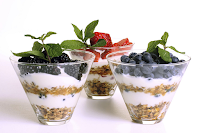
Yogurt does not have to be served this way to be healthy, but I bet many of your friends and relatives would be amazed and much more likely to pass on the cream cake or tiramisu if the option was an appetizing dessert like that.
In a world where being vegan is "the new sexy" and eating animal products "the new smoking", dairy has lost much of its former appeal. I mean, we all remember how the literal "glass of milk" has been marketed as a daily health booster, right? Well, times have changed and that despite the fact that an impartial review of the evidence suggests more benefits than downsides to dairy consumption. Specifically fermented dairy, first and foremost yogurt, but also cheese can, and in the case of yogurt maybe even should be part of your of your diet. And that's not just because both are an often forgotten, but essential part hailed "Mediterranean diet" (Vasilopoulou. 2013). The same diet of which recent studies say that it's associated w/ a -30% reduced CVD risk (Estruch. 2013).
You can learn more about dairy at the SuppVersity

Dairy Has Branched-Chain Fatty Acids!

Is There Sth. Like a Dairy Weight Loss Miracle?

There is Good A2 and Bad A1 Dairy, True or False?

Lactulose For Your Gut & Overall Health

Milk Kills, PR Says + Perverts the Facts

Milk / Dairy & Exercise - A Perfect Match?
How's that? Well, cheese may be full of saturated fat and cholesterol. In controlled trials, however, even high fat cheese has - in contrast to butter, for example (Hjerpsted. 2011) - no or even beneficial effects on the total and LDL cholesterol levels of otherwise healthy individuals. In addition, real dairy cheese has been found to have neutral effects on body weight when it is consumed as part of an otherwise healthy diet. Some traditional types of cheese even share the anti-hypertensive effects of yogurt, which is still the real star among the fermented dairy products. A star that has been shown to prevent weight gain, reduce cholesterol and more meaningful makers of heart disease risk, to improve glycemia, and to prevent the development and/or progression of type II diabetes in both experimental and observational studies (Tholstrup. 2006; Nestel. 2008; Mozaffarian. 2011, Tapsell. 2015).
Figure 1: A study comparing the effects of getting 13% of one's total daily fat intake from cheese vs. butter on the blood lipids in healthy men and women shows increases in TC and LDL only with butter (Hjerpsted. 2013). In contrast to the total and LDL cholesterol levels, the total / HDL cholesterol ratio wasn't affected sign. by butter though. You can thus expect both forms of high fat dairy having negligible cholesterol mediated effects on the heart health of healthy indiv.
In short, the existing scientific evidence leaves little doubt that yogurt is, maybe next to whey (learn why), the star among the dairy based health foods. Part of its beneficial effects are probably mediated by its ability to improve integrity of our digestive tracts and thus to prevent the influx of pro-inflammatory, obesogenic, and pro-atherogenic endotoxins into the bloodstream. With it being available for almost 10,000 years, yogurt is thus the first and oldest "functional food" to act on the recently discovered link between "leaky gut", obesity and cardiovascular disease (Lam. 2011).
Figure 2: Proposed mechanisms by which yogurt consumption exerts beneficial health effects (Marette. 2015)
Some scientists like Marette & Picard-Deland even go so far as to argue that an early introduction of yoghurt into the diets of children is vital to establish a microbial community that supports long-term health. And while Taspell et al. are right to highlight that "[m]ore research is needed" (Tapsell. 2015). There's little doubt that "yogurt can deliver essential nutrients with high bioavailability and relatively low energy density" (ibid).
If the caloric content is controlled, the consumption of a high amount of dairy products (both fermented and non-fermented) is associated w/ sign. greater weight and fat loss - specifically unhealthy trunk fat (Zemel. 2015).
Simply adding yogurt or fermented dairy on top of an unhealthy diet is not going to cut it: People often fail to understand that "superfoods", no matter how "super" they are, can't work their weight loss or health magic if they are simply added on top of one's habitual diets. It is thus not surprising that the addition of yogurt and other fermented dairy products to the Western diet will not yield any significant health benefits if it does not replaces other, less healthier foods. If the energy intake is controlled for, as it was the case in a 2004 study by Zemel et al. higher dairy intakes are however - independent of their calcium content - associated w/ sign. greater weight & fat loss (s. left Figure)
The fact pertinent trials still show ambiguous results, when it comes to the effects of yogurt on body weight and composition (Chen. 2012) is mostly a results of the study designs which usually require subjects to simply increase their intake of dairy products, in general, or yogurt, in particular. As Taspell (2015) points out in a recent review this is a problem "if the energy content of the diet is not managed, particularly with high-fat varieties and with added ingredients such as sugar" (ibid). If it is managed, as in habitual consumers, though, high(er) yogurt intakes have been shown to be associated...
  • Prevalent Nutrient Deficiencies in the US: More Than 40% are Vitamin A, C, D & E, Calcium or Magnesium Deficient and >90% Don't Get Enough Choline, Fiber & Potassium | read more
    with higher scores for the Dietary Guidelines Adherence Index (DGAI) and higher intakes of key micronutrients, as well as significantly higher potassium and fiber intakes - two nutrients the average Westerner usually doesn't get enough of (Wang. 2013)
  • with reduced weight gain in a large US cohort study that tracked the food intake and weight development of 22 557 men and 98 320 women for four years; with R = -0.89 the correlation is similar to the one for the recommended amount of physical activity vs. being sedentary and thus nothing you should ignore as being practically irrelevant
  • with reduced inflammation as measured by C-reactive protein, IL-6 and TNF-a in the ATTICA study that involved 3042 healthy Greek adults for whom only 8 servings of dairy products, in general (full fat and low fat!), were linked with already significant reductions in inflammation; since a greater proportion of the cohort reported consumption of fermented dairy foods such as feta cheese (93%), hard yellow cheese (92%) and low-fat yogurt (50%) compared to low-fat milk (46%), we can yet safely assume that many of these anti-inflammatory benefits were actually due to fermented dairy products
  • with reduced type II diabetes risk (-12% or both yogurt and cheese) in the European Prospective Investigation into Cancer and Nutrition (EPIC)-InterAct Study (Sluijs. 2012);
    Table 1: HRs for risk of type 2 diabetes associated with the substitution of yoghurt (137 ga) for snacks and desserts: EPIC-Norfolk study (n=4,127 | O'Connor. 2014)
    with 28% reduced diabetes risk the results of the EPIC-Norfolk cohort study in the UK were even more impressive (O’Connor. 2014); as you can see in Table 1 the results of this study do yet also underline that the benefits will occur only if yogurt replaces other, less healthier ingredients of ones diet.
Other studies detected significantly lower common carotid artery intima-media thickness (CCA-IMT) in older, female Australian yogurt enthusiasts who consumed only 100g of common yogurt per day (CCA-IMTadj = -0.023 mm, P< 0·003 | Ivey. 2011). And as far as cheeses are concerned evidence from studies like Struijk et al. (2013) which found significant negative associations between cheese intake and the 2h-post prandial glucose levels, a marker that's highly predictive of one's future diabetes risk (Struijk. 2013) and a much better indicator of diabetes-related CVD risk than fasting glucose (Lithell. 2001), would suggest that the existing link between higher cheese intakes and diabetes may be mediated by the complex food matrices in which cheese appears in the Western diet: Cheeseburger, pizza, etc. In the standard Western diet, cheese is always added on top of other (usual junk) foods, which is much in contrast to the way it is consumed in the initially reference Mediterranean diet. 
Kids who drink more milk, tend to be leaner... and that despite (?) the fact that this stuff comes out of an animal and is full of bad cholesterol and fat - outrageous? Not exactly... more!
Does it have to be yogurt with patented probiotics? While some studies like Asemi et al. show benefits of one or several of the myriad of patented yogurt strains, most of the existing evidence suggests that regular yogurt which will also contain sign. amounts of "good" bacteria will have effects that are very similar to those of the expensive "functional foods". I mean, there's a reason yogurt and other fermented dairy foods have been part of the human diet ever since 10 000–5000 BC when we first domesticated milk-producing animals (cows, sheep, and goats, as well as yaks, horses, buffalo, and camels | Moreno. 2012).

For certain parts of the population (like people with high cholesterol, for example), certain starter cultures may yet have sign. advantages - which of the various currently available cultures will have the greatest health impact does yet still have to be elucidated. Next to the starter cultures, the protein content of the end product may be another important thing to keep in mind. Douglas et al. (2013), for example were able to show that Greek yogurt with 24g of protein per 250ml serving has a significantly higher satiety effect than yogurt with lower protein content.
Now this wouldn't be a SuppVersity article if it would rely exclusively on observational evidence. It is thus important to point out that Nestel's 2013 three-week crossover study comparing the effects of dairy foods categorized as low-fat (milk/yogurt), fermented (yogurt/cheese) or non-fermented (butter/cream/ice cream) confirmed that the concentrations of inflammatory markers like IL-6 were significantly lower on the fermented dairy diet than on the non-fermented dairy diet (P < 0.05).
Table 2: While everyone appears to believe that eating cheese was consistently associated with increased CVD risk, the majority of the existing studies shows no sign. association between cheese consumption and cardiovascular disease - especially when the data is adjusted for other dietary factors (summary from Elwood. 2010).
Clinical trials like Nikooyeh, et al. (2011) or Neyestani (2012) show improvements in glycemia, inflammation and adiponectin in type II diabetics and suggest that yogurt may be an ideal vehicle to increase our daily vitamin D3 intakes (by fortification).

Other researchers have been able to show that the consumption of a yogurt snack in the afternoon has potent beneficial effects on appetite control and eating initiation in healthy women (Ortinau. 2013; Douglas. 2013). Similar, yet in many cases more pronounced benefits have been observed in animal studies - studies that also indicate that yogurt exerts, next to its metabolic effects, direct inhibitory effects on colon cancer development and progression, too (de LeBlanc. 2004). All that doesn't negate the need for "[m]ore randomised controlled trials" but as Tapsell highlights in her recent review "the picture [which shows fermented dairy as a health food] is becoming clearer" (Tapsell. 2015). 
Probiotics Inhibit Ill-Health Effects of 7-Day Overfeeding in Man - Does This Make Yakult(R) the Perfect Tool in Your Bulking Toolbox or is it Just Another Marketing Gag? Find out!
So what? While it is obvious that yogurt and other fermented dairy products alone won't solve the Western diabesity crisis. It is unquestionably noteworthy that only 6% of the population in the US or Brazil, where the diabesity epidemic has really been taking off lately, consume yogurt on a daily basis.

As Fisberg et al. (2013) highlight in their review of the history of yogurt, this "represents a missed opportunity to contribute to a healthy lifestyle, as yogurt provides a good to excellent source of highly bioavailable protein and an excellent source of calcium as well as a source of probiotics that may provide a range of health benefits" (Fisberg. 2013).

One thing you must not forget, though, is that all the beneficial effects of yogurt and other fermented dairy products can take full effect only if they are integrated into an overall healthy diet. If you do it like my grandma and add one of those overpriced probiotic drinks to your otherwise pro-inflammatory breakfast, you may upset your knowledgeable grandson, but won't do much for your metabolic and overall health | Comment on Facebook!
References:
  • Asemi, Zatollah, et al. "Effects of daily consumption of probiotic yoghurt on inflammatory factors in pregnant women: a randomized controlled trial." Pakistan journal of biological sciences: PJBS 14.8 (2011): 476-482.
  • Chen, Mu, et al. "Effects of dairy intake on body weight and fat: a meta-analysis of randomized controlled trials." The American journal of clinical nutrition 96.4 (2012): 735-747.
  • de LeBlanc, Alejandra de Moreno, and Gabriela Perdigón. "Yogurt feeding inhibits promotion and progression of experimental colorectal cancer." American Journal of Case Reports 10.4 (2004): BR96-BR104.
  • Douglas, Steve M., et al. "Low, moderate, or high protein yogurt snacks on appetite control and subsequent eating in healthy women." Appetite 60 (2013): 117-122.
  • Elwood, Peter C., et al. "The consumption of milk and dairy foods and the incidence of vascular disease and diabetes: an overview of the evidence." Lipids 45.10 (2010): 925-939.
  • Estruch, Ramón, et al. "Primary prevention of cardiovascular disease with a Mediterranean diet." New England Journal of Medicine 368.14 (2013): 1279-1290.
  • Fisberg, Mauro, and Rachel Machado. "History of yogurt and current patterns of consumption." Nutrition reviews 73.suppl 1 (2015): 4-7.
  • Hjerpsted, Julie, Eva Leedo, and Tine Tholstrup. "Cheese intake in large amounts lowers LDL-cholesterol concentrations compared with butter intake of equal fat content." The American journal of clinical nutrition 94.6 (2011): 1479-1484.
  • Lam, Yan Y., et al. "Role of the gut in visceral fat inflammation and metabolic disorders." Obesity 19.11 (2011): 2113-2120.
  • Lithell, H., and B. Zethelius. "Glucose Tolerance and Cardiovascular Mortality." Arch. Intern. Med. 161 (2001): 397.
  • Marette, André, and Eliane Picard-Deland. "Yogurt consumption and impact on health: focus on children and cardiometabolic risk." The American journal of clinical nutrition 99.5 (2014): 1243S-1247S.
  • Moreno, Aznar LA, et al. "[Scientific evidence about the role of yogurt and other fermented milks in the healthy diet for the Spanish population]." Nutricion hospitalaria 28.6 (2012): 2039-2089.
  • Mozaffarian, Dariush, et al. "Changes in diet and lifestyle and long-term weight gain in women and men." New England Journal of Medicine 364.25 (2011): 2392-2404.
  • Nestel, Paul J. "Effects of dairy fats within different foods on plasma lipids." Journal of the American College of Nutrition 27.6 (2008): 735S-740S.
  • Nestel, Paul J., et al. "Effects of low-fat or full-fat fermented and non-fermented dairy foods on selected cardiovascular biomarkers in overweight adults." British Journal of Nutrition 110.12 (2013): 2242-2249.
  • Neyestani, Tirang R., et al. "Improvement of vitamin D status via daily intake of fortified yogurt drink either with or without extra calcium ameliorates systemic inflammatory biomarkers, including adipokines, in the subjects with type 2 diabetes." The Journal of Clinical Endocrinology & Metabolism 97.6 (2012): 2005-2011.
  • Nikooyeh, Bahareh, et al. "Daily consumption of vitamin D–or vitamin D+ calcium–fortified yogurt drink improved glycemic control in patients with type 2 diabetes: a randomized clinical trial." The American journal of clinical nutrition 93.4 (2011): 764-771.
  • O’Connor, Laura M., et al. "Dietary dairy product intake and incident type 2 diabetes: a prospective study using dietary data from a 7-day food diary." Diabetologia 57.5 (2014): 909-917.
  • Ortinau, Laura C., et al. "The effects of increased dietary protein yogurt snack in the afternoon on appetite control and eating initiation in healthy women." Nutr J 12.71 (2013): 10-1186.
  • Panagiotakos, Demosthenes B., et al. "Dairy products consumption is associated with decreased levels of inflammatory markers related to cardiovascular disease in apparently healthy adults: the ATTICA study." Journal of the American College of Nutrition 29.4 (2010): 357-364.
  • Sluijs, Ivonne, et al. "The amount and type of dairy product intake and incident type 2 diabetes: results from the EPIC-InterAct Study." The American journal of clinical nutrition 96.2 (2012): 382-390.
  • Struijk, E. A., et al. "Dairy product intake in relation to glucose regulation indices and risk of type 2 diabetes." Nutrition, Metabolism and Cardiovascular Diseases 23.9 (2013): 822-828.
  • Tapsell, Linda C. "Fermented dairy food and CVD risk." British Journal of Nutrition 113.S2 (2015): S131-S135. 
  • Tholstrup, Tine. "Dairy products and cardiovascular disease." Current opinion in lipidology 17.1 (2006): 1-10.
  • Vasilopoulou, Effie, Vardis Dilis, and Antonia Trichopoulou. "Nutrition claims: a potentially important tool for the endorsement of Greek Mediterranean traditional foods." Mediterranean Journal of Nutrition and Metabolism 6.2 (2013): 105-111.
  • Wang, Huifen, et al. "Yogurt consumption is associated with better diet quality and metabolic profile in American men and women." Nutrition Research 33.1 (2013): 18-26.
  • Zemel, Michael B., et al. "Calcium and dairy acceleration of weight and fat loss during energy restriction in obese adults." Obesity research 12.4 (2004): 582-590.

Saturday, February 7, 2015

Probiotics Inhibit Ill-Health Effects of 7-Day Overfeeding in Man - Does This Make Yakult(R) the Perfect Tool in Your Bulking Toolbox or is it Just Another Marketing Gag?

Keep in mind: We are dealing with an industry sponsored study, here. One, w/ high baseline differences in insulin sensitivity between the groups.
Investigations into the effects of the intestinal microbiome are popping up all over the place. Unfortunately, many of the studies are conducted in rodents. Whether or not and if to which extent the results transfer to human studies is not sure, though.

Against that background, the results of a recent study from the Loughborough University are all the more intriguing. Why? Well, the study was conducted in a total of seventeen healthy subjects (fourteen males and three females) and the results of the study suggest that  probiotic supplementation may be useful in the prevention of diet-induced metabolic diseases such as type 2 diabetes.
You can learn more about the gut & your health at the SuppVersity

Bugs Dictate What You Crave

Sweeteners & Your Gut

Foods, Not Ma- cros for the Gut

Lactulose For Gut & Health

Probiotics Don't Cut Body Fat

The Macrobiotic MaPi2.0 Diet
Consumption of probiotic yogurt has already been shown to reduce fasting blood glucose concentrations and glycosylated Hb levels in type 2 diabetic patients (Ejtahed. 2012), but whether or not probiotics can also prevent diet-induced insulin resistance in otherwise healthy subjects is not yet known. Therefore, Hulston et al. tested the hypothesis that 4 weeks of supplementation with probiotics (Lactobacillus casei Shirota (LcS)) would prevent insulin resistance induced by short-term, high-fat, overfeeding in healthy young males and females.
Table 1: Physical characteristics of the study subjects before and after 7 d of overeating (Hulston. 2015).
The subjects, seventeen healthy subjects (fourteen males and three females; Table 1), were randomly assigned to one of the following two groups: A control group (n=9, seven males and two females),  and  a probiotic group (n=8, seven males and one female). The probiotic that was used in the present study was LcS (commercially available as the fermented milk drink Yakult Light).
"Both groups maintained their habitual food intake during the first 3 weeks of the study (days 1–21); however, the probiotic group also consumed 65 ml of Yakult Light twice each day. An oral glucose tolerance test (OGTT) was performed on day 22 for the assessment of baseline insulin sensitivity" (Hulston. 2015).
After completing the first OGTT, subjects were provided with a high-fat (65 % energy), high-energy (approximately 50 % increase in energy intake) diet for 7 d. The probiotic group continued to consume 65 ml of Yakult Light twice throughout the 7 d overfeeding period. We selected a 4-week LcS supplementation period, as previous experiments have demonstrated that this is sufficient to alter the composition of the gut microbiota in humans.
Figure 1: Baseline and overfeeding macronutrient intake (left) and insulin sensitivity before and after the 7-day overfeeding period in the 17 healthy, normal-weight sedentary study participants (Hulston. 2015).
Next to a weight increase which did not differ for the two groups, the researchers found significant changes in fasting plasma glucose concentrations in response to the 7 d of overfeeding protocol, changes that reflect (a) the overall increase in carbohydrate consumption and (b) the decrease in insulin sensitivity which was measured separately in response to the meals and yielded a significant reduction of 27% from albeit high baseline levels in the supplementation group and no significant difference in the probiotic group.

With a study period of only 7 days, the overfeeding did yet not wreak enough havoc to mess with the fasting serum insulin concentrations, the hallmark feature of beginning diabetes. The latter remained stable in both both groups - more evidence that you can neither get fat, nor diabetic in just a few days (reread my article "Can You Get Fat in Only Three Days?" | here).
Bulking Done Right: What Can the Latest 100 Day +1,000 Kcal/day Overfeeding Study Tell Us About How Baseline Fitness, Fatness, Hormones & More Affect the Outcome | Learn more about the science of bulking in a previous SuppVersity article 
So what? They both did gain weight, no? Right, the subjects in both groups gained weight, but only the subjects in the control group showed elevated glucose AUC values (+10%) that were indicative of a 27% whole-body insulin sensitivity. The subjects in the probiotic group, on the other hand, were protected from the pro-diabetic insult of the 7-day overfeeding period. Since the baseline insulin sensitivity was significantly higher in the control group, the relative difference should not be overrated, though.

Practically speaking, this means that the use of a single small 65ml Yakult Light drink during a bulk may postpone the onset of reductions in insulin sensitivity and could thus to avoid unwanted pre-diabetic consequences... well, on the other hand, it is questionable, whether the results would be identical if the overfeeding had been high(er) in protein and complemented with an intense exercise regimen, which is why I would not yet recommend spending money on any of these expensive "functional foods" | Comment on Facebook!
References:
  • Ejtahed, Hanie S., et al. "Probiotic yogurt improves antioxidant status in type 2 diabetic patients." Nutrition 28.5 (2012): 539-543.
  • Hulston, Carl J., Amelia A. Churnside, and Michelle C. Venables. "Probiotic supplementation prevents high-fat, overfeeding-induced insulin resistance in human subjects." British Journal of Nutrition (2015): 1-7.

Tuesday, November 4, 2014

Milk, a Glucose Uptake Promoter That's More Than the Sum of Its Parts. Plus: HICA & HMB in Yogurt. How Much EAA in Your Protein? Raw Milk Does not Cure Lactose Intolerance

Milk is one of the few foods that are advertized by celebrities that could actually be good for you (photo from the "Got Milk" campaign)
I hope you are not fed up with milk and dairy, yet, because today's SuppVersity short news have a ton of it. What exactly?

Well, after taking a closer look at the surprisingly high amount of HICA and the comparatively small amount of HMB in yogurt and reviewing the EAA content of six common protein sources, we are going to delve deeper into the latest evidence that shows that milk is much more than the sum of its parts, i.e. milk protein, lactose and fat and conclude on a note on another widely known Internet myth that says that people with lactose intolerance could drink raw milk without a problem.
You can learn more about dairy at the SuppVersity

Dairy Has Branched-Chain Fatty Acids!

Is There Sth. Like a Dairy Weight Loss Miracle?

There is Good A2 and Bad A1 Dairy, True or False?

Lactulose For Your Gut & Overall Health

Is There a "Fat Advantage" for Dairy Lovers

Dairy, Diabetes, Estrogen, IGF-1, Cancer & More
  • Figure 1: Amount of HICA & HMB (in µg/L) in commercial whole milk and yogurt (Ehling. 2014)
    Significant amounts of HMB and specifically HICA in yogurt. We all know that yogurt is among the dairy products with the most evidence of significant health benefits. That yogurt could be a decent muscle builder, on the other hand, would be news.

    With ~5 mg of β-hydroxy-β-methylbutyric acid (HMB) and up to 12.5 mg of α-hydroxyisocaproic acid (HICA) yogurt would have what it takes if the values of HMB and HICA Stefan Ehling and Todime M. Reddy measured in regular yogurt were on a per gram, not a per liter basis (Ehling. 2014).
  • How much EAA in my protein? Since I have been repeatedly questioned about the essential amino acid content in whey, milk, soy, and egg protein. I have published Table 1 which originally appeared in a 2010 study by Hulmi et al. on Facebook, already.
    Table 1: Approximate amino acid composition of popular protein powders (Hulmi. 2010)
    For those of you who are missing out on the daily 12+ SuppVersity Facebook News, because they haven't liked www.facebook.com/SuppVersity, yet. I will now publish it again - as a reference source, if you will.
  • Milk a glucose uptake promoter that's more than the sum of its parts. In view of the fact that we have already two dairy related news in today's SuppVersity article, I decided to have another "milky news" in today's SuppVersity short news item. One all the milk-drinkers among the SuppVersity readers will cherish.

    Recently, Shirin Panahi and colleagues from the University of Toronto, the Mount Saint Vincent University and the University of Guelph published the results of a randomized, cross-over study that was conducted to prove / disprove the hypothesis that
    "[T]hat regulation of postprandial glycemia after milk consumption occurs through both insulin and insulin-independent actions due to interactions among its macronutrient components and energy content. The objective was to compare the effects of isovolumetric (500ml) beverages of whole milk (3.25% M.F.), each of its macronutrient components (protein, lactose and fat) and their combination (a simulated milk beverage) on postprandial glycemia, glucoregulatory and gastrointestinal hormones and gastric emptying in healthy young men" (Panahi. 2014).
    In the course of the study, the 12 young, male subjects consumed beverages containing 500 ml of whole milk (3.25% M.F.) (control), a simulated milk beverage based on milk macronutrients or milk protein (16g), lactose (24g) and milk fat (16g) in isolation.
    Table 2: Nutritional composition of the test meals | a Composition of each beverage as provided by
    the manufacturer; b amounts given are per 500ml serving. Paracetamol (1.5g), vanilla extract (1.2ml)
    and sucralose (0.02g) were added to all beverages (Panahi. 2014).
    What the researchers found was that both the whole and simulated milk had similar beneficial effects on blood glucose rise after their "meal" (drink), but as it turned out the simulated milk resulted in a significantly higher (41%) glucagon-like peptide-1 (GLP-1) production and lower (43%) ghrelin areas under the curve (AUC) than whole milk (P=.01 and P=.04, respectively).
    Figure 2: Glucose, insulin, c-peptite, rate of insulin secretion, GLP-1, PYY, CKK
    and ghrelin levels after the test "meals" expressed relative to the sum of the effects
    of the same amount of milk protein, lactose and fat (Panahi. 2014)
    Now, all that would hardly be newsworthy (at least not for regular SuppVersity readers, if the two samples, i.e. both the whole and simulated milk, didn't lower the glucose (P=.0005) levels more than predicted by the sum of AUCs for their components (see Figure 2)!
    "Adjusted for energy content, milks produced lower glucose and hormone responses than predicted from the sum of their components. The effect of protein/kcal on the AUCs was higher than fat/kcal for insulin, C-peptide, insulin secretion rate, GLP-1, CCK and paracetamol (P < .0001), but similar to lactose except for CCK and paracetamol, which were lower. The response in PYY and ghrelin was similar per unit of energy for each macronutrient" (Panahi. 2014).
    In other words: Milk is way more than the sum of it's parts. In that, the "regulation of postprandial glycemia after milk consumption occurs through both insulin and insulin-independent actions due to interactions among its macronutrient components and energy content to achieve lower postprandial glycemia than predicted from the sum of its components" (Panahi. 2014).
If you haven't read it, already, take a look at my rebuttal to the latest assault on milk | read more
Bottom line: Quite the "milky" short news, right? Well, I guess it may be worth topping off all these good news about dairy products with a bad one. The common "Internet wisdom" that raw milk could offset the problems of people with lactose intolerance is a myth.
According to a 2014 paper by Sarah Mummah et al. who tested this myth in 16 adults with self-reported lactose intolerance and lactose malabsorption confirmed by hydrogen (H2) breath testing, "raw milk fail[s] to reduce lactose malabsorption or lactose intolerance symptoms compared with pasteurized milk among adults positive for lactose malabsorption." (Mummah. 2014) The "raw milk can be consumed by anyone" anecdote does thus belong to the realms of scientifically unwarranted die-hard bro-science | Comment on Facebook!
References:
  • Ehling, Stefan, and Todime M. Reddy. "Investigation of the Presence of β-Hydroxy-β-methylbutyric Acid and α-Hydroxyisocaproic Acid in Bovine Whole Milk and Fermented Dairy Products by a Validated Liquid Chromatography–Mass Spectrometry Method." Journal of agricultural and food chemistry 62.7 (2014): 1506-1511.
  • Hulmi, Juha J., Christopher M. Lockwood, and Jeffrey R. Stout. "Review Effect of protein/essential amino acids and resistance training on skeletal muscle hypertrophy: A case for whey protein." (2010).
  • Mummah, Sarah, et al. "Effect of Raw Milk on Lactose Intolerance: A Randomized Controlled Pilot Study." The Annals of Family Medicine 12.2 (2014): 134-141. 
  • Panahi, Shirin, et al. "Mechanism of action of whole milk and its components on glycemic control in healthy young men." The Journal of nutritional biochemistry (2014).