Showing posts with label rice. Show all posts

Wednesday, September 30, 2015

3.8 vs. 2.3 g/kg Protein + Exercise to Improve Body Comp. | Digestive Enzymes to Pimp Vegan Proteins | High Protein vs. MUFA Meals for GLP1 | ISSN Research Review '15 #3
"If some is good, more is better!" Unfortunately, this simple maxime does rarely apply when it comes to the physiological response to certain foods and/or supplements. For protein, however, it appears as if the relation holds - at least as long as protein does not become the only energy source in your diet.
I guess by now I can simply skip the lengthy introduction telling you about how I didn't want to cherry pick only three out of more than twenty newsworthy studies that were presented at the Twelfth International Society of Sports Nutrition (ISSN) Conference and Expo in 2015, when I started writing this series right (click here if you have missed the previous articles)?

Well, that's good because it leaves more room for a brief preview of the studies I am about to discuss in today's third serving of the SuppVersity ISSN Research Review 2015 - studies that are all related (in one way or another) to increased protein intake. Either in overweight or obese people, for whom higher protein meals increase the post-prandial increase of the "satiety hormone" GLP-1, or in vegans, vegetarians and everyone else who wants to make the most of his vegetable protein sources (pea and rice protein, to be precise) by adding digestive enzymes to the mix, or - last but not least - gymrats who ramp up their protein intake from 2.3 to 3.8 g/kg body weight to see even more pronounced improvements in body composition.
Read more about ISSN and other studies at the SuppVersity

Vitargo, Red Bull, Creatine & More | ISSN'15 #1

Pump Supps & Synephrine & X | ISSN'15 #2

High Protein, Body Comp & X | ISSN'15 #3

Keto Diet Re- search Update | ISSN'15 #4

The Misquantified Self & More | ISSN'15 #5

BCAA, Cholos-trum, Probiotics & Co | ISSN'15 #6
  • High protein, high GLP-1, ... highly beneficial? As a SuppVersity reader you are aware of the far-reaching metabolic effects of GLP-1 on appetite (suppression | Näslund. 1999), glucose and fat metabolism, as well as thermogenesis (Lejeune. 2006). Against that background, you will know that the small, but statistically significant increase in GLP-1 Franklin et al. (2015) observed in their latest study which compared the effects of a high protein and high mono-unsaturated fat meal on the well-known incretin hormone may have significant long-term effects even though the blood glucose levels of the study's twenty-four overweight or obese participants (male/female: 12/12; age: 38.7 ± 15.3 (mean ± standard deviation) years; BMI: 31.6 ± 4.0kg/m²), who consumed isocaloric meals containing either 35.2% energy from fat and 20.7% from monounsaturated fat (HMF meal) or 31.9% energy from protein (HP meal), did not trigger differences in post-prandial glucose levels at 30, 60, 120, and 180 min.

    Figure 1: Levels of active GLP-1 in response to high protein (HP) or high MUFA (HMF) meals (Franklin. 2015).
    To believe that "simply eating more protein" is going to solve all your weight problems, though, would be short-sighted - especially for the overweight obese for whom the study at hand as well as previous studies investigating the effects of GLP-1 on glucose metabolism suggest that they may benefit to a lesser extent from protein induced increases in GLP-1 than lean individuals, in whom the "satiety hormone" will trigger much more pronounced β-cell responses that in in patients with sign. insulin resistance and pre- or full-blown type 2 diabetes (Kjems. 2003).

    If that sounds like you, using the high(er) protein meals in conjunction with an energy restricted diet to lose weight and thus to improve your insulin sensitivity can obviously still be beneficial. Without a planned, reasonable caloric deficit, however, high(er) protein intakes alone are probably not going to "cut it" (all puns intended).
Even if weight loss is the goal, training fasted and thus hungry does not appear to provide significant benefits. Learn more about this longstanding myth and the reality in my write-up of Schoenfeld et al's seminal paper on fasted cardio and fat loss. A paper that finally had a long-standing and die-hard fat loss myth tumble.
Are you hungry before your workouts? In this case you may be interested in the results of a paper by Nystrom et al.' who suggest that athletes have to use "more proactive strategies [...] to optimize training adaptations". Why's that? Well, of the 481 (240 women, 241 men) NCAA Division I athletes representing eleven intercollegiate sports from three universities in three athletic conferences (i.e., Atlantic 10, Atlantic Coast Conference, Conference USA) who participated in the researchers investigation into the nutrient timing habits of Division I NCAA athletes, 79% reported feeling hungry prior to training, practice or competition - and that despite the fact that most of them had breakfast. It is thus well possible that the amount and types of foods athletes eat before their workouts do still receive (too) little by athletes and their athletic departments which often provide post-workout meals, but fail to do so pre-workout.
  • Pimp my plant protein - digestive enzymes can do the trick! Despite the fact that pea and other protein powders have become widely (and cheaply) available over the past years, vegan and vegetarian athletes and gymrats are still having a harder time satisfying their protein requirements than their omnivore competition or gym-buddies. Against that background and in view of the fact that more and more athletes are "going vegan" or at least vegetarian, the latest study by Julie Minevich (2015) and colleagues from the University of Tampa and the formulators, manufacturers and vendors of digestive enzymes and respective supplements from Chemi-Source and Increnovo LLC, was in fact published quite timely. A study that was designed...
    "to investigate if co-ingestion of a plant protein specific digestive enzyme blend (Digest-All® VP, a proprietary enzyme blend consisting of protease 6.0, protease 4.5, peptidase, bromelain and alpha-galactosidase, Chemi-Source, Inc., Oceanside, CA) can reduce the significant differences in amino acid appearance in the blood between plant and animal proteins" (Minevich. 2015).
    To this ends, 11 resistance-trained male subjects (age: 21.4 ± 1.5 years, body weight: 82.5 ± 3.9kg, height: 177.3cm ± 6.1cm | average training status of 2.3 years ± 1.9 years) were randomly assigned to receive either 60 g of whey protein concentrate, or the same amount of protein in form of a 70:30 blend of pea and rice protein concentrates (Veg), either alone or alonside the enzyme blend Digest-All® VP in a double-blind, crossover study. All supplements were provided on an empty stomach after a 12 hour overnight fast. The three testing sessions, in which blood was drawn immediately prior to, and at 30 minutes, 1, 2, 3, and 4 hours following consumption of the supplements, were separated by a washout period of 7 days.
    Figure 2: Time to achieve peak amino acid levels and total amount of amino acids that made it to the blood stream with whey protein, the pea + rice mix and the pea + rice mix w/ digestive enzymes (Minevich. 2015).
    Ok, I have to admit that the differences are not exactly staggering and the standard deviations (see error bars) are large, but still. One potentially important determinant of skeletal muscle metabolism, the time it takes for the serum levels of essential amino acids - including leucine - to peak, i.e. T_max in Figure 2, was visibly improved by the addition of digestive enzymes to the otherwise comparatively slow digested rice + pea protein mix (if you look at the error bars, you will see that this was just a "trend", though).

    If you also take into account that the digestive enzyme blend brought the area under the EAA curve (see Figure 2) and the peak amino acid levels (not shown in Figure 2) of the vegetable protein blend up to the same level as it was observed with whey protein, it would seem as if the study would provide the missing evidence of the usefulness of proteases and co. for people who want to make the absolute most of their vegetable protein supplements - what is missing, obviously, is data that would allow us to quantify the downstream effects on muscle gains and other practically relevant study outcomes.
  • High protein + training = WIN?! You will certainly remember the impressive results of Antonio et al.'s 2014 study on the effects of a 4.4g/kg protein diet on the body composition healthy resistance-trained men and women (learn more). Right after said study had been published the authors promised a follow up that would combine a similarly high protein intake with a controlled exercise intervention and... voila! The first results of this study were presented at this year's ISSN meeting.

    For the corresponding experiment, Ellerbroek et al. recruited forty-eight healthy resistance-trained men and women in their early twenties. who consumed either 2.3g/kg body weight per day (NP) or 3.4g/kg body weight per day (HP) of dietary protein during the treatment period. Moreover, all subjects participated in a split-routine, body part heavy resistance-training program. Training and diet (everyday) logs were kept by each subject.
Learn everything about the previous study.
Don't worry! I am going to write a full review of this study as soon as it will be published. In theory I would have had to skip it just like the other studies, but since I would have been mad at me if for doing that if I were you, I decided to give summarize the little information you can find in the abstract. Against that background I hope you will understand that I will refrain from making any definite conclusions until I've read the full-text. The abstract does after all lack a lot of potentially relevant information, such as the type of workouts, the way the subjects achieved the increase in protein intake (dietary or supplemental protein), the adherence, actual protein, carb & fat intakes, etc.
  • As the scientists point out in the results section of the abstract, their two-time point (Pre, Post) by two-group (NP, HP) repeated-measures analysis of variance (ANOVA) showed (a) significant time by group (p ≤ 0.05) changes in body weight with weight gains and loss in the normal and high protein groups, respectively (1.3 ± 1.3 kg NP, -0.7 ± 4.0 HP), as well as reductions in total and relative body fat in both groups (-0.3 ± 2.2 kg NP, -1.7 ± 2.3 HP), and % BF (-0.7 ± 2.8 NP, -2.4 ± 2.9 HP) - both as you can see in Figure 3 with significant advantages for the HP group.
    Figure 3: Changes in body weight, fat and fat free mass in the normal and high protein groups during the diet + training intervention; mind the error bars = high inter-individual differences (Ellerbroek. 2015).
    In the absence of any form of ill health effects due to the high protein intake (both groups consumed significantly more than the recommended daily allowance of 0.8g/kg), Ellerbroek et al. also found a significant time effect for the increase in fat-free mass  (1.5 ± 1.8 NP, 1.5 ± 2.2 HP), 1-RM on the bench and squats and vertical jump and pull-up performance - albeit without significant diet-induced inter-group differences.
So what's not in this issue? Poster presentations I decided not to discuss "at length" in this issue are the allegedly interesting presentation by Galvan et al. on the "[e]ffects of 28 days of two creatine nitrate based dietary supplements on bench press power in recreationally active males." Just as it was the case for the previously referenced studies on BCAAs, I'd rather wait for the full-text to be published before I make up my mind on whether creatine nitrate is the first form of "advanced creatines" that's actually worth it's money (unlike the rest of the pack | Jäger. 2011).

Blocking Inflammation is Like Cho- king the Fire: Long Term Weight-, Visceral- and Android-Fat Gain in Human Study Emphasizes Essential Role of TNF-α in Metabolic Control!
The same must be said of a study by Detzel, et al. (2015) in which the researchers compared the effects of functional animal proteins on mTOR and endotoxins like , pro-inflammatory compounds, that arise as a consequence of intense training. There's no debating: The way serum the derived protein supplements (BioBeef, SerumPro, and SuperSerum) were capable of neutralizing endotoxin is is interesting, but to comment on the practical usefulness of blending of high-quality protein sources with functional serum protein supplements (SuperSerum and SerumPro) the abstract that does not provide numbers to assess the relevance of the reductions in IL-8 cytokine production by THP-1 monocytes is simply not sufficient | Comment!
References:
  • Detzel, Christopher J., et al. "Functional animal proteins activate mTOR and bind pro-inflammatory compounds." Journal of the International Society of Sports Nutrition 12.Suppl 1 (2015): P35.
  • Ellerbroek, Anya, et al. "The effects of heavy resistance training and a high protein diet (3.4 g/kg/d) on body composition, exercise performance and indices of health in resistance-trained individuals-a follow-up investigation." Journal of the International Society of Sports Nutrition 12.Suppl 1 (2015): P37.
  • Franklin, Brian, et al. "The effect of meal composition on postprandial glucagon-like peptide-1 response in overweight/obese participants." Journal of the International Society of Sports Nutrition 12.Suppl 1 (2015): P12.
  • Galvan, E., et al. "Effects of 28 days of two creatine nitrate based dietary supplements on bench press power in recreationally active males." Journal of the International Society of Sports Nutrition 12.Suppl 1 (2015): P17.
  • Jäger, Ralf, et al. "Analysis of the efficacy, safety, and regulatory status of novel forms of creatine." Amino Acids 40.5 (2011): 1369-1383.
  • Lejeune, Manuela PGM, et al. "Ghrelin and glucagon-like peptide 1 concentrations, 24-h satiety, and energy and substrate metabolism during a high-protein diet and measured in a respiration chamber." The American journal of clinical nutrition 83.1 (2006): 89-94.
  • Näslund, E., et al. "Energy intake and appetite are suppressed by glucagon-like peptide-1 (GLP-1) in obese men." International journal of obesity 23.3 (1999): 304-311.
  • Nystrom, M. G., et al. "Nutrient timing habits of Division I NCAA athletes." Journal of the International Society of Sports Nutrition 12.Suppl 1 (2015): P33.
  • Minevich, Julie, et al. "Digestive enzymes reduce quality differences between plant and animal proteins: a double-blind crossover study." Journal of the International Society of Sports Nutrition 12.Suppl 1 (2015): P26.

Saturday, November 29, 2014

Chicken, Rice, Veggies & Oil and How Their Effects on Your Insulin & Glucose Levels Are 50% Off Those You'd Expect Based on the Calculated Glycemic Index of This Meal

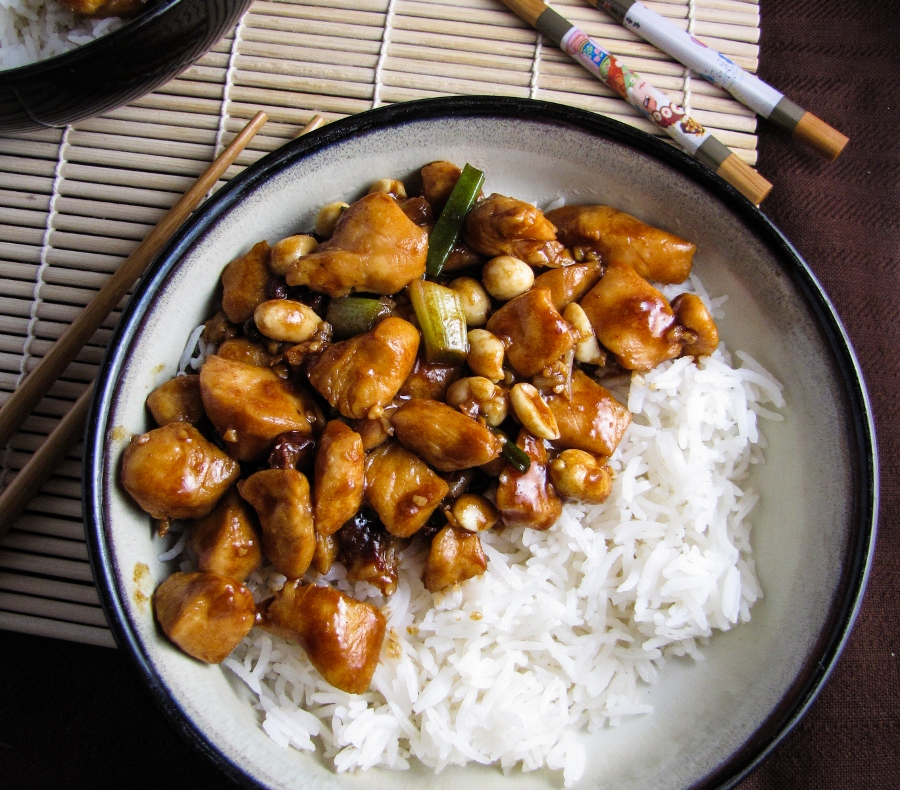
The power of GI calculations is limited and even with meals as simple as the one in the picture, the calculated glycemic index can be ~50% off!
As a SuppVersity reader you've repeatedly read about macronutrient interactions, such as the insulin boosting effects of whey protein or dietary fat, studies that investigate the effects of the individual ingredients of a complete meal on the glycemic response healthy men and women, however, are scarce. Against that background the results of a recent study from the Clinical Nutrition Research Centre at the Singapore Institute for Clinical Sciences are of particular interest. After all, the Lijun Sun et al. (2014) determined the effect of co-ingesting a high-protein food (breast chicken), a fat (ground nut oil), a leafy vegetable or all three on the glycaemic and insulinaemic responses of white rice in healthy adults and did thus produce results that could be practically relevant for all of us - more relevant than inaccurately calculated GIs.
Use sugar alternatives if you want to improve your blood glucose!

Unsatiating Truth About Sweeteners?

Will Artificial Sweeteners Spike Insulin?

Sweeteners & the Gut Microbiome Each is Diff.

Sweeter Than Your Tongue Allows!

Stevia, Much More Than Sweet?

Artif. Sweetened Foods Good, Not Bad for Fat Loss.
Before we get to the study results, though, let's briefly recap what the researchers actually did: Sun et al. recruited twelve healthy participants (six female and six male) by means of advertisements, flyers and personal communications.
"Before inclusion into the study, potential participants were briefed on all aspects of the experiment and were given the opportunity to ask questions. Following the securing of consent, a health assessment was performed which included anthropometric measurements and a health questionnaire (giving details of food allergies/intolerance, metabolic diseases, special dietary needs and smoking habits). Those who fulfilled all the inclusion criteria [body mass index 18.5–24.99 kg/m2; blood pressure (BP)—systolic BP between 110 and 120 mmHg and diastolic BP between 75 and 85 mmHg; age 21–50 years; fasting blood glucose, 4–6 mmol/L; not on prescription medication, non-smoking; no genetic or metabolic diseases) were enrolled into the study." (Sun. 2014)
In addition, the amount of regular physical activity was quantified and subjects who were partaking in competitive sports and endurance events were excluded. Eventually, the scientists ended up with a group of normal-weight men and women at the age of 21–34 years.
Table 1: Composition of the test meals, ACHO = available carbohydrates.
Nutritional data were obtained from the manufacturers (Sun. 2014).
The subjects visited the laboratory 5 times (plus a baseline testing with a glucose solution). On each of these testing sessions, which were separated by at least one week, the subjects arrived at the laboratory between 7:30 and 8:30 after an overnight fast and received one of the five test meals from Table 1, which contained 194 g white of plain white rice,  254 g of white rice with fat, 294 g of plain white rice with chicken breast, 314g of white rice with vegetable and 474g of white rice with fat, chicken and vegetable, respectively.
Ground nut oil? I guess most of you will know the oil that was used in the study at hand as "peanut oil" and it is - as you will probably know, as well - not exactly high in "holy" omega-3 fatty acids. Rather than that, peanut oil contains oleic acid (46.8% as olein), linoleic acid (33.4% as linolein), and palmitic acid (10.0% as palmitin), as well as small amounts of stearic acid, arachidic acid, arachidonic acid, behenic acid, lignoceric acid, but not a singly milligram of omega-3s.
The test or reference food was then given to consume within 15 min. Further blood samples for glucose and insulin analysis were taken for the subsequent 180 min (every 15 min in the first hour and every 30 min for the subsequent hours) - a procedure that yielded the following results.
Figure 1: Glucose levels expressed relative to the ingestion of 250g of glucose (Sun. 2014)
The values in Figure 1 are expressed relative to the glucose response to 250g of pure glucose, of which a brief glimpse at the data tells you that they produce higher peak and incremental area under the curve (iAUC, a measure for the glycemia over the whole testing period) levels than any of the meals. Statistical significant differences were yet observed only for rice with chicken breast, rice with vegetable, and rice with fat, chicken and vegetable - yet not for the plain rice and the rice + fat meal (the latter was to be expected based on the discussion in my previously referenced article "True or False? Adding Fat to A Carby Meal Lowers Insulin Response" | read more).

Significant differences for the insulin response were observed for the white rice + chicken meal, where the insulin response was significantly higher compared to the white rice only (+22%), as well as the rice with + vegetable meal, where the insulin response was significantly lower compared to the white rice only condition (-16%).

The combination of foods determines the GI of the meal

Based on the classic equation that's usually used to determine the glycemic index of a meal (Hätönen. 2011), Sun et al. calculated the predicted glycemic of the five test meals and compared it to the actual glycemic index (GI) that was calculated based on the measured glucose and insulin response of the subjects.
Figure 2: Predicted and measured glycemic index as well as measured insulinemic index of the meals (Sun. 2014)
As you can see in Figure 2, the comparison yields an unsurprising result. As it's usually the case, when simple equations are used to predict physiological effects, the real GI values were significantly different from the calculated ones and  - significantly lower, that is. Accordingly, the meal with the least impact on postprandial glycemia and a comparatively low insulinemic effect is the one containing rice, fat, chicken and veggies - in other words, the complete meal. 
Suggested Read: "Get Your Protein, Veggies & Fruits and Get Them Regularly: High(er) Meal Frequency (6 à Day) + High(er) Protein Diet Support Weight & Fat Loss on a Diet." | read more
Bottom line: While the importance of the glycemic index (GI) has long been totally overrated, there is accumulating evidence that high postprandial glucose levels are a significant contributor to increases in cardiovascular disease risk even in healthy individuals (Einarson. 2011; Mah. 2011). Against that background the results of this recent trial support my previous recommendation to consume balanced meals containing protein, fat and carbohydrates, instead of no-fat or no-carb meals.

In contrast to what the "paleo hypothesis" and the notion that our ancestors would not have collected some berries or boiled some rice to have it alongside the chicken they just caught would say, the contemporary scientific evidence indicates that we are well equipped to handle complex meals, as long as they don't contain exorbitant amounts of fat and carbohydrates.

One thing we should not forget, though, is that the 50% discrepancy between the calculated and real glycemic index of the "complex" test meal (four ingredients is not exactly "complex", actually) suggests that one of the reasons that many of the previous studies failed to detect a meaningful association between the (obviously calculated) GI of an individuals diet and his / her cardiovascular or diabetes risk may be that the data the scientists used was similarly inaccurate as the predicted glycemic indices of the test meal in the study at hand | Comment on Facebook!
References:
  • Hätönen, Katja A., et al. "Protein and fat modify the glycaemic and insulinaemic responses to a mashed potato-based meal." British Journal of Nutrition 106.02 (2011): 248-253.
  • Mah, Eunice, et al. "Postprandial hyperglycemia impairs vascular endothelial function in healthy men by inducing lipid peroxidation and increasing asymmetric dimethylarginine: arginine." The Journal of nutrition 141.11 (2011): 1961-1968. 
  • Sun, Lijuan, et al. "Effect of chicken, fat and vegetable on glycaemia and insulinaemia to a white rice-based meal in healthy adults." European journal of nutrition (2014): 1-8.
  • Wolever, T. M. S. "Is glycaemic index (GI) a valid measure of carbohydrate quality&quest." European journal of clinical nutrition 67.5 (2013): 522-531.

Monday, August 4, 2014

Rice the Original Bodybuilding Supplement? γ-Oryzanol Supplement Augments Changes in Body Composition & Strength in 9 Week Resistance Training Study

Purple rice sushi could actually replace chicken + rice in the BB std.diet
Chicken and rice, these are the staples of a classic bodybuilding diet. As far as the chicken goes, you will all be aware that it qualifies mostly due to its high protein and low fat content. Rice, on the other hand, is a decent carbohydrate source and as such not exactly zeitgeisty... I guess we could easily get lost in the high vs. low carb debate again, which is why I would draw your attention to the fact that Saghar Eslami and his colleagues from the University Putra Malaysia did not feed their thirty two healthy young male subjects (aged 18 to 32 yr), who were recruited for this double-blind clinical conducted in the Faculty of Sport Sciences at the University of Isfahan, in Iran, tons of rice (see bottom line for an estimation of how much it would take).

What they did was to provide their subjects, who were not allowed to drink, smoke or do any other exercise except from the prescribed protocol, with either 2x300mg γ-oryzanol or identically looking placebo capsules (There was no significant difference between the placebo and supplement groups with respect to age, weight, energy, carbohydrate, protein, and fat intakes).
Learn more about the best muscle builders at the SuppVersity

Optimizing Rest for Size and Strength Gains

Alternating Squat & BP - Productive?

Farmer's Walk or Squat? Is Strong- men T. For You?

Full ROM ➯ Full Gains - Form Counts!

Battle the Rope to Get Ripped & Strong

Up Your Squat by 25% With Sodium Bicarbonate
According to Eslami et al. the use of gamma oryzanol, which is found in rice bran, wheat bran and certain fruits and vegetables "as a nutritional supplement for strength in athletes is prevalent" (Eslami. 2014), while the research to date has tended to focus on gamma oryzanol effects in patients, especially hyperlipidemics, rather than on resistance athletes.

If we take a look at the existing evidence there are studies by Bucci et al. who found that the intake of 30 mg ferulic acid per day (extracted from gamma oryzanol) for eight weeks resulted in increasing body weight and muscular strength in weight lifters, and a study by Fry et al. which reports strength increases in response to the ingestion of 500 mg/day gamma oryzanol supplementation in 40 year-old or older adults.
Figure 1: Overview of exercise protocol (left); changes in 1RM on the bench and leg curl machine (Eslami. 2014)
In view of the existing evidence it's thus not totally surprising that the complex mixture plant sterols and ferulic acid esters had statistically significant effects on the 1RM strength increase in response to the 9-week resistance training protocol with its 4 weekly supervised RT sessions, a set-count of three and a rep range from 6-12 repetitions (at a pace of 2 sec up and 4 sec down) for each exercise (inter-set rest was 3 minutes; exercise selection see Figure 1).

Visible, but not significant changes in body composition

In contrast to the significant changes in muscular strength, the inter-group differences with respect to the already small changes in the anthropometric measurements (see Figure 2) did not reach statistical significance.
Figure 2: Changes in body composition (all non-significant inter-group differences; Eslami. 2014)
As Eslmai et al. point out, "it might be suggested to use this supplement for longer time" and or to "analyze the antioxidant levels in the blood of the athletes to consider exercise effects on oxidation and free radical production as well as inhibitory effect of supplement" (Eslami. 2014), which would be a first step to understand how γ-oryzanol is actually working - up to now this is still pretty much unknown (Fry et al. speculated about increases in testosterone or androgen receptor interaction, but that's not proven yet; Fry. 1997).
What else can γ-Oryzanol do for you? Traditionally it has been used to treat medical conditions, including heart burn, nausea, vomiting, anxiety, depression, oxidative stress, under-active thyroid, symptoms of menopause, gastritis, childhood rashes, physical injuries, and muscular aches and pains, hyperlipidemia (high cholesterol), high blood pressure & more (Patel. 2004). It will also stimulate the release of endorphins and has thus been used with some success in the treatment of emotional disorders. Last but not least, it's a potent antioxidant that protects your cells and DNA from oxidative damage (Tsushimoto. 1991).
Bottom line: When I started to write this article, I thought that I would end it on a note that says that you cannot get away without supplements. If we assume, though, that you are willing to consume 822g of Kumdoisaket purple rice from Thailand per day, you would actually be able to get your 600mg of γ-oryzanol (Bonsit. 2006).

Not realistic? Well, I guess you won't be happy to hear then that it would take the sumo amount of ~2kg of white rice to get to your 600mg of γ-oryzanol per day... but hey, you know what? If you do that I am pretty sure that you'll see that the changes in body composition that were still non-significant in the study at hand would become significant ;-) Which brings me to the most important question: Would I buy a supplement like this? Probably not. Mostly because I have been disappointed by too many supps to be willing to risk wasting any more money.
References:
  • Boonsit, Panita, Dumnern Karladee, and P. Phongpiachan. "Gamma oryzanol content in purple rice Thailand local genotypes." Tropentag, October (2006): 11-13.
  • Bucci, L. R., et al. "Effect of ferulate on strength and body composition of weightlifters." J Appl Sports Sci Res 4 (1990): 110. 
  • Eslami, Saghar, et al. "Effects of gamma oryzanol supplementation on anthropometric measurements & muscular strength in healthy males following chronic resistance training." Indian J Med Res 139 (2014): 857-863.
  • Fry, A. C., et al. "The effects of gamma-oryzanol supplementation during resistance exercise training." International journal of sport nutrition 7.4 (1997): 318-329.
  • Patel, M., and S. N. Naik. "Gamma-oryzanol from rice bran oil: a review." J. Sci. Ind. Res 63 (2004): 569-578.
  • Tsushimoto, Gen, et al. "DNA-damaging, mutagenic, clastogenic and cell-cell communication inhibitory properties of gamma-oryzanol." The Journal of toxicological sciences 16.4 (1991): 191-202.

Saturday, February 15, 2014

Veggies Rule: As an Adjunct to Your Starches Leafy Greens Reduce Postprandial Glycemia + Insulin and Boost the Production of the Anti-Obesogenic Satiety Hormone GLP-1

Don't worry, you don't have to eat veggies only for the rest of your life, but you should never eat a meal without them!
I've been writing about the "add fat to your carbs to ameliorate the obesogenic insulin response" bullsh*t before (see "True or False? Adding Fat to A Carby Meal Lowers Insulin Response. Muscle Hypertrophy Impairs Oxygen Diffusion. Reducing Carb Intake Improve Muscular Insulin Sensitivity" | read more). What I have not been writing about before are better alternatives. Alternatives such as a huge bowl of veggies. A bowl like the one the participants in a recent study from the Graduate School of Human Sciences and Design at the Japan Women’s University in Tokyo consumed as an adjunct to a standardized white rice meal.

Add veggies to your rice!

Basically, the scientists tested four different conditions. In condition (S), the participants consumed only the staple food (boiled white rice weighing 200 g heated in a microwave oven for 2 min). In condition (SM), the participants consumed the staple food (rice) and a main dish, in this case a boiled egg and tofu (soyabean curd). The third condition (SMF) was the same staple bowl of rice and main dish, but this time "enhanced" with an extra serving of fat from delicious mayonnaise.
Table 1: Overview of the composition of the test meals (Kameyama. 2014)
On the last out of four testing occasions, the normal-weight male study participants with an age  between 30 and 49 years consumed the same high fat meal (SMF), but this time with an additional vegetable dish (SMFV) consisted of boiled spinach and boiled broccoli.
Figure 1: Changes in plasma glucose, insulin, GIP and GLP-1 expressed relative to rice only (Kameyama. 2014)
In view of the fact that I already gave away the results, I don't think the data in Figure 1 requires further interpretation, so let me just tell you this: Your mother was - as always - right, when she told you to eat your veggies - if you still don't understand why, it may be time to read up on the fat burning effects of GLP-1 (spec. "Eat More, Burn More and Lose Fat Like on Crack with GLP-1!?" | read more) and the role of GIP in the production and effects of insulin, here at the SuppVersity.
You want more evidence that veggies are healthy - what about those?
Bottom line: The study at hand provides yet another indisputable argument in favor of having large serving of vegetables with every meal. Contrary to common health-junky believe, the latter must not necessarily be spinach or broccoli. Dark leafy veggies are good, and even if they may not reduce your diabetes risk to the same extend ad leafy green ones do, they won't increase it in the way French fries, pizza and the alibi-salad on an Big Mac do... and I bet, variety - which has AFAIK hitherto not been investigated as a factor in type II diabetes, heart disease or stroke, will figure, as well, anyway.
Reference:
  • Carter, Patrice, et al. "Fruit and vegetable intake and incidence of type 2 diabetes mellitus: systematic review and meta-analysis." BMJ: British Medical Journal 341 (2010).
  • Dauchet, Luc, et al. "Fruit and vegetable consumption and risk of coronary heart disease: a meta-analysis of cohort studies." The Journal of nutrition 136.10 (2006): 2588-2593.
  • He, Feng J., Caryl A. Nowson, and Graham A. MacGregor. "Fruit and vegetable consumption and stroke: meta-analysis of cohort studies." The Lancet 367.9507 (2006): 320-326.
  • Kameyama et al. "Effects of consumption of main and side dishes with white rice on
    postprandial glucose, insulin, glucose-dependent insulinotropic polypeptide
    and glucagon-like peptide-1 responses in healthy Japanese men" British Journal of Nutrition (2014): Ahead of print.

Monday, June 24, 2013

Is Rice the New Whey to Go? Study Shows, Rice and Whey Protein Equally Support Mass & Strength Gains + Fat Loss in Resistance Trained College Aged Men

Is rice the new whey to go? Or just something for the average vegan who realizes that he cannot go without protein?
While I personally considered the study on phosphatidic acid (yesterday's news) most interesting, there were many other presentations on the ISSN conference that are worth mentioning (note: my buddy Sean Casey is about to write a summary of his stay there, I'll let you know on Facebook, when he is done). The full-text papers are however only available for one of the studies, which has likewise been conducted by Joy et el. (see PA study). The fulltext just appeared on the website of the Nutrition Journal (Joy. 2013) and is also the topic of today's SuppVersity article that revolves - once again - around the question, whether whey really is the whey (all typos intended) to go.

Is there any other way than whey?

The study was conducted with 24 college-aged, resistance trained males (21.3 ± 1.9 years, 76.08 ± 5.6 kg, 177.8 ± 12.3 cm) who had trained at least three times per week for the past 6 months. The guys were randomly and equally divided into two groups, consuming either 48 g of rice or whey protein
isolate (isocaloric and isonitrogenous)
right after the workout.
Figure 1: Amino acid profile of the rice and whey protein isolate (Joy. 2013)
"The program  was designed to train all major muscle groups using mostly compound movements for the  upper and lower body. The programmed, non-linear training split was divided into  hypertrophy days consisting of 8–12 RM loads for 3 sets, with 60–120 seconds rest and  strength days consisting of 2 to 5 RM loads for 3 sets for all exercises except the leg press  and bench press which received 5 total sets. Weights were progressively increased by 2–5%  when the prescribed repetitions could be completed. All training sessions were closely monitored by the researchers to ensure effort and intensity were maximal each training session." (Joy. 2013)
The subjects s trained 3 days per week for 8 weeks as a part of a daily undulating periodized resistance-training program (see quotation. above). Ratings of perceived recovery, soreness, and readiness to train were recorded prior to and following the first training session. The changes muscle thickness was determined by ultrasonography and DEXA scans were used to assess the body composition.

Put your prejudices aside, results are the only thing that counts

Moreover bench press and leg press for upper and lower body strength were recorded during weeks 0, 4, and 8 and statistically analyzed, when the study was over.
Figure 2: Bench pres, leg press strength and peak power before, during  and after the study (Joy. 2013)
As you can see the strength increases did not differs significantly when you compare the rice to the whey protein. Against that background it is actually not very surprising to see that the same was the case for the change in body composition, I plotted in figure 3.
Figure 3: Baseline and post study body composition and muscle size (Joy. 2013)
If we take another look at the amino acid profile in figure 1, it does yet become evident that the effects could have been different, if the subjects stuck to only 50% of the amount of protein they ingested in the study at hand.
Figure 4: Theoretical model for protein dose and the anabolic response (adapted from Joy. 2013)
"In the present study, the combined muscle thickness of the VI and VL increased in both the rice protein (0.2 cm) and whey protein (0.5 cm) conditions. Lean body mass increased in the rice protein condition by 2.5 kg, and it also increased in the whey protein condition by 3.2 kg. Combined bench press and leg press 1-RM strength increased in the rice protein condition by 76.4 kg and in the whey protein condition by 89.5 kg. However, no significant differences were observed between the two conditions for any measure. The collective findings of our study and others suggests that as the amount of protein consumed increases, the importance of the relative leucine content of the protein diminishes" (see figure 4; Joy. 2013).
Overall, the study at hand does therefore provide reliable evidence that people with dairy intolerance fair pretty well with a rice protein - as long as they make up for the 30% lower leucine content.

Rice protein can be a valuable replacement for whey. Just remember, you cannot live on rice alone, because you would be running the risk of not getting adequate lysine, which would heavily compromise the nitrogen balance increase anxiety, impaired catecholamine release, etc. (cf. Albanese. 1941; Smriga. 2000, 2002, 2003). As part of a regular diet, rice proteins do yet in fact appear to be a viable (yet higher to dose) alternative to whey protein, which has be the way been shown to help with blood lipid management, only recently (Yang. 2013).

References:
  • Albanese, Holt LE, Brum-Back JE, Hayes M, Kajdi C, Wangerin DM. Nitrogen Balance in Experimental Lysine Deficiency in Man. Proceedings of the Society for Experimental Biology and Medicine. Society for Experimental Biology and Medicine (New York, NY). Royal Society of Medicine. 1941; 48(3): 728-730. 
  • Joy JM, Lowery RP, Wilson JM, Purpura M, De Souza EO, Wilson SM, Kalman DS, Dudeck JE, Jäger R. The effects of 8 weeks of whey or rice protein supplementation on body composition and exercise performance. Nutr J. 2013 Jun 20;12(1):86.
  • Smriga M, Mori M, Torii K. Circadian release of hypothalamic norepinephrine in rats in vivo is depressed during early L-lysine deficiency. J Nutr. 2000 Jun;130(6):1641-3. 
  • Smriga M, Kameishi M, Uneyama H, Torii K. Dietary L-lysine deficiency increases stress-induced anxiety and fecal excretion in rats. J Nutr. 2002 Dec;132(12):3744-6.
  • Smriga M, Torii K. L-Lysine acts like a partial serotonin receptor 4 antagonist and inhibits serotonin-mediated intestinal pathologies and anxiety in rats. Proc Natl Acad Sci U S A. 2003 Dec 23;100(26):15370-5.
  • Yang L, Han G, Liu QH, Wu Q, He HJ, Cheng CZ, Duan YJ. Rice protein exerts a hypocholesterolemic effect through regulating cholesterol metabolism-related gene expression and enzyme activity in adult rats fed a cholesterol-enriched diet. Int J Food Sci Nutr. 2013 Jun 14.
     

Saturday, June 15, 2013

Yerba Mate, Yohimbine & Yucca - Potent Fat or Unhealthy Money Burners? Tea Catechins Were Yesterday, Saponins Are the Future! GMO Rice "Safe for Human Consumption"?

Are you living in one of the hotspots of diabesity and laziness? Check out the map in the bottom right of my little collage and find out what the CDC data from 2008 can tell you about the regional differences in the US. Which are the top (=healthy & active; violet) and which the flop (=diabetic and sedentary; blue) counties in the US?
58%, that's not just the SuppVersity Figure of the Week it is also statistical testimony to the superiority of lifestyle interventions over drugs. Why? Well it is the rate by which even the CDC admits the diabetes risk of the average US citizen would drop, if he or she lost 5-7% of body weight (I know, I would likewise prefer a body fat number) and increased their "exercise" level to 150min of brisk walking (or more intense exercise) per week.

I know this is nothing new to you, but we all know one of these people who are subservient to "authorities" and like to get their (often oversimplyfied) advice right from the feds. So I suggest you just email the introduction to this article along with the picture on the right to this person... in 99% of the cases it won't help, but who knows, maybe he or she asks you if you can help!?

I am pretty sure that a diligent student of the SuppVersity as you are will have no problem whatsoever with getting him / her set up for a healthier and consequently longer life - right?

The SuppVersity short news for calender week 24 | read all previous installments


A-Z Supplement Review - "Y" as in Yerba Mate, Yohimbine & Yucca (Godfrey. 2013) -- If you have been following the SuppVersity Facebook News for more than just the past 3 weeks, you will have heard about the "A-Z Supplement Review" series, the British Journal of Sports Medicine has been running for years, now. Meanwhile they have arrived at "Y" (for thematic reasons they did not stick to the A-Z sequence with every article in the past, though); and in this issue S.J. Stear, RJ Godfrey and MW Laupheimer have compiled mini-reviews on the usefulness of yerba mate, yohimbine and yucca, respectively.
"In sport, yohimbine is perceived to reduce body fat and mobilise lipid, as well as to enhance endurance. Accordingly, it is often used in bodybuilding and other aesthetic sports, and in sports where there is a significant aerobic component. However, despite these claims, research findings actually refute any ergogenic benefit for sport (Ostojic. 2006; Herda. 2008) In addition, [...] adverse effects have been established."
I know, I know the highly questionable fat loss in the Ostjic study would speak a different language, but it has never been replicated in another trial. In fact, a previous study in 43 men using dosages of 41(!) mg/day did not observe any effects on body composition (Sax. 1991). And a more recent review by Climolai et al. states "There is no conclusive evidence for this drug to be of benefit in bodybuilding, exercise tolerance, physical performance, or desirable alterations of body mass." (Climolai. 2011)

Did you know that mate has about the same amount of caffeine than coffee? 150ml = 75mg; according to Stear for coffee that's what you get from ~250ml with most roasts... I have my doubts about that, and would rather believe that the content is about identical (usually the caffeine content of coffee is said to be 55-85mg/100ml). Still, being rich in chlorogenic acid and caffeic acid mate could probably serve as a replacement for regular coffee, for those who don't like the taste of coffee.
Don't despair, we do still have two other supplements in the review, so let's see... what about yerba maté? Being made of dried leaves of the Ilex paraguariensis tree this tea has been widely consumed in South America for centuries. Maté tee contains numerous active phytochemicals of which chlorogenic acid and the xantines caffeine and obromine are the most abundant ones. It does yet also contain alkaloids (caffeic acid, 3,4-dicaffeoylquinic acid, 3,5-dicaffeoylquinic acid), flavonoids (quercetin, kaempferol and rutin), amino acids, minerals (phosphorus, iron and calcium) and vitamins (C, B1 and B2).

That certainly sounds promising, unfortunately the evidence on its ergogenic effects is not conclusive and while it has been shown to be hypocholesterolaemic, hepatoprotective, a central nervous system stimulant, diuretic, antioxidant, of benefit to the cardiovascular system, and associated with both the prevention and increased risk of some types of cancers (Heck. 2007), Stear is right that the high amount of active ingredients will also increase the risk of unwanted side effects - or as my friend Carl likes to say: "The good thins is that yerba maté works, the bad thing, on the other hand, is that it works [and thus has effects and side effects]" ;-)

A major problem about yucca, the last item on the list is probably that there is no such thing as a specific yucca plant. The term "yucca" refers to a whole series of 40–50 medicinally potent plant species that generally thrive in arid parts of southwestern USA and Mexico. As Laupheimer points out:
While yucca is actually one of the few supplements I have not yet covered on the SuppVersity, you may want to read up on the leptin sensitizing effects of yerba maté in a previous article (read more)
"The yucca extract is widely used as an animal feed additive to increase growth rate, improve feed conversion efficiency and to ease joint pains in horses and dogs. Yucca has also been shown to have antioxidant, anticancer, antidiabetic, antimicrobial and hypocholesterolaemic properties. [...] Yucca saponins are precursors to cortisone. Yuccaols and resveratrol, which are mainly found in the yucca bark, are known to have a variety of actions, including inhibitors of the nuclear transcription factor κB (NFκB) and thus anti-inflammatory, antioxidant and free radical scavengers In addition, resveratrol has been shown to have an influence on muscle fibres, strength and possible ergogenic effects."
As usual there is yet insufficient evidence to formulate scientifically warranted dose recommendations and  evidence of ergogenic benefit in sports performance is missing.

Bottom line: From the three "Y"s in the latest installment of the Supplement Review, maté is probably the one with the best scientific support for it's ergogenic effects. If nothing else, the high caffeine content alone would classify the South American tea as a performance booster. The most promising agent may in fact be the yucca extracts, but it is certainly premature to recommend taking respective supplements.

And what about yohimbine? It's if anything useful during a fast on a very hard diet + exercise regimen to further the release of fatty acids from the "stubborn fat areas", where alpha- instead of beta receptors are the main mediators of FFA release. If you want still want to try it, make sure you use the clean HCL version - with the extracts you have no idea what it is you are actually getting.

~ ~ ~ ~ ~ ~

Catechins are so yesterday, tea saponins are the future (Yu. 2013) - You will be aware that we have long ascribed the beneficial health effects of green, black, white and other teas to the catechins (e.g. EGCG, ECG, etc.) they contain. A recent study from the University of Wollongong in China does now suggest that we may have been missing an important part of the natural (not proprietary ;-) anti-obesity blend in the Camellia sinensis (that's the scientific name of the "tea plant") brews we have been making for centuries.

Figure 1: The restored leptin sensitivity is probably the reason why the rodents did not overeat and thus returned to and maintained a relatively normal body weight (Yu. 2013)
Tea saponins! This is a term by which the researchers refer to a whole class of triterpenes that are present in different concentrations in various types of tea. These molecules are natural antagonist of the NF-kB signaling and have anti-inflammatory potential.

No wonder Yu et al. suspected that they could be used to treat diet induced obesity. To validate this hypothesis they fed a group of mice a high fat diet for 40days. At the end of that period all rats were obese, inflamed, insulin and leptin resistant. Another 21 days and thus 21x 10mg servings of 96% pure tea saponins from Aladdin Chemistry Co. Ltd, China, later 50% of the mice were not exactly lean, but had achieved a new, lower maintenance weight (see figure 1).

Based on the data they have, the scientists concluded that these benefits were brought about by the rostoatin of brain leptin sensitivity that went hand in hand in with increases in insulin sensitivity... hold on insulin sensitivity? Yeah that's right and you are not mistaken, both, leptin and insulin were in the news today, before. In the face book news, to be precise: "There is no such thing as 'leptin resistance'" (read more)

Wrong! Fat does not ameliorate, but potentiate the insulin response to carbs (learn more)
Bottom line: If we take the decreased inflammation, the ameliorated weight gain, the increased expression of POMC neurons low levels of which which have previously implicated in human weight gain (learn more), and the other beneficial effects Yan et al. observed in the study hand  and combine that with the previously mentioned hypothesis by Nazarians-Armavil, Menchella and Belsha.

The message is thus quite clear: Tea saponins are a potent insulin resensitizer. Once they have done their job, and your body is able to "hear" the most important signal in the metabolic concert again, the rest will fall into place.

~ ~ ~ ~ ~ ~

GMO rice safe for rat consumption Chinese scientists say (Yuan. 2013) - While I am not sure whether there are any hidden ties of the Genetically Modified Organisms Breeding Major Projects of P.R. China grant to the usually suspects from the West, it appears unlikely that Monsanto & Co were involved in the latest study from the Laboratory of Food Safety at the College of Food Science and Nutritional Engineering of the China Agricultural University in Beijing.

Figure 2: The short-term safety is accompanied by an unexpected weight gain in the male rodents that starts at weight 6, and does (lucky for the sponsors) not reach significance before the study was terminated (Yuan. 2013)
Now, it still goes without saying that the Chinese government will have a vested interest in developing a GMO variant of their bread-and-butter food item that produces the gram-positive spore-Bt toxin they would otherwise have to apply to the crop to protect it on it's own. It is therefore good news (for the Chinese) that none of the dozen parameters the scientists monitored (microflora composition, intestinal permeability, epithelial structure, fecal enzymes, bacterial activity, intestinal immunity + all the standard measures you can think of) did not show any effect of the chronic ingestion of the BT/GMO rice.

What is yet hidden in the supplemental material that came with the study is the weight development of the rodents. In the course of the hilariously short study (I suspect the researchers wanted to make sure they would not observe anything similar to the tumors that brought their French colleagues right into the headlines of the mainstream media outlets; cf. gofl-ball sized tumors due to GMO corn), there was an unexpected and though not yet statistically significant difference in the weight development of the male rodents in the GMO rice group, who began gaining weight at an increased rate 12 weeks into the study.

Bottom line: If you conduct a rodents study and don't chose a study duration that would allow for long-term effects to surface (it should be obvious that this does not apply to a 90-day study period), you can hardly argue that the product you are testing is "safe" for human consumption - well unless we are talking about short-term consumption.

Aside from being able to assess the effects the GMO rice has on cancer rates (remember cancer takes time to grow) and all-cause mortality, even the sudden disconnect in body weight development in the male animals after 6 weeks would - at least in my humble opinion - warrant further studies, before you can unleash the genetically modified beast on your people, but I guess the Chinese official think "wtf. we have enough workers for our economy to flourish and if they die early, we don't have to pay their pensions"...

That's it for this week,...

... and the one thing that's still left to do is to wish all of you an active and happy weekend. Ah..., right. For those of you who still have some time to kill before whatever activity will start, here are a couple of SuppVersity Facebook News, you may want to read before finally starting into the "active part" of the weekend:
  • Many of the underlying causes of "self-inflicted hypthyrodism" will also hamper your performance in the gym and elsewhere. Now, what's particularly nasty, is the fact that for many gymrats performance or "looking" good naked, respectively the strive for any or both of the two are the (over-)motivational roots of the misery (read more)
    A new whey (all puns intended) to treat cystic fibrosis (CF) - Researchers from the Macdonald Campus of McGill University in Canada have found that pressurized whey protein hydrolysate could be a cheap and effective way to ameliorate cystic fibrosis | read more
  • Are only phospholipid pound "omega 3s" good omega 3s? Paper puts another emphasis on the superiority of phospholipid bound DHA & EPA (as in food) over triglyceride bound DHA & EPA (as in fish oil caps), when it comes to the touted health benefits of high(er) omega 3 intakes | read more
  • "No extra-shoes necessary" that's the message a recent study that investigated whether people who overpronate would need special (expensive) running equipment | read more
  • Oldie but goldie: If reverse T3 is protein sparing at all, it has no direct effect and works only by blocking the receptor | read more
Alright, now you are good to go. So log out and come back in ~12h for more Facebook news and ~24h for the Sunday's SuppVersity article, of which I believe it will revolve around fasting - alternate day fasting and macronutrient composition... hah, now I got you hooked, right?

References:
  • Cimolai N, Cimolai T. Yohimbine use for physical enhancement and its potential toxicity. J Diet Suppl. 2011 Dec;8(4):346-54.
  • Godfrey RJ, Laupheimer MW, Stear SJ, Burke LM, Castell LM. A-Z of nutritional supplements: dietary supplements, sports nutrition foods and ergogenic aids for health and performance: Part 45. Br J Sports Med. 2013 Jul;47(10):659-60.
  • Heck CI, de Mejia EG. Yerba Mate Tea (Ilex paraguariensis): a comprehensive review on chemistry, health implications, and technological considerations. J Food Sci. 2007 Nov;72(9):R138-51. Review. 
  • Herda TJ, Ryan ED, Stout JR, Cramer JT. Effects of a supplement designed to increase ATP levels on muscle strength, power output, and endurance. J Int Soc Sports Nutr. 2008 Jan 29;5:3.
  • Ostojic SM. Yohimbine: the effects on body composition and exercise performance in soccer players. Res Sports Med 2006;14:289–99.
  • Nazarians-Armavil A, Menchella JA, Belsham DD. Cellular insulin resistance disrupts leptin-mediated control of neuronal signaling and transcription. Mol Endocrinol. 2013 Jun;27(6):990-1003. 
  • Sax L. Yohimbine does not affect fat distribution in men. Int J Obes. 1991 Sep;15(9):561-5.
  • Yu Y, Wu Y, Szabo A, Wu Z, Wang H, Li D, Huang XF. Teasaponin reduces inflammation and central leptin resistance in diet-induced obese male mice. Endocrinology. 2013 Jun 10. [Epub ahead of print]
  • Yuan Y, Xu W, He X, Liu H, Cao S, Qi X, Huang K, Luo Y. Effects of genetically modified T2A-1 rice on the GI health of rats after 90-day supplement. Sci Rep. 2013 Jun 11;3:1962.
     

Thursday, December 13, 2012

The Starch Satiety Shootout: Potatoes, Baked or Mashed, Pasta, Brown Rice or Even White Bread? What's the Best After a 12h Fast? Plus: Science Round-Up Preview!

Pasta! From a satiety perspective even white bread would be a better choice for breakfast.
It's one of those Thursday's where I am alone here at the SuppVersity - no Adelfo Cerame Jr. guest lecture today. But don't worry, there will not only be another guest post next Thursday, but both, today's SuppVersity post, which is actually related to Adelfo's "Carbophobia" post from last week, as well as the SuppVersity Science Round-Up  with Carl Lanore (live at 1PM EST on the Super Human Radio Network), will compensate at least somewhat for Adelfo's absence.

Apropos Science Round-Up, I am absolutely not sure where today's show will be heading to, but I can tell you that by now it looks as if we would start out with a very recent study on the leucine <> leptin connection and it's role in getting big and ripped.

It stands to reason that the big "L"s are not going to get the job done without some sort of workout, we will then segue into the acute hormonal effects of doing cardio before vs. after a workout - something I suppose many of you who have listened to the last installment and read the follow-ups (the Seconds and the post on PGC-1 alpha-4), here at the SuppVersity, will be intrigued to hear and something on which I want to provide a little more background information with respect to the role of fasting, overall energy intake, glyogen depletion, stress and a couple of other things that will primarily effect your luteinizing hormone levels and are thus equally important for male and female SuppVersity students.

I am honestly not sure how much time will be left, afterwards, but either live at 1PM EST, or as part of tomorrows "Seconds" you will also get the chance to learn something about the little known link between nicotine (as in cigarettes) and brain aromatase, the muscle building effects of exercise induced nNOS and the certainly not advisable, but probably likewise anabolic effects of capsaicin injections. And while there is more on the list, I guess this is enough for a preview... unless you were waiting for me to mention the endocrine disrupting effects of bottled water? No!? Well, then let's finally get to the actual post ;-)

Judging carbohydrates by their GI is like adopting another man's prejudice

As I already mentioned today's post is in a way an indirect follow up on Adelfo's confession that his love-and-hate affair with carbohydrates turned into a true friendship now. I mean starches are carbs and though Adelfo explicitly said that he says a place (in moderation) for all of them in his diet, it would be nice to know a little more about the differences between the dreaded potatoes, of which I have argued before that it is in your own hands whether they will (French fries, meshed potatoes, puree, etc.; "The Potato Manifesto") turn into a problem, or not, the demonized white bread and the "healthy" - since organic and brown - starch from pasta and rice.

I guess Allan Geliebter Michelle, I.-Ching Lee, Mariane Abdillahi and James Jones from the New York Obesity Nutrition Research Center at the St. Luke’s-Roosevelt Hospital Center that's part of the Columbia University College of Physicians and Surgeons in New York, when they devised the experimental procedures for their latest study (Geliebter. 2012). And in fact their approach to the problem appears to be pretty down to earth. Instead of just measuring insulin, glucose and what-not - we have had other scientists do that before - they simply fed their twelve healthy normal-weight participants (6 male, 6 female; mean age 25.6 years,  mean BMI 22.4kg/m², mean percent body fat 19.0%) who were recruited from the Columbia University community equienergetic portions (240kcal) of starch-rich side dishes:
  • baked potato, no skin - nutrient composition as
  • mashed potato, instant - Betty Crocker Idaho potato buds
  • brown rice - Carolina natural whole grain brown rice
  • pasta - Bionature organic pasta
  • white bread - Wonder Classic Giant*
As the (*) indicates, the white bread was in there mainly as a GI standard (you usually supply GI values w/ reference to either glucose or white bread) and in order to make sure that it had it's 50g of carbs, just like all the other meals, the scientists needed so much that the overall caloric value of this "standard" meal was 33kcal higher (keep that in mind, thats ~12.5% and could therefore very well make a difference). In order to exclude any confounding variables, the water content (400g) and salt content were likewise standardized - both were added if necessary.

Pasta, rice and potatoes for breakfast?

In know, its not realistic that you have only pasta, rice, potatoes or white bread ... hold on, I know a couple of people in fact a large amount of my students eats nothing but white bread right from the baker for breakfast in their first lecture of the day :-( So it's not that unrealistic: At least we could ask ourselves would they be better off, if they ate potatoes, pasta or rice as their first meal after a 12h overnight fast, when maximal satiety is what we are looking for?
Figure 1: Hunger ratings and desire to eat from 10min before to 120min after the breakfast (Geliebter. 2012)
Well let's see, what do we have here? First off, one thing that's not in any of the graphs is the statistically significant gender bias, with the women experienced greater fullness across the test meals than men (p < 0.01). As far as the rest is concerned, the ...
  • AUC of the appetite ratings from 10 minutes before to 120min after the ingestion of the meal did not differ, and still there was a...
  • lower ‘desire to eat’ AUC following bakedpotato compared to pasta (p = 0.027) and brown rice (p = 0.004) and a much less significant advantage for rice over pasta (p = 0.041);
  • changes in fullness, however, did not differ between test meals (not shown in figure 1)
So, obviously the baked potato, which was incidentally the only food that had no nutrition label (all the rest was packaged branded and labeled), was the subjectively most satiating starch source, followed by rice and trailed by the mashed potatoe and the distant (given the overall difference) "healthy" pasta.

So, to get back to my research question, whether my real students (not you, but those at the University), would be better off eating another bland starch instead of their buns, the answer would be yes - in the long run, both brown rice and baked potatoes would qualify. 

Potato-ish insulin spikes and low GI white bread

What is interesting though, is that the spike in the "How much food could you eat now?" graph in figure 2 coincides with the early insulin spike in response to the potato meals. If you are into grazing like a cow, i.e. if you like to eat bazillions of small meals, all day long, potatoes may therefore be not your best choice.
Figure 2: Insulin after breakfast,estimation how much the participants believe the could eat and calculated GI values (based on the measured glucose response; Geliebter. 2012)
What could be downright surprising for some of you, I guess, is yet probably the fact that anyone adhering to a low GI diet, would actually have to copy my students and eat the white bread, which had the lowest GI of all the test meals ... but I guess this and the fact that pasta by far the least satiating of the 4 meals had an only 7.6% higher GI should be the nail to the real-world relevance of the glycemic index, anyway.

The non-significance of the glycemic index  was also evident during the following lunch, where the subjects were allowed to chose or simply eat both of an on an individual base already non-manageable amount of chicken or tuna salad with mayonnaise, celery, salt, and pepper that were served "in covered serving containers with openings on top to reduce visual feedback" (Geliebter. 2012) and bundled with six slices of wheat bread and six slices of seedless rye bread:
"The group mean IAUC glucose and GI using the white bread standard and adjusted for the glucose load standard are listed in table 2 . Mashed potato had the highest GI of the side dishes. The correlation between the group mean fullness AUC and the group mean GI was 0.59. The correlation between the group mean fullness AUC and the group mean lunch energy intake was –0.21. These corrrlations are not significant." (Geliebter. 2012)
Remember Peter Czerwinski, aka Furious Pete's 900g of protein in 3:30min binge (Furios Pete, 2010)? No? In that case the fact that whey is more insulinogenic than white bread is probably news to you, as well, after all, the video was part of the SuppVersity post discussing that.
So, if you intend to become friends with starches and other carbohydrates, just like Adelfo did, don't judge them by the GI value you've found in whatever online or print source. Don't fear potatoes and if you need something to count to satisfy your OCD tendencies, count total amount carbohydrates (not the rice crumbs), keep the simple sugars in check and match both of them to your personal preferences / needs.

The GI is not the "unit of food quality"

And if that's not enough counting for you, what about counting the nutritional labels on the stuff you buy? The less you have, the better your diet - after all, whole foods you buy at the farmer's market or wherever else you can still get non-industrialized real food, does not have nutritional labels ;-)

References:
  • Geliebter A, Lee MI, Abdillahi M, Jones J. Satiety following Intake of Potatoes and Other Carbohydrate Test Meals. Ann Nutr Metab. 2012 Dec 4;62(1):37-43.